FAQ
Company Basic Information
1. Are you a trading company or a manufacturer?
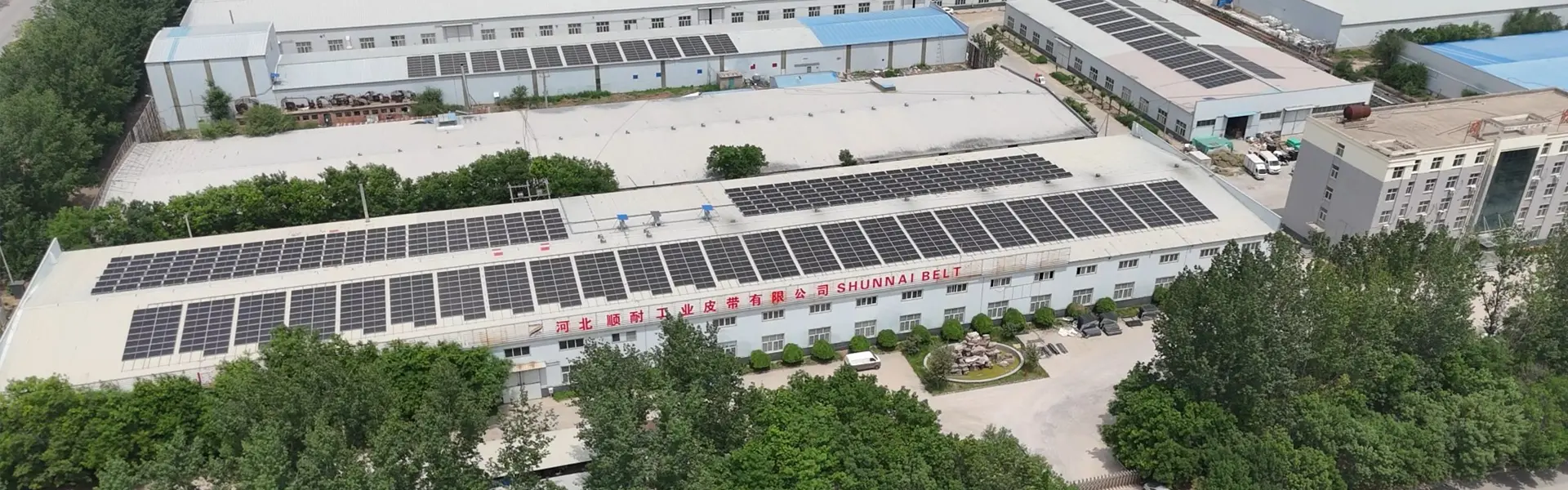
We are a direct manufacturer. Tianjin Shunnai Conveyor Belt Manufacturing Co., Ltd. was founded in 2007. We have our own production base covering nearly over 10,000 square meters, and a marketing center in Tianjin. You are very welcome to visit our factory.
2. Can we visit your factory?
Absolutely. We warmly welcome customers from all over the world to visit our factory. Please contact our sales team in advance, and we will arrange pick-up, translation and other services for you.
3. Does your factory have its own R&D team?
Yes, we do. We have a professional R&D team focusing on new conveyor belt materials, product performance improvement, and customized solutions. Our company holds multiple invention patents and certifications such as FDA, MA, CNAS, and ISO 9001.
4. Where is your factory located?
Our manufacturing base is located in Xingtai Economic Development Zone, Hebei Province, China. Our headquarters is in Jizhou District, Tianjin, and we have a marketing center in Nankai District, Tianjin.
5. How many staff do you have in your factory?
We have over 90 staff in total across our three specialized workshops. We also have a dedicated sales and R&D team at our marketing center.
6. How many production lines do you have?
We are equipped with 4 automatic conveyor belt production lines and 3 automatic production lines for guide strips, baffles and skirt sides. Our advanced equipment ensures large-scale production capacity and stable quality.
7. How many years have your company made this kind of equipment?
Since our founding in 2007, we have been manufacturing light conveyor belts and conveying equipment for over 18 years.
8. Do you have any agent in our country?
We have customers worldwide, but agents are available only in certain regions. Please contact our sales team to check if we already have an agent in your country. If not, we welcome partnership inquiries.
9. Do you have any real project pictures of the equipment?
Yes. We can provide real project photos and case studies of conveyor belts and equipment installed in food, logistics, wood, stone, and other industries. Please ask our sales team for references.
10. What is the scale of your factory?
Our production base covers nearly over 10,000 square meters with three specialized workshops. We have over 90 staff and operate 4 automatic conveyor belt production lines plus 3 accessory lines.
11. What is your MOQ?
For standard conveyor belts, MOQ is flexible. Sample orders (1 belt or 1 machine) are welcome. For custom belts or equipment, MOQ depends on specifications.
12. Can we visit your factory?
Absolutely. We warmly welcome customers from all over the world to visit our factory. Please contact our sales team in advance, and we will arrange pick-up, translation and other services for you.
13. Does your factory have its own R&D team?
Yes, we have a professional R&D team composed of 7 engineers with rich experience in developing new wall panel materials, improving product performance and designing personalized products according to customer needs.
14. How can I become your agent in my country?
Please contact our sales team at global@shunnaibelt.com to discuss partnership opportunities. We look forward to working with reliable partners who have experience in the conveyor belt industry.
15. How far is your factory from the city hotel?
We have partner hotels near our factory. Our team can arrange accommodation and pick-up for you. Please let us know your travel plan in advance.
16. How far is your factory from the airport?
Our Tianjin Nankai marketing center is about 30 km from Tianjin Binhai International Airport (TSN), around 40 minutes by car. Our Tianjin Jizhou headquarters is about 68 km from Beijing Capital International Airport (PEK) and about 120 km from Tianjin Binhai International Airport, approximately 1.5 hours and 2 hours respectively. Our Hebei Xingtai production base is about 130 km from Shijiazhuang Zhengding International Airport (SJW), around 2 hours by car. We can arrange pick-up upon request.
Product Types & Basic Properties
17. What products do you mainly manufacture?
We manufacture a wide range of light conveyor belts and conveying equipment. Products include PVC, PU, PTFE (Teflon), silicone, rubber and PVK conveyor belts, as well as custom conveying systems, belt conveyors, roller conveyors, and accessories like guide strips, baffles and skirt sides.
18. What certificates do you have for your equipment?
Our products have obtained authoritative certifications such as FDA, MA, CNAS, and ISO 9001, along with multiple invention patents. Our food-grade conveyor belts meet FDA standards for direct food contact.
19. Can the equipment be installed under hot weather?
Yes. Our conveyor belts are designed to work reliably across a wide range of temperatures. We offer high-temperature resistant belts that can withstand elevated temperatures, and Teflon-coated belts can handle up to 260°C (500°F).
20. Can your products be installed under cold weather?
Yes. We offer cold-resistant conveyor belts that maintain flexibility and performance even in sub-zero environments, operating as low as -60°C.
21. Do you have anti-static or conductive conveyor belts?
Yes. We offer anti-static and conductive conveyor belts for electronics assembly, cleanrooms, and explosive environments. Please specify your surface resistivity requirement.
22. What is the temperature range of Teflon (PTFE) conveyor belts?
Our PTFE (Teflon) conveyor belts can withstand temperatures from -73°C to +260°C (-100°F to +500°F). They are non-toxic, FDA-compliant, and offer excellent non-stick properties.
23. What are the main advantages of your PU conveyor belts?
Our PU (polyurethane) conveyor belts offer excellent abrasion resistance, high load capacity, and good oil & chemical resistance. They are FDA-certified for direct food contact, non-toxic, and easy to clean. PU belts also perform well over a wide temperature range from -20°C to +80°C, making them ideal for food processing, packaging, and pharmaceutical industries.
24. What is the difference between PU conveyor belts and PVC conveyor belts?
The main differences lie in material properties and applications. PU belts offer better abrasion resistance, higher load capacity, and are FDA-compliant for food contact, but are generally more expensive. PVC belts are more economical, offer good chemical resistance, and are suitable for general industrial use such as logistics and warehousing. For hygienic or oil-prone environments, PU is recommended; for cost-sensitive general conveying, PVC is a good choice.
25. What are the key features of your PVK conveyor belts?
Our PVK conveyor belts are specially designed for high-performance conveying in demanding environments. Key features include: excellent abrasion and cut resistance, good oil and grease resistance, high flexibility even at low temperatures, and a non-toxic, odorless surface. PVK belts are widely used in logistics sorting, airport baggage handling, and general packaging applications where durability and impact resistance are critical.
26. Can PVK conveyor belts be used in food processing environments?
Yes, our PVK belts are manufactured with non-toxic, odorless materials and comply with food safety standards upon request. However, for direct and prolonged food contact, we typically recommend our FDA-certified PU or food-grade PVC belts. PVK belts are more suitable for packaging areas, post-processing handling, and general logistics where occasional food contact may occur but with high demands for wear and cut resistance.
27. What types of conveying equipment do you manufacture?
We manufacture a full range of conveying equipment, including belt conveyors, roller conveyors, chain conveyors, telescopic conveyors, turning conveyors (30° to 360°), screw conveyors, lifting conveyors, and workbench conveyor lines. We also offer automated solutions such as AGVs and sorting systems upon request. All equipment can be customized in dimensions, materials (carbon steel or stainless steel), and drive configurations.
28. What is the typical production lead time for customized conveying equipment?
For customized conveying equipment, the production lead time is typically 7-21 working days after design confirmation and deposit receipt. Standard equipment may take around 7-10 days, while complex systems may require up to 21 days.
29. What colors are available for your conveyor belts?
We offer a wide range of colors including white, green, black, blue, yellow, red, gray, and transparent/clear. Custom colors are also available for OEM orders.
30. What surface patterns (textures) can you provide?
We offer various surface patterns: smooth (easy cleaning, low friction), rough/embossed (higher grip), diamond/grid (good for incline conveying), and special custom textures.
31. Do you have anti-static conveyor belts?
Yes. Anti-static belts have surface resistance between 10⁶ to 10⁹ ohms, widely used in electronics assembly, cleanrooms, and explosive environments.
32. Do you offer conductive conveyor belts?
Yes. Conductive belts have surface resistance below 10⁶ ohms (some as low as 10³ ohms), essential for munitions, medical devices, and high-precision electronics.
33. Do you have cut-resistant conveyor belts?
Yes. We offer cut- and puncture-resistant belts with hardened surface layer or special fabric reinforcement, ideal for metal stampings, glass, and recycled materials.
34. How good is the abrasion resistance of your belts?
Our PU belts offer excellent abrasion resistance (<40 mm³ loss per DIN 53516). PVC belts have good but lower abrasion resistance. For heavy abrasion, we recommend PU or specialized rubber belts.
35. Do you offer cut-resistant or puncture-resistant belts?
Yes. Belts with hardened urethane or special PVC surfaces resist sharp-edged products like stamped metal, glass, and recycled materials. Inform us if your application involves sharp/abrasive materials.
36. Do you have oil-resistant conveyor belts?
Yes. PU belts have natural oil/grease resistance; special oil-resistant PVC belts are also available for extreme oil exposure.
37. Are your belts resistant to acids and alkalis?
Yes. PVC belts resist dilute acids/alkalis; PTFE belts are inert to most chemicals. Please provide specific chemicals for recommendation.
38. What is the maximum temperature your belts can withstand?
Standard PU/PVC: -20°C to +80°C. PTFE: up to +260°C continuous. Silicone: up to +200°C. Special heat-resistant belts available for 80-200°C.
39. Do you have cold-resistant (low-temperature) conveyor belts?
Yes. Standard cold-resistant belts operate down to -45°C; special compounds available down to -60°C for freezers and cold storage.
40. Can your belts be used outdoors? Do they have UV resistance?
Yes. We offer UV-resistant belts with stabilizers to resist cracking and fading under prolonged sunlight. Recommend UV-grade for continuous outdoor exposure.
41. Do you have flame-retardant conveyor belts?
Yes. We produce FR belts meeting MSHA, ISO 340, and DIN 22102 standards for mining, tunnels, power plants, and wood processing.
42. Can you make belts with special properties like anti-bacterial or hydrolysis-resistant?
Yes. Anti-bacterial (silver-ion), hydrolysis-resistant (PU-based), anti-adhesive, magnetic, and water-absorbing belts are available.
43. What types of conveyor machines do you supply?
We provide belt conveyors, inclined conveyors, flat conveyors, turning conveyors and customized conveying equipment.
44. What driving modes do your conveyors adopt?
Mainly motor drive, stable operation, low noise, supporting adjustable conveying speed.
45. Is the conveyor frame durable and corrosion-proof?
Frames adopt carbon steel or stainless steel, sturdy structure, rust and wear resistant for long service life.
46. What materials can the conveyor transport?
It fits food, electronic parts, plastic, metal parts, packaging goods and bulk materials.
47. Can the equipment work in high temperature and dust workshops?
Equipped with protective structure, applicable to normal temperature, dust and conventional high-temperature working scenes.
48. What stainless steel grades do you use for food conveyors?
We adopt 201 and 304 stainless steel frames. 304 is mainstream for high sanitary food production, 201 suits conventional conveying scenes.
49. Is stainless steel food conveyor corrosion resistant and easy to clean?
Smooth welded structure, rust-proof and acid-base resistant. No sanitary dead corners, convenient for daily washing and disinfection.
50. Does the equipment support adjustable running speed?
Equipped with frequency conversion speed regulation, stable speed, flexible adjustment to meet different conveying efficiency demands.
Customization & Processing Services
51. Can you design the equipment according to our size?
Yes, we offer full OEM and ODM services. We can design and manufacture conveyor belts and equipment according to your technical drawings or physical samples, including custom belt widths, lengths, thicknesses, colors, patterns, and custom conveying systems.
52. Is OEM acceptable?
Yes, OEM and ODM services are fully acceptable. We can produce conveyor belts with your own brand, custom colors, and specific packaging.
53. Do you provide sample? Free or charge?
Yes, we provide samples. Sample costs are typically charged but may be refundable for bulk orders.
54. What is your MOQ?
For standard conveyor belts, MOQ is flexible. Small orders and sample orders (1 pc for belt, 1 unit for equipment) are welcome.
55. Can you add guides (V-guides) to the bottom of conveyor belts?
Yes. We can weld round, square, or trapezoidal guides in PVC/PU. Standard colors white/green, custom available.
56. What types of cleats (baffles) can you add on conveyor belts?
We offer square, inclined, T-shaped, and curved cleats, height 10-100mm (up to 150mm special). Ideal for inclined conveying and product separation.
57. Do you provide sidewalls for conveyor belts?
Yes. Corrugated or straight sidewalls, height 20-200mm, welded to belt edges. Often used with cleats to form pocket belts for steep-angle conveying.
58. Can you punch holes in conveyor belts? What patterns are available?
Yes. Round, square, oblong slots, or custom shapes. Hole diameter 2-30mm. CNC or laser cutting. Used for suction/vacuum conveying.
59. Do you offer sealed edges (food-grade sealed edges) for conveyor belts?
Yes. We produce food-grade belts with sealed edges to prevent liquid absorption and bacteria accumulation. Ideal for meat, poultry, seafood, dairy.
60. What conveyor belt accessories do you supply besides guides, cleats and sidewalls?
Full range: pulleys, drive rollers, tracking systems, belt fasteners, scrapers, impact beds, skirting rubber, splicing kits, and custom-molded accessories.
61. How do you attach guides, cleats and sidewalls to the belt?
We use high-frequency (HF) welding to create a molecular bond. For special materials, adhesive or mechanical fastening may be used.
62. Can you process belts with multiple accessories at the same time (e.g., guides + cleats + sidewalls)?
Absolutely. We frequently produce complex belts with bottom guides and top cleats+sidewalls. Provide a drawing and we will deliver a complete belt.
63. What is the maximum height of cleats or sidewalls you can weld?
Cleats: standard 100mm, special up to 150mm. Corrugated sidewalls: up to 200mm. Higher attachments reduce belt flexibility and increase minimum pulley diameter.
64. Can you make perforations on the entire belt surface or only in certain areas?
Both options. Even full-surface perforation or zone-specific patterns (center strip, edges only). CNC allows precise positioning.
65. Do you provide edge profiling or rounding for conveyor belts?
Yes. Edge rounding reduces wear on frames and skirt rubbers, improves safety. Heat-sealed edge treatment also available to prevent fraying.
66. Can you attach guides on both the top and bottom surfaces?
Yes. For example, V-guide on bottom for tracking, smaller guide on top for product alignment. Top-surface accessories must be material-compatible.
67. Can you customize conveyor size and structure?
Sure. We design and manufacture machines according to site layout, conveying height and material size.
68. Can conveyor size and lifting angle be customized?
Fully customizable in length, width, height and tilt angle to match on-site production layout.
69. Can you customize belt conveyor length and width according to my factory layout?
Yes. We design belt conveyors in any length and width. Custom widths up to 3,000mm are available. We also offer different incline angles and side guide options.
70. What materials can be used for the conveyor frame?
Carbon steel (painted or powder-coated), stainless steel (304 or 316) for food/chemical lines, and aluminum profiles for lightweight or cleanroom applications.
71. What turning angles can be achieved on your custom curved belt conveyors?
Standard angles include 30°, 45°, 60°, 90°, and 180°. We can also design non-standard angles up to 360° spiral curves. The belt is cut and spliced to match the required radius and angle.
72. Can you build a telescopic conveyor with variable extension length?
Yes. We design manual or motor-driven telescopic conveyors with adjustable extension. You can specify both retracted and extended lengths.
73. What drive options are available for your belt conveyors?
Drum motor (internal), geared motor with chain or timing belt drive, or shaft-mounted gearbox. Speed can be fixed or variable (inverter controlled).
74. Do you offer design assistance for custom lifting conveyors (bucket elevators)?
Yes. We help select bucket size, belt type, and lift height based on your material density, capacity, and discharge method. We also provide fabrication drawings.
75. Can the table surface and grounding method of an anti-static workbench be customized?
Yes. We offer anti-static table tops in laminate, stainless steel, or PVC. Grounding options include standard earth bonding or ESD plug connection. Height, length, and extra shelves can also be customized.
Orders, Packaging & Shipping
76. How long is your delivery time for conveyor belts?
For standard conveyor belts, delivery time is 1-5 working days after order confirmation and deposit receipt.
77. How long is your delivery time for conveying equipment?
For standard equipment, delivery time is generally 7-21 working days after design confirmation and deposit receipt.
78. What is your term of payment?
T/T (30% deposit, 70% balance before shipment).
79. What are your delivery terms?
We support EXW (Ex Works), FCA (Free Carrier), FAS (Free Alongside Ship), and FOB (Free on Board). You can choose the most convenient incoterm based on your shipping needs. Please discuss with our sales team to arrange the best option.
80. Can I deliver goods from other suppliers to your factory to load together?
Yes, we can help consolidate shipments. We can load everything into one container to reduce your logistics costs.
81. Can I only buy some spare parts from you?
Yes, absolutely. We supply all kinds of spare parts including guide strips, cleats, sidewalls, pulleys, and drive components. Small orders welcome.
82. How are your conveyor belts packaged for shipment?
Each roll is wrapped with anti-moisture plastic film and bubble wrap/kraft paper. Long or heavy rolls use wooden pallets or cases with edge protectors.
83. What is the maximum roll length and width you can produce?
Maximum width up to 3,000 mm. For standard PVC/PU belts, single roll length up to 100 meters. Thicker belts may have shorter lengths.
84. How much does a roll of conveyor belt weigh? How to estimate shipping cost?
Approx. 2.2-2.5 kg per square meter for 2mm PVC belt. Example: 500mm x 50m (25 sqm) weighs 55-62 kg. We provide exact weight upon order.
85. How should I store conveyor belt rolls to prevent damage?
Store vertically on circumference, never on edges or flat. Keep in dry, 10-30°C area away from sunlight, ozone, chemicals. Rotate periodically for long-term storage.
86. Can I order conveyor belts in cut-to-length pieces instead of full rolls?
Yes. Any specific length from a few meters to partial rolls. Ideal for prototype testing or emergency replacement.
87. Do you provide endless splicing of conveyor belt rolls before shipping?
Yes. We can cut and weld to your required circumference, saving you on-site splicing time. We can also add guides, cleats or sidewalls before splicing.
Installation, Maintenance & After-sales
88. Can we arrange a video meeting to discuss technical details or project requirements?
Yes, absolutely. We support video meetings via Teams, Zoom, Skype, WhatsApp, or any platform you prefer. This allows us to discuss project requirements, review technical drawings, show you product samples, or even conduct live factory walk-throughs without you having to travel. Just let us know your preferred platform and available time, and our sales or technical team will be happy to schedule a meeting.
89. Do you provide free spare parts?
For standard product quality issues, we provide free replacement parts under warranty. Consumable parts and improper-use damage not covered.
90. What is your after-sales guarantee?
24-hour response guarantee. If any quality problem occurs, our team provides a solution within 24 hours.
91. Do you provide installation manuals and video guidance?
Yes. Every product ships with a detailed English installation/operation manual. For complex equipment, we provide step-by-step video guidance or live remote video support via Teams, Zoom, or WhatsApp.
92. Do you provide remote technical support?
Yes, free remote technical support via email, phone, Teams, Zoom, or WhatsApp. Our team answers questions and assists with troubleshooting.
93. What is the proper way to store spare conveyor belts?
Store vertically on circumference in dry, 10-30°C area away from sunlight/ozone. Under proper storage, belts maintain properties for 2-3 years.
94. Why is my conveyor belt tracking to one side?
Common causes: uneven loading, worn/misaligned pulleys, improper tension, damaged edges, or unlevel frame. Check pulleys alignment and rotation. For V-guide belts, ensure clean groove and centered guide.
95. Do you provide on-site belt splicing services?
We provide video-guided splicing instructions and supply splicing kits instead of on-site dispatch. We ship a complete splicing kit (heat press, welding rods, temperature gauge) with a detailed video tutorial and written manual. Our technicians are available via live video call to guide your maintenance team through the endless welding process. This remote solution is faster, cost-effective, and allows you to master the skill for future needs.
96. Do you provide installation and after-sales guidance?
We offer professional installation instructions and remote technical support for daily maintenance and fault handling.
Industry Applications & Selection
97. What industries are your products mainly used in?
Food & beverage, pharmaceuticals, logistics, warehousing, tobacco, wood & stone, electronics, printing & packaging, automotive, fitness equipment, and mining.
98. How do I choose the right conveyor belt for my application?
Please provide: 1) Product type/size/weight, 2) Operating temperature & environment, 3) Required features (anti-static, oil-resistant, food-grade, etc.), 4) Conveyor configuration. Our engineers will recommend the optimal belt.
99. What is a light-duty conveyor belt?
A light-duty conveyor belt is designed for transporting small to medium-sized products at moderate speeds. It is thinner, more flexible, and lighter than heavy-duty belts, making it suitable for applications such as food processing, packaging, logistics, electronics assembly, and automated production lines. These belts typically operate with small pulley diameters and offer low noise, good tracking, and easy maintenance.
100. What materials are commonly used for light-duty conveyor belts?
Common materials include PVC for general industrial use (economical with good chemical resistance), PU for food contact and oil resistance (FDA‑certified), PTFE (Teflon) for high temperature and non‑stick applications, silicone for heat resistance and release properties, and PVK for high abrasion and cut resistance in logistics and sorting. Each material offers specific benefits depending on the application environment.
101. What are the advantages of light-duty conveyor belts for small product handling?
Lightweight construction reduces drive energy consumption. High flexibility allows small pulley diameters for compact machine design. Low noise operation is ideal for quiet work environments. Good grip prevents product slippage. Easy cleaning maintains hygiene.
102. How to achieve both thin profile and high strength in lightweight belts?
Use specially engineered fabric with high tensile modulus and low stretch. Thin gauge reduces belt mass while maintaining load capacity. Smooth surface ensures accurate product tracking. Available in various thicknesses from 0.45mm to 12mm.
103. Do you have food-grade conveyor belts?
Yes. FDA-certified, odorless, safe for direct food contact. Excellent oil resistance and easy cleaning. Used in meat, bakery, seafood, fruit & vegetable processing.
104. Do you have food-grade conveyor belts for the food industry?
Yes. Our FDA-certified PU and PVC belts are odorless, non-toxic, and safe for direct food contact. They resist oils, fats, and cleaning chemicals. White or light-colored belts are standard for easy contamination detection.
105. What belts are suitable for fresh produce (fruits, vegetables, meat, seafood)?
Fresh produce requires easy-clean, non-absorbent belts. We offer food-grade PU belts with sealed edges (to prevent liquid ingress) and optional drain holes for wet processing. Antibacterial belts (silver-ion) are available to reduce microbial growth.
106. Do you have belts for cold storage and frozen environments?
Yes. Our cold-resistant belts remain flexible down to -40°C. They are made of special PU or PVC compounds that do not become brittle. Non-stick surfaces prevent ice buildup. Suitable for frozen food, ice cream, and seafood cold chains.
107. What belts are used in central kitchens (food processing hubs)?
Central kitchens need high-temp belts (for ovens), easy-clean belts (for washing lines), and anti-bacterial belts. We supply PTFE belts for baking, PU belts for assembly lines, and sealed-edge belts for washing/drying sections. All are FDA-compliant.
108. Do you provide water curtains (waterfall curtains) for dishwasher conveyors?
Yes. We manufacture flexible PVC or silicone water curtains (strip curtains) that hang over conveyor openings in commercial dishwashers to contain water spray and heat. They are easy to install, cut-to-length, and resistant to high temperatures and detergents.
109. What are the features of your industrial dishwasher splash curtain?
Yes. We supply flexible PVC water curtain strips (strip curtains) specifically designed for tunnel dishwashers. Key properties include: water-resistant and moisture-proof – sealed surface prevents water absorption; detergent-resistant – withstands alkaline and acidic cleaning chemicals; temperature-resistant up to 80°C – suitable for high-temperature wash and rinse zones; good vertical drape – strips hang straight without curling, ensuring effective spray containment; easy to clean – smooth, non-porous surface allows quick wipe-down. Strips are available in various widths and can be cut to length.
110. Do you have conveyor belts for fish processing in wet and humid environments?
Yes. We supply water-resistant belts with easy cleaning and anti-bacterial properties to withstand constant moisture and washdowns.
111. What about belts for high-humidity areas like meat or seafood processing?
For high humidity, we recommend fully extruded PU belts with sealed edges. They prevent moisture wicking into fabric layers, eliminating bacterial growth. Belts with drain holes are available to allow water and juices to flow through.
112. Can your belts handle acidic or alkaline cleaning solutions?
Yes. Our PU belts have moderate chemical resistance; PVC belts resist dilute acids/alkalis. For frequent CIP (clean-in-place) with strong chemicals, we recommend PTFE belts which are chemically inert. Always specify cleaning agents for proper recommendation.
113. Do you have belts for fruit and vegetable grading machines?
Yes. Grading machines need smooth, non-bruising belts with perforations for air or water flow. We offer soft PU belts with round holes or slots, allowing small fruits/veg to be sized. FDA-compliant and easy to clean.
114. What belts are used for meat cutting and deboning lines?
Meat lines require cut-resistant, non-absorbent, and easy-clean belts. We offer food-grade PU belts with sealed edges and optional low-friction surfaces. Belts can be white or blue (for contrast with blood/meat). Metal-detectable belts are also available for safety.
115. Do you have conveyor belts for vegetable cutting machines like dicers or slicers?
Yes. We offer specialized belts made of modified PU material with cut-resistant and non-shedding properties, plus a non-slip surface.
116. What special properties do these vegetable cutter belts have?
Oil and water resistance, high temperature resistance up to 110°C, non-slip surface, food‑grade certification, and easy cleaning.
117. Why does my vegetable cutter belt keep breaking or shedding debris?
Frequent breakage or shedding usually happens when the belt lacks cut resistance or uses poor-quality materials. A proper belt should have a non-shedding surface and strong cut-resistant construction to withstand repeated blade contact without crumbling.
118. Do you have belts for seafood processing (shrimp peeling, fish fillet lines)?
Yes. Seafood lines need belts that resist saltwater, are non-absorbent, and easy to sanitize. Our hydrolysis-resistant PU belts with sealed edges are ideal. Smooth surface prevents damage to delicate seafood. Available with drain holes.
119. What type of conveyor belt is suitable for sugar conveying?
We recommend food-grade certified belts with excellent non-stick properties to prevent sugar adhesion. Anti-static option is available to reduce sugar dust buildup.
120. Which conveyor belt works well for candy and confectionery production lines?
We recommend food-grade PU or PVC belts with anti-stick surface and easy-clean properties. Low friction helps prevent candy melting or deformation.
121. What is the best conveyor belt for chocolate handling?
We recommend belts with a very smooth, non-porous surface such as PTFE-coated or polished PU. Good release properties prevent chocolate sticking, and low-temperature resistance is required for cooling tunnels.
122. How to prevent potato chips from sticking to the conveyor belt?
Use a belt with a non-stick surface and good oil resistance. Regular cleaning and a slightly textured pattern can also help reduce sticking.
123. What belt features are important for conveying fried potato chips?
Oil resistance is essential to prevent belt degradation. Easy cleaning and non-stick properties help maintain hygiene and reduce oil buildup.
124. What conveyor belt is suitable for nut roasting lines?
Heat-resistant and non-stick belt to prevent nuts from burning or sticking. Good oil resistance and easy cleaning are also beneficial.
125. What belt properties are important for conveying salted or flavored nuts?
Oil and salt resistance to prevent corrosion. Easy cleaning and non-stick surface to avoid flavor residue buildup. Food-grade certification is required.
126. What belt properties are needed for conveying roasted coffee beans?
Roasted beans are more fragile than green beans and require heat-resistant belts that operate at elevated temperatures without degrading. The belt surface should provide a cushioning effect to minimize impact forces during transfer. Non-toxic, food-grade certification and easy cleaning are also essential for roasted bean lines.
127. What conveyor belt works well for coffee cherry handling in wet processing?
For wet coffee cherry handling, choose an open-weave fabric belt or a belt with drainage holes. This allows excess water and juice to drain through the belt. Water-resistant construction prevents belt degradation, and the belt should be easy to clean and sanitize after each batch.
128. What belt properties prevent biscuit breakage on packaging lines?
Choose a belt with a soft, shock-absorbing surface. Low vibration transmission and smooth joints prevent impact cracks. A non-stick surface also stops sticky toppings from pulling biscuits apart.
129. How to handle oily biscuit topping residue on conveyors?
Use an oil-resistant belt with a non-stick, easy-clean surface. Anti-static can reduce dust attraction that mixes with grease. Regular cleaning with mild detergent keeps the belt hygienic.
130. How to prevent soft cheese from sticking to the conveyor belt?
Use a non-stick belt surface, such as PTFE-coated or ultra-smooth PU. Cold resistance is needed for refrigerated lines, and oil resistance prevents dairy fat residue. Easy cleaning ensures hygiene.
131. What belt properties prevent bread crust from sticking after baking?
Heat-resistant and non-stick surface. A slightly textured finish reduces contact area without damaging the crust. Easy cleaning removes crumbs and oil.
132. Do you have belts for conveyor systems in breweries?
Yes. Breweries use belts for bottle/can conveying and case packing. We offer oil-resistant (for lubricants), water-resistant, and non-slip belts. Modular plastic belts are also available for high-hygiene zones.
133. What conveyor belt works best for breweries where moisture is present?
We recommend hydrolysis-resistant belts that resist moisture degradation. Non-slip surface and good chemical resistance to cleaning agents are also important.
134. How to handle wet and sticky beverage cans on filling lines?
Use a belt with a high-friction textured surface to prevent can slippage. Water-resistant construction avoids belt degradation. Perforated belts allow liquid drainage. Easy cleaning prevents mold and bacterial growth.
135. What belt properties prevent bottle tipping during high-speed beverage conveying?
Good lateral stability and low vibration keep bottles upright. Non-slip surface provides secure grip. Smooth start-stop reduces sudden jerks. Side guides or corrugated edges can also help stabilize bottles.
136. What safety features are required for conveyor belts handling pharmaceutical packaging?
Non-shedding surface prevents particles from contaminating blister packs or bottles. Non-toxic and food-grade certified materials are required for indirect contact. Easy cleaning removes glue or dust residue. Anti-static reduces electrostatic attraction of fine particles.
137. What GMP requirements must conveyor belts meet for direct drug contact in pharmaceutical plants?
GMP requires that conveyor belts for direct drug contact must be non-toxic, non-shedding, easy to clean, resistant to disinfectants, and have a smooth non-porous surface. The material must pass FDA or EU food contact certifications. Proper design prevents bacterial adhesion and cross-contamination between batches. Regular cleaning and disinfection cycles are mandatory to maintain compliance.
138. What belt properties are essential for cleanroom environments in pharmaceutical manufacturing?
Essential properties include anti-static to prevent dust attraction and electrostatic hazards, low particle generation to avoid shedding debris, smooth sealed edges to stop liquid absorption, and chemical resistance against alcohols and peracetic acid. Hydrolysis resistance is also required for steam or wet cleaning. Belts must stay flexible under repeated disinfectant exposure.
139. What belts are suitable for the logistics and sorting industry?
Logistics sorting requires high-abrasion resistance, low-noise, and high-speed capability. Our PVK belts are ideal: excellent cut/abrasion resistance, low noise, and good grip on cartons. Anti-static options prevent dust attraction.
140. How to reduce noise on high-speed parcel conveyors?
Use low-noise belts with soft surface materials and good flexibility. Proper tensioning and smooth pulley surfaces also help.
141. What belt prevents parcel skidding during merging and sorting?
A belt with a high-friction textured surface provides better grip. Anti-static reduces dust that can make the surface slippery.
142. Why does my logistics conveyor belt keep running off track?
Common causes include uneven loading, misaligned pulleys, or lack of tracking guides. Adding V-guides on the belt back and ensuring proper tension usually solves the problem.
143. How to reduce rapid belt wear from sharp carton edges?
Use a belt with high abrasion and cut resistance. Smooth transfer points and impact beds also help. Regular inspection and timely replacement of worn sections extend belt life.
144. What causes excessive noise on parcel sorting conveyors and how to fix it?
Noise often comes from poor belt tracking, rough pulley surfaces, or stiff belt materials. Use low-noise belts with soft covers, align pulleys, and maintain proper tension.
145. What conveyor belt works best for high-volume parcel sorting hubs?
Use belts with high wear resistance for 24/7 operation, low noise for worker comfort, and good grip to prevent packages from sliding. Anti-static is a plus for dust control.
146. What belt features are critical for e-commerce warehouse fulfillment lines?
Quick acceleration and deceleration without product shifting, anti-slip surface for mixed box sizes, and easy cleaning for dusty cardboard. Good tracking reduces downtime from misalignment.
147. Do you offer anti-static belts for dust-sensitive logistics environments?
Yes. Anti-static belts prevent dust attraction and reduce static discharge risk, keeping products clean and safe.
148. What belts are used in automated warehouses (AS/RS) and shuttle systems?
Automated warehouses use low-friction, high-speed belts with precise tracking. We offer fabric-reinforced PVC belts with anti-static properties. Low-stretch belts ensure accurate positioning. Also available: timing belts for positioning applications.
149. Do you have conveyor belts for parcel sorting machines?
Yes. We offer PVK or PU belts with high abrasion resistance, low noise, and good grip on parcels.
150. What belt features are important for high-speed parcel sorting?
Low noise operation, good grip on cartons, anti-static to reduce dust attraction, and wear resistance for long running hours.
151. How to prevent parcels from sliding on a sorting belt incline?
Use a belt with a textured or cleated surface to increase friction. Anti-static can also help reduce dust that makes the surface slippery.
152. Do you have conveyor belts for cross-belt sorters?
Yes. We supply lightweight, high-grip PU belts with low stretch for accurate positioning and anti-static properties.
153. Do you have conveyor belts for shoe sorters?
Yes. We offer wear-resistant, low-noise belts with good friction stability for diverting parcels.
154. What belt is suitable for heavy parcel and carton conveying?
Look for high tear strength, good impact resistance to handle heavy drops, and anti-abrasion properties. Easy cleaning is a plus for dusty environments.
155. Why is a good conveyor belt important for a bag closer machine?
It ensures smooth bag feeding without slipping or damage, maintains straight tracking to avoid misalignment, and improves stitching consistency.
156. What conveyor belt is suitable for bagging lines in food and chemical industries?
For food lines, a food-grade belt prevents contamination. For chemical lines, an acid/alkali resistant belt prevents corrosion. Both require anti-slip for stable bag movement.
157. Why do cartons often slip or skew on packaging conveyors?
A good conveyor belt with anti-slip surface and precise tracking provides stable grip and straight movement, preventing carton skewing and reducing manual correction.
158. How to prevent belt contamination from oil and product residue in food packaging?
Using a non-stick, easy-clean belt with oil resistance prevents residue buildup, reduces contamination risk, and simplifies sanitation between batches.
159. What causes high wear on packaging line belts and how to address it?
Sharp carton edges and high speeds cause wear. A belt with high abrasion and cut resistance extends service life, reduces downtime, and lowers replacement costs.
160. Do you have conveyor belts for carton transport lines?
Yes. We supply belts for cardboard box handling with high abrasion resistance, good anti-slip properties to prevent carton movement, and low noise operation.
161. How to ensure cartons stay straight on a conveyor without veering off?
Use a belt with good tracking performance, often aided by guides on the back. A flat and uniform belt surface also helps.
162. What are the key features of conveyor belts for carton conveying?
Key features include high wear resistance for long life, low noise for quieter environment, good grip on cartons to prevent slippage, oil and grease resistance for packaging areas, and anti-static option to reduce dust.
163. Do you have conveyor belts for shrink wrap tunnels?
Yes. We offer PTFE or silicone belts with high temperature resistance up to 260°C and non-stick surface for shrink wrapping.
164. Do you have conveyor belts for case sealing machines?
Yes. We offer PVC belts with smooth surface, low stretch, and accurate tracking for consistent tape application.
165. What requirements are needed for conveyor belts on carton sealing machines?
Requirements include good tracking to prevent misalignment, low elongation for positioning stability, moderate friction to hold cartons without skewing, and easy cleaning for dusty environments.
166. What belt properties are important for carton sealing machines?
Accurate tracking for consistent tape application, smooth but not slippery surface, and low stretch to maintain positioning.
167. What conveyor belts are used for labeling machines (automatic label applicators)?
Labeling machines require smooth, low‑friction, and static‑free belts to prevent label curling and misplacement. We offer anti‑static PU belts with a matte or slightly tacky surface that grips products without damaging labels. Belts can be thin (0.8‑1.5mm) for precise speed control. Transparent belts are available for optical sensors.
168. What belt is best for labeling machines to prevent label curling?
Anti-static belt is essential to avoid static cling. A smooth, non-marking surface helps labels lay flat without sticking prematurely.
169. How to achieve accurate product spacing for labeling?
Use a belt with low stretch and good grip. Timing belts or belts with printed marks can also help synchronize with the labeler.
170. What belt features are needed for wet or oily product labeling?
Oil-resistant and water-resistant properties to prevent belt damage. Non-slip surface ensures product stays in place during labeling.
171. Do you have conveyor belts for digital label printing presses?
Yes. We supply anti-static PU belts with smooth, non-marking surface and low elongation for precise label transport.
172. Do you have conveyor belts for flexo label printing presses?
Yes. We offer timing belts for exact positioning and anti-curl belts for thin label stock.
173. What belt is suitable for inkjet printers to avoid ink smearing?
Use a non-absorbent, easy-clean belt. A slightly textured surface can also help by reducing contact area with wet ink.
174. How to prevent product vibration during high-speed inkjet coding?
Choose a belt with low vibration transmission and good damping properties. A flat and uniform belt surface also helps stabilize products.
175. Do you have conveyor belts for vision-guided pick and place robots?
Yes. For vision-guided robotic pick and place systems, we offer belts that enable accurate part positioning and reliable gripping. Key features include high dimensional stability and low elongation to maintain product position relative to the robot's vision coordinates, consistent surface friction so parts do not shift unpredictably, anti-static to prevent parts from sticking due to static charge, and optional cleats or pocketed surfaces to separate individual items for easier robotic picking. Timing belt options are available for precise indexing and synchronization with the robot. Belt colors are often chosen to contrast with the parts for easier vision recognition. We can also print grid patterns or alignment marks to assist camera calibration.
176. What special requirements should conveyor belts for the wood industry have?
For wood processing (cutting, sanding, sorting), conveyor belts require excellent cut and puncture resistance, good surface grip to prevent log rolling, anti-static properties to avoid dust ignition, and wear resistance against sharp wood chips. Our PU and PVK belts with hardened surfaces are ideal for these applications. We also offer V-guides for tracking on narrow bandsaws.
177. Can your belts resist damage from sharp wood chips and splinters?
Yes. We offer cut-resistant PU belts with a hardened coating that withstands sharp wood chips, splinters, and rough edges of green lumber. The belt surface is also designed to release debris easily without trapping splinters. For high-speed planing or sanding lines, we recommend our PVK belts which offer extra impact resistance.
178. What conveyor belts are suitable for panel conveying?
We recommend belts with high wear resistance, strong cut resistance, and high tensile strength to withstand sharp tile edges and heavy loads during cutting.
179. What belt withstands high heat from sanding friction?
Use heat-resistant belts with good thermal stability. Non-stick surface reduces friction heat, and durable cover resists burning.
180. How to prevent belt tearing from sharp wood edges on sanders?
Choose cut-resistant and anti-puncture belts with strong fabric reinforcement. Smooth edge finishing also reduces snagging.
181. What belt provides consistent tracking on wide sanding machines?
Install V-guides on the belt back and use crowned pulleys. Low stretch and uniform belt thickness also promote straight tracking.
182. What belt resists crushing under heavy pre-press loads?
Use high-compression-strength belts with anti-crush properties. Thick, dense fabric layers distribute pressure evenly and prevent deformation.
183. How to maintain belt tracking under continuous heavy pressure?
Install robust tracking guides on the belt back and ensure rigid frame alignment. Low-stretch belts also resist lateral movement.
184. What belt offers both wear resistance and smooth surface for panel pressing?
A belt with a hard, smooth top coat provides low friction for material flow, while a tough base layer gives high abrasion resistance. Easy cleaning is a plus.
185. What conveyor belt features are important for furniture assembly and panel handling lines?
High flatness ensures stable panel movement without wobbling. Good tracking performance prevents belt wandering, especially on long conveyors. Anti-static reduces dust attraction to finished surfaces. Oil and wax resistance protects against wood treatment residues. Easy cleaning removes glue and finish spills. A non‑slip surface keeps panels from shifting during assembly operations.
186. What conveyor belt is suitable for furniture painting and spraying lines?
We recommend PTFE-coated, silicone, or TPEE belts with non-stick surface to prevent paint buildup, plus anti-static and solvent-resistant properties. Easy cleaning is also essential.
187. Do you have conveyor belts for the ceramic industry (tile manufacturing, kiln conveyors)? What are their key properties?
Yes. For ceramic tile production, we offer high temperature resistant belts capable of withstanding kiln heat up to 200°C or more depending on material. Key properties include excellent abrasion resistance to handle heavy, rough ceramic tiles; high impact resistance to absorb shock from tile drop; anti-slip surface to prevent tile shifting on inclines; good chemical resistance against glazes and slurries; low elongation to maintain accurate positioning. We recommend multi-ply silicone belts or PTFE coated belts for kiln entry/exit sections, and heavy duty PVC or PU belts for sorting and packaging lines.
188. Do you have conveyor belts for glass processing (glass sheets, tempered glass lines)? What special features are required?
Yes. For glass handling, we offer belts with special features to protect glass surfaces. Key requirements include non-scratch and soft contact surface, often using felt, silicone, or smooth PU materials; cut and puncture resistance to handle sharp glass edges; excellent abrasion resistance to withstand continuous glass movement; high temperature resistance for tempering furnaces, with PTFE or silicone belts operating up to 260°C; anti-static properties to avoid dust attraction. We also provide belts with a slightly tacky or textured surface to prevent glass slippage without marking. Seamless endless belts are recommended to avoid any joint mark on glass.
189. What type of conveyor belt is suitable for gypsum board production lines?
We recommend heavy-duty PVC or rubber belts with high wear resistance, anti-static properties, and good heat resistance for drying sections.
190. What conveyor belts are used for gypsum board forming lines?
Forming lines require flat, low-stretch belts with precise tracking, often with a release surface to prevent gypsum paste sticking.
191. Which conveyor belt works best for rock wool board production lines?
We recommend PVC conveyor belts for rock wool board lines. They feature high flatness for stable board transport and are equipped with guides on the back to prevent misalignment. Standard PVC belts meet the temperature requirement as it is not high.
192. Which conveyor belt works best for ceramic tile cutting lines?
We recommend belts with high wear resistance, strong cut resistance, high tensile strength, and good tracking to prevent misalignment during cutting.
193. What type of conveyor belt is used for marble grinding machines?
We recommend modified PVC belts with strong abrasion resistance. The belt surface features knurled patterns or small mesh textures to provide excellent friction for stable marble transport during grinding.
194. What type of conveyor belt is best for stone processing (granite, marble, slate)?
Stone processing requires ultra-high abrasion resistance, strong tear strength, and impact resistance to handle heavy, sharp stone blocks and slabs. Our heavy-duty PU belts and rubber belts are recommended. They feature a thick, wear-resistant cover, high tensile fabric reinforcement, and optional chevron surface patterns for inclined conveying of wet stone. We also provide belts with oil resistance for stone cutting fluid exposure.
195. How do your belts handle the heavy impact of falling stone blocks?
We design impact-resistant belts with multi-ply fabric construction (e.g., 4-5 plies) and extra-thick rubber or PU covers (up to 10mm). The belt body absorbs shock and distributes impact forces across the fabric layers, preventing puncture. We also recommend installing impact beds or slider beds at loading zones to further protect the belt. For extreme applications, we can supply steel-cable reinforced belts.
196 What conveyor belts are recommended for the automotive industry?
Automotive industry uses oil-resistant PU belts (for engine parts), cut-resistant belts (for stamping parts), and high-temperature belts (for paint drying). We also supply assembly line belts with cleats for component positioning.
197 What belt properties are important for automotive assembly lines?
Oil resistance to handle lubricants, anti-slip for part stability, and good abrasion resistance for long shifts. Anti-static is a plus.
198 How to protect conveyor belts from heavy impact in stamping plants?
Use impact-resistant belts with anti-crush and anti-puncture properties. Thick cushion layers or reinforced fabric help absorb shock.
199 What belt resists aging in high-temperature paint shops?
Choose heat-resistant belts with anti-aging additives to prevent cracking and hardening. Non-stick surface also resists paint buildup.
200 Do you have belts for brake pad production?
Yes. Brake pad production requires high-temperature, abrasion-resistant belts (for pressing and grinding). We offer silicone or PTFE belts with excellent heat release and non-stick properties. Also available: anti-static belts for dust extraction.
201 Do you have belts for automotive painting lines?
Yes. Painting lines need high-temperature (oven) and chemical-resistant belts. We offer PTFE belts and silicone belts that withstand paint solvents and high curing temperatures. Non-marking and anti-static options available.
202 What conveyor belts are used for brake pad curing presses?
Brake pad curing requires heavy-duty, heat-resistant belts with excellent release properties. We supply silicone-coated or PTFE-coated belts that withstand high pressure and temperature. Thick glass-fabric reinforced belts are available.
203 What belt properties are important for tire building machines?
High precision tracking, low stretch for accurate positioning, and anti-static to prevent dust attraction. Good flexibility is also needed for small pulley diameters.
204 How to prevent tire slippage on conveyor during curing press loading?
Use a belt with a textured or high-friction surface. Oil resistance is also important to avoid degradation from mold release agents.
205 What belt is suitable for heavy tire handling after vulcanization?
Look for high impact resistance, anti-puncture strength, and good abrasion resistance. Heat-resistant properties are a plus for hot tires.
206 Do you have belts for metal stamping part scrap removal?
Yes. For sharp metal scrap, we offer cut-resistant belts with hardened surfaces and steel-cable reinforcement. Magnetic belts are also available to hold ferrous scraps. Cleated belts prevent scrap from rolling back.
207 Can you supply belts for conveying metal or plastic parts (small components)?
Yes. For small parts, we recommend PVC or PU belts with embossed or cleated surfaces to prevent rolling. V-guides on the bottom ensure stable tracking. Oil-resistant and anti-static options are available for machined parts.
208 How does belt flatness affect metal sheet coiling quality on assist rollers?
High belt flatness ensures uniform pressure distribution on the metal sheet during winding, preventing wrinkles or uneven edges. Belts with precise thickness uniformity and seamless construction eliminate surface bumps that could mark the sheet, while smooth edges avoid scratching. Flat belts also help the sheet lie flush against the mandrel for tighter, straighter coils.
209 What belt strength properties are required for heavy-duty metal coiling?
High tensile strength and low stretch are essential to withstand the heavy pulling force during coiling without elongating, which would cause loose coils. Cut and puncture resistance protects the belt from sharp sheet edges. High tear strength prevents ripping under sudden impact. A strong, flexible carcass maintains consistent grip while resisting deformation under continuous heavy load.
210 Do you have conveyor belts suitable for the electronics industry?
Yes. We offer anti-static, conductive, and ultra-smooth PU/PVC belts for electronics assembly, SMT production lines, and component handling. Surface resistance can be customized from 10³ to 10⁹ ohms. Non-marking and cleanroom-compatible options are available.
211 What conveyor belts are used for quantitative packing scales (weighing feeders)?
Quantitative packing scales require high-precision, low-elongation, and non-stick belts. We recommend thin PU belts with a smooth, non-porous surface to prevent material adhesion and ensure accurate weighing. Belts can be customized with tracking guides and anti-static properties.
212 How to ensure accurate weighing on a quantitative packing scale conveyor?
Use a belt with low elongation to avoid tension changes, plus anti-static to prevent material cling. A smooth, non-stick surface also helps product release.
213 Do you have belts for checkweighers?
Yes. For checkweighers, we supply ultra-lightweight, low-inertia belts with excellent dimensional stability. Food-grade PU belts with FDA certification are available for food checkweighers. Belts can be made in thin gauges (0.8-1.5mm) to minimize weight variance.
214 Do you have conveyor belts for metal detectors?
Yes. We offer metal detectable conveyor belts for metal detection systems. These belts contain a detectable additive that allows small belt fragments to be identified by the metal detector in case of wear or damage. Key features include non-metallic interference to avoid false triggers, smooth easy-clean surface, food grade certification for direct contact, and low stretch for consistent speed. Our belts comply with FDA and EU regulations.
215 Do you have conveyor belts for visual inspection systems?
Yes. For automated optical inspection systems, we offer belts that ensure accurate image capture. Important properties include a matt or non-reflective surface to prevent glare, consistent color such as black, white, or matte gray for high contrast, anti-static to avoid dust attraction, precise flatness and thickness uniformity for stable product positioning, and low vibration transmission to maintain image clarity. We also offer belts with printed fiducial marks for synchronization with camera triggers. These belts are widely used in electronics, pharmaceutical, food, and packaging inspection lines.
216 Do you have conveyor belts for lithium battery manufacturing?
Yes. For lithium battery production (electrode coating, winding, assembly), we offer anti-static, ultra-clean, and high-temperature resistant belts. PTFE-coated belts resist electrolyte corrosion. Also available: low-particle generation belts for dry rooms.
217 What belts are suitable for the photovoltaic (solar panel) industry?
Solar panel manufacturing requires high-temperature resistant, anti-static, and non-marking belts. We offer PTFE belts for lamination lines and anti-static PVC belts for cell sorting. Belts with low outgassing are available for vacuum processes.
218 Do you provide belts for mobile phone assembly lines?
Yes. For mobile phone assembly, we offer anti-static PU belts with smooth, non-scratch surfaces. Belts can be made in custom colors for line identification. High-precision tracking guides ensure alignment for automated placement machines.
219 Do you have belts for dust-free workshops (cleanrooms)?
Yes. We offer low-particle generation belts with anti-static properties. Materials include special PU with low outgassing, and seamless endless belts reduce dust traps. Suitable for Class 100 to Class 10,000 cleanrooms.
220 What belt is suitable for cleanrooms to avoid contamination?
Use low-particle generation belts with anti-static and easy-clean surfaces. Seamless endless belts eliminate joint debris. Conductive options are available for ESD protection.
221 Do you offer ultra-thin belts for cleanroom automation?
Yes. Ultra-thin belts (1.0mm to 1.5mm) with low friction and anti-static properties are available for compact equipment and sensitive product handling.
222 What belts are used for electronic component aging tests (high temperature)?
Aging test ovens require high-temperature belts up to 260°C. We recommend PTFE-coated belts or silicone belts. They maintain dimensional stability and do not release fumes under heat.
223 Do you have belts for lithium battery electrode drying (oven) process?
Yes. For drying ovens, we supply PTFE mesh belts or solid PTFE belts with excellent heat resistance and air permeability (mesh). Non-stick surface prevents electrode paste adhesion.
224 What belts are used for solar cell stringers (tabbing/ribbon soldering)?
Solar cell stringers require high-temperature belts (up to 260°C) with non-stick, anti-static properties. PTFE belts with smooth surface allow easy release of flux residue. Anti-static prevents dust attraction to cells.
225 What conveyor belts are suitable for agriculture?
Agriculture uses belts for grain, seed, fruit, and vegetable handling. We offer food-contact safe PVC/PU belts, plus cleated belts for inclined conveying of loose crops. UV-resistant and weather-resistant options for outdoor use.
226 What belts are used in grain elevators?
Grain elevators use bucket elevator belts with high strength and low stretch. We offer fabric-reinforced rubber belts with buckets attached. Anti-static and oil-resistant grades are available. Belts can be made with magnetic edge sensors for speed monitoring.
227 Do you have conveyor belts for seed processing machinery?
Yes. We supply belts for seed cleaners and sorters with anti-static properties to prevent dust attraction and gentle gripping to avoid seed damage.
228 What requirements do seed cleaners and sorters have for conveyor belts?
Requirements include anti-static for dust control, good wear resistance for long life, easy cleaning for hygiene, and a non-damaging surface to protect seed coats.
229 What belts are used for grain silos and grain handling systems?
Grain silos use belt conveyors with high-volume, low-degradation belts. We supply food-grade PVC belts with anti-static (explosion prevention) and wear-resistant properties. Belts can be made with chevron surface for inclined conveying of grain.
230 What type of conveyor belt works well for potato handling before processing?
Look for good wear resistance to handle dirt and abrasive soil, plus easy cleaning and water resistance for washing stations.
231 How to ensure potatoes do not roll off the conveyor on an incline?
Use a belt with raised cleats or a textured surface to increase friction. Adding cleats on the belt surface and sidewalls can also prevent side spillage.
232 What belt is suitable for wet potato handling in washing and sorting applications?
Choose a water-resistant belt with easy drainage holes and a non-slip surface. Anti-bacterial properties are a plus for hygiene.
233 What key properties are needed for conveying corn on the cob?
Good grip to prevent rolling, moderate friction, and easy cleaning. For cooked corn, heat resistance and non-stick are also important.
234 How to handle corn kernels on a conveyor without losing product?
Use a belt with low sidewalls or a slight trough shape. A textured surface can also help keep kernels in place.
235 What belt is best for frozen corn conveying?
Cold-resistant belt that stays flexible at low temperatures. Non-stick surface prevents ice buildup. Easy cleaning is also important.
236 How to prevent nuts from slipping on a conveyor during sorting?
Use a belt with a slightly textured or cleated surface to increase grip. Anti-static property can also reduce dust that causes slippage.
237 How to prevent coffee bean oil and residue from sticking to the conveyor belt?
Choose a belt with a non-stick surface and good oil resistance. For whole bean handling, smooth PU belts are effective; for roasted beans, silicone or PTFE belts offer excellent release properties. Easy-clean belts help maintain hygiene and prevent buildup that could contaminate the batch.
238 How to prevent soybeans from cracking during high-speed conveying?
Use a belt with a slightly cushioned surface or low-impact texture. Good grip prevents beans from rolling and colliding. Smooth transfer zones and gentle belt flexing also reduce mechanical damage.
239 How to prevent fruit from rolling off the conveyor during sorting?
Use a belt with a slightly textured surface or raised cleats to increase grip. Adding side skirts can also prevent side spillage. Anti-slip properties ensure stable fruit transport.
240 What belt features are important for wet fruit handling after washing?
Water resistance, easy drainage (via perforations or grooves), and an anti-bacterial surface are important. Easy cleaning prevents mold and bacteria growth in wet conditions.
241 What are the key requirements for egg collection belts in poultry farms?
The belt must have strong antibacterial and antifungal properties to prevent Salmonella, high tensile strength with low stretch for durability, and non-absorbent material that works in humid environments. Good impact absorption and perforated design help fix eggs in place, reducing breakage and even cleaning eggs during transport.
242 How to prevent eggs from slipping or rolling on a sloped conveyor?
Use a belt with a raised pattern surface to increase friction and prevent eggs from sliding. Adding sidewalls keeps eggs from falling off the sides, while a perforated design holds eggs in place. A rubber-coated drive roller also improves belt grip and prevents misalignment.
243 What belts are recommended for the tobacco industry?
Tobacco processing requires belts with low-friction surfaces to prevent leaf damage, anti-static to avoid dust ignition, and high-temperature resistance for drying. Our smooth PVC and PU belts meet these needs. We also supply timing belts for cigarette making machines.
244 Do you have belts for tobacco leaf curing (yellowing, drying) ovens?
Yes. Tobacco curing ovens require high-temperature belts (up to 120-150°C) with good air circulation. We offer PTFE mesh belts that allow hot air to pass through while supporting tobacco leaves. Non-stick surface prevents tar buildup.
245 Why do tobacco leaves tear easily on conveyor belts?
A belt with low-friction surface and gentle texture reduces pulling force, preventing leaf breakage. Smooth operation also minimizes impact damage.
246 How to prevent fine tobacco dust from accumulating on the belt surface?
An anti-static belt repels dust, keeping the surface clean. Non-stick properties also prevent dust buildup, reducing fire risk and maintaining hygiene.
247 Why does the belt frequently wander off track on tobacco processing lines?
Poor belt tracking often comes from uneven load or lack of guides. Adding V-guides on the back ensures straight running, reducing edge damage and downtime.
248 Do you have belts for mining conveyor systems with long distances?
Yes. For long-distance mining, we supply steel-cable reinforced rubber belts with high tensile strength (up to 5000 N/mm). These belts resist impact, rip, and have low elongation. Available with cold-resistant or flame-retardant compounds.
249 What conveyor belts are used in mining and mineral processing?
Mining requires heavy-duty rubber or PVC belts with high tensile strength, impact resistance, and cut resistance. We offer multi-ply fabric belts and steel-cable reinforced belts for ore, sand, and gravel. Sidewalls and cleats can be added for steep-angle conveying.
250 Do you have conveyor belts for gold recovery mats (trommel or sluice box mats)?
Yes. Our specialized riffled or corrugated conveyor belts can be used as gold recovery mats. They are made of wear-resistant rubber or PU with custom patterns to trap fine gold particles. UV-resistant for outdoor use.
251 How to prevent belt damage from sharp ore edges and impact at transfer points?
Use belts with cut-resistant and puncture-resistant covers, plus a strong fabric or steel cord reinforcement to localize damage. Thick rubber covers (6mm or more) absorb impact forces. Impact beds at loading zones also help protect the belt.
252 What belt properties are important for magnetic separation and gold ore processing?
For magnetic separation, the belt requires high magnetic permeability to ensure efficient iron removal, combined with excellent abrasion resistance and anti-static properties to prevent dust attraction. For gold processing, the belt demands strong impact resistance, cut and puncture resistance against sharp ores, high strength for heavy loads, and corrosion resistance for wet processing environments. Antifouling surface helps reduce fine gold adhesion.
253 Do you have heavy-duty rubber conveyor belts with impact resistance, tear resistance and high abrasion resistance?
Yes. We supply heavy-duty rubber belts that are highly resistant to impact and tearing, with excellent abrasion resistance. These belts feature reinforced carcass design (EP fabric or steel cord) with special rubber compounds to withstand sharp ores and heavy loads.
254 What belt features are critical for handling sharp and abrasive materials in recycling?
High cut resistance to withstand glass shards and metal scrap, strong puncture resistance, and abrasion resistance for long service life. Oil resistance protects against industrial oils and lubricants.
255 How to prevent belt tearing from embedded metal debris and sharp objects on recycling lines?
Use anti-tear designs with reinforced fabric layers that contain damage and prevent rips from spreading. Cut-resistant construction with specially formulated abrasion-resistant covers resists gouging. Self-cleaning surfaces and scrapers remove embedded debris.
256 What belt properties resist strong acids and alkalis in chemical plants?
Belts with chemical-resistant covers that maintain integrity when exposed to sulfuric, hydrochloric, or nitric acids, as well as caustic soda. Low liquid absorption prevents swelling and delamination. Seamless edges stop chemicals from wicking into fabric layers. Temperature resistance up to 80°C for hot chemical handling.
257 How to prevent belt degradation from oil and solvent spills in chemical environments?
Choose belts with oil and solvent resistant compounds. Non-stick surfaces prevent chemical residue buildup. Easy cleaning removes corrosive spills quickly. Good tracking ensures belt stays centered even when wet.
258 Can your belts handle both acidic and alkaline washdowns in food-chemical hybrid lines?
Yes. Special belts resist both acidic and alkaline cleaning agents with wide pH tolerance (pH 2 to 12). Closed surface structure prevents chemical penetration. Anti-bacterial option available for food-contact safety.
259 Do you have conveyor belts for treadmill/fitness equipment?
Yes. Full range from home-use slim belts to commercial thick belts, known for durability, low noise, and consistent performance.
260 Why does my treadmill belt slip or drift off center during running?
Slipping and misalignment often come from poor belt grip or lack of tracking control. A belt with good anti-slip properties and proper tracking design ensures consistent traction, keeps the belt centered, and prevents sudden stops during exercise.
261 What causes loud noise and rapid wear on treadmill belts?
Noise and wear usually result from high friction and poor abrasion resistance. A belt with low-friction surface and strong wear resistance reduces contact noise, minimizes heat buildup, and extends belt life.
262 What belt is suitable for flying magic carpets in amusement parks?
We supply high-strength, low-noise belts with good tracking and safety features. Flame-retardant and anti-static options are available.
263 Do you have people-moving conveyor belts for amusement park rides?
Yes. We offer heavy-duty belts with high tensile strength, excellent tracking, and smooth operation to ensure passenger safety and comfort.
264 What belt is used for log flume lift belts in water parks?
We recommend waterproof, UV-stabilized belts with good grip and corrosion resistance to chlorine and saltwater. Sealed edges prevent water absorption.
265 What conveyor belt works for lazy river continuous conveyors?
Use a low-friction, water-resistant belt that can run submerged. Good flexibility and anti-slip surface are also needed for guest tubes.
266 What belt is suitable for slide lift belts carrying tubes or mats?
We supply high-grip, waterproof belts with UV resistance. Anti-slip patterns help keep tubes and mats in place during ascent.
267 Do you have magic carpet belts for indoor ski slopes?
Yes. We provide wide, high-grip belts with cold resistance down to -40°C. Textured surface ensures excellent traction on wet or icy conditions.
News Recommendations