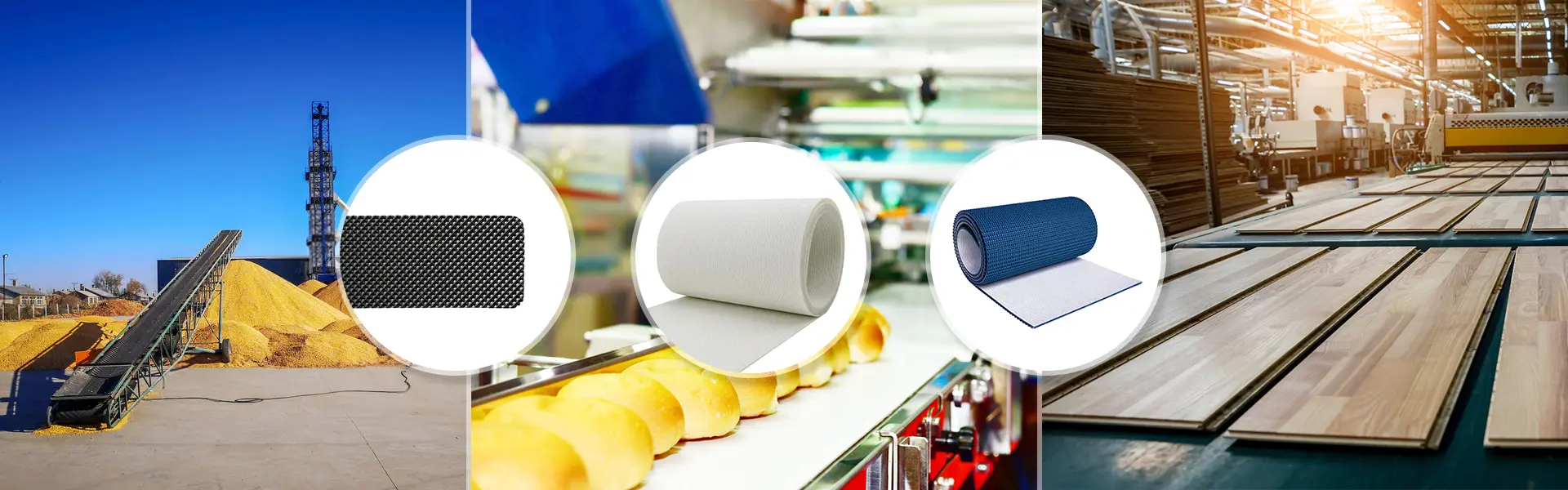
Factory Direct Elevator Conveyor for Reliable Vertical Conveying
Tianjin Shunnai Conveyor Belt Manufacturing Co., Ltd. is a manufacturer of industrial conveying equipment based in Tianjin, China. With an in-house factory, mechanical processing equipment, and a professional technical team, SHUNNAI provides material handling solutions for production facilities that need to move products between different heights or connect separate processing stages.
An Elevator Conveyor is designed to raise or lower materials along a vertical or inclined path. Unlike horizontal conveying systems, lifting equipment must account for gravity, material distribution, product retention, and controlled discharge. The appropriate structure depends on whether the material consists of loose bulk solids, individual products, packaged goods, or items that require gentle handling.
SHUNNAI offers conveying equipment configurations that can be evaluated for different lifting tasks, including bucket elevators, inclined cleated conveyors, Z-type elevators, and L-type elevators. Buyers should consider lifting height, required throughput, material properties, feeding conditions, discharge position, and available installation space before confirming the design.
Match the Structure to the Material
Bucket Elevators for Bulk Solids
Bucket elevators use a series of buckets attached to a belt or chain to carry loose materials upward. They are commonly considered for grain, seeds, feed, fertilizer, cement, and other bulk solids that can be loaded into buckets and discharged at a designated point.
Bucket geometry should match the material's particle size, flowability, moisture content, abrasiveness, and tendency to stick. Bucket volume and spacing also affect conveying capacity. For dusty or abrasive materials, buyers should discuss enclosure design, wear-resistant components, inspection access, and any dust-control requirements.
Where the material is combustible or produces potentially explosive dust, the system must be assessed against the applicable site safety requirements. A closed casing alone does not establish that equipment is explosion-protected.
Inclined Cleated Conveyors for Individual Products
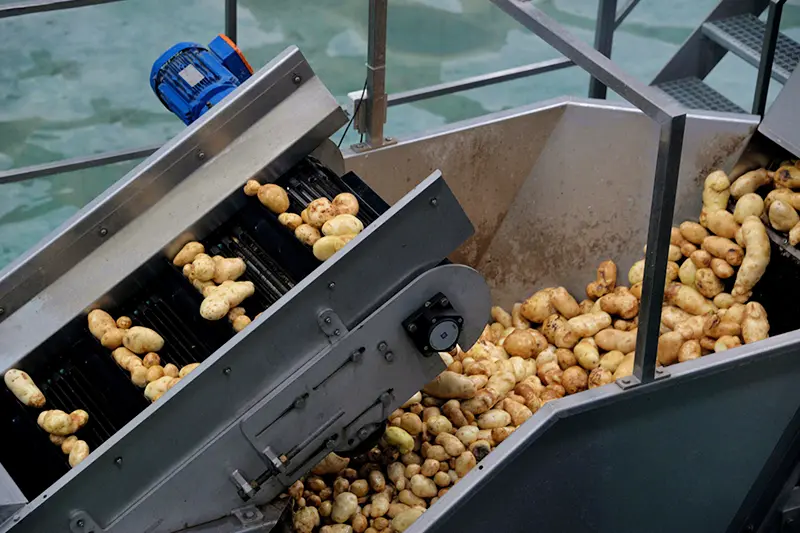
Inclined cleated conveyors use raised flights or baffles on a belt or chain to help prevent products from sliding backward during elevation. They can be considered for packaged products, food ingredients, fruit and vegetables, and other materials that need support while moving up an incline.
The cleat height, spacing, belt width, and incline angle should be selected according to the size, weight, shape, and surface condition of the conveyed material. Delicate products may require a gentler incline and suitable belt material to reduce movement or damage. Wet or oily products may need a different surface design from dry cartons or packaged goods.
Z-Type Elevators for Offset Transfer Points
A Z-type arrangement typically combines a lower horizontal feeding section, a vertical lifting section, and an upper horizontal discharge section. This layout is useful when materials need to enter and leave the equipment at different horizontal positions, particularly where floor space is limited.
Z-type systems can be considered for selected food, chemical, pharmaceutical, and industrial handling applications. The carrying mechanism and material-contact components must be chosen according to the product, cleaning procedure, and operating environment. For bulk materials, bucket size and loading consistency are important; for individual products, retention and discharge behavior require additional attention.
L-Type Elevators for Compact Layouts
An L-type configuration generally raises materials from a lower feeding point and transfers them horizontally at a higher level. It can suit installations where a compact footprint and a defined upper discharge position are important.
Before selecting this arrangement, confirm the available floor area, discharge height, product dimensions, and space needed for cleaning and maintenance. The transition between horizontal and vertical sections must be designed for the chosen conveying mechanism and the material being handled.
Calculate Height and Throughput
A suitable Elevator Conveyor must meet the required lifting height and material flow rate at the same time. Selecting equipment based on height alone can result in insufficient capacity, while sizing only by nominal capacity may overlook the available installation space and actual feeding conditions.
For bulk materials, the supplier needs to understand bulk density, particle size, moisture, and whether the material flows freely or tends to bridge and stick. For packaged or individual products, the relevant information includes item dimensions, weight, orientation, and the expected spacing between products.
| Selection factor | Information to provide | Design impact |
|---|---|---|
| Lifting height | Vertical distance between feeding and discharge points | Helps establish the conveying path and equipment dimensions. |
| Required capacity | Target tonnes per hour or items per minute | Guides bucket volume, belt width, speed, and feeding arrangements. |
| Material properties | Size, weight, bulk density, moisture, and abrasiveness | Determines the carrying structure and material-contact components. |
| Feeding conditions | Continuous or intermittent feeding and upstream equipment type | Helps prevent overfeeding, uneven loading, and material accumulation. |
| Discharge position | Outlet height, direction, and receiving equipment | Ensures the lifted material can transfer to the next process stage. |
| Operating environment | Temperature, humidity, dust, chemicals, and cleaning method | Guides material selection, enclosure design, and safety measures. |
For continuous bulk handling, the effective capacity depends on the carrying volume, filling level, speed, and material behavior. For piece goods, capacity is also affected by product spacing and the stability of each item during elevation. These operating factors should be reviewed together before the final configuration is approved.
Prevent Material Loss During Lifting
Gravity can cause material to slide, fall, or return toward the feed point if the carrying mechanism is not suited to the application. A well-designed Elevator Conveyor should retain the material throughout the lifting path and discharge it into the next process in a controlled manner.
Control Loading at the Inlet
Uneven feeding can cause buckets to be overloaded, cleats to carry inconsistent loads, or products to enter the lifting section in an unstable position. Feeding equipment should be coordinated with the elevator's capacity. For bulk solids, consider a controlled feed rate and a suitable inlet chute. For individual products, check the orientation and spacing before the items enter the incline.
Select the Right Retention Method
Bucket geometry, cleat design, belt surface, side guides, and enclosure arrangement all influence material retention. The best combination depends on particle size, product shape, inclination, and operating speed. Very small particles may require closer attention to gaps and openings, while irregular products may need additional lateral guidance.
Manage Discharge and Backflow
Discharge design affects whether material enters the receiving conveyor, hopper, or processing machine as intended. The outlet shape, travel speed, and receiving equipment position should be checked together. For systems where reverse movement could cause material to fall or equipment to move unexpectedly, the drive and holding arrangements should be assessed according to the equipment design and applicable safety requirements.
Plan Maintenance Access
Vertical conveying equipment often includes elevated drives, return paths, bearings, tensioning mechanisms, and enclosed conveying sections. Maintenance access should be included in the original layout instead of being left until installation is complete.
Inspection points: Confirm access to the drive, belt or chain, buckets, cleats, bearings, tensioning devices, and material discharge area. Inspection openings and guards should be arranged to support maintenance without exposing operators to moving components.
Wear monitoring: Check belts, chains, buckets, cleats, fasteners, and guides for damage or abnormal wear. The inspection interval should reflect operating hours, material abrasiveness, load, and environmental conditions.
Tracking and tension: Incorrect tension or alignment can cause belt drift, chain wear, unstable operation, or reduced component life. Adjustments should follow the manufacturer's instructions rather than relying on excessive tension as a general remedy.
Cleaning and residue control: Materials that absorb moisture, produce dust, or adhere to surfaces may accumulate inside the equipment. The cleaning procedure should be compatible with the selected materials and should not introduce moisture or chemicals that could damage components.
Before inspection or repair, isolate the power source and follow the site's lockout and safety procedures. Access to elevated components should use suitable platforms and protective measures.
Applications by Industry
Grain and Food Processing
Bucket elevators can raise grain, seeds, and other suitable bulk ingredients to storage bins, hoppers, or processing equipment. Inclined cleated systems may be appropriate for selected packaged foods or products that need support during elevation. Buyers should confirm material compatibility, cleanability, and any applicable food-contact requirements.
Chemical and Pharmaceutical Production
Elevating systems can transfer selected powders, granules, containers, or packaged products between process stages. The equipment should be specified according to chemical compatibility, dust containment, cleaning access, and any contamination-control requirements. Materials used in contact with the product should be verified against the process specifications.
Mining and Metallurgy
Bulk lifting applications may involve abrasive materials, heavy loads, and demanding operating cycles. Equipment selection should account for particle size, impact, wear, throughput, and the need for inspection or replacement of wear components. Dust-control and other site safety measures should be evaluated for the specific material.
Cement and Building Materials
Bucket elevators can be considered for suitable powders, granules, and aggregates that need to be raised to silos, hoppers, or processing stages. Abrasion resistance, dust management, inlet loading, and discharge design are important considerations for these applications.
Warehousing and Packaging
Z-type, L-type, and inclined cleated arrangements can help transfer suitable products between different working heights. The configuration depends on product dimensions, required throughput, available floor space, and the receiving equipment. For fragile products, the lifting method and transfer points should be tested to reduce the risk of impact or tipping.
Manufacturing and Quality Support
Tianjin Shunnai Conveyor Belt Manufacturing Co., Ltd. integrates research and development, design, manufacturing, and sales. Supported by an in-house factory, mechanical processing equipment, and a professional technical team, SHUNNAI provides conveying equipment solutions for different industrial material handling requirements.
The company's product range includes belt conveyors, chain plate conveyors, mesh chain conveyors, roller conveyors, curve conveyors, and vertical conveying equipment. Project discussions can cover lifting height, conveying capacity, carrying mechanism, materials, inlet and outlet arrangements, and connections with existing production lines.
SHUNNAI states that it follows an ISO 9001 quality management system and holds FDA, MA, and CNAS-related credentials. These credentials have different meanings and scopes and should not be interpreted as universal product approvals for every conveyor model or application. Buyers should request relevant documentation and verify the certificate holder, validity, and scope, especially when equipment is intended for food, pharmaceutical, or other regulated environments.
SHUNNAI serves customers in North America, Western Europe, Oceania, South America, Southeast Asia, the Middle East, and Eastern Europe. Final equipment specifications should be confirmed through approved technical drawings, operating requirements, and project documentation before manufacturing.
Frequently Asked Questions
Can one elevator handle materials with different particle sizes?
It depends on the range of particle sizes, flow characteristics, and the selected carrying mechanism. Large differences in particle size can affect bucket filling, retention, discharge, and the risk of material falling through gaps. Provide the smallest and largest particle sizes, bulk density, and moisture conditions so the supplier can assess whether one configuration is suitable.
How can I reduce product damage during elevation?
Start by evaluating the product's fragility, shape, surface, and allowable impact. A suitable cleat arrangement, bucket design, controlled feed rate, and carefully designed transfer points can help reduce unnecessary movement. For delicate products, representative-product testing is useful before confirming the final design.
Does lifting height determine motor power by itself?
No. Motor and drive selection also depend on material weight, throughput, conveying mechanism, operating speed, friction, starting conditions, and transmission efficiency. For bulk materials, the expected loading pattern and material flow behavior also matter. The complete operating conditions should be provided for proper drive sizing.
Can the equipment connect directly to a hopper or packing machine?
It may be possible if the outlet position, discharge rate, mounting arrangement, and control interface match the receiving equipment. Confirm the inlet and outlet dimensions, required discharge direction, and any signal exchange between machines. A layout drawing can help identify interface requirements before production.
What should be checked when conveying dusty materials?
Review the material's dust characteristics, enclosure requirements, transfer points, cleaning procedure, and the facility's dust-control measures. If the dust is combustible, a competent assessment should determine the required equipment protection and system-level safeguards. Do not assume that an enclosed elevator alone provides explosion protection.
Request a Lifting Solution
If your production line needs to transfer bulk materials, packaged products, or individual items between different heights, SHUNNAI can discuss a configuration based on your process and installation conditions.
When requesting a quotation, provide the lifting height, required throughput, material properties, inlet and outlet positions, operating environment, and available installation space. Drawings, photos, and details of connected equipment can help the technical team assess the project more accurately.
Contact SHUNNAI to discuss bucket, inclined cleated, Z-type, or L-type configurations for your material handling requirements.
- View as
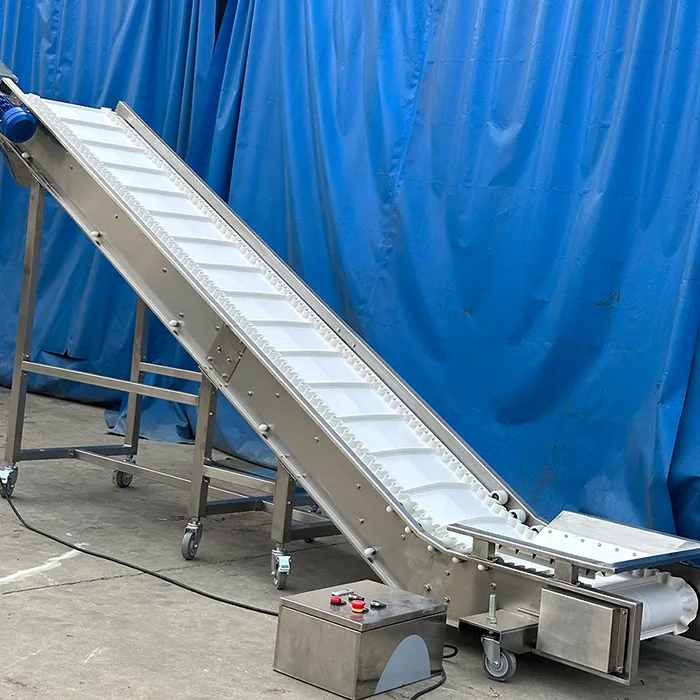
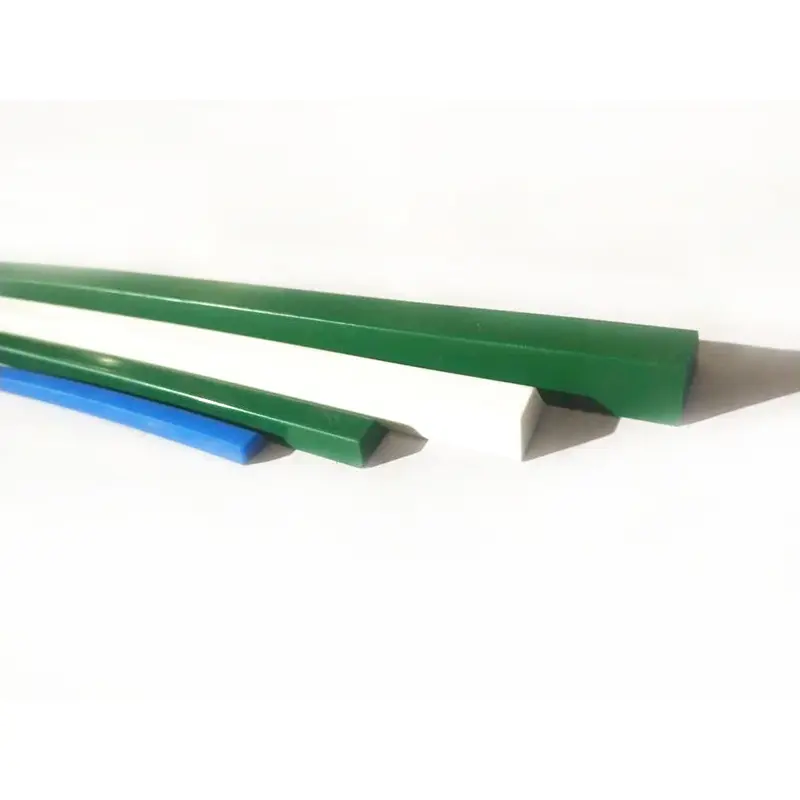
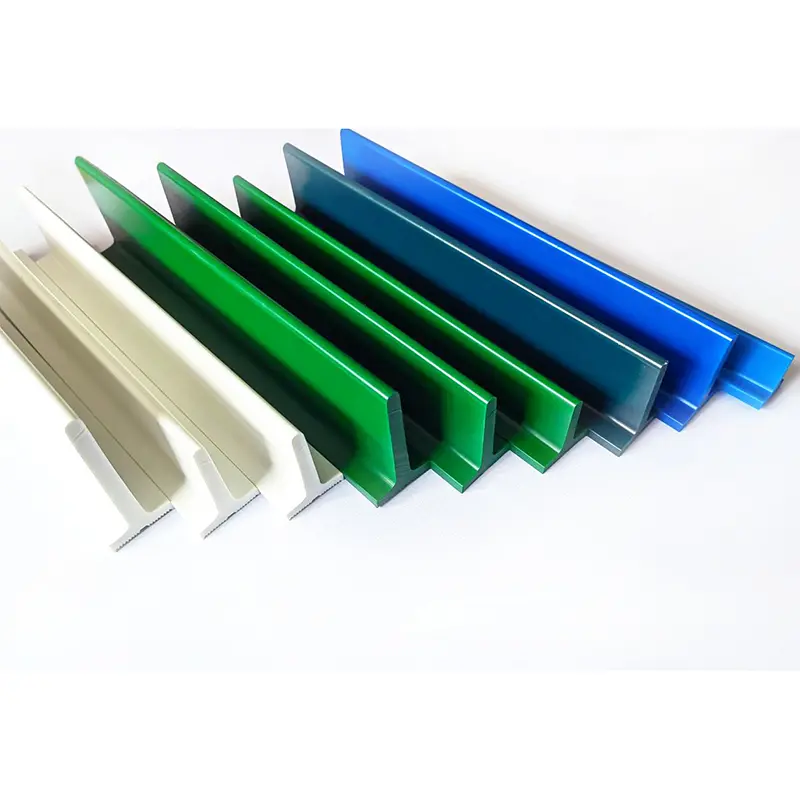
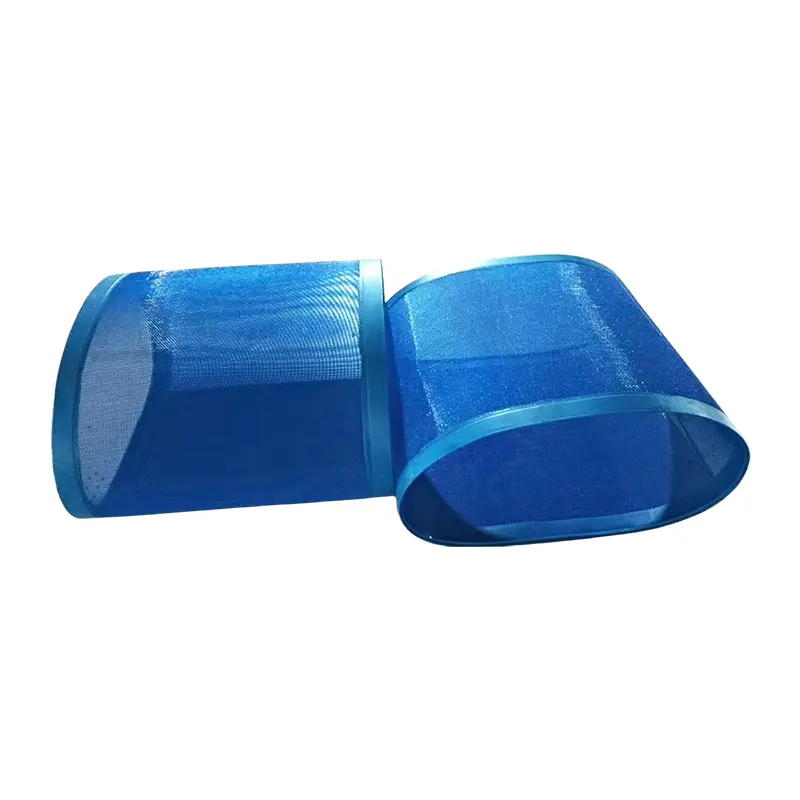
Inclined Baffle Bucket Elevator
SHUNNAI supplies customized inclined conveying equipment for lifting granules, food pieces, plastic pellets and small industrial components between different production levels. An inclined baffle bucket elevator uses transverse cleats and sidewalls to help retain material during upward transport. Buyers can customize the belt material, baffle height and spacing, conveyor width, lifting angle, frame material and drive system according to the material characteristics and available installation space.
Horizontal Baffles Hold Material
Large Incline Lifting Without Backflow
Dedicated for Granules and Fragments Feeding
Large Incline Lifting Without Backflow
Dedicated for Granules and Fragments Feeding
SHUNNAI is a professional Elevator Conveyor manufacturer and supplier in China. We have an experienced sales team, professional technicians, and an after-sales service team.
News Recommendations