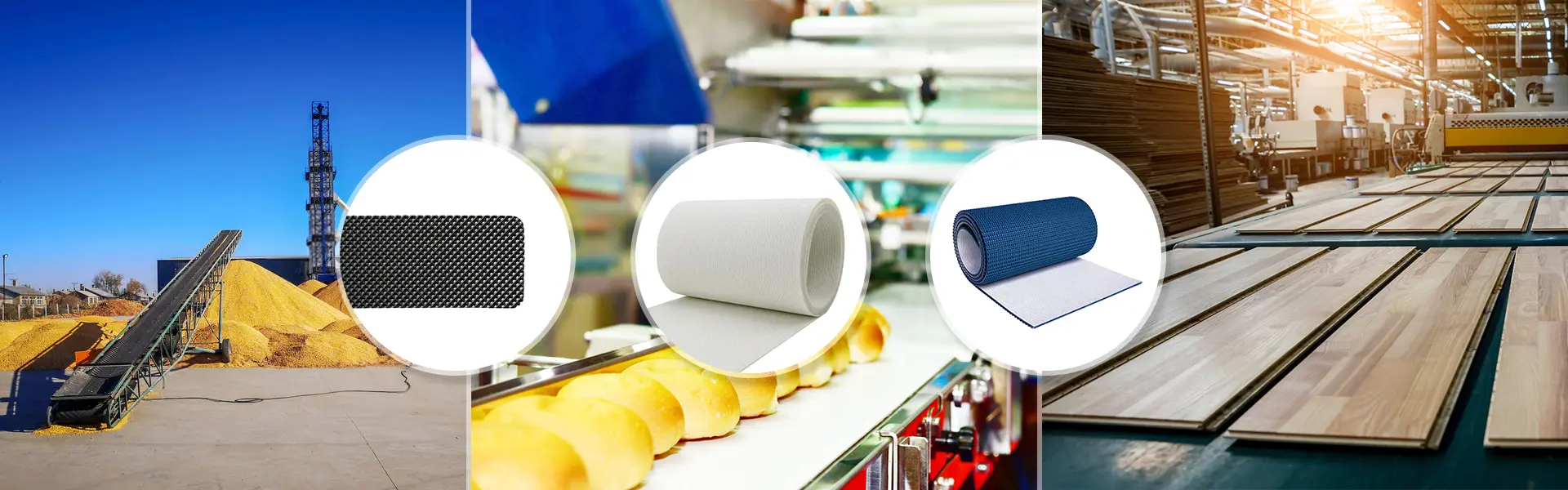
Wholesale Wood Stone Conveyor Belt for Heavy-Duty Applications
Tianjin Shunnai Conveyor Belt Manufacturing Co., Ltd., headquartered in Tianjin, China, is a professional manufacturer and industrial conveying solution provider specializing in Wood Stone Conveyor Belt products. With advanced production facilities, strict quality control systems, and experienced technical teams, we provide reliable conveyor belt solutions for wood processing, stone processing, and building material industries.
Understanding the demanding requirements of woodworking and stone processing applications, we focus on developing conveyor belts with excellent wear resistance, tear resistance, impact resistance, and surface protection performance. Our products are widely used in sanders, panel production lines, stone cutting equipment, tile manufacturing systems, and other industrial conveying applications.
What Is a Wood Stone Conveyor Belt?
A Wood Stone Conveyor Belt is specially designed for conveying materials in woodworking, stone processing, and building material production. These industries involve heavy loads, sharp edges, abrasive surfaces, and strict product surface protection requirements, making belt durability and performance critical.
Compared with general industrial belts, wood and stone processing belts require stronger resistance to wear, cutting, and impact. At the same time, woodworking applications often require soft and protective belt surfaces to prevent scratches on finished products. These belts are essential components for improving production efficiency and automation in wood and stone processing factories.
Main Types
Wood Conveyor Belts
Designed for log handling, panel conveying, furniture production, and woodworking applications. These belts combine wear resistance with surface protection performance. Rubber, felt, and PVC materials are available depending on whether durability or anti-scratch performance is the priority.
Sander Belts
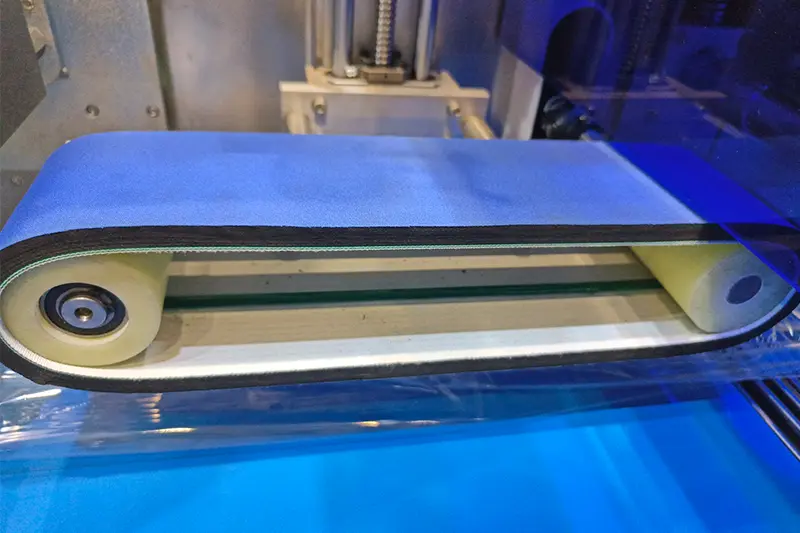
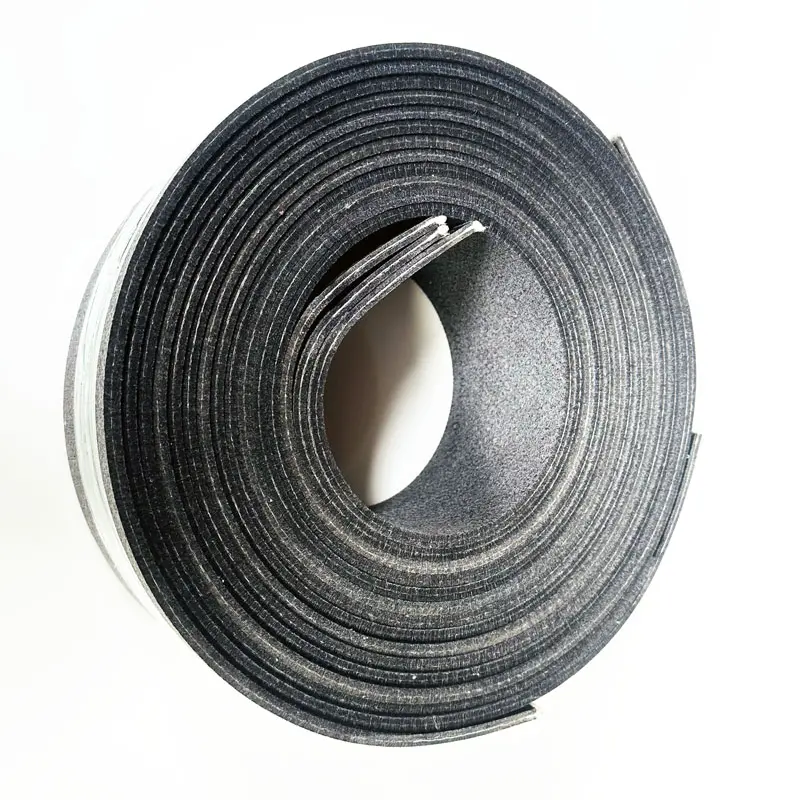
Sander conveyor belts are developed for high-speed sanding equipment where surface flatness, dimensional accuracy, and stable operation are essential. Felt belts provide excellent cushioning and protect wood surfaces from scratches during sanding processes.
Panel Conveyor Belts
Used for MDF, particleboard, plywood, and other panel transportation. Panel belts require high flatness and stable friction performance to prevent material shifting, surface damage, and production interruptions.
Stone Conveyor Belts
Designed for marble, granite, sandstone, tiles, and other heavy stone materials. These belts feature high-strength structures with excellent tear resistance, puncture resistance, and impact resistance to handle sharp edges and heavy loads.
Tile Conveyor Belts
Tile production requires belts with stable running performance and good surface protection. Rubber and PVC belts provide smooth conveying for tile cutting, polishing, sorting, and packaging lines.
Wide Conveyor Belts
Extra-wide conveyor belts are designed for large panels and oversized stone materials. They require precise manufacturing technology to maintain dimensional accuracy and stable operation across large conveying widths.
Key Benefits
Excellent Wear Resistance
High-strength rubber, PVC, and other wear-resistant materials withstand continuous friction from wood, stone, and building materials, helping extend belt service life.
Cut & Impact Resistance
Reinforced belt structures provide strong resistance against sharp edges, heavy materials, and impact loads commonly found in stone processing and heavy material handling.
Anti-Scratch Surface
Felt and specially designed belt surfaces provide gentle contact with wood, glass, and finished panels, helping prevent scratches and maintain product quality.
High Flatness
Precise manufacturing processes ensure excellent belt surface flatness, supporting accurate positioning and stable transportation of panels, tiles, and other finished products.
Custom Solutions
Belt width, length, thickness, material, surface pattern, and special properties such as high-temperature resistance or anti-static performance can be customized according to equipment requirements.
Applications
Wood Processing
Used in sanding machines, particleboard production lines, furniture painting systems, and woodworking equipment. Felt and rubber belts provide stable conveying while protecting wood surfaces.
Stone Processing
Applied in marble cutting, granite polishing, stone grinding, and tile production. Heavy-duty rubber belts provide excellent durability against abrasion, impact, and sharp materials.
Building Materials
Suitable for gypsum board, fiberboard, rock wool board, and other building material production lines requiring reliable and wear-resistant conveying performance.
Glass Processing
Felt and foam conveyor belts are used in glass coating, cutting, and tempering applications where surface protection and cushioning performance are important.
FAQ
Why are felt belts used for wood sanding machines?
Felt belts provide a soft and protective conveying surface that reduces scratches on wood products. Their cushioning performance also helps absorb vibration during sanding, improving processing stability.
What is the difference between wood and stone conveyor belts?
Stone processing belts focus mainly on high strength, wear resistance, and impact protection because of heavy and sharp materials. Wood processing belts require both durability and surface protection to prevent product damage.
What materials are commonly used for wood and stone belts?
Common materials include rubber, PVC, felt, and special composite materials. Rubber is preferred for heavy-duty stone applications, while felt and smooth PVC are often selected for applications requiring surface protection.
How long does a wood or stone conveyor belt last?
Service life depends on material type, operating conditions, load, and maintenance. Heavy abrasive applications such as stone processing require stronger wear-resistant belts, while woodworking applications may achieve longer service life with proper maintenance.
Can you customize wood and stone conveyor belts?
Yes. Tianjin Shunnai provides customized solutions including belt materials, dimensions, thickness, surface patterns, and special performance requirements. Our technical team can recommend suitable belt structures based on your equipment and working conditions.
Why Choose Shunnai
Tianjin Shunnai Conveyor Belt Manufacturing Co., Ltd. combines professional manufacturing experience with advanced processing capabilities to deliver reliable conveying solutions for demanding industrial applications.
From material selection and technical consultation to customized production and quality inspection, we support customers with complete conveyor belt solutions. Our products are supplied to customers in North America, Western Europe, Oceania, South America, Southeast Asia, the Middle East, and Eastern Europe, helping improve efficiency in wood, stone, and building material industries.
- View as
Glass Conveyor Belt
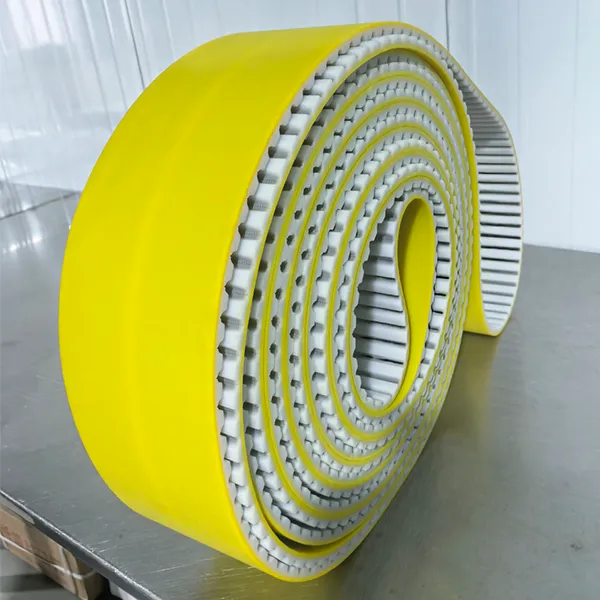
Buyers sourcing custom glass conveyor belts can choose from silicone, PU, PTFE, wool felt, and metal mesh options based on operating temperature, surface protection, cleanliness, and chemical exposure. With customized dimensions, splice configurations, and application-specific material selection, SHUNNAI helps glass processors identify suitable belts for their production equipment.
Zero Scratch
High Temperature Resistant and Anti-Static Treatment
Full Process Adaptation for Glass Deep Processing
High Temperature Resistant and Anti-Static Treatment
Full Process Adaptation for Glass Deep Processing
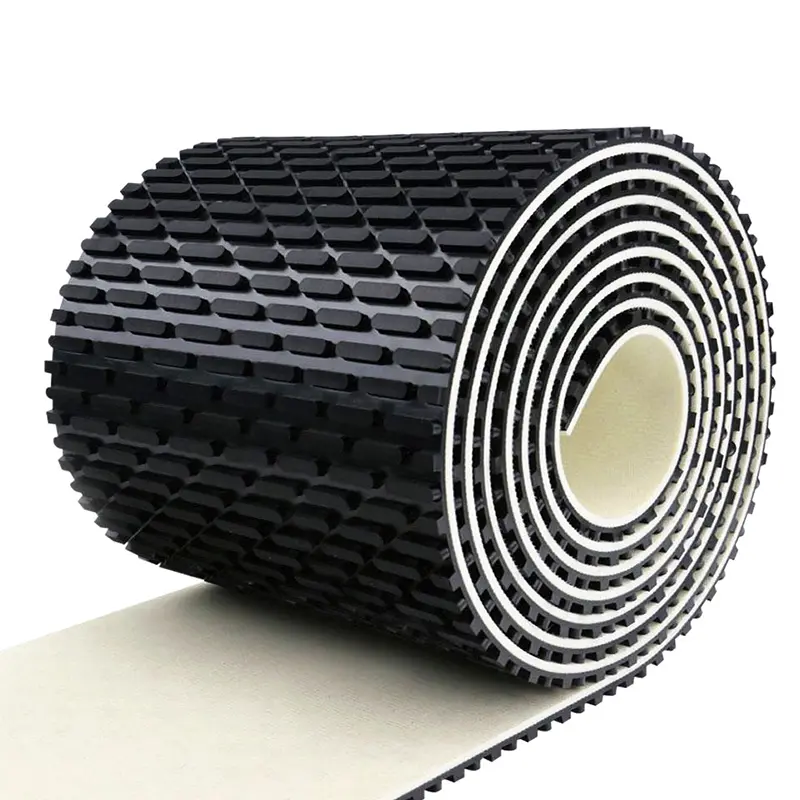
Stone Conveyor Belt
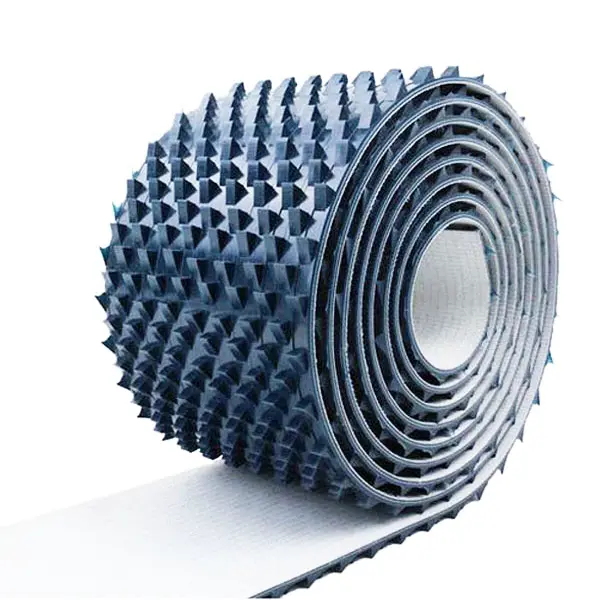
Stone processing environments are challenging for ordinary conveyor belts due to continuous exposure to water, stone powder, heavy loads and abrasive materials. SHUNNAI Stone Conveyor Belt is engineered for marble polishing, granite cutting, tile production and other hard material conveying applications, focusing on stable transportation, strong grip and long-term durability.
1.Bidirectional staggered tooth pattern for superior grip
2.Reinforced structure, strong and durable
3.Water-resistant and built for harsh environments
2.Reinforced structure, strong and durable
3.Water-resistant and built for harsh environments
Wood Conveyor Belt
SHUNNAI is a professional China wood conveyor belt manufacturer providing customized PVC, PU and Teflon conveyor solutions for furniture production, panel processing, sanding lines, painting systems and timber handling applications. Manufactured under GB/T 19001-2016 / ISO 9001:2015 quality management standards and supported by FDA, MA and CNAS certification systems, SHUNNAI conveyor belts are designed for stable operation in demanding wood processing environments.
1.Multiple patterns for precise matching
2.High-modulus fabric , never mis-tracks
3.Oil & solvent resistant
2.High-modulus fabric , never mis-tracks
3.Oil & solvent resistant
SHUNNAI is a professional Wood Stone Conveyor Belt manufacturer and supplier in China. We have an experienced sales team, professional technicians, and an after-sales service team.
News Recommendations