How can the service life of a conveyor belt be extended?
A Comprehensive Practical Plan to Extend Conveyor Belt Service Life
Combining universal measures (applicable to rubber, PVC, PU, Teflon, and metal mesh belts) with material-specific protection, this plan addresses five key areas—installation, operation, daily maintenance, environment, and storage—to significantly reduce wear, tearing, and aging.
I. Installation Phase: Minimizing Irreversible Damage at the Source
Ensure the frame, pulleys, and idlers are level and parallel.
Pulley misalignment and uneven idler heights cause the belt to continuously drift to one side and rub against the edges—the primary cause of premature belt failure. Conduct a two-hour no-load test run after installation, making repeated adjustments to eliminate long-term edge abrasion.
Optimize the loading structure to reduce material impact.
For drops exceeding 1 meter, install impact beds, impact idlers, and flow deflectors to ensure material lands in the center of the belt.
For large or sharp ore, install iron removers and grizzly screens to intercept steel plates, rebar, and sharp, hard objects, preventing longitudinal tearing.
Install rubber impact liners at discharge chutes to prevent material from directly striking the belt surface.
Properly control belt tension.
Too loose: Pulleys slip, rapidly thinning the bottom rubber layer.
Too tight: The carcass suffers long-term fatigue, leading to permanent elongation, delamination, and joint failure.
Standard: The sag of the unloaded belt at the midpoint should be 1%–2% of the pulley spacing.
Select matching accessories.
Use rubber or ceramic pulley lagging to increase friction and prevent slippage-induced dry friction.
Use polyurethane soft scrapers (avoid rigid steel scrapers) and regularly adjust the gap to prevent scratching the belt.
Ensure side skirts and cleats are securely bonded, with no sharp edges rubbing against the belt body.
II. Operational Standards: Eliminating Man-Made Accelerated Wear
Prohibit overloading and off-center loading.
Long-term accumulation of material on one side causes uneven stress, leading to simultaneous belt drift and localized overload wear; strictly prohibit loading that exceeds the design width, thickness, or weight limits. Standardize Start-Stop Procedures to Minimize Shock Loads
Start under no-load conditions; never start the machine directly under full load. For long-distance heavy-duty belts, install soft-start mechanisms; sudden tensile force can damage splices and stretch the belt core.
Strictly Prohibit Improper Manual Operations
Do not step on, drive vehicles over, or strike the belt with shovels or iron bars;
Do not weld or cut on the belt; sparks can burn the rubber or PU, creating hidden cracks;
Do not attempt to correct belt mistracking by forcibly pulling with hands or tools; stop the machine before making adjustments.
Control Operating Temperatures and Material Types
Ensure heat-resistant belts do not exceed rated temperatures; cool down high-temperature clinker before conveying;
Use NBR oil-resistant rubber or PU belts for oily materials; ordinary rubber will swell and delaminate after prolonged contact with engine oil or diesel;
Promptly wash off acidic or alkaline materials, as corrosion of the surface layer accelerates aging.
III. Routine Maintenance: Reduce Wear and Delay Aging
1. Daily Cleaning: Eliminate Causes of Wear
Clean material residue, clumps, and dust from the belt surface after shifts; hard clumps can repeatedly grind the belt surface during operation;
Promptly clear material wrapped around pulleys and idlers; protrusions from wrapped material can continuously grind grooves into the belt;
Use neutral detergents for food-grade PU/PVC belts; do not use strong solvents that could corrode the surface layer.
2. Regular Inspections: Address Minor Issues Early (Preventing Minor Problems from Leading to Belt Failure)
Adjust immediately if mistracking occurs; correct minor edge wear promptly rather than waiting until the belt core is exposed;
Promptly repair minor scratches, localized rubber loss, or small holes using cold-bonding methods to prevent cracks from expanding into longitudinal tears;
Immediately replace seized or noisy idlers; a single seized idler can grind through the belt in just a few days;
Replace scraper blades once they are more than 50% worn; a worn blade exposes the hard metal base, which can scratch the belt body.
3. Periodic Maintenance and Protection
Install rain and sun covers for outdoor conveyors; UV rays and rain can cause rubber and PVC to crack or delaminate.
Inspect rubber conveyor belt splices quarterly; reinforce any cracks early.
During prolonged shutdowns (over 3 days), loosen the tensioning device to release belt tension and prevent permanent deformation of the carcass.
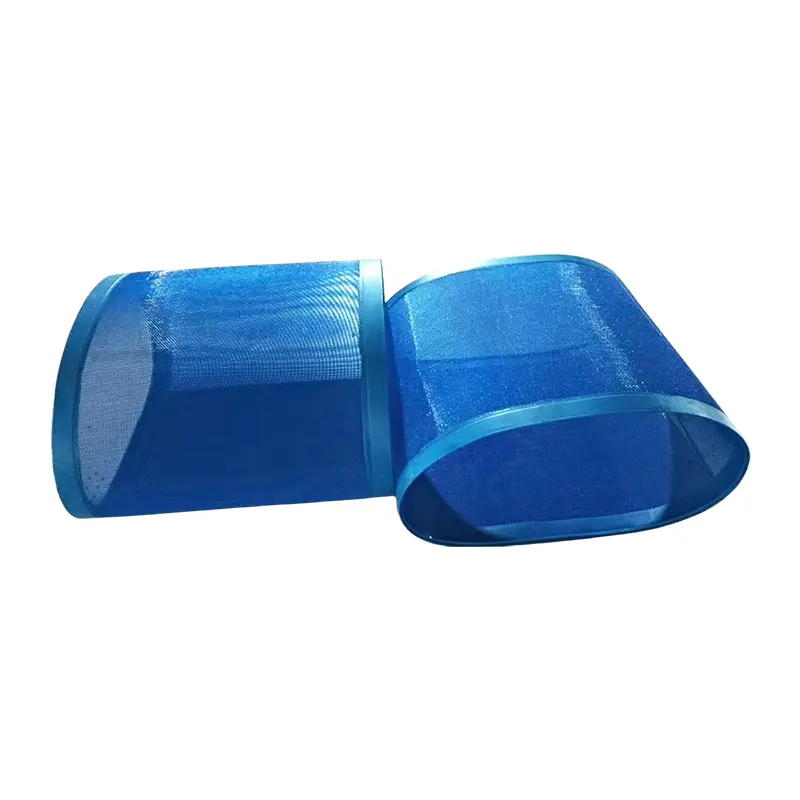
Rinse metal mesh belts with fresh water after exposure to acidic or alkaline substances to prevent corrosion and wire breakage.
IV. Material-Specific Protection to Extend Service Life (Targeted Key Measures)
Rubber Conveyor Belts (Mining/Coal)
Keep away from oil and open flames; avoid sudden starts and stops in low winter temperatures (brittle rubber layers tear easily); promptly repair minor wear on the cover rubber.
PVC Light-Duty Conveyor Belts (Logistics/Packaging)
Keep away from grease, alcohol, and thinners; ensure ambient temperature does not exceed 80°C; for anti-static models, avoid grinding that could damage the conductive layer.
PU Food-Grade Conveyor Belts
Do not use steel wool for cleaning; avoid cutting with sharp knives; on frying lines, regularly remove accumulated oil to prevent surface swelling or peeling.
Teflon / Silicone High-Temperature Belts
Do not scratch the non-stick coating with hard objects; avoid rapid temperature fluctuations; clean burnt residue with warm water and a soft cloth—do not use hard tools.
Stainless Steel Mesh Belts
Rinse after every shift when operating in acidic or alkaline conditions; avoid rapid cooling from high temperatures; promptly grind down weld burrs to prevent cutting the mesh wires.
V. Proper Storage of Spare Belts to Prevent Premature Aging
Store belt rolls flat; do not stack vertically or subject them to crushing forces that cause deformation.
Store in a cool, dark warehouse away from heat sources, machine oil, acids, and alkalis.
Rotate rubber conveyor belt rolls every 3 months to prevent permanent indentations caused by prolonged localized pressure.
Manage storage duration: Rubber belts should not be stored for more than 3 years, and PVC/PU light-duty belts for no more than 2 years; performance degrades significantly beyond these limits. VI. Key Summary (Simple, Actionable Guidelines)
Center the load to prevent impact; maintain proper tension to avoid slippage.
Regularly clear debris and replace idlers; correct misalignment early to prevent edge wear.
Promptly repair minor damage; strictly prohibit overloading and harsh scraping.
Protect from sun and oil, control temperatures, and store properly to extend service life.
Next :
-
Related News
Leave me a message
News Recommendations