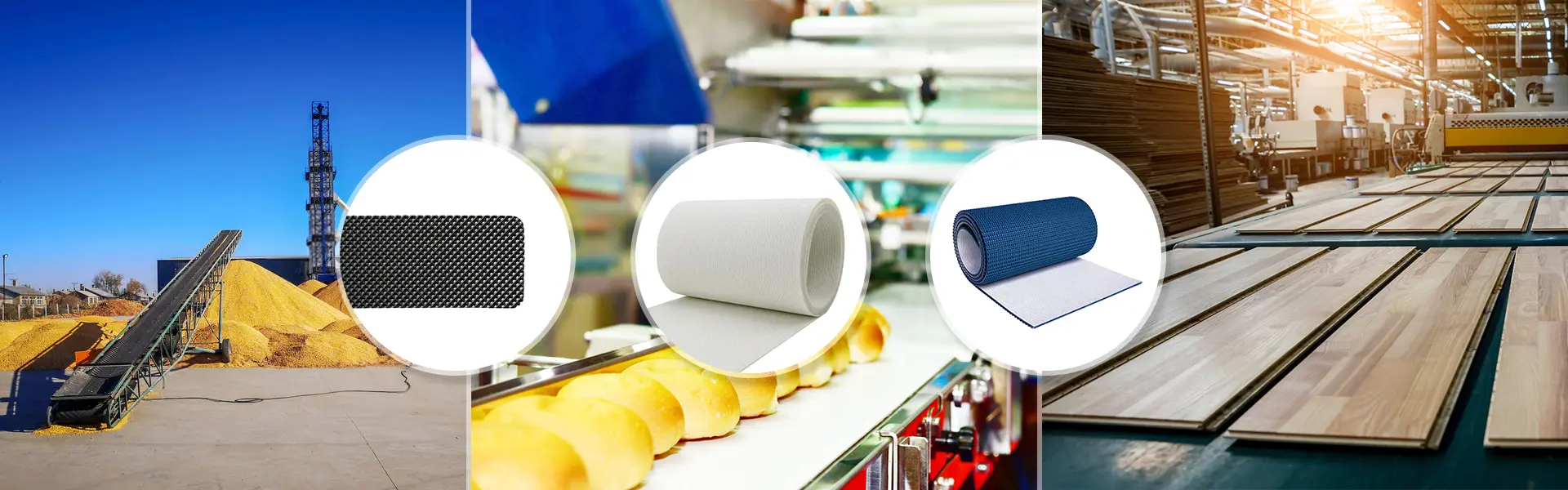
Chain Plate Conveyor Manufacturer for Material Handling Systems
SHUNNAI offers metal chain plate conveyors, plastic chain plate conveyors, and flighted configurations. Conveyor width, length, plate structure, drive arrangement, side guides, flights, and positioning components can be selected according to the material being handled and the required production process.
Three Types
Metal Chain Plate Conveyor
Metal chain plate conveyors use steel or stainless steel plates connected to a chain drive. Their rigid carrying surface is suitable for heavy components, metal parts, castings, and materials that may damage a conventional flexible belt. The plate design and chain system must be matched to the load, impact level, operating speed, and conveyor support structure.
Carbon steel is commonly considered for general industrial conveying, while stainless steel may be preferred where corrosion resistance, washdown requirements, or hygiene considerations apply. The suitable stainless steel grade should be determined by the cleaning chemicals, moisture, temperature, and intended application.
Typical applications include automotive assembly, machining workshops, foundries, metal processing, and selected heat-treatment transfer systems. For high-temperature service, buyers should confirm the actual material temperature, exposure duration, chain lubrication requirements, and thermal expansion allowance before selecting the configuration.
Plastic Chain Plate Conveyor
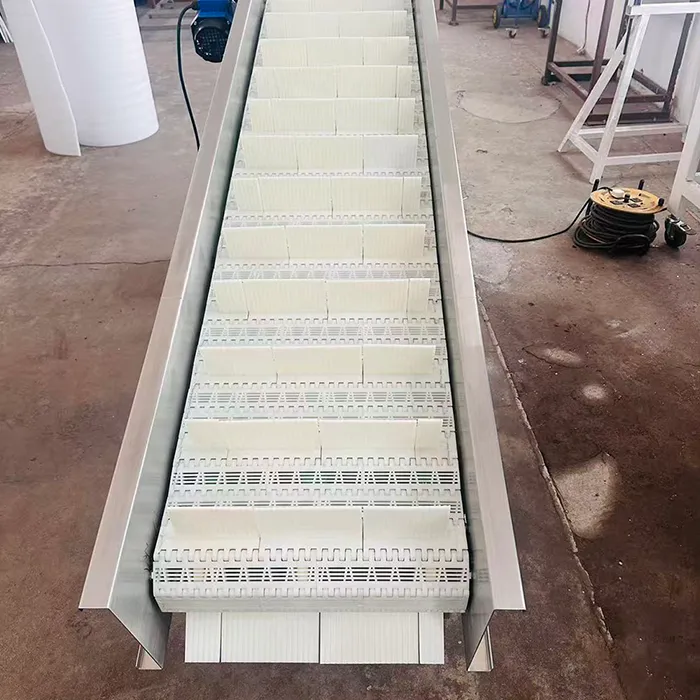
Plastic chain plate conveyors use engineered polymer plates, such as suitable PP, PE, POM, or nylon grades, depending on the design. They are often selected for light- to medium-duty product handling where smooth conveying, reduced operating noise, corrosion resistance, or easy cleaning is important.
These systems can be used for packaging, beverage filling, container transfer, and selected food-processing or pharmaceutical production lines. The polymer grade must be compatible with the conveyed product, cleaning agents, operating temperature, and required mechanical load. Food-contact suitability must be confirmed through documentation for the specific material and finished conveyor configuration.
Plastic plates are not suitable for every heavy-load or high-temperature application. Buyers should provide product weight, conveyor speed, ambient conditions, and cleaning procedures to determine whether a polymer chain plate is appropriate.
Flighted Chain Plate Conveyor
A flighted chain plate conveyor uses raised flights attached to the carrying surface to help retain products or bulk materials during inclined conveying. Flight height, spacing, and shape are selected according to material size, conveying angle, loading rate, and discharge requirements.
This configuration can be useful when loose materials tend to slide backward or when products must be separated into defined conveying sections. Side guides may also be added to reduce lateral movement. The final design should account for material buildup, cleaning access, and the clearance required at transfer points.
Choose the Plate Material
Plate material affects load capacity, wear behavior, corrosion resistance, cleaning requirements, and the overall cost of ownership. The following comparison provides a starting point for equipment selection.
| Plate Material | Main Considerations | Typical Applications |
|---|---|---|
| Carbon steel | Suitable for many industrial loads; coating and corrosion protection may be needed depending on the environment. | Machining, automotive components, general manufacturing, and heavy workpieces. |
| Stainless steel | Corrosion resistance depends on the grade and exposure conditions; surface finish and cleanability should be specified. | Food processing, canning, wet production areas, and selected pharmaceutical operations. |
| PP or PE | Lightweight and resistant to many chemicals, but temperature and load limits depend on the selected grade. | Packaging, container handling, and selected wet or corrosive environments. |
| POM | Offers useful stiffness and wear characteristics for compatible operating conditions; chemical and temperature compatibility must be checked. | Product transfer, assembly lines, and applications requiring consistent plate movement. |
| Nylon | Mechanical performance depends on grade, moisture absorption, temperature, and loading conditions. | Selected industrial conveying components and applications requiring engineered polymer parts. |
Material selection should consider the complete operating environment rather than one property alone. For example, a plate with good corrosion resistance may still be unsuitable if the load is too high or the operating temperature exceeds its rating.
Plan the Conveyor Layout
Before choosing a chain plate conveyor, buyers should evaluate how products enter, travel through, and leave the conveying system. Layout decisions influence drive power, chain tension, product stability, maintenance access, and integration with upstream or downstream equipment.
Straight Conveying Sections
Straight conveyors are commonly used to move products between workstations, processing machines, inspection areas, or packaging equipment. The required width and speed depend on product dimensions, spacing, throughput, and operator access.
Inclined Conveying
Inclined systems may use flights, side guides, or other retaining structures to keep products or bulk materials in position. The suitable angle depends on material friction, product stability, flight geometry, and the possibility of rollback or spillage.
Positioning and Indexing
Where products must stop at assembly, inspection, or processing stations, the conveyor may need sensors, controlled drives, stops, or indexing components. A chain plate surface alone does not guarantee precise positioning. Positioning accuracy depends on the drive system, control method, mechanical tolerances, product restraint, and required cycle time.
Integration with Existing Equipment
For a replacement or production-line upgrade, check the conveyor height, transfer gaps, frame dimensions, electrical requirements, mounting points, and communication interfaces. Confirming these details early can reduce redesign work during installation and commissioning.
Match Capacity to Production Needs
Conveyor capacity is determined by more than plate strength. The chain, drive, frame, support system, and product loading pattern must work together under the intended operating conditions.
Product weight: Specify the weight of an individual product and the maximum load carried by the conveyor at one time.
Throughput: Provide the required number of products per minute or hour, including spacing and expected accumulation.
Conveying speed: Confirm whether the line requires continuous movement, variable speed, or indexed stopping at workstations.
Loading conditions: Identify whether products are placed gently or dropped onto the plates, and whether impact loads occur during transfer.
Operating cycle: State the daily operating hours, start-stop frequency, and expected production schedule.
Environmental conditions: Include temperature, moisture, oil, dust, cleaning chemicals, and any special hygiene or safety requirements.
Providing these parameters helps SHUNNAI assess the required chain specification, plate construction, drive arrangement, and supporting frame. Actual load ratings and maximum conveying capacity should be confirmed against the proposed equipment design.
Maintenance Checks for Chain Plate Systems
Chain plate conveyors contain moving components that require regular inspection. A preventive maintenance plan helps identify wear, alignment problems, and contamination before they interrupt production.
| Component | What to Inspect | Maintenance Action |
|---|---|---|
| Drive and return chains | Wear, abnormal noise, elongation, and uneven movement. | Check tension and lubrication according to the equipment manufacturer's instructions. |
| Chain plates | Cracks, deformation, loose connections, and surface damage. | Replace damaged components and investigate repeated impact or overload. |
| Sprockets | Tooth wear, alignment, and engagement with the chain. | Inspect the drive system and replace worn parts as required. |
| Guides and support rails | Wear, misalignment, and material buildup. | Clean the conveying path and restore correct clearances. |
| Drive motor and gearbox | Abnormal temperature, vibration, noise, or leakage. | Follow the motor and gearbox maintenance schedule and investigate unusual changes. |
| Sensors and controls | Detection errors, loose wiring, and inconsistent stopping positions. | Check sensor alignment, control settings, and mechanical stops. |
Lubrication requirements vary with chain type, temperature, environment, and the manufacturer's recommendations. In food-processing or clean production areas, use only lubricants suitable for the intended application and follow the site's hygiene procedures. Always isolate power and follow lockout procedures before maintenance work.
Applications by Production Process
Automotive Assembly
Chain plate conveyors can transfer frames, metal components, and assemblies between production stations. Where products need to stop for installation or inspection, the conveyor can be designed to integrate with positioning devices and line controls.
Machining and Metal Processing
Metal chain plates can be used to transport selected metal parts through machining and manufacturing operations. Buyers should account for sharp edges, chips, cutting fluids, workpiece weight, and the need to remove debris from the conveying surface.
Foundry and Heat Treatment
Selected metal chain plate systems can move castings or workpieces in demanding thermal environments. The permissible temperature depends on the plate, chain, bearings, lubrication, frame, and other components—not only the carrying surface. The complete conveyor must be designed for the specified thermal conditions.
Food and Beverage Packaging
Plastic or stainless steel chain plate configurations may be considered for container transfer, filling lines, and packaging equipment. Material compatibility, drainage, cleaning access, surface finish, and applicable food-contact documentation should be evaluated for the intended process.
Warehousing and Pallet Handling
Heavy-duty chain plate systems may transfer pallets, bins, or other unit loads between work areas. Pallet dimensions, underside structure, concentrated load points, transfer equipment, and stopping accuracy should be checked before determining conveyor capacity.
Manufacturing and Quality Documentation
SHUNNAI integrates equipment design and manufacturing with technical support for conveying applications. For customized projects, buyers should request drawings, component specifications, load ratings, motor and gearbox details, and installation requirements before approving production.
SHUNNAI reports company credentials including ISO 9001, FDA, MA, and CNAS-related qualifications. These credentials have different scopes and purposes and should not be treated as automatic approvals for every conveyor or component. Buyers should verify the relevant certificate holder, validity, scope, and applicability to the equipment and intended use.
For projects involving food contact, pharmaceutical production, high-temperature handling, or regulated industrial environments, specify the applicable standards and documentation requirements at the quotation stage. Any required material declarations, inspection records, or test reports should correspond to the actual equipment configuration.
Information Needed for a Custom Quote
To help SHUNNAI assess your application, prepare the following details before requesting a quotation.
Product or material: item name, dimensions, individual weight, surface condition, and whether it is conveyed loose or in containers.
Conveyor dimensions: required length, width, conveying height, incline, transfer points, and available installation space.
Production requirements: throughput, conveying speed, operating hours, start-stop frequency, and positioning accuracy.
Working environment: temperature, moisture, oil, chemicals, dust, washdown requirements, and any hygiene or safety restrictions.
Equipment configuration: metal or plastic plates, chain type, flights, side guides, drive arrangement, sensors, and control requirements.
Project scope: new line or replacement, installation location, connection to existing equipment, commissioning requirements, and requested technical documents.
Drawings, layout plans, product photographs, and details of the existing production line can help clarify the application and reduce specification changes during manufacturing.
Frequently Asked Questions
Can a chain plate conveyor run continuously for multiple shifts?
It can be designed for continuous or multi-shift operation when the chain, drive, bearings, plate structure, and maintenance plan are suitable for the duty cycle. Buyers should specify daily operating hours, load variation, start-stop frequency, and environmental conditions during equipment selection.
Can flights and side guides be added to an existing conveyor?
In some cases, additional flights or guides can be integrated, but compatibility depends on the plate design, chain structure, available clearance, and intended load. The existing conveyor should be reviewed before modifications are made.
How do I prevent products from shifting during transfer?
Product movement can be controlled through suitable plate design, side guides, stops, fixtures, and synchronized transfer equipment. The solution depends on product geometry, center of gravity, speed, and whether the line uses continuous or indexed movement.
Is stainless steel always the best option for food production?
Not necessarily. Stainless steel may be appropriate for some wet or washdown environments, while suitable plastic chain plates may work well in other applications. The choice depends on cleaning chemicals, temperature, mechanical loads, product-contact requirements, and the applicable hygiene standards.
What information helps estimate the conveyor's service life?
Service life depends on operating hours, load, speed, chain and sprocket wear, temperature, lubrication, cleaning practices, and maintenance quality. Instead of relying on a universal lifespan estimate, provide the operating conditions and expected duty cycle so the main wear components and maintenance needs can be assessed.
Contact SHUNNAI
Planning a new production line or upgrading an existing conveying system? Contact SHUNNAI with your product dimensions, load requirements, conveyor layout, and operating environment. Our team can review your application and help configure a chain plate conveyor suited to your production flow, material-handling needs, and maintenance requirements.
- View as
Plastic Chain Plate Conveyor
SHUNNAI Plastic Chain Plate Conveyor is designed for stable and efficient product transfer in beverage, food processing, pharmaceutical, and packaging production lines. With options for POM, PP, and PE chain plates, flexible conveyor layouts, and modular components, the system can be customized to suit different load capacities, operating conditions, and production requirements.
Modular Solid Plate Surface
Washable and Low Noise
For Bottle, Can and Whole-Item Conveying
Washable and Low Noise
For Bottle, Can and Whole-Item Conveying
SHUNNAI is a professional Chain Plate Conveyor manufacturer and supplier in China. We have an experienced sales team, professional technicians, and an after-sales service team.
News Recommendations