Wholesale Joint Methods at Competitive Rates
SHUNNAI provides several joining options, including hot vulcanization, cold bonding, mechanical fasteners, and specialized splice structures. The appropriate Joint methods depends on belt material, carcass construction, thickness, pulley diameter, operating load, and the time available for maintenance.
SHUNNAI works with rubber, PVC, PU, nylon, polyester, and selected steel cord belt constructions. By reviewing the belt specification and conveyor layout before work begins, buyers can select a joining method that balances splice performance, installation time, maintenance needs, and overall operating cost.
Choose the Right Splice Structure
The splice is often one of the most mechanically demanding areas of an endless conveyor belt. A suitable joint should transfer tension between the belt ends while maintaining enough flexibility to travel around the conveyor pulleys. The design must also account for the belt's internal reinforcement and cover materials.
Finger Splicing
Finger splicing uses interlocking finger-shaped belt ends that are aligned and bonded under controlled heat and pressure. When the belt material and splice design are compatible, this method can provide a relatively smooth joint with good flexibility. It is used for selected fabric-reinforced belts and applications where a low-profile splice is important.
Finger geometry, bonding material, vulcanization conditions, and preparation accuracy all affect the final result. Buyers should confirm whether the specific belt construction is suitable for finger splicing before specifying it.
Stepped or Skived Splicing
Stepped splicing prepares the belt ends into layers that overlap and are bonded using a suitable adhesive or hot vulcanization process. It is commonly considered for compatible multiply fabric belts. The number and length of steps depend on belt thickness, reinforcement structure, and the required joint design.
This Joint methods can be practical for maintenance and replacement work, but the achievable strength depends on the belt construction, bonding process, and workmanship. It should not be assigned a universal strength percentage without supporting test data.
Mechanical Fasteners
Mechanical fasteners connect prepared belt ends using metal hooks, hinged plates, or other fastening components. They can reduce installation time and may allow the belt to be opened again for maintenance. Their suitability depends on belt thickness, tension, pulley diameter, conveyed material, and the clearance available around the conveyor.
Wire hooks and hinged fasteners are generally considered for compatible light- or medium-duty applications. Heavy-duty systems require careful assessment because fasteners can create a raised joint profile and introduce localized stress. The selected fastener must match the belt and operating conditions.
Plastic Fasteners
Plastic joining components may be considered for selected light-duty systems where corrosion resistance or reduced metal exposure is important. However, plastic fasteners are not automatically suitable for food-contact or pharmaceutical applications. Buyers must verify the material documentation, hygiene requirements, operating temperature, load capacity, and cleaning process.
Compare the Main Joining Methods
| Joining Method | Main Benefit | Points to Check | Typical Application |
|---|---|---|---|
| Hot vulcanization | Integrated joint with a relatively smooth surface | Requires suitable equipment, controlled process conditions, and sufficient downtime | Compatible rubber belts and demanding continuous-duty systems |
| Cold bonding | No heating press required for the bonding process | Adhesive compatibility, surface preparation, curing conditions, and moisture control | Compatible belt repairs and selected fabric belt splices |
| Wire hook fasteners | Quick installation with relatively simple tools | Belt thickness, tension, pulley diameter, and fastener compatibility | Suitable lightweight belts and selected emergency repairs |
| Hinged mechanical fasteners | Joint can be opened for certain maintenance tasks | Joint profile, conveyed material, operating load, and clearance | Compatible conveyors requiring easier belt replacement |
| Plastic fasteners | Lightweight and corrosion-resistant components | Load limits, temperature, chemical compatibility, and hygiene documentation | Selected light-duty conveying systems |
Hot vulcanization is not automatically the best option for every conveyor. A properly designed mechanical joint may be more practical where rapid replacement is essential, while cold bonding may fit certain maintenance conditions. The decision should reflect the belt's construction, operating demands, and available installation resources.
Check Compatibility Before Installation
Before choosing a joining process, confirm that the method is compatible with the belt itself. Two belts with the same width may require different splice procedures because their reinforcement layers, cover compounds, or thicknesses differ.
Belt material: Rubber, PVC, PU, and other belt materials may require different adhesives, preparation methods, or heating conditions. Do not use one joining procedure for every belt type.
Reinforcement structure: Fabric-reinforced belts and steel cord belts have different internal structures. Steel cord splicing requires a construction-specific procedure and trained personnel.
Belt thickness and pulley diameter: A thick belt or small pulley can place additional bending stress on the joint. Confirm the belt manufacturer's minimum pulley diameter and the splice design requirements.
Operating tension and load: The splice must withstand normal operating tension and relevant starting or transient loads. The conveyor's drive arrangement and take-up system should be considered during selection.
Working environment: Moisture, dust, oil, chemicals, and temperature can affect bonding quality or fastener performance. The work area and materials must meet the requirements of the selected joining method.
How SHUNNAI Controls Splice Quality
Splice reliability depends on both the selected Joint methods and how the work is performed. SHUNNAI evaluates the belt specification and working conditions before determining the joining procedure and required materials.
1. Inspect the Belt Ends
The belt is checked for damage, contamination, wear, and signs of internal separation. The damaged section must be assessed before the splice is prepared. Where the reinforcement or surrounding belt is significantly damaged, a simple joint repair may not be sufficient.
2. Prepare the Joint Correctly
For bonded joints, the belt ends must be cut, skived, cleaned, and prepared according to the selected splice design. Incorrect dimensions, contamination, or damage to reinforcement layers can reduce bonding performance. Mechanical fasteners also require the correct belt-end preparation and fastening dimensions.
3. Control Bonding or Fastening
Hot vulcanization requires control of the specified temperature, pressure, and curing time. Cold bonding requires compatible adhesive, suitable surface preparation, and the recommended curing conditions. Mechanical fastening requires the correct fastener size, alignment, and installation procedure.
4. Inspect Before Returning to Service
The completed joint should be checked for alignment, surface defects, edge separation, and other visible problems. Where required, additional inspection or testing should follow the agreed procedure. Before restarting the conveyor, confirm that guards and safety devices are restored and that the system is ready for controlled operation.
Reduce Downtime During Belt Repairs
Unexpected splice failure can interrupt production and increase maintenance costs. Planning the joining method before a failure occurs can help maintenance teams prepare the right materials, equipment, and replacement components.
For planned maintenance: Confirm belt dimensions, splice materials, equipment access, and the expected maintenance window before stopping the line.
For emergency repairs: Identify whether a temporary mechanical connection is technically acceptable for the specific belt and load. A temporary repair should not be treated as a permanent solution unless the method is approved for the operating conditions.
For remote installations: Check the availability of suitable tools, power, vulcanizing equipment, trained technicians, and a clean working area. Site conditions may affect whether hot vulcanization or another method is practical.
For recurring joint failures: Review operating tension, pulley alignment, loading impact, splice preparation, and maintenance records. Repeating the same repair without identifying the underlying cause may lead to further downtime.
Where Belt Splicing Services Are Used
Mining and Bulk Material Handling
Mining and quarrying conveyors often handle abrasive materials and repeated impact. For compatible rubber belts, hot vulcanization may be considered where a smooth, durable joint is required. The splice design must match belt strength, pulley dimensions, and operating tension.
Ports and Coal Conveyors
Bulk cargo systems may operate for extended periods and handle high material volumes. Joint methods should be selected according to belt construction, maintenance access, and applicable safety requirements. Flame-retardant or antistatic properties must be verified separately when required by the installation.
Cement and Building Materials
Conveyors carrying cement raw materials, limestone, clinker, and aggregates may experience abrasion, heat, and continuous loading. Confirm that the belt material and splice components are suitable for the actual temperature and operating conditions.
Food Processing and Pharmaceutical Equipment
Light-duty PVC or PU belts may require joints that maintain a suitable surface profile and meet the equipment's hygiene requirements. Adhesives and fasteners must be assessed for the intended application. Food-contact suitability, cleanability, and metal-detection requirements should be verified for the complete belt and splice assembly.
Logistics and Warehousing
Sorting lines and warehouse conveyors may prioritize rapid installation and convenient replacement. Mechanical fasteners can be useful when the belt design and load conditions permit their use. Buyers should check joint height, product contact, noise, and compatibility with rollers and transfer points.
Information Needed for a Splicing Quote
To recommend an appropriate joining method, provide the following details when contacting SHUNNAI:
Belt information: belt material, width, thickness, reinforcement type, manufacturer, and existing splice design.
Conveyor parameters: operating tension, belt speed, pulley diameters, conveyor length, drive arrangement, and take-up system.
Application details: conveyed material, load conditions, temperature, moisture, oil or chemical exposure, and operating hours.
Service requirements: factory-prepared joint or on-site work, installation location, maintenance window, required inspection, and applicable standards.
Failure information: photographs of the damaged joint, visible separation or cracking, previous repair method, and approximate service time before failure.
These details help distinguish a splice-design problem from damage caused by the conveyor system or operating conditions. They also make it easier to assess equipment, labor, materials, and installation requirements before work begins.
Frequently Asked Questions
How long does a conveyor belt splice take to complete?
The time depends on the belt width and thickness, splice structure, joining method, site conditions, and curing or cooling requirements. Mechanical fasteners may be installed relatively quickly, while hot vulcanization generally requires more preparation and controlled processing. A project-specific time estimate should be confirmed after reviewing the belt details.
Can a damaged splice be repaired without replacing the whole belt?
In some cases, yes. The decision depends on the extent of damage, the condition of the surrounding belt, reinforcement integrity, and the available repair method. If the belt carcass is extensively damaged or the belt has deteriorated across a wider area, replacing a section or the complete belt may be more appropriate.
Can different belt materials be joined using the same adhesive?
No universal adhesive should be assumed suitable for rubber, PVC, PU, and every other belt material. Bonding products and surface preparation must match the belt compounds and reinforcement. Confirm compatibility with the belt manufacturer or the supplier of the approved joining system.
What causes a newly completed splice to separate?
Possible causes include contaminated surfaces, incorrect joint dimensions, incompatible bonding materials, inadequate curing, unsuitable operating tension, or damage caused by misalignment and impact. The failure pattern and installation records should be reviewed before selecting a revised repair procedure.
Can SHUNNAI support on-site splicing?
SHUNNAI offers splicing-related technical support and service options subject to belt type, project location, equipment availability, and scheduling. Provide the installation address, belt specification, required method, and maintenance window so the available service scope can be confirmed.
Contact SHUNNAI for Splicing Support
Need to connect a new belt, replace a worn joint, or investigate repeated splice failure? Contact Tianjin Shunnai Conveyor Belt Manufacturing Co., Ltd. with your belt specifications, conveyor parameters, and project location. SHUNNAI can review the application and help determine a suitable joining method for your installation and maintenance requirements.
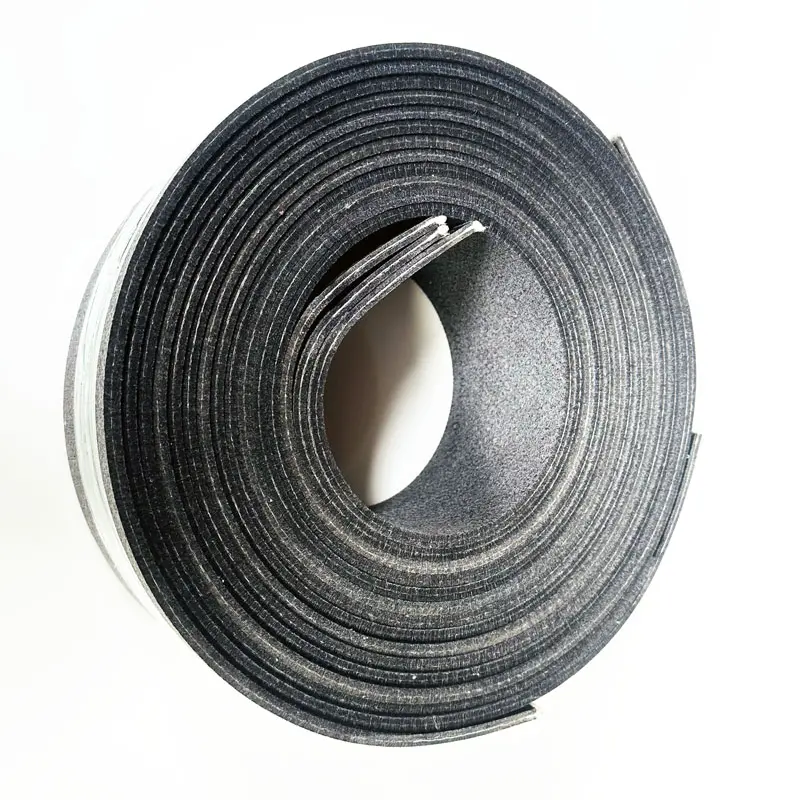
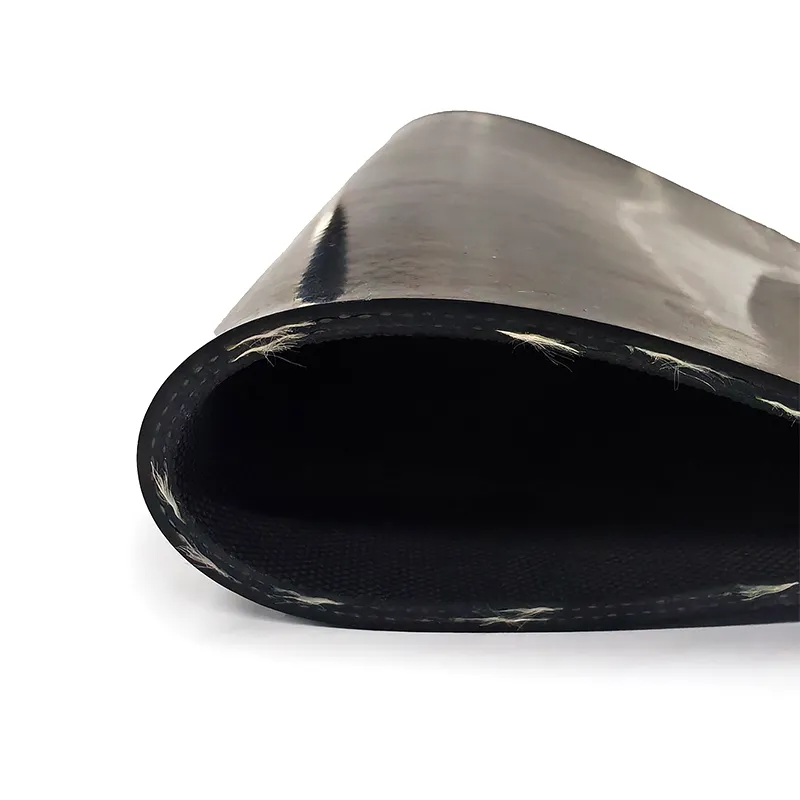
- View as
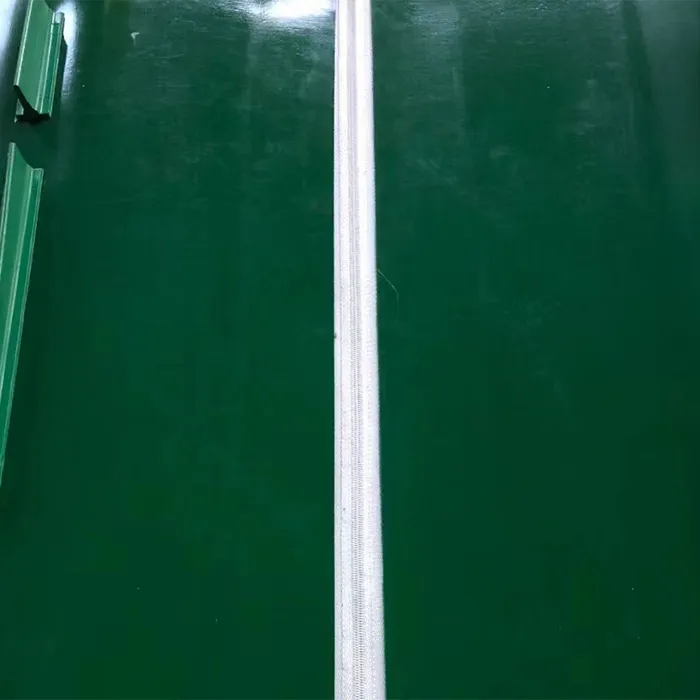
Conveyor Belt Plastic Fastener
SHUNNAI Conveyor Belt Plastic Fastener is designed for quick mechanical joining of conveyor belt ends in light- to medium-duty applications, emergency repairs, and temporary conveying lines. Made from nylon-based material, it provides a practical alternative to splicing methods that require vulcanizing equipment or adhesive curing time. Its modular fastening design supports on-site installation with suitable tools, helping maintenance teams reduce repair delays.
No Vulcanization, Ready to Use
No Rust, No Spark
For Food, Pharmaceutical and Explosion-Proof Applications
No Rust, No Spark
For Food, Pharmaceutical and Explosion-Proof Applications
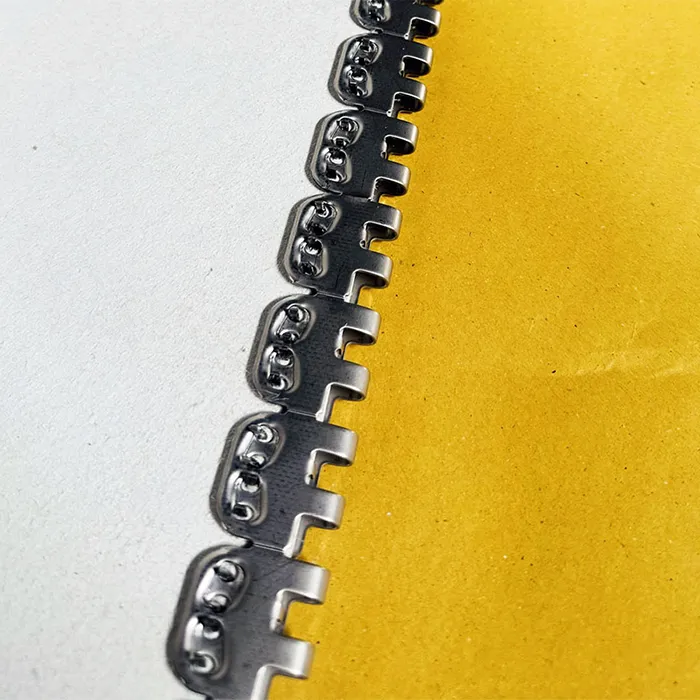
Conveyor Belt Alligator Fastener
SHUNNAI provides metal mechanical splicing solutions for conveyor systems that require efficient belt maintenance and reduced repair delays. Featuring a combination of a metal fastener body, rivets, and locking components, Conveyor Belt Alligator Fasteners are designed to connect prepared belt ends without hot vulcanization equipment or adhesive curing. They can be considered for selected mining auxiliary conveyors, port material-handling lines, cement plants, and temporary belt repairs.
Quick Emergency Repair
High-Strength Connection
Repeatable Disassembly and Assembly
High-Strength Connection
Repeatable Disassembly and Assembly
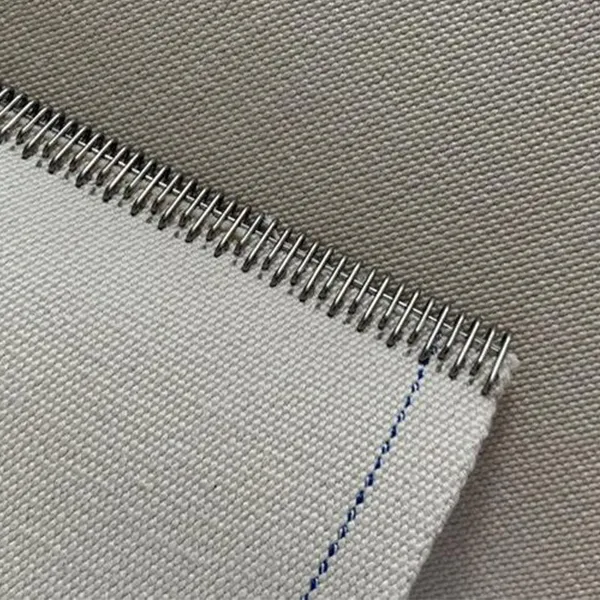
Conveyor Belt Stainless Steel Wire Hook Fastener
SHUNNAI Conveyor Belt Stainless Steel Wire Hook Fastener is designed for mechanical belt splicing in industrial conveying systems that require convenient installation, maintenance, or periodic belt removal. Made with stainless steel hooks and compatible connecting components, it offers a practical option for selected light- to medium-duty applications, including food processing, grain handling, and auxiliary material conveying.
No Vulcanization Required for Installation
Flexible Disassembly and Assembly
Light-to-Medium Duty Belt Connection Solution
Flexible Disassembly and Assembly
Light-to-Medium Duty Belt Connection Solution
SHUNNAI is a professional Joint methods manufacturer and supplier in China. We have an experienced sales team, professional technicians, and an after-sales service team.
News Recommendations