What are the methods for the daily maintenance and care of conveyor belts?
I. Pre-start Inspection (Mandatory Daily Routine)
1. Belt Inspection
Inspect the belt surface: Check for cracks, rubber delamination, scratches, blisters, uneven wear, edge tearing, or holes. For PU/PVC belts, watch for surface peeling; for rubber belts, assess the wear level of the cover rubber.
Check for belt mistracking: Manually rotate the system while unloaded to see if the belt drifts to one side; adjust promptly to prevent edge wear or tearing.
Inspect joints: Check hot-vulcanized, cold-bonded, and mechanical (steel clip) joints for separation, looseness, or deformed/detached clips; seam cracks in food-grade PU belts can easily harbor dirt and lead to damage.
Check for surface debris: Remove adhered material, oil, dust, and clumps; hard objects can scratch the belt.
2. Accessory Inspection
Drums and idlers: Ensure they rotate freely without sticking or abnormal noise, do not trap material, and have no sharp welding slag or burrs; seized idlers can wear through the belt.
Scrapers, side guards, and skirts: Ensure scraper blades are intact and fit snugly against the belt surface without scratching the belt body; check side guards for cracks or detachment.
Tensioning device: Ensure tensioning travel is consistent on both sides and tension is appropriate; excessive tension on one side can cause mistracking or belt elongation.
Frame and impact beds: Check for sharp protrusions or deformation; ensure material drops centrally to avoid impacting only one side of the belt.
3. Environment and Material Inspection
High-temperature conditions: Confirm there are no open flames or high-temperature materials directly scorching the belt.
Oily/corrosive conditions: Prevent prolonged exposure to strong acids, strong alkalis, or heavy oils.
Large, sharp materials: Screen materials beforehand to prevent cracking or rupturing the belt surface.
II. Operational Inspections (Every 1–2 hours)
Belt Misalignment Monitoring
Slight misalignment: Fine-tune the tail self-aligning roller or tensioning screw; adjust both sides synchronously—do not drastically tighten one side alone.
Severe misalignment: Stop the machine immediately; do not force operation while loaded, as this can easily wear through or snap the belt edge.
Abnormal Noises and Conditions
Stop immediately to address issues such as seized idlers, the belt scraping against the frame, excessive scraper pressure, or metal fasteners scraping the drum.
Material Impact
If the drop height is excessive, install impact idlers or an impact bed; ensure material lands in the center of the belt to minimize wear from one-sided impact.
Prohibited Operations
Do not strike or scrape the belt directly with metal tools, shovels, or iron bars.
Do not overload the belt or load materials that are excessively long.
Personnel must not step on or drive over the conveyor belt.
Temperature Monitoring
Strictly control material temperatures for heat-resistant rubber, Teflon, and silicone belts; excessive heat accelerates aging, cracking, and delamination.
III. Post-Shutdown Cleaning and Maintenance (End of daily shift)
1. Cleaning Procedures Based on Material Type
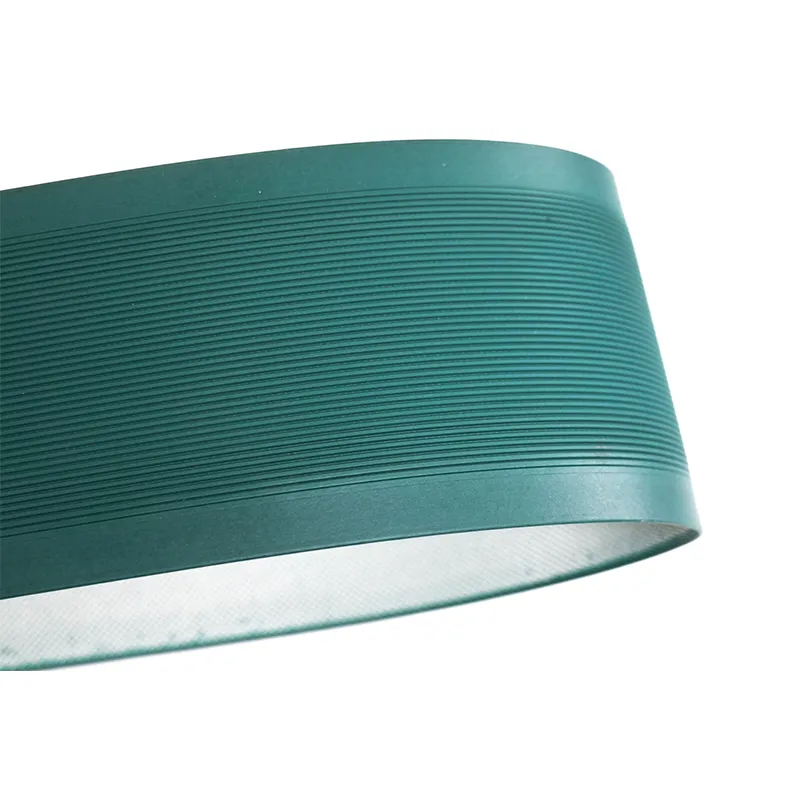
PVC/PU Lightweight Conveyor Belts (Food processing, packaging lines)
Wash with clean water and neutral detergent; food-grade disinfectant may be used for food processing lines.
Use specialized PU degreasers for oil stains; strictly avoid gasoline, thinners, or strong solvents, as these can corrode the surface, causing whitening and cracking.
Clean debris from gaps, sidewalls, and cleats using a brush; allow to air-dry completely before storage to prevent mold and delamination.
Rubber Conveyor Belts (Mining, sand, and gravel)
Use a high-pressure water gun to remove surface sand, gravel, and powder; use a soft brush for caked material—do not scrub with hard steel wire brushes.
Wipe off minor oil stains on oil-resistant mining belts; clean accumulated oil regularly to prevent swelling and bond failure. Teflon / Silicone High-Temperature Belts
Wipe away residual adhesive or baking residue with a soft cloth; soak in warm water to remove minor scorch marks.
Do not use steel wool for scrubbing, as this will damage the non-stick coating.
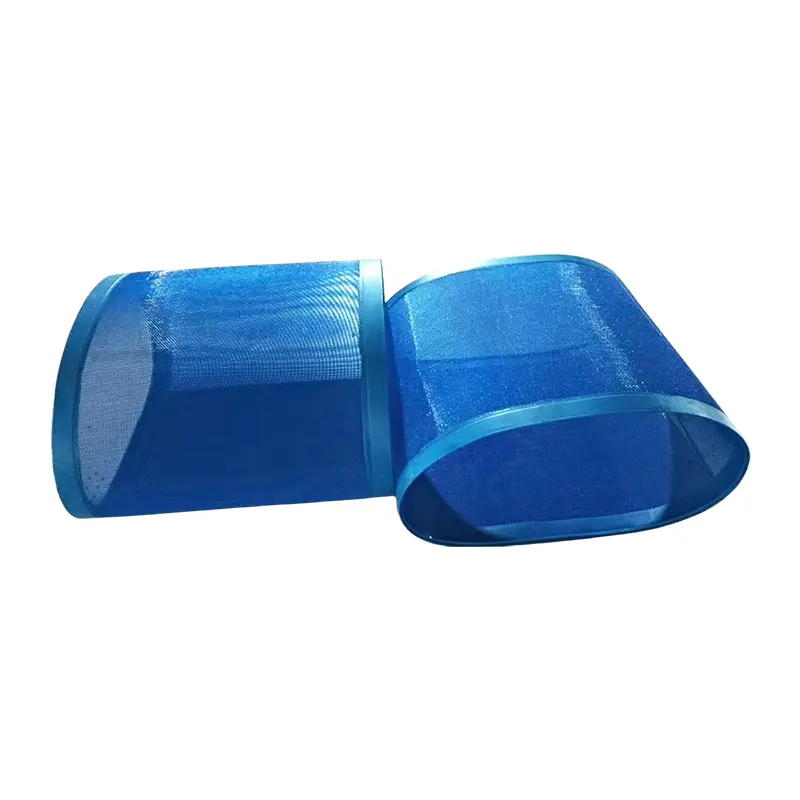
Stainless Steel Mesh Belts
Rinse off welding slag and grease with clean water; for acidic or alkaline operating environments, neutralize and rinse promptly to prevent rust and corrosion of the mesh wires.
2. Protection During Downtime
Long-term shutdown (exceeding 3 days): Loosen the tensioning screw to release belt tension and prevent permanent deformation caused by prolonged stretching.
Outdoor belts: Cover with a rainproof and sun-resistant tarp; UV exposure accelerates the aging and cracking of rubber and PVC materials.
Clear any material wrapped around drums and idlers to prevent the belt from being torn upon the next startup.
IV. Periodic Maintenance (Weekly / Monthly / Quarterly)
1. Weekly Maintenance
Thoroughly remove accumulated material from the frame, drums, and idlers.
Check the wear on cleaner blades; replace them promptly if more than 50% worn.
Apply grease to self-aligning idlers and impact idlers to ensure smooth rotation.
Correct belt mistracking and record tension levels.
2. Monthly In-Depth Maintenance
Measure the overall thickness of the belt; replace rubber belts early if the cover rubber wear exceeds 50%.
Thoroughly inspect all joints; repair cracks or delamination promptly.
Inspect drum lagging; repair wear or detachment immediately to prevent the bare metal drum from damaging the belt.
Check the bonding points of sidewalls, cleats, and skirts; re-apply adhesive for reinforcement.
Measure the surface resistance of anti-static PVC/PU belts; replace them promptly if the anti-static properties fail.
3. Quarterly Major Maintenance
Power down and disassemble the unit; clean idler bearings and replace damaged idlers.
Check for frame deformation and impact bed wear; repair any sharp edges.
Replace belts that show severe aging, multiple cracks, or permanent elongation that cannot be corrected.
Conduct aging tests on belts used in high-temperature or chemical environments and stock replacements in advance.
V. Specific Maintenance Precautions by Belt Material
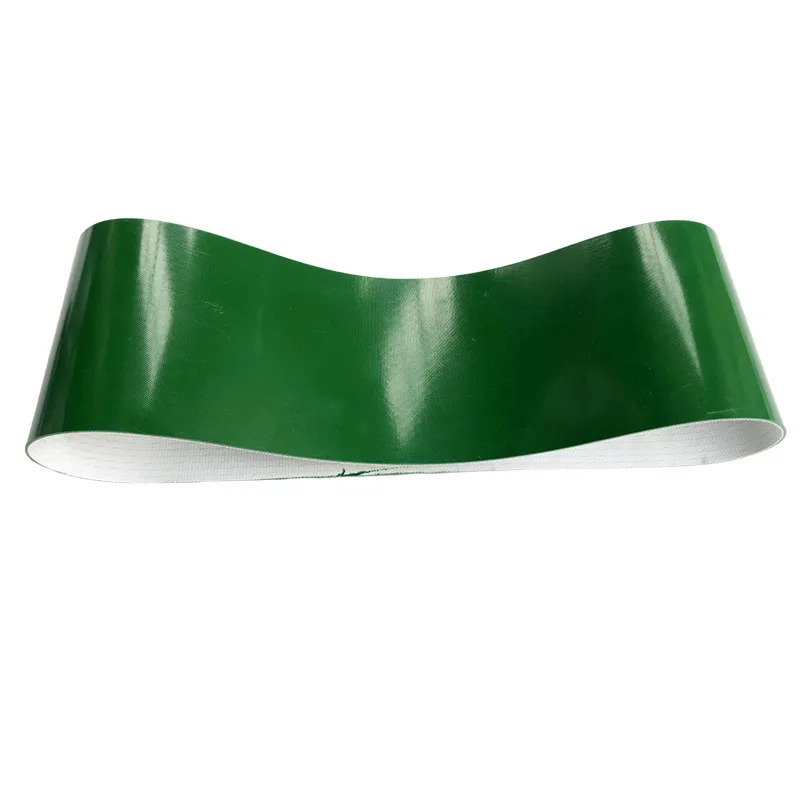
PVC Belts: Avoid oil, strong solvents, and prolonged exposure to high temperatures (>80°C); exposure to direct sunlight causes hardening and cracking.
PU Food-Grade Belts: Avoid strong acids and alkalis; hard scraping leaves permanent scratches; not resistant to high concentrations of thinners.
Standard Rubber Belts: Avoid prolonged exposure to oil/grease, open flames, and impacts from sharp, heavy objects.
Heat-Resistant EPDM Rubber Belts: Avoid rapid temperature fluctuations; alternating between hot and cold can cause delamination.
Teflon (PTFE) Belts: Do not abrade the coating with hard objects; damage to the coating results in a loss of non-stick properties.
Silicone Belts: Avoid cutting with sharp blades; prolonged contact with oil/grease causes yellowing and aging.
Stainless Steel Mesh Belts: Must be rinsed after conveying acidic or alkaline materials to prevent rust-induced breakage.
VI. Key Points for Preventing Common Faults
Preventing Belt Tearing: Install buffers at feed chutes, use iron removers to eliminate metal debris, and promptly replace damaged belt cleaners.
Preventing Belt Misalignment: Ensure pulleys are level and idlers are parallel; keep material centered; regularly calibrate tension.
Extending Belt Life (Preventing Aging): Minimize direct sunlight exposure; keep away from heat sources; avoid prolonged contact with chemical materials.
Preventing Joint Damage: Avoid overloading; minimize impact from large material chunks; regularly reinforce joints with adhesive repairs.
Preventing Slippage and Wear: Ensure pulley lagging is intact; maintain moderate tension; avoid over-tightening, which accelerates stretching.
VII. Storage and Maintenance (Spare Belts)
Lay belt rolls flat; do not stack vertically, as this causes deformation due to compression.
Store in a cool, dry warehouse away from heat sources, grease, acids/alkalis, and sunlight.
For rubber belts, rotate the roll every 3 months to prevent deformation caused by prolonged localized pressure.
Storage Limits: Rubber belts—max. 3 years; PVC/PU lightweight belts—max. 2 years.
Related News
Leave me a message
News Recommendations