Comprehensive Guide to Mainstream Conveyor Belt Materials (Categorized into five types: heavy-duty rubber, light-duty plastic, high-temperature specialty, metal mesh, and carcass/core materials)
I. Rubber Conveyor Belts (Mainstay for heavy-duty industrial applications)
Constructed from a rubber cover bonded to a fabric or steel-wire carcass; offers high impact resistance and load-bearing capacity; widely used in mining, aggregate, and coal industries.
Natural Rubber (NR)
Superior elasticity and tear resistance; low-temperature tolerance; used for crushed stone, ore, grain, and outdoor low-temperature environments.
Styrene-Butadiene Rubber (SBR)
High abrasion resistance and cost-effectiveness; standard conveyor belts for coal, aggregate, and cement plants.
Nitrile Rubber (NBR)
High oil resistance; used in machining, grain/oil processing, and for conveying oily materials.
Chloroprene Rubber (CR)
Resistant to oil, aging, and flame; used in chemical industries and mildly corrosive environments.
Withstands high temperatures (150–200°C); used for conveying cement clinker, sintered ore, and hot coke.
Silicone Rubber (Food-grade rubber belt)
-60 to 200°C; non-toxic and non-stick; used in baking and high-temperature food processing lines.
Flame-retardant / Anti-static Rubber
Specialized for underground coal mines; fire-resistant, dissipates static electricity, and explosion-proof.
Internal Carcass Materials (Core layer materials)
NN (Nylon Canvas): High transverse tensile strength, moisture-absorbent, higher elongation; used for short-distance mining.
EP (Polyester Canvas): Stable strength in wet/dry conditions, low elongation; mainstream high-strength conveyor belt.
ST (Steel Cord): Virtually zero elongation, ultra-high tensile strength; used for long-distance, steep-incline mining and port operations. II. Lightweight Plastic Conveyor Belts (General use for Food / Packaging / Electronics)
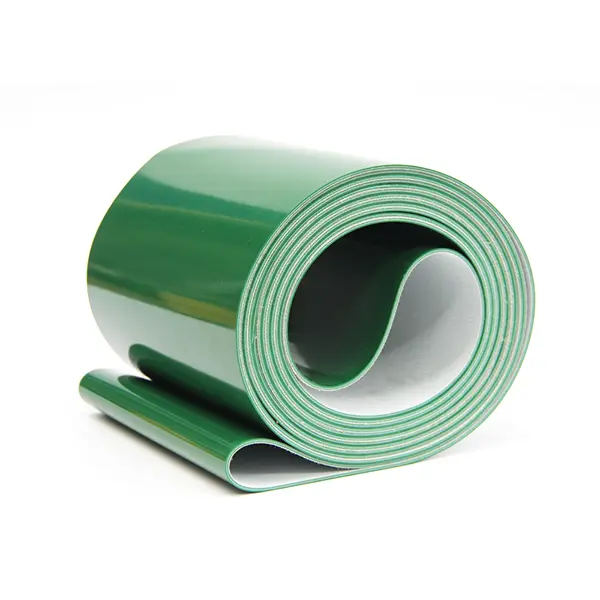
Thin, lightweight, easy to clean; suitable for light-load assembly lines.
Temperature: -10°C to 80°C
Advantages: Low cost, resistant to weak acids and alkalis, various color options, available with anti-slip patterns or anti-static properties.
Disadvantages: Moderate abrasion resistance, not oil-resistant, prone to softening at high temperatures.
Applications: Logistics sorting, packaging, electronics, light industry, general grain transport.
2. PU/TPU (Polyurethane)
Temperature: -30°C to 90°C
Advantages: Abrasion resistance is 3–5 times that of PVC; oil-resistant, food-grade (non-toxic), cut-resistant, smooth operation around small-diameter rollers.
Disadvantages: Higher price than PVC; lower acid/alkali resistance compared to PVC.
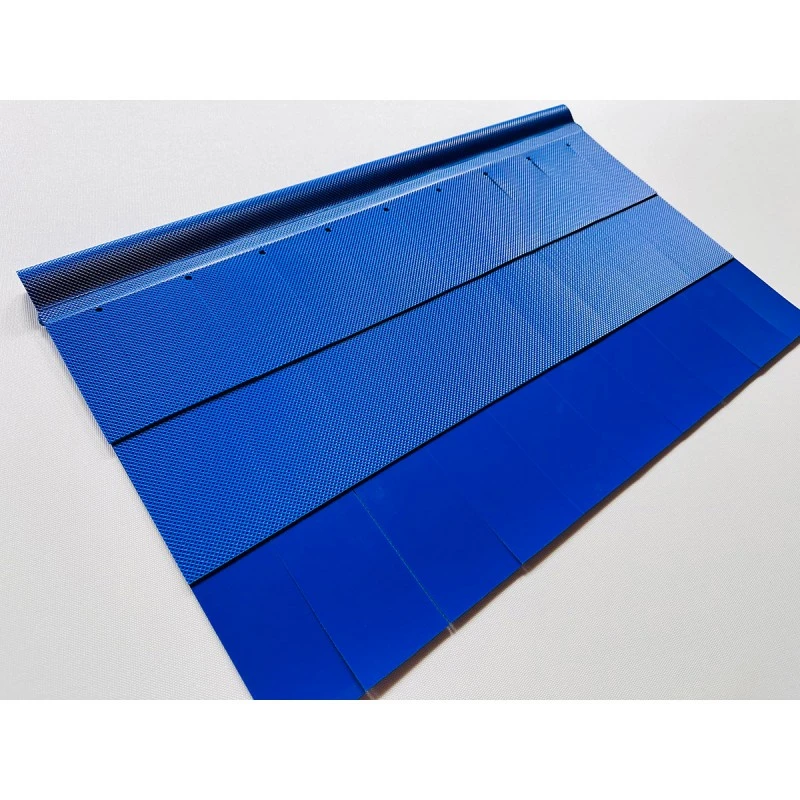
3D woven fabric fully impregnated with PVK coating; resists delamination, fraying, and impact; suitable for steep inclines and heavy-load carton assembly lines.
4. PE (Polyethylene)
Ultra-lightweight, highly corrosion-resistant, food-grade; suitable for seafood, frozen goods, and light food transport.
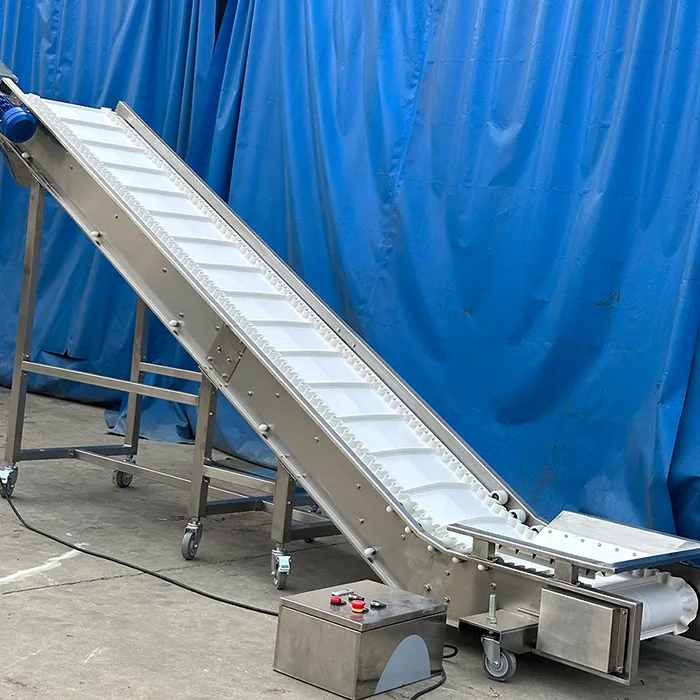
5. PP (Polypropylene) Plastic Slat/Modular Belts
Rigid plastic modular design; detachable, waterproof, and corrosion-resistant; suitable for bottled beverages, washing lines, and packaging/sorting.
III. High-Temperature Resistant Specialty Conveyor Belts
1. Teflon (PTFE) Fiberglass Belts
Temperature resistance: -60°C to 260°C; excellent non-stick properties, resistant to strong acids and alkalis, adhesive-resistant.
Available in solid or open-mesh (breathable) styles; used for drying, heat sealing, microwave processing, chemical corrosion resistance, and baking/mold release.
2. Pure Silicone Belts
Flexible, non-stick, food-grade; temperature resistance up to 200°C; used in ovens, heat presses, and pastry/biscuit production lines. 3. Aramid / Kevlar Felt Belts
High-temperature resistance (up to 250°C), wear resistance, and cushioning; used in leather hot-pressing, laminating, and foil stamping equipment.
IV. Metal Conveyor Belts (High-temperature, drainage, heavy-duty drying)
Stainless Steel Mesh Belts (304/316)
High-temperature resistance (over 400°C), breathable/drainage capabilities, and corrosion resistance; used in frying, washing, heat treatment, glass, and ceramics.
Stainless Steel Slat/Chain Belts
Heavy-duty and robust; used for heavy workpieces, die-casting, and high-temperature furnace transport.
Galvanized Wire Mesh Belts
Low-temperature drying and light-duty washing; lower cost.
V. Specialty / Niche Materials
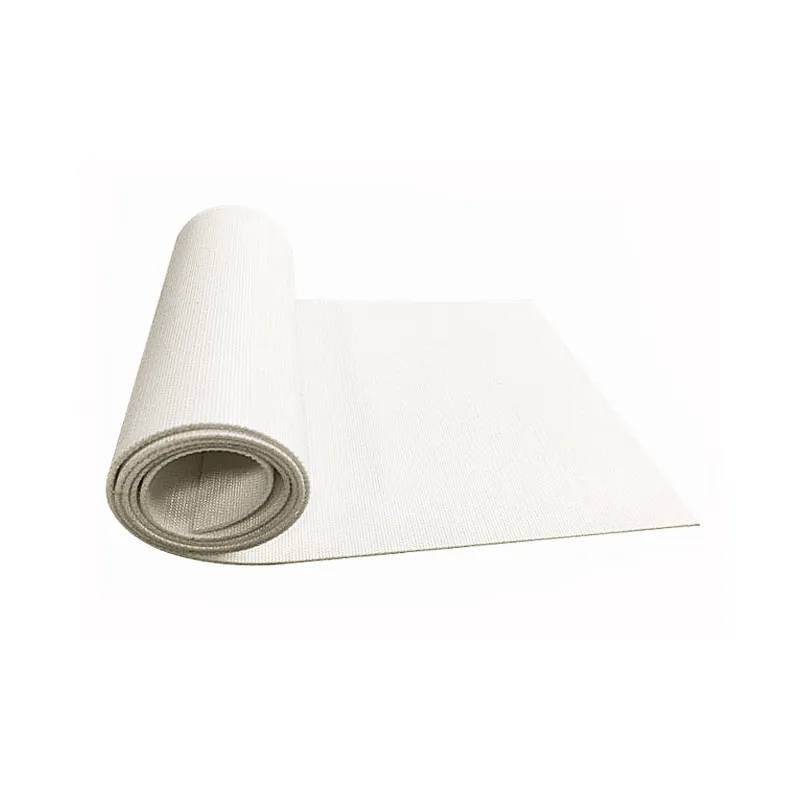
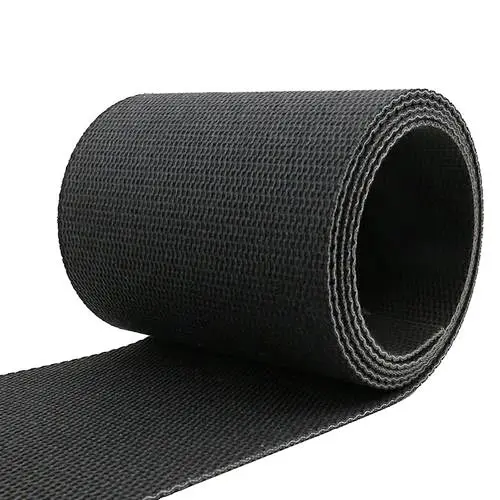
Felt Conveyor Belts: Cushioning, anti-slip, and quiet operation; used for transporting leather goods, panels, and glass.
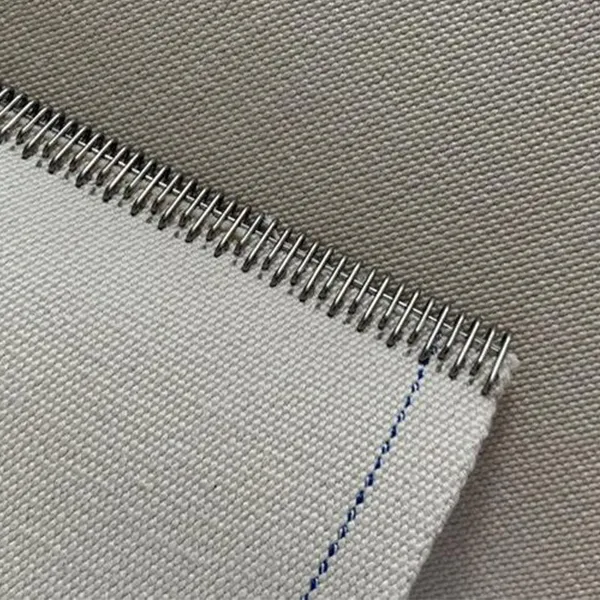
Cotton Canvas Belts: Traditional light-duty transport; moisture-absorbent but not corrosion-resistant; rarely used nowadays.
Nylon Mesh Belts: Breathable; used for food washing and fruit/vegetable sorting.
We use cookies to offer you a better browsing experience, analyze site traffic and personalize content. By using this site, you agree to our use of cookies. Privacy Policy