Wholesale Curve Conveyor Systems for Efficient Material Handling
When a production line needs to pass around columns, connect adjacent workstations, or change direction within a limited floor area, a Curve Conveyor can help create a continuous conveying route without relying entirely on straight conveyor sections and separate transfer equipment. Depending on the product and operating environment, the carrying surface can be configured as a curved belt, slat chain, roller system, or mesh chain.
SHUNNAI evaluates turning angle, available floor space, product dimensions, load conditions, conveying speed, and connections to upstream and downstream equipment when discussing a suitable solution. This approach helps buyers plan a practical layout before confirming equipment dimensions and manufacturing requirements.
Plan the Route Before Choosing Equipment
The first step in selecting a Curve Conveyor is to establish the required material flow and available installation space. A turning section must accommodate not only the conveyor itself but also the product's movement, frame dimensions, maintenance access, and the interfaces with adjacent machines.
90-Degree Turns
A 90-degree turn is commonly used when a conveying route needs to change from one direction to another, such as along an L-shaped production line. It can connect two straight sections around a corner or redirect products toward a different workstation. Confirm the incoming and outgoing conveyor heights, transfer gaps, and product orientation before finalizing the layout.
180-Degree Turns
A 180-degree turn redirects products back in the opposite direction and can support U-shaped layouts. This arrangement may help use floor space efficiently when a long production process needs to fit within a limited area. However, the required turning radius, conveyor width, product dimensions, and space for maintenance must be checked together.
Other Turning Angles
Some layouts require angles other than 90 or 180 degrees to align with existing equipment or building structures. Custom angles may be possible depending on the conveyor type and design. Buyers should provide a site drawing and the intended entry and exit directions so that the supplier can evaluate the geometry and feasibility.
Match the Carrying Surface to the Product
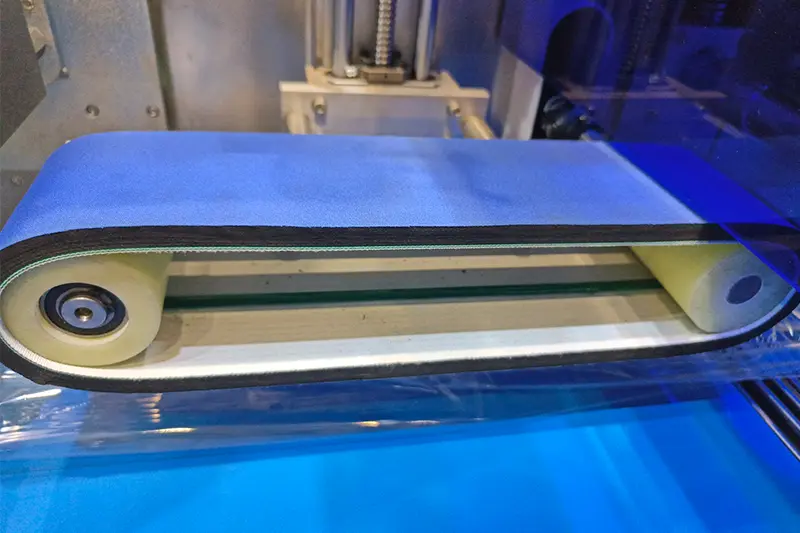
Curved Belt Conveyors
Curved belt systems are often considered for cartons, packaged products, and items that need a relatively continuous carrying surface. The belt, supporting structure, and tracking arrangement must be designed for the intended curve. Product dimensions, weight distribution, surface friction, and center of gravity all affect stability as products move through the turn.
For applications involving food, electronics, or pharmaceutical packaging, the belt material, frame construction, and cleaning requirements should be reviewed against the actual operating conditions. A smooth belt surface may be suitable for some products, but small, flexible, or unstable items may require additional guidance or a different conveying arrangement.
Slat Chain Curve Conveyors
Slat chain systems use connected plates or slats as the carrying surface. They can be considered for production lines that need a durable surface, repeated transfers, or handling of products in fixtures and containers. Metal and plastic chain options serve different operating environments, so material selection should account for load, temperature, moisture, chemical exposure, and cleaning procedures.
For heavy or hot products, verify the load rating and allowable operating temperature of the complete assembly rather than relying on the chain material alone. Drive components, bearings, guides, and the supporting frame must also suit the application.
Roller Curve Conveyors
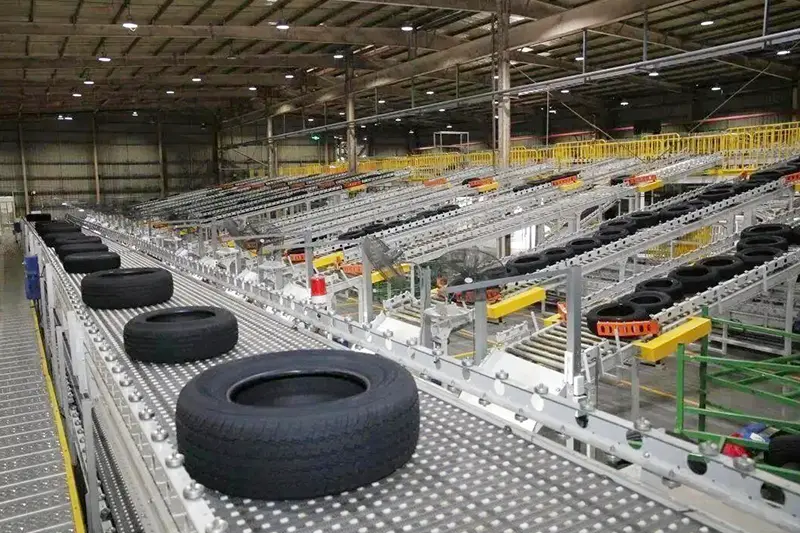
Curved roller systems are suitable for selected rigid-bottom products, including cartons, totes, and pallets. Tapered rollers or other purpose-designed roller arrangements help accommodate differences in travel distance between the inner and outer sides of the curve. Gravity and powered configurations may be available depending on the load, route, and required throughput.
The product base, pallet runner direction, roller spacing, and transfer points should be checked carefully. Items with flexible bottoms, small contact areas, or unstable loads may not move reliably on a standard roller curve.
Mesh Chain Curve Conveyors
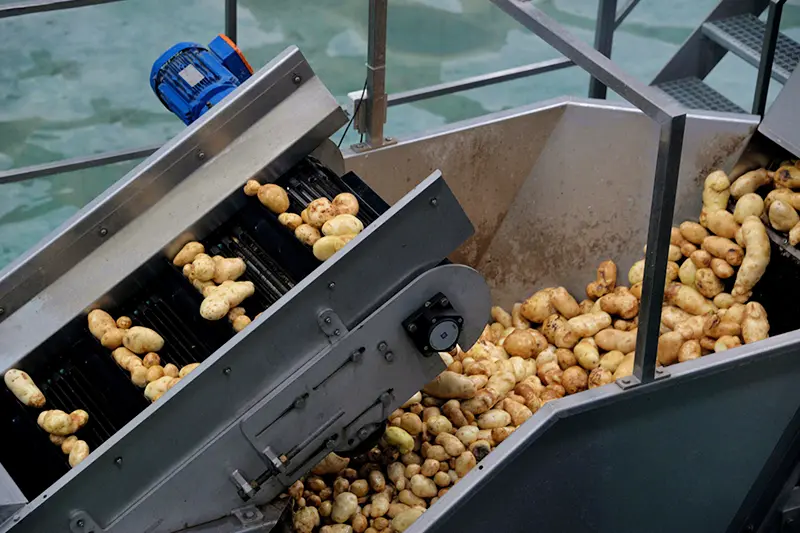
Mesh chain systems can be considered where the process requires an open carrying surface for drainage or airflow. Depending on the chain design and application, they may be used in selected washing, drying, cooling, or food-handling operations. Confirm that the chain and curved guide arrangement are compatible with the required turn and operating conditions.
Check the Inner and Outer Path
During a turn, the inside and outside edges of a product follow paths of different lengths. This geometry can affect product orientation, spacing, and stability. The impact depends on the conveyor type, curve radius, carrying surface, speed, and the dimensions of the items being conveyed.
Before specifying a Curve Conveyor, review the following factors with the equipment supplier:
| Design factor | What to confirm | Why it matters |
|---|---|---|
| Product dimensions | Length, width, height, weight, and center of gravity | Helps assess whether products can pass through the turn without instability. |
| Curve radius | Available inner and outer radius and total footprint | Determines the geometry of the turning section and its fit within the facility. |
| Conveying speed | Normal speed, peak throughput, and start-stop frequency | Helps evaluate product movement and coordination with connected sections. |
| Carrying surface | Belt, slat chain, rollers, or mesh chain | Matches the transport mechanism to the product and process requirements. |
| Entry and exit | Direction, height, width, and transfer gap | Helps reduce catching, misalignment, and transfer problems at connections. |
| Site constraints | Columns, walls, access routes, and maintenance clearance | Helps ensure the equipment can be installed and serviced safely. |
There is no single minimum turning radius that applies to every conveyor design. The feasible radius depends on the carrying surface, conveyor width, product characteristics, and mechanical construction. A site layout and representative product dimensions provide a more reliable basis for selection than a generic radius estimate.
Connect the Turn to the Full Line
A turning section should be designed as part of the complete conveying route rather than as an isolated piece of equipment. Differences in conveyor height, speed, product spacing, and control signals can affect the performance of the whole line.
Entry and Exit Transfers
Products need to move smoothly from the straight section into the curve and back onto the next conveyor. Confirm the transfer gap, supporting surface, side guidance, and product orientation at both ends. If the product is narrow, lightweight, or unstable, a trial with representative items may help identify potential transfer issues.
Speed and Product Spacing
Conveyor speed should be coordinated with the equipment before and after the turn. If the upstream section feeds products faster than the curve can handle, accumulation or irregular spacing may occur. If downstream equipment requires consistent product intervals, sensors or controlled release arrangements may be needed.
Controls and Safety
For powered systems, review motor control, emergency stops, sensors, guarding, and the signals exchanged with adjacent equipment. The design should account for access during cleaning and maintenance as well as normal production. Safety devices and electrical interfaces should be confirmed during technical review and installation planning.
Applications in Different Industries
Logistics and Parcel Sorting
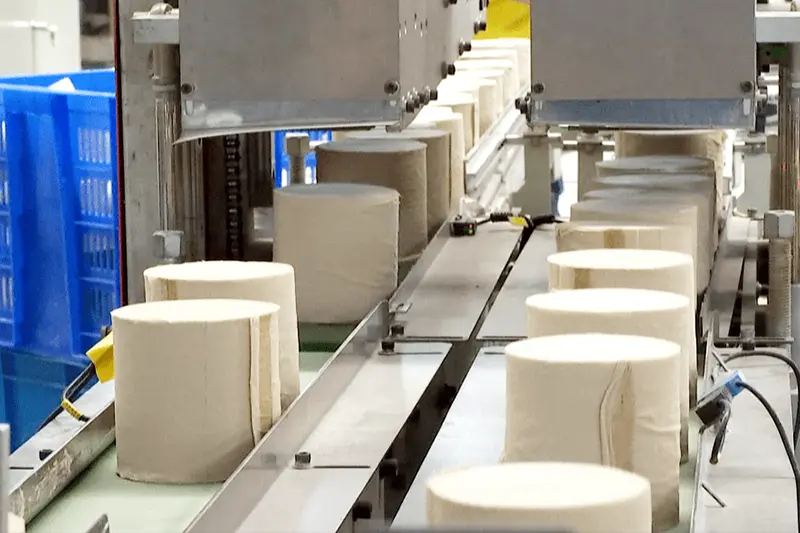
Curved sections help redirect cartons and parcels between receiving, scanning, sorting, packing, and dispatch areas. Belt or roller configurations may be suitable depending on package dimensions, load, speed, and the sorting equipment used.
Food and Beverage Processing
Turning conveyors can connect packaging, inspection, and transfer stations where floor space is limited. Belt, slat chain, or mesh chain options can be evaluated according to the product, cleaning method, moisture exposure, and applicable hygiene requirements. Food-contact suitability should be confirmed for the specific materials and complete equipment design.
Electronics Manufacturing
Curved conveying sections can help connect assembly, inspection, and packaging workstations while maintaining a compact layout. Product orientation, surface contact, positioning accuracy, and electrostatic-control requirements should be assessed where sensitive electronic components are handled.
Pharmaceutical and Cosmetic Packaging
Turning sections can redirect cartons, bottles in suitable carriers, and packaged goods between filling, labeling, inspection, and packing stages. The selected conveyor should match the product handling method, cleaning procedure, positioning needs, and any facility-specific requirements.
Automotive and General Manufacturing
Slat chain or suitable roller systems may be evaluated for components, containers, and fixtures moving between workstations. For oily, heavy, or temperature-exposed products, confirm the compatibility and load limits of the chain, rollers, bearings, frame, and drive system.
Prepare for Installation and Testing
Before equipment is manufactured, the layout should be checked against actual site conditions. This can reduce the likelihood of installation conflicts and help ensure that the curved section connects correctly with the rest of the line.
Confirm the footprint: Review the inner radius, outer dimensions, conveyor width, entry and exit directions, working height, and available maintenance space.
Verify product movement: Use representative product sizes and weights to assess stability, turning behavior, and transfer gaps. Fragile or irregularly shaped products may need additional guidance or a different carrying surface.
Review the interfaces: Confirm mounting points, drive arrangements, electrical connections, sensor positions, and control signals with adjacent equipment suppliers.
Test before full production: During commissioning, check belt or chain tracking where applicable, roller movement, drive operation, product transfers, and safety functions. Test the expected product range and operating speeds, and record any adjustments required before handover.
Manufacturing and Quality Support
Tianjin Shunnai Conveyor Belt Manufacturing Co., Ltd. integrates research and development, design, manufacturing, and sales. With its own factory, processing equipment, and technical team, SHUNNAI supports customers in evaluating layout constraints, selecting carrying surfaces, and discussing customized conveying equipment for industrial applications.
The company states that its quality management system follows ISO 9001 and that it has FDA, MA, and CNAS-related credentials. These credentials have different scopes and do not automatically establish that every conveyor model is approved for every application. Buyers should request the relevant documentation and verify the certificate holder, validity, and scope before making compliance decisions, particularly for food, pharmaceutical, or other regulated environments.
SHUNNAI serves customers in North America, Western Europe, Oceania, South America, Southeast Asia, the Middle East, and other markets. Project discussions can cover conveyor type, turning angle, dimensions, material options, drive methods, and integration with existing lines. Final design details should be confirmed in the approved drawings and technical specifications.
Frequently Asked Questions
Can a curved conveyor handle products of different widths?
It may be possible, provided the conveyor width, curve geometry, carrying surface, and guidance arrangement suit the complete product range. The widest product affects the required clearance, while the narrowest product may determine the support and tracking requirements. Provide the minimum and maximum dimensions for technical evaluation.
Will products keep the same orientation after a turn?
Not necessarily. Product orientation can change depending on its dimensions, center of gravity, friction, speed, and the design of the curve. If a barcode, label, or specific product face must remain in a defined position, include that requirement during the layout and control review.
Can an existing straight conveyor be connected to a curved section?
In many projects, a curved section can be integrated with existing straight conveyors, but compatibility must be checked. Important details include conveying height, width, carrying surface, drive method, speed, frame connections, and control signals. Drawings and photographs of the existing equipment can help the supplier assess the connection.
Is a tighter curve always better for saving floor space?
No. A smaller radius may reduce the footprint but can also limit the products that can be handled or require a different mechanical design. Product stability, conveyor width, load, speed, and maintenance access must be considered alongside available space before choosing a radius.
What should I send when requesting a quotation?
Provide the required turning angle, site layout, available space, product dimensions and weight, target throughput, conveyor height, preferred carrying surface, and operating environment. Also indicate whether the line is gravity-driven or powered and whether it needs sensors, accumulation, or connection to existing machinery.
Discuss Your Layout Requirements
If your facility needs to redirect products around obstacles, connect production stations, or fit a conveying route into a limited floor area, SHUNNAI can discuss suitable configurations based on your site and process conditions.
Contact SHUNNAI with your layout drawing, product dimensions, required turning angle, load, and target conveying speed to start a technical discussion about your project.
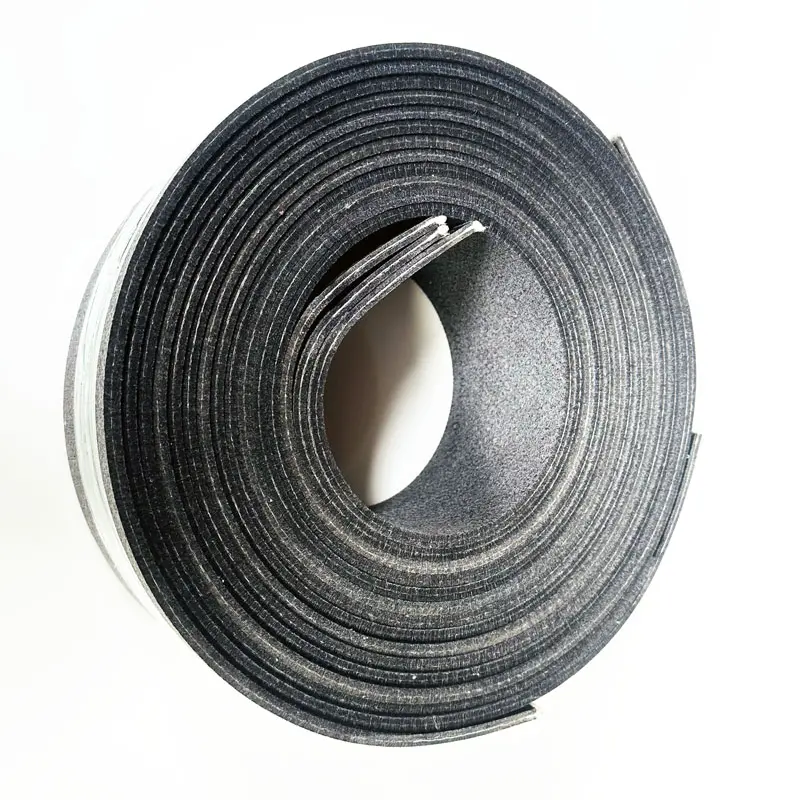
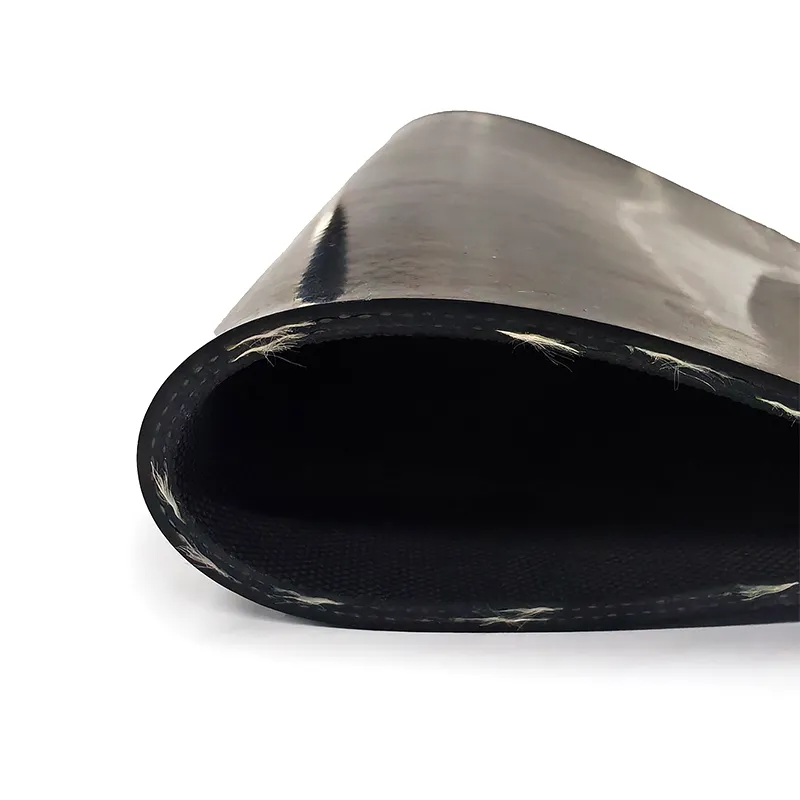
- View as
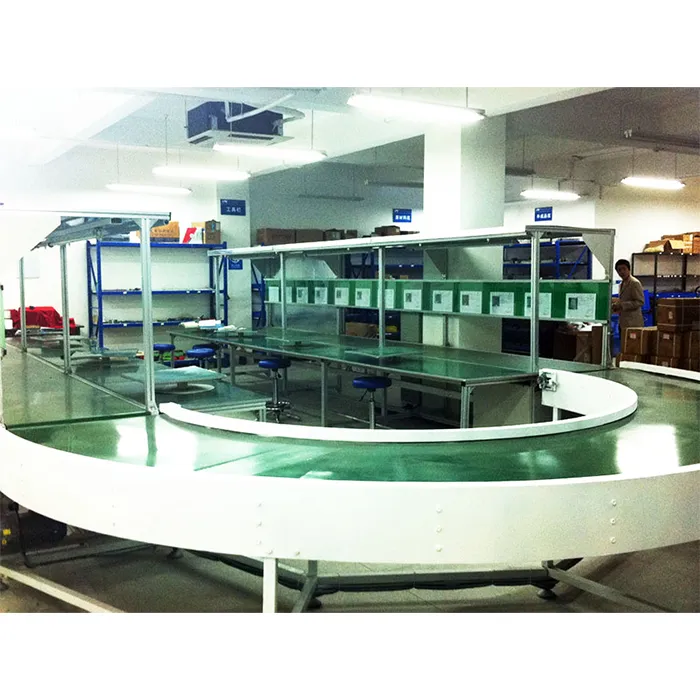
180° Curved Conveyor
SHUNNAI provides customized 180° curved conveyor for production lines that need to change direction without extending the workshop footprint. With options including curved belts, slat chains, mesh chains and tapered rollers, each system can be configured around product dimensions, load requirements, line speed and transfer conditions. The design supports U-shaped layouts, parallel conveyor connections and return-flow operations in food processing, electronics assembly and logistics.
U-Turn and Return
U-Shaped Closed Loop
Multi-Level Circulation Connection
U-Shaped Closed Loop
Multi-Level Circulation Connection
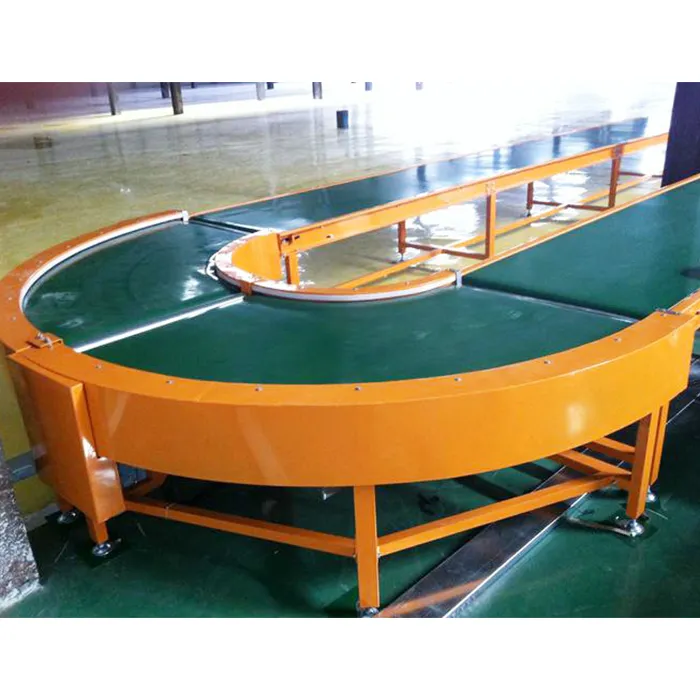
90° Curved Conveyor
SHUNNAI 90° curved conveyor is designed to connect conveyor lines at right angles, helping manufacturers optimize floor space and maintain continuous material flow. Available with belt, slat chain, roller, or mesh chain conveying surfaces, it can be configured for cartons, packages, containers, and process materials according to specific handling requirements.
Right-Angle Turning
Tapered Roller Differential Speed
Seamless Connection for L-Shaped Production Lines
Tapered Roller Differential Speed
Seamless Connection for L-Shaped Production Lines
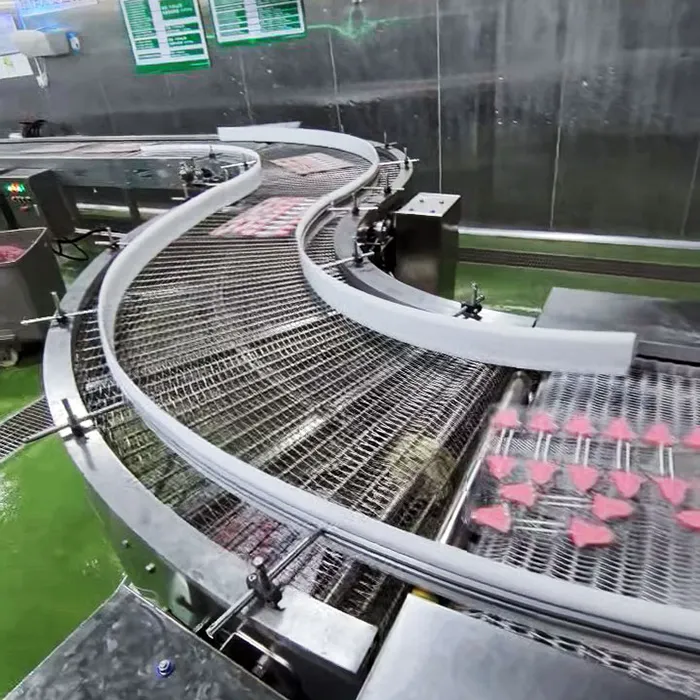
Mesh Chain Curved Conveyor
SHUNNAI Mesh Chain Curved Conveyor is designed for production lines that require directional transfer along with effective drainage, ventilation, or cooling support. Featuring modular plastic or stainless steel mesh chains, it helps move vegetables, seafood, bakery products, and other process materials through curved sections while allowing water, oil, or air to pass through the conveying surface.
Mesh Open Surface for Draining
Ventilation and Cooling During Turning
Dedicated Curve for Continuous Food Processing Lines
Ventilation and Cooling During Turning
Dedicated Curve for Continuous Food Processing Lines
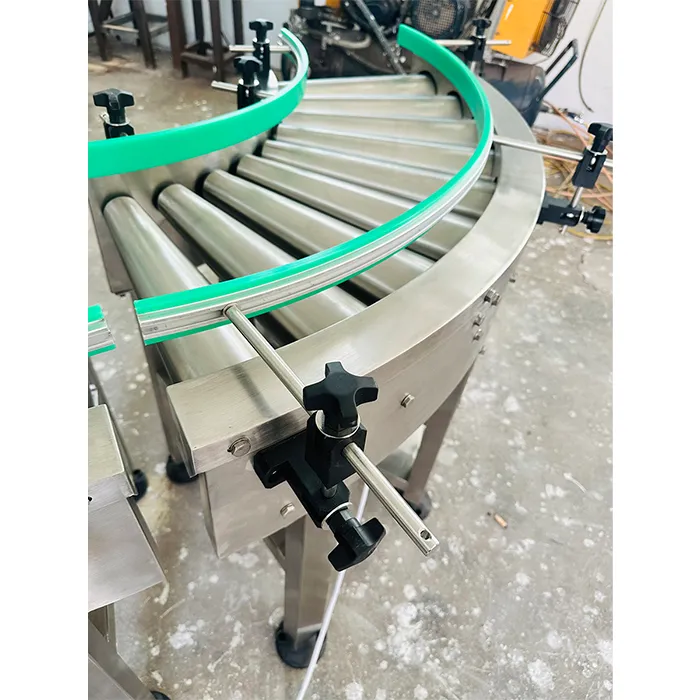
Roller Curved Conveyor
SHUNNAI Roller Curved Conveyor is designed for transferring rigid cartons, plastic totes, and packaged goods through curved sections in logistics, warehousing, and manufacturing facilities. With tapered rollers to support controlled turning, it can be configured with powered or gravity-fed operation according to throughput and handling requirements.
Tapered Roller Differential Speed Turning
Permeable and Maintenance-Free
Dedicated Curve for Cartons and Turnover Boxes
Permeable and Maintenance-Free
Dedicated Curve for Cartons and Turnover Boxes
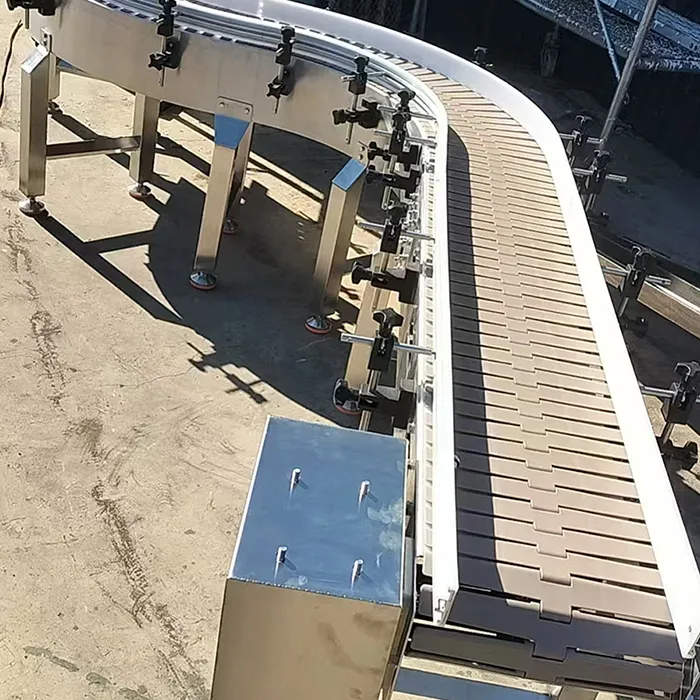
Slat Chain Curved Conveyor
SHUNNAI Slat Chain Curved Conveyor is designed to transfer bottles, cans, cartons, and other packaged products through curved sections of automated production lines. Its modular hard-top chain and sprocket drive support stable conveying, while plastic and stainless steel chain options accommodate different load, hygiene, and operating requirements.
Hard Plate Surface for Heavy-Duty Turning
Sprocket Engagement Prevents Mis-Tracking
For Clean Workshop Applications
Sprocket Engagement Prevents Mis-Tracking
For Clean Workshop Applications
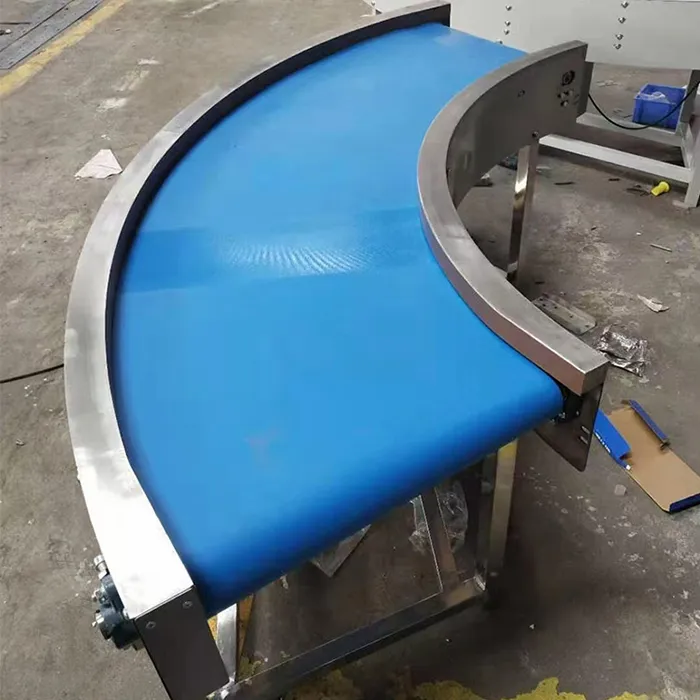
Belt Curved Conveyor
SHUNNAI Belt Curved Conveyor is designed to redirect products around corners while maintaining continuous material flow in automated production lines. Featuring a curved belt, tapered rollers, and belt-guiding components, it can be configured for cartons, parcels, bottles, electronic components, and other suitable products.
Tapered Rollers Prevent Mis-Tracking
Sector-Shaped Belt for Smooth Turning
Right-Angle Turnaround and Compact Layout
Sector-Shaped Belt for Smooth Turning
Right-Angle Turnaround and Compact Layout
SHUNNAI is a professional Curve Conveyor manufacturer and supplier in China. We have an experienced sales team, professional technicians, and an after-sales service team.
News Recommendations