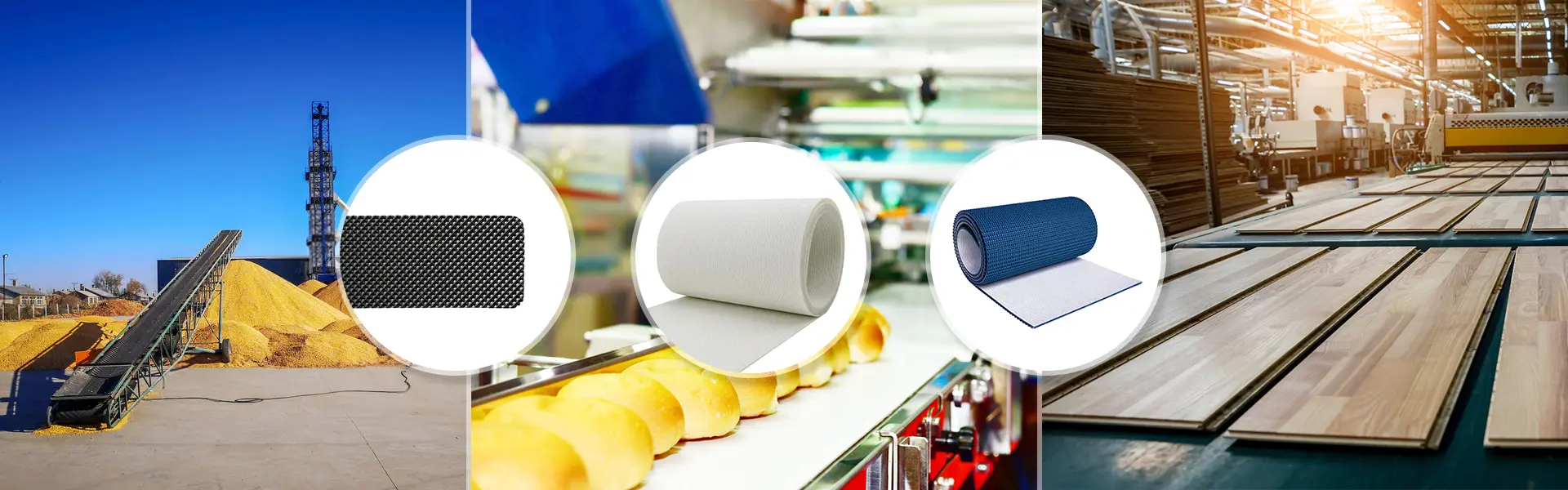
Wholesale Conveyor Belt Cleats for Heavy Duty Conveying Applications
Tianjin Shunnai Conveyor Belt Manufacturing Co., Ltd. specializes in manufacturing conveyor belt cleats and customized belt accessory solutions. With advanced processing equipment including high-frequency welding machines, CNC cutting machines, and laser welders, we provide professional solutions with various shapes, heights, materials, and installation options for different industrial applications.
Designed to Improve Inclined Material Transportation
Cleat accessories are installed transversely on the carrying surface of conveyor belts through welding, hot pressing, or bonding methods. Their main function is to hold materials in position and prevent sliding during inclined or declined conveying.
The selection of cleat structure depends on multiple factors including conveying angle, material characteristics, particle size, weight, and required throughput. When combined with sidewall structures, cleats can create a pocket-style conveying system for higher-angle transportation.
Different Structures for Various Conveying Conditions
Straight Cleats
Straight cleats are installed perpendicular to the belt running direction and represent the most widely used structure. They provide reliable material support, simple installation, and strong bonding performance for general inclined conveying applications.
Angled Cleats
Angled designs improve material retention by changing the contact direction between the cleat and conveyed products. They are suitable for granular, powder, and bulk materials where reducing accumulation and improving flow stability are important.
Curved Cleats
Curved structures provide stronger material holding capability by creating a retaining shape that helps prevent products from rolling or falling over the top edge. They are suitable for higher-angle conveying and unstable materials.
Crescent-Shaped Cleats
Crescent designs feature an arc-shaped profile that guides materials toward the center area of the belt. This structure helps reduce side spillage and improves stability when transporting bulk materials.
V-Shaped Cleats
V-shaped structures are designed for demanding bulk transportation applications. Their center-guiding design improves material control and provides stronger carrying capacity for steep-angle conveying systems.
Finger-Type and Rounded Cleats
Finger-type designs offer gentle material support with smaller contact areas. They are suitable for small products, fragile materials, and applications where reducing product impact is important.
Advantages for Reliable Conveying Performance
Multiple Design Options
Different profiles, heights, spacing arrangements, and installation methods are available to match various material characteristics and conveying conditions.
Strong Material Compatibility
Conveyor Belt Cleats can be produced from materials matching the conveyor belt base, including PVC, PU, and other thermoplastic materials, ensuring excellent bonding strength and long-term reliability.
Flexible Height and Spacing Selection
The height and spacing can be adjusted according to material size, loading requirements, and conveying angle. Typical height options range from 10mm to 100mm depending on application conditions.
Food-Grade Material Availability
For food processing applications, food-contact compliant materials are available to meet hygiene requirements in industries such as baking, confectionery, meat processing, and seafood handling.
Professional Welding Technology
Tianjin Shunnai uses professional high-frequency welding technology to achieve strong molecular bonding between accessories and belt surfaces. Each production batch is inspected to ensure consistent connection quality.
Applications in Different Industries
Food and Beverage Processing
Cleat structures are widely used for inclined transportation of baked goods, confectionery products, meat, seafood, and packaged food. Different profiles help improve stability while protecting product quality.
Logistics and Distribution
Parcel sorting systems and inclined transportation lines use cleated structures to improve product control and maintain stable movement during elevation changes.
Building Materials and Mining
Bulk materials such as sand, gravel, ore, and coal require strong retaining structures. V-shaped and curved designs help handle heavy materials and reduce spillage.
Agriculture and Grain Handling
Grain, seeds, and feed transportation systems benefit from reliable material positioning. Suitable structures improve lifting efficiency while maintaining smooth operation.
Chemical and Fertilizer Industries
Powder and granular chemical products require controlled transportation. Customized designs help reduce material loss and improve conveying accuracy.
Customized Design Based on Application Requirements
Different conveying systems require different accessory structures. Tianjin Shunnai provides customized manufacturing based on customer drawings, samples, equipment parameters, and operating conditions.
Customization options include profile shape, height, spacing, material, color, and installation method. Our engineering team helps customers select suitable solutions according to material characteristics and production requirements.
Manufacturing Capability and Quality Assurance
Tianjin Shunnai Conveyor Belt Manufacturing Co., Ltd. integrates product development, manufacturing, and technical support under an ISO 9001 certified quality management system.
With professional equipment, experienced technicians, and strict quality inspection procedures, we provide reliable accessory solutions for customers across North America, Western Europe, Oceania, South America, Southeast Asia, the Middle East, and other global markets.
Frequently Asked Questions
How do I select the right profile and height?
Selection depends on material type, conveying angle, loading capacity, and transportation requirements. Small particles usually require moderate-height structures, while larger or unstable materials may require stronger retaining designs.
Can cleats be installed on existing belts?
Yes. Retrofitting services are available for suitable belts. The belt surface condition, tension system, and equipment structure should be evaluated before installation to ensure reliable operation.
Will added structures affect pulley operation?
Yes. Additional surface structures may influence bending characteristics and pulley diameter requirements. Technical evaluation should be performed to ensure compatibility with the conveying system.
Can customized products be supplied?
Yes. Tianjin Shunnai provides customized solutions based on customer drawings or samples, including shape, height, spacing, material, and color requirements.
With advanced manufacturing technology and professional customization experience, Tianjin Shunnai provides reliable conveyor belt cleats solutions that improve inclined conveying efficiency and support stable industrial operations.
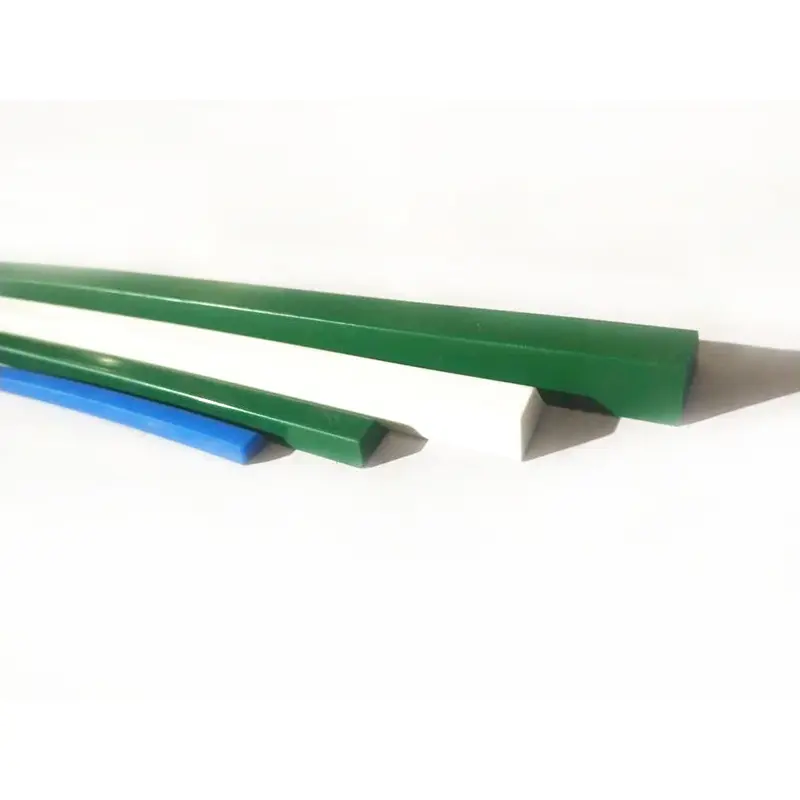
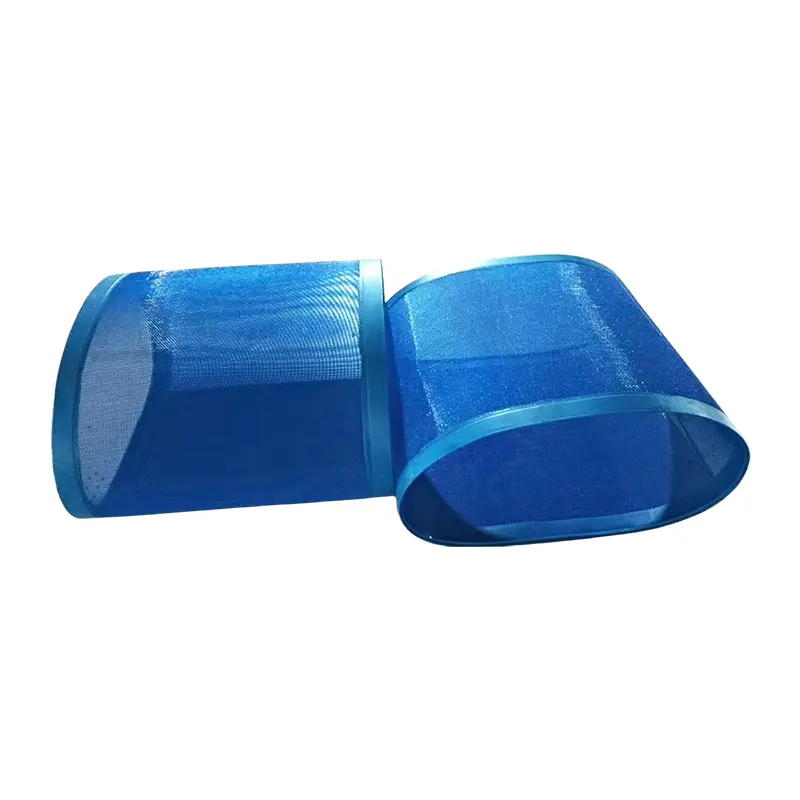
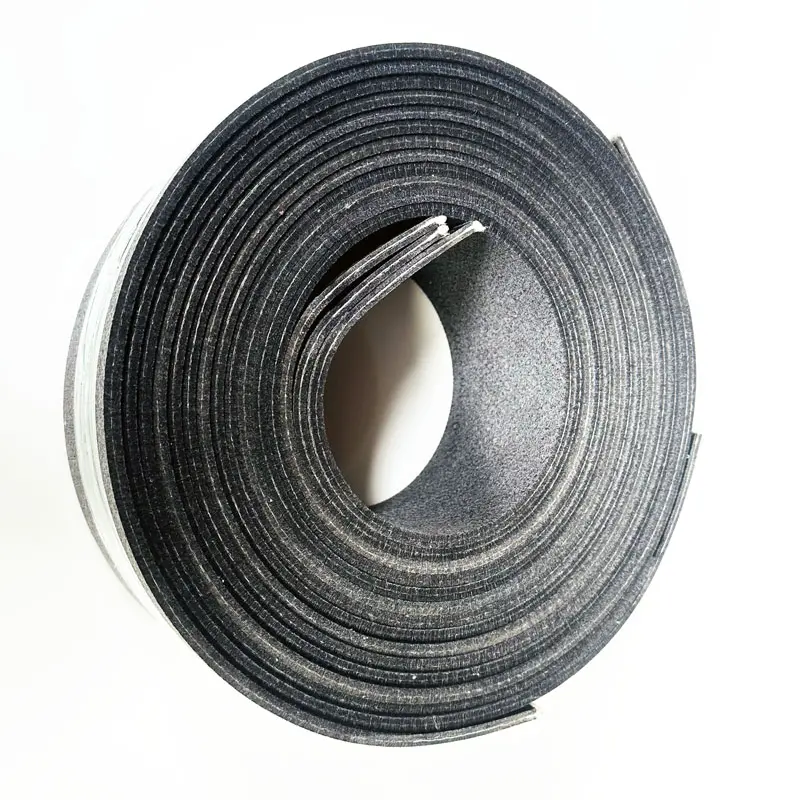
- View as
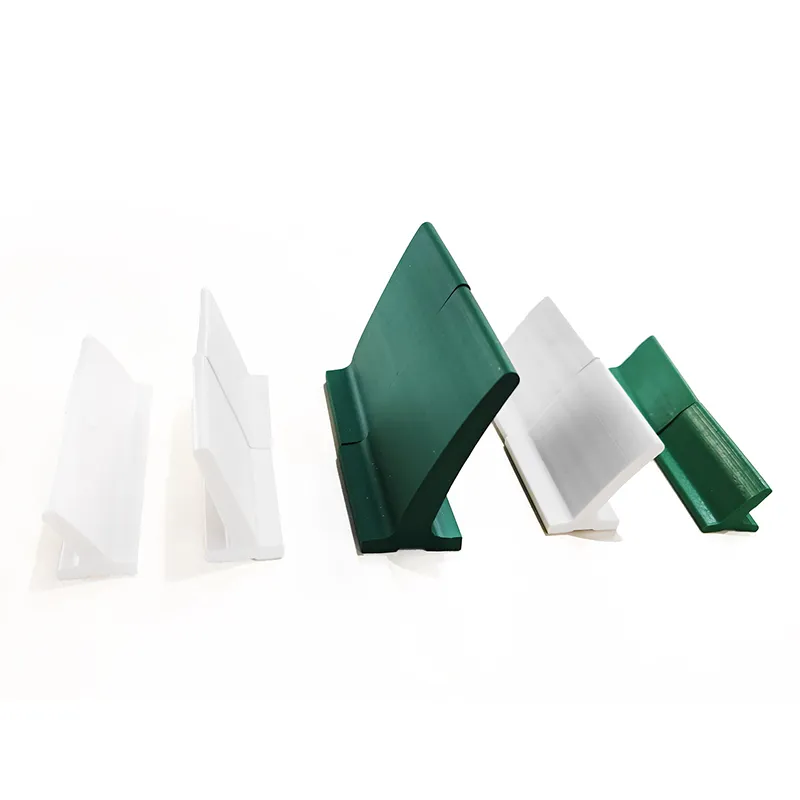
PU PVC Conveyor Belt with Angled Cleats
SHUNNAI PU PVC Conveyor Belt with Angled Cleats is designed for conveying systems that require material direction control, smooth dividing, merging and stable incline transportation. Unlike traditional perpendicular cleats, angled cleats are installed at a specific inclination angle to create progressive pushing force on horizontal sections and supporting force on lifting sections.
1.Significant slip prevention on inclines
2.Power‑free diverting/merging
3.Customizable angle & height
2.Power‑free diverting/merging
3.Customizable angle & height
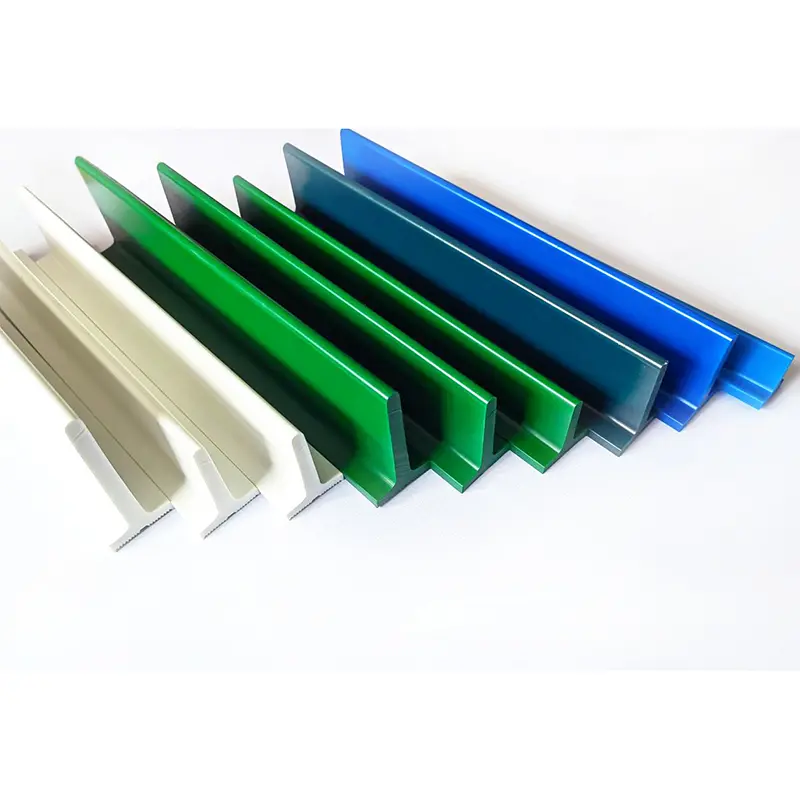
PU PVC Conveyor Belt with Straight Cleats
SHUNNAI PU PVC Conveyor Belt with Straight Cleats is designed for steep-angle and vertical conveying of bulk materials where traditional flat belts cannot provide sufficient holding force. By combining straight cleats with corrugated sidewalls, the belt creates independent conveying pockets that prevent material sliding, backflow and spillage during lifting.
1.Precise incline matching
2.Secure attachment, no detachment
3.Prevents spillage, improves efficiency
2.Secure attachment, no detachment
3.Prevents spillage, improves efficiency
SHUNNAI is a professional Conveyor Belt Cleats manufacturer and supplier in China. We have an experienced sales team, professional technicians, and an after-sales service team.
News Recommendations