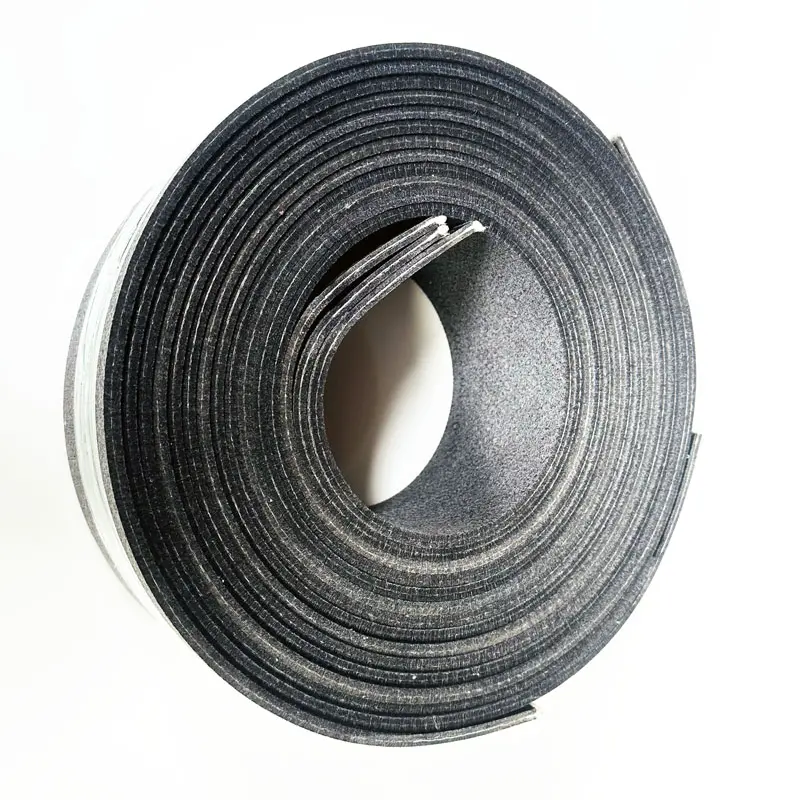
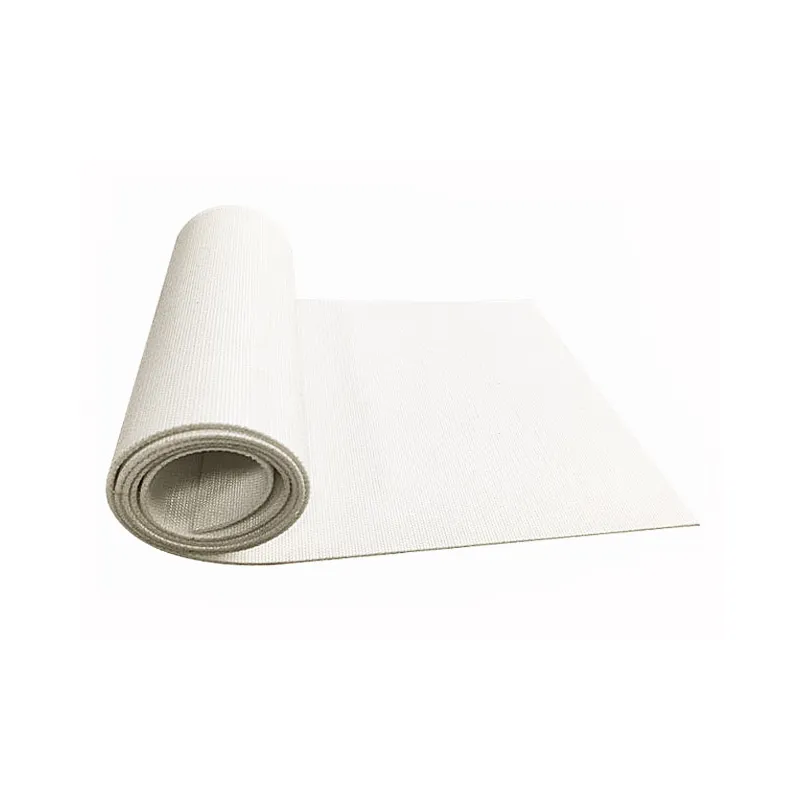
Canvas Conveyor Belt
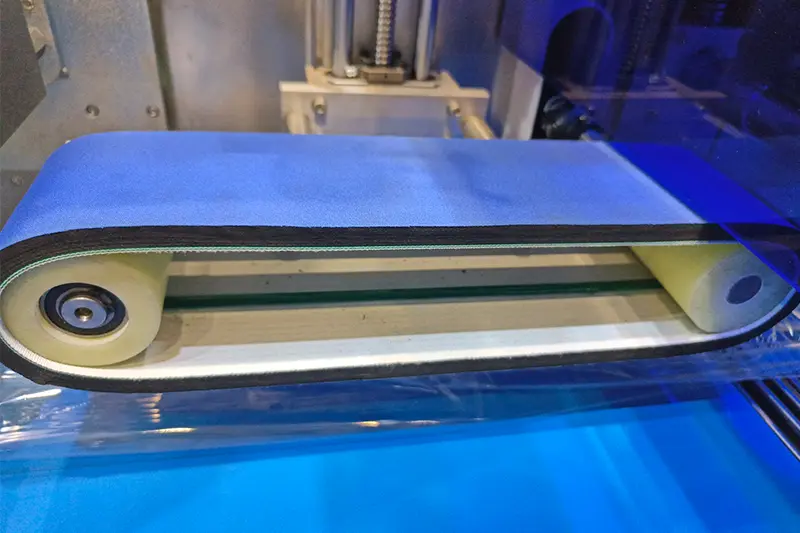
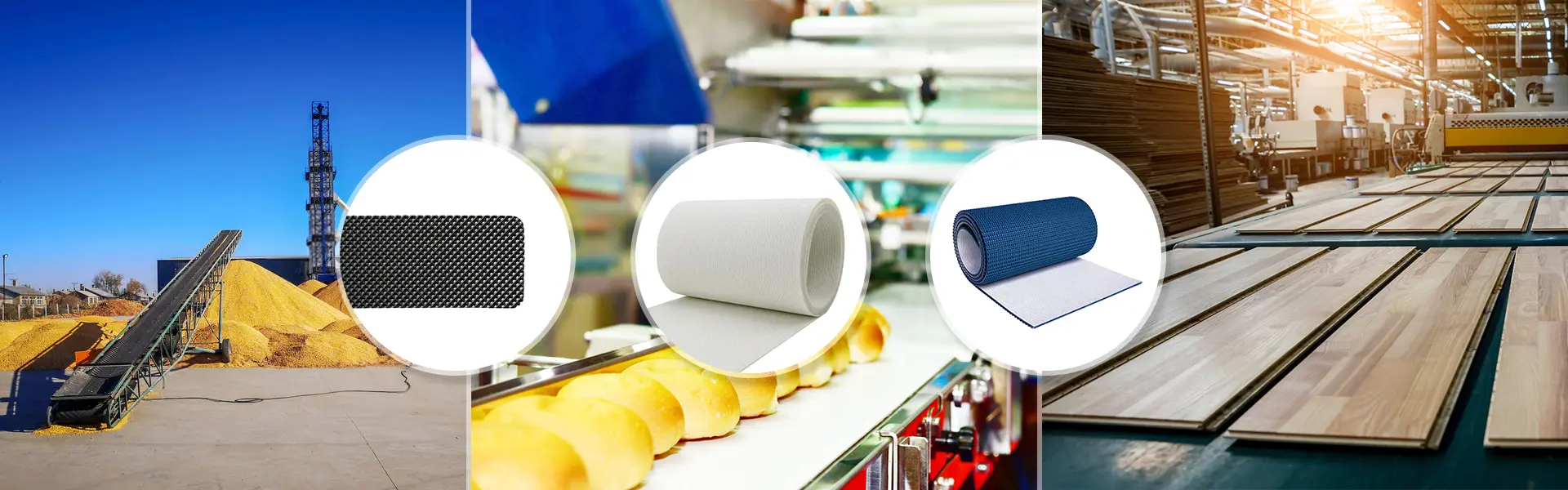
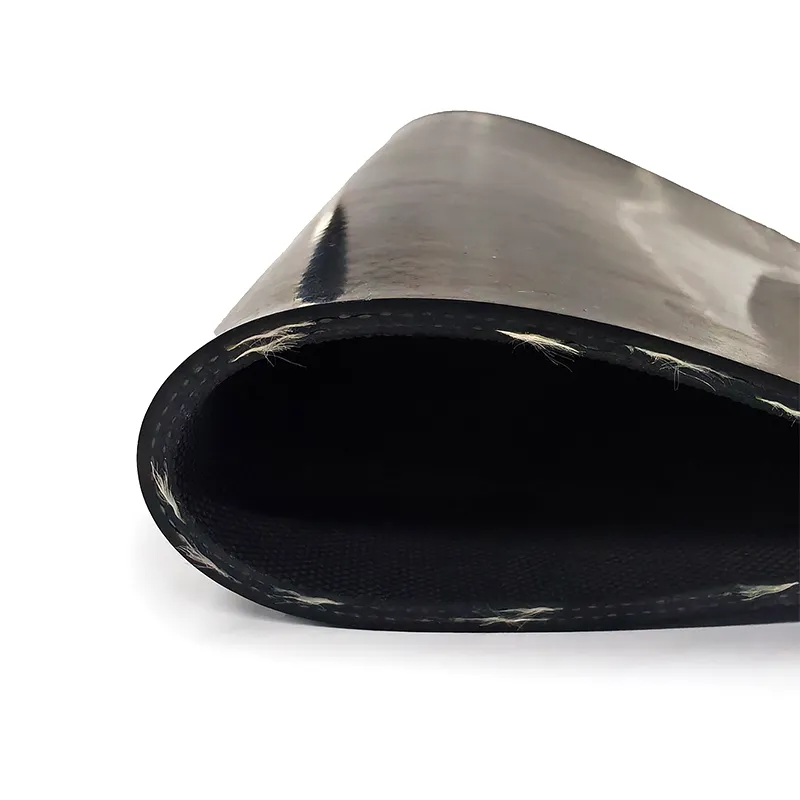
SHUNNAI Canvas Conveyor Belt is designed for general industrial material handling, offering customizable fabric carcass structures and cover materials to suit different loads and operating environments. Available with cotton, nylon, or EP polyester canvas reinforcement, it can be configured for applications requiring flexibility, impact resistance, or lower elongation.
Multi-Ply Fabric Carcass – Flexible
Impact-Resistant, General-Purpose Choice for Grain
Sand & Gravel
Impact-Resistant, General-Purpose Choice for Grain
Sand & Gravel
Tianjin Shunnai Conveyor Belt Manufacturing Co., Ltd. is a China-based conveyor belt manufacturer integrating R&D, design, production, and sales. Headquartered in Tianjin, SHUNNAI has been engaged in conveyor belts and related equipment since 2007, supplying canvas conveyor belts for general industrial material handling. These belts use multiple layers of fabric as the reinforcing carcass, combined with rubber or PVC covers selected for the working environment.
The fabric carcass provides tensile strength, while the cover layer protects the belt against surface wear and contact with conveyed materials. Cotton, nylon, and polyester (EP) canvas offer different combinations of flexibility, elongation, moisture resistance, and impact performance. The number of fabric plies and the cover compound can be configured according to load, conveying distance, pulley dimensions, and operating conditions.
Compare the Three Fabric Carcass Options
The carcass is the reinforcing structure inside the belt. Its material affects tensile performance, flexibility, elongation, and behavior under changing environmental conditions. Choosing the right fabric can help avoid unnecessary maintenance or an oversized belt specification.
Cotton Canvas for Light-Duty Conveying
Cotton canvas offers flexibility and can be considered for economical, light-duty conveying applications. However, moisture exposure, mildew risk, and elongation should be considered when the conveyor operates in humid environments or requires stable belt tension. Buyers should confirm whether cotton fabric is appropriate for the expected service conditions.
Nylon Canvas for Impact Loads
Nylon canvas is an option for applications exposed to impact, such as handling crushed stone, gravel, or small ore. Its mechanical properties may help the belt accommodate demanding loading conditions. The complete construction, including cover thickness and carcass arrangement, should be selected according to impact severity, material abrasiveness, and conveyor design.
EP Polyester Canvas for Lower Elongation
EP canvas combines polyester in the warp direction with nylon in the weft direction. It is commonly selected when lower longitudinal elongation and dimensional stability are important. For medium-distance or longer conveying lines, an appropriately specified EP carcass can help reduce the need for frequent tension adjustments. Actual performance depends on belt construction and operating conditions.
| Carcass Type | Main Consideration | Potential Applications |
|---|---|---|
| Cotton canvas | Flexibility and economical construction | Selected light-duty, dry conveying lines |
| Nylon canvas | Impact handling and mechanical flexibility | Sand, gravel, and selected mineral materials |
| EP polyester canvas | Lower elongation and dimensional stability | General industrial and medium-to-long-distance conveying |
Set Ply Count and Belt Strength
The number of fabric plies is one of the factors used to configure a belt for its working load. More plies do not automatically mean a better belt: the carcass strength, cover thickness, pulley diameter, belt tension, loading method, and conveyor layout must work together.
For light materials and lower loads, a lighter construction may be sufficient. Conveyors handling heavier bulk materials or operating under more demanding tension conditions may require a stronger carcass and a suitable cover layer. The final specification should be based on the conveyor's required working tension and the manufacturer's rated belt strength, rather than ply count alone.
Buyers replacing an existing belt should provide its current markings or specification sheet when available. Information about belt width, length, carcass rating, number of plies, cover thickness, and pulley diameter can help reduce the risk of selecting a replacement that does not fit the machine.
Choose the Cover for the Material
The cover is the belt's first line of protection against abrasion, temperature, oils, and other operating conditions. SHUNNAI can discuss rubber or PVC cover options according to the application and the required belt construction.
Wear-Resistant Covers for Abrasive Materials
Sand, gravel, crushed stone, and some mineral materials can wear down the belt surface through repeated friction and impact. A suitable wear-resistant rubber cover can help protect the carcass, while the required cover thickness should be assessed according to material size, loading height, and abrasion severity.
Oil-Resistant Covers for Oily Materials
Where the belt contacts oily raw materials or process residues, an oil-resistant compound may be needed. Compatibility depends on the type of oil, its concentration, exposure temperature, and contact duration. Provide the relevant material details before specifying the cover compound.
Heat- or Cold-Resistant Covers for Temperature Changes
Temperature-resistant compounds may be required when conveying materials at elevated or low temperatures. The acceptable operating range depends on the actual belt formulation and exposure conditions. Buyers should provide normal operating temperature, temperature peaks, material temperature at loading, and exposure duration when requesting a recommendation.
Flame-Retardant Options for Applicable Environments
Some industrial facilities require belts that meet specified flame-retardancy requirements. These applications need a suitable belt construction and verification against the relevant standard or project specification. Do not assume that a general-purpose canvas belt satisfies a particular fire-safety requirement without supporting documentation.
Applications and Material Requirements
Canvas Conveyor Belts are used across different industries because the carcass and cover can be selected for a broad range of general conveying tasks. The most suitable construction depends on the material, loading conditions, and required service life.
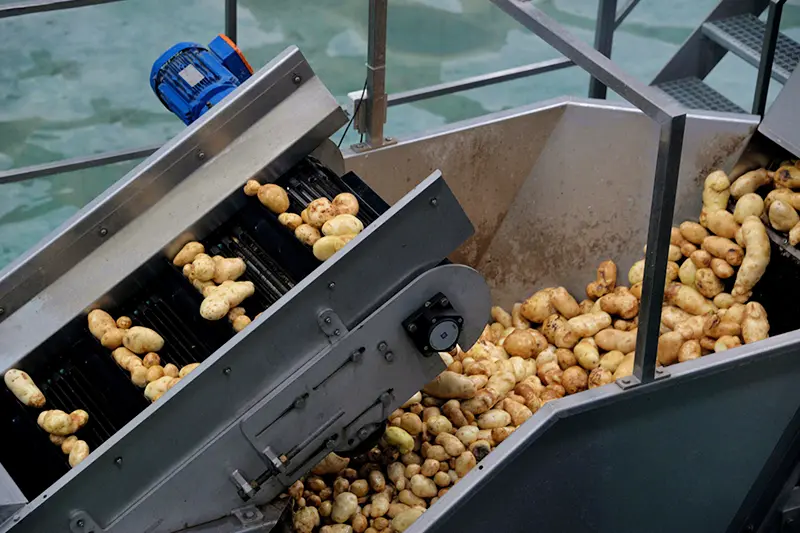
Grain storage and handling: Wheat, corn, and rice require a belt surface and carcass construction suitable for the conveyor layout and grain-handling conditions. In humid environments, moisture exposure and belt elongation should be considered when choosing the fabric type.
Sand and gravel plants: Crushed stone and gravel can produce high impact and abrasion at loading points. Buyers should evaluate carcass strength, cover thickness, loading height, and material size when specifying a belt.
Mining and building materials: Conveying minerals, aggregate, and other bulk materials requires a construction that matches the load and the abrasiveness of the material. Belt strength and cover wear resistance should be reviewed together.
Feed mills and agriculture: Feed pellets and powder may require a belt that is easy to inspect and maintain. Surface condition, dust accumulation, and the operating environment should be considered when choosing the cover.
Chemical and recycling facilities: Material composition can vary widely in these applications. Confirm chemical compatibility, particle abrasiveness, impact exposure, and any required temperature or flame-retardancy properties before selecting the belt.
Customer Experiences in Daily Operation
Grain depot in Hebei — Equipment Supervisor, Liu
“We convey wheat and corn. Previously we used ordinary cotton canvas belts – they mildewed easily in summer, stretched a lot, and we often had to adjust tension. After switching to SHUNNAI EP polyester canvas belts, we used them for two years without mildew and hardly any stretch. Grain breakage is low, discharge is clean, and the cost-performance is very high.”
Sand and gravel plant in Shandong — Site Manager, Zhang
“Crushed stone from the crushing line has high impact. Ordinary belts developed pits within a few months. SHUNNAI recommended a nylon canvas with thickened wear-resistant rubber – much more impact-resistant, and after nearly a year it is still not broken. Although it costs a bit more than cotton canvas, it needs fewer replacements – more economical overall.”
Feed mill in Guangdong — Equipment Section Head, Wang
“Feed dust is heavy, and belts easily accumulate dust. SHUNNAI canvas belts have a dense surface that does not let powder penetrate – easy to clean. We convey both pellets and powder. EP canvas belts have low elongation, less mis-tracking, and worry-free maintenance. After more than half a year, no problems.”
How to Diagnose Belt Wear
Belt wear can result from several factors, and the visible damage often provides useful clues. Reviewing the wear pattern before ordering a replacement can help buyers identify which specifications or operating conditions need attention.
| Observed Issue | Possible Cause | What to Check |
|---|---|---|
| Cover wears down quickly | Abrasive material, unsuitable cover compound, or high friction | Material size, cover thickness, loading point, and belt speed |
| Belt stretches and needs repeated tensioning | Carcass elongation, incorrect tension, or an unsuitable belt rating | Fabric type, belt strength, take-up arrangement, and working tension |
| Damage near the loading area | High impact, sharp material, or poor material transfer | Loading height, chute alignment, impact conditions, and cover selection |
| Cracking or deterioration in a specific environment | Temperature, moisture, oil, or chemical incompatibility | Operating temperature, exposure conditions, and cover compound |
| Belt drifts to one side | Misalignment, uneven loading, or inconsistent tension | Pulley alignment, loading position, rollers, and belt installation |
These are initial inspection points rather than a definitive diagnosis. If damage recurs, review the belt and conveyor system together. Photographs of the worn area, the current belt specification, and details of the operating environment can help SHUNNAI assess possible causes.
Installation and Routine Maintenance
Correct installation helps a belt operate within its intended conditions. Before fitting a replacement, inspect pulleys, rollers, take-up devices, and loading chutes for wear or alignment problems. Confirm the belt's running direction where applicable, apply the tension specified for the system, and check tracking during the initial run.
During routine maintenance, inspect the cover for cuts, grooves, cracking, and excessive wear. Check for edge damage, abnormal elongation, uneven loading, and material buildup. Cleaning methods should be appropriate for the belt cover and conveyed material.
For belts operating in humid, oily, hot, or chemically exposed environments, include the relevant conditions in the inspection plan. Identifying deterioration early may help prevent unplanned shutdowns and unnecessary replacement costs.
Information Needed for a Belt Quotation
To help SHUNNAI recommend a suitable construction, buyers should provide the following details where available.
Conveyed material: Material name, particle size, bulk density, abrasiveness, oil content, moisture level, and material temperature.
Conveyor parameters: Belt width and length, conveying distance, belt speed, conveyor incline, pulley diameter, and loading method.
Belt construction: Existing belt markings, carcass material, number of plies, rated strength, and top and bottom cover thickness.
Operating environment: Ambient temperature, humidity, chemical exposure, and any specified heat, cold, oil, or flame-retardancy requirements.
Order requirements: Required quantity, replacement schedule, delivery destination, and any relevant technical drawings or samples.
Providing these details helps narrow the selection and reduces the risk of ordering a belt with insufficient strength, unsuitable cover properties, or incompatible dimensions.
Frequently Asked Questions
Is EP canvas suitable for a longer conveying distance?
EP canvas is often considered when lower longitudinal elongation is important. Suitability for a specific distance still depends on the required belt strength, conveyor tension, loading conditions, pulley dimensions, and system design.
Does adding more fabric plies always make a belt last longer?
No. Ply count is only one part of the specification. The carcass rating, cover compound, cover thickness, pulley diameter, impact conditions, and installation all affect performance. The belt should be selected according to the actual working requirements.
Can the cover be customized for oily or hot materials?
Suitable oil-resistant or heat-resistant cover compounds may be available, depending on the material and operating conditions. Provide the type of oil or chemical, material temperature, exposure duration, and normal working conditions for compatibility review.
What should I provide when replacing an existing Canvas Conveyor Belt?
Provide the belt width and length, carcass strength or markings, number of plies, cover thickness, pulley diameter, and conveyor operating conditions. A specification sheet or photos of the existing belt can help confirm the replacement requirements.
How can I reduce premature wear at the loading point?
Review the impact height, chute alignment, material size, belt speed, and cover specification. A suitable wear-resistant cover may help, but the loading arrangement and conveyor condition should also be checked.
Contact SHUNNAI for Belt Selection Support
SHUNNAI has supplied conveyor belt solutions for industrial applications since 2007. We help buyers assess carcass materials, fabric ply construction, cover compounds, and operating conditions when selecting a replacement or specifying a new conveying line.
SHUNNAI operates an ISO 9001 quality management system and has FDA-, MA-, and CNAS-related credentials. The scope and applicability of each credential should be confirmed against the selected product and intended use.
Contact SHUNNAI with your conveyor dimensions, conveyed material, working environment, and current belt specification to discuss a suitable Canvas Conveyor Belt configuration and request a quotation.
Send Inquiry
Contact Info
-
Address
No.129 Qingfeng Road, Jizhou District, Tianjin City, China
-
Tel
-
Email
If you have any inquiry about a quotation or cooperation, please feel free to email or use the following inquiry form. Our sales representative will contact you within 24 hours.
Related Products
News Recommendations