Inclined Baffle Bucket Elevator
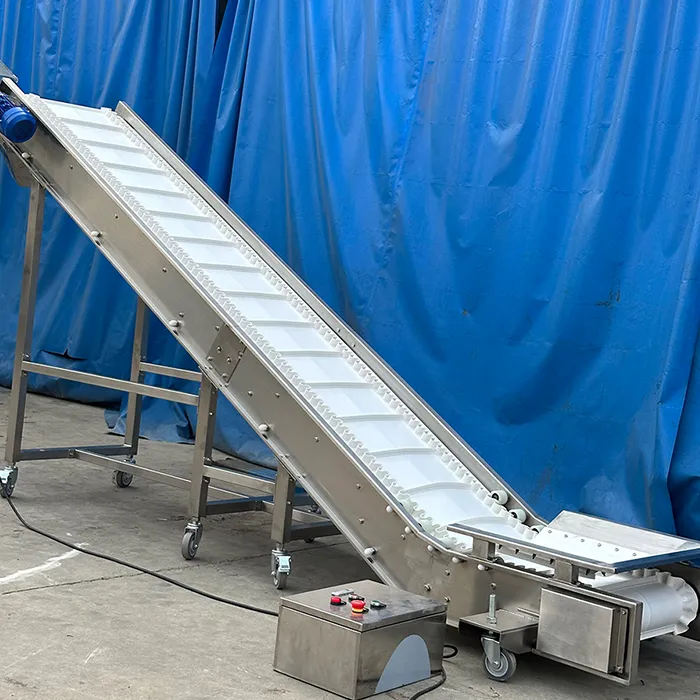
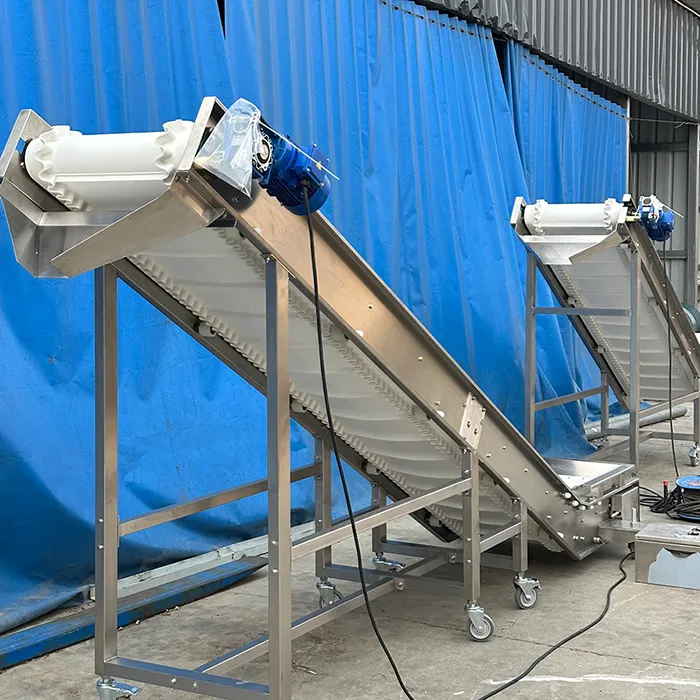
SHUNNAI supplies customized inclined conveying equipment for lifting granules, food pieces, plastic pellets and small industrial components between different production levels. An inclined baffle bucket elevator uses transverse cleats and sidewalls to help retain material during upward transport. Buyers can customize the belt material, baffle height and spacing, conveyor width, lifting angle, frame material and drive system according to the material characteristics and available installation space.
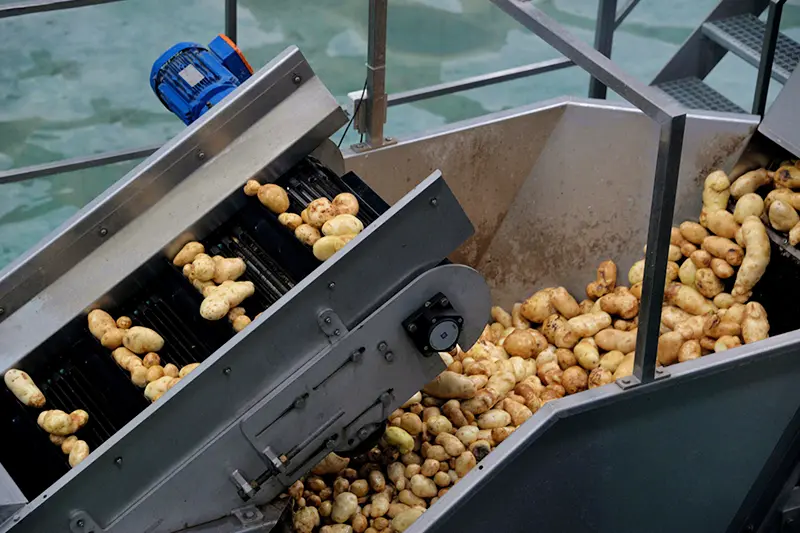
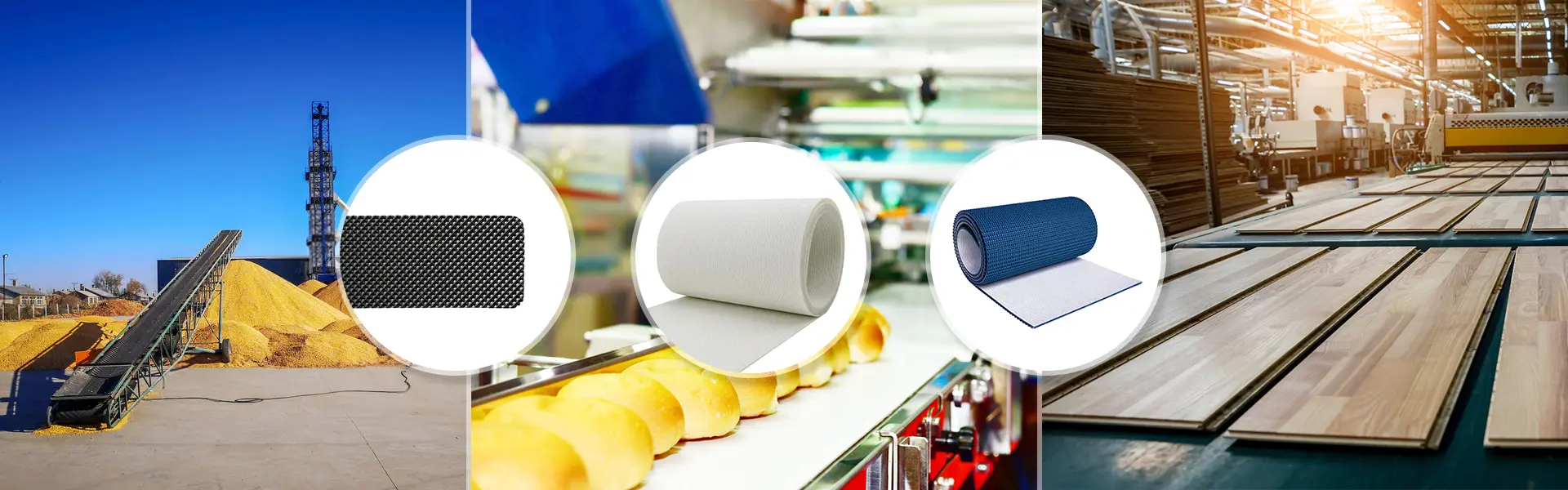
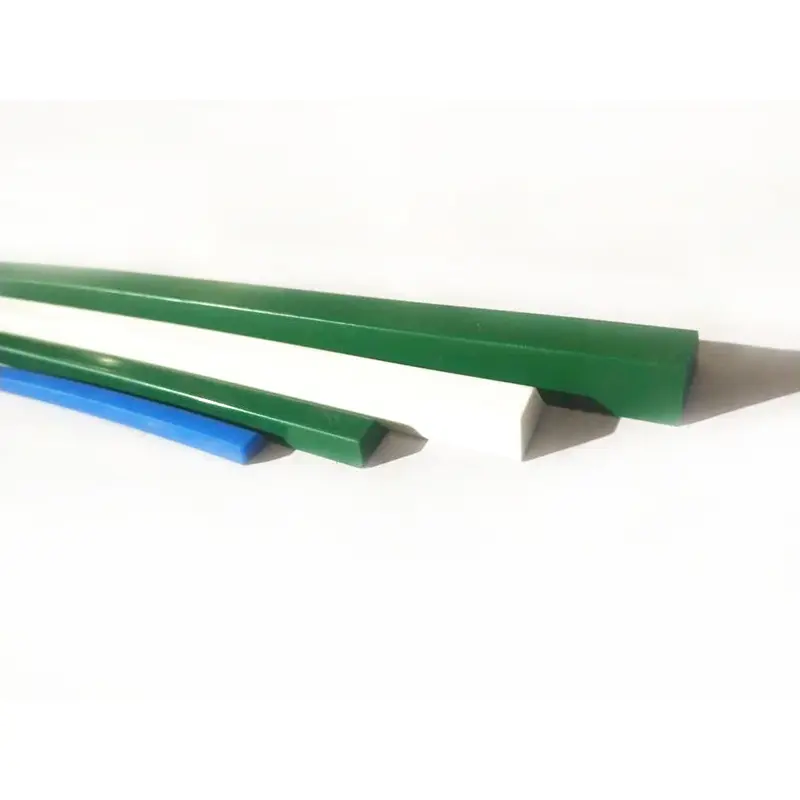
Horizontal Baffles Hold Material
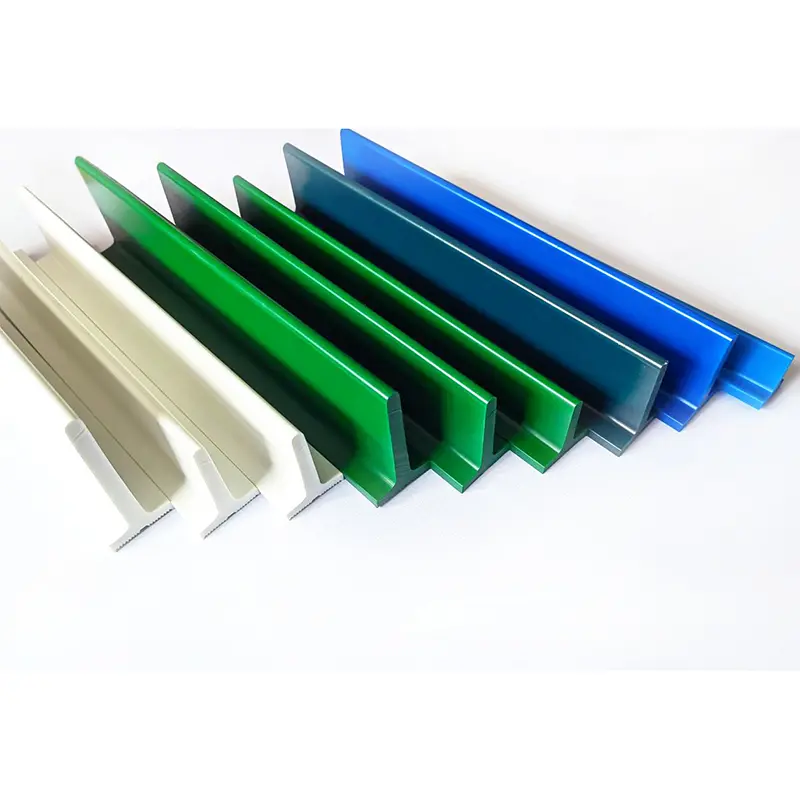
Large Incline Lifting Without Backflow
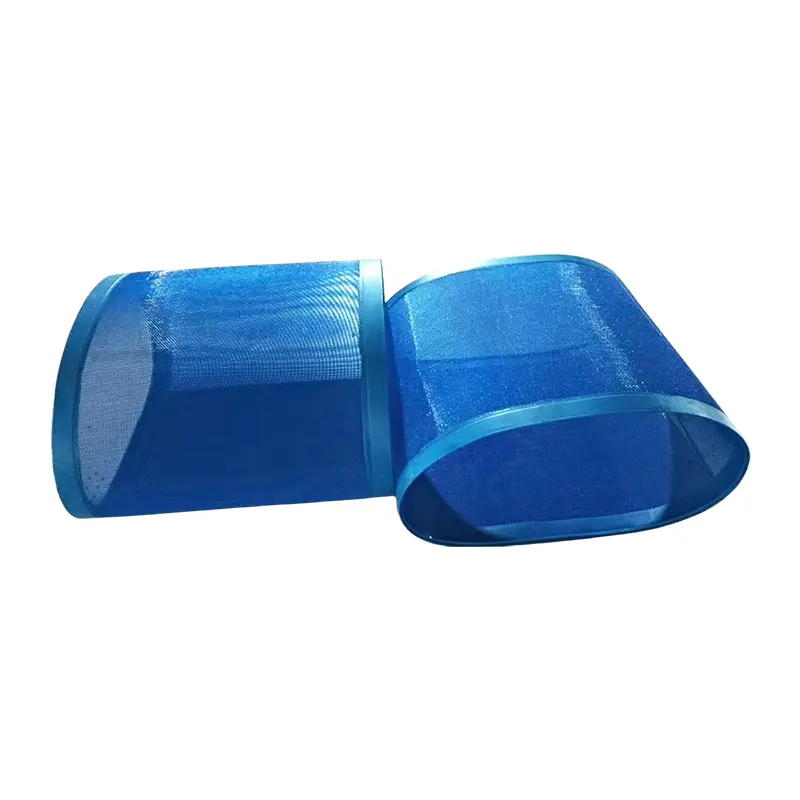
Dedicated for Granules and Fragments Feeding
Large Incline Lifting Without Backflow
Dedicated for Granules and Fragments Feeding
Unlike a flat conveyor, this Inclined Baffle Bucket Elevator of equipment uses transverse baffles to divide the belt into separate carrying sections. Sidewalls can help limit lateral spillage, while the baffles provide support as material travels upward. The appropriate design depends on particle size, material flowability, moisture content, required throughput and discharge conditions. SHUNNAI works with buyers to review these factors before confirming the equipment configuration.
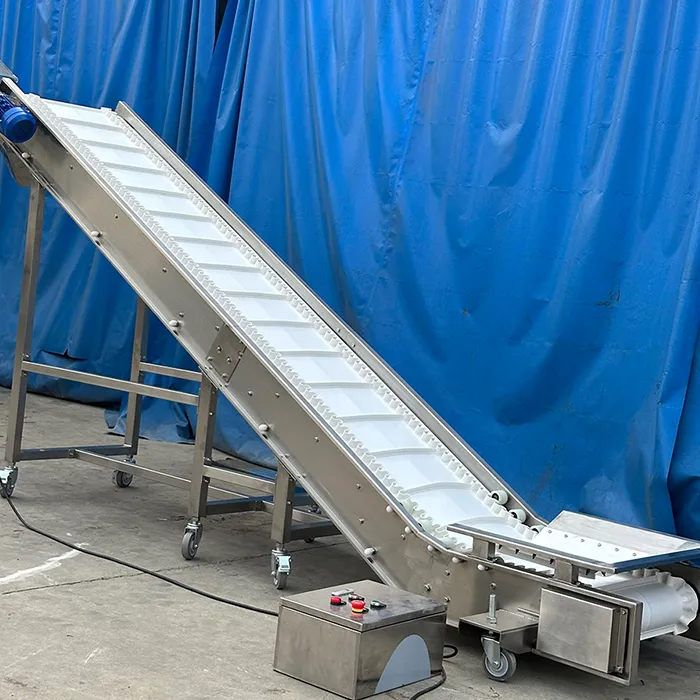
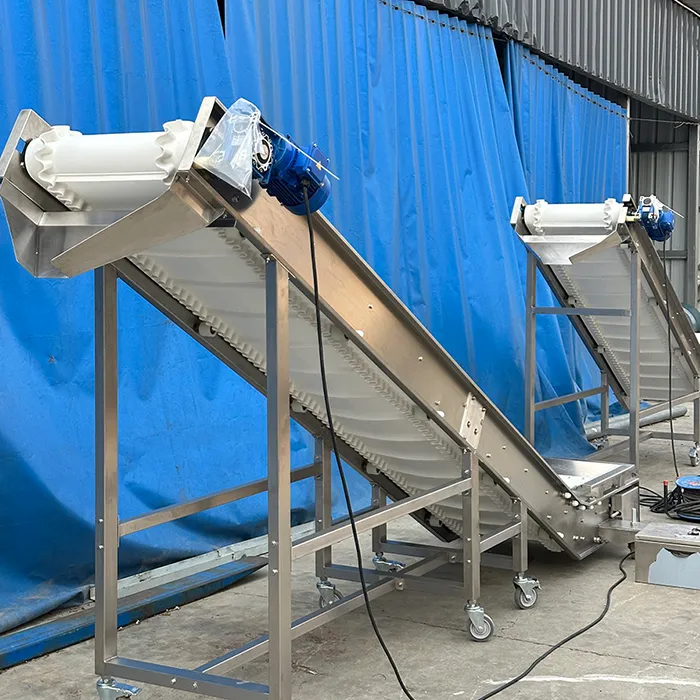
Match the Design to the Material
Material characteristics determine how well a belt can carry a load up an incline. Two materials with similar weights may behave differently because of their particle shape, surface friction, moisture content and tendency to roll or stick. The equipment should therefore be selected for the actual material rather than for a target angle alone.
Free-Flowing Granules
Plastic pellets, seeds and some grains can move easily within a carrying section. For these materials, baffle spacing, sidewall design and loading volume need to be considered together. If the baffles are too far apart, material may move backward or accumulate unevenly. If the carrying sections are too small, the usable capacity may be reduced.
Food Pieces and Slices
Nuts, dried fruit and fruit or vegetable pieces may have irregular shapes and different moisture levels. A suitable belt surface and baffle profile can help keep the material in place while reducing unnecessary impacts. Where food contact is involved, specify the required material grade, cleaning method and applicable documentation before ordering.
Small Hardware Parts
Metal components and abrasive materials can create higher impact and wear loads than lightweight food pieces. Buyers should confirm the weight and shape of individual parts, the expected loading rate and the risk of sharp edges contacting the belt. A more robust belt construction or reinforced frame may be required for demanding applications.
Sticky or Fine Materials
Wet, adhesive or very fine materials may accumulate around baffles and sidewalls, making discharge and cleaning more difficult. The equipment may need a different surface construction, suitable clearances or an additional cleaning arrangement. Very fine powders may also leak through gaps or generate dust, so their suitability should be assessed before choosing this conveyor type.
Set the Lifting Parameters
The lifting angle, conveyor width, belt speed and baffle geometry work together to determine conveying performance. Increasing the angle may reduce the horizontal footprint, but it can also increase the risk of material rolling, spilling or collecting unevenly. The usable angle must be confirmed through material assessment and, where necessary, practical testing.
Baffle height: The baffles must provide sufficient support for the material being carried. Their height should account for particle size, loading depth and the way material enters and leaves each carrying section. Excessively high baffles can complicate feeding, discharge and cleaning.
Baffle spacing: Spacing affects the volume of material carried in each section and the time available for loading and discharge. The correct interval depends on the material's dimensions, flow behavior and the required throughput.
Belt width: The usable width should accommodate the expected material volume without creating excessive side spillage. Allowances may be needed for irregular pieces, uneven feeding and the dimensions of the sidewalls.
Conveying speed: Belt speed should match the capacity of upstream feeding equipment and downstream machinery. Excessive speed can cause material to bounce or overflow, while insufficient speed may limit production throughput.
Lift height: The vertical distance between the feeding and discharge points affects conveyor length, drive requirements and frame design. Provide the required elevation and available floor space when requesting a quotation.
For an inclined baffle bucket elevator, these parameters should be evaluated as one system. Selecting the steepest possible angle without checking the material and discharge behavior may increase spillage and maintenance instead of improving production efficiency.
Choose the Belt and Frame
The belt and frame should suit both the conveyed material and the working environment. SHUNNAI can discuss different constructions according to application requirements, with final specifications subject to material compatibility and equipment design.
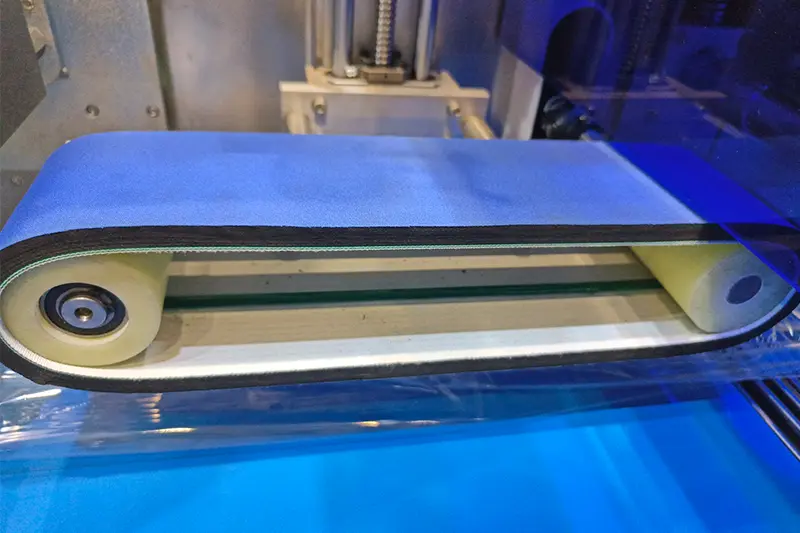
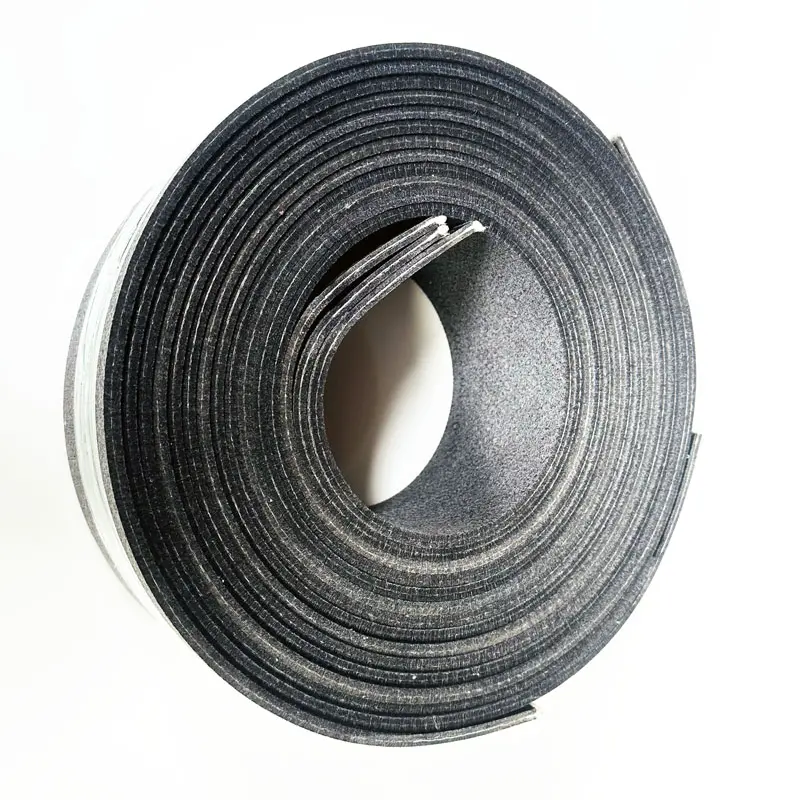
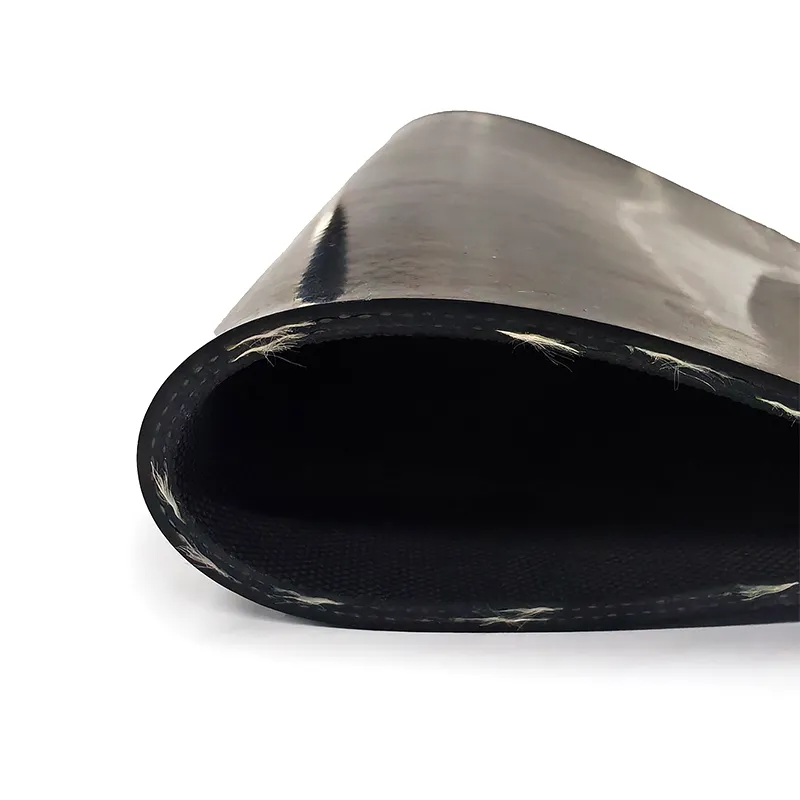
PU belt: PU may be considered for selected food-handling and general conveying applications where the required surface properties, flexibility and cleaning conditions are compatible with the material grade. Buyers should confirm food-contact suitability and supporting documents when needed.
PVC belt: PVC can be a practical option for many general industrial applications, including selected plastic pellet and light-duty material handling tasks. The required wear resistance, temperature range and chemical compatibility should be checked for the specific environment.
Frame material: Carbon steel may suit many general industrial installations, while stainless steel can be considered for environments with particular corrosion-control or cleaning requirements. The appropriate stainless steel grade and finish depend on exposure conditions and the site's requirements.
Baffle and sidewall construction: Baffle shape, attachment method and sidewall dimensions influence carrying capacity and material retention. Buyers should confirm that the construction is suitable for the belt material, incline, load and cleaning procedure.
Drive and adjustment: Motor capacity, speed control, tension adjustment and access for maintenance should be considered alongside the conveying requirements. Variable-frequency control may be useful where feed rates need to be coordinated with other production equipment.
Coordinate Feeding and Discharge
Stable lifting depends on more than the conveyor itself. If material enters too quickly, the carrying sections may become overloaded. If the discharge point is poorly positioned, material may accumulate, fall from a height or interfere with the next process. The inlet and outlet should therefore be designed as part of the complete material-handling line.
Feeding point: Confirm the height and position of the upstream hopper, feeder or processing machine. A controlled and reasonably even feed helps the baffles carry material consistently.
Discharge point: Provide the required outlet height, discharge direction and connection dimensions. Check that the material can leave the belt without excessive buildup or interference with downstream equipment.
Production capacity: Share the required throughput in kilograms or tonnes per hour, along with typical material density and loading conditions. This information is more useful for sizing than specifying belt speed alone.
Layout restrictions: Provide the available floor area, vertical clearance, nearby equipment and any access restrictions. This helps determine whether the proposed inclination and frame arrangement can fit the installation site.
Cleaning access: If the material leaves residue, arrange suitable access to the belt, baffles, sidewalls and discharge area. Cleaning requirements should be considered before the frame and guarding are finalized.
Customer Feedback
Equipment Supervisor Liu, a nut processing plant in Guangdong:
“We originally used a flat belt for climbing. With a slightly larger angle, nuts rolled down, so we had to stretch the line very long. After switching to SHUNNAI baffle elevators, the angle was raised to 45°, and the footprint was halved. The baffles hold nuts in pockets one by one – very stable feeding, no backflow.”
Production Section Chief Wang, a plastic products plant in Jiangsu:
“Plastic pellets are highly flowable. A flat belt slips even at a slight slope. SHUNNAI’s baffle elevator has baffle spacing designed according to pellet size. Pellets stay stable in the pockets. After more than half a year, no material blockage, and lifting efficiency improved.”
Site Manager Zhang, a food factory in Shandong:
“Fruit and vegetable slices contain water and easily slip on inclines. SHUNNAI recommended a PU base belt with C-shaped baffles. The material is held securely, and water can flow away through the sidewall gaps. After nearly a year, the baffles have not deformed, the base belt has not delaminated, and cleaning is convenient.”
Inspect Wear and Material Buildup
Routine inspection helps identify developing problems before they interrupt production. The frequency and scope of maintenance should follow the equipment manufacturer's instructions and the actual operating conditions.
Check the baffles: Look for loose sections, tears, deformation or signs of separation from the belt. Damaged baffles can reduce carrying capacity and affect material retention.
Inspect the belt edges: Look for fraying, cuts, abnormal wear and contact marks that may indicate misalignment. Check whether material has become trapped between the belt and nearby structures.
Monitor tracking and tension: Observe whether the belt runs consistently along its intended path. Unusual movement may be related to alignment, uneven loading, tension or wear and should be investigated before adjustments are made.
Remove accumulated material: Check around the baffles, sidewalls, head pulley and discharge area for buildup. Select a cleaning method compatible with the belt material and the material being conveyed.
Listen for abnormal operation: Changes in noise, vibration or drive behavior may indicate a developing mechanical issue. Stop the equipment and follow the site's safety procedure before inspecting moving parts.
Prepare the Purchase Specification
Complete technical information helps the supplier recommend an appropriate configuration and prepare a more accurate quotation. Before purchasing, provide the following details where available:
Material details: Material name, particle size, shape, bulk density, moisture content, flowability and any abrasive, sticky or temperature-sensitive characteristics.
Capacity and elevation: Required throughput, vertical lifting height, feeding height, discharge height and available installation space.
Conveyor configuration: Preferred belt width, approximate conveying length, required inclination, baffle shape and spacing, and sidewall requirements.
Operating environment: Ambient temperature, humidity, dust, cleaning method, chemical exposure and any applicable food-contact or hygiene requirements.
Electrical and control requirements: Available power supply, desired speed adjustment, control interface and coordination needs with upstream or downstream equipment.
Commercial details: Order quantity, destination market, delivery schedule, installation requirements and documentation needed for acceptance.
Photos of the material, samples, equipment drawings or a layout sketch can help clarify the operating conditions. For difficult-to-convey materials, a sample evaluation or conveying test may be useful before finalizing the design.
Quality and Custom Options
SHUNNAI identifies FDA, MA, CNAS and ISO 9001 among its certifications and quality credentials. These credentials have different scopes and should not be interpreted as universal certifications for every conveyor, belt or accessory. Buyers should request the relevant documentation and verify its applicability to the specific product and intended use.
Customization may include belt material, conveyor width, lifting height, baffle shape and spacing, sidewalls, frame material, drive configuration, speed control and cleaning accessories. The final design should be confirmed against the material characteristics, required throughput, installation layout and operating environment.
For food-processing applications, buyers should specify any required food-contact documentation and cleaning conditions. For chemical or abrasive materials, provide the relevant exposure and wear requirements. Confirm the agreed specifications, inspection requirements and delivery conditions before production begins.
Frequently Asked Questions
What is the difference between a baffle elevator and a flat incline conveyor?
A flat incline conveyor relies mainly on surface friction and the characteristics of the conveyed material. A baffle-equipped design adds transverse supports that divide the belt into carrying sections, helping retain material during upward movement. The suitable choice depends on the material, angle, capacity and available space.
Can the equipment lift very fine powder?
It depends on the powder's flowability, particle size, dust behavior and tendency to leak through gaps. Fine powders may require a different conveying arrangement or additional containment. Share the material properties and handling requirements so the supplier can assess suitability.
How can I reduce material remaining on the belt at discharge?
Review the material's stickiness and moisture content, the baffle profile, the discharge geometry and the belt surface. A suitable scraper or cleaning device may help in some applications, but its compatibility with the belt and material should be confirmed.
Does a higher baffle always increase conveying capacity?
No. Taller baffles may increase the amount retained in each section in some designs, but they can also affect feeding, discharge, cleaning and mechanical loads. Capacity depends on the complete configuration, including spacing, belt width, speed and material behavior.
Can the lifting speed be adjusted?
Variable-frequency speed control may be available depending on the motor and control configuration. Specify the required throughput range, power supply and coordination needs with connected machinery when requesting a quotation.
What information is needed to estimate the required motor power?
Useful information includes material throughput, bulk density, vertical lift height, belt speed, conveyor geometry and the expected operating cycle. The final motor and drive selection should be calculated for the proposed equipment configuration.
Contact SHUNNAI
If your production line needs to move granules, food pieces, plastic pellets or small components to a higher level, SHUNNAI can review the material properties, required throughput and installation layout to discuss a suitable conveying solution.
For an inclined baffle bucket elevator quotation, please provide the lifting height, available floor space, material details, target capacity, preferred belt and frame materials, and any cleaning or control requirements. Drawings, photos and material samples can help clarify the design before specifications are finalized.
Send Inquiry
Contact Info
-
Address
No.129 Qingfeng Road, Jizhou District, Tianjin City, China
-
Tel
-
Email
If you have any inquiry about a quotation or cooperation, please feel free to email or use the following inquiry form. Our sales representative will contact you within 24 hours.
News Recommendations