





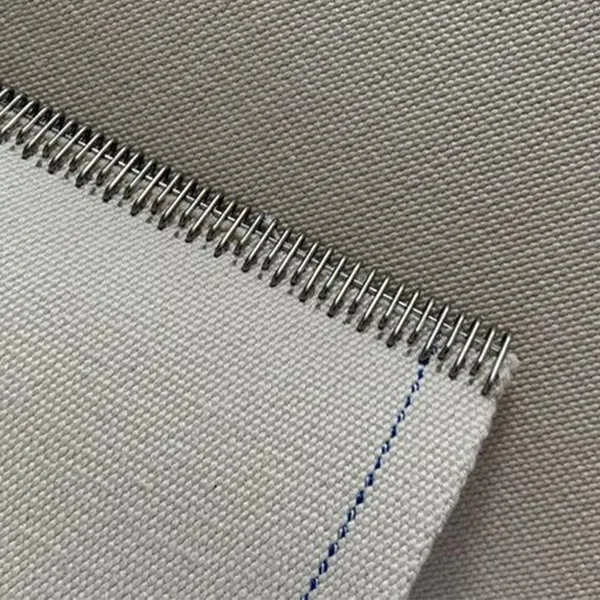
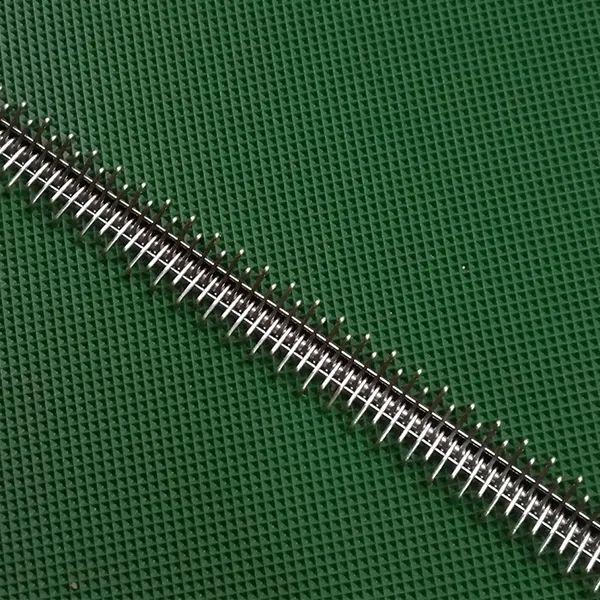
Conveyor Belt Stainless Steel Wire Hook Fastener
SHUNNAI Conveyor Belt Stainless Steel Wire Hook Fastener is designed for mechanical belt splicing in industrial conveying systems that require convenient installation, maintenance, or periodic belt removal. Made with stainless steel hooks and compatible connecting components, it offers a practical option for selected light- to medium-duty applications, including food processing, grain handling, and auxiliary material conveying.
No Vulcanization Required for Installation
Flexible Disassembly and Assembly
Light-to-Medium Duty Belt Connection Solution
Flexible Disassembly and Assembly
Light-to-Medium Duty Belt Connection Solution
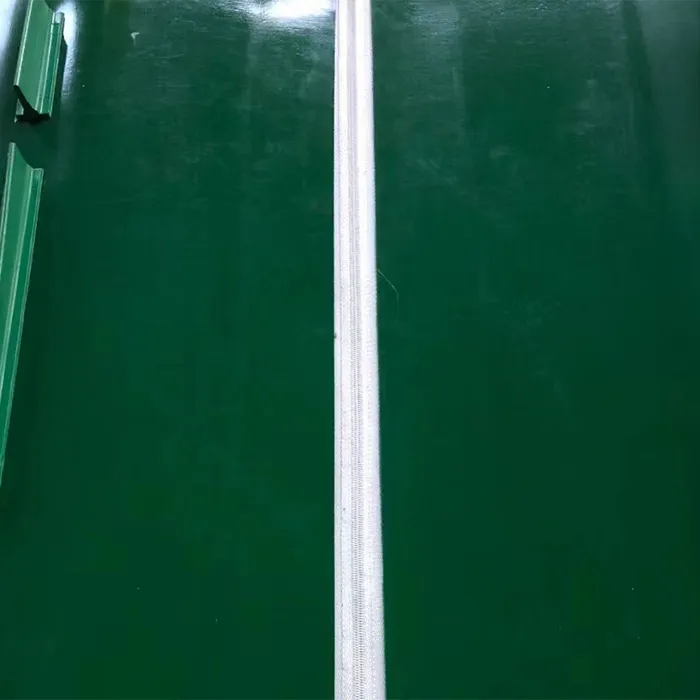
Conveyor Belt Stainless Steel Wire Hook Fastener is designed to connect prepared conveyor belt ends using metal hooks and compatible hinge-pin components. Unlike hot vulcanization, this mechanical connection does not require a vulcanizing machine or adhesive curing time. It can be considered for selected light- to medium-duty conveying applications, emergency repairs, and lines where the belt needs to be removed periodically for cleaning or maintenance.
The stainless steel construction is worth considering in humid environments and applications where corrosion resistance is important. However, the correct fastener still depends on belt thickness, belt material, operating tension, pulley diameter, conveyor speed, and the surrounding working conditions. SHUNNAI helps buyers evaluate these details before selecting the appropriate hook structure and installation accessories.
Match the Hook Design to the Belt
Conveyor Belt Stainless Steel Wire Hook Fasteners are available in different structural configurations. Choosing the right type requires checking how the belt bends, how the connection will be maintained, and what loads the splice must withstand.
Hinged Hook Type
Hinged designs use compatible hook components connected by a hinge pin. Where the model is designed for removal, the pin can be withdrawn to separate the belt ends for maintenance or cleaning. This structure may suit selected conveyor lines that require periodic access to the belt, provided the fastener is compatible with the belt and operating conditions.
Stamped Hook Type
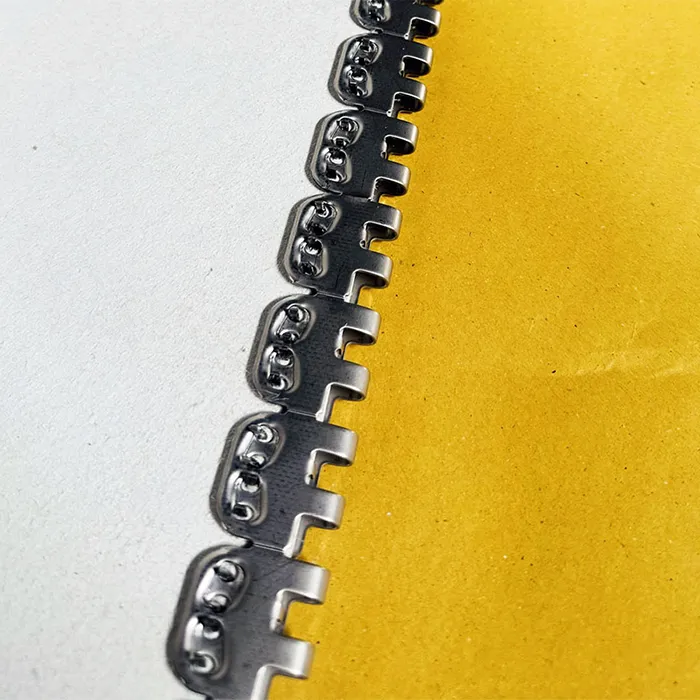
Stamped hooks are formed from metal and installed into the belt using the specified fastening method. Their compact construction may be suitable for certain auxiliary conveying applications. Actual load suitability must be confirmed from the selected model's specifications rather than inferred from its appearance alone.
Other Hook Configurations
Other wire hook designs may be available for different belt constructions and connection requirements. Before ordering, confirm the hook profile, pin arrangement, installation method, and compatibility with the belt material. Not every design is interchangeable with another.
Why Stainless Steel Matters
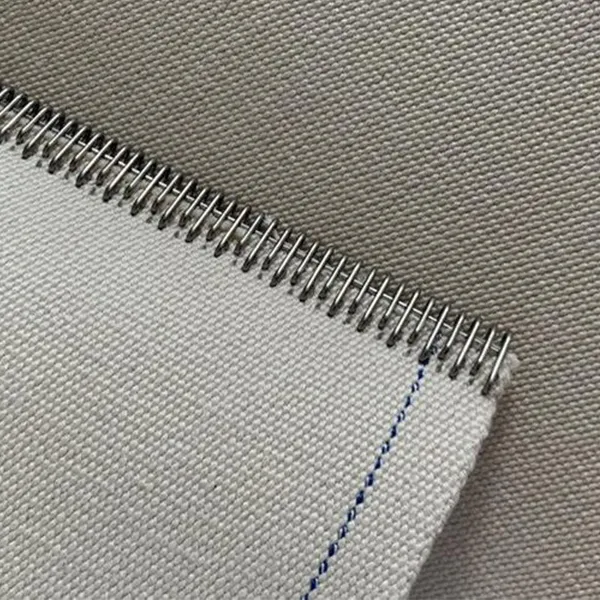
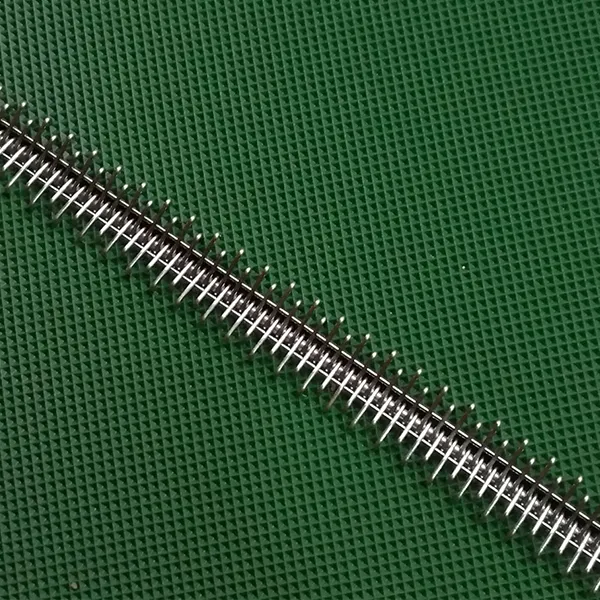
Fastener material influences corrosion resistance, maintenance needs, and service life. Stainless steel is often considered when a conveyor operates in humid conditions or needs regular washing. It can help reduce rust-related concerns compared with ordinary carbon steel, although performance depends on the specific stainless steel grade and the substances present in the working environment.
When comparing materials, buyers should consider more than the purchase price. The following factors can help guide selection.
Moisture exposure: For damp production areas or regular washdown, verify that the selected stainless steel grade and all associated components are suitable for the cleaning process.
Chemical contact: Acids, alkalis, salts, and cleaning agents can affect metals differently. Confirm material compatibility when the conveyor is exposed to chemicals or corrosive substances.
Mechanical requirements: Corrosion resistance does not automatically mean higher tensile capacity. Check the fastener's rated application, hook dimensions, and installation requirements against the actual belt tension.
Hygiene requirements: In food and pharmaceutical facilities, confirm the material documentation, cleaning compatibility, and site-specific contamination controls. A stainless steel fastener alone does not establish that the complete assembly is certified for food contact or every hygienic application.
Confirm These Dimensions Before Purchase
Conveyor Belt Stainless Steel Wire Hook Fastener need to fit both the belt and the conveyor. Incorrect sizing can cause poor engagement, uneven loading, interference, or premature wear. Buyers should confirm the following information before requesting a quotation.
Belt thickness: The hook must match the belt thickness and construction. A hook that is too large or too small may not hold the belt correctly.
Belt width: Provide the full belt width and confirm whether the fastener must span the entire belt or connect a particular belt section.
Operating tension: Identify the normal working load and tension. Fastener selection should be based on the intended duty, not simply on the conveyor's material-handling capacity.
Pulley diameter: Measure the smallest pulley around which the splice must travel. Metal hooks and the joint profile can limit suitability for small pulleys or tight transfer arrangements.
Running speed and accessories: Check the conveyor speed and whether belt cleaners, scrapers, guides, or other components contact the belt surface. These can interfere with a raised metal splice.
Conveyed material: Consider whether the conveyor carries grain, packages, aggregate, or fine powder. Gaps around a mechanical joint may not suit applications that require a highly sealed belt surface.
Keep the Splice Aligned During Installation
The reliability of a wire hook connection depends on correct belt preparation and consistent installation. SHUNNAI recommends using the dedicated tools and procedure specified for the selected fastener rather than relying on a generic method for every hook design.
1. Prepare the belt ends. Align both ends and cut them square to the belt's running direction. Remove loose or damaged material from the connection area, ensuring that the remaining belt is suitable for fastening.
2. Position the hooks. Align the fastener components with the specified hole pattern and belt edge. Confirm that the hooks are positioned consistently across the belt width before securing them.
3. Secure the fasteners. Use the recommended installation machine or tool to set the hooks and rivets, where applicable. Follow the specified installation pressure and procedure to avoid loose components or damage to the belt.
4. Fit and secure the hinge pin. For hinged designs, install the correct pin and apply the specified retention method. Check that the pin is fully engaged and cannot work loose during normal operation.
5. Inspect the connection. Check hook alignment, attachment security, joint profile, and clearance from surrounding equipment. Run the conveyor unloaded first and observe tracking, unusual noise, snagging, and contact with belt cleaners before gradually returning to normal operation.
Always isolate the conveyor from its power source and secure the belt against unexpected movement before installation or removal. Follow the site lockout procedure and the fastener manufacturer's instructions.
Plan for Cleaning and Component Replacement
For production lines that require periodic belt removal, the ability to separate a compatible hinged connection can simplify maintenance. This is particularly useful when access to the belt is needed for inspection or cleaning. However, the removal process depends on the specific fastener design.
Before repeated use, inspect the hooks, hinge pin, and belt around the connection. Replace bent, worn, cracked, or otherwise damaged components. Do not assume that every wire hook fastener is suitable for unlimited reuse; confirm the manufacturer's requirements for the specific model.
Maintenance teams can reduce repair delays by recording the fastener model, belt dimensions, material grade, installation tools, and replacement-part requirements for each conveyor. Keeping compatible pins and other service components available also helps prevent delays when a joint needs attention.
Applications That May Benefit from Wire Hooks
Food processing: Stainless steel hooks may be considered for suitable belt systems where moisture resistance and routine belt removal are important. Confirm hygiene requirements, the suitability of the complete assembly, and whether the metal splice can safely pass through the production line.
Grain handling: Selected grain conveyors may benefit from mechanical belt connections during urgent repairs or seasonal maintenance. The fastener must still be suitable for the belt's tension and the conveyor's pulley arrangement.
Sand and aggregate plants: Certain short-distance feeding or auxiliary conveyors may use mechanical fasteners where operating tension and material conditions permit. Abrasive loads and impact conditions should be reviewed before selection.
Temporary conveying and belt replacement: A mechanical connection can reduce the need to wait for vulcanizing equipment in appropriate applications. It is not a universal substitute for a permanent engineered splice, particularly on demanding main conveyors.
Check the Limitations of Metal Splices
Conveyor Belt Stainless Steel Wire Hook Fastener creates a mechanical connection, not a seamless belt joint. The metal hooks and gaps around the splice can affect belt flexibility, product contact, and compatibility with other conveyor components.
Before use, carefully review high-tension long-distance main conveyors, high-speed systems, small pulleys, steep-angle incline conveying, and equipment with scrapers or belt cleaners that may strike the hooks. Applications requiring a sealed surface for fine powders or a smooth belt surface for delicate finished products may also need another joining method.
Stainless steel can improve corrosion resistance in suitable environments, but it does not remove these mechanical limitations. For demanding continuous-duty applications, hot vulcanization or another engineered splice may be more appropriate. SHUNNAI recommends evaluating the belt and operating conditions before confirming a fastener specification.
Feedback from Conveyor Operators
Grain Conveying Station, Hebei
Equipment Supervisor Liu:
“During harvest season, the belt suddenly broke, and there was no time for a vulcanizer. SHUNNAI’s wire hooks arrived the same day. Workers punched and riveted on site, and conveying resumed in less than an hour. Although it was a temporary splice, it ran through the entire harvest season without any problem. Truly effective for emergencies.”
Food Processing Plant, Guangdong
Section Chief Wang, Equipment:
“Our line requires removing the belt for cleaning every day. Hot vulcanized splices were ruined each time they were removed. After switching to SHUNNAI’s 304 stainless steel wire hooks, disassembly and assembly are very convenient – just pull out the hinge pin, wash, and reinsert. Stainless steel does not rust, no risk of food contamination. After more than half a year, the hooks show no obvious wear.”
Sand and Gravel Plant, Shandong
Site Manager Zhang:
“Short-distance feeding belt, not much tension. We used hot vulcanization before – every belt change required waiting for a technician, with two or three days of downtime. SHUNNAI recommended stamped hooks, which we can install ourselves, and the strength is sufficient. Now belt changes are done in half a day, saving a lot of downtime loss.”
Build a Practical Maintenance Spare Set
For facilities with multiple conveyor lines, standardizing compatible spare parts can make maintenance planning more efficient. Rather than purchasing hooks based only on appearance, record the details needed to match the installed connection.
Fastener specification: Record the hook style, dimensions, material, and compatible pin or rivet components.
Installation equipment: Confirm the correct installation tool is available and that maintenance personnel understand the approved procedure.
Inspection items: Keep a checklist for hook alignment, loose components, hinge-pin retention, belt-edge damage, and interference with cleaners or pulleys.
Replacement planning: Set aside compatible components for planned belt changes and emergency repairs. Replace damaged parts instead of reinstalling components that no longer meet the manufacturer's requirements.
This approach helps maintenance teams identify the correct parts faster and reduces the risk of using incompatible components during an urgent repair.
SHUNNAI Product and Selection Support
Tianjin Shunnai Conveyor Belt Manufacturing Co., Ltd. has worked in conveyor belts and related accessories since 2007. SHUNNAI supports buyers with fastener selection, material and component matching, installation guidance, and application-based recommendations.
The company maintains ISO 9001 quality management certification and has FDA-, MA-, and CNAS-related credentials. Buyers should verify the scope and applicability of the relevant certifications and documentation for the specific product and intended use. These company-level credentials should not be interpreted as automatic certification of every fastener or its suitability for every industry.
When requesting a quotation, provide the belt material, width, thickness, operating tension, smallest pulley diameter, conveyor speed, and working environment. SHUNNAI can use this information to help evaluate the suitable hook structure, material, and required installation accessories.
Frequently Asked Questions
Is stainless steel always better than carbon steel for wire hooks?
Not in every application. Stainless steel may be preferable where moisture or corrosion resistance is important, while carbon steel may be sufficient for some dry indoor applications. The decision should account for the environment, mechanical requirements, material grade, and total maintenance needs.
Can I use the same hook fastener on PVC and rubber belts?
Not without checking compatibility. Belt materials and thicknesses differ, and the fastener must match the specific belt construction. Provide the belt specification before ordering.
What should I inspect if the hinge pin starts moving?
Stop the conveyor safely and inspect the pin retention, hook alignment, fastener wear, and belt condition. Do not continue operation until the cause has been addressed and the connection is secure.
Will a metal hook splice pass through every belt cleaner?
No. The raised metal profile may contact scrapers or other cleaning components. Confirm the cleaner clearance and the fastener's compatibility with the conveyor before installation.
What information helps SHUNNAI recommend a suitable model?
Provide the belt material, thickness and width, operating tension, pulley diameter, speed, environmental conditions, and intended maintenance purpose. Photos of the existing splice and conveyor arrangement can help clarify fit requirements.
Contact SHUNNAI for Fastener Selection
Need a mechanical splice for belt maintenance, periodic cleaning, or an urgent repair? Contact SHUNNAI with your conveyor specifications and working conditions. Our team can help review the suitable wire hook configuration, material options, and installation requirements for your application.
Send Inquiry
Contact Info
-
Address
No.129 Qingfeng Road, Jizhou District, Tianjin City, China
-
Tel
-
Email
If you have any inquiry about a quotation or cooperation, please feel free to email or use the following inquiry form. Our sales representative will contact you within 24 hours.
News Recommendations



