





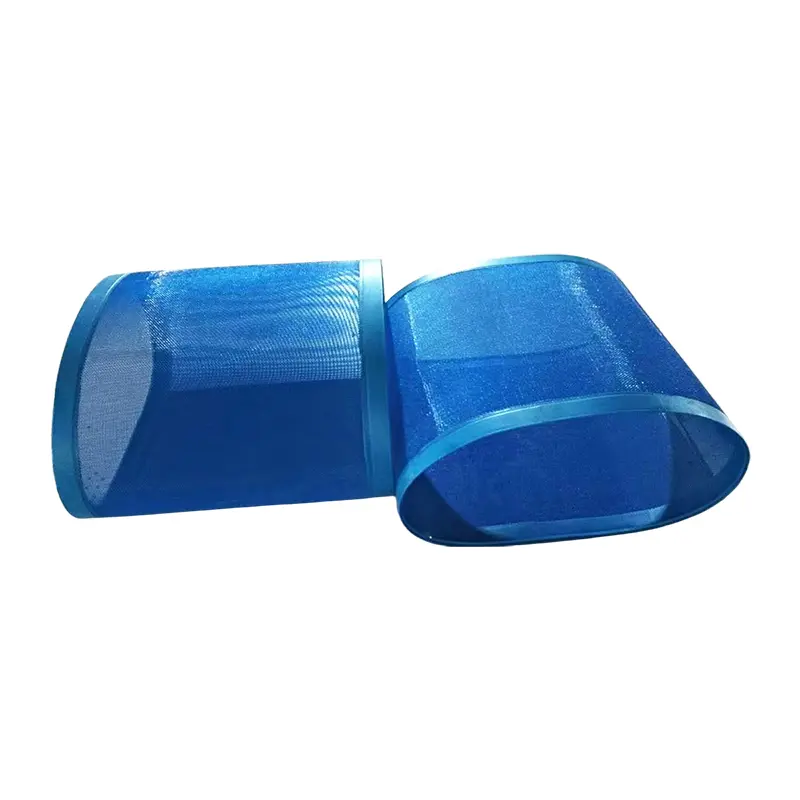
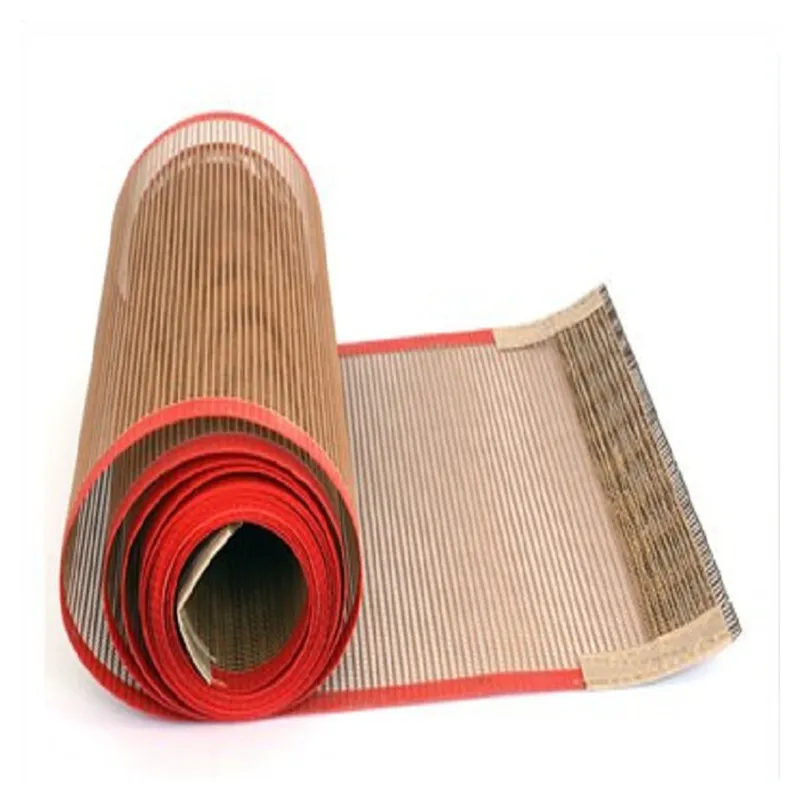
Polyester Mesh Conveyor Belt
SHUNNAI Polyester Mesh Conveyor Belt is a customized industrial mesh conveying solution designed for applications requiring excellent air permeability, drainage performance and stable continuous operation. Available in plain weave, square mesh, Dutch weave and double-strand structures, it can be customized for food drying, washing and dewatering, electronics assembly, glass processing, pharmaceutical production and filtration systems.
1.High strength, low elongation, stable running
2.Heat resistant, chemical resistant, food-grade safe
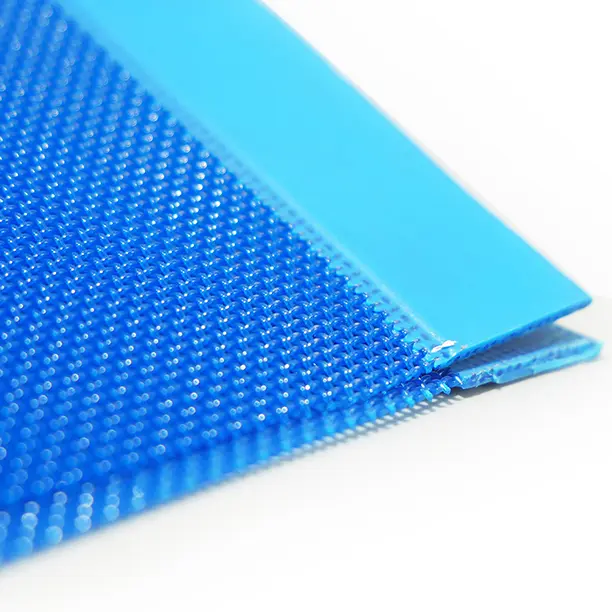
3.Professional edge sealing, 30% longer life
2.Heat resistant, chemical resistant, food-grade safe
3.Professional edge sealing, 30% longer life
SHUNNAI Polyester Mesh Conveyor Belts are manufactured from high-quality PET monofilament materials through precision weaving, heat setting, surface treatment and edge reinforcement processes. Unlike ordinary mesh belts that focus only on opening size, SHUNNAI designs each belt according to actual production requirements, including airflow rate, drainage efficiency, conveying stability, product weight and working temperature.
Various mesh structures, edge sealing methods and customized belt configurations are available for food processing, electronics, glass, pharmaceutical, printing and environmental industries. With strict quality management under GB/T 19001-2016/ISO 9001:2015 and compliance with FDA, MA, and CNAS-related testing requirements, SHUNNAI provides stable and reliable conveying solutions for demanding industrial applications.
Mesh Structure Determines Conveying Performance
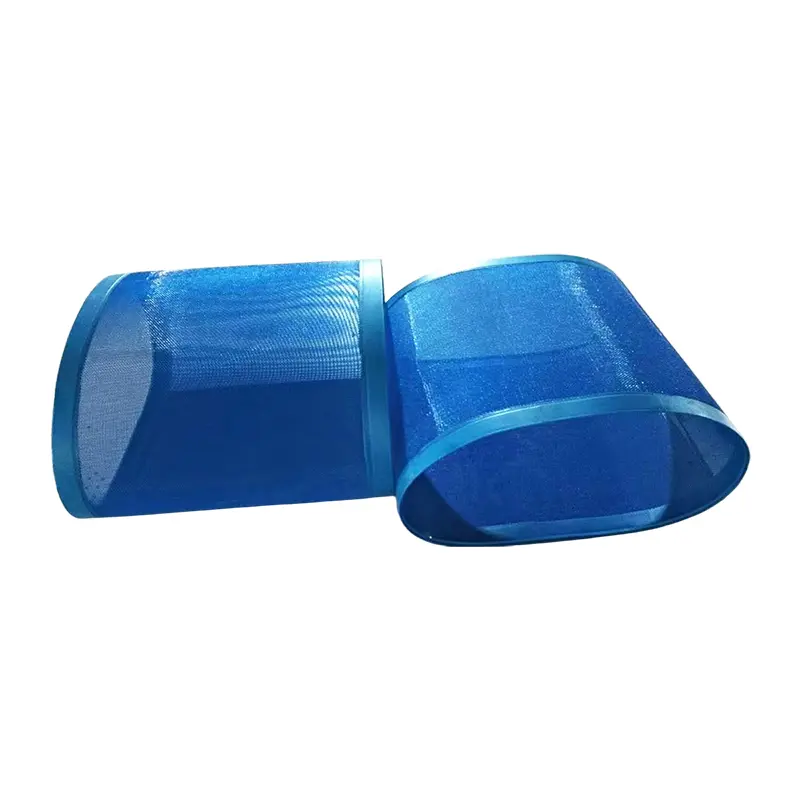
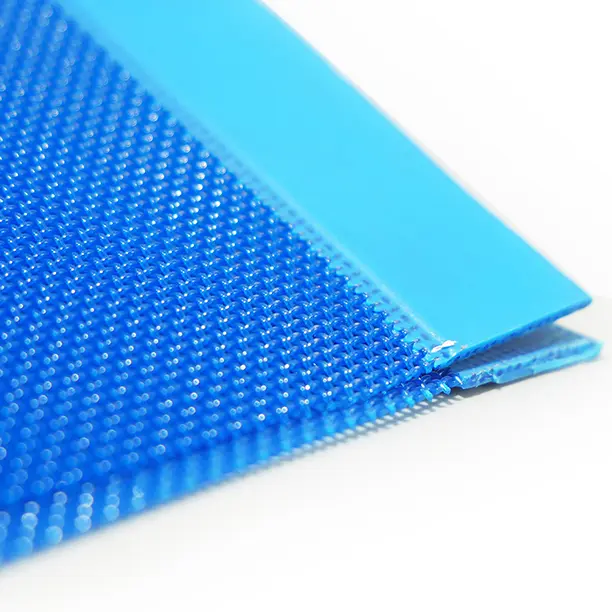
The opening design of a polyester mesh belt directly affects air circulation, water drainage and product contact performance. SHUNNAI provides different weaving structures to match different production environments rather than using one standard mesh for all applications.
Plain Weave for Stable Surface Transport
Plain weave mesh provides a relatively flat conveying surface with uniform tension distribution. It is suitable for applications requiring accurate product positioning, such as electronics assembly, lightweight components and thin food products. The stable surface reduces vibration during high-speed operation and improves conveying consistency.
Square Mesh for Airflow and Drainage
Square mesh structures provide larger open areas, allowing faster air circulation and liquid removal. They are widely used in food drying, washing and dewatering processes where products require continuous ventilation or moisture separation during transportation.
Dutch and Double-Strand Weave for Special Loads
For filtration, heavy material transportation or environments requiring higher mechanical strength, SHUNNAI can provide dense Dutch weave or reinforced double-strand structures. These designs improve load capacity while maintaining stable operation under continuous working conditions.
Running Stability Beyond Mesh Opening
Heat Setting Controls Belt Elongation
Continuous operation often causes belt tension changes due to temperature and mechanical stress. SHUNNAI uses high-temperature setting processes to reduce residual stress inside PET monofilaments, achieving low elongation and maintaining consistent belt length during long-term operation.
This helps reduce frequent tension adjustment, improves tracking stability and supports continuous production lines where downtime must be minimized.
Edge Protection Prevents Early Failure
The edges of mesh belts experience repeated friction with conveyor structures. Without proper protection, exposed monofilaments may loosen, causing edge deformation or belt damage. SHUNNAI applies heat fusion sealing or reinforced sewing methods to secure the mesh structure and improve service life.
Sealed edges also prevent loose fibers from entering production areas, making the belt more suitable for food, pharmaceutical and precision manufacturing environments.
Customized Solutions for Different Processes
Open Structure for Drying Applications
In baking, food dehydration and thermal processing lines, the open mesh design allows hot air to pass through the product evenly. This improves drying efficiency and helps maintain consistent product quality.
Modified Design for Inclined Conveying
Flat mesh belts may cause material sliding on inclined conveyors. SHUNNAI can integrate PU cleats, guide strips or sidewalls through high-frequency welding to improve conveying stability while keeping the original breathable structure.
Special Requirements for Precision Industries
For electronics, photovoltaic and pharmaceutical applications, SHUNNAI supports customized mesh size, anti-static treatment, clean surface requirements and dimensional accuracy to meet strict production conditions.
Production Process and Quality Control
A reliable mesh belt depends on every manufacturing step. SHUNNAI controls the complete process from PET monofilament selection, precision weaving and heat setting to edge finishing and final inspection.
Each polyester mesh conveyor belt is checked for mesh uniformity, belt width accuracy, joint quality, tensile performance and running stability before shipment. The company follows GB/T 19001-2016/ISO 9001:2015 quality management procedures and uses professional testing methods supported by FDA, MA, and CNAS certifications to ensure consistent product performance.
Industry Applications
SHUNNAI mesh belts are widely used in food drying and cooling lines, fruit and vegetable washing systems, seafood processing, PCB and electronic component conveying, glass annealing furnaces, pharmaceutical drying equipment, textile printing machines and sludge dewatering systems.
Each industry requires different mesh characteristics. SHUNNAI provides customized recommendations based on temperature, chemical exposure, product size, conveying speed and cleaning requirements.
User Feedback
1. A fruit/vegetable drying plant in Shandong – Plant Manager
“Our dehydrated vegetable line – the old belt frayed at edges within six months, shedding fibers that contaminated products. After switching to SHUNNAI edge-sealed polyester mesh belt, the edges are very strong – almost no fraying after a year. Good air permeability, uniform drying. And with added cleats, vegetables no longer roll off on inclines – saved a lot of labor.”
2. An electronics component assembly line in Guangdong – Equipment Engineer
“Small components need very smooth conveying. SHUNNAI’s plain weave polyester mesh belt is flat with uniform mesh – no vibration. With anti-static modification, we have never seen static damage. The custom width precisely matches our equipment.”
3. A glassware factory in Jiangsu – Production Supervisor
“Annealing furnace temperatures are high. Our previous metal mesh belt scratched glass bottoms. After switching to SHUNNAI polyester mesh belt, glass surfaces have zero scratches, and the belt is lighter, reducing drive energy. Dimensional stability under high heat – no elongation after over a year – very reliable.”
Technical Options and Customization
SHUNNAI supports customized production according to equipment requirements. Customers can select mesh opening, weaving type, belt width, belt length, edge treatment, splice method and additional components.
For special applications, SHUNNAI can provide solutions including PU cleats for inclined conveying, guide strips for tracking control, reinforced edges for heavy loads and modified materials for high-temperature or chemical environments.
Engineering Support for Industrial Mesh Conveying
Choosing the correct Polyester Mesh Conveyor Belt requires more than selecting a mesh size. Incorrect opening design may reduce strength, poor edge treatment may shorten service life, and unsuitable materials may affect production efficiency.
SHUNNAI combines mesh belt manufacturing experience with application engineering knowledge to help customers select suitable structures according to actual working conditions. From initial specification confirmation to production inspection, SHUNNAI provides technical support for OEM projects, equipment manufacturers and industrial users.
With professional manufacturing capability, strict quality control and customized service, SHUNNAI helps customers achieve cleaner, more stable and more efficient conveying performance.
Polyester Mesh Belt Comparison
Polyester Mesh Belt vs Metal Mesh Belt
Polyester mesh belts and metal mesh belts are both used for high-temperature, drying and processing applications, but they have different performance characteristics. Polyester mesh belts are lighter, quieter and provide better protection for delicate products. They are suitable for food drying, electronics conveying and applications where product surface protection is important.
Metal mesh belts provide higher temperature resistance and mechanical strength in extreme environments, such as high-temperature furnaces and heavy-load processing. However, they are heavier, may scratch sensitive products and require more maintenance in corrosive environments. SHUNNAI helps customers select the suitable belt type according to temperature, load and production requirements.
Polyester Mesh Belt vs Solid PU/PVC Conveyor Belt
Solid PU/PVC conveyor belts provide a closed conveying surface, making them suitable for general material transportation where airflow and drainage are not required. They are commonly used for packaging, assembly and horizontal conveying applications.
Polyester mesh conveyor belts are designed for processes requiring air permeability, water drainage or filtration performance. The open structure allows air, water and steam to pass through, making them ideal for drying, washing, cooling and dewatering applications.
When the production process requires product cooling, moisture removal or ventilation, a mesh belt usually provides better process efficiency than a solid belt.
Different Weaving Patterns Comparison
Different mesh structures provide different working performances. Plain weave offers a stable and smooth surface for precision conveying. Square mesh provides better airflow and drainage for washing and drying applications. Dutch weave focuses on fine filtration requirements, while double-strand weave provides higher strength for heavier loads.
SHUNNAI recommends the suitable weaving structure according to material size, production speed, cleaning method and working environment.
FAQ
What materials are used for SHUNNAI polyester mesh belts?
SHUNNAI polyester mesh belts are mainly manufactured from PET monofilament materials. PET provides good tensile strength, dimensional stability, chemical resistance and temperature resistance. Different surface treatments and structures can be customized according to application requirements.
What temperature can a polyester mesh belt withstand?
The working temperature depends on the belt structure, processing environment and running conditions. Standard PET mesh belts can generally operate in medium-temperature applications, while customized solutions are available for higher-temperature drying and heat treatment processes.
How do I choose the correct mesh opening size?
Mesh opening should be selected according to product size, airflow requirements, drainage volume and conveying purpose. Small openings are suitable for fine products and stable support, while larger openings improve ventilation and liquid drainage. SHUNNAI provides technical recommendations based on actual production conditions.
Can polyester mesh belts be used in food processing applications?
Yes. SHUNNAI polyester mesh belts can be manufactured with food-grade compliant materials and are widely used in food drying, cooling, washing and dehydration applications. The smooth surface and open structure help reduce residue accumulation and simplify cleaning.
Can cleats or guide strips be added to polyester mesh belts?
Yes. SHUNNAI can add PU cleats, guide strips or sidewalls through high-frequency welding processes. These customized structures improve inclined conveying performance while maintaining the original airflow and drainage characteristics of the mesh belt.
How can I prevent polyester mesh belt edge damage?
Edge damage is usually caused by continuous friction, improper cutting or insufficient reinforcement. SHUNNAI uses heat fusion sealing or reinforced sewing methods to protect belt edges, reducing fraying and improving long-term running stability.
Can SHUNNAI manufacture customized mesh belts for existing equipment?
Yes. SHUNNAI supports OEM customization according to equipment drawings or existing belt samples. Customers can provide belt width, length, mesh requirement, working temperature, conveying material and installation conditions. The technical team will recommend a suitable structure and production method.
What certifications does SHUNNAI have?
SHUNNAI operates under GB/T 19001-2016/ISO 9001:2015 quality management standards. Products are developed with attention to FDA, MA and CNAS-related testing requirements to support applications in food processing, industrial manufacturing and other demanding industries.
Send Inquiry
Contact Info
-
Address
No.129 Qingfeng Road, Jizhou District, Tianjin City, China
-
Tel
-
Email
If you have any inquiry about a quotation or cooperation, please feel free to email or use the following inquiry form. Our sales representative will contact you within 24 hours.
Related Products
News Recommendations



