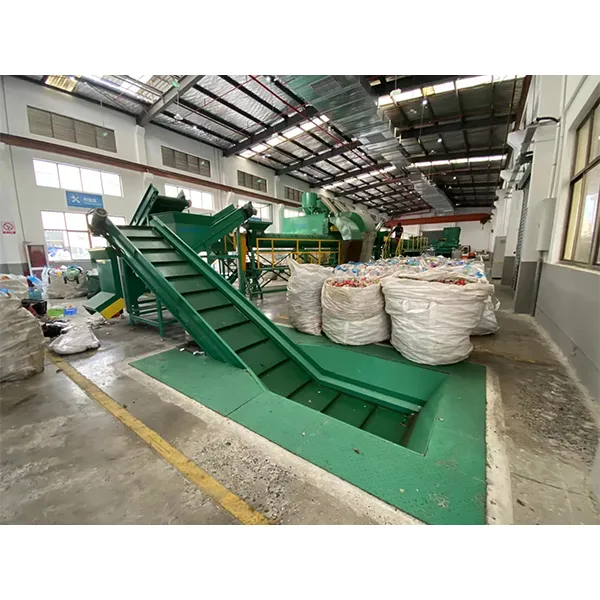
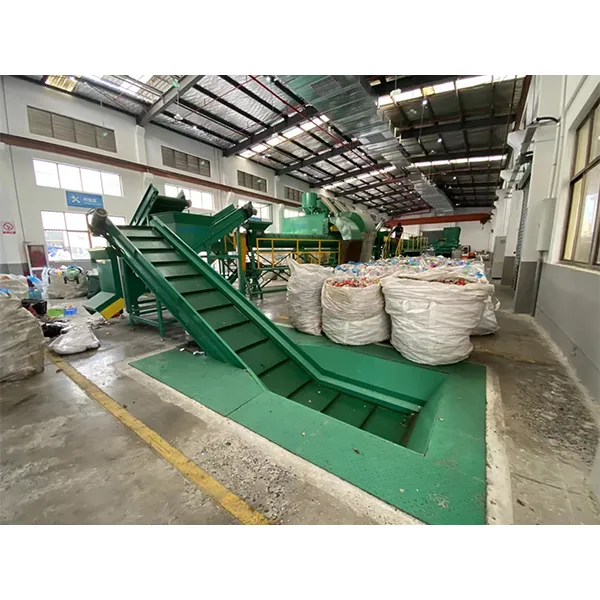
Resource Recovery Conveyor Belt
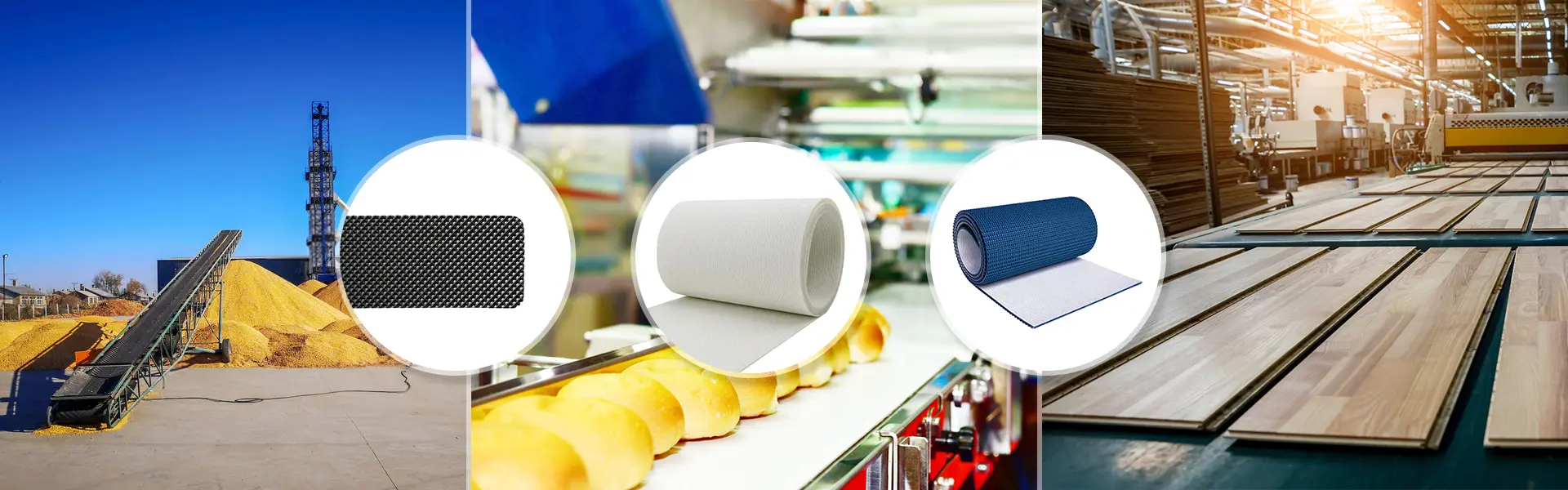
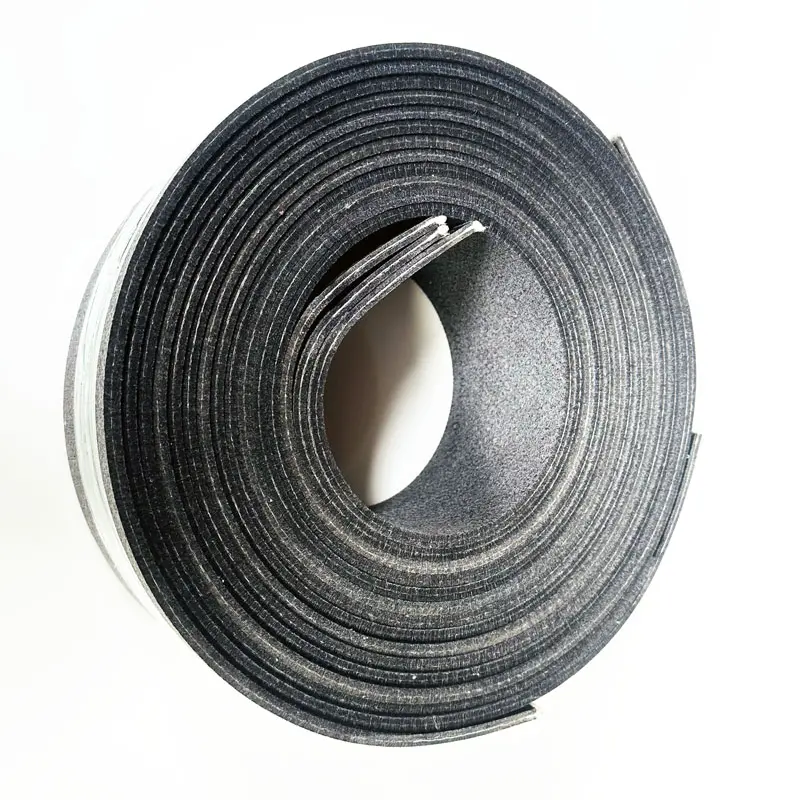
SHUNNAI provides Resource Recovery Conveyor Belt that handle mixed waste, plastic packaging, construction debris, and wet organic materials. By evaluating material composition, moisture exposure, impact loads, and conveying conditions, buyers can choose suitable belt structures for each processing stage. Options include reinforced rubber, hydrolysis-resistant PU, thickened PVC, and smooth-surface designs.
1. Tear-Resistant and Oil-Resistant
2. Dry/Wet Condition Classification
3. Full-Chain Adaptation for Solid Waste Sorting
2. Dry/Wet Condition Classification
3. Full-Chain Adaptation for Solid Waste Sorting
The Resource Recovery Conveyor Belt is designed for solid waste treatment, plastic recycling, construction waste processing, and agricultural and forestry waste handling. Available options include wear-resistant rubber belts, oil-resistant conveyor belts, hydrolysis-resistant PU belts, thickened PVC belts, and smooth-surface belts for lightweight materials.
Because recycled materials vary in size, weight, moisture content, and composition, selecting the right belt requires more than considering belt width and tensile strength. Sharp metal fragments can cause cuts, oily waste may affect rubber compounds, plastic films can become entangled around rollers, and wet waste leachate may accelerate material deterioration.
1. Match the Belt to the Waste Stream
Different waste streams place different demands on conveyor belts. Material composition, moisture, contamination, and transfer height should all be considered before selecting a belt.
Mixed Municipal and Industrial Waste
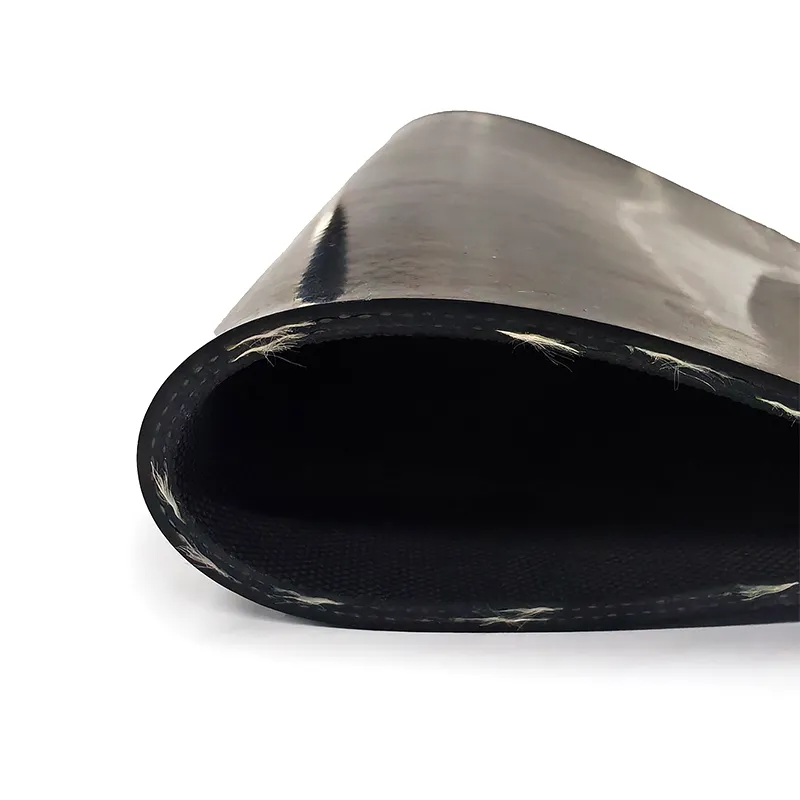
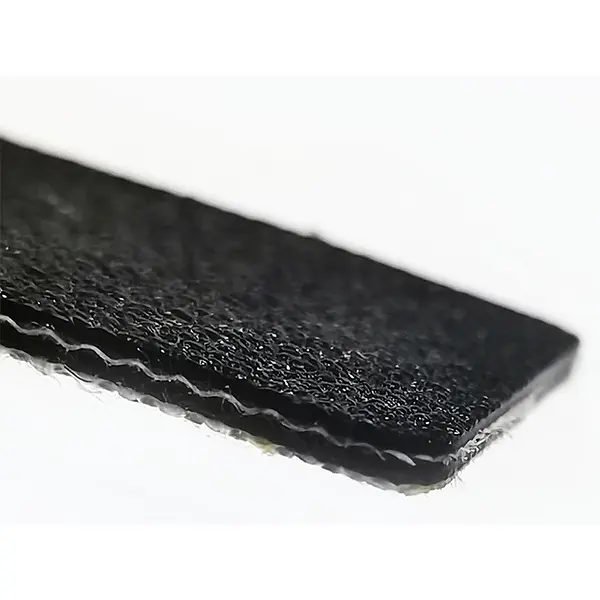
Mixed waste may contain metal pieces, stones, glass fragments, and other sharp objects. These materials can cut the belt cover or initiate tears that spread under repeated impact. SHUNNAI can customize the Resource Recovery Conveyor Belt with suitable rubber compounds and tear-resistant reinforcement to help reduce premature belt damage in demanding feeding and transfer sections.
Plastic Film and Lightweight Packaging
Plastic films, woven bags, and flexible packaging can catch around rollers or become trapped at transfer points. Smooth-surface belts with regular edges help reduce opportunities for loose materials to snag. Belt alignment, roller clearance, and cleaning equipment should also be reviewed to control winding risks.
Wet Organic Waste
Kitchen waste and other wet organic materials may expose the belt to moisture, leachate, and repeated washing. When handling these materials, the Resource Recovery Conveyor Belt can be specified with hydrolysis-resistant PU or chemically compatible rubber, depending on the actual operating conditions, temperature, and cleaning agents used.
Construction and Agricultural Waste
Construction debris often creates impact and abrasion, while agricultural and forestry waste can contain fibrous materials, moisture, and irregular loads. Belt thickness, cover wear resistance, reinforcement, and surface pattern should be selected according to the material size, conveying angle, and loading conditions.
2. Belt Selection Across the Processing Line
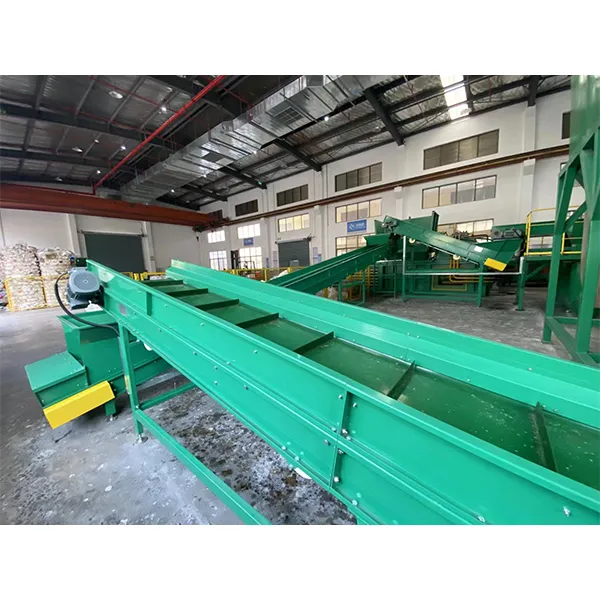
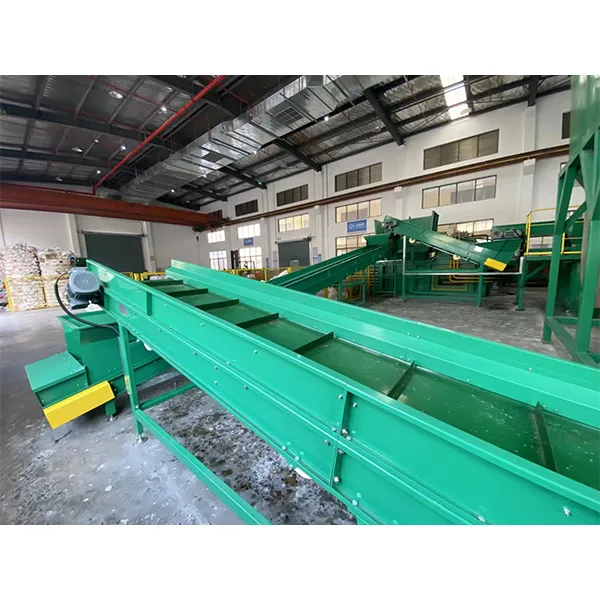
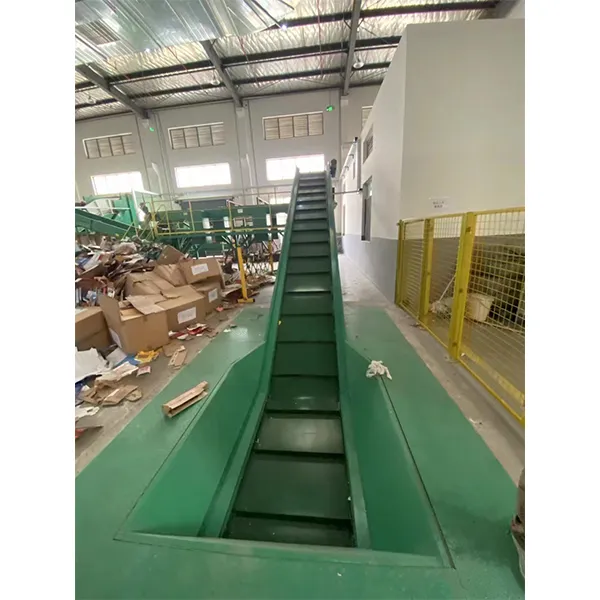
A recycling line usually contains several conveying stages, each with different operating demands. Specifying one belt construction for every section may result in unnecessary costs or premature wear.
| Conveyor Section | Main Operating Challenge | Recommended Belt Type |
|---|---|---|
| Feeding and receiving | High drop height, impact, and sharp debris | Thickened rubber belt with suitable tear-resistant reinforcement |
| Pre-crushing and crushing transfer | Abrasion and uneven material sizes | Wear-resistant rubber belt |
| Dry sorting | Continuous material contact and surface wear | Wear-resistant rubber or suitable thickened PVC |
| Wet waste sorting | Moisture, leachate, and repeated washing | Hydrolysis-resistant PU or chemically compatible rubber |
| Magnetic separation | Stable conveying surface and material presentation | Flat rubber or PU belt, subject to separator design |
| Film and light-material sorting | Film snagging and roller entanglement | Smooth-surface belt with regular edges |
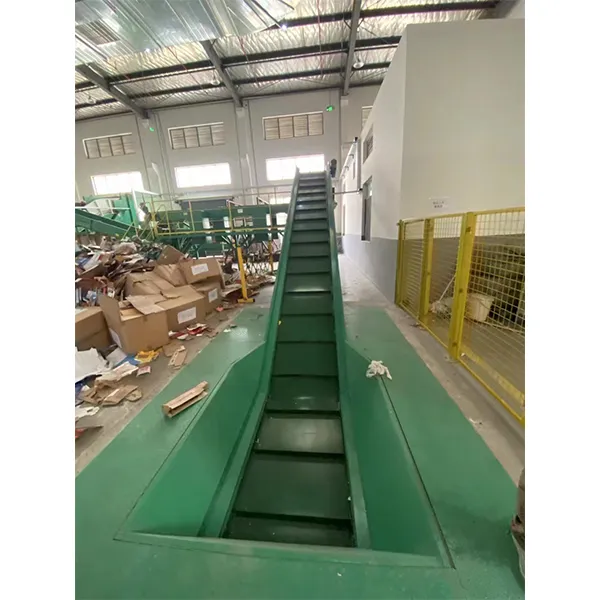
| Inclined conveying | Material slipping or rolling backward | Suitable patterned belt selected for the load and incline |
| Outdoor stockpiling | Sunlight, temperature changes, and weather exposure | Weather-resistant belt formulation |
These recommendations are starting points rather than universal specifications. The final selection should account for the complete conveying system, including pulley diameter, belt speed, tension, loading method, and cleaning requirements.
3. Reduce Damage at Transfer Points
Belt damage often begins where materials enter the conveyor, rather than along the entire conveying route. Heavy objects falling directly onto the belt can cause localized cuts, impact damage, or reinforcement failure.
SHUNNAI can help assess the need for thickened covers, reinforced belt structures, and suitable impact protection in receiving and crushing sections. Buffer idlers or impact beds may help distribute loading forces where installation conditions permit.
Metal contamination also deserves attention. Where compatible with the recycling process, an appropriately positioned magnetic separator or iron remover can reduce the amount of ferrous debris reaching downstream equipment. This helps protect both the conveyor belt and other components in the processing line.
Regularly checking loading chutes, transfer gaps, belt tracking, and trapped debris can further reduce preventable damage. A suitable belt works best when the surrounding conveyor equipment is correctly configured.
4. Surface Design and Splice Performance
Smooth Surfaces for Film Conveying
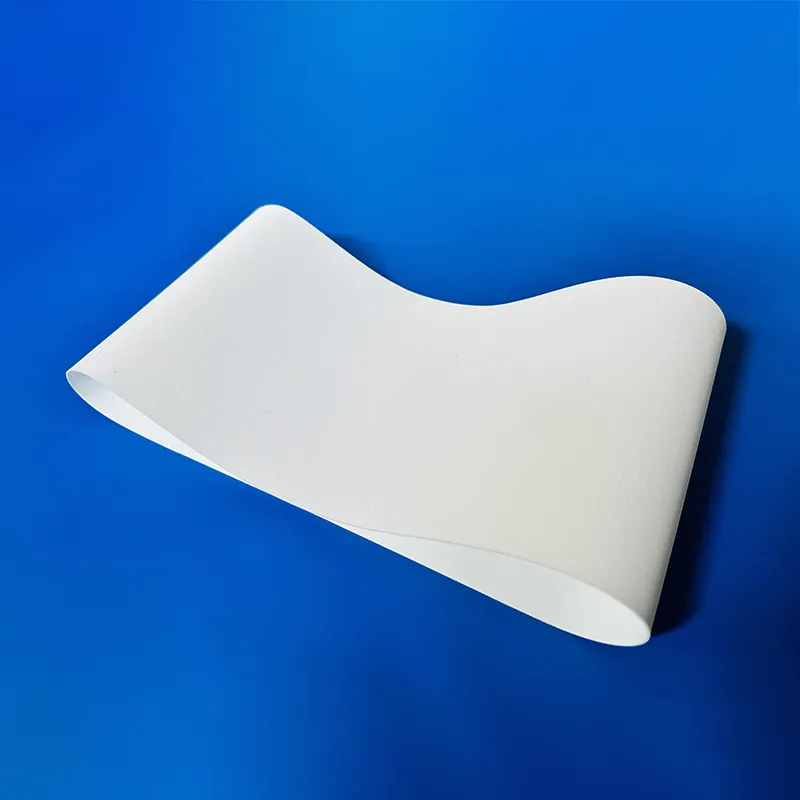
For plastic film and lightweight packaging, surface geometry can influence how material moves across the belt. A dense, smooth conveying surface with well-finished edges can reduce snagging opportunities compared with an unsuitable deep-pattern design. For film recycling applications, SHUNNAI can recommend the Resource Recovery Conveyor Belt with a smooth conveying surface and properly finished edges to help reduce material snagging and roller entanglement.
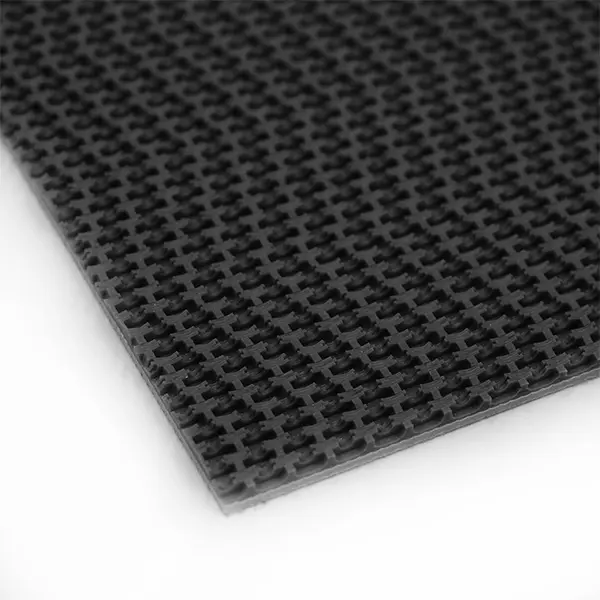
However, a smooth belt is not automatically the best choice for every recycling application. Inclined conveyors may require additional grip to prevent rollback. SHUNNAI can recommend a surface design based on the material characteristics, conveying angle, and required discharge behavior.
Hot-Vulcanized Belt Splices
The splice is an important consideration for recycling lines exposed to impact, vibration, and abrasive materials. A properly executed hot-vulcanized splice can provide a continuous, low-profile joint with good bonding strength and reduced risk of protrusions catching conveyed waste.
Splice suitability depends on belt construction, operating tension, pulley dimensions, temperature, and installation quality. Mechanical fasteners may remain appropriate for some applications where quick repair or field maintenance is a priority.
For long-running recycling systems, buyers should also consider access for inspection, the availability of repair services, and the time required to replace or repair a damaged belt.
5. Field Feedback from Recycling Operations
Mixed-Waste Sorting Center in Zhejiang
Equipment Supervisor Liu reported:
"Our mixed waste sorting line handles metal, stones, plastic, and many other materials. Our previous ordinary rubber belts developed numerous cuts after two or three months. After switching to SHUNNAI wear-resistant rubber belts with tear-resistant layers, we used them for more than half a year. The surface had only minor scratches, with no major tearing. The iron remover also helped reduce belt damage."
Film Recycling Plant in Guangdong
Production Manager Chen reported:
"Plastic film frequently became caught around the rollers, requiring several shutdowns a day for cleaning. SHUNNAI recommended a smooth-surface belt with regular edges. Film snagging decreased, and cleaning-related shutdowns became less frequent. After nearly a year, the belt surface remained in good condition."
Kitchen Waste Treatment Plant in Shandong
Equipment Section Chief Wang reported:
"The leachate from kitchen waste caused our ordinary PVC belts to blister and separate within two months. SHUNNAI recommended a hydrolysis-resistant PU belt. After more than half a year of use, the surface remained in good condition, residue was easier to rinse away, and the vulcanized splice had not opened."
These customer experiences illustrate how belt selection can affect maintenance requirements. Actual service life depends on operating conditions, installation, maintenance, and the characteristics of the processed waste.
6. Pre-Order Selection Checklist
Before requesting a quotation, buyers should provide the waste type, belt dimensions, conveying speed, loading height, moisture level, and operating environment. This information helps SHUNNAI recommend a suitable configuration for the Resource Recovery Conveyor Belt according to the actual requirements of the recycling line.
| Information to Confirm | Details to Provide |
|---|---|
| Waste type | Mixed municipal waste, plastic film, construction debris, wet organic waste, or agricultural residue |
| Moisture and contamination | Dry or wet materials, oil exposure, leachate, chemicals, and cleaning agents |
| Material characteristics | Typical size, maximum particle size, sharp edges, bulk density, and abrasiveness |
| Conveyor dimensions | Belt width, conveyor length, and required belt thickness |
| Operating conditions | Belt speed, conveying angle, loading height, and operating hours |
| Belt construction | Rubber, PVC, or PU; cover thickness; reinforcement; and surface pattern |
| Splice requirements | Hot vulcanization or another suitable joining method |
| Installation environment | Indoor or outdoor use, temperature range, sunlight, and washing frequency |
| Maintenance expectations | Cleaning method, available repair access, and acceptable downtime |
Providing these details helps prevent mismatches between belt construction and actual working conditions. It also allows the manufacturer to assess whether additional reinforcement, a different cover compound, or a modified surface design is necessary.
7. Manufacturing and Quality Control
SHUNNAI integrates conveyor belt development, production, and sales to support industrial customers with different material-handling requirements. Its approach emphasizes matching belt construction to the application rather than relying on a single standard configuration.
For customized orders, buyers can discuss material selection, belt dimensions, cover characteristics, reinforcement, surface finish, and splice requirements before production. Where required and available, relevant inspection records or test reports can be requested to support technical evaluation.
SHUNNAI's quality management credentials include ISO 9001, alongside other company or product-related qualifications that should be verified against their current scope. FDA, MA, and CNAS references should be confirmed for the specific product, facility, or testing activity concerned; they should not automatically be interpreted as certifications applicable to every conveyor belt.
For demanding recycling applications, buyers should confirm the agreed specifications, applicable test methods, inspection criteria, and documentation before placing an order.
Frequently Asked Questions
1. Which conveyor belt is suitable for mixed solid waste?
A wear-resistant rubber belt with appropriate tear-resistant reinforcement is often a practical starting point for mixed waste containing sharp or heavy objects. The required construction depends on impact height, material size, belt speed, and the concentration of metal or stone fragments.
2. Can a smooth belt prevent plastic film from wrapping around rollers?
A smooth surface and well-finished edges can reduce snagging opportunities, but they cannot eliminate all film-winding risks. Roller gaps, belt tracking, scraper design, material feeding, and cleaning arrangements must also be assessed.
3. Is PU or PVC better for wet waste recycling?
The choice depends on moisture exposure, hydrolysis resistance, chemical compatibility, temperature, and cleaning procedures. A suitable hydrolysis-resistant PU belt may be preferable in demanding wet conditions, while PVC can be appropriate for certain less demanding applications. Buyers should confirm compatibility with the actual waste and cleaning agents.
4. When should a recycling conveyor belt use a patterned surface?
Patterned belts may help convey materials on inclined sections where rollback is a concern. The pattern should be selected according to the material's shape, weight, moisture, and conveying angle. Deep patterns may be unsuitable for certain film-sorting applications because flexible materials can become trapped.
5. What information is needed for a customized quotation?
Provide the waste type, belt width and length, required thickness, operating speed, conveying angle, loading conditions, working environment, and estimated order quantity. Photos of the conveyor and material, together with an existing belt specification, can help the manufacturer evaluate the application more accurately.
6. How can buyers verify the quality and compliance of the supplied belt?
Request the applicable product specifications, inspection records, material information, and relevant certificates or test reports. Confirm the certificate holder, validity, scope, and applicability to the supplied product rather than relying solely on a general list of company credentials.
Contact SHUNNAI
Looking for a conveyor belt for solid waste sorting, plastic recycling, construction waste handling, or wet waste treatment?
Contact Tianjin Shunnai Conveyor Belt Manufacturing Co., Ltd. with your material characteristics, conveyor dimensions, and operating conditions. SHUNNAI can help evaluate suitable belt materials, surface designs, reinforcement structures, and splice options for your recycling line.
Share your application details to discuss a customized solution for your conveying system.
Send Inquiry
Contact Info
-
Address
No.129 Qingfeng Road, Jizhou District, Tianjin City, China
-
Tel
-
Email
If you have any inquiry about a quotation or cooperation, please feel free to email or use the following inquiry form. Our sales representative will contact you within 24 hours.
News Recommendations