Felt Conveyor Belt
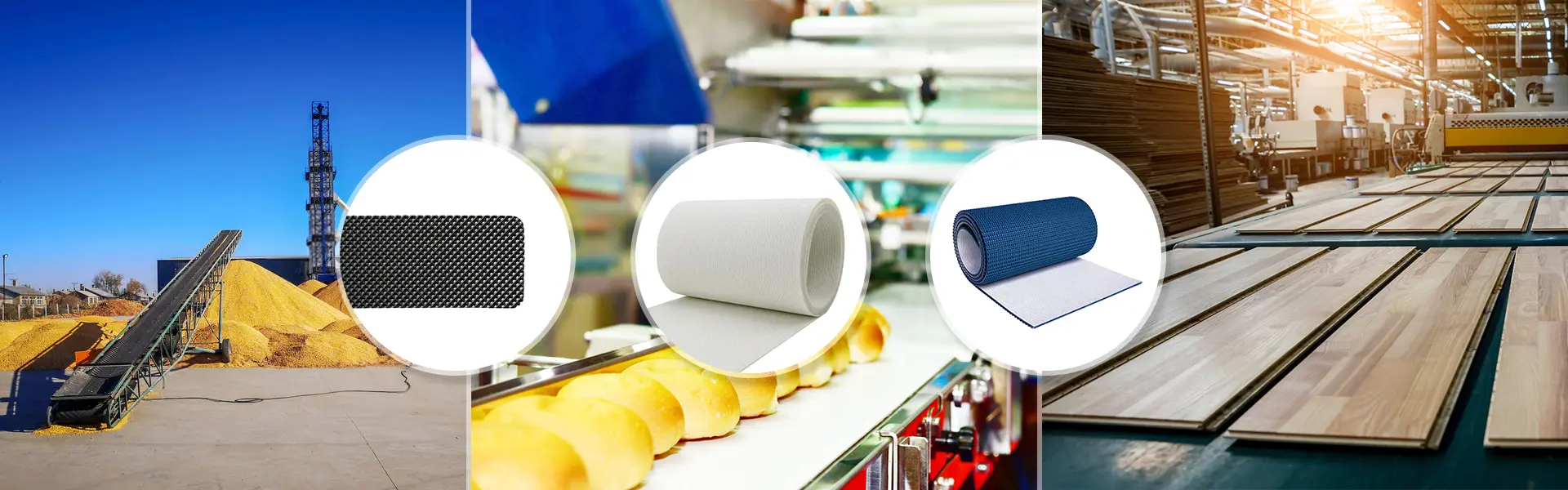
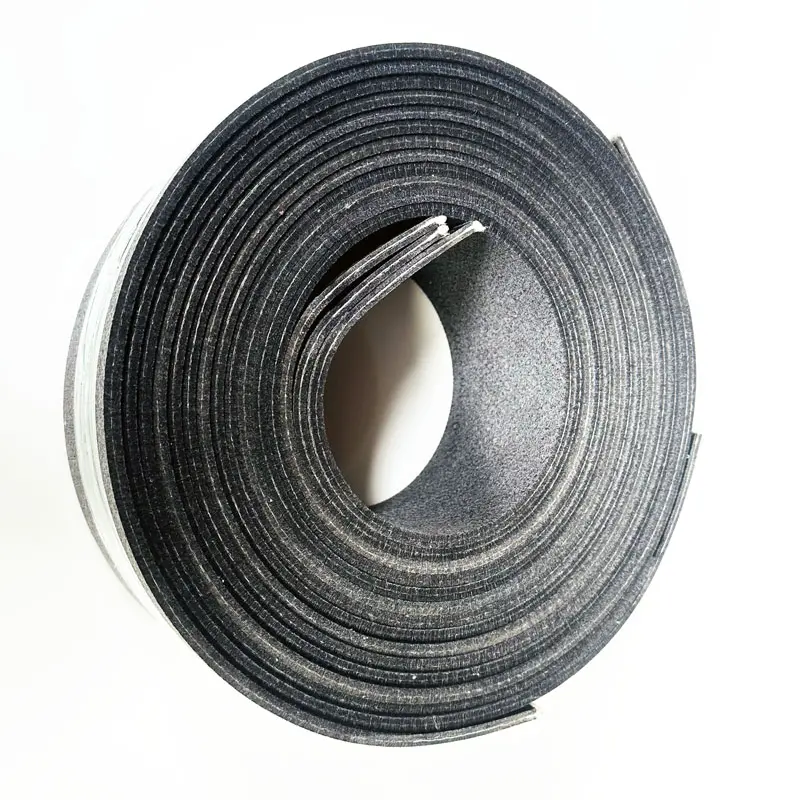
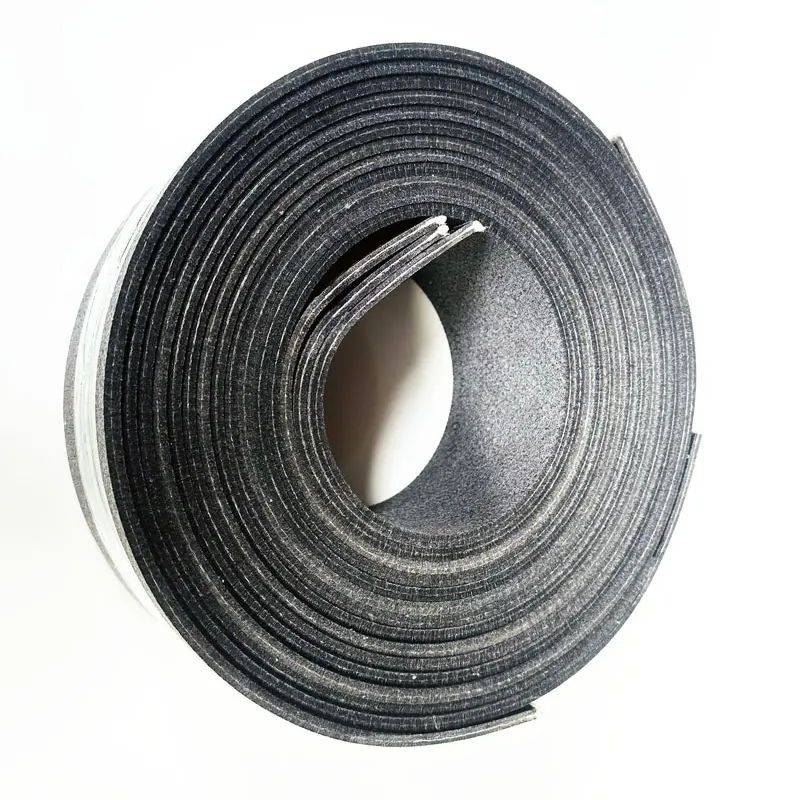
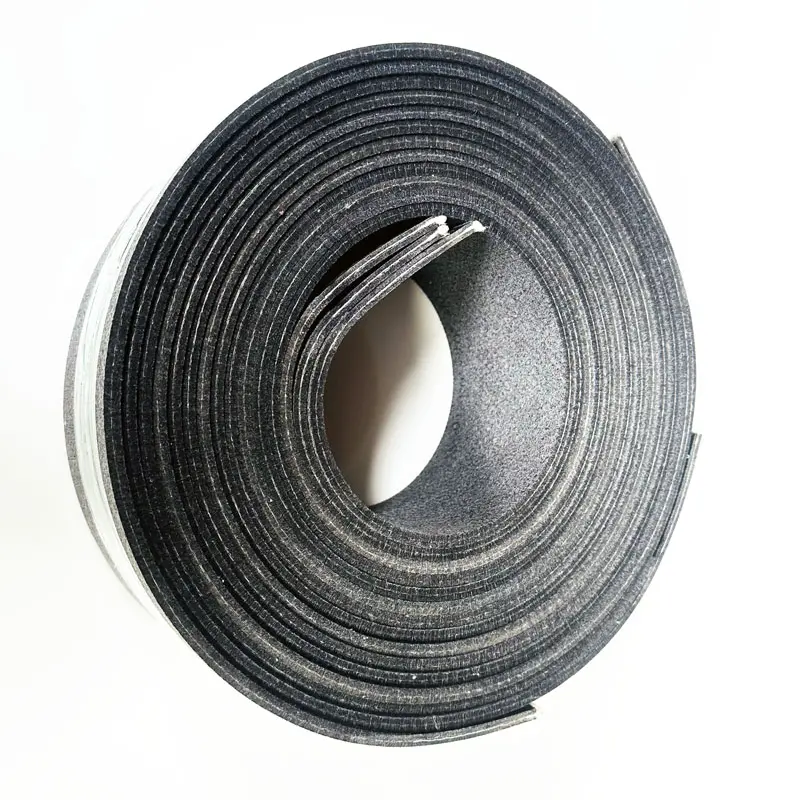
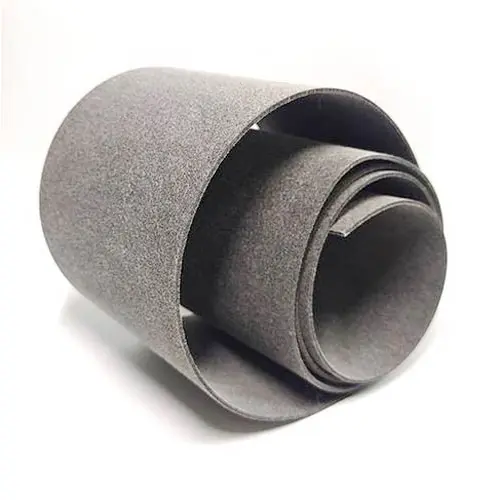
SHUNNAI Felt Conveyor Belt is designed for industries that require gentle handling, surface protection and stable conveying performance. With a soft needle-punched felt layer combined with a high-strength carcass, it helps prevent scratches, dents and impact damage during the transportation of glass, metal sheets, electronic components, leather and other sensitive products.
1.Cut-resistant & puncture-resistant
2.Breathable for vacuum suction
3.Quiet, low noise
2.Breathable for vacuum suction
3.Quiet, low noise
SHUNNAI Felt Conveyor Belt is developed for these sensitive conveying processes, using a specially engineered felt surface combined with a high-strength internal carcass to create a soft yet durable conveying solution. The dense needle-punched felt layer provides cushioning, gentle contact and stable friction, while the reinforced belt structure maintains dimensional stability during continuous operation.
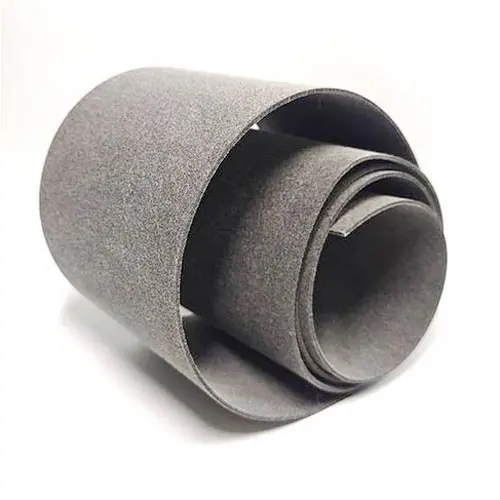
Available in wool felt and polyester felt options, SHUNNAI belts can be customized for temperature resistance, anti-static requirements, cutting resistance and different industrial environments. From automotive stamping lines and glass handling systems to die-cutting equipment and precision electronics production, SHUNNAI Felt Conveyor Belt helps manufacturers reduce product damage and improve conveying reliability.
Surface Protection Starts from Contact Control
Soft Contact for Sensitive Products
During transportation, many high-value products are damaged not because of conveying failure but because of unsuitable contact surfaces. Hard belts may create pressure points, friction marks or impact damage when carrying glass, aluminum sheets, polished panels and electronic components.
The dense felt surface of SHUNNAI provides a soft and uniform contact layer. The fiber structure distributes pressure across the conveying area, reducing direct hard contact and protecting product appearance during continuous movement.
Impact Absorption During Loading and Transfer
In applications such as metal stamping, parcel sorting and material feeding, products often drop or collide with the belt surface. The compressible felt layer absorbs impact energy and reduces sudden force transmission to the conveyed products.
This cushioning effect helps reduce dents, edge damage and surface defects, especially for materials that require strict appearance control.
Structure Design for Stable Operation
Multi-Layer Construction Improves Reliability
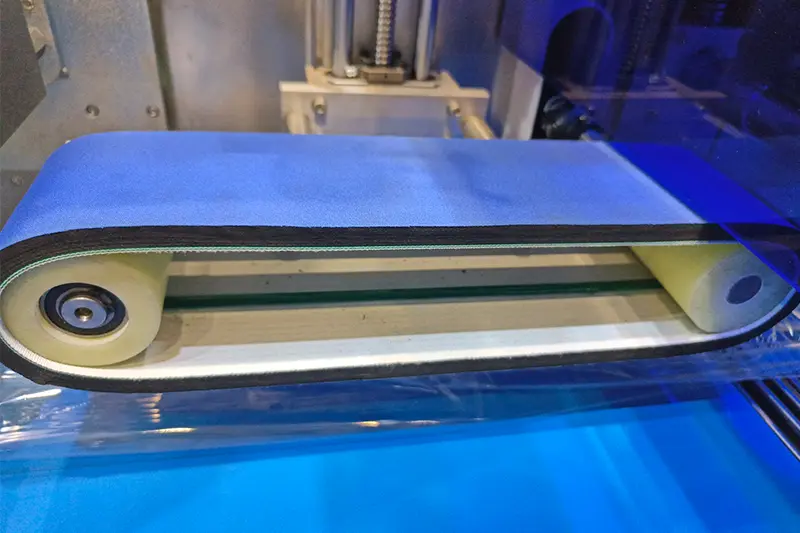
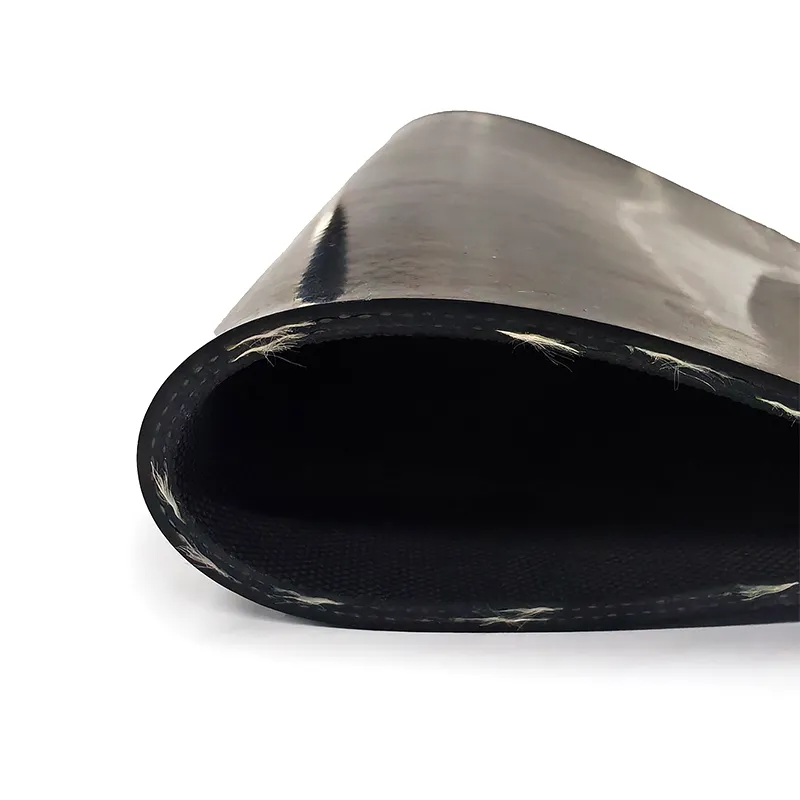
A high-performance felt belt requires more than a soft surface. SHUNNAI uses a multi-layer structure consisting of felt surface, tensile carcass and bottom running layer. The internal reinforcement provides strength while the outer felt layer focuses on protection.
This structure balances flexibility and dimensional stability, reducing elongation during long-term operation and maintaining consistent belt tracking on continuous production lines.
Single-Sided and Double-Sided Options
For applications requiring stable drive performance, single-sided felt structures can provide a protective surface while maintaining good contact with conveyor components. For products requiring protection on both sides, double-sided felt construction offers additional cushioning capability.
SHUNNAI can customize belt structure according to product contact requirements, conveyor design and working environment.
Material Selection Based on Working Conditions
Natural Wool Felt for Precision Protection
Natural wool felt provides excellent softness, resilience and surface protection. It is suitable for applications where even minor scratches may cause product rejection, including precision glass, optical components and high-end electronic products.
Polyester Felt for Heat and Industrial Loads
Polyester felt provides higher temperature resistance and stronger mechanical performance. It is suitable for medium and high-temperature environments such as metal processing, drying equipment and industrial conveying lines.
SHUNNAI also supports customized felt blends, thickness adjustments and functional treatments according to different production requirements.
Vacuum Compatibility and Positioning Performance
Lightweight materials such as paper, film, leather and flexible packaging products may shift during high-speed operation due to airflow or vibration. The needle-punched structure of SHUNNAI felt allows controlled air permeability, making it suitable for vacuum-assisted conveying systems.
When combined with vacuum suction equipment, the belt can help maintain material positioning during cutting, printing or inspection processes, improving processing accuracy and reducing movement-related defects.
Applications Across Precision Industries
Metal Processing and Stamping
For steel plates, aluminum sheets and stamped components, SHUNNAI felt belts provide impact absorption and scratch protection while handling repeated loading operations.
Glass and Electronic Manufacturing
Glass panels, mirrors, LCD components and electronic parts require clean and soft transportation surfaces. Felt belts reduce surface damage risks and support stable transfer in precision production environments.
Die Cutting and Logistics Systems
In die cutting and sorting applications, felt belts provide resistance against cutting impact while maintaining product positioning and reducing operational noise.
User Feedback
1. A metal processing company – Production Manager
“Before using SHUNNAI felt belts, aluminum blanks often had impact marks after transfer. The new belt provides much softer contact and noticeably reduces surface defects. The belt also keeps stable tension during long-term operation.”
2. A glass processing factory – Equipment Engineer
“Our glass products require a scratch-free conveying surface. SHUNNAI felt belts provide excellent protection, and after long-term use the surface remains uniform without damaging finished products.”
3. A die cutting manufacturer – Technical Supervisor
“The previous belt was easily damaged by repeated cutting impact. SHUNNAI customized a thicker felt structure, improving durability and maintaining accurate material positioning.”
Customization and Selection Guide
Selecting the correct felt belt requires consideration of product characteristics, impact level, temperature, conveyor speed and surface protection requirements.
SHUNNAI provides customization options including belt thickness, felt material, single or double-sided structure, belt width, length, splice method, anti-static treatment and heat-resistant modification.
Customers can provide equipment drawings, existing belt samples or application details. SHUNNAI technical engineers will recommend a suitable structure based on actual operating conditions.
Manufacturing Quality Control
The service life of a felt belt depends on the bonding quality between felt and carcass. Poor bonding may cause surface separation, edge fuzzing or layer peeling during continuous operation.
SHUNNAI controls material selection, felt bonding, dimensional accuracy and finished belt inspection throughout production. Each belt is checked for appearance quality, bonding strength, thickness consistency and running performance before shipment.
Through strict quality management based on GB/T 19001-2016/ISO 9001:2015, SHUNNAI provides reliable felt belt solutions for industrial users requiring long-term stable operation.
Felt Belt Comparison
Felt Belt vs Rubber Conveyor Belt
Rubber belts provide excellent general-purpose conveying performance and wear resistance, but their harder surface may not be suitable for products requiring scratch protection. Felt belts are designed for applications where soft contact, cushioning and surface safety are critical.
Felt Belt vs PU/PVC Conveyor Belt
PU and PVC belts are widely used for standard material transportation because of their smooth surfaces and easy cleaning characteristics. Felt belts provide additional protection through their soft fiber layer, making them more suitable for glass, metal sheets, electronic components and precision products.
FAQ
What products are suitable for felt conveyor belts?
Felt conveyor belts are commonly used for products requiring surface protection, including glass panels, aluminum sheets, steel plates, electronic components, packaging materials and precision parts.
What is the difference between wool felt and polyester felt?
Wool felt provides better softness and resilience for scratch-sensitive applications, while polyester felt offers higher temperature resistance and stronger industrial durability. SHUNNAI selects the suitable material according to application requirements.
Can felt belts withstand cutting or blade contact?
The dense needle-punched fiber structure provides good resistance against cutting impact. Felt belts are widely used in die cutting and CNC processing applications, although the suitable thickness and structure should be selected according to cutting conditions.
Can SHUNNAI customize felt belt thickness and structure?
Yes. SHUNNAI supports customized thickness, width, length, felt material, single or double-sided structures and special treatments according to equipment requirements.
Are felt conveyor belts suitable for vacuum conveying?
Yes. The breathable fiber structure allows airflow passage and can work with vacuum systems for positioning lightweight materials such as paper, film and flexible products.
How does SHUNNAI ensure felt belt quality?
SHUNNAI controls raw materials, bonding processes and finished product inspection under GB/T 19001-2016/ISO 9001:2015 quality management procedures. Products can support FDA, MA and CNAS-related testing requirements for different industries.
Send Inquiry
Contact Info
-
Address
No.129 Qingfeng Road, Jizhou District, Tianjin City, China
-
Tel
-
Email
If you have any inquiry about a quotation or cooperation, please feel free to email or use the following inquiry form. Our sales representative will contact you within 24 hours.
Related Products
News Recommendations