PU PVC Conveyor Belt with Straight Cleats
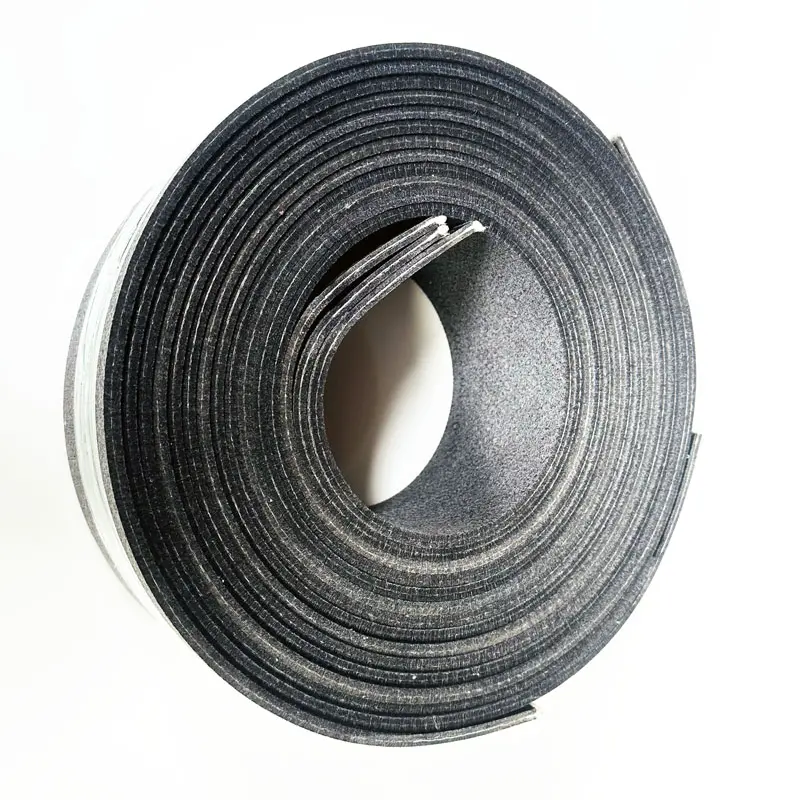
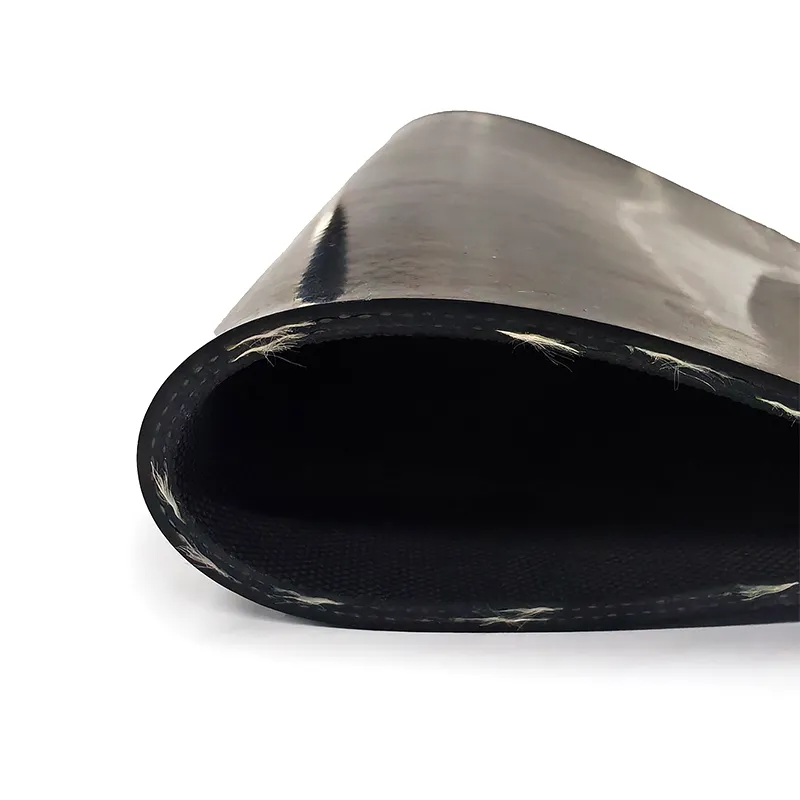
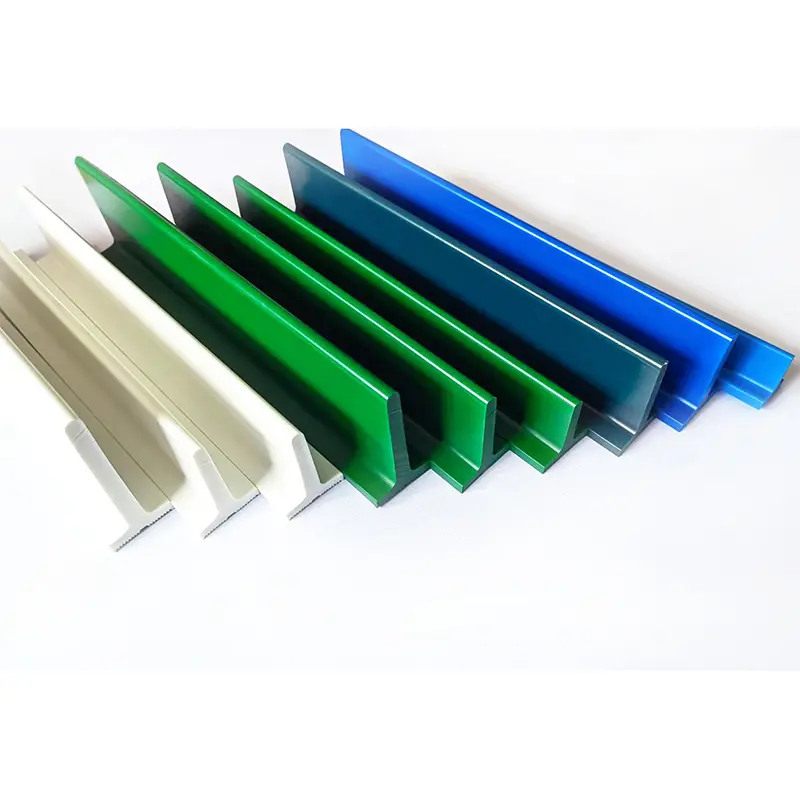
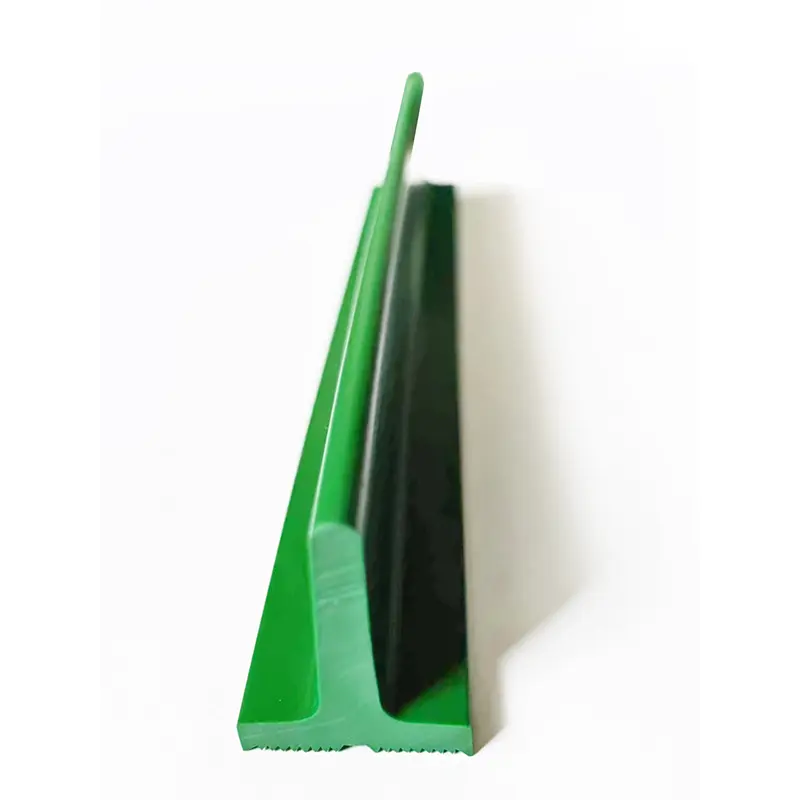
SHUNNAI PU PVC Conveyor Belt with Straight Cleats is designed for steep-angle and vertical conveying of bulk materials where traditional flat belts cannot provide sufficient holding force. By combining straight cleats with corrugated sidewalls, the belt creates independent conveying pockets that prevent material sliding, backflow and spillage during lifting.
1.Precise incline matching
2.Secure attachment, no detachment
3.Prevents spillage, improves efficiency
2.Secure attachment, no detachment
3.Prevents spillage, improves efficiency
SHUNNAI PU PVC Conveyor Belt with Straight Cleats provides an effective solution by creating a structured lifting surface. Straight cleats are installed vertically across the belt width and work together with corrugated sidewalls to form individual pockets. These pockets hold materials securely during transportation, allowing the conveyor to achieve higher lifting angles from 30° to 90° and even vertical conveying applications.
Overcoming Bulk Material Lifting Problems
Why Flat Belts Fail at Steep Angles
Flat conveyor belts rely mainly on friction between the belt surface and material. When the conveying angle increases, gravity gradually becomes stronger than friction force, causing materials to slide backward or accumulate at the lower section.
For industries handling powders, granules and small bulk materials, this problem can lead to unstable feeding, uneven discharge and increased cleaning requirements.
Creating Stable Material Carrying Pockets
The straight cleats divide the belt surface into separate carrying sections. Together with corrugated sidewalls, each section becomes an independent pocket that supports a controlled amount of material during lifting.
This pocket structure prevents materials from moving freely on the belt surface, improving conveying stability and reducing loss during steep-angle transportation.
Cleat Structure and Load Support
Vertical Support Against Gravity
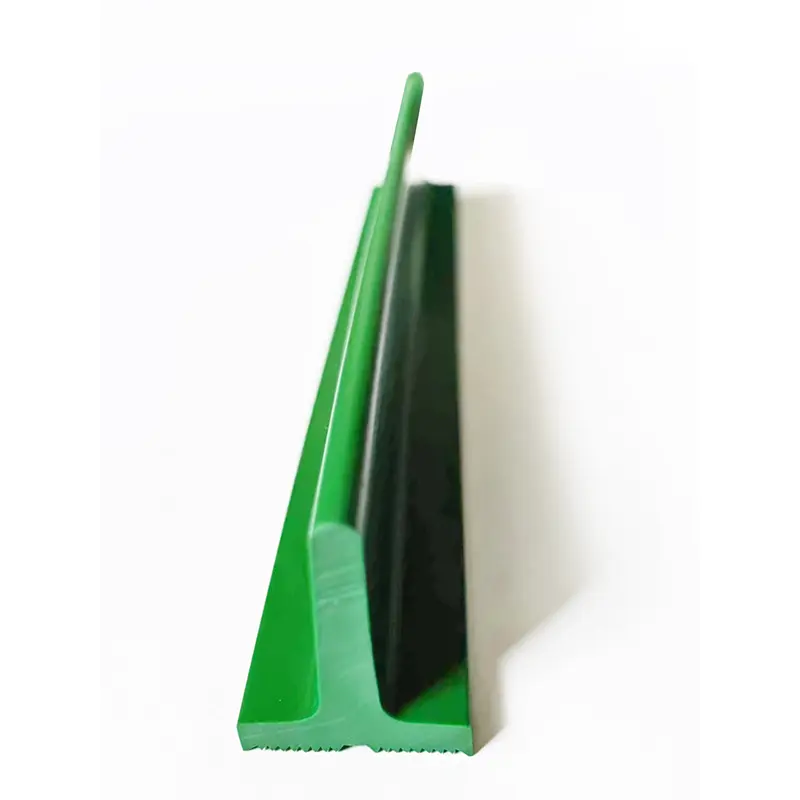
Straight cleats are installed almost perpendicular to the belt surface. During incline or vertical conveying, the cleats provide direct supporting force from underneath the material, preventing downward movement caused by gravity.
This design is especially important for conveying angles above 40°, where traditional belts often experience serious backflow problems.
Separated Loading for Better Control
By arranging cleats at calculated intervals, SHUNNAI creates consistent material loading sections along the belt. Each pocket carries a defined amount of material, helping prevent uneven distribution and improving discharge accuracy.
This segmented conveying method is suitable for applications requiring controlled feeding, weighing accuracy and continuous material transfer.
Selecting the Right Cleat Design
Matching Cleat Type with Incline Angle
Different conveying angles require different cleat structures. SHUNNAI selects suitable straight cleat designs according to actual working conditions rather than applying a single standard solution to every project.
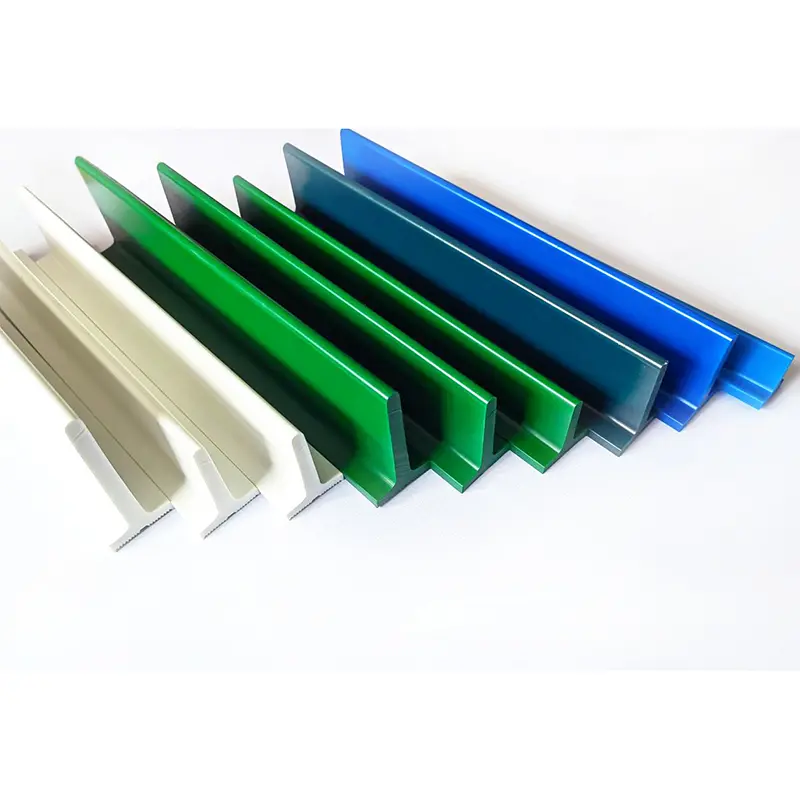
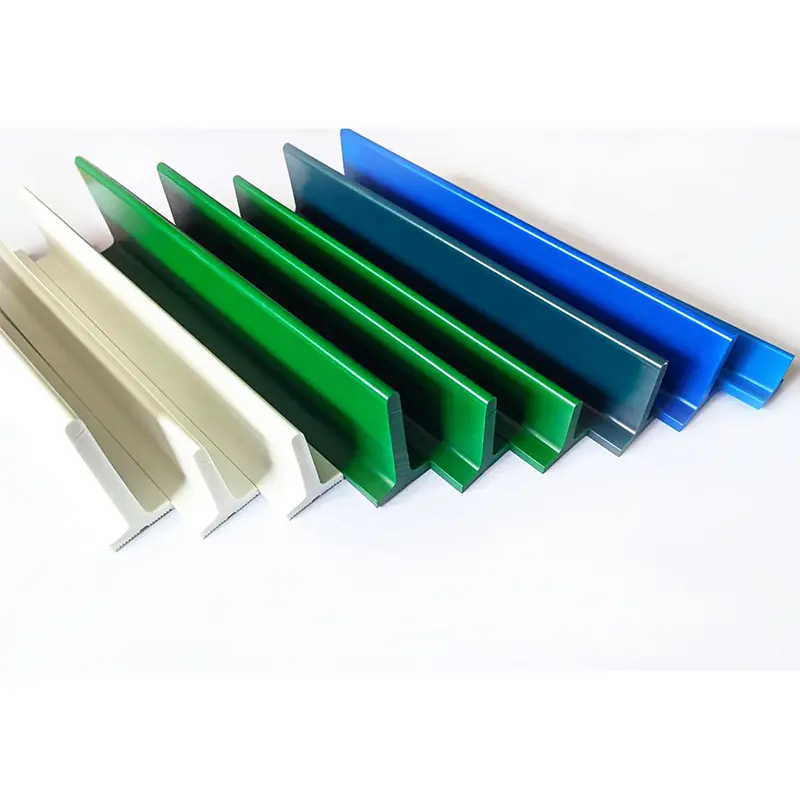
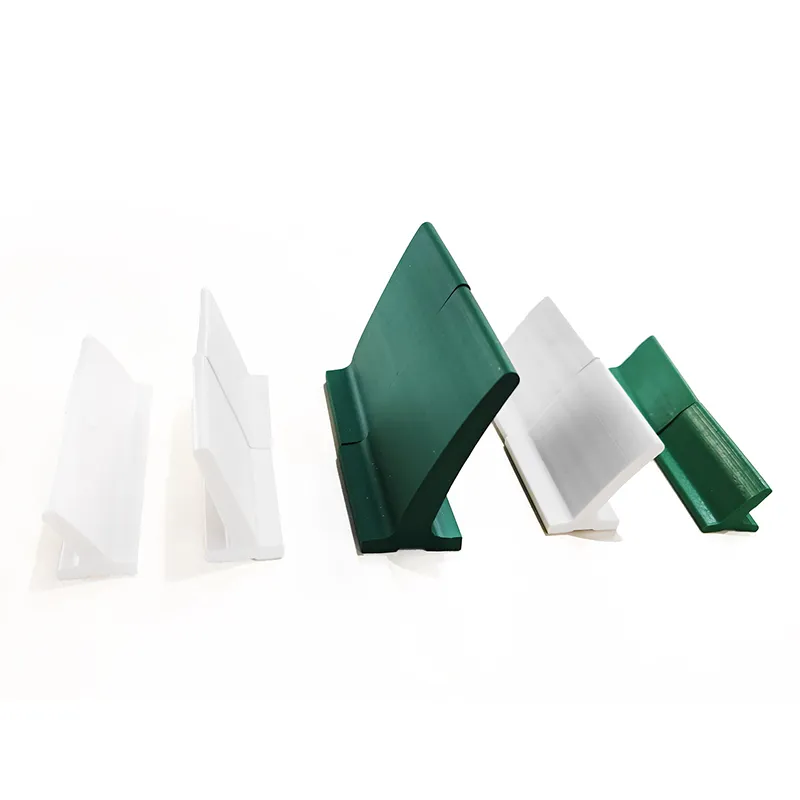
For moderate inclines from approximately 18° to 40°, T-type cleats provide reliable anti-backflow support. For higher inclination applications from 40° to 60°, C-type designs improve material holding performance through curved support. For steep-angle lifting from 60° to 90°, TC-type structures provide stronger stability during vertical transportation.
Adjusting Height and Spacing for Materials
Cleat height and spacing directly influence conveying capacity and material retention. SHUNNAI customizes cleat dimensions according to particle size, material weight, belt speed and throughput requirements.
Proper spacing ensures that each pocket carries the designed load without overloading the belt structure or reducing discharge efficiency.
Material Selection for Different Conditions
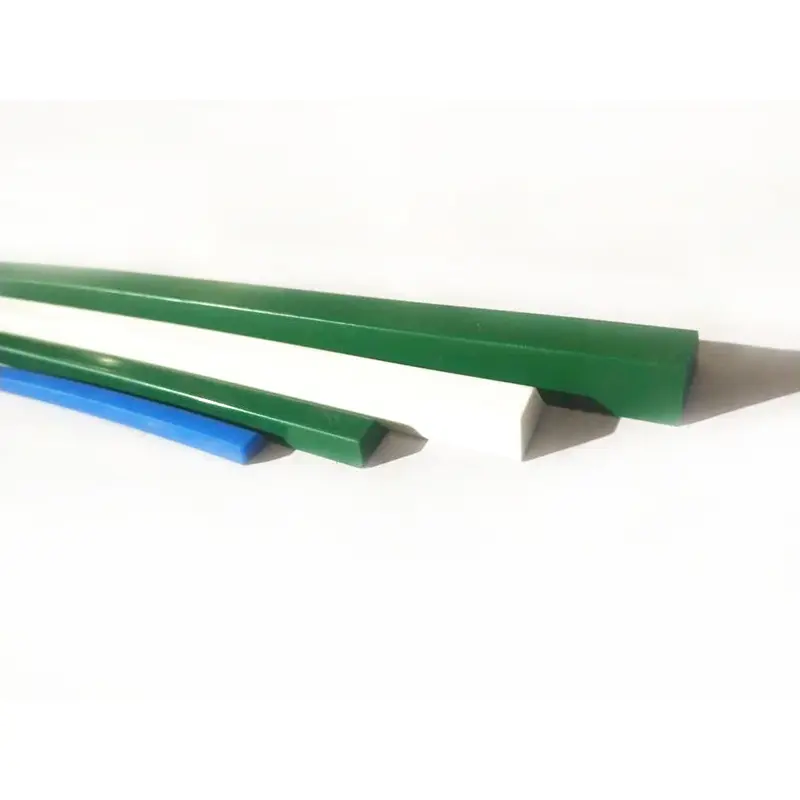
PVC Cleats for Chemical and Industrial Materials
PVC straight cleats provide good corrosion resistance, moisture resistance and dimensional stability. They are suitable for fertilizer, chemical granules and other industrial materials where resistance to acid, alkali and humidity is required.
The smooth PVC surface also helps reduce material adhesion, supporting cleaner discharge during continuous operation.
PU Cleats for Food and Clean Production
Food-grade PU straight cleats are designed for applications requiring hygiene performance and safe material contact. With FDA certification support, PU cleats provide oil resistance, wear resistance and good stability under repeated cleaning conditions.
They are widely used for food ingredients, pharmaceutical materials and automated clean production lines requiring reliable conveying performance.
Application Fields
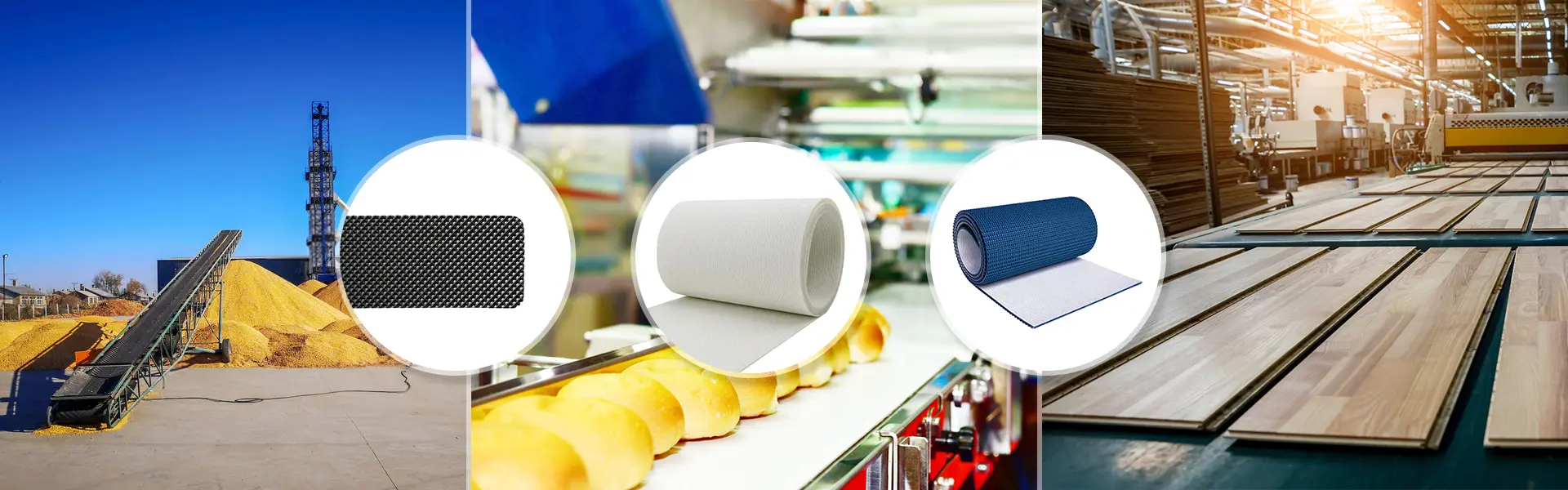
Grain and Agricultural Material Handling
Grain transportation often requires stable lifting without damaging materials. SHUNNAI straight cleats divide grain into separate conveying sections, reducing rolling and impact during elevation.
For grain drying towers, storage facilities and agricultural processing lines, PU cleats provide smooth contact surfaces that help reduce material breakage while maintaining reliable lifting performance.
Fertilizer and Chemical Conveying
Fertilizer and chemical granules may have special requirements for corrosion resistance and material release. PVC straight cleats provide stable performance in humid and chemically challenging environments.
The structured pocket design helps prevent material accumulation and improves conveying consistency during long-distance or high-angle transportation.
Food Ingredient and Pharmaceutical Material Transfer
In food and pharmaceutical production, accurate feeding and hygienic transportation are important requirements. Food-grade PU cleats provide a smooth and easy-to-clean conveying surface suitable for powder, granule and ingredient transfer.
The stable pocket structure helps maintain controlled feeding performance in automated production systems.
Light Aggregate and Industrial Materials
For materials such as manufactured sand, fine gravel and other lightweight aggregates, SHUNNAI straight cleats provide sufficient mechanical support for incline conveying while reducing material loss.
Customer Application Examples
Grain Storage Project in Hebei
A national grain reserve in Hebei: Converting a bucket elevator to a 35° corrugated sidewall belt with SHUNNAI 65° angled cleats reduced corn breakage, nearly eliminated spillage, and the cleats remained intact after more than one year of operation.
Stable Food Ingredient Conveying
A food ingredient processing line required reliable vertical transfer between production floors. After adopting SHUNNAI PU cleat solutions, the conveying process achieved more stable feeding performance and improved material handling consistency.
Reliable Bonding Technology
Integral Vulcanization for Heavy Applications
For demanding industrial environments, SHUNNAI uses integral vulcanization technology to combine cleats and belt body into one strong structure. During the high-temperature and high-pressure vulcanization process, the rubber or polymer materials form a strong molecular connection.
This method provides excellent resistance against pulling force, impact and repeated operation, making it suitable for heavy-duty conveying systems with frequent loading cycles.
Heat Fusion for PU and PVC Belts
For lightweight PU and PVC conveyor belts, SHUNNAI applies high-frequency heat fusion technology. The cleats are firmly welded onto the belt surface while maintaining flexibility around pulleys.
This process creates a smooth connection area and reduces the risk of cracking, separation or detachment during long-term operation.
Installation Accuracy and Quality Control
Precise Cleat Alignment
The position and alignment of straight cleats directly affect material stability. SHUNNAI ensures cleats are installed perpendicular to the belt running direction, creating evenly sized pockets together with sidewalls.
Accurate alignment prevents material shifting, uneven loading and unnecessary stress on the belt structure.
Bond Strength Inspection
Before shipment, SHUNNAI performs visual inspection, hardness testing, dimensional verification and bonding strength checks on straight cleat conveyor belts.
Through strict production control, every PU PVC Conveyor Belt with Straight Cleats is evaluated to ensure reliable attachment performance and stable operation after installation.
Quality Certification and Manufacturing Standards
Professional Conveyor Belt Manufacturing System
Tianjin Shunnai Conveyor Belt Manufacturing Co., Ltd. follows GB/T 19001-2016/ISO 9001:2015 quality management standards. From raw material selection to final inspection, SHUNNAI controls each production step to ensure consistent product quality.
Industry Certification Support
According to different application requirements, SHUNNAI products are available with FDA, MA and CNAS certification support. These certifications help customers meet the requirements of food processing, pharmaceutical production and industrial applications.
Why Choose Tianjin Shunnai Straight Cleats?
Engineering-Based Conveyor Solutions
Different bulk materials have different characteristics, including particle size, density, moisture content and flow behavior. SHUNNAI does not provide a standard cleat configuration for every project but evaluates each application according to actual conveying conditions.
Stable Performance for Long-Term Operation
A reliable cleat conveyor belt requires not only proper design but also strong attachment and suitable material selection. SHUNNAI combines manufacturing experience with strict inspection procedures to provide stable solutions for continuous conveying applications.
Customized Production Capability
SHUNNAI provides customized solutions including belt width, cleat height, cleat spacing, sidewall combination, material selection and bonding method. Customers can provide conveyor drawings, material information and working conditions for technical evaluation.
FAQ
What is a PU PVC Conveyor Belt with Straight Cleats used for?
A PU PVC Conveyor Belt with Straight Cleats is mainly used for steep-angle and vertical conveying of bulk materials. The straight cleats create supporting sections on the belt surface to prevent materials from sliding backward during lifting.
How do straight cleats prevent material backflow?
Straight cleats provide physical support underneath the conveyed material. When the belt moves upward, the cleats block downward movement caused by gravity, keeping materials inside each conveying section.
What is the maximum conveying angle for straight cleat belts?
The achievable conveying angle depends on material characteristics, belt design, cleat height and sidewall structure. With suitable configuration, straight cleat conveyor belts can support applications from approximately 30° to 90° and some vertical conveying conditions.
What is the difference between straight cleats and angled cleats?
Straight cleats are mainly designed for material lifting and creating carrying pockets on steep-angle conveyors. Angled cleats are more suitable for material direction control, diverting and specific anti-slip applications.
How do I choose the correct cleat height?
Cleat height should be selected according to material size, loading volume, conveying angle and belt speed. SHUNNAI engineers can recommend suitable dimensions based on actual operating requirements.
Can the cleats be customized according to my conveyor design?
Yes. SHUNNAI provides customization for cleat height, spacing, thickness, material, belt width and attachment method according to customer drawings and application conditions.
Which material is better, PU or PVC straight cleats?
PU straight cleats are preferred for food, pharmaceutical and applications requiring hygiene and wear resistance. PVC straight cleats are suitable for industrial environments requiring corrosion resistance and cost efficiency.
Will the cleats detach during long-term operation?
SHUNNAI uses integral vulcanization and heat fusion technologies to improve bonding strength. Each belt undergoes bonding inspection to reduce the risk of cleat separation during operation.
Are SHUNNAI straight cleats suitable for food processing?
Yes. Food-grade PU cleats with FDA certification support are suitable for food ingredient conveying, clean production lines and applications requiring hygienic material contact.
What certifications does SHUNNAI provide?
SHUNNAI operates according to GB/T 19001-2016/ISO 9001:2015 quality management standards and provides products with FDA, MA and CNAS certification support according to customer requirements.
How can I select the right straight cleat conveyor belt?
Customers can provide material type, particle size, conveying angle, belt speed, capacity requirements and working environment. SHUNNAI technical engineers will recommend a suitable belt structure and cleat configuration.
Send Inquiry
Contact Info
-
Address
No.129 Qingfeng Road, Jizhou District, Tianjin City, China
-
Tel
-
Email
If you have any inquiry about a quotation or cooperation, please feel free to email or use the following inquiry form. Our sales representative will contact you within 24 hours.
Related Products
News Recommendations