EPDM Conveyor Belt
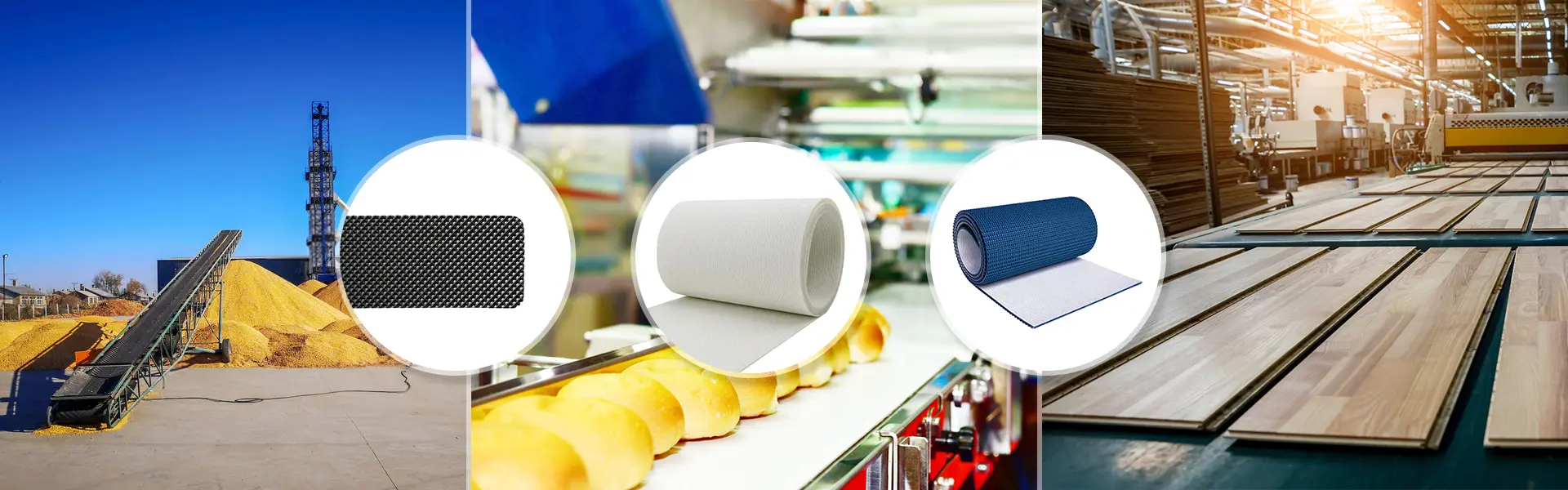
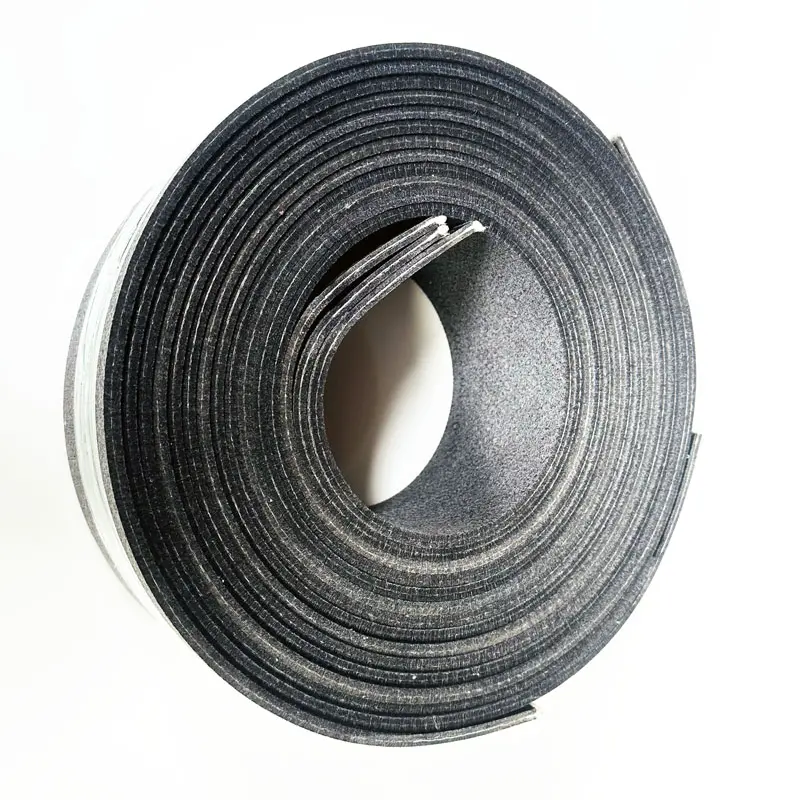
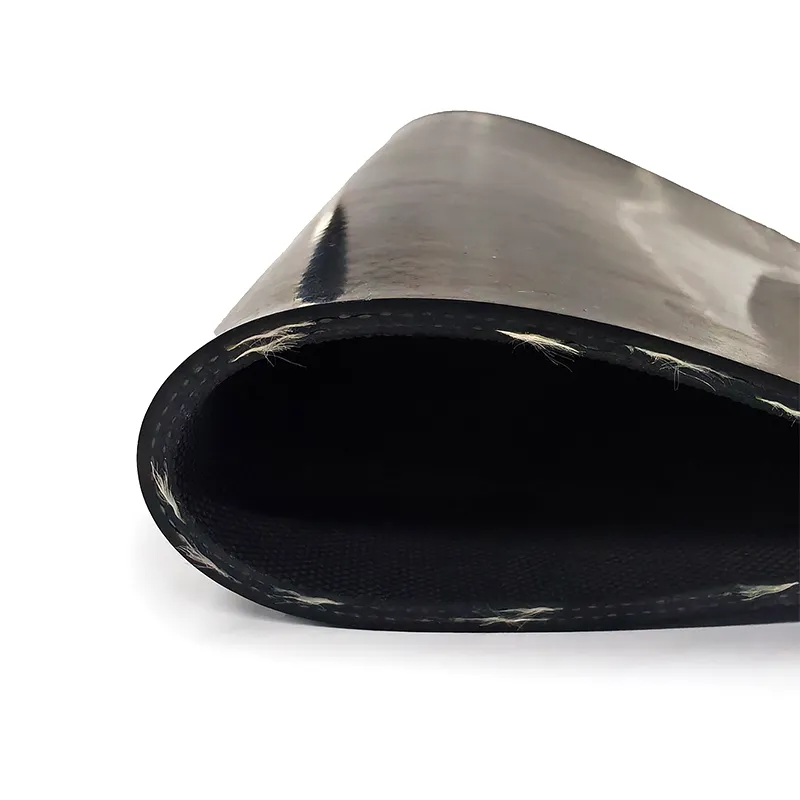
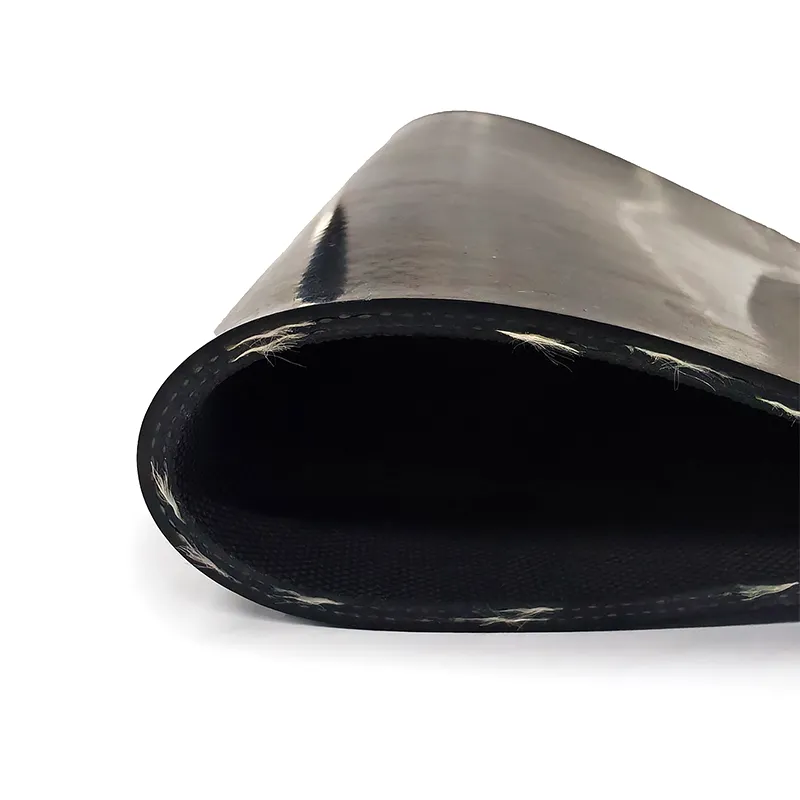
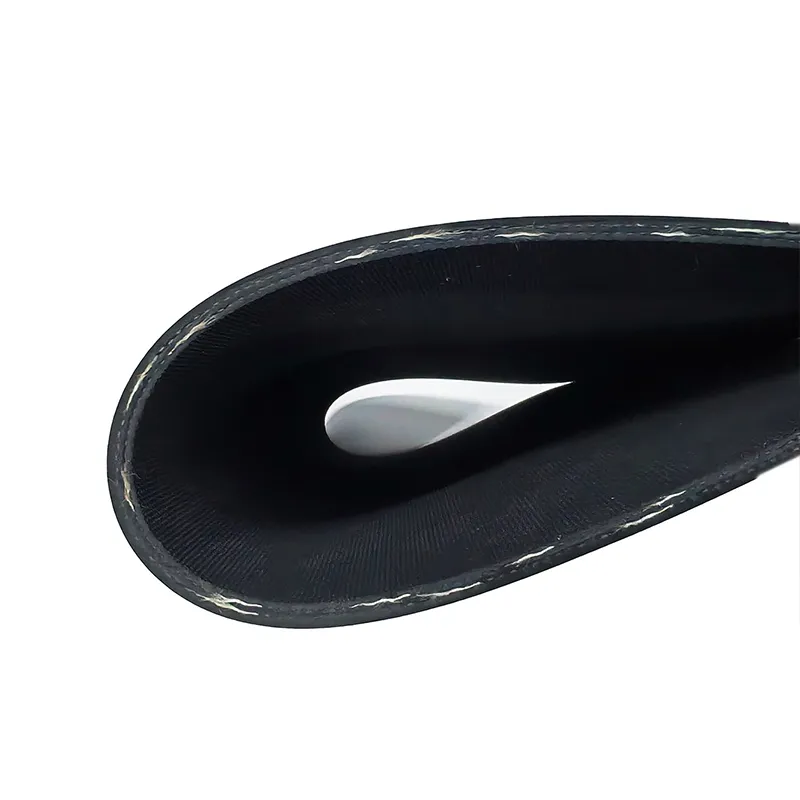
SHUNNAI EPDM Conveyor Belt is developed for harsh conveying environments where ordinary rubber belts struggle with cracking, heat aging and chemical exposure. Featuring weather-resistant EPDM rubber covers and high-strength polyester or aramid reinforcement, it provides stable operation in outdoor, high-temperature, humid and corrosive applications.
1.Wide temperature range
2.Chemical resistant
3.Excellent electrical insulation
2.Chemical resistant
3.Excellent electrical insulation
SHUNNAI EPDM Conveyor Belt is engineered for these demanding conditions, combining specially formulated EPDM rubber covers with high-strength EP fabric or aramid reinforcement to maintain stable conveying performance in extreme environments. Unlike ordinary rubber belts that may crack under ozone, soften under heat or deteriorate in corrosive atmospheres, EPDM material provides excellent resistance to weathering, oxidation, steam and many acidic or alkaline media.
Why Ordinary Rubber Fails Outdoors
Outdoor conveyor belts continuously face sunlight, ozone, temperature changes and moisture. These factors gradually attack the rubber molecular structure, causing surface cracking, hardening and loss of elasticity. Once cracks appear, water and contaminants can penetrate into the carcass, leading to fabric separation and unexpected belt failure.
SHUNNAI EPDM Conveyor Belt uses EPDM rubber with a saturated molecular structure, which naturally reduces ozone and oxidation damage. The belt maintains flexibility and surface integrity during long-term outdoor operation, making it suitable for open-pit mines, port terminals, coal storage yards and other exposed conveying systems where maintenance access is difficult.
Temperature Adaptability
Many industries operate across large temperature variations, from freezing outdoor environments in winter to high-temperature material transfer areas. SHUNNAI EPDM Conveyor Belt maintains flexibility at low temperatures and resists softening during continuous heat exposure.
The belt can operate approximately from -50°C to 150°C depending on structure and application conditions, with short-term temperature resistance exceeding 200°C in suitable designs. High-temperature EP fabric or aramid reinforcement can be selected to maintain tensile stability and reduce elongation during thermal cycling.
Chemical Environment Matching
In fertilizer plants, wastewater treatment facilities and chemical production lines, conveyor belts may contact acidic solutions, alkaline materials, steam and hot water. Incorrect rubber selection can result in swelling, surface damage or layer separation.
EPDM provides excellent resistance against many polar chemical substances, including diluted acids, alkalis, alcohols and steam. SHUNNAI evaluates the actual conveying medium before recommending EPDM because the material is not suitable for petroleum oils, fuel oils or hydrocarbon solvents. This selection process helps customers avoid premature failure caused by material incompatibility.
Structure Design for Long Operation
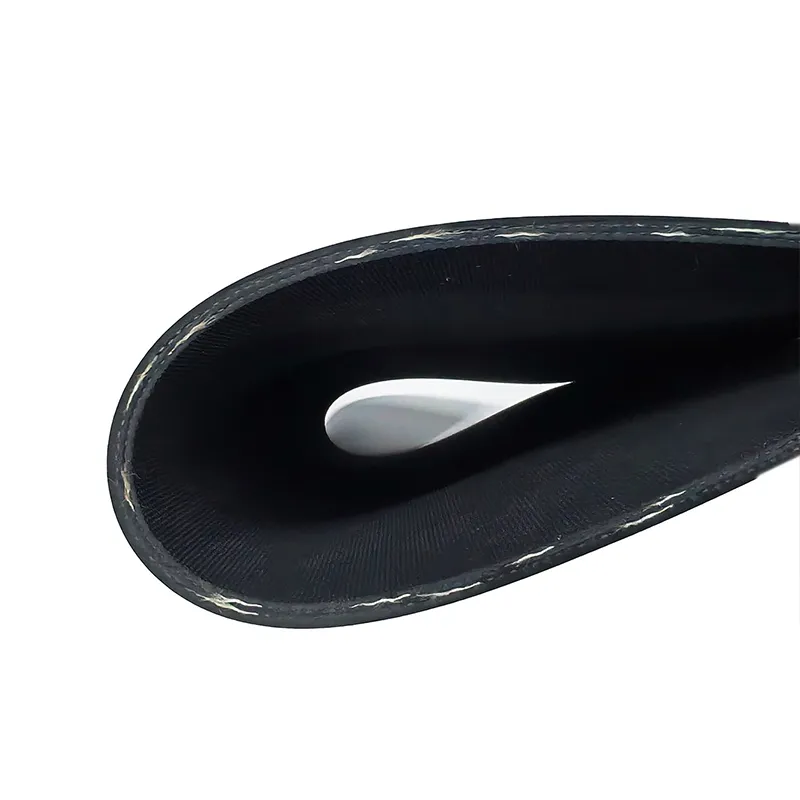
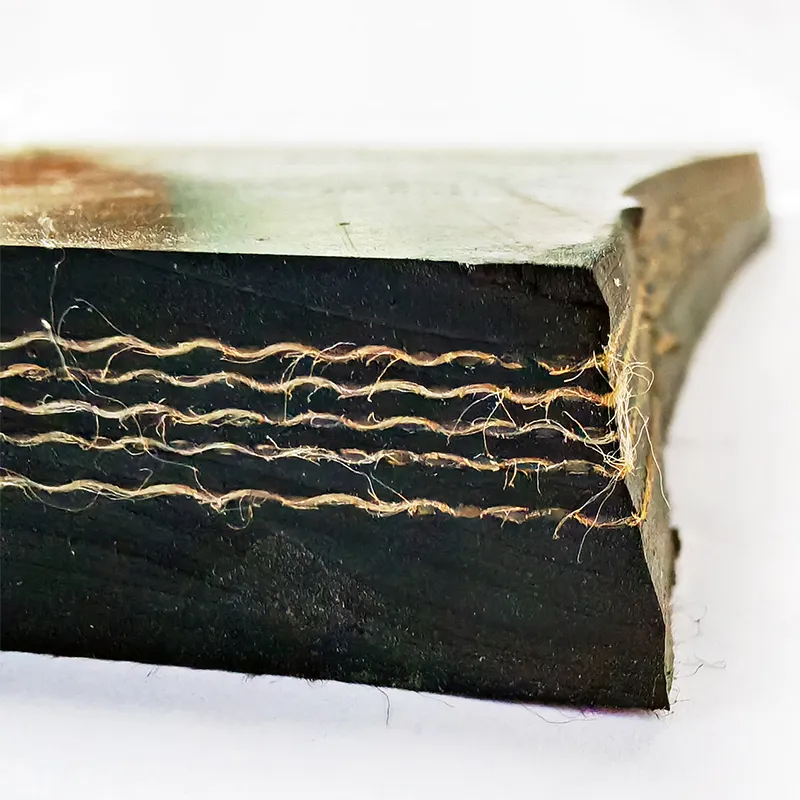
The service life of a conveyor belt depends not only on rubber performance but also on the bonding quality between cover rubber and reinforcement layers. SHUNNAI uses controlled high-temperature vulcanization to combine EPDM covers with polyester canvas or aramid carcasses, creating strong adhesion between layers.
This structure provides stable tensile strength, good impact resistance and reduced risk of delamination during repeated loading, bending and starting cycles. For long-distance conveying systems, the optimized carcass design helps reduce frequent tension adjustment and maintenance downtime.
Industrial Applications
In power generation facilities, SHUNNAI EPDM Conveyor Belt is used for outdoor coal transportation and wet desulfurization material handling. The weather-resistant rubber cover helps prevent cracking caused by sunlight, rain and seasonal temperature changes.
In cement and building material plants, EPDM belts are suitable for clinker, slag and hot material conveying. The heat-resistant cover maintains physical stability when exposed to elevated temperatures and abrasive materials.
In chemical and environmental industries, EPDM belts support fertilizer granule conveying, wastewater treatment systems and corrosive material transfer where resistance to moisture and chemical exposure is required.
In food drying and specialty processing applications, customized food-contact EPDM formulations are available for suitable temperature-controlled conveying environments with FDA-related compliance requirements.
Material Selection Guide
Choosing the correct rubber compound is critical for conveyor reliability. EPDM is recommended for applications involving outdoor exposure, ozone, steam, hot water, acidic or alkaline environments and oil-free high-temperature conveying.
For applications involving mineral oil, hydraulic oil, fuel or petroleum-based solvents, SHUNNAI recommends alternative rubber materials such as NBR or other oil-resistant compounds. The technical team evaluates temperature, material characteristics, operating environment and service requirements before confirming the most suitable belt structure.
Customization Service
SHUNNAI EPDM Conveyor Belt solutions are customized according to actual operating conditions. Customers can provide belt width, length, material temperature, chemical contact type, conveying distance, loading condition and required service life.
The SHUNNAI engineering team selects suitable cover thickness, reinforcement layer, belt strength grade and splice method. Customized options include flame-retardant performance, anti-static treatment, special carcass structures and different rubber hardness levels for specific industries.
User Applications
1. A power plant coal conveying project
Outdoor conveyor lines experienced frequent rubber cracking due to strong sunlight and seasonal temperature changes. After applying SHUNNAI EPDM belts, the belt surface maintained good flexibility and aging resistance during long-term operation.
2. A cement production facility
High-temperature clinker transportation required improved heat resistance. SHUNNAI EPDM belt with reinforced carcass structure reduced replacement frequency and maintained stable conveying performance.
3. A chemical material factory
The previous belt showed swelling and surface damage in wet chemical conditions. After selecting SHUNNAI EPDM based on medium compatibility analysis, the conveying system achieved more reliable operation.
Quality Control
SHUNNAI controls EPDM belt quality from rubber formulation, reinforcement selection, vulcanization process and final inspection. Each production batch is evaluated through appearance inspection, adhesion testing, dimensional checks and performance verification.
With GB/T 19001-2016/ISO 9001:2015 quality management certification and professional testing capabilities supported by FDA, MA and CNAS related certification systems, SHUNNAI provides dependable conveyor belt solutions for demanding industrial environments.
Why EPDM Selection Matters
Selecting an EPDM belt is not only about choosing a heat-resistant rubber material. The real challenge is matching rubber formulation, reinforcement structure and operating conditions correctly. SHUNNAI focuses on analyzing each application before production, helping customers avoid problems such as cracking, swelling, delamination and unexpected downtime.
From outdoor mining conveyors to high-temperature industrial transfer systems, SHUNNAI provides EPDM solutions designed for stable operation, reduced maintenance requirements and longer service intervals.
FAQ
What makes EPDM Conveyor Belt different from ordinary rubber conveyor belts?
The Conveyor Belt uses ethylene-propylene-diene rubber as the main cover material. Compared with conventional rubber belts such as natural rubber or SBR, EPDM provides significantly better resistance to ozone, UV radiation, weather aging, steam and many chemical environments. This makes it more suitable for outdoor conveying, high-temperature applications and corrosive working conditions where ordinary rubber belts may crack or deteriorate faster.
Can the Belt be used for outdoor applications?
Yes. EPDM is one of the preferred rubber materials for outdoor conveyor systems because of its excellent resistance to ozone, sunlight and weather changes. SHUNNAI EPDM belts are commonly used in open-air coal yards, mining areas, ports and power plants where belts are exposed to rain, UV radiation and seasonal temperature fluctuations.
What temperature range can an EPDM conveyor belt handle?
The operating temperature of SHUNNAI Belt depends on belt structure, rubber formulation and application conditions. Standard designs generally work from approximately -50°C to 150°C, with short-term exposure to higher temperatures possible in specially designed structures. For cement clinker, hot material transfer or drying applications, SHUNNAI selects suitable cover thickness and reinforcement layers according to actual temperature requirements.
Is EPDM resistant to chemicals?
EPDM has excellent resistance to many polar chemicals, including diluted acids, alkalis, alcohols, hot water and steam. It is widely used in fertilizer plants, wastewater treatment systems and chemical processing environments. However, EPDM is not recommended for contact with mineral oils, fuel oils or hydrocarbon solvents because these substances may cause rubber swelling or performance loss.
Can EPDM conveyor belts replace NBR conveyor belts?
EPDM and NBR are designed for different working conditions. EPDM is preferred for outdoor exposure, ozone resistance, steam, hot water and chemical environments. NBR generally provides better resistance to petroleum oils and oil-based materials. SHUNNAI recommends selecting the belt material according to the actual conveying medium rather than replacing one material with another directly.
What reinforcement materials are available for EPDM belts?
SHUNNAI EPDM belts can be manufactured with polyester fabric (EP canvas) for general industrial applications or aramid reinforcement for higher strength and demanding conveying conditions. The reinforcement structure is selected according to belt length, loading capacity, impact level and operating temperature.
How does SHUNNAI ensure EPDM belt quality?
SHUNNAI controls the complete manufacturing process, including rubber formulation, fabric bonding, vulcanization and final inspection. Each batch is checked for appearance quality, dimensional accuracy, adhesion performance and structural stability. Production follows GB/T 19001-2016/ISO 9001:2015 quality management requirements, supported by FDA, MA and CNAS related certification capabilities.
What information should customers provide when ordering an EPDM conveyor belt?
To recommend the correct EPDM belt structure, customers should provide conveying material type, temperature, chemical exposure conditions, indoor or outdoor environment, belt width, length, speed, loading capacity and required service life. SHUNNAI engineers use this information to select rubber formulation, cover thickness, carcass type and splice method.
Send Inquiry
Contact Info
-
Address
No.129 Qingfeng Road, Jizhou District, Tianjin City, China
-
Tel
-
Email
If you have any inquiry about a quotation or cooperation, please feel free to email or use the following inquiry form. Our sales representative will contact you within 24 hours.
Related Products
News Recommendations