PU PVC Conveyor Belt with Angled Cleats
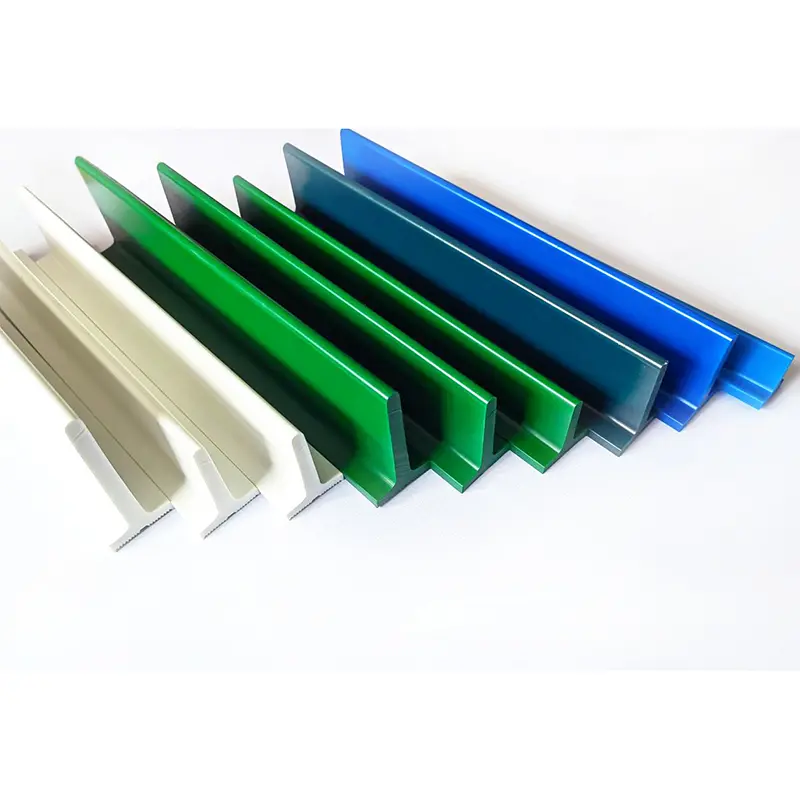
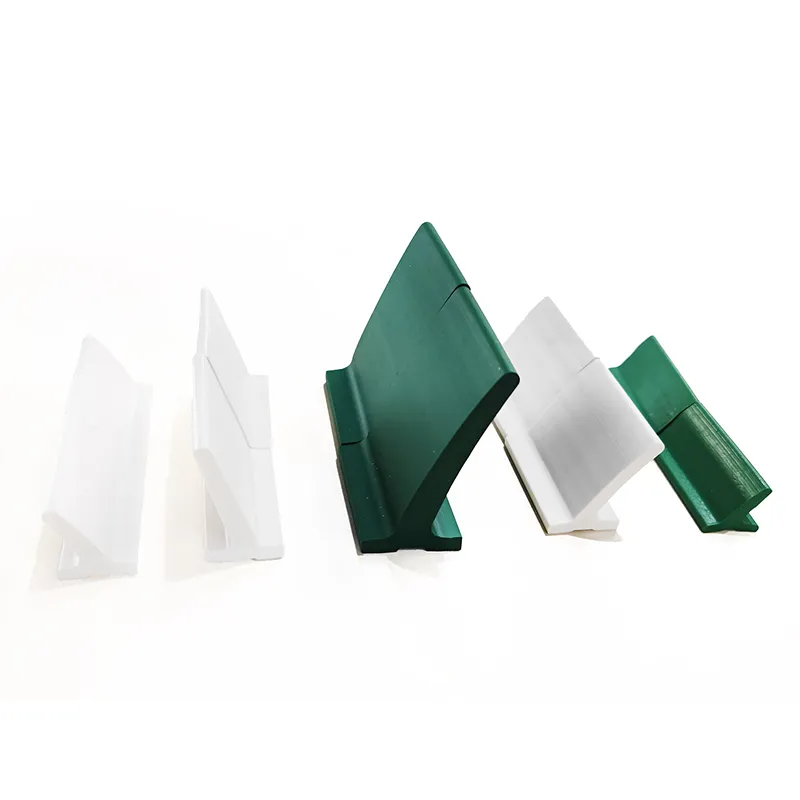
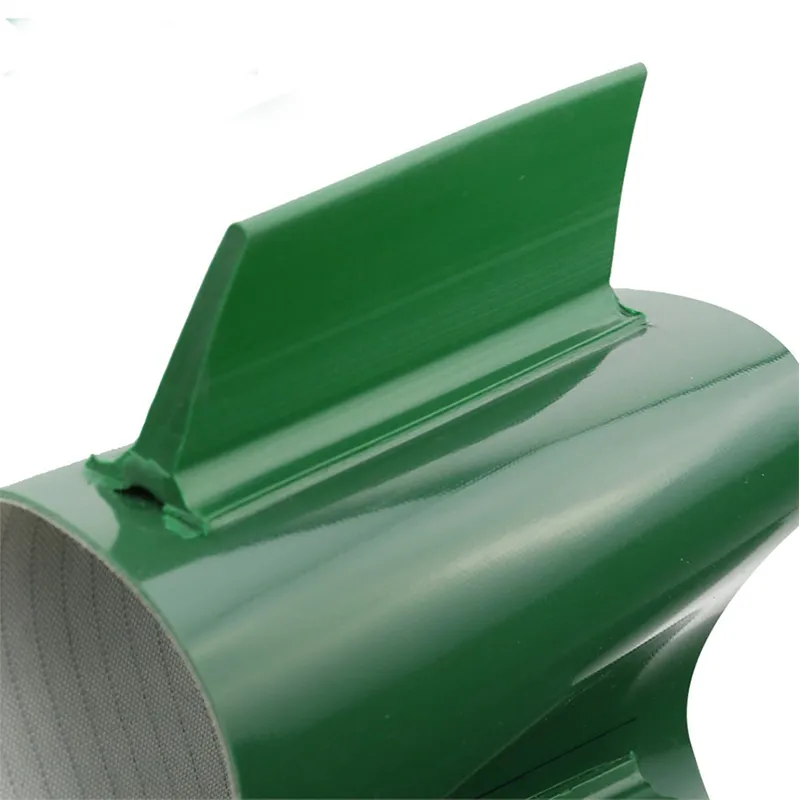
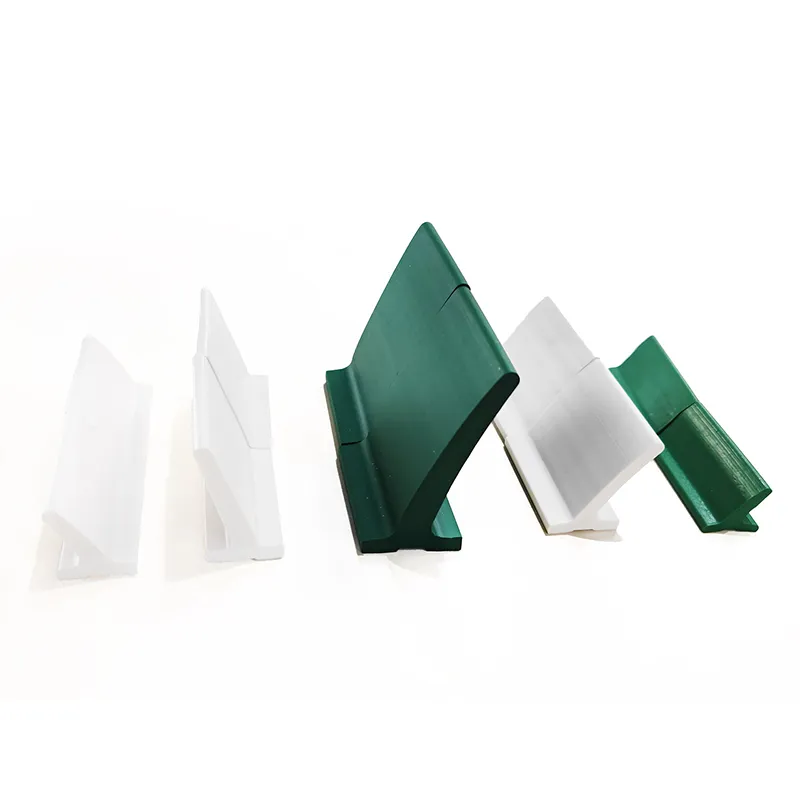
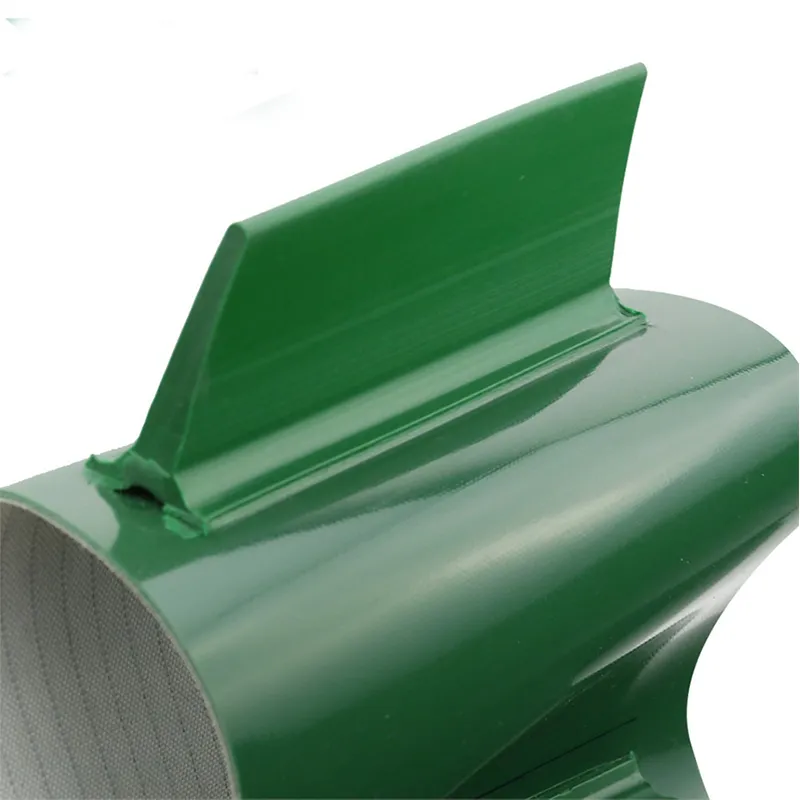
SHUNNAI PU PVC Conveyor Belt with Angled Cleats is designed for conveying systems that require material direction control, smooth dividing, merging and stable incline transportation. Unlike traditional perpendicular cleats, angled cleats are installed at a specific inclination angle to create progressive pushing force on horizontal sections and supporting force on lifting sections.
1.Significant slip prevention on inclines
2.Power‑free diverting/merging
3.Customizable angle & height
2.Power‑free diverting/merging
3.Customizable angle & height
SHUNNAI PU PVC Conveyor Belt with Angled Cleats provides a simple mechanical solution by using specially positioned cleats to guide and support materials during transportation. The angled structure allows materials to move smoothly while reducing impact, blockage and backflow problems.
Solving Material Flow Challenges
Reducing Product Blocking During Direction Change
When one conveyor line needs to split into multiple directions or several lines need to merge into one, uncontrolled material movement may cause accumulation, collision or product damage. Angled cleats create a gradual guiding force instead of sudden impact, allowing products to move naturally along the required path.
This structure is suitable for applications where product appearance and positioning accuracy are important, such as snack food packaging, sorting lines and automated production systems.
Improving Stability on Incline Conveying
Incline conveying creates challenges because gravity continuously pulls materials backward. Without sufficient support, products may slide down, reducing conveying efficiency and increasing spillage.
The angled cleats provide upward supporting surfaces that hold materials during lifting. By converting gravity into contact pressure between the product and cleat surface, the conveyor can achieve more stable transportation at higher inclination angles.
Cleat Angle Design
Choosing the Right Angle for Material Behavior
The angle of the cleat directly affects material movement performance. Different materials require different supporting and guiding forces depending on size, weight, shape and surface characteristics.
For free-flowing granular materials, smaller angles such as 60°-65° provide stronger guiding action. For larger or sticky materials, 70°-80° angles help reduce compression and improve release performance. For lifting applications, 65°-70° is commonly selected to balance support and conveying efficiency.
Balance Between Guidance and Material Protection
A properly designed angled cleat does not simply increase friction. Instead, it creates controlled contact between the belt and transported materials. This reduces sudden impact and helps protect fragile products from crushing or deformation.
For industries handling food, agricultural products or lightweight components, this controlled movement can improve conveying consistency and reduce product loss.
Flexible Conveying Solutions
Dividing and Combining Conveyor Lines
In automated production systems, one conveyor often needs to distribute materials to different stations or combine products from multiple lines. SHUNNAI angled cleats provide directional guidance without requiring additional powered diverter mechanisms.
The physical guiding action simplifies conveyor design, reduces potential failure points and helps maintain stable material flow during continuous operation.
Steep Angle Lifting Applications
For grain elevators, aggregate transportation and waste handling systems, stable lifting performance is essential. Angled cleats support materials from below and reduce backward movement caused by gravity.
Field applications show that optimized angled cleat designs can increase effective conveying angles by 5°-10% while significantly reducing material spillage.
Cleat Configuration Selection
Height and Spacing According to Material Size
Cleat height and spacing should be selected according to the transported material characteristics and conveying angle. SHUNNAI commonly provides cleat heights from 30mm to 100mm and adjusts spacing based on product size, loading capacity and belt speed.
For steep-angle conveying, cleat height should generally exceed the average material thickness to provide sufficient support during lifting.
Customized Design for Equipment Matching
Every conveyor system has different operating conditions. SHUNNAI provides customized solutions based on belt width, speed, incline angle, material type and conveying requirements.
Customers can specify cleat angle, height, spacing and installation position. The engineering team evaluates the application and recommends a suitable design before production.
Material Options for Different Industries
Food Grade PU for Hygienic Production
Food processing environments require conveyor materials with excellent hygiene performance, durability and cleaning resistance. SHUNNAI food-grade PU angled cleats provide a smooth surface, good wear resistance, oil resistance and hydrolysis resistance, making them suitable for applications involving frequent washing and direct food handling requirements.
With FDA certification support, PU solutions are commonly selected for snack food production, bakery lines, fresh produce processing and pharmaceutical-related conveying systems where safety and cleanliness are important.
PVC Solution for Economical Industrial Conveying
PVC angled cleats provide a cost-effective option for general industrial applications. They offer good flexibility, moisture resistance and corrosion resistance, making them suitable for packaging, grain transportation, chemical handling and other standard conveying environments.
According to working temperature, transported materials and operating conditions, SHUNNAI can recommend suitable PU or PVC materials to achieve a balance between performance and cost.
Reliable Cleat Attachment
High-Frequency Heat Fusion Connection
For PU and PVC conveyor belts, SHUNNAI uses high-frequency heat fusion technology to connect angled cleats with the belt surface. The bonding process creates a strong connection between the cleat and belt body while maintaining a smooth transition.
This method reduces the risk of cleat separation during continuous operation and helps maintain stable conveying performance in high-speed production lines.
Integral Hot Vulcanization for Heavy Duty Belts
For heavy-duty applications requiring higher impact resistance, SHUNNAI applies integral hot vulcanization technology. During the vulcanization process, the cleats and belt body form a strong integrated structure through high temperature and pressure.
This solution is suitable for demanding environments such as grain handling, industrial material transfer and continuous heavy-load conveying.
Field Application Examples
Stable Grain Lifting Performance
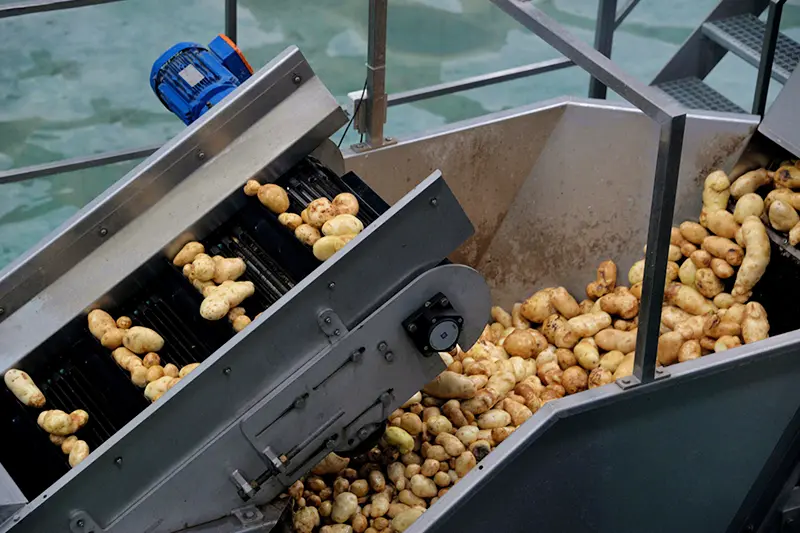
A national grain reserve in Hebei: Converting a bucket elevator to a 35° corrugated sidewall belt with SHUNNAI 65° angled cleats reduced corn breakage, nearly eliminated spillage, and the cleats remained intact after more than one year of operation.
Smooth Snack Food Line Distribution
A snack food factory in Sichuan: A main line dividing into three lines – switching to natural material diversion with angled cleats resulted in zero jams, reduced breakage, and uniform packaging feed.
Quality Control and Certification
Production Inspection Standards
SHUNNAI controls product quality through standardized production procedures, including raw material inspection, cleat dimension verification, bonding strength testing, belt surface inspection and final performance evaluation.
These quality control procedures help ensure that every PU PVC Conveyor Belt with Angled Cleats delivered to customers provides stable performance and reliable operation.
Certified Manufacturing Capability
Tianjin Shunnai Conveyor Belt Manufacturing Co., Ltd. follows GB/T 19001-2016/ISO 9001:2015 quality management standards. The company also provides products supported by FDA, MA and CNAS certifications according to different application requirements.
Through continuous improvement in material technology, manufacturing processes and quality management, SHUNNAI provides customized conveyor solutions for global customers.
Why Choose Tianjin Shunnai Angled Cleats?
One Structure for Multiple Conveying Challenges
SHUNNAI angled cleats combine directional guidance and incline support in one conveyor component. This helps customers simplify conveyor structures while reducing dependence on additional mechanical control systems.
Customized Parameters for Better Performance
Different materials require different conveying solutions. SHUNNAI adjusts cleat angle, height, spacing and material according to product characteristics, belt speed and conveyor design.
Technical Support from Design to Production
From initial parameter selection to final manufacturing, SHUNNAI provides engineering support to help customers select suitable cleat configurations. Customers can provide material type, belt speed, incline angle and conveying requirements for professional recommendations.
FAQ
What is the purpose of angled cleats on a conveyor belt?
Angled cleats are designed to control material movement during conveying. They help guide products during dividing or merging operations and provide additional support during incline transportation to reduce sliding and backflow.
What is the difference between angled cleats and standard straight cleats?
Standard straight cleats mainly provide vertical separation and lifting support, while angled cleats create directional guidance through an inclined structure. This allows them to support both material routing and incline conveying applications.
How does the angle of the cleat affect conveyor performance?
The cleat angle influences how materials contact the belt surface. Smaller angles provide stronger guiding force for free-flowing materials, while larger angles reduce compression for larger or sticky products. SHUNNAI selects suitable angles according to application requirements.
Can PU PVC Conveyor Belt with Angled Cleats be customized?
Yes. SHUNNAI provides customized solutions including cleat angle, height, spacing, material and belt specifications. The design can be adjusted according to conveyor structure and transported materials.
What cleat height is suitable for incline conveying?
The suitable cleat height depends on material size, conveying angle and loading requirements. Generally, the cleat height should be higher than the average material thickness to provide effective support during lifting.
Can angled cleats be used in food processing equipment?
Yes. SHUNNAI provides food-grade PU options with FDA certification. These belts are suitable for food production environments requiring hygiene, cleaning resistance and stable material transportation.
Will the cleats detach from the conveyor belt after long-term use?
SHUNNAI uses high-frequency heat fusion and integral hot vulcanization technologies to improve bonding reliability. Proper material selection and production inspection help ensure long-term attachment performance.
What industries commonly use conveyor belts with angled cleats?
These conveyor belts are widely used in snack food production, grain handling, packaging systems, logistics sorting, agricultural processing, industrial material transfer and automated conveying equipment.
What certifications does SHUNNAI provide?
SHUNNAI operates under GB/T 19001-2016/ISO 9001:2015 quality management standards and provides products supported by FDA, MA and CNAS certifications according to customer application requirements.
How can I select the right angled cleat conveyor belt for my machine?
Customers can provide belt width, speed, material characteristics, incline angle, working environment and conveying purpose. SHUNNAI engineers will evaluate the requirements and recommend a suitable configuration.
Send Inquiry
Contact Info
-
Address
No.129 Qingfeng Road, Jizhou District, Tianjin City, China
-
Tel
-
Email
If you have any inquiry about a quotation or cooperation, please feel free to email or use the following inquiry form. Our sales representative will contact you within 24 hours.
Related Products
News Recommendations