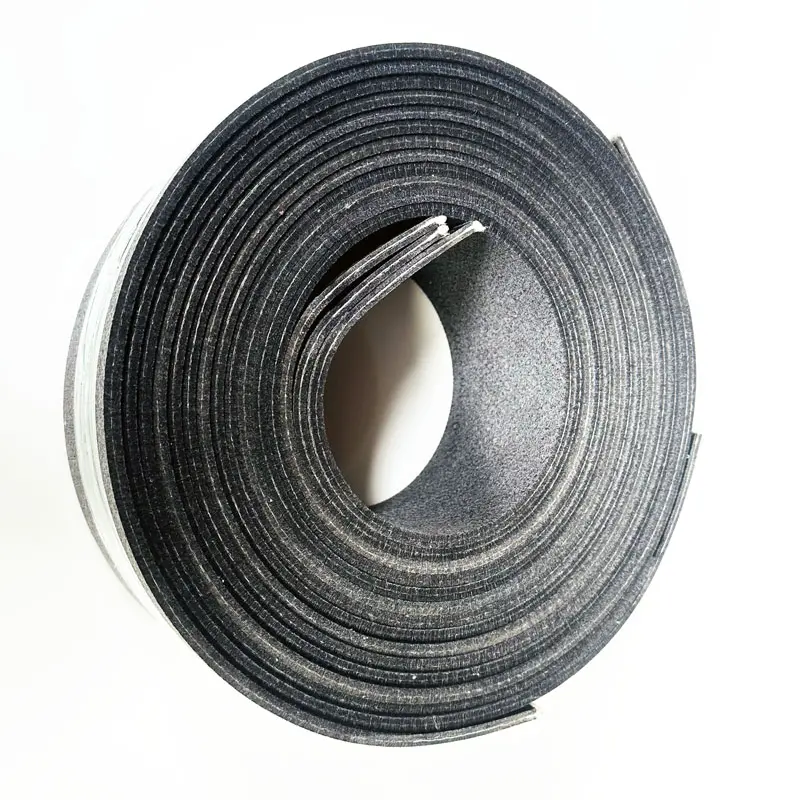
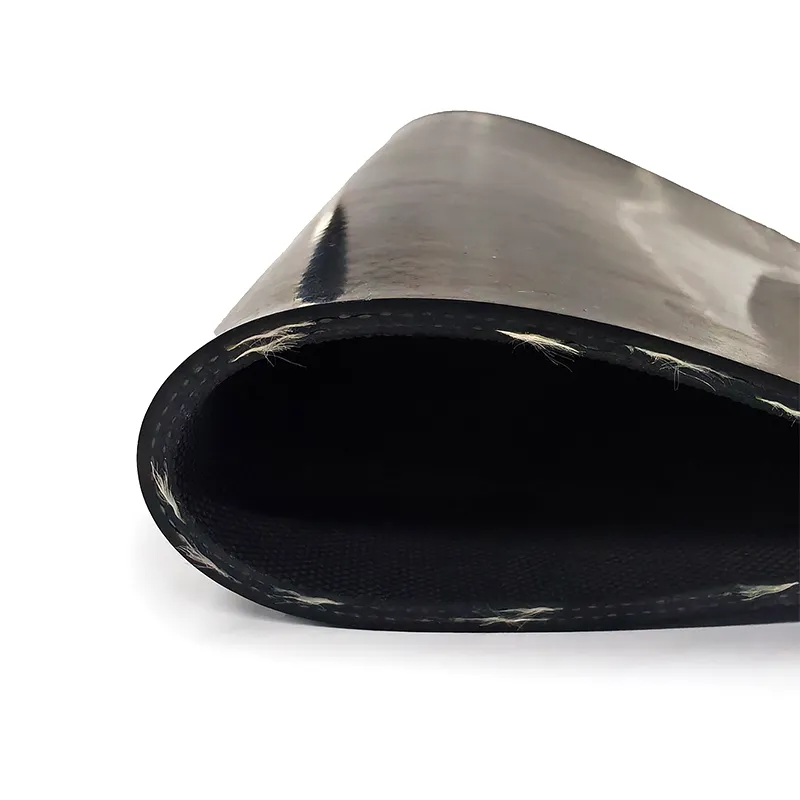
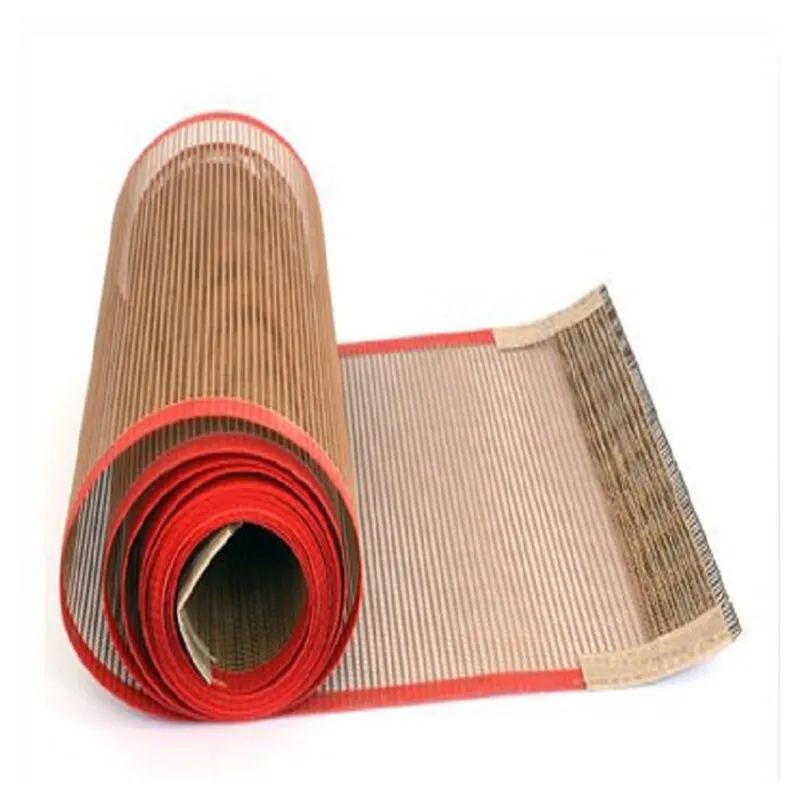
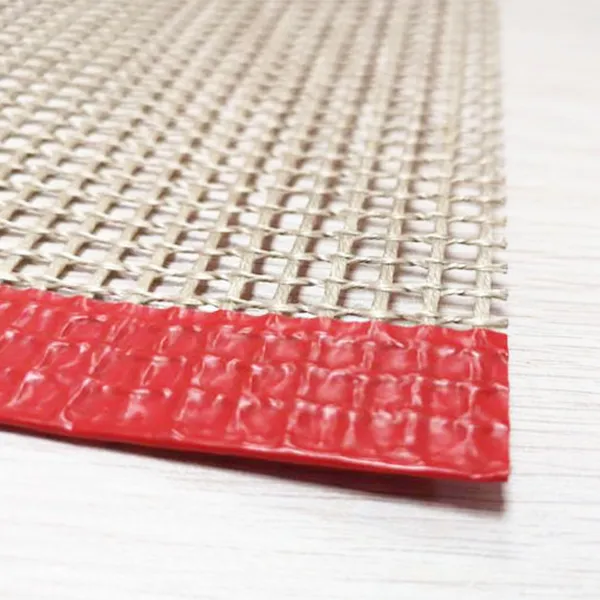
PTFE Mesh Conveyor Belt
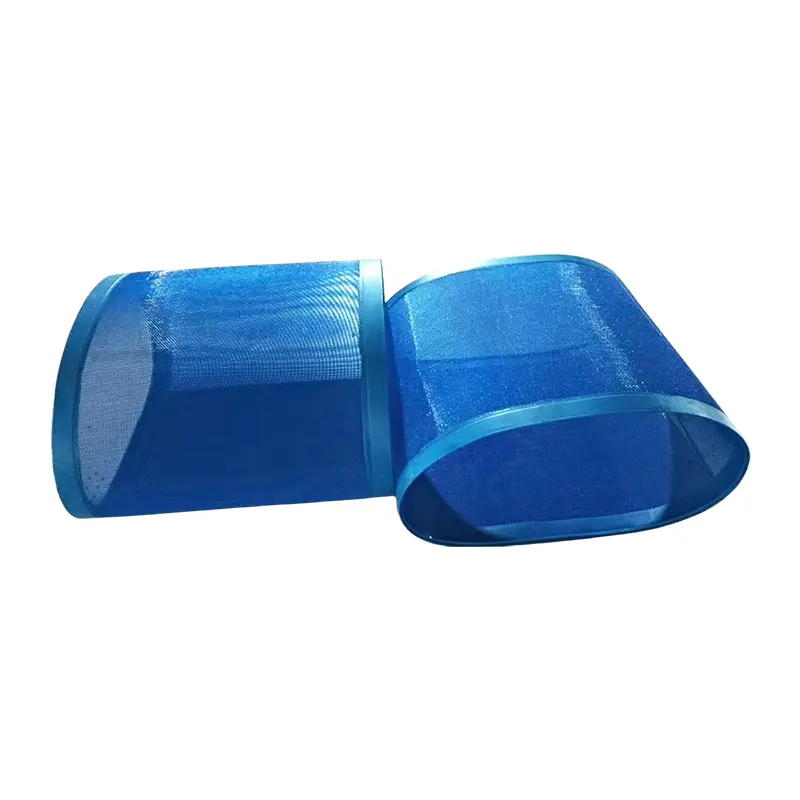
SHUNNAI PTFE Mesh Conveyor Belt is designed for high-temperature drying, baking, heat setting, and curing applications that require efficient airflow and a non-stick conveying surface. Made with PTFE-coated fiberglass mesh, it allows hot air to pass through the belt while providing resistance to heat and many chemicals.
Breathable
Non-Stick & Chemical-Resistant Solution for Drying
Baking & Curing
Non-Stick & Chemical-Resistant Solution for Drying
Baking & Curing
Tianjin Shunnai Conveyor Belt Manufacturing Co., Ltd. is a China-based manufacturer integrating R&D, design, production, and sales of specialty conveyor belts. With more than 15 years of industry experience, SHUNNAI supplies PTFE-coated fiberglass mesh belts for industrial drying, baking, heat setting, and curing processes. The open mesh construction supports hot-air circulation through the belt, while the PTFE coating provides a non-stick surface and resistance to many chemicals.
A PTFE mesh conveyor belt can be customized by mesh opening, weave pattern, color, belt dimensions, and splice configuration. Brown standard and black anti-static options are available for different operating requirements. SHUNNAI can also discuss guide strips and endless-loop construction to suit compatible domestic and imported drying equipment.
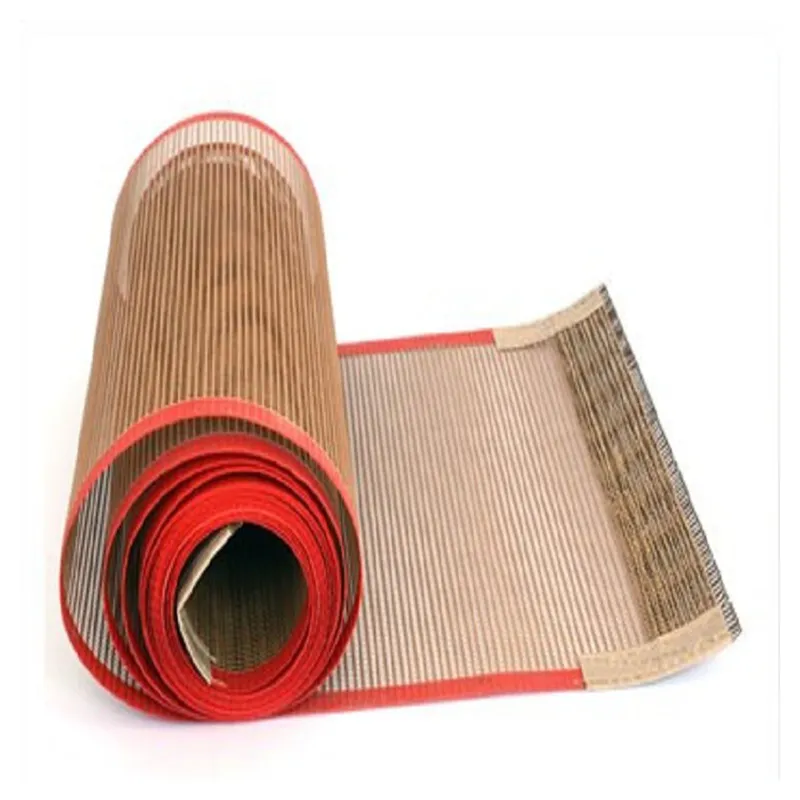
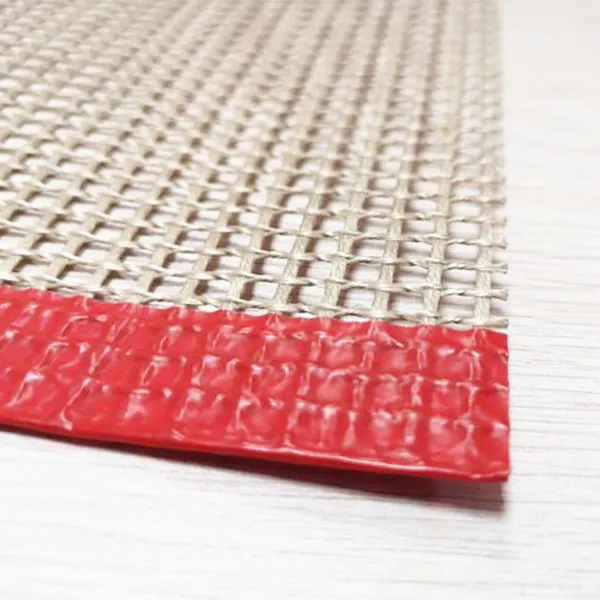
How Mesh Openings Affect Heat Transfer
Unlike a solid belt, an open mesh belt allows heated air to pass through its surface. This can expose the underside of the conveyed material to hot air as well as the top, depending on the dryer design and airflow direction. The result may be more uniform heating and improved drying performance when the belt opening is correctly matched to the product.
Mesh openness involves a practical trade-off. Larger openings generally allow more airflow, but small particles may fall through or become lodged in the mesh. Finer openings provide more support for small products, although they may restrict airflow compared with a more open construction. Buyers should evaluate particle size, product shape, belt loading, and the dryer’s airflow pattern together.
For fruit and vegetable dehydration, baking, textile drying, or industrial curing, the appropriate mesh should support the material without unnecessarily blocking heat circulation. A PTFE mesh conveyor belt should therefore be selected for the complete drying process rather than mesh size alone.
Mesh Size and Weave Options
SHUNNAI offers mesh openings in a stated range from 1 × 1 mm to 10 × 10 mm, with plain and twill weave options. The correct specification depends on product dimensions, required airflow, belt flexibility, and the number and diameter of rollers in the equipment.
Fine Mesh for Small Products
Smaller openings can help support fine pieces and reduce product loss through the belt. They may be suitable for small food pieces, fine components, or products that need a more continuous supporting surface. Before choosing a fine mesh, confirm that the openings remain sufficiently clear for the required airflow and cleaning process.
Open Mesh for Greater Airflow
Larger openings can improve air passage where the product is large enough to remain stable on the belt. They may suit applications where drying airflow is a priority and material fall-through is not a concern. The opening size should also be checked against the loading and discharge arrangements.
Plain Weave for Regular Support
Plain weave provides a regular mesh pattern and can be considered for suitable dryer layouts with compatible roller diameters. It is important to check how the selected weave bends around the equipment’s rollers and whether the mesh provides the required support for the conveyed product.
Twill Weave for Repeated Bending
Twill weave uses an offset interlacing pattern and may offer greater flexibility in some belt constructions. It can be considered for long tunnel dryers or systems with multiple rollers, especially where repeated bending is a concern. Actual flex life depends on mesh construction, roller diameter, operating tension, temperature, and installation conditions.
Brown or Black Coating?
Color is a functional selection point for some applications, particularly where static control is required. SHUNNAI offers standard brown and black mesh belt options, but buyers should confirm the electrical properties and suitability of the specific construction rather than selecting by color alone.
Brown for General Drying
Brown mesh belts use a standard PTFE coating and are intended for general high-temperature conveying applications where non-stick performance, heat resistance, and chemical resistance are important. Typical uses may include food processing, textile heat setting, and paper-related drying, subject to the product’s actual operating conditions and material requirements.
Black for Anti-Static Requirements
Black versions may incorporate carbon black or other conductive additives to reduce surface resistance. They can be considered for selected electronics drying, PCB processing, and UV curing lines where static management is required. The required surface resistance should be confirmed with SHUNNAI before ordering.
For equipment operating in potentially explosive dust environments, an anti-static belt alone does not make the complete system safe. The installation requires a suitable risk assessment and properly designed grounding, electrical equipment, and dust-control measures.
Temperature and Chemical Compatibility
The supplied product information specifies continuous operating temperatures up to 260°C and short-term exposure up to 300°C. These figures should be treated as stated product limits, not as a guarantee that every belt construction can operate continuously at those temperatures under every load and tension condition. Actual suitability depends on exposure duration, airflow, mechanical stress, and the full equipment setup.
PTFE is known for its non-stick surface and broad chemical resistance. However, chemical compatibility depends on the substance, concentration, temperature, exposure time, and the belt’s complete construction. If the belt will contact strong acids, alkalis, organic solvents, or process chemicals, provide the chemical name and operating conditions for review before ordering.
For food applications, buyers should also confirm the exact coating formulation and applicable food-contact documentation for the intended market and use. SHUNNAI has FDA-, MA-, and CNAS-related credentials and an ISO 9001 quality management system; the scope and applicability of each credential should be verified for the selected product.
Splices, Edges, and Belt Tracking
A PTFE mesh conveyor belt must travel around rollers and remain aligned throughout the dryer. Splice design, edge construction, tension, and roller geometry can all affect running stability and service life. These details should be confirmed before manufacturing, especially when replacing a belt on an existing machine.
Endless Belt Construction
An endless belt is joined into a continuous loop for installation on compatible conveying equipment. The splice needs to suit the roller diameter, operating tension, and required surface continuity. SHUNNAI can discuss lap or other suitable splice configurations according to the equipment design; the final choice should be confirmed for the selected mesh and operating conditions.
Guide Strips and Edge Requirements
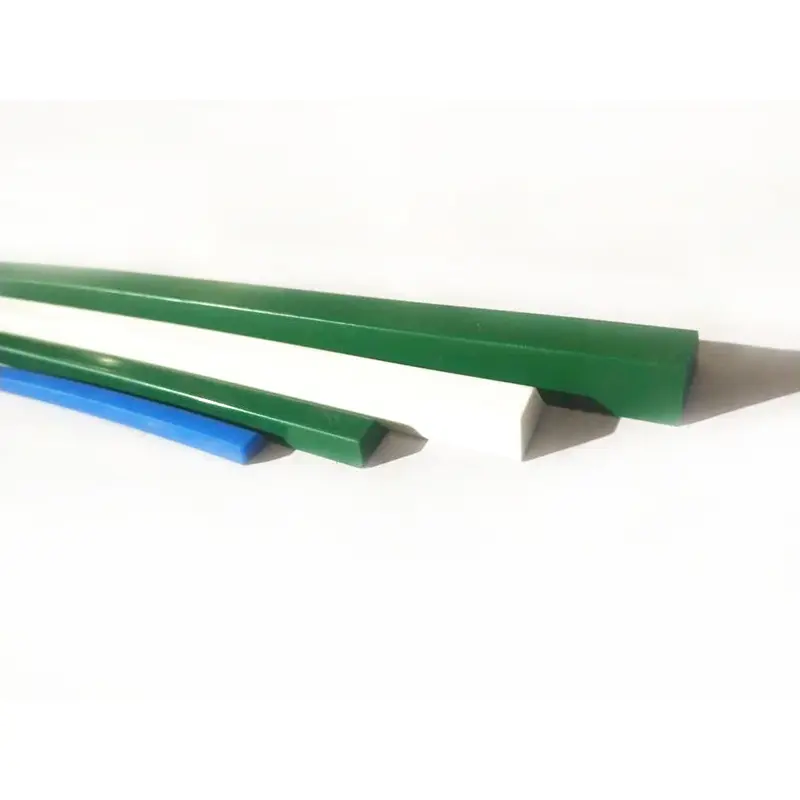
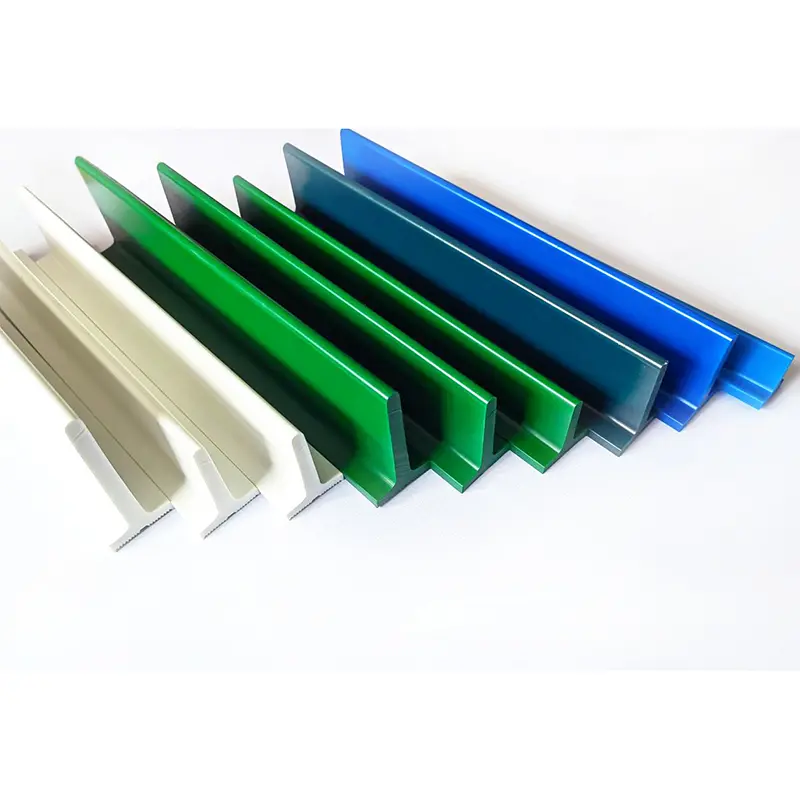
Guide strips may help keep a belt aligned where the machine is designed to use them. Their dimensions and positions must match the existing guide system. Buyers should provide a drawing or sample showing belt width, guide-strip location, splice requirements, and any special edge treatment to reduce the risk of installation problems.
Thermal Stability After Installation
Fiberglass-based belts may change dimensions when exposed to elevated temperatures. Pre-shrinking and heat-setting treatments can help control dimensional change, but the expected stability should be confirmed for the selected belt construction and operating conditions. Correct installation tension and routine tracking checks remain important after the belt is fitted.
Applications Across Different Industries
The combination of open mesh, a non-stick coating, and high-temperature capability makes this belt type useful in a range of thermal processing systems. The best configuration depends on the product being conveyed and the process requirements.
Food baking and dehydration: Used in suitable tunnel ovens and drying lines for products such as biscuits, fruit and vegetable pieces, and other food ingredients. Mesh size should prevent product loss while allowing adequate airflow. Food-contact suitability must be verified for the selected construction.
Chemical and composite processing: May be used for compatible powder-coating processes, resin preheating, and composite material treatment. Chemical exposure, temperature, and product adhesion should be checked before selection.
Textile printing and heat setting: The open structure allows heated air to pass through fabrics during drying and setting. Belt support, fabric stability, and operating temperature should be considered when specifying the mesh.
Electronics and UV curing: Black anti-static constructions may be considered where static management is part of the process design. Surface resistance and compatibility with the curing system should be verified for the selected belt.
Shrink packaging: Suitable PTFE-coated mesh belts may be used in compatible shrink tunnels where heat resistance and a non-stick conveying surface are required. Operating temperature and film contact conditions should be confirmed before installation.
Belt Selection Checklist
Before requesting a quotation, buyers can prepare a few operating details. These help determine whether the proposed belt will fit the machine and support the required process conditions.
Product information: Provide the material name, particle or product dimensions, weight, surface characteristics, and whether the material is sticky, fragile, or likely to fall through the mesh.
Process temperature: Specify normal operating temperature, any short-term temperature peaks, exposure duration, and whether the belt experiences heating and cooling cycles.
Equipment dimensions: Confirm belt width and length, roller diameter, center distance, belt speed, tensioning method, and the existing splice or endless-loop arrangement.
Mesh and weave: State the preferred mesh opening, plain or twill weave, and whether a finer support surface or greater airflow is the priority.
Surface and static requirements: Identify whether a standard brown belt or an anti-static construction is required. For anti-static applications, provide the target surface-resistance range or the machine specification.
Edge and installation details: Include guide-strip dimensions, edge treatment, splice location, and drawings or photographs of the current belt where available.
Maintenance Checks for Longer Service Life
Routine inspection can help identify belt issues before they interrupt production. Inspection frequency should reflect operating temperature, belt speed, chemical exposure, and the consequences of an unexpected shutdown.
Check the belt surface for coating wear, peeling, contamination, or damaged mesh strands. Inspect the splice for local thickening, fraying, or signs of separation, and check the edges and guide strips for wear. During operation, observe tracking and tension, particularly after installation or changes in temperature.
Cleaning methods should be compatible with the belt coating and the conveyed product. Avoid assuming that every cleaning chemical or mechanical method is suitable for every PTFE mesh belt. If coating damage, repeated tracking problems, or unusual dimensional changes occur, review the process temperature, tension, roller alignment, and chemical exposure before continuing operation.
Frequently Asked Questions
What is the difference between a PTFE mesh belt and a solid PTFE-coated belt?
A PTFE mesh conveyor belt has openings that allow air and other process media to pass through, which can be beneficial in drying and curing systems. A solid belt provides a more continuous carrying surface and may be more appropriate when small products must not fall through. The choice depends on airflow needs and product dimensions.
Can the belt be used continuously at 260°C?
The supplied product information lists up to 260°C for continuous operation and up to 300°C for short-term exposure. Confirm the limits for the specific belt construction, exposure duration, tension, and machine conditions before use.
How do I choose the mesh opening for small parts?
Compare the opening dimensions with the smallest product dimension and consider product orientation during conveying. The mesh must support the parts without excessive fall-through while still providing the airflow needed by the process. A sample test may help confirm suitability.
Does a black belt guarantee electrostatic discharge performance?
No. Black color alone does not establish a specific electrical property. Ask for the surface-resistance specification and any applicable test information for the exact belt. The machine’s grounding and static-control design must also be considered.
Can SHUNNAI make a replacement belt for an imported dryer?
A replacement may be possible if the belt dimensions and construction can be matched to the equipment. Provide the machine model, belt width and length, roller diameter, splice details, guide-strip dimensions, and operating temperature so the requirements can be reviewed.
What information helps reduce premature belt failure?
The most useful details include operating temperature, belt speed and tension, roller diameters, chemical exposure, splice design, and any observed damage. Photos of the worn area and the machine layout can help identify which specifications need further review.
Request a Customized Belt Solution
SHUNNAI supports industrial buyers with PTFE-coated mesh belt options for drying, baking, heat setting, and curing equipment. By reviewing mesh size, weave, coating type, temperature, splice design, and machine dimensions together, buyers can reduce the risk of selecting a belt that does not fit the process.
Contact SHUNNAI with your equipment drawings, operating conditions, and required belt dimensions to discuss a suitable configuration and request a quotation.
Send Inquiry
Contact Info
-
Address
No.129 Qingfeng Road, Jizhou District, Tianjin City, China
-
Tel
-
Email
If you have any inquiry about a quotation or cooperation, please feel free to email or use the following inquiry form. Our sales representative will contact you within 24 hours.
Related Products
News Recommendations