





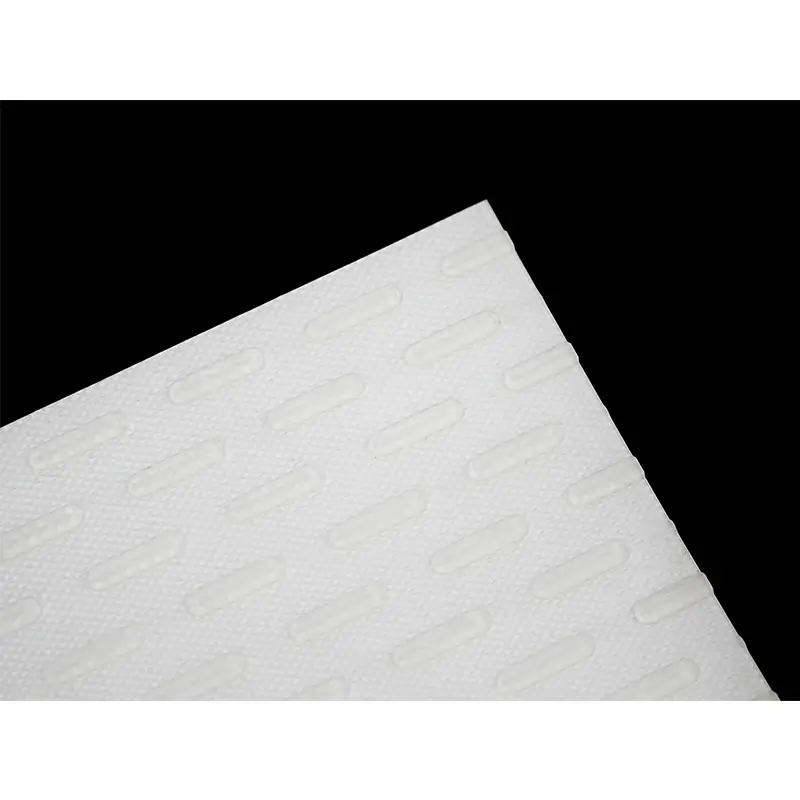
Tobacco Leaf Processing Conveyor Belt
SHUNNAI Tobacco Leaf Processing Conveyor Belt is designed for tobacco processing lines with food-grade PE, PU and PVC materials. Featuring non-toxic, odorless, anti-static, flame-retardant, heat-resistant and non-stick performance, it ensures clean and stable conveying from tobacco feeding, conditioning, cutting to drying processes.
1.Non-toxic, odorless – no tobacco contamination
2.Heat & moisture resistant, no stretch
3.Anti-static + flame retardant – dual safety
2.Heat & moisture resistant, no stretch
3.Anti-static + flame retardant – dual safety
Designed specifically for tobacco leaf processing lines, SHUNNAI Tobacco Leaf Processing Conveyor Belts use high-quality PE (polyethylene), food-grade PU or non-toxic PVC surface materials combined with high-strength polyester carcass structures. The belt surface is manufactured through advanced heat fusion or hot vulcanization technology, creating a stable conveying surface with excellent cleanliness, dimensional stability and long service life.
During tobacco production, conveyor surfaces directly contact tobacco leaves, cut tobacco and tobacco particles. Therefore, material safety, particle shedding control, odor prevention and static control are critical requirements. SHUNNAI selects non-toxic raw materials with smooth and dense surfaces, preventing foreign matter contamination caused by belt aging, cracking or surface peeling.
SHUNNAI tobacco processing conveyor belt solutions are widely applied in tobacco feeding, conditioning, cutting, drying, cooling, flavoring and storage processes. Products can be customized according to equipment structure, temperature conditions, cleaning method and conveying requirements, providing stable conveying performance for modern cigarette manufacturing factories.
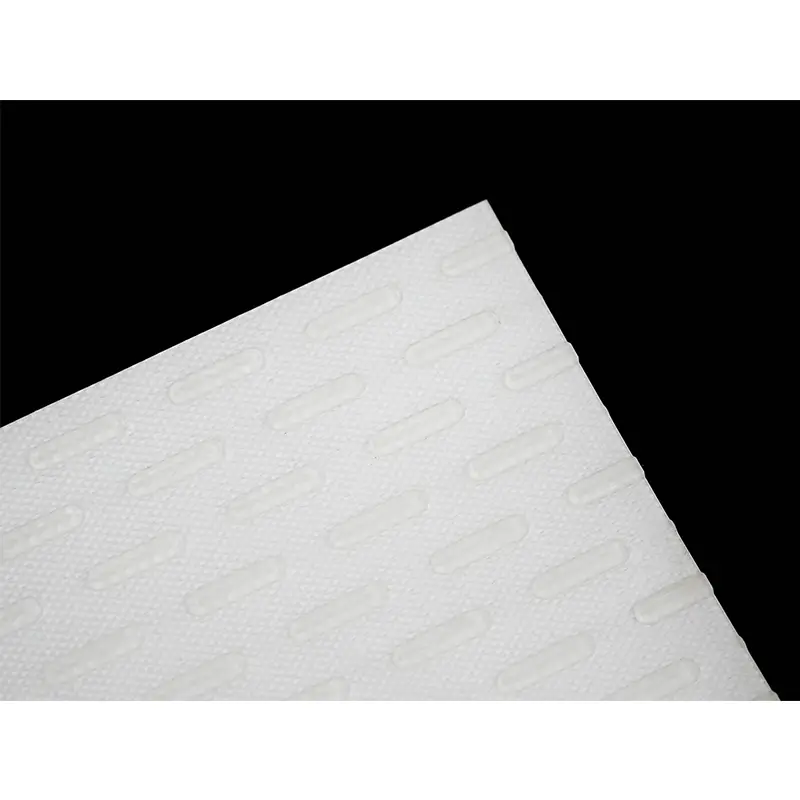
Material Safety In Tobacco Production
Tobacco processing has extremely strict requirements for cleanliness because even tiny particles or unusual odors from conveying equipment may affect final product quality. Ordinary industrial belts may contain recycled materials, fillers or unstable additives, which can create contamination risks after long-term friction and temperature changes.
Food Grade Surface Material
SHUNNAI uses PE and food-grade PU materials with smooth molecular structures and excellent chemical stability. These materials are odorless, non-toxic and resistant to particle shedding, helping maintain tobacco purity during continuous transportation.
Low Residue Conveying Surface
The specially designed matte or smooth surface reduces tobacco adhesion during operation. Compared with traditional rubber belts, the surface is easier to clean through air blowing, dry brushing or regular maintenance procedures, reducing material accumulation on production lines.
Foreign Matter Control
SHUNNAI controls raw material selection and production processes strictly. Each batch is inspected for surface quality, wear resistance and cleanliness performance before shipment, helping tobacco manufacturers reduce quality control pressure caused by conveyor-related contamination.
Performance Under Heat And Humidity
Tobacco processing environments often combine high temperature drying sections with humid conditioning areas. A suitable conveyor belt must maintain stable dimensions, avoid deformation and prevent material sticking under constantly changing conditions.
Stable At Drying Sections
SHUNNAI belts are designed for tobacco drying applications where operating temperatures can reach approximately 110-120°C. Modified PE and PU materials maintain stable mechanical properties without softening, excessive stretching or releasing abnormal odors during continuous operation.
Moisture Resistant Structure
During conditioning and rewetting processes, high humidity can cause ordinary materials to absorb water and change dimensions. PE materials feature extremely low water absorption, helping the belt maintain accurate length and stable tracking performance.
Clean Running Performance
The surface structure balances friction and release characteristics. Tobacco materials can be transported smoothly without excessive sliding, while residue accumulation is reduced to improve production efficiency.
Covering Complete Tobacco Processing Procedures
SHUNNAI develops conveying solutions according to different tobacco production stages. Each process has different requirements for belt material, surface structure, temperature resistance and cleaning methods. Through customized design, the belts can match various tobacco processing machines and production environments.
Raw Leaf Feeding Section
During tobacco bale opening and raw leaf feeding, the belt needs strong tear resistance and stable load carrying ability. SHUNNAI belts use reinforced polyester carcass structures to withstand repeated feeding operations while maintaining a clean surface without fiber shedding.
Conditioning And Moisture Control
In conditioning equipment, tobacco leaves are exposed to steam and moisture. SHUNNAI belts are designed with moisture-resistant materials that prevent swelling and deformation, ensuring accurate conveying speed and stable material transfer.
Cutting And Transfer Process
Cut tobacco requires smooth and uniform feeding before entering cutting equipment. SHUNNAI provides fine-texture surface options that help maintain even tobacco distribution, reducing material accumulation and improving production consistency.
Drying And Cooling Conveying
Drying sections require excellent heat resistance and dimensional stability. SHUNNAI tobacco belts maintain reliable operation under continuous thermal conditions, allowing hot tobacco materials to transfer smoothly without sticking or belt deformation.
Flavoring And Storage Application
Flavoring processes may involve oils, additives and chemical components. SHUNNAI selects suitable PE and PU materials with good chemical resistance, preventing swelling, staining and performance changes during long-term operation.
Safety Design For Static And Fire Risk
Tobacco dust is highly sensitive to static electricity accumulation. In enclosed processing environments, uncontrolled static discharge may create potential safety risks. SHUNNAI integrates permanent anti-static technology into belt materials to improve operational safety.
Permanent Anti-static Performance
The anti-static formula is incorporated into the belt material rather than applied as a temporary surface coating. This ensures stable static dissipation performance throughout the service life of the belt, even after repeated cleaning and long-term use.
Flame Retardant Protection
For applications requiring additional safety protection, SHUNNAI provides flame-retardant belt options. Related performance testing documents can be provided according to customer requirements, including third-party inspection support.
Safe Operation In Dust Environments
By controlling surface resistance and reducing friction-generated particles, SHUNNAI helps tobacco manufacturers build safer and cleaner conveying systems in dust-controlled production areas.
Customization For Different Machines
Every tobacco factory has different equipment models, conveying distances and production requirements. SHUNNAI provides customized solutions instead of standard fixed specifications, ensuring direct compatibility with existing production lines.
Equipment Matching
The belt can be customized for bale openers, conditioners, cutters, dryers, flavoring machines and storage conveying systems. Engineers evaluate equipment structure, roller dimensions and running conditions before recommending suitable belt specifications.
Surface Structure Selection
Depending on tobacco material characteristics, customers can select smooth surfaces, fine texture surfaces or special patterns to balance grip, cleaning performance and material release behavior.
Splicing Methods
SHUNNAI offers endless heat-fusion splicing and other customized connection methods. Seamless designs reduce gaps where tobacco particles may accumulate and provide smoother operation compared with traditional mechanical fasteners.
Size And Functional Modification
Width, length, thickness, sidewalls, divider strips and special functional requirements can be customized according to customer drawings. Before shipment, each customized belt undergoes dimensional inspection and performance verification.
Quality Benefits For Tobacco Manufacturers
For cigarette manufacturers, conveyor reliability directly affects production continuity and product quality. SHUNNAI focuses on reducing contamination risks, maintenance frequency and unexpected downtime through specialized material engineering.
Reduced Material Contamination
The non-toxic surface material prevents particles caused by aging or abrasion from entering tobacco products, supporting strict cleanliness control requirements in tobacco factories.
Longer Service Life
High-strength carcass materials combined with wear-resistant surface layers provide stable performance under continuous operation. The belt maintains its shape and running accuracy, reducing frequent replacement requirements.
Lower Maintenance Demand
The smooth surface design reduces tobacco residue accumulation, while stable dimensions minimize repeated tension adjustment. This helps production teams reduce daily maintenance workload.
Tobacco Conveyor Belt Customization Options
Every tobacco processing line has different conveying requirements depending on equipment structure, tobacco material characteristics and production environment. SHUNNAI provides customized tobacco leaf processing conveyor belt solutions based on actual working conditions instead of offering a single standard belt model.
Before production, our engineering team evaluates key parameters including conveyor width, belt length, conveying speed, material temperature, humidity condition, cleaning method and installation structure. According to these factors, we select suitable belt material, surface pattern, thickness and connection method.
SHUNNAI customization service includes PE, food-grade PU and special PVC belt materials, endless seamless belt design, sidewall and cleat installation, special surface texture, anti-static modification and heat-resistant formulation. The finished belt can directly replace existing tobacco production line belts without major equipment modification.
| Customization Item | Available Options | Application Requirement |
| Belt Material | PE / Food-grade PU / Modified PVC | Different requirements for cleanliness, temperature and chemical resistance |
| Surface Design | Smooth surface / Fine texture / Anti-slip pattern | Match tobacco feeding stability and cleaning frequency |
| Belt Structure | Flat belt / Sidewall belt / Cleated belt | Suitable for horizontal, inclined and vertical conveying |
| Joint Method | Heat fusion endless joint / Hot vulcanization / Mechanical fastening | Select according to equipment maintenance condition |
| Functional Treatment | Anti-static / Flame-retardant / Heat-resistant / Oil-resistant | Adapt to tobacco dust and special processing environments |
Tobacco Conveyor Belt Production Process
SHUNNAI controls the complete manufacturing process from raw material selection to final inspection. Unlike ordinary industrial belts, tobacco processing belts require strict control of material purity, surface quality and performance stability because they directly contact tobacco products.
The polyester carcass is first prepared with high-strength tensile treatment to ensure dimensional stability during continuous operation. The PE, PU or PVC cover layer is then formed through precision coating and thermal bonding technology to create a smooth, uniform conveying surface.
After production, every belt undergoes appearance inspection, thickness measurement, tensile testing, anti-static performance testing and heat aging evaluation. Only qualified products are released for shipment with complete quality records.
Safety Performance for Tobacco Processing Environment
Tobacco factories contain large amounts of fine tobacco dust, which can accumulate static electricity during high-speed conveying. A suitable tobacco leaf processing conveyor belt must provide stable anti-static performance to reduce potential ignition risks.
SHUNNAI belts use permanent anti-static modification technology. The conductive additives are evenly distributed inside the polymer structure, preventing performance loss caused by surface wear. The belt maintains stable electrical resistance during long-term operation.
For tobacco production areas requiring higher safety protection, flame-retardant formulations can be provided according to customer requirements. Third-party testing reports are available for anti-static, flame-retardant and material safety performance verification.
Applicable Tobacco Processing Equipment
SHUNNAI tobacco processing conveyor belts are designed for complete tobacco production processes, including raw material preparation, conditioning, cutting, drying, flavoring and storage transportation.
For bale opening and primary feeding systems, the belt provides excellent tear resistance and stable running performance when handling tobacco leaves and stems. During conditioning processes with high humidity, the low water absorption material prevents swelling and deformation.
In cutter feeding sections, the smooth and controlled friction surface helps maintain uniform tobacco feeding speed. For dryer transportation, heat-resistant belt materials maintain stable operation under continuous thermal exposure without producing unwanted odor or surface deformation.
Quality Control and Certifications
SHUNNAI follows the quality management system of GB/T 19001-2016 / ISO 9001:2015 during production. Each production stage is controlled according to documented procedures, from incoming material inspection to finished belt performance testing.
The tobacco leaf processing conveyor belt materials can provide FDA-related compliance documents, MA certification support and CNAS laboratory testing reports according to customer requirements. These certifications help global tobacco processing companies verify product safety, quality consistency and manufacturing capability.
The factory quality system covers raw material traceability, production process monitoring, dimensional inspection and performance testing, ensuring every delivered belt meets stable industrial application requirements.
Packing and Delivery Standard
SHUNNAI uses professional export packaging methods to protect belts during international transportation. Endless belts are packed with protective film and reinforced support to avoid deformation. Roll belts are fixed securely to prevent surface damage and edge collision during loading.
For long-distance ocean shipment, moisture-proof packaging is applied to protect belt materials from humidity changes. Customized labels, product specifications and inspection documents can be provided according to customer import requirements.
Why Choose SHUNNAI Tobacco Processing Conveyor Belt?
Tianjin Shunnai Conveyor Belt Manufacturing Co., Ltd. focuses on specialty conveyor belt solutions for demanding industrial applications. With more than 15 years of manufacturing experience, SHUNNAI combines polymer material technology, precision processing and strict quality control to provide reliable belts for tobacco production lines worldwide.
From raw tobacco feeding to finished product storage, SHUNNAI tobacco belts are designed around the core requirements of tobacco manufacturers: cleanliness, stability, safety and long service life.
With GB/T 19001-2016 / ISO 9001:2015 quality management certification, FDA-related compliance support, MA and CNAS certification capability, SHUNNAI provides professional OEM and customized conveyor belt solutions for global tobacco processing equipment users.
Send Inquiry
Contact Info
-
Address
No.129 Qingfeng Road, Jizhou District, Tianjin City, China
-
Tel
-
Email
If you have any inquiry about a quotation or cooperation, please feel free to email or use the following inquiry form. Our sales representative will contact you within 24 hours.
News Recommendations



