





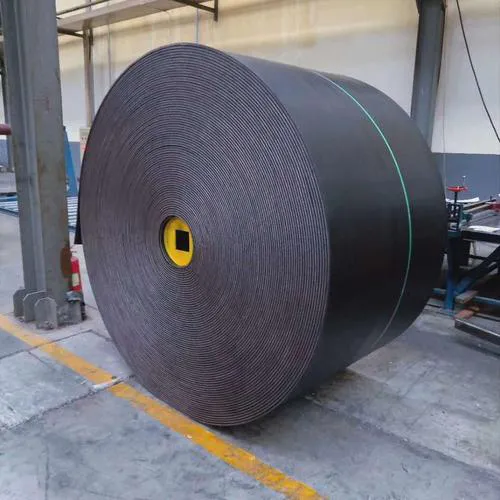
Nylon Conveyor Belt
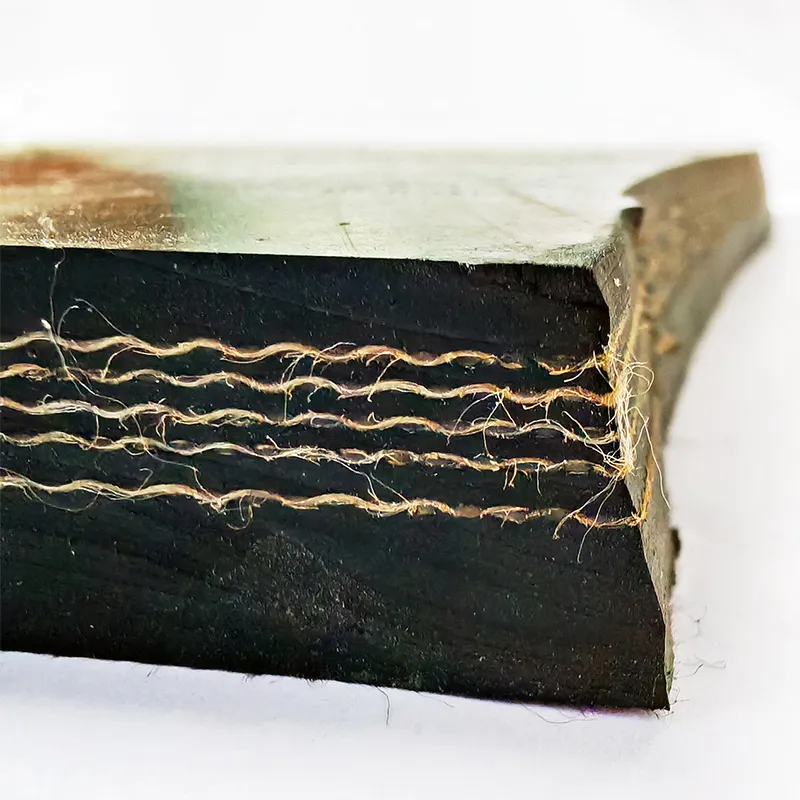
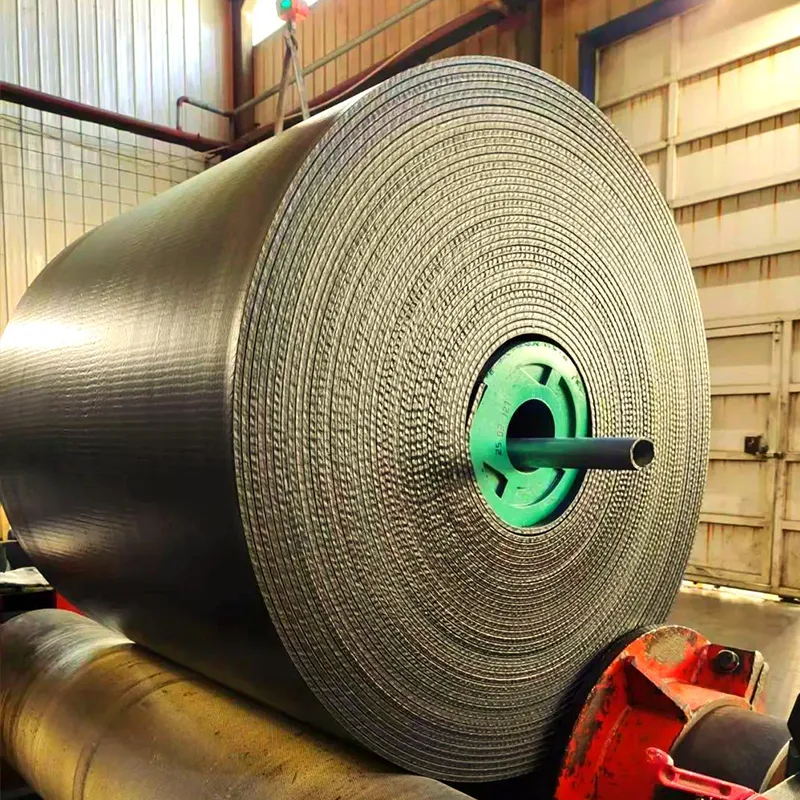
SHUNNAI Nylon Conveyor Belt is designed for heavy-duty material handling in mining, aggregate processing, coal transportation, ports, and building material production. Its nylon fabric carcass provides high tensile strength, flexibility, and impact absorption, making it suitable for conveyor systems exposed to repeated loading and bending.
High Strength
Impact Resistance & Excellent Troughability
The Preferred Choice for Medium-to-Long Distance
High-Capacity Bulk Conveying
Impact Resistance & Excellent Troughability
The Preferred Choice for Medium-to-Long Distance
High-Capacity Bulk Conveying
A nylon conveyor belt uses nylon (polyamide) fabric in its carcass and a rubber cover selected according to the conveying environment. Its high tensile strength, elasticity, impact absorption, and flexibility make it suitable for bulk material systems where belts are exposed to repeated bending and falling loads.
SHUNNAI offers NN100 to NN500 strength grades, widths from 100 mm to 1600 mm, 2 to 8 fabric plies, and customizable cover thicknesses to accommodate different conveyor designs.
How the Fabric Structure Handles Impact
The carcass carries the tensile load while the rubber cover protects the belt from material contact, abrasion, and impact. Nylon fibers provide good elasticity and flex resistance, helping the belt absorb part of the impact energy when bulk materials fall onto the loading section.
This construction is useful in systems handling irregular materials such as crushed stone, coal, and ore. The required strength grade and ply count depend on the conveyor's operating tension, loading height, material size, and installation conditions. Selecting a belt based only on width or cover thickness may result in premature wear or insufficient load capacity.
Why Troughability Matters
On conveyors fitted with troughing idlers, the belt must form a stable U-shaped profile to keep bulk material near the center. Nylon fabric offers good flexibility, helping the belt conform to the idler arrangement. Proper trough formation can reduce spillage, but the final result also depends on idler angle, belt width, loading position, and belt tension.
Its flexibility can also help the belt pass around pulleys, provided the pulley diameter and belt construction are compatible. Buyers should confirm the minimum pulley diameter and splice requirements before ordering a replacement belt.
Choose the Right Strength and Ply Count
SHUNNAI supplies NN100 to NN500 strength grades, with 2 to 8 fabric plies available depending on the required specification. The correct construction should be selected according to operating tension and the conveyor's mechanical layout rather than simply choosing the highest available grade.
| Selection Factor | What Buyers Should Confirm |
|---|---|
| Strength grade | Required tensile strength, operating tension, and safety requirements of the conveyor system. |
| Number of plies | Load conditions, impact severity, belt thickness, and flexibility requirements. |
| Belt width | Existing conveyor dimensions, loading capacity, and material size. |
| Cover thickness | Material abrasiveness, impact exposure, and expected wear conditions. |
| Splice and pulley design | Available installation space, pulley diameter, and the joining method used on site. |
SHUNNAI can help buyers compare available specifications using their conveyor parameters. Providing the existing belt markings, operating tension, and application details can make replacement selection more accurate.
Match the Cover to the Material
The rubber cover is the first layer exposed to the conveyed material and operating environment. A suitable compound helps balance wear resistance, impact performance, and resistance to specific external conditions.
Natural Rubber or SBR
Suitable for many general conveying applications involving coal, sand, ore, grain, and other bulk materials where oil resistance or special temperature performance is not required. The exact cover grade should reflect material abrasiveness and impact severity.
Neoprene (CR)
May be considered for applications requiring improved resistance to weathering, ozone, and certain chemicals. Where flame-retardant performance is required, buyers should confirm the applicable test standard and certification for the specific belt construction.
Nitrile Rubber (NBR)
Designed for applications where contact with oils or oily materials is a concern. Compatibility depends on the type of oil, concentration, temperature, and exposure duration. Outdoor use should be assessed against the selected compound's weathering properties.
EPDM
Can be considered for applications requiring improved resistance to heat, ozone, and weathering. For hot clinker, sintered ore, or other elevated-temperature materials, buyers should provide both the continuous operating temperature and short-term peak temperature for compound selection.
SHUNNAI can assess the material characteristics, operating temperature, and contact medium before recommending a suitable cover. Where relevant, buyers should agree on the test method and acceptance criteria before requesting immersion or compatibility test data.
Applications Across Bulk Handling Operations
The combination of fabric strength, flexibility, and impact absorption makes this belt construction relevant to a range of industrial conveying tasks.
Mining and Crushing Lines
Used for conveying ore and crushed rock, including loading areas where falling material can place additional stress on the belt. Cover thickness and impact resistance should be matched to the material size and loading height.
Sand and Aggregate Plants
Suitable for transferring crushed stone, manufactured sand, and other aggregate materials between processing stages. Correct belt tracking, troughing, and loading alignment help limit spillage and uneven wear.
Coal Handling Systems
Used in coal yards and other bulk coal transfer operations. Where a conveyor operates in an underground mine or enclosed area, the belt must meet the applicable flame-retardant and antistatic requirements for that installation. Buyers should verify the relevant standard and product test documentation.
Ports and Bulk Cargo Terminals
Applied to coal, ore, and other bulk cargo handling systems where continuous transfer and resistance to repeated loading impacts are important. Belt strength, cover wear resistance, and splice performance should be checked against the actual operating duty.
Cement and Building Materials
Used to transfer materials such as limestone, clay, and coke. If the conveyed material is hot, the selected cover compound must be rated for the actual material temperature and exposure conditions.
Control Belt Stretch and Uneven Wear
Nylon fabric has good elasticity, but its service elongation can be greater than that of some polyester-based belt constructions. The take-up arrangement must provide sufficient adjustment for initial and operating elongation, especially on long conveyor routes.
When a belt needs frequent retensioning, runs off-center, or wears unevenly, replacing it with a stronger belt is not always the first solution. Check the installation and operating conditions before changing the specification.
| Observed Issue | Possible Cause | Recommended Check |
|---|---|---|
| Frequent tension adjustment | Insufficient take-up travel, excessive operating tension, or normal belt elongation. | Review the take-up range, operating load, and belt construction. |
| Belt runs to one side | Misaligned idlers, uneven loading, material buildup, or inconsistent tension. | Inspect idler alignment, loading position, pulley condition, and belt cleanliness. |
| Cover wears too quickly | Highly abrasive material, unsuitable cover grade, or material sliding across the belt. | Review cover compound, loading chute design, and material transfer points. |
| Cracks or tears near loading points | High impact, sharp material edges, inadequate support, or unsuitable belt construction. | Check drop height, impact bed condition, material size, and cover thickness. |
| Separation near the splice | Improper splicing, insufficient bonding, or repeated excessive stress. | Inspect splice workmanship and verify that the joining procedure suits the belt specification. |
Regular inspection of loading zones, pulleys, idlers, splices, and take-up devices helps identify problems before they cause unplanned downtime. Maintenance should follow the conveyor manufacturer's procedures and the site's safety requirements.
Manufacturing and Quality Checks
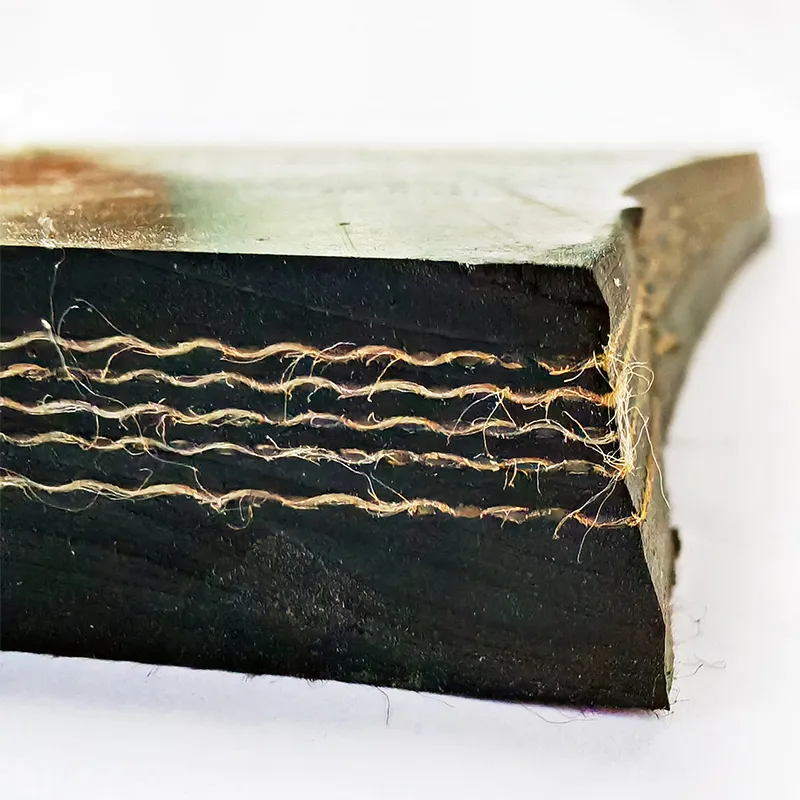
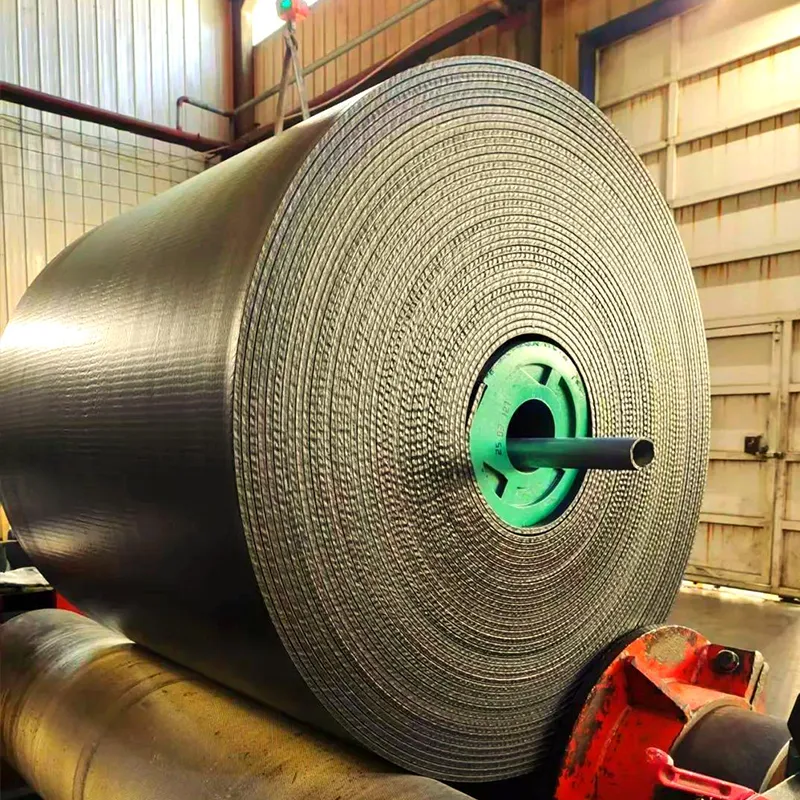
Tianjin Shunnai Conveyor Belt Manufacturing Co., Ltd. integrates product development, design, manufacturing, and sales. Its production process includes nylon fabric treatment, rubber compounding, belt forming, vulcanization, and finished-product inspection.
According to the supplied product information, SHUNNAI conducts checks covering tensile strength, ply adhesion, abrasion resistance, and full-thickness elongation, with GB/T 7984 identified as the applicable national standard for the stated product range. Buyers should confirm the precise standard edition and test requirements for the belt being purchased.
SHUNNAI also reports company credentials including ISO 9001, FDA, MA, and CNAS-related qualifications. These credentials may have different scopes and purposes; purchasers should request the relevant certificates and verify their applicability to the product, facility, and intended application before placing an order.
Information Needed for a Reliable Quote
To help identify a suitable specification, provide the following details when requesting a quotation:
Conveyor dimensions: belt width, conveyor length, pulley diameters, and take-up arrangement.
Operating conditions: conveying speed, operating tension, working hours, loading height, and ambient conditions.
Material details: material name, particle size, bulk density, abrasiveness, oil content, and material temperature.
Required construction: strength grade, number of plies, top and bottom cover thickness, rubber compound, belt length, and splice requirements.
Compliance requirements: applicable industry standards, flame-retardant or antistatic requirements, inspection documents, and any project-specific acceptance criteria.
With these details, SHUNNAI can evaluate available belt constructions and recommend options for the operating conditions rather than relying on a price-only comparison.
Frequently Asked Questions
What is the difference between nylon and EP fabric belts?
Nylon fabric generally offers high elasticity, good impact absorption, and flexibility. EP fabric combines polyester in the warp with nylon in the weft and is often selected when lower service elongation and dimensional stability are priorities. The better choice depends on conveyor length, take-up capacity, loading conditions, and operating tension.
Can this belt convey hot clinker or sintered ore?
It may be possible with a suitable heat-resistant cover, but the standard rubber compound should not be assumed suitable for every hot-material application. Provide the continuous material temperature, peak temperature, and exposure duration so the belt construction can be assessed.
How do I select the correct number of fabric plies?
Ply count depends on the required tensile strength, belt thickness, pulley diameter, impact conditions, and conveyor design. Share the existing belt specification and operating parameters with the supplier before changing the number of plies.
Is a Nylon Conveyor Belt suitable for oil-containing materials?
A standard cover may deteriorate when exposed to certain oils. An oil-resistant cover such as a suitable NBR compound may be needed, but compatibility should be confirmed against the actual oil type, temperature, and contact conditions.
What information is required for a replacement order?
Provide the belt width and length, strength grade, ply count, cover thickness, material being conveyed, pulley diameters, splice method, and operating conditions. Photos of the belt markings and existing installation can also help reduce specification errors.
Contact SHUNNAI
Looking for a suitable nylon conveyor belt for a mining, aggregate, coal, port, or building-material conveying line? Contact SHUNNAI with your belt dimensions, material characteristics, operating temperature, and loading conditions. Our team can review your requirements and help identify a practical specification for your conveyor system.
Send Inquiry
Contact Info
-
Address
No.129 Qingfeng Road, Jizhou District, Tianjin City, China
-
Tel
-
Email
If you have any inquiry about a quotation or cooperation, please feel free to email or use the following inquiry form. Our sales representative will contact you within 24 hours.
Related Products
News Recommendations



