Rubber Conveyor Belt
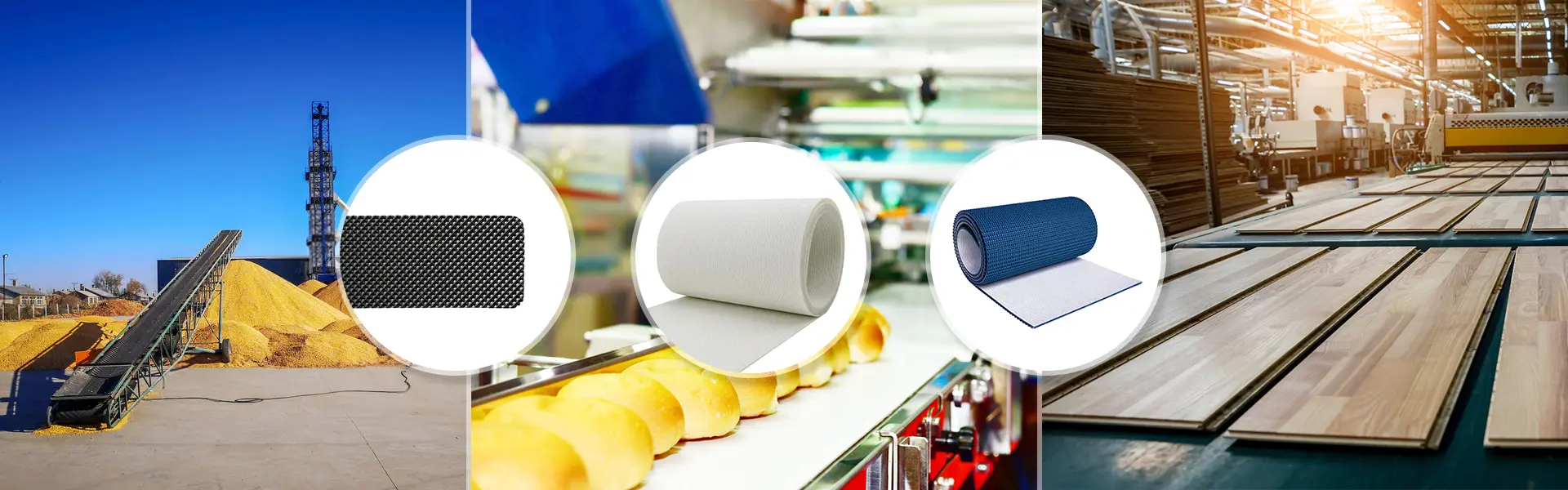
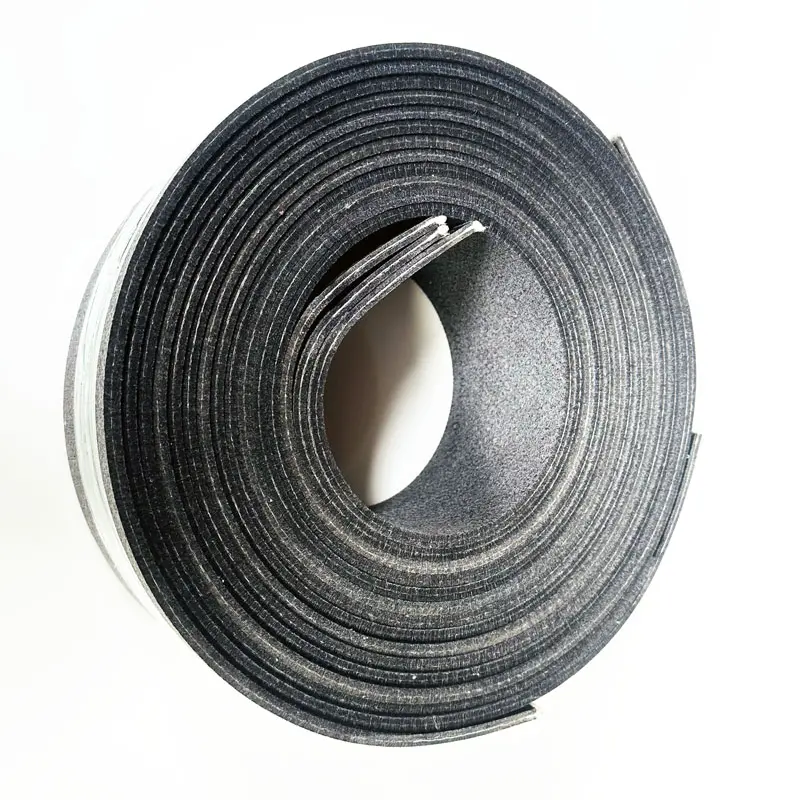
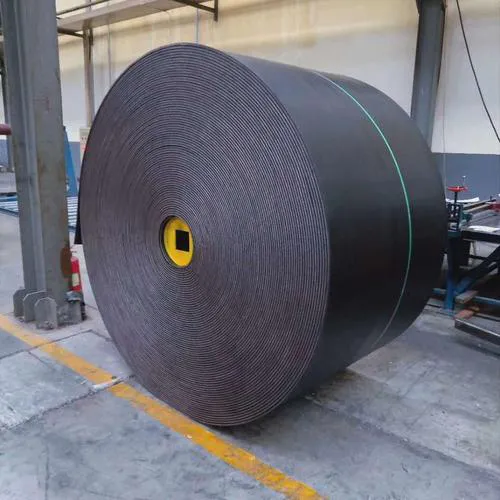
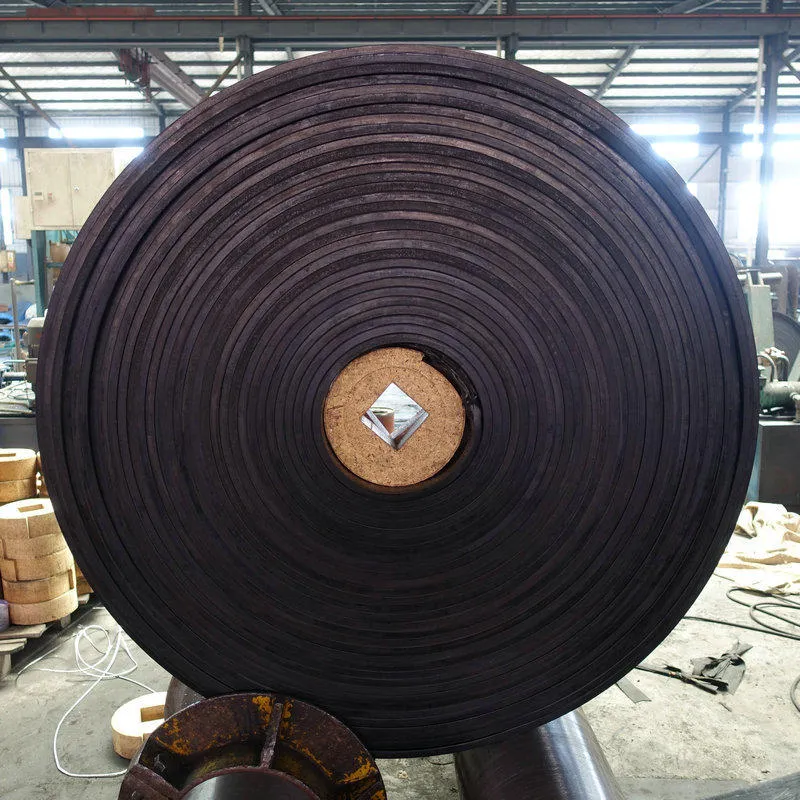
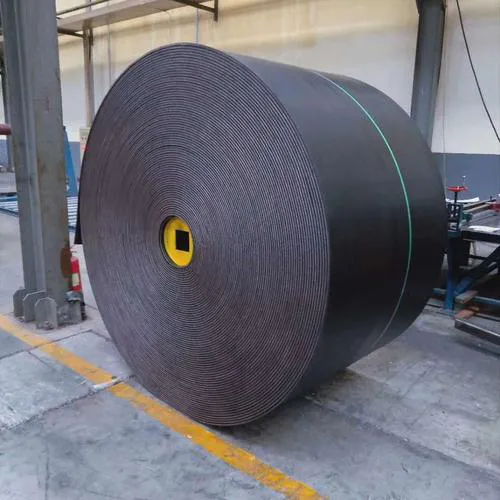
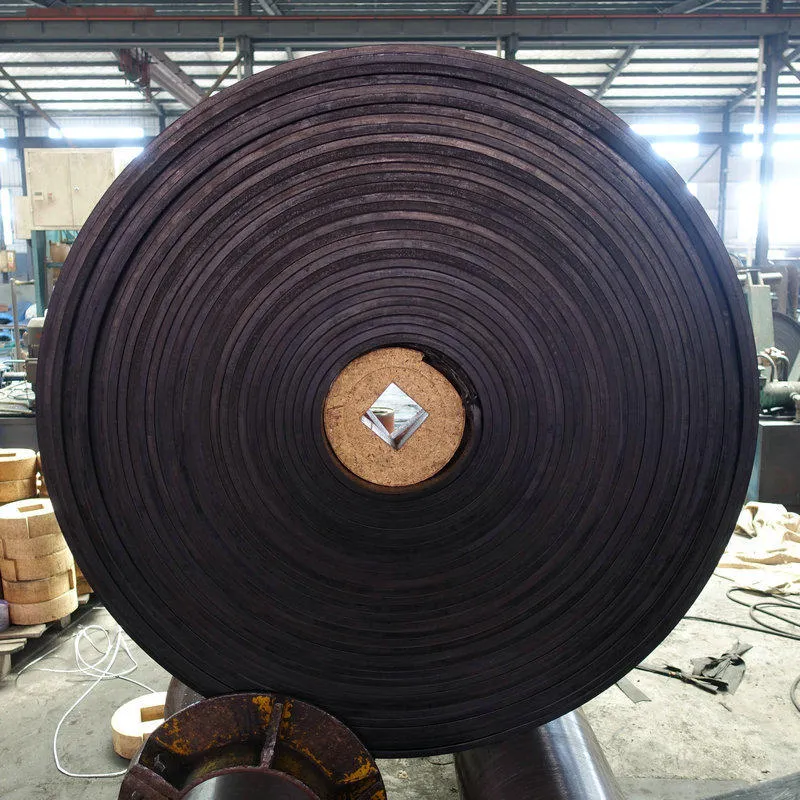
SHUNNAI Rubber Conveyor Belt is designed for industrial material handling in mining, aggregate processing, cement production, power plants, ports, and other demanding environments. Available with natural rubber, SBR, NBR, CR, EPDM, and other compound options, it can be configured to address different requirements for abrasion resistance, oil compatibility, heat resistance, and outdoor exposure.
Heavy-Duty
Impact-Resistant, Oil-Resistant & High-Temperature Solution for Mining, Aggregate
Power & Ports
Impact-Resistant, Oil-Resistant & High-Temperature Solution for Mining, Aggregate
Power & Ports
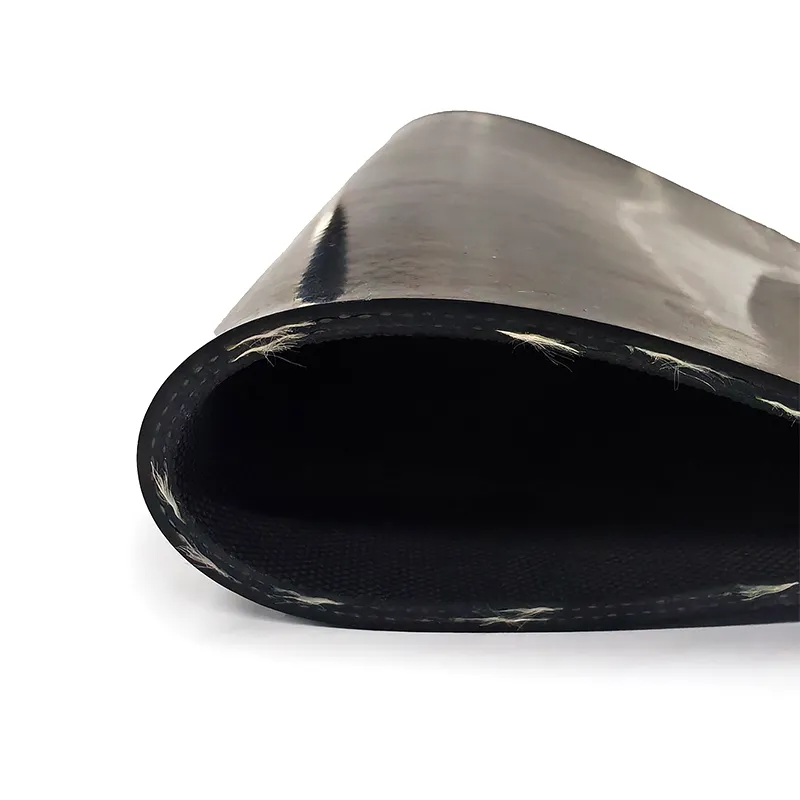
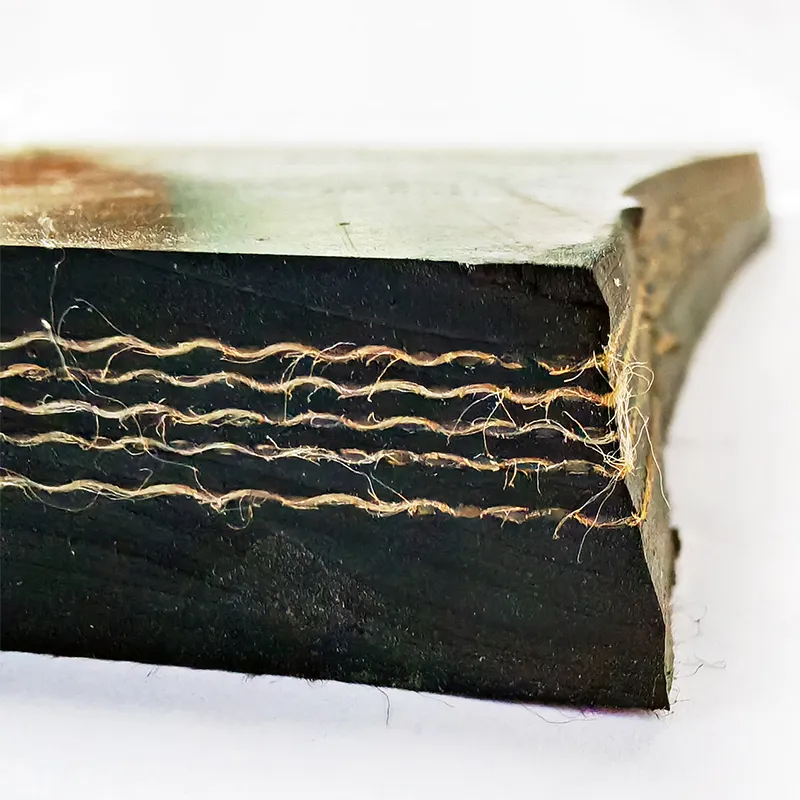
A rubber conveyor belt is selected not only by belt width and tensile strength, but also by the conveyed material, temperature, chemical exposure, impact level, and conveyor layout. SHUNNAI offers natural rubber (NR), styrene-butadiene rubber (SBR), nitrile rubber (NBR), chloroprene rubber (CR), EPDM, and other compound options. The carcass can be configured with nylon fabric (NN), polyester fabric (EP), or steel cord to match different load and distance requirements.
From rubber compounding and carcass bonding to vulcanization and finished-product inspection, SHUNNAI focuses on matching belt construction to actual working conditions. Buyers can specify abrasion resistance, oil resistance, heat resistance, cold resistance, or flame-retardant and antistatic properties according to the application and relevant standards.
Start with the Material Being Conveyed
The first step in selecting a suitable belt is to identify what comes into contact with its surface. Abrasive rock, oily feedstock, hot clinker, and wet chemical materials create different demands on the cover compound. Choosing a belt based only on price or general tensile strength may lead to premature cracking, swelling, wear, or separation.
| Conveyed Material or Condition | Property to Prioritize | Selection Consideration |
|---|---|---|
| Crushed rock and ore | Abrasion, cut, and impact resistance | Consider material sharpness, particle size, drop height, and cover thickness. |
| Coal and bulk minerals | Wear resistance and applicable safety properties | Confirm whether flame-retardant or antistatic performance is required by the installation. |
| Oily materials | Oil compatibility | Identify the oil type, concentration, temperature, and contact duration. |
| Hot clinker or sintered material | Heat resistance | Provide continuous material temperature, peak temperature, and exposure time. |
| Outdoor conveying | Weather, ozone, and aging resistance | Consider sunlight exposure, ambient temperature, moisture, and seasonal conditions. |
| Wet or chemically exposed materials | Resistance to the specific liquid or chemical | Confirm chemical concentration and compatibility instead of assuming all acids or alkalis are covered. |
This application-first approach helps buyers narrow down the cover compound before deciding on tensile strength, carcass structure, and belt dimensions.
Compare the Available Rubber Compounds
Different rubber compounds respond differently to abrasion, oil, heat, weather, and chemical exposure. The following guide can help buyers identify a starting point for technical discussion. Actual temperature limits and chemical compatibility must be confirmed for the selected formulation.
NR and SBR for General Bulk Handling
Natural rubber and styrene-butadiene rubber are commonly used in general-purpose conveying applications where abrasion, elasticity, and impact resistance are important. They can be considered for sand, coal, ore, grain, and other materials under suitable operating conditions. These compounds are not the default choice for sustained oil exposure or every high-temperature application.
NBR for Oil-Exposed Operations
Nitrile rubber is used where contact with mineral oils, lubricating oils, or animal and vegetable fats is a concern. Its performance depends on the specific oil and formulation. Buyers should provide the actual medium and operating temperature, particularly when the belt will remain in continuous contact with oily materials. Outdoor weathering requirements should also be checked.
EPDM for Heat and Weather Exposure
EPDM can offer good resistance to heat, ozone, weathering, water, and selected chemicals. It may be suitable for certain hot-material conveying lines and outdoor installations. However, it is generally unsuitable for contact with many mineral oils. For hot clinker, sintered ore, or drying operations, the selected compound must be rated for the actual material temperature and exposure duration.
CR for Outdoor and Special-Service Conditions
Chloroprene rubber can provide useful weathering and ozone resistance, along with properties relevant to certain flame-retardant applications. It may be considered for outdoor conveying or selected industrial environments. Where flame retardancy is required, buyers must verify the specific belt's test results and applicable certification rather than relying on the compound name alone.
Silicone Rubber for Specialized Temperature Requirements
Silicone rubber is used in some specialized high- and low-temperature applications and can offer a non-stick surface. However, it generally has lower abrasion and tear resistance than many heavy-duty conveyor rubber compounds. Food-contact applications require confirmation of the complete product's suitability and relevant documentation. Silicone should therefore be selected for a specific process requirement rather than as a general substitute for heavy-duty rubber covers.
SHUNNAI can review the material, operating environment, and expected service conditions to help buyers identify a suitable compound. Where compatibility is uncertain, agree on a test method and acceptance criteria before relying on test data or expected service life.
Select the Carcass for Load and Distance
The carcass supports the belt's tensile load and affects elongation, flexibility, impact behavior, and splice design. A suitable cover compound cannot compensate for an incorrectly selected carcass. Buyers should consider the conveyor's length, drive arrangement, loading conditions, operating tension, and pulley diameter together.
NN Nylon Fabric
Nylon fabric provides good flexibility and impact absorption. Its elastic behavior can suit conveyors with frequent bending or changing load conditions. However, service elongation and take-up travel must be considered when specifying the belt for a particular conveyor.
EP Polyester Fabric
EP fabric combines polyester in the longitudinal direction with nylon in the transverse direction. It offers good tensile strength and dimensional stability, making it a common choice for medium- and long-distance conveying. Its relatively low elongation under operating tension can help simplify tension management when the belt is correctly designed and installed.
ST Steel Cord
Steel cord construction is designed for applications requiring high tensile strength and low elongation, including some long-distance, high-capacity bulk material systems. The required cord rating, belt width, cover construction, pulley arrangement, and splice system must be engineered for the conveyor. Steel cord belts may require specialized inspection and joining procedures.
Diagnose Belt Problems Before Replacing It
Repeated belt failure can result from a mismatch between the compound and the conveyed material, but installation and operating conditions are also common factors. Identifying the failure pattern can help buyers specify a better replacement instead of repeating the same problem.
| Failure Pattern | Possible Reason | What to Check |
|---|---|---|
| Cover wears thin across the surface | Abrasive material, excessive sliding, or an unsuitable cover grade | Material abrasiveness, chute design, cover thickness, and loading speed. |
| Deep cuts or impact damage | Sharp or oversized material falling from excessive height | Drop height, impact-bed support, loading-point design, and cover properties. |
| Cover becomes swollen or soft | Incompatibility with oils, solvents, or process chemicals | Actual contact medium, exposure time, temperature, and rubber formulation. |
| Surface cracks develop outdoors | Weathering, ozone exposure, temperature changes, or compound aging | Cover grade, sunlight exposure, storage conditions, and operating temperature. |
| Cracks or hardening after hot-material contact | Compound temperature rating is inadequate for the process | Continuous and peak material temperatures, contact time, and cooling conditions. |
| Delamination between plies | Bonding damage, excessive stress, moisture ingress, or splice-related problems | Ply adhesion, belt tension, splice workmanship, and loading conditions. |
| Repeated damage at one loading point | Concentrated impact or poor material distribution | Chute alignment, material flow, idler support, and impact protection. |
For a replacement project, photographs of the damaged belt and loading area can help explain the failure pattern. If available, provide the existing belt markings, service duration, material type, and operating temperature. These details help SHUNNAI evaluate whether the main issue is the cover compound, carcass construction, or conveyor setup.
Applications by Operating Environment
Mining and Aggregate Processing
Crushing and screening lines expose belts to abrasive particles, impact, and repeated loading. A suitable wear-resistant cover, adequate carcass strength, and proper impact support are important for handling ore, crushed stone, and manufactured sand.
Power Plants and Coal Handling
Coal transfer systems may require wear resistance and, depending on the installation, flame-retardant and antistatic performance. For underground mines and other regulated environments, the complete belt must meet the applicable local requirements and verified test standards. Do not assume that all Rubber Conveyor Belts meet the same safety classification.
Cement and Building Materials
Lines conveying clinker, limestone, clay, and other cement materials may combine abrasion with elevated material temperatures. The cover compound should be selected according to actual thermal exposure, while the carcass must support the required load and conveying distance.
Ports and Bulk Cargo Terminals
Ship loading, unloading, and yard transfer systems handle large volumes of coal, ore, grain, and other bulk cargo. Buyers should assess loading impact, continuous operating hours, outdoor weathering, and the belt's compatibility with the existing drive and pulley arrangement.
Grain and Oil Processing
Conveyors handling grain, oilseed, or materials exposed to process oils may require a cover with suitable oil resistance. Where the belt contacts food or feed materials, confirm the applicable material-contact requirements and documentation for the finished product.
Quality Checks and Product Documentation
SHUNNAI's manufacturing process covers rubber compounding, fabric treatment and lamination, vulcanization, and finished-product inspection. Relevant quality checks may include tensile strength, ply adhesion, abrasion resistance, and aging performance, depending on the product specification and agreed inspection plan.
For procurement projects, buyers should request technical data that corresponds to the actual belt construction. Useful documents may include the product specification, test reports, inspection records, and details of the applicable test methods. If a project requires a specific standard, the standard number, edition, and acceptance criteria should be confirmed before production.
SHUNNAI reports company credentials including ISO 9001, FDA, MA, and CNAS-related qualifications. These credentials have different scopes and purposes and should not be interpreted as automatic product approvals. Buyers should verify the certificate holder, validity, scope, and relevance to the selected belt and intended application.
Specify the Belt for Your Conveyor
To reduce specification errors and improve quotation accuracy, prepare the following information before contacting a supplier.
Conveyor details: required belt width and length, conveying speed, pulley diameters, drive arrangement, take-up travel, and splice method.
Load information: material name, particle size, bulk density, throughput, loading height, and expected impact severity.
Operating environment: ambient temperature, material temperature, outdoor exposure, moisture, oil contact, or chemical exposure.
Construction requirements: tensile strength, NN/EP/ST carcass, number of fabric plies where applicable, top and bottom cover thickness, and required surface properties.
Compliance and inspection: applicable standards, flame-retardant or antistatic requirements, required test reports, and project-specific acceptance criteria.
If you are replacing an existing belt, provide its markings or technical datasheet where possible. If you are designing a new system, share the conveyor design parameters and operating conditions so the belt construction can be evaluated against the intended duty.
Frequently Asked Questions
Can one belt handle both abrasion and oil exposure?
Some applications require a compound that balances multiple properties, but abrasion resistance and oil resistance should not be assumed to be interchangeable. The suitable formulation depends on the type of oil, material abrasiveness, temperature, and exposure duration. Confirm the actual operating conditions before selecting the cover.
When should I choose a steel cord construction instead of fabric?
Steel cord may be appropriate when the conveyor requires high tensile strength and low elongation over a long conveying distance or at high capacity. Fabric constructions can be suitable for many shorter and medium-distance systems. The final choice depends on conveyor tension, drive design, pulley diameters, installation conditions, and maintenance capabilities.
Does a thicker rubber cover always last longer?
Not necessarily. A thicker cover can provide more wear allowance in suitable applications, but service life also depends on the compound, material size, loading impact, sliding friction, and belt alignment. An incorrectly selected cover may still wear or crack prematurely.
What should I provide when requesting heat-resistant specifications?
Provide the material's normal operating temperature, maximum temperature, duration of peak exposure, contact pattern, and ambient conditions. Also clarify whether the temperature refers to the material, belt surface, or surrounding air. These details help determine whether the proposed compound is suitable.
Can the belt be supplied with flame-retardant and antistatic properties?
Specific constructions may be available for applications requiring these properties. The buyer should identify the installation type, destination market, and applicable standard. The selected belt's test reports and compliance documents must be checked before use in regulated or hazardous environments.
Contact SHUNNAI for Technical Selection
Looking for a rubber conveyor belt for mining, aggregate, cement, coal handling, or another industrial application? Send SHUNNAI your conveyor dimensions, material characteristics, operating temperatures, and performance requirements. Our team can review the working conditions and help identify a suitable combination of cover compound, carcass construction, and belt dimensions for your project.
Send Inquiry
Contact Info
-
Address
No.129 Qingfeng Road, Jizhou District, Tianjin City, China
-
Tel
-
Email
If you have any inquiry about a quotation or cooperation, please feel free to email or use the following inquiry form. Our sales representative will contact you within 24 hours.
Related Products
News Recommendations