Metal Mesh Chain Conveyor
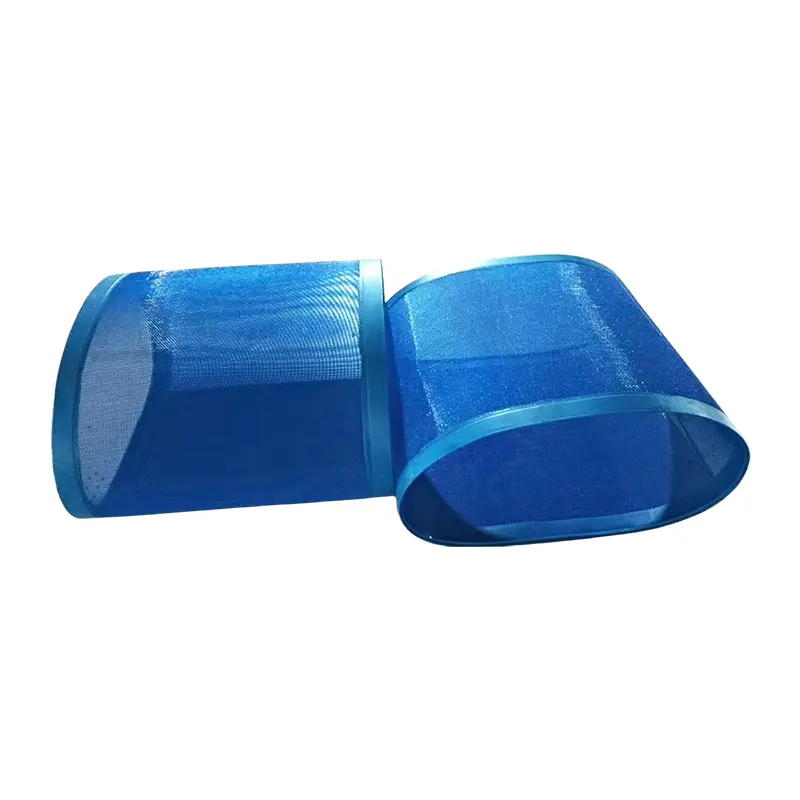
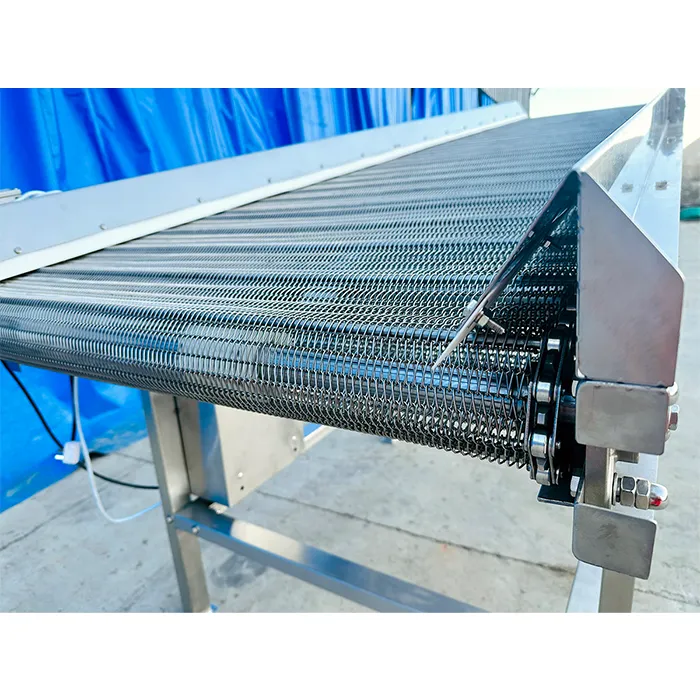
SHUNNAI Metal Mesh Chain Conveyor is designed for industrial conveying applications that require heat resistance, air permeability, drainage, or stable transport of heavy workpieces. Available with woven wire mesh or stamped plate chain structures, it can be configured with 304, 316, or 310S stainless steel and other suitable materials according to operating conditions.
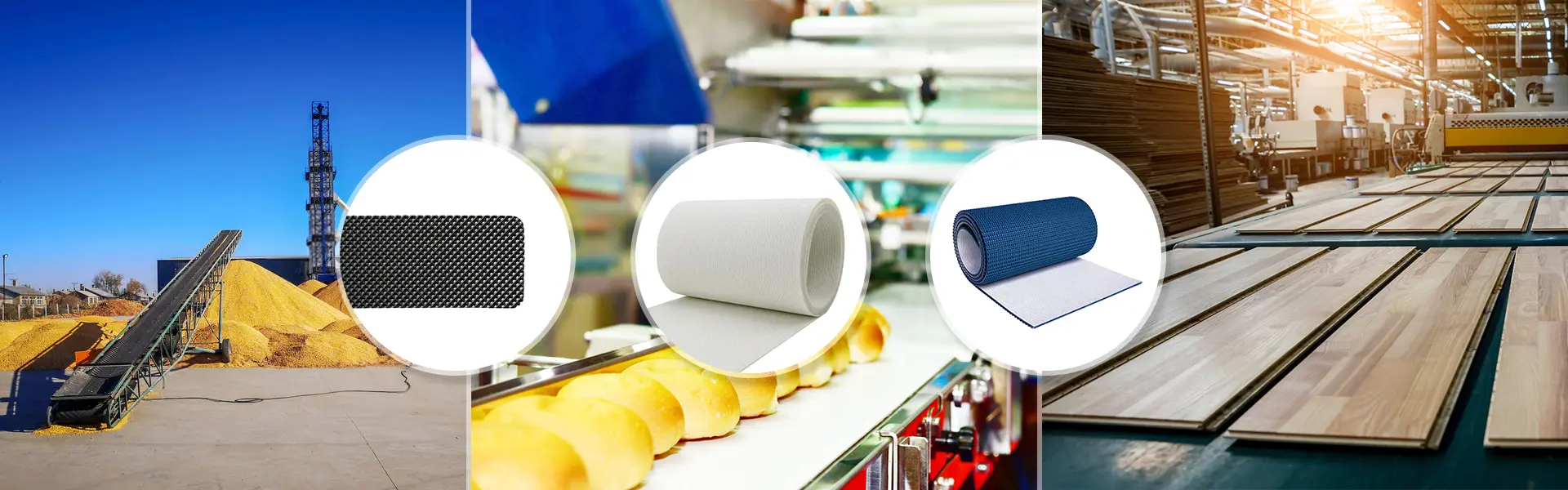
High Temperature Resistant、Breathable and Permeable
Heavy-Duty and Impact-Resistant
For Baking and Heat Treatment
Heavy-Duty and Impact-Resistant
For Baking and Heat Treatment
Our metal mesh chain conveyor is designed for production processes that require an open conveying surface, temperature-resistant materials or reliable transport of heavier workpieces. Depending on the operating environment, customers can choose woven wire mesh belts or stamped plate mesh chains, with material options including 304 and 316 stainless steel, 310S stainless steel, carbon steel and galvanized steel.
Mesh openings, conveyor width, frame construction and additional components can be configured according to product dimensions and process requirements. SHUNNAI holds ISO 9001 certification and has FDA-, MA- and CNAS-related credentials; the applicable certification scope and documentation can be confirmed for specific projects.
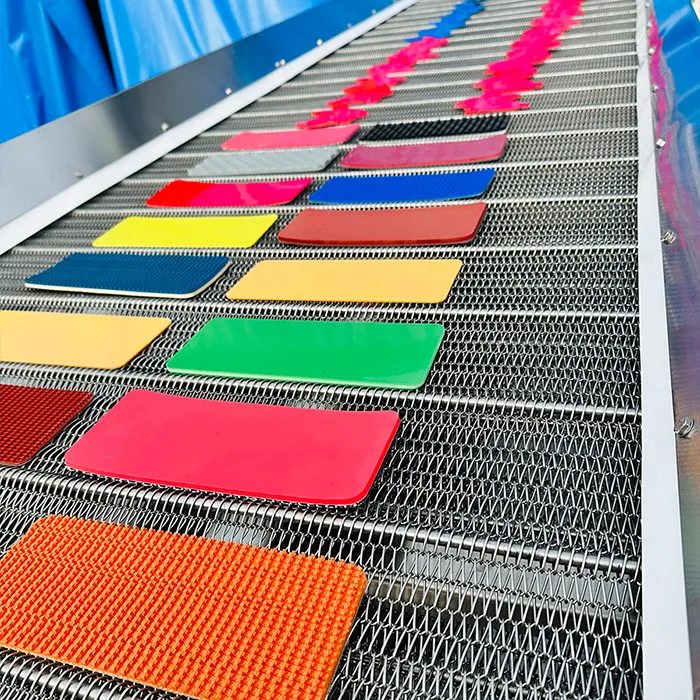
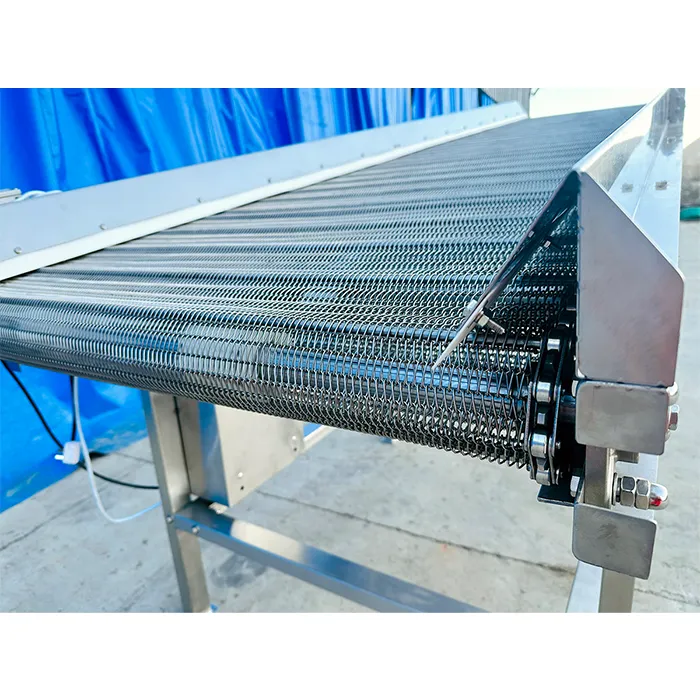
Choose the Right Chain Structure
The mesh structure affects how products are supported, how air or liquid passes through the conveyor, and how the system handles load. SHUNNAI offers two main construction options for different manufacturing conditions.
Woven Wire Mesh
Woven wire mesh provides a relatively lightweight conveying surface with evenly distributed openings. It is suitable for applications such as baking, drying, cooling and draining, where airflow or liquid passage through the conveyor is important. Mesh opening dimensions should be matched to the size and shape of the conveyed material to reduce product loss or unstable support.
Stamped Plate Mesh Chain
Stamped plate mesh chains use formed metal plates and connecting rods to create a more rigid structure. They are suitable for transporting heavier workpieces through processes such as annealing, heat treatment and other industrial operations. The chain design, support arrangement and allowable load should be confirmed against the actual workpiece weight and operating conditions.
When evaluating a metal mesh chain conveyor, buyers should consider more than the mesh appearance. Product dimensions, unit weight, loading method, operating temperature and required conveying speed all influence the appropriate chain design.
Drive System and Wear Points
A mesh chain conveyor commonly uses sprockets to engage with the chain and transmit driving force. This positive engagement helps reduce slipping when compared with friction-driven conveying surfaces, provided the chain and sprockets are correctly matched and maintained. Wear-resistant guide rails support the chain during operation, while the tensioning device helps maintain suitable chain engagement and running conditions.
For reliable operation, buyers should ask about sprocket compatibility, chain tension adjustment, guide-rail wear and access to replacement components. Excessive tension can increase wear on the chain and drive components, while insufficient tension may affect engagement and tracking. Regular inspection of the chain joints, sprocket teeth and guide rails can help identify wear before it causes an unexpected production interruption.
For applications involving continuous operation or high-temperature processing, the drive system should be selected according to the actual load, line speed and surrounding temperature. SHUNNAI can review the operating conditions and equipment layout to determine suitable drive and support arrangements.
Check These Details Before Ordering
A suitable metal mesh chain conveyor starts with clear technical information. Before requesting a quotation, industrial buyers should prepare the following details so the conveyor can be configured for the actual production process.
| Specification | What to Confirm |
|---|---|
| Operating temperature | Normal and peak temperature, heating or cooling stages, and whether the chain is exposed to direct heat. |
| Conveyed material | Product dimensions, weight per item, shape, surface sensitivity and loading method. |
| Mesh opening | Required opening size, product support area, airflow needs and risk of small items falling through. |
| Construction material | Stainless steel grade or alternative material based on temperature, moisture, corrosion and cleaning conditions. |
| Conveyor dimensions | Effective width, total length, installation height, transfer points and available floor space. |
| Additional components | Side guards, cleats, support frames, tensioning access and connections to upstream or downstream equipment. |
Providing these details early helps reduce specification changes during production and installation. If the conveyor is being integrated into an existing oven, furnace, washing line or automated production system, equipment drawings and interface dimensions are also useful.
Match Materials to Working Conditions
Material selection should be based on the combined effects of temperature, corrosion, moisture, load and maintenance requirements. A material suitable for a dry packaging line may not be appropriate for a hot furnace or a wet processing area.
- 304 stainless steel: A common option for applications involving moisture, routine cleaning and many general food-processing environments. Suitability depends on the chemicals and cleaning agents used.
- 316 stainless steel: Worth considering where greater resistance to certain corrosive environments is required, subject to the actual chemical exposure and temperature.
- 310S stainless steel: A potential choice for high-temperature applications, such as certain heat-treatment and glass-processing lines. The allowable operating temperature depends on the environment, load and exposure conditions.
- Carbon steel or galvanized steel: May be suitable for cost-sensitive applications in dry, less corrosive environments where the operating temperature and surface requirements permit their use.
Material grades should not be selected by temperature rating alone. Oxidation, chemical contact, thermal cycling, mechanical loading and cleaning procedures can all affect service life. SHUNNAI can assess these factors when recommending a configuration for a metal mesh chain conveyor.
Applications Across Different Production Stages
Open metal conveying surfaces are useful when products need to pass through heating, cooling, drying, washing or draining operations. The final conveyor configuration depends on the product and the process rather than the industry name alone.
Food Processing and Baking
Woven mesh structures can support biscuit baking, nut drying, vegetable processing and product cooling where air or liquid needs to pass through the conveying surface. For food-contact applications, buyers should confirm the suitability of the selected materials, cleaning method and applicable compliance documentation.
Metalworking and Heat Treatment
Stamped plate mesh chains may be considered for moving metal components through annealing, tempering or other thermal processing stages. Chain rigidity, workpiece weight and the actual temperature profile should be checked before selecting the system.
Glass and Ceramic Manufacturing
Mesh conveyors can be used to transfer glass or ceramic products through controlled heating, cooling and drying stages. The contact surface, support spacing and thermal stability should be evaluated to avoid unwanted marks or unstable product positioning.
Coating, Drying and Material Processing
In coating lines, granular-material processing and industrial drying systems, an open surface can improve exposure to circulating air and support drainage where required. Buyers should also consider whether small particles, liquid residues or coating buildup could affect the mesh openings and cleaning routine.
Plan Maintenance Around Replaceable Parts
Maintenance requirements influence the total cost of ownership, particularly for conveyors operating continuously or inside thermal processing equipment. Before purchasing, confirm which components can be inspected or replaced individually and how much access is available around the drive and return sections.
Depending on the chain design, some damaged sections or connecting components may be replaceable without changing the entire conveying surface. This depends on the specific construction and availability of compatible spare parts, so it should be confirmed before ordering. Routine checks should cover chain wear, connecting rods, sprockets, guide rails, tension and the condition of the frame.
For high-temperature lines, maintenance planning should also account for cooling and isolation procedures before inspection. A documented inspection schedule and a supply of suitable replacement components can help reduce unplanned downtime.
Customer Feedback from Industrial Applications
Equipment Section Chief Wang, Biscuit Factory in Guangdong
“Our tunnel oven originally used chain plates. Biscuit bottoms were often underbaked and stuck. After switching to SHUNNAI metal mesh chains, hot air comes up from below, and biscuits brown evenly on both sides. The stainless steel mesh belt resists high temperatures – after nearly a year, no deformation. Water washing is also convenient.”
Production Manager Li, Heat Treatment Plant in Jiangsu
“Metal workpiece annealing temperatures are high. Ordinary mesh belts cannot withstand them. SHUNNAI’s 310S stamped mesh chain has been used for over half a year – no deformation at high temperatures, and it carries heavy parts stably. When one section is damaged, we just remove the rod and replace that single section – no need to replace the whole belt, saving a lot of money.”
Maintenance Worker Zhang, Glass Products Plant in Shandong
“The glass annealing furnace has high requirements for mesh belt flatness and temperature resistance. SHUNNAI’s woven mesh belt has a very flat surface – glass placed on it is not scratched. Good permeability, low internal stress after annealing. After nearly a year, the mesh surface shows no obvious deformation, and tension has hardly needed adjustment.”
Why Work with SHUNNAI?
Since 2007, Tianjin Shunnai Conveyor Belt Manufacturing Co., Ltd. has developed conveyor belts and supporting equipment for different industrial applications. Our approach begins with understanding the customer's process conditions, including temperature, product load, mesh requirements, installation dimensions and maintenance expectations.
SHUNNAI can discuss woven mesh or stamped plate chain construction, stainless steel grades, conveyor dimensions and optional components according to project requirements. The company holds ISO 9001 certification and has FDA-, MA- and CNAS-related credentials; buyers should request the relevant documents to confirm their scope and applicability to the intended project.
Whether you are planning a new production line or replacing an existing conveying system, provide the product specifications, operating conditions and available equipment drawings. SHUNNAI can use this information to assess a suitable configuration and clarify the technical details before quotation.
Frequently Asked Questions
Can the mesh opening be customized for small products?
Yes. Mesh openings can be specified according to product size and process requirements. The opening must balance product support with the airflow, drainage or drying performance needed for the application. Very small or irregular products may require additional testing or a different mesh configuration.
Is a metal mesh chain suitable for continuous high-temperature operation?
It can be designed for certain high-temperature processes, but suitability depends on the selected material, actual operating temperature, exposure duration, load and thermal cycling. Confirm both normal and peak conditions with the manufacturer before finalizing the specification.
How do I choose between woven mesh and stamped plate construction?
Woven mesh is often considered when permeability and a relatively lightweight open surface are priorities. Stamped plate mesh chains are generally considered for more rigid support and heavier workpieces. The correct choice depends on load, product shape, temperature and process requirements.
Can the conveyor be integrated into an existing oven or production line?
Integration may be possible if the conveyor dimensions, drive arrangement, transfer points and operating conditions are compatible. Provide layout drawings, installation dimensions and interface requirements so these details can be evaluated before manufacturing.
What information is needed for a quotation?
Please provide the conveyed product and its weight, required conveyor width and length, operating temperature, expected throughput, mesh opening requirements, installation conditions and any special material or cleaning requirements. Photos or drawings of the existing line can also help clarify the project.
Contact SHUNNAI for a Conveyor Solution
Looking for a conveying system for baking, drying, cooling, heat treatment or another industrial process? Contact SHUNNAI with your product details, working conditions and equipment layout. Our team can review the requirements and discuss a suitable metal mesh chain conveyor configuration, including chain structure, material grade, dimensions and optional accessories.
Send Inquiry
Contact Info
-
Address
No.129 Qingfeng Road, Jizhou District, Tianjin City, China
-
Tel
-
Email
If you have any inquiry about a quotation or cooperation, please feel free to email or use the following inquiry form. Our sales representative will contact you within 24 hours.
Related Products
News Recommendations