





Plastic Mesh Chain Conveyor
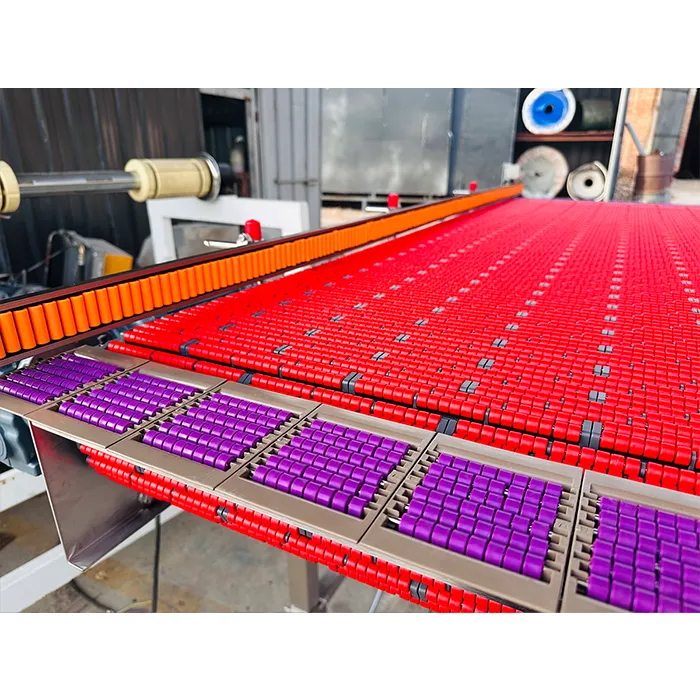
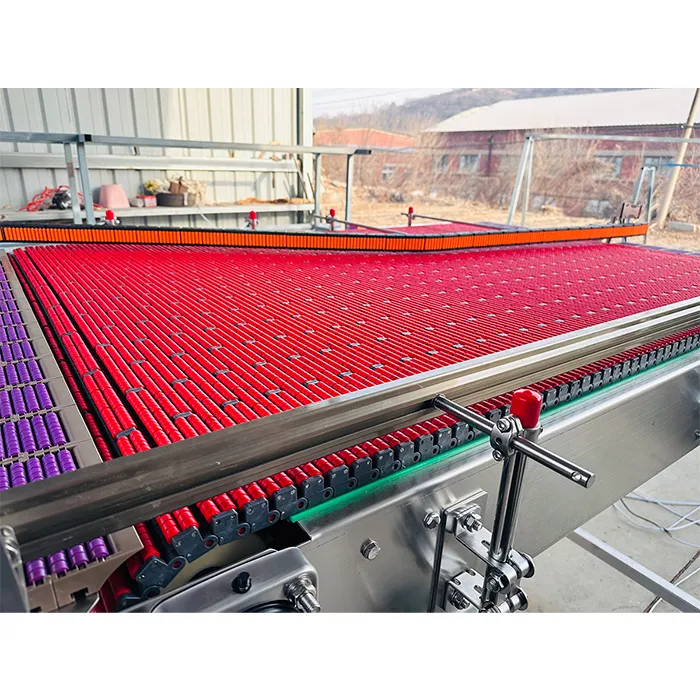
SHUNNAI Plastic Mesh Chain Conveyor is designed for food processing and industrial production lines that require efficient drainage, air circulation, cooling, and flexible product transfer. Featuring modular plastic mesh chains made from POM, PP, or PE, it supports horizontal, inclined, curved, and combined layouts to suit different installation requirements.
Modular Mesh Chain for Draining
Oil Draining and Ventilation
For Food Clean Production Lines
Oil Draining and Ventilation
For Food Clean Production Lines
Our plastic mesh chain conveyor is designed for production lines that require effective drainage, air circulation, product cooling and flexible conveying layouts. The system uses modular plastic mesh chains connected by stainless steel pins, with POM, PP and PE available for different operating conditions.
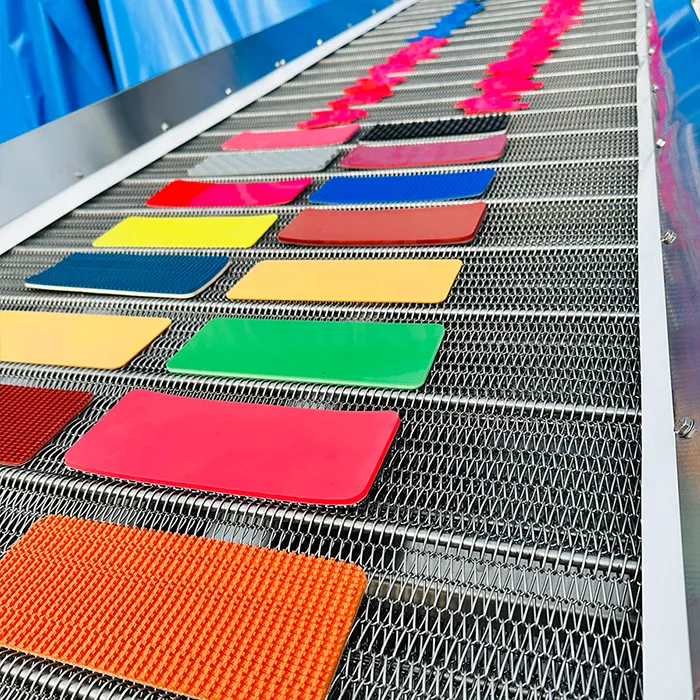
Customers can choose solid surfaces, small openings or larger mesh openings according to product dimensions and process needs. Sprocket drive, adjustable chain tension, wear strips and optional side guards or cleats help adapt the equipment to specific production requirements.
Keep Products Moving Between Process Stages
In food production, conveying is often part of a larger process rather than a standalone transport task. Products may need to pass from washing to sorting, from frying to oil removal, or from baking to cooling without unnecessary manual handling. The conveyor surface should support the product while allowing the required water, oil or air to pass through.
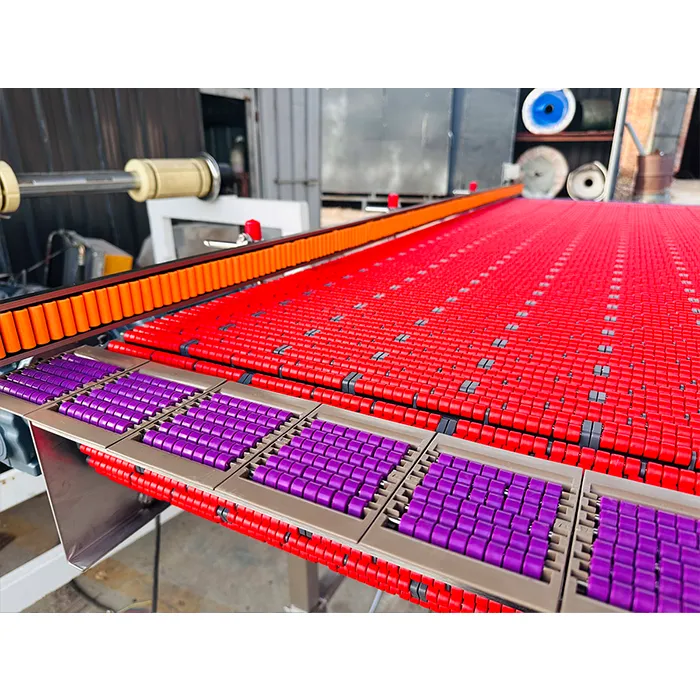
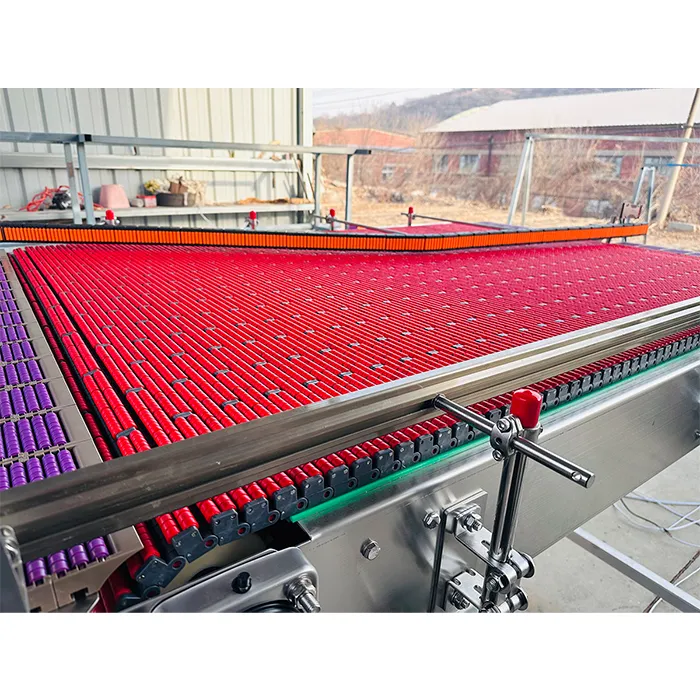
A plastic mesh chain conveyor can be configured around these process transitions. Open mesh sections help drain residual water from washed vegetables and seafood, while suitable openings allow air to circulate around baked goods during cooling. For fried snacks, the mesh surface can support oil drainage after frying. A collection tray or drainage system can be added where the production layout requires controlled liquid removal.
The opening pattern should be selected according to the size, shape and surface condition of the product. Openings that are too large may allow small items to fall through, while openings that are too small may restrict drainage and airflow. For products with irregular shapes or soft surfaces, product stability should be checked before finalizing the mesh design.
Build the Line Around Your Floor Plan
Production facilities often have limited installation space, existing equipment interfaces and different elevation requirements. A conveying system may need to connect a washing machine to a sorting station, bridge a height difference, or turn around a processing area without interrupting product flow.
SHUNNAI systems can be arranged in horizontal, inclined, curved or combined layouts, subject to the selected chain design and operating requirements. The overall configuration should account for transfer points, product stability, line speed, frame clearance and access for cleaning and maintenance.
Inclined Sections
Cleats can help prevent products from sliding backward when conveying uphill. The cleat height and spacing should match the product size, weight and required throughput. Side guards may also be used to reduce the risk of products moving off the conveying surface.
Curved Sections
Curved configurations can help connect equipment positioned at different angles. The chain type, sprocket arrangement and curve geometry must be compatible with the intended direction of travel and product dimensions. For products that are tall, round or easily tipped, the transfer path should be assessed carefully.
Equipment Connections
When integrating a conveyor with washing, spraying, cooling or packaging equipment, confirm the inlet and outlet heights, transfer gaps, frame dimensions and control requirements. Providing a layout drawing before production helps reduce installation changes and alignment issues.
Understand Chain Materials Before Selection
Plastic mesh chain materials have different mechanical and chemical properties. Choosing a material based only on price or appearance may lead to premature wear, deformation or unsuitable performance in the actual production environment.
| Material | Main Characteristics | Potential Applications |
|---|---|---|
| PP (Polypropylene) | Good resistance to many moisture-related and chemical conditions; economical for suitable applications. | Fruit and vegetable washing, seafood processing and other compatible wet conveying lines. |
| POM (Polyoxymethylene) | Good rigidity, strength and wear resistance for applications requiring stable support. | Boxed products, meat blocks and other compatible loads where mechanical performance is important. |
| PE (Polyethylene) | Good toughness and impact performance in suitable low-temperature environments. | Selected refrigerated and frozen product conveying applications. |
These are general selection guidelines rather than universal performance guarantees. Actual suitability depends on the specific polymer grade, operating temperature, cleaning chemicals, contact medium, load and continuous operating time. Strong acids, certain cleaning agents or elevated temperatures may limit the use of some plastics. For food-contact applications, buyers should also verify the material's applicable food-contact documentation and the requirements of the destination market.
Design for Cleaning and Routine Inspection
In food and beverage facilities, cleaning access is an important part of equipment selection. Product residue, oil, moisture and debris can accumulate around chain joints, sprockets and frame supports if these areas are difficult to reach. A suitable design should make routine inspection and cleaning practical without creating unnecessary maintenance work.
The modular chain construction allows compatible sections to be disassembled for cleaning or repair. Depending on the equipment design, operators can remove connecting pins, replace damaged modules and reinstall the chain instead of automatically replacing the entire conveying surface. This can reduce spare-part consumption and repair time when replacement components are available and the chain design permits local replacement.
Before ordering, buyers should confirm how the chain is removed, whether tools are required, how the drive components can be accessed and which cleaning methods are permitted. High-pressure washing should only be used when the complete equipment design, bearings, motor, electrical components and sealing arrangements are suitable for that method.
A practical maintenance plan should include checks for worn mesh modules, damaged connecting pins, sprocket wear, chain tension, guide-strip condition and residue around the drive assembly. After cleaning or repair, the chain should be correctly reassembled and inspected before the line returns to production.
Match the Conveyor to the Product
The most suitable configuration depends on what the conveyor carries and what must happen during transport. SHUNNAI plastic mesh chain conveyor systems can be considered for the following process requirements, subject to material compatibility and equipment design.
Fruit and Vegetable Washing
Apples, citrus, potatoes and leafy vegetables may need to be conveyed after washing or sorting. An open mesh surface helps water drain from the products and can reduce water accumulation on the conveying surface. Mesh opening size should be chosen to support the smallest items in the product range.
Bread and Bakery Cooling
Bread, cakes and biscuits often require controlled cooling after baking. A mesh surface allows air to circulate around the product, while the conveyor speed and available cooling time should be matched to the production output and product characteristics.
Seafood and Meat Processing
Fish, shrimp and other compatible products may pass through thawing, washing and draining stages. Meat products may also require transfer between processing stations. The selected polymer, frame material and cleaning procedure should be checked against the temperature, moisture, sanitation and chemical conditions of the line.
Snack and Fried Food Production
Fried nuts, snacks and other suitable products can be conveyed across a mesh surface for oil drainage. Products containing syrup or other liquid coatings may also require drainage before a subsequent drying or packaging stage. Confirm that the chain material is compatible with the product temperature and any oil or cleaning agents involved.
Herbal Products and Beverage Lines
Selected herbal materials may require washing and draining, while bottles may pass through spray-cooling or rinsing stages. The mesh design should accommodate the product dimensions and the required liquid flow. For pharmaceutical or other regulated applications, material suitability and cleaning validation requirements should be confirmed separately.
Customer Feedback from Production Lines
Equipment Supervisor at a Fruit and Vegetable Processing Plant in Shandong
“We used flat belts before. Water from vegetable leaves accumulated on the belt surface, flowed everywhere, and vegetables easily rotted. After switching to SHUNNAI plastic mesh chain conveyors, water drains directly down, leaves stay dry, and sorters are more willing to work. The mesh chain is easy to remove and wash – a weekly rinse and no mold has grown.”
Production Manager at a Bakery in Guangdong
“The bread cooling line originally used an ordinary mesh belt, which deformed and mis-tracked over time. SHUNNAI’s plastic mesh chain has been used for over half a year. Sprocket drive is very stable, no mis-tracking. The mesh surface has good air permeability, bread cools faster, and line speed has increased.”
What Affects Long-Term Performance?
Conveyor service life depends on the chain material, loading conditions, operating environment and maintenance routine. Even a well-selected system can experience premature wear if it operates outside its intended conditions or is not maintained correctly.
Buyers should pay particular attention to four factors. First, confirm that the polymer is suitable for the normal and peak operating temperatures. Second, avoid overloading the chain or allowing products to create concentrated impact on individual modules. Third, keep sprockets, guide strips and chain tension within the manufacturer's recommended conditions. Finally, ensure that cleaning chemicals and procedures are compatible with the chain, frame and drive components.
If the line carries products of different sizes or weights, provide the full product range rather than only the lightest item. If the equipment operates continuously, share the planned operating hours and required throughput. This information helps SHUNNAI evaluate the chain configuration and identify potential maintenance considerations before the equipment is manufactured.
Why Choose SHUNNAI?
Tianjin Shunnai Conveyor Belt Manufacturing Co., Ltd. has worked in the conveyor belt and supporting equipment industry since 2007. The company provides conveying solutions for different production environments, with attention to chain material, mesh opening, drive compatibility, installation dimensions and cleaning access.
Rather than selecting a configuration by price alone, SHUNNAI can review the product characteristics and process conditions to help identify a suitable design. Available options include PP, POM and PE chain materials, different mesh opening patterns, stainless steel or carbon steel frames, and accessories such as cleats and side guards, subject to the application requirements.
SHUNNAI holds ISO 9001 certification and has FDA-, MA- and CNAS-related credentials. The scope and relevance of each document should be verified against the specific equipment, materials and intended market. Customers can provide drawings, product photos and process parameters for technical discussion before quotation.
Frequently Asked Questions
Can one conveyor handle products of different sizes?
It may be possible if the product range is compatible with the mesh openings, side guards, transfer points and load capacity. The smallest product should be checked to prevent it from falling through the mesh, while the largest and heaviest products should be assessed for stable support and available conveying space.
What causes plastic mesh chain wear?
Common contributing factors include unsuitable operating temperature, excessive load, abrasive contact, incorrect chain tension, worn sprockets and incompatible cleaning chemicals. Inspection of the chain and drive system can help identify the cause before replacement parts are selected.
Can the chain be replaced without replacing the whole conveyor?
In many modular designs, individual damaged chain modules can be replaced by removing the relevant connecting pins. The exact procedure depends on the chain construction and equipment configuration. Confirm module availability and replacement instructions when purchasing the system.
Is the equipment suitable for food-contact applications?
Suitability depends on the selected polymer grade, frame and component materials, cleaning procedure and applicable regulations. Buyers should request relevant food-contact declarations or test documentation for the specific materials and verify that they meet the requirements of the target market.
What should I provide when requesting a quotation?
Please share the product dimensions and weight, required throughput, conveyor length and width, operating temperature, process stages, cleaning method and installation layout. Details about inclines, curves, drainage trays and connections to existing equipment are also useful for determining the appropriate configuration.
Discuss Your Conveyor Requirements
If your production line needs better drainage, product cooling, oil removal or flexible connections between processing stations, contact SHUNNAI with your application details. Our team can review the product range, operating conditions, installation dimensions and cleaning requirements to discuss a suitable plastic mesh chain conveyor configuration. Drawings, photographs and existing equipment specifications can help clarify the project and support a more accurate quotation.
Send Inquiry
Contact Info
-
Address
No.129 Qingfeng Road, Jizhou District, Tianjin City, China
-
Tel
-
Email
If you have any inquiry about a quotation or cooperation, please feel free to email or use the following inquiry form. Our sales representative will contact you within 24 hours.
Related Products
News Recommendations



