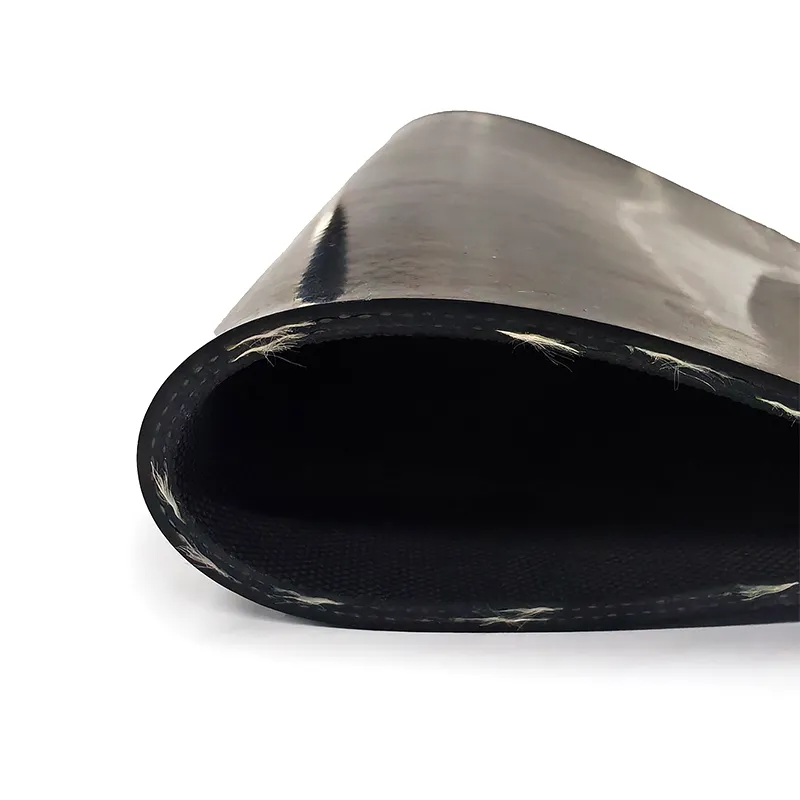
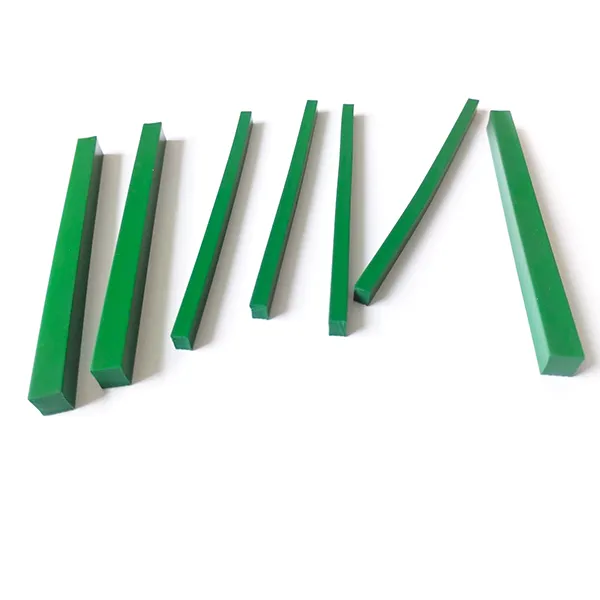
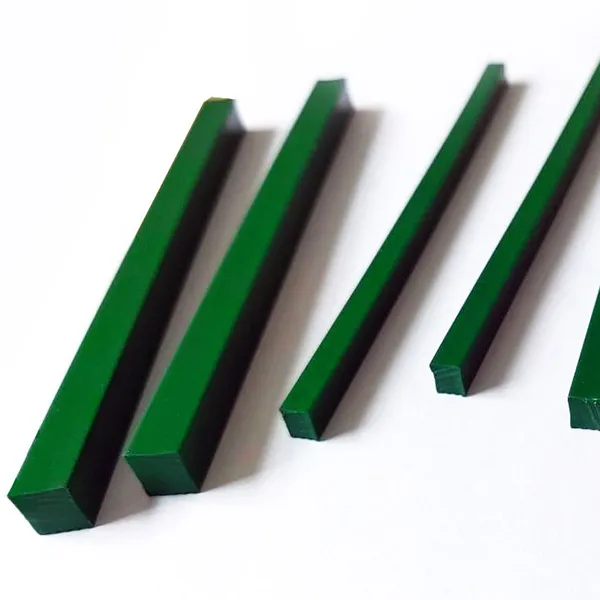
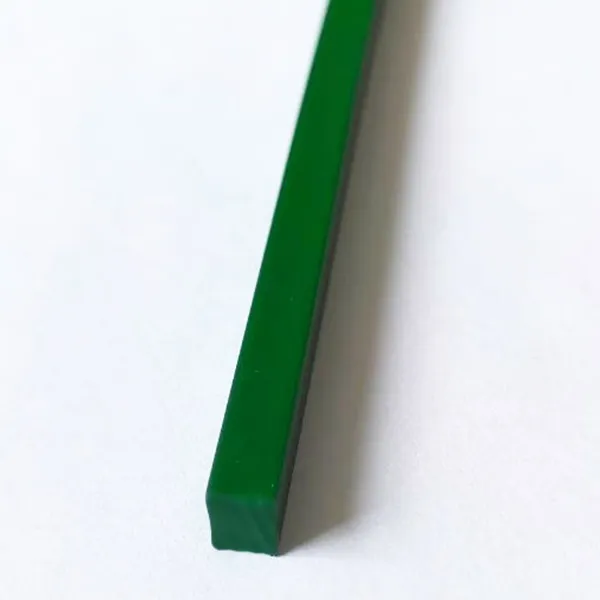
PU PVC Conveyor Belt with Square Tracking Guide
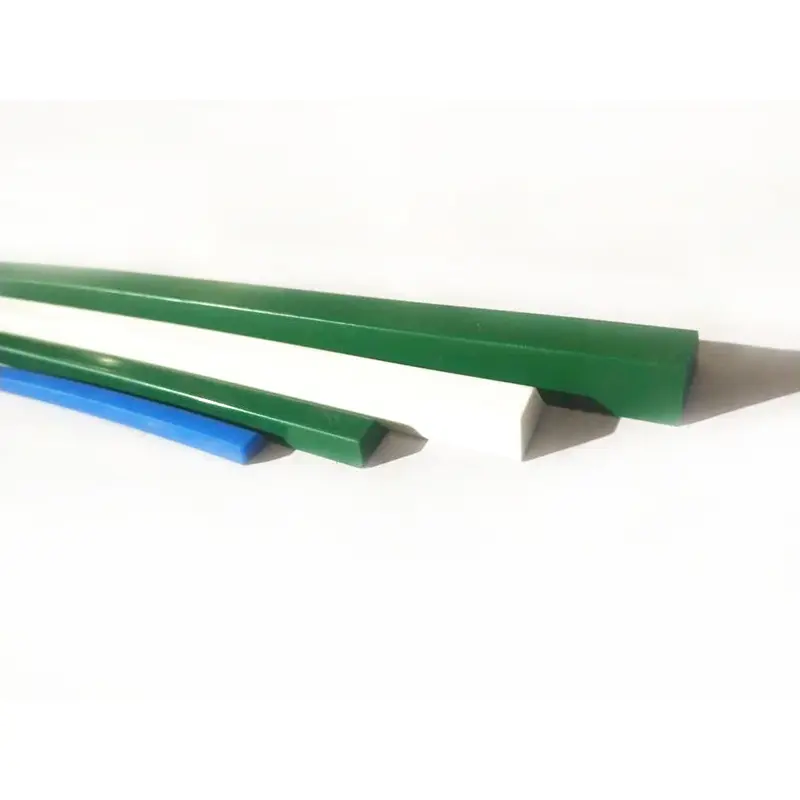
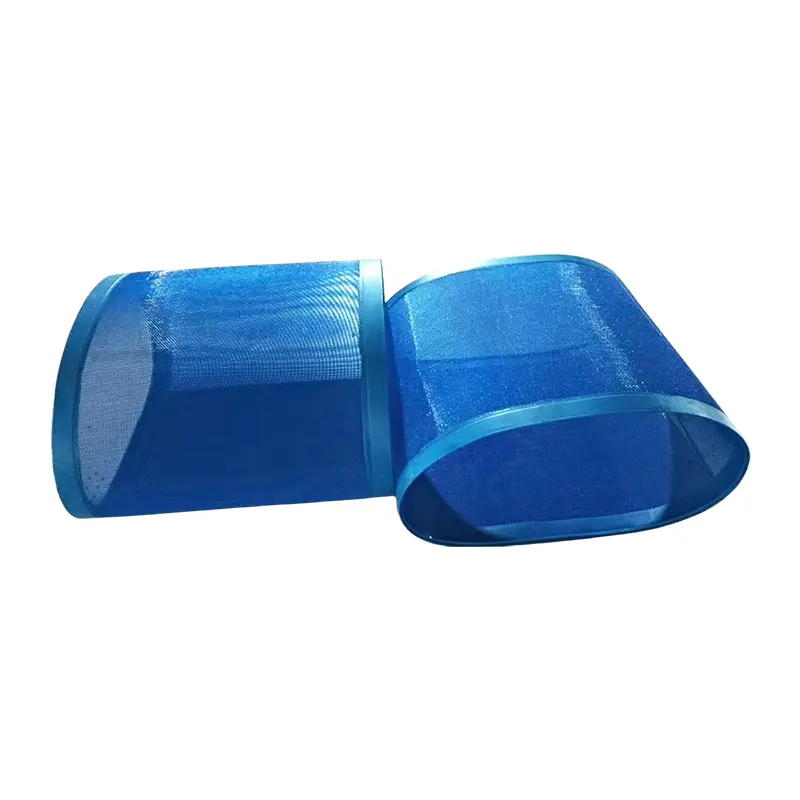
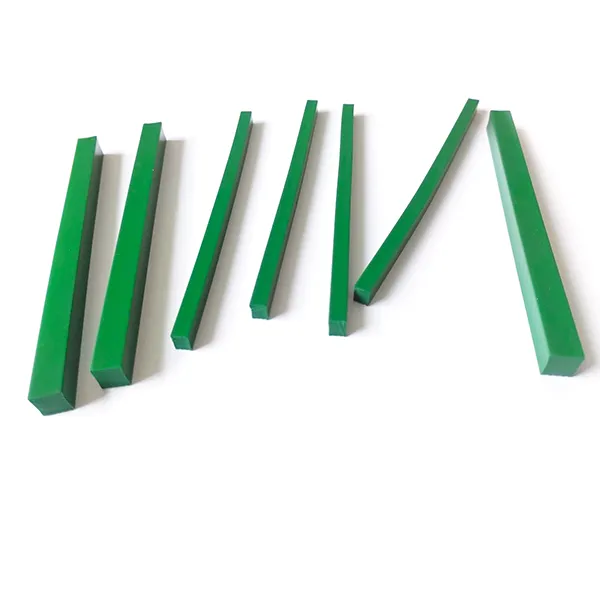
SHUNNAI PU PVC Conveyor Belt with Square Tracking Guide is designed to improve lateral belt stability in industrial conveying systems. Its rectangular guide profile provides flat contact surfaces for engagement with a compatible guide channel, helping control belt movement under off-center loading and during precision positioning operations.
Strong Lateral Resistance
Precise Positioning
Anti-Misalignment for Long-Distance and Off-Center Loads
Precise Positioning
Anti-Misalignment for Long-Distance and Off-Center Loads
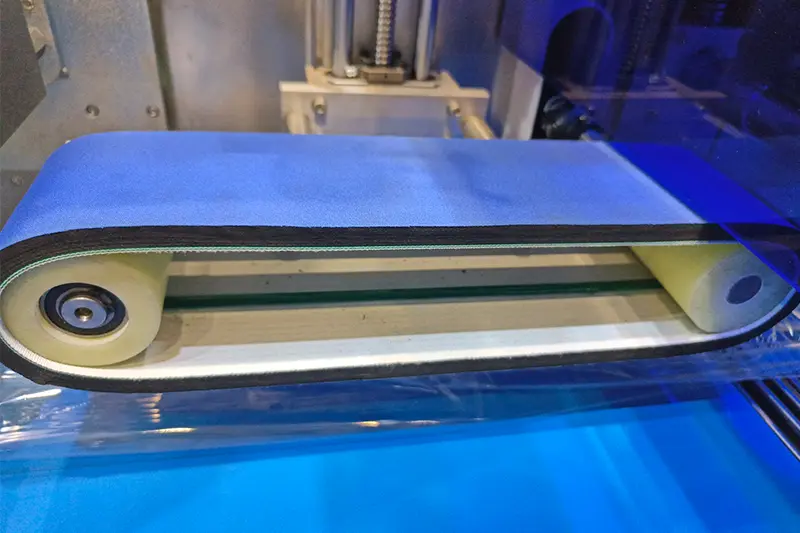
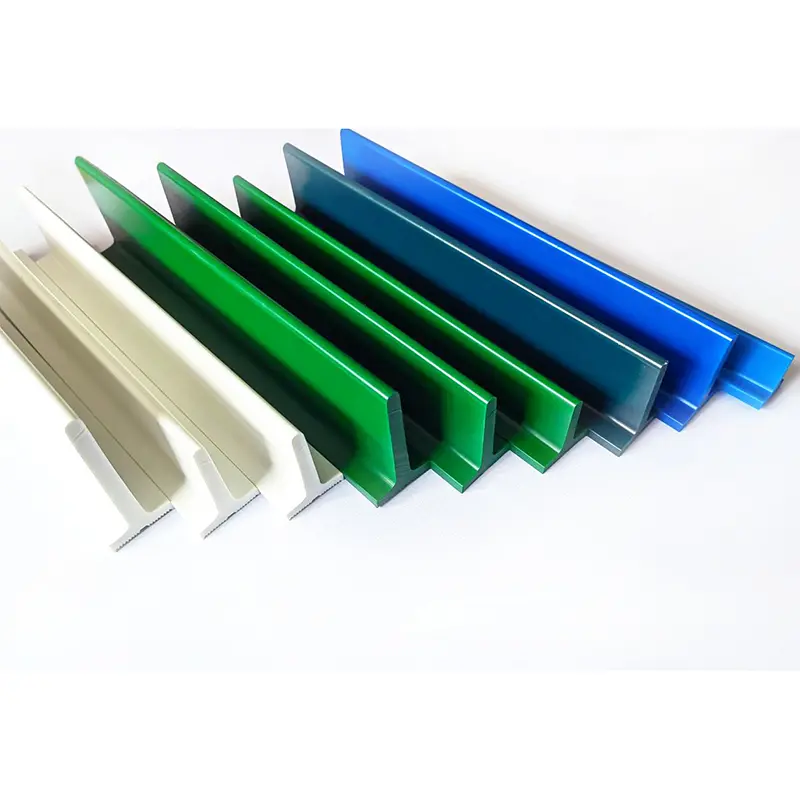
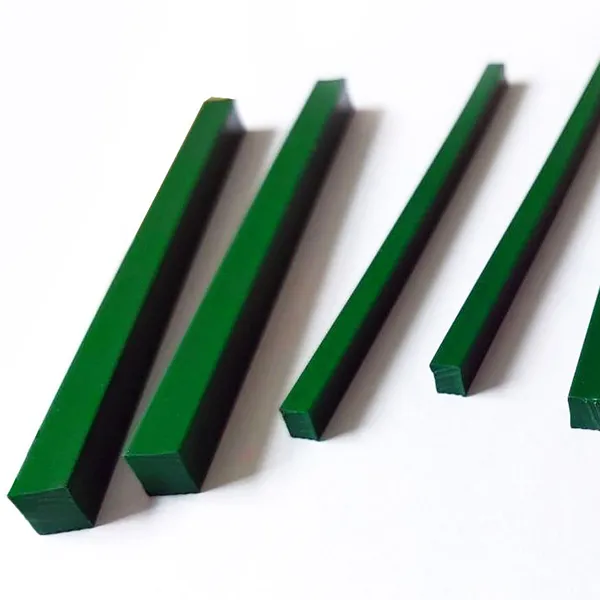
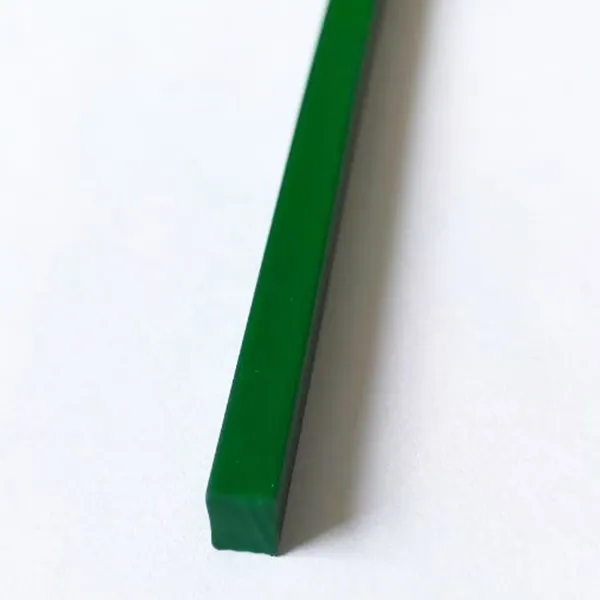
A PU PVC Conveyor Belt with Square Tracking Guide uses a rectangular guide profile to help control lateral belt movement. Its flat sides engage with a compatible guide channel, while its relatively wide base provides a bonding surface for attachment to the belt. This configuration is particularly useful where a conveyor needs more defined lateral restraint than a round guide can provide.
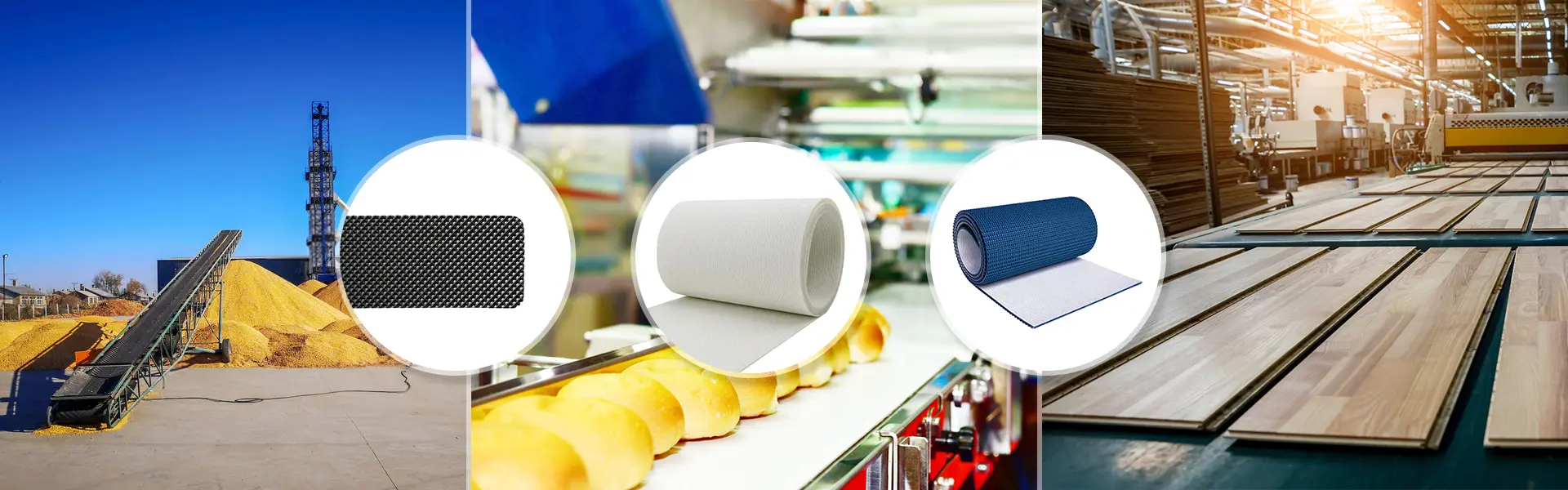
SHUNNAI offers square tracking guides in suitable rubber, PVC, and PU materials according to the belt construction and working environment. Depending on the selected materials and belt type, the guide can be attached by hot vulcanization or high-frequency welding. Applications include long straight conveyors, off-center loading lines, inclined cleated belts, precision positioning equipment, and selected wet-processing environments.
How Square Guides Control Lateral Movement
Belt mis-tracking can result from uneven loading, changes in belt tension, pulley misalignment, roller installation errors, or an unsuitable guiding arrangement. A tracking guide provides an additional mechanical reference to help limit lateral movement, but it does not replace correct conveyor alignment and tension adjustment.
Unlike a round guide, which has a curved contact surface and may retain clearance inside its channel, a square guide has flat sides that can engage more closely with a matching channel. When the dimensions are properly matched, this contact helps resist sideways movement and supports more consistent belt positioning.
The guide's rectangular base also provides a bonding area along the belt surface. However, actual tracking performance depends on guide dimensions, channel clearance, bonding quality, belt flexibility, operating speed, and the lateral forces generated by the conveyed load. These factors should be assessed together when selecting a PU PVC Conveyor Belt with Square Tracking Guide.
Where Precise Tracking Matters
Long Straight Conveyor Lines
On long conveyor runs, small alignment differences and uneven loading can contribute to lateral drift over time. A correctly fitted square guide can help keep the belt within its intended path and reduce repeated manual tracking adjustments.
One-Sided Loading or Discharge
When products are loaded or discharged away from the belt centerline, the resulting lateral force may encourage the belt to move sideways. Square guides can provide additional restraint when the guide channel and belt system are designed to accommodate these forces.
Inclined Conveyors with Cleats
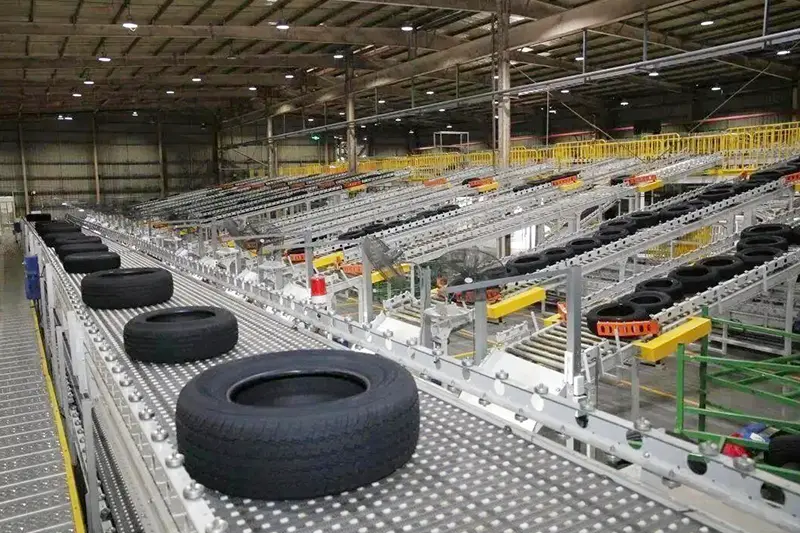
Cleated belts are often used to move products along an incline. Depending on product distribution and conveyor geometry, the load may create lateral forces in addition to the normal conveying force. A compatible square guide helps control sideways movement while the cleats carry the material.
Inspection and Positioning Equipment
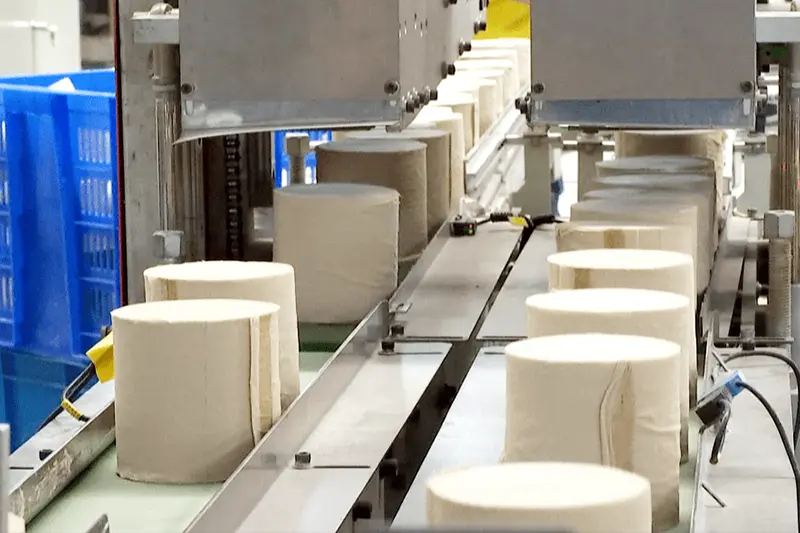
Vision inspection, inkjet coding, printing, and automated sorting equipment may require products to pass through a defined working area. A square guide can support repeatable belt positioning, although the achievable accuracy depends on the entire conveyor system rather than the guide alone.
Selected Wet-Processing Lines
For food-processing and washdown environments, a suitable PU guide may be considered where water, oil, or frequent cleaning affects equipment operation. Buyers should confirm material compatibility, bonding performance, and the required food-contact documentation for the intended application.
Choose the Guide Material
The guide material should be compatible with both the conveyor belt and the operating environment. SHUNNAI can evaluate rubber, PVC, and PU options based on wear, flexibility, cleaning requirements, and the conditions under which the belt operates.
Rubber: Rubber guides may be suitable for applications requiring wear and impact resistance, including certain woodworking, stone-processing, and heavy industrial conveying lines. The rubber formulation should be checked against the operating temperature, abrasion level, and belt material.
PVC: PVC guides are an option for many general-purpose conveying systems where cost, profile fit, and compatibility with the belt are important. Buyers should confirm whether the selected PVC grade can withstand the actual temperature, chemicals, and mechanical loading.
PU: Polyurethane guides may be considered for applications requiring suitable wear properties and resistance to water or oil. For food-processing equipment, the specific PU grade and finished guide must meet the relevant requirements for the intended food-contact and cleaning conditions.
When ordering a PU PVC Conveyor Belt with Square Tracking Guide, identify the base belt material first. A guide material that performs well on one belt construction may not be suitable for another, particularly when the attachment method or operating environment differs.
Bonding and Dimensional Fit
The guide must remain securely attached while its sides interact with the guide channel. SHUNNAI uses hot vulcanization or high-frequency welding according to the selected materials, belt construction, and manufacturing requirements. The appropriate process should be confirmed for each configuration rather than assumed to be interchangeable.
Hot vulcanization may be considered for compatible rubber belt and guide constructions, while high-frequency welding may be suitable for certain compatible thermoplastic belt and guide materials. Material compatibility and process parameters determine the final bonding quality.
Square guide width and height should match the equipment channel. A guide that is too large may bind or create excessive friction, while excessive clearance may allow more lateral movement than the application permits. The bonding base, guide position, and available installation space must also be considered.
After installation, inspect the guide for consistent alignment, secure attachment, and any visible gaps or deformation. During operation, monitor for abnormal rubbing, guide wear, lifted edges, and debris inside the channel. These checks can help identify dimensional mismatch or changing operating conditions before they cause prolonged downtime.
Customer Applications
Grain and Oil Processing Plant, Shandong
“Our conveyor is long, and the discharge point is offset to one side. The belt always ran to one side. Round guides slipped in the channel after a few months. After switching to SHUNNAI square guides, the side walls lock firmly – the belt barely mis-tracks. After more than a year, the guide has not debonded and the edges are not worn.”
Food Packaging Company, Guangdong
“The workshop is washed daily. Ordinary guides debonded quickly. SHUNNAI’s PU square guides are heat-fusion welded – water cannot wash them off, and they resist oil and water. The belt stays centered at the packaging machine infeed, positioning is accurate, and bags are not skewed.”
Electronics Factory, Jiangsu
“We convey precision parts. If the belt shifts slightly, vision inspection misjudges. SHUNNAI recommended square guides – the channel fit is tight, and the belt barely moves laterally. After more than half a year, inspection accuracy is stable, and we no longer adjust the belt frequently.”
Check These Details Before Ordering
To help select a suitable square tracking guide, buyers should prepare the conveyor and belt information below. Providing drawings or photographs of the existing guide and channel can also help clarify the required fit.
Guide dimensions: Specify the guide width, height, base width, and installation position. If replacing an existing guide, provide a sample or dimensional drawing where possible.
Guide channel: Confirm the channel's internal width and depth, shape, material, and clearance. The guide should fit the channel without binding while providing the required lateral restraint.
Belt construction: State the belt material, thickness, width, and whether the belt includes cleats or other attachments. This information helps assess guide compatibility and the appropriate bonding process.
Operating conditions: Describe conveyor length, speed, load distribution, incline, operating temperature, moisture, oil exposure, and cleaning procedures. Include any recurring belt drift, edge wear, or guide separation.
Required performance: Explain whether the priority is reducing belt wander, improving positioning consistency, handling off-center loads, or meeting washdown requirements. This helps SHUNNAI evaluate the guide configuration against the actual problem.
Frequently Asked Questions
Can a square guide replace a round guide on an existing conveyor?
Possibly, but the guide channel, mounting space, belt construction, and required clearance must be checked first. A square profile may provide stronger lateral restraint in a compatible channel, but it should not be installed without confirming dimensional fit.
Will a square tracking guide eliminate belt mis-tracking?
It can help limit lateral movement, but it cannot correct every cause of mis-tracking. Pulley alignment, roller positioning, belt tension, loading distribution, and conveyor frame alignment should also be checked if the belt continues to drift.
Can the guide be supplied in a custom height or width?
Custom dimensions may be available according to the equipment design and manufacturing requirements. Provide the channel dimensions, available installation space, and required guide measurements for evaluation.
Which guide material is suitable for frequent washdown?
A suitable PU grade may be considered for certain wet-processing applications. The material, bonding method, cleaning chemicals, temperature, and sanitation requirements should all be confirmed. Food-contact suitability must be supported by documentation for the specific product and intended use.
What should be checked if the guide starts separating from the belt?
Inspect the bonding surface, guide alignment, material compatibility, operating temperature, and any excessive lateral force or channel friction. The attachment process and belt construction should be reviewed to determine the likely cause before selecting a replacement.
SHUNNAI Manufacturing and Quality Support
Since 2007, Tianjin Shunnai Conveyor Belt Manufacturing Co., Ltd. has supplied conveyor belts and accessories for industrial conveying applications. SHUNNAI evaluates guide material, dimensions, belt compatibility, and attachment requirements to help buyers select a suitable tracking solution.
SHUNNAI maintains an ISO 9001 quality management system and has FDA-, MA-, and CNAS-related credentials. The scope and applicability of specific certifications or documents should be verified for the relevant product, material, and intended use. Buyers with regulated or food-related applications should confirm the exact compliance documentation required for their project.
If your conveyor experiences repeated belt drift, unstable product positioning, guide wear, or bonding problems, provide SHUNNAI with your belt specifications, channel dimensions, and operating conditions. Our team can review the requirements and advise on a suitable square tracking guide configuration.
Contact SHUNNAI to discuss custom dimensions, material options, bonding methods, and quotation requirements for your conveyor project.
Send Inquiry
Contact Info
-
Address
No.129 Qingfeng Road, Jizhou District, Tianjin City, China
-
Tel
-
Email
If you have any inquiry about a quotation or cooperation, please feel free to email or use the following inquiry form. Our sales representative will contact you within 24 hours.
News Recommendations