






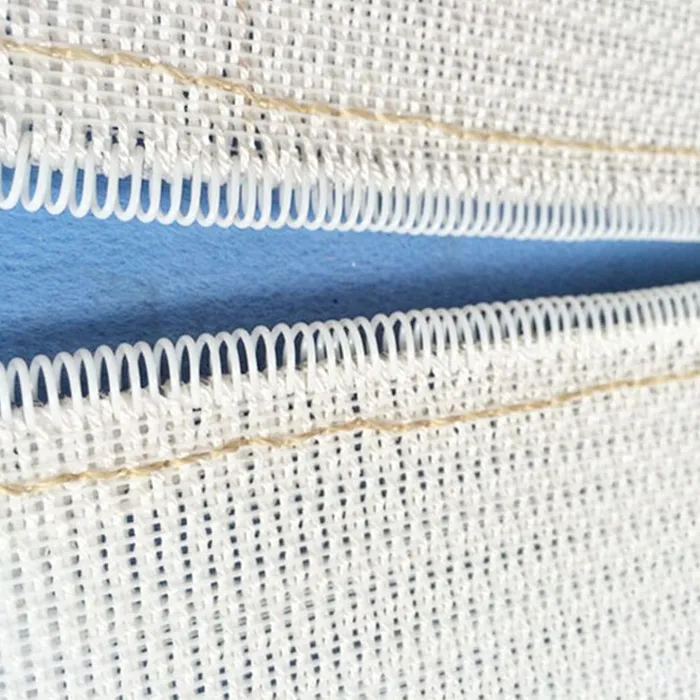
Conveyor Belt Plastic Fastener
SHUNNAI Conveyor Belt Plastic Fastener is designed for quick mechanical joining of conveyor belt ends in light- to medium-duty applications, emergency repairs, and temporary conveying lines. Made from nylon-based material, it provides a practical alternative to splicing methods that require vulcanizing equipment or adhesive curing time. Its modular fastening design supports on-site installation with suitable tools, helping maintenance teams reduce repair delays.
No Vulcanization, Ready to Use
No Rust, No Spark
For Food, Pharmaceutical and Explosion-Proof Applications
No Rust, No Spark
For Food, Pharmaceutical and Explosion-Proof Applications
The Conveyor Belt Plastic Fastener is a nylon-based mechanical connector designed for light- to medium-duty conveyor belt applications. It joins belt ends through a modular fastening structure, using a snap-in, clip, or hinge-pin locking method according to the selected design. Unlike hot vulcanization, this connection method does not require a large vulcanizing machine or adhesive curing time, making it useful for urgent repairs and temporary conveying arrangements.
Before selecting a fastener, buyers should check belt thickness, operating tension, pulley diameter, conveying speed, material characteristics, and cleaning requirements. The fastener is intended for specific operating conditions rather than every conveyor system. SHUNNAI can help customers assess compatibility, select suitable accessories, and understand the installation process before ordering.
When Is a Mechanical Splice the Practical Choice?
Conveyor belt repairs often involve a trade-off between connection strength and the time needed to return equipment to service. Hot vulcanization can be suitable for demanding, long-term applications, but it requires appropriate equipment, trained personnel, and processing time. Cold bonding also involves adhesive preparation and curing.
A Conveyor Belt Plastic Fastener offers another option when the priority is a quick on-site connection. It can be considered for emergency belt repairs, short conveyor sections, temporary production lines, and equipment that needs to return to operation without waiting for a vulcanizing process.
After installation, the connection should be inspected and tested under controlled conditions before the conveyor returns to normal loading. Operators should follow the installation instructions and confirm that the fastener is compatible with the belt and the actual working load.
Check Belt Compatibility Before Ordering
Fastener selection should begin with the conveyor belt rather than the fastener alone. A connector that fits the belt dimensions may still be unsuitable if the belt runs under excessive tension, passes around a small pulley, or operates at high speed.
Information to Confirm
Belt material and thickness: Confirm the belt construction, thickness, and condition at both ends. Damaged, stretched, or heavily worn belt sections may need to be repaired or trimmed before joining.
Working tension and load: Determine whether the conveyor handles light packages, agricultural products, or other materials within the fastener's intended duty range. High-tension conveying requires a more suitable splice design.
Pulley diameter and speed: Check the smallest pulley diameter and the operating speed. A mechanical fastener can create a raised joint, which may cause interference or additional wear when clearance is limited.
Operating environment: Consider moisture, oil, cleaning chemicals, temperature, and any applicable hygiene or site-safety requirements. The suitability of the nylon material must be confirmed for the actual environment.
Maintenance frequency: The connection described here is intended for one-time installation. If the joint is removed, the fastener body or hinge pin may be damaged and should not be reused. Plan for replacement fasteners if future belt removal is expected.
What to Expect During Installation
The modular design is intended to simplify field installation without a large vulcanizing setup. Depending on the selected fastener and belt construction, the process generally involves preparing the belt ends, aligning the connection, making the required holes or engaging the fastening elements, and securing the joint with the specified clip or hinge pin.
Installation time depends on belt width, belt condition, fastener configuration, and the experience of the maintenance team. SHUNNAI can provide matching tools and installation guidance to help customers prepare for on-site work.
After the connection is assembled, inspect the joint for alignment, secure locking, protrusions, and interference with conveyor components. Run an unloaded test first and check for tracking problems, snagging, unusual noise, or contact with nearby equipment. Only proceed to gradual loading when the connection and conveyor operation have been checked.
Important: This is a single-use connection after installation. If disassembly is required, replace the fastener rather than attempting to reuse a damaged body or hinge pin.

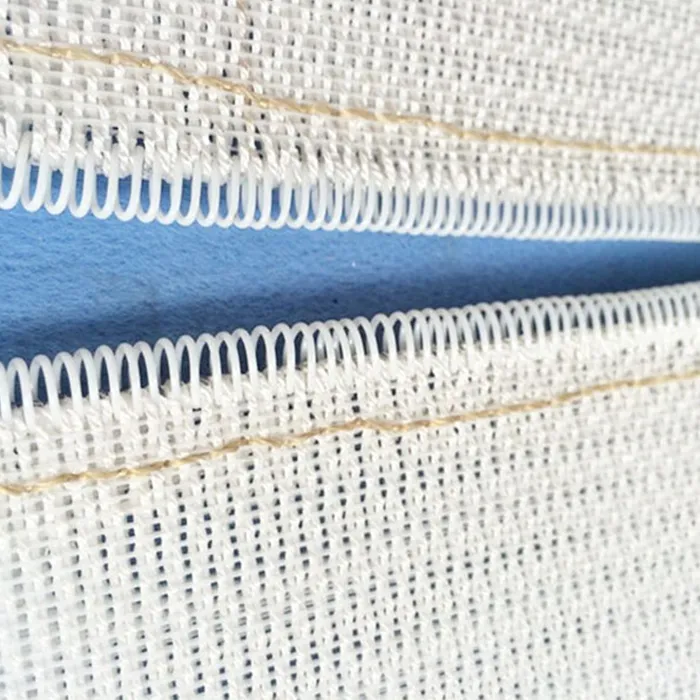
Material Benefits and Operating Considerations
Nylon is a non-metallic material that does not rust like ordinary steel. Depending on the grade and operating conditions, it may be suitable for applications where moisture, metal contact, or spark generation is a concern. Its lightweight construction can also be useful where a heavy metal connector is unnecessary.
For food, pharmaceutical, chemical, and other regulated environments, buyers should verify the specific material documentation and application requirements before use. A general description of the nylon material does not by itself establish that the complete fastener is certified for every food-contact, cleanroom, or hazardous-area application.
Resistance to oil, acids, alkalis, and cleaning agents varies with the nylon grade, chemical concentration, temperature, and exposure duration. For demanding chemical environments, confirm compatibility with SHUNNAI before purchase.
Where This Fastener May Fit
Food processing and agricultural handling: It may be considered for suitable light-duty conveying sections, sorting lines, and temporary repairs where the connector's material and design meet the site's hygiene and operating requirements.
Pharmaceutical packaging and logistics: Non-metallic construction can be useful where metal components or particles need to be minimized. The raised splice profile must still be checked against package surfaces, transfer points, and cleaning procedures.
Warehouse and temporary conveying lines: When a belt breaks or a line configuration changes, a mechanical connector may help maintenance teams restore service without arranging a vulcanizing setup, provided the conveyor falls within the fastener's duty range.
Grain and fruit handling: For suitable low- to medium-load sections, the fastener may support repairs in environments exposed to dust or moisture. Actual material compatibility and operating conditions should be assessed before installation.
For any application involving flammable atmospheres, underground mining, or other hazardous locations, do not assume that a non-metallic fastener alone makes the entire conveyor system safe. Confirm applicable equipment requirements and site approvals before use.
Know the Limits Before Choosing
A plastic mechanical fastener is not a universal replacement for a vulcanized splice. Its strength and surface profile differ from those of a properly executed vulcanized joint, so the connection method must match the operating conditions.
In general, do not select this type of fastener without further technical review for high-tension, long-distance main conveyors; high-speed systems; steep-angle lifting; small-pulley arrangements; conveyors with belt cleaners that may contact the splice; fine-powder applications requiring a highly sealed joint; or lines where the joint must maintain a particularly smooth product-contact surface.
It may also be unsuitable for highly corrosive conditions or systems requiring repeated disassembly and reuse. For continuous heavy-duty conveying, hot vulcanization or another engineered splice may be the better choice. SHUNNAI recommends confirming the application before purchase rather than selecting a fastener based on installation speed alone.
Field Feedback from Conveyor Users
Food Processing Plant, Guangdong
Section Chief Wang, Equipment:
“Our line occasionally needs temporary extension, and hot vulcanization takes too long. SHUNNAI’s nylon quick fasteners can be installed on site in half an hour. However, once removed they are scrapped. We now prepare new ones in advance and replace directly after removal. As an emergency solution, it is indeed fast.”
Pharmaceutical Packaging Company, Jiangsu
Production Manager Zhou:
“Medicine box conveying requires cleanliness, no metal debris. SHUNNAI’s nylon fasteners are non-metallic, do not shed particles, and have a smooth surface that does not trap dust. During temporary line changes, we can install them ourselves without waiting for external contractors. We used it once and it has stayed fixed – no further disassembly, stability is fine.”
Grain Conveying Station, Hebei
Equipment Supervisor Liu:
“During harvest season, the belt suddenly broke, and there was no time for a vulcanizer. SHUNNAI’s nylon quick fasteners arrived the same day. Workers punched and clipped on site, and conveying resumed in less than an hour. Although it was a temporary splice, it lasted the entire harvest season. We do not plan to remove it – we will replace it together with the belt when due.”
Prepare the Right Repair Kit
For maintenance teams, having compatible fasteners and tools available before a belt failure can reduce the time spent sourcing parts during an unplanned stoppage. A practical repair kit should be based on the conveyor's belt specification and the fastener design, rather than relying on a single size for every machine.
Before placing an order, prepare the following details:
1. Belt details: Material, width, thickness, and the condition of the belt ends.
2. Operating data: Typical load, working tension, conveyor speed, pulley diameter, and conveying direction.
3. Site conditions: Moisture, temperature, oils or chemicals, cleaning methods, and any hygiene or safety requirements.
4. Installation plan: Whether the splice is for emergency repair, temporary use, or an ongoing light- to medium-duty application, and whether spare fasteners and tools are required.
These details help determine whether the fastener is suitable and what accessories may be needed. If the application falls outside the intended duty range, a different splicing method should be considered.
SHUNNAI Supply and Technical Support
Tianjin Shunnai Conveyor Belt Manufacturing Co., Ltd. has worked in conveyor belts and related accessories since 2007. SHUNNAI supports customers with product selection, accessory matching, and installation guidance based on belt dimensions and operating conditions.
The company maintains ISO 9001 quality management certification and has FDA-, MA-, and CNAS-related credentials. Buyers should confirm the scope and applicability of the relevant certification or documentation for the specific product and intended use. These company-level credentials should not be interpreted as automatic certification of every fastener or application.
Whether you are preparing for emergency belt repair or planning a temporary conveyor connection, provide your belt specifications and operating conditions so SHUNNAI can help assess a suitable solution.
Frequently Asked Questions
Can a plastic fastener replace hot vulcanization permanently?
Not in every application. It can be useful for suitable light- to medium-duty conveying and emergency repairs, but high-tension or demanding continuous-duty systems may require hot vulcanization or another engineered splice. Selection depends on the belt and operating conditions.
Can the fastener be reused after the belt is disconnected?
No. The Conveyor Belt Plastic Fastener body or hinge pin may be damaged during removal. Treat it as a one-time connection and install a new fastener when reconnecting the belt.
Does installation require a vulcanizing machine?
No large vulcanizing machine or adhesive curing process is required for this mechanical connection. The appropriate preparation tools and installation method still depend on the fastener design and belt construction.
Is nylon suitable for every food or pharmaceutical conveyor?
No. The material and complete fastener must meet the requirements of the specific application. Confirm applicable material documentation, cleaning compatibility, contamination controls, and the effect of the raised joint on the products being conveyed.
What information should I send to request a quotation?
Provide the belt material, width and thickness, operating load or tension, conveyor speed, smallest pulley diameter, working environment, and intended application. Photos of the existing belt joint or conveyor can also help SHUNNAI assess compatibility.
Contact SHUNNAI for Fastener Selection
Need a practical solution for an urgent belt repair or a temporary conveying line? Send SHUNNAI your belt specifications, operating conditions, and application details. Our team can help you evaluate compatibility, identify the required accessories, and prepare an appropriate installation plan.
Send Inquiry
Contact Info
-
Address
No.129 Qingfeng Road, Jizhou District, Tianjin City, China
-
Tel
-
Email
If you have any inquiry about a quotation or cooperation, please feel free to email or use the following inquiry form. Our sales representative will contact you within 24 hours.
News Recommendations



