Food-Grade Belt Conveyor
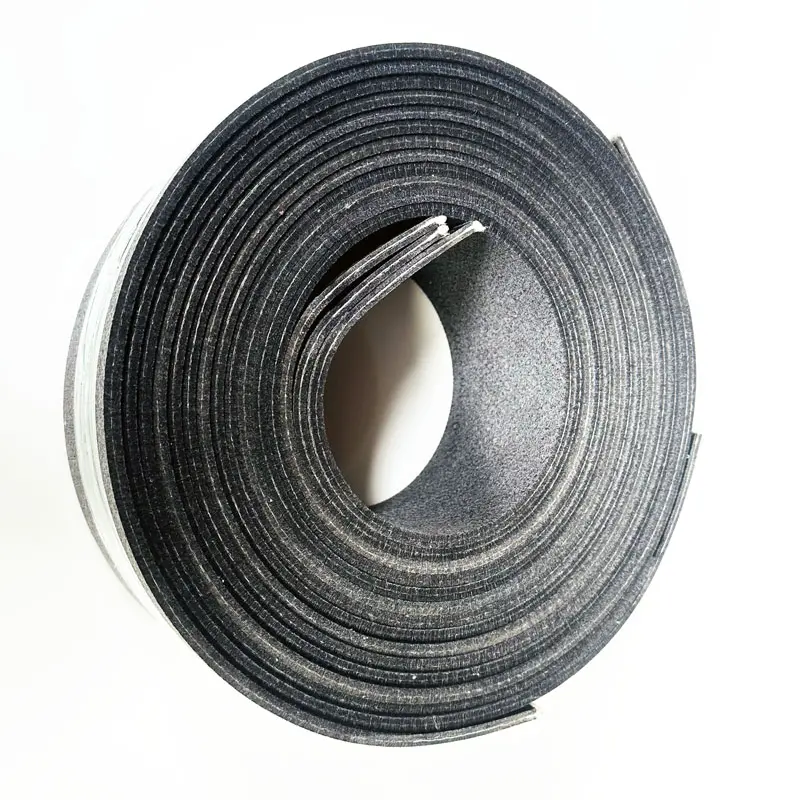
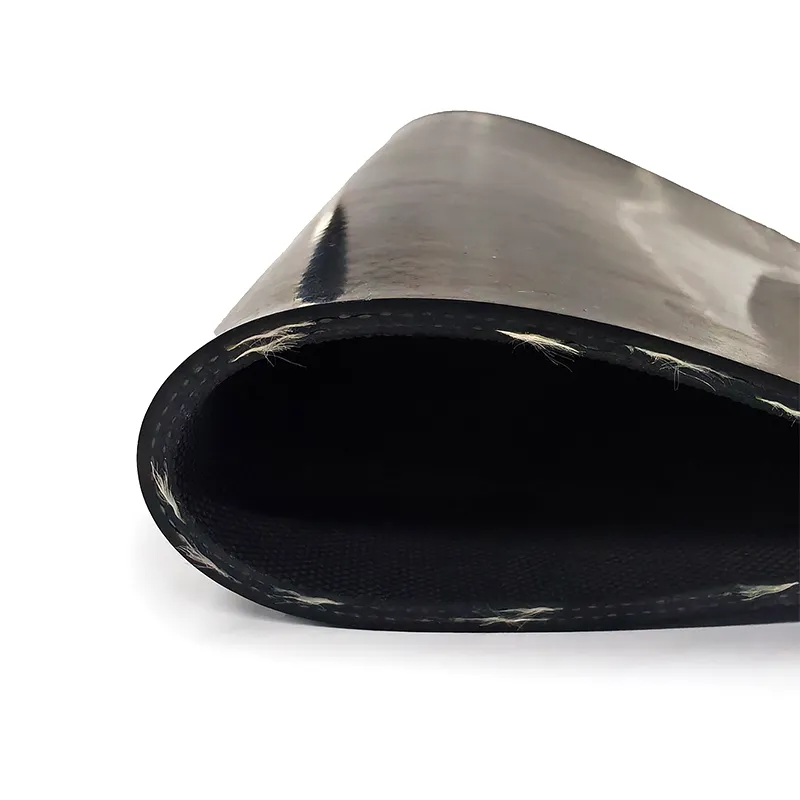
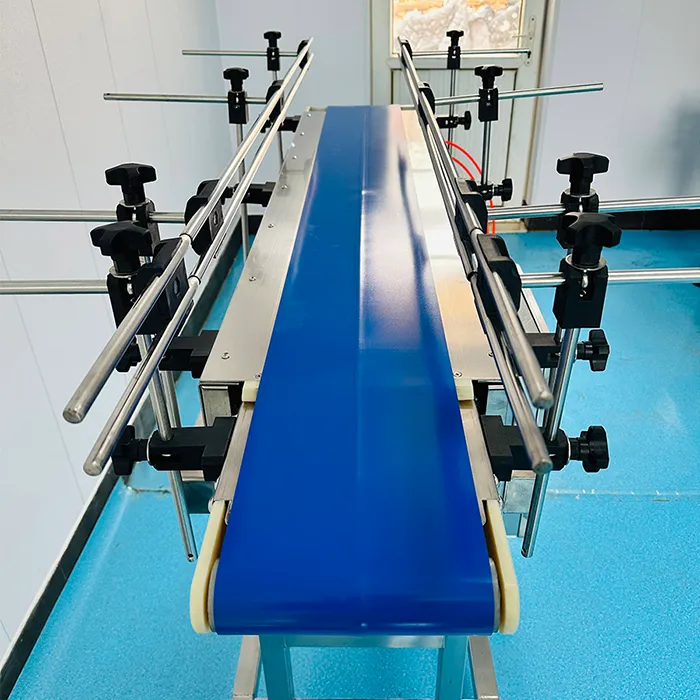
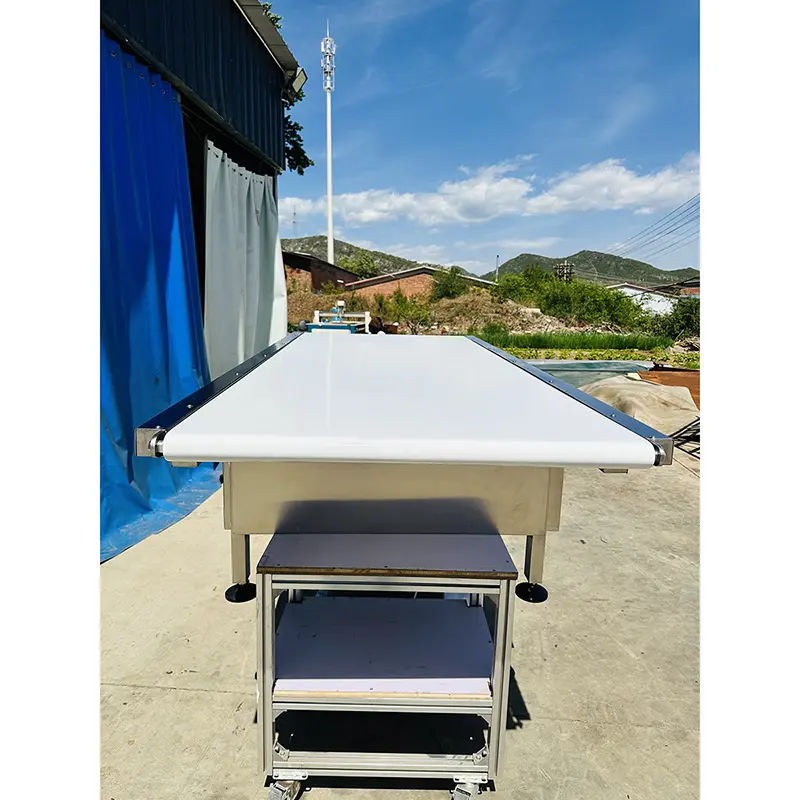
SHUNNAI Food-Grade Belt Conveyor is designed for hygienic material handling in food processing, bakery, meat processing, fruit and vegetable preparation, and packaging production lines. Available with food-grade PU, silicone, PTFE, or PVC belts and optional 304 stainless steel structural components, it can be configured for different product characteristics, operating temperatures, moisture levels, and cleaning requirements.
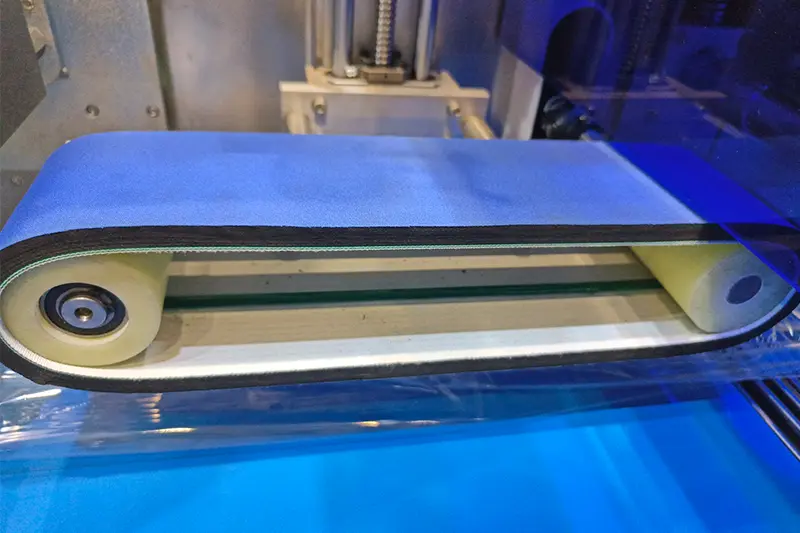
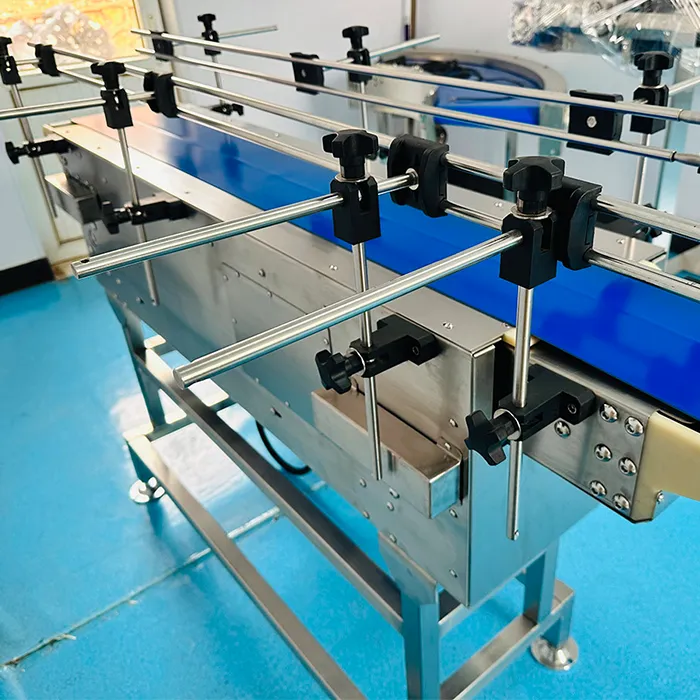
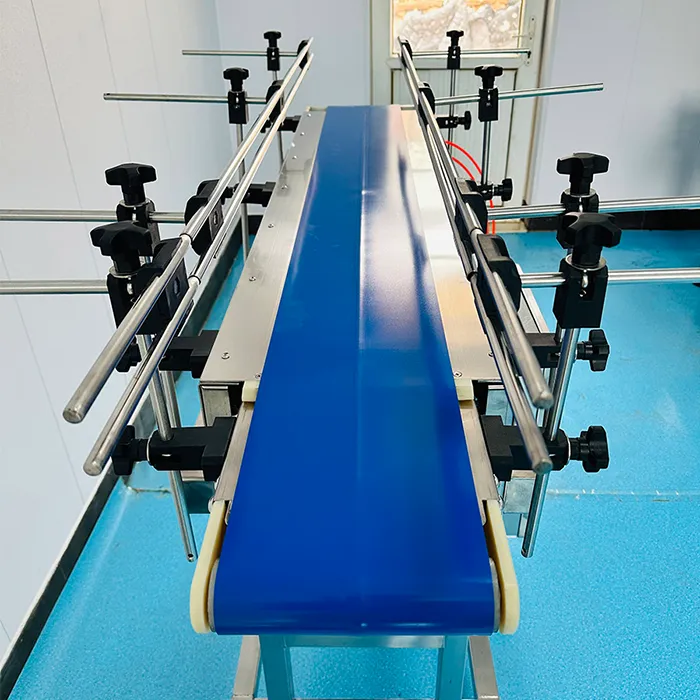
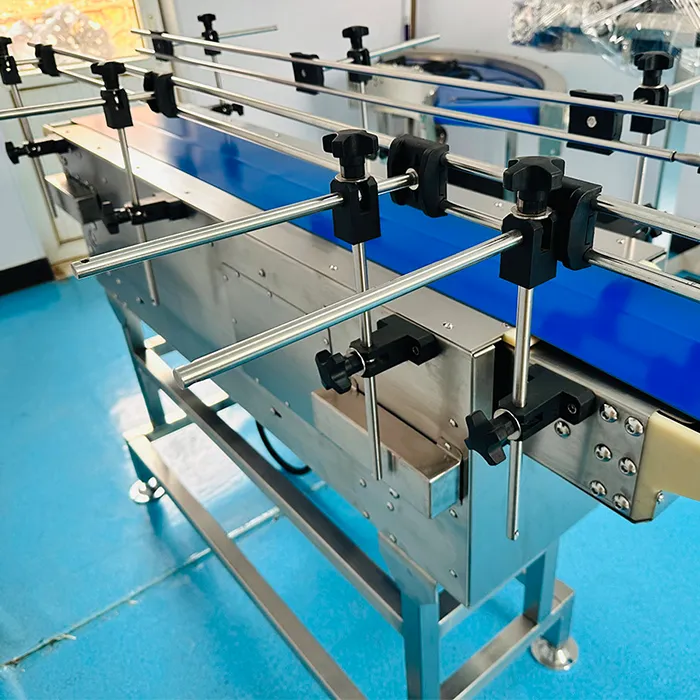
Whole Machine Food-Grade, No Dead Corners, Easy to Clean
Suitable for Dry, Wet, High/Low Temperature and Oily Conditions
Suitable for Dry, Wet, High/Low Temperature and Oily Conditions
A Food-Grade Belt Conveyor must be selected according to the material being handled, the production environment and the cleaning process—not simply by belt width or conveying speed. SHUNNAI offers food-grade PU, silicone, PTFE and PVC belt options, with 304 stainless steel available for the frame, pulleys and idlers. Belt length, width and accessories can be configured for sorting, feeding, discharging, cooling, packaging and other conveying stages.
Check Hygiene Beyond the Belt Surface
Replacing a standard belt with a food-contact belt does not automatically make an entire conveyor suitable for hygienic production. Buyers should also examine the frame, rollers, bearings, joints and other areas where food particles, moisture or grease may collect. SHUNNAI designs its conveying equipment around the hygiene requirements of the complete machine.
Material compatibility
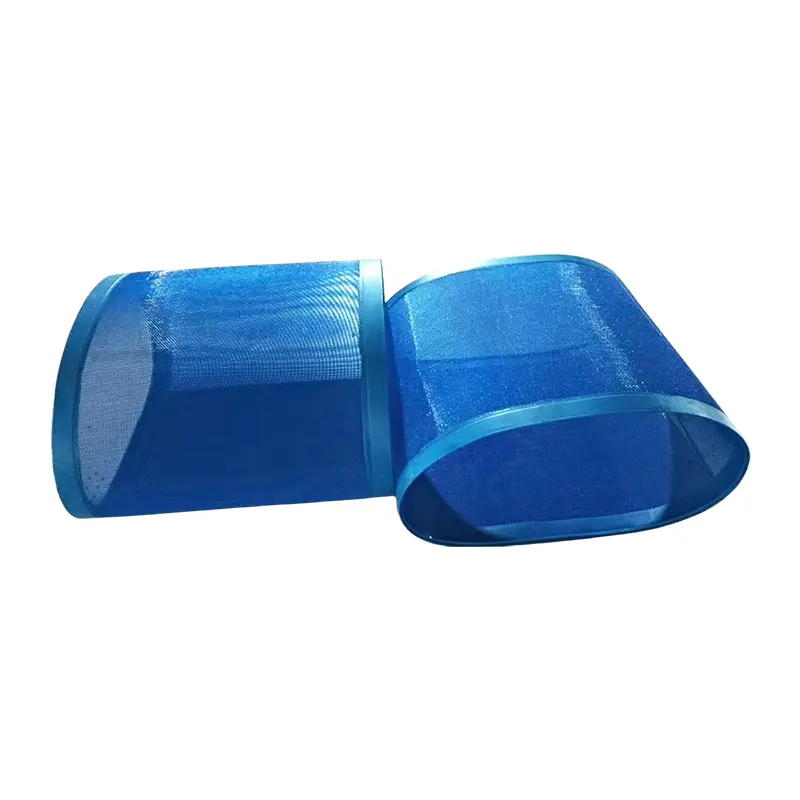
The belt material should be suitable for the food being conveyed and the intended temperature, cleaning chemicals and contact conditions. Depending on the selected configuration, food-grade PU, silicone, PTFE or PVC may be considered. Buyers should confirm the applicable food-contact documentation for the exact belt material and intended use before ordering.
Accessible cleaning areas
Flat surfaces, simplified connections and reduced gaps can make routine cleaning easier. SHUNNAI uses a simplified structural approach to limit difficult-to-reach areas and reduce places where food residue or wash water can accumulate. The appropriate cleaning method—including water pressure, disinfectants and cleaning frequency—should be confirmed against the equipment configuration.
Joint and bearing protection
Hot-bonded belt splices can reduce the gaps associated with mechanical hook fasteners. Sealed bearings help limit lubricant leakage, while appropriate component selection helps reduce the risk of foreign matter entering the production process. These details are particularly important for facilities with frequent sanitation routines.
Match the Belt to the Food and Process
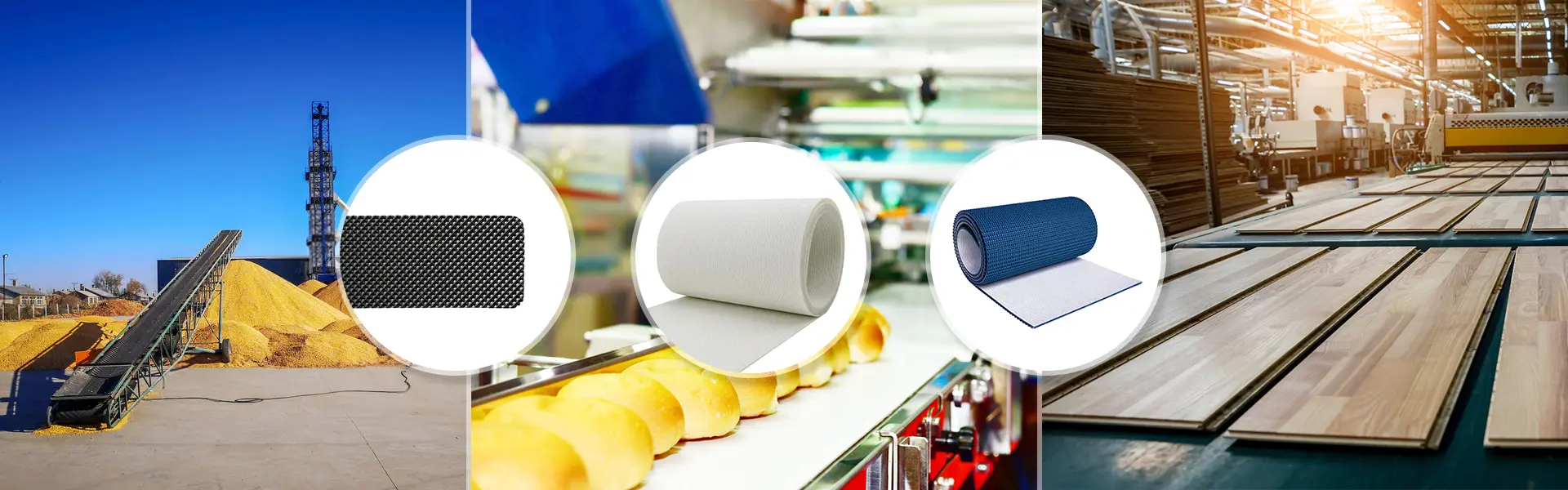
Belt selection affects product release, cleaning effort, resistance to oil and moisture, and performance under operating temperatures. The following options provide a starting point for comparing materials; final selection should be based on the actual operating range and food-contact requirements.
| Belt Material | Typical Application | What Buyers Should Check |
|---|---|---|
| Food-grade PU | Meat products, cooked foods and oily materials | Grease resistance, belt surface, cleaning chemicals and operating temperature |
| Silicone | Bakery cooling and selected heat-related processes | Actual temperature range, release properties and food-contact suitability |
| PTFE | Selected high-temperature and non-stick applications | Temperature limits, belt construction and mechanical requirements |
| Food-grade PVC | Fruit and vegetable sorting, dry goods, snacks and light-duty conveying | Moisture exposure, temperature limits, load and cleaning method |
A Food-Grade Belt Conveyor for a bakery may require different release and temperature properties from equipment used to move freshly washed vegetables or oily meat products. Choosing the belt according to the actual process helps avoid problems caused by unsuitable materials.
Plan for Water, Oil and Temperature Changes
Food production lines often combine several operating conditions. A conveyor may encounter wash water in one section, grease in another, or warm products immediately after processing. Describe these conditions during the quotation stage so the belt, frame and drive components can be selected as a coordinated system.
Wet processing and washdown
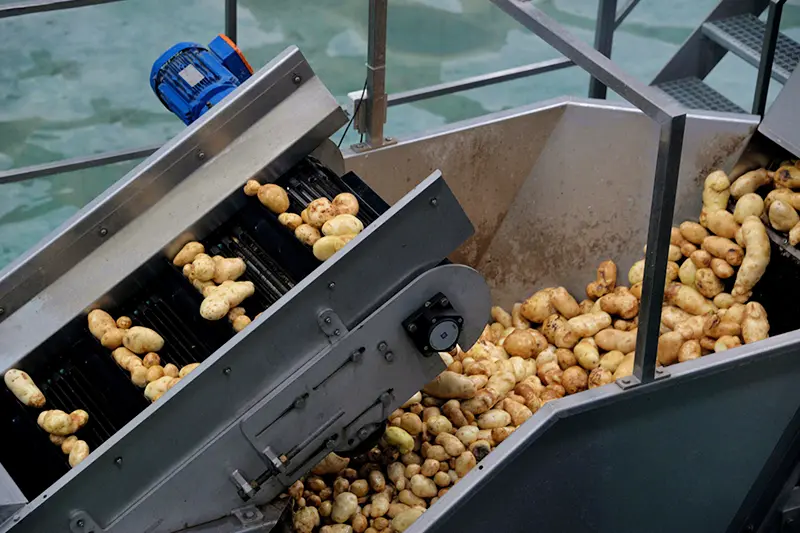
Fruit and vegetable washing, seafood handling and fresh-produce preparation can expose equipment to frequent moisture. A suitable stainless steel structure, compatible belt and accessible cleaning areas can help simplify sanitation. Electrical protection must also match the actual washdown environment; confirm the required ingress protection and cleaning procedure before installation.
Oily and sticky products
Meat, cooked foods and fried products may leave grease or residue on the conveying surface. An appropriate PU belt may be considered where oil resistance is important. For sticky products, buyers should also evaluate release performance and whether the belt surface can be cleaned effectively between production batches.
Hot products and bakery lines
Bread cooling, biscuit handling and other heat-related processes require belt materials that tolerate the actual product temperature and surrounding environment. Silicone or PTFE may be suitable for selected applications, subject to their operating limits and construction. Confirm whether the belt will contact freshly baked products, hot trays or heated process equipment.
Refrigerated and frozen production
Cold rooms and frozen-food lines place different demands on belt flexibility and material durability. The selected belt should be rated for the minimum operating temperature and any temperature changes during cleaning or production. Product weight, condensation and the required conveying speed should also be included in the selection process.
Configure Transfers for Your Production Steps
A conveyor should fit the process rather than force the production line to adapt to a standard machine. SHUNNAI can customize equipment dimensions and selected accessories according to the product size, transfer height, available floor space and required production sequence.
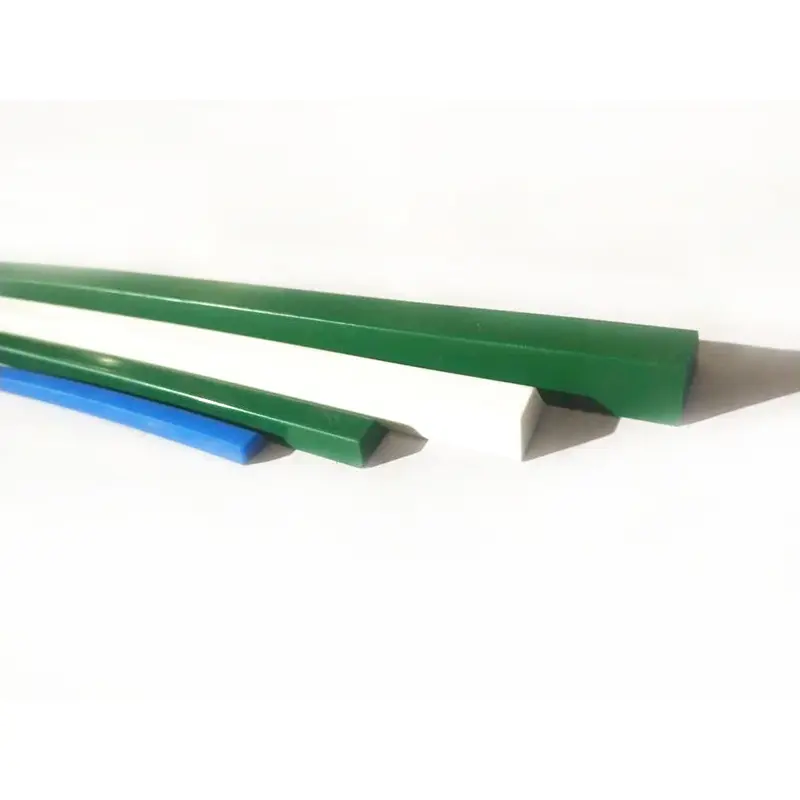
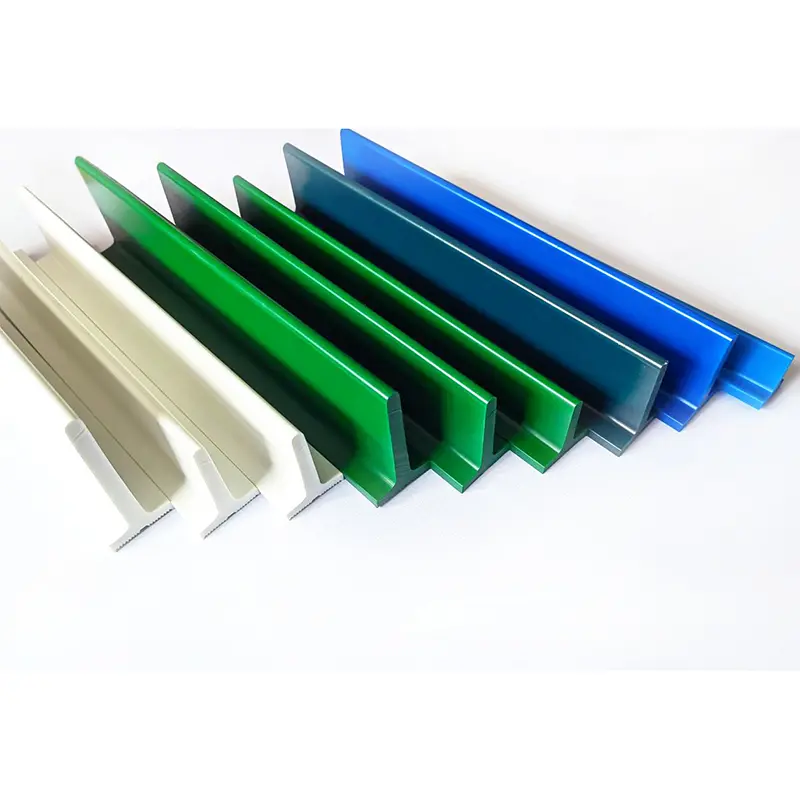
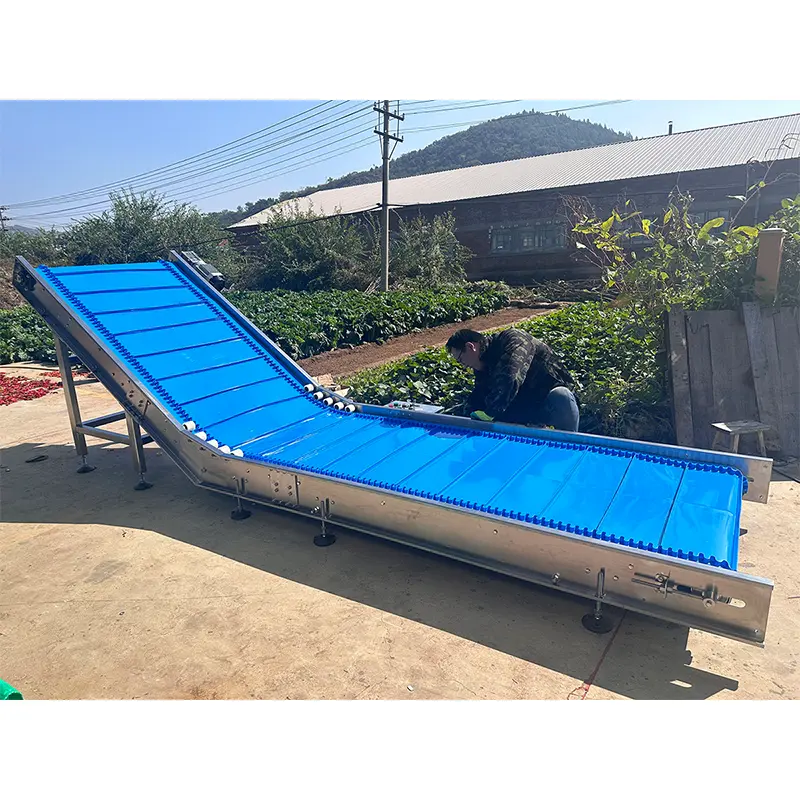
Food-grade cleats can help move products up an incline, while sidewalls can help control lateral movement or retain loose materials where the application permits. Guide strips can support product positioning and transfer. The need for these accessories depends on product shape, conveying angle, loading method and the risk of product damage.
When planning a line, buyers should provide the infeed and discharge heights, available installation area, product dimensions, target throughput and details of upstream and downstream equipment. These details help determine the conveyor width, length, belt speed, drive arrangement and transfer points.
What to Verify Before Equipment Acceptance
Before placing an order, purchasing and quality teams can use the following checks to clarify technical expectations and reduce the chance of mismatches during installation.
Food-contact documentation
Request the relevant documentation for the specified belt and any other parts that contact food. Confirm that the material, intended application and applicable regulatory requirements match the production facility's needs.
Cleaning and drainage
Review the belt splice, frame joints, roller connections and accessible cleaning areas. Confirm the approved sanitation procedure, including water pressure, chemical compatibility and whether the machine needs to be moved or opened for cleaning.
Mechanical and electrical specifications
Check the required load capacity, belt speed, motor arrangement, working temperature and electrical protection. If the line operates in a wet area, clarify the protection requirements for motors, sensors, switches and control components.
Layout and maintenance access
Confirm the conveyor dimensions, connection heights, direction of travel and available space for cleaning and maintenance. Ask which parts can be replaced individually and what spare components should be stocked for routine service.
Feedback from Food Production Sites
Production Manager Wang, a meat processing company in Shandong:
“Our workshop washes the floor and equipment every day. The old ordinary carbon steel conveyor began to rust within half a year, and the belt absorbed oil and swelled. After switching to SHUNNAI food-grade complete machines, the stainless steel frame does not rust, the PU belt does not absorb oil, and a high-pressure water rinse at the end of the day cleans it. After nearly two years, no hygiene problems – SC audit passed on the first try.”
Section Chief Li, equipment, a bakery in Guangdong:
“The bread cooling line has high temperatures. Ordinary belts age and crack quickly. SHUNNAI equipped us with silicone belts and a stainless steel frame – high-temperature resistant, non-stick to bread, easy to clean. The whole machine design has no dead corners. Flour residue does not accumulate in gaps. Workshop hygiene inspections pass every time.”
Site Manager Zhang, a fruit and vegetable distribution center in Jiangsu:
“After vegetable washing, there is a lot of water. The old belt slipped and grew mold. SHUNNAI’s food-grade PVC belt does not absorb water, and the surface has drainage grooves. It dries quickly after washing. The frame is stainless steel, so water is not a problem. After more than half a year, the belt has not grown mold, and the equipment has not rusted.”
How the Equipment Supports Daily Production
The value of a hygienic conveyor depends on how well its configuration fits the production routine. A suitable belt can help manage product transfer, while a stainless steel frame and accessible construction can support cleaning and inspection. Correctly selected accessories can also reduce product slipping or falling during changes in elevation.
For facilities handling different products or running multiple shifts, buyers should consider changeover time, cleaning access, replacement-part availability and the maintenance skills of on-site staff. These factors affect the practical cost of operating the line in addition to the initial equipment price.
SHUNNAI Manufacturing and Customization
Tianjin Shunnai Conveyor Belt Manufacturing Co., Ltd. has supplied conveyor belts and conveying equipment since 2007. Its product range includes PVC, PU and rubber conveyor belts, specialty belts and complete conveying equipment for industrial applications. SHUNNAI holds ISO 9001 certification and has FDA-, MA- and CNAS-related credentials. Buyers should confirm the scope and applicable documentation for the specific project and materials required.
Rather than selecting equipment by belt material alone, SHUNNAI considers the product being conveyed, the production stage, cleaning conditions, operating temperature and installation layout. A Food-Grade Belt Conveyor can be configured with suitable belt materials, stainless steel components and optional cleats, sidewalls or guide strips to meet the needs of individual production lines.
To request a quotation, provide the product type, dimensions, weight, target throughput, operating temperature, cleaning method and conveyor layout. Photos or drawings of the existing line can also help clarify transfer points and installation constraints.
Frequently Asked Questions
Does a food-grade belt automatically make the whole conveyor food-grade?
No. The belt is only one component. Buyers should also review the frame, rollers, bearings, belt splice, contact surfaces and other areas that may affect hygiene. The suitability of the complete machine depends on its materials, design and intended operating conditions.
Which belt material is suitable for oily food products?
Food-grade PU is one option for selected oily-food applications. Confirm the actual oil exposure, temperature, cleaning chemicals and required food-contact documentation before finalizing the material.
Can the conveyor be cleaned with high-pressure water?
This depends on the complete machine configuration, including the belt, bearings, drive, electrical components and enclosure protection. Confirm the permitted washdown method and pressure with the supplier before using high-pressure water.
Can the equipment convey products on an incline?
Yes, an inclined configuration may be available. Food-grade cleats or sidewalls can be considered according to product shape, conveying angle and the risk of slipping or spillage. The required height and throughput should be provided for assessment.
What information is needed for a quotation?
Provide the product type, dimensions and weight, required conveying capacity, belt length and width, infeed and discharge heights, operating environment, cleaning method and any special material or documentation requirements. A layout drawing or equipment photo is useful when replacing an existing conveyor.
Discuss Your Food Conveying Requirements
Contact SHUNNAI to discuss a conveying solution for food processing, bakery, meat handling, produce preparation or packaging operations. Share your product details, sanitation requirements and production-line layout so the equipment configuration can be assessed against your actual working conditions.
Send Inquiry
Contact Info
-
Address
No.129 Qingfeng Road, Jizhou District, Tianjin City, China
-
Tel
-
Email
If you have any inquiry about a quotation or cooperation, please feel free to email or use the following inquiry form. Our sales representative will contact you within 24 hours.
News Recommendations