Troughed Belt Conveyor
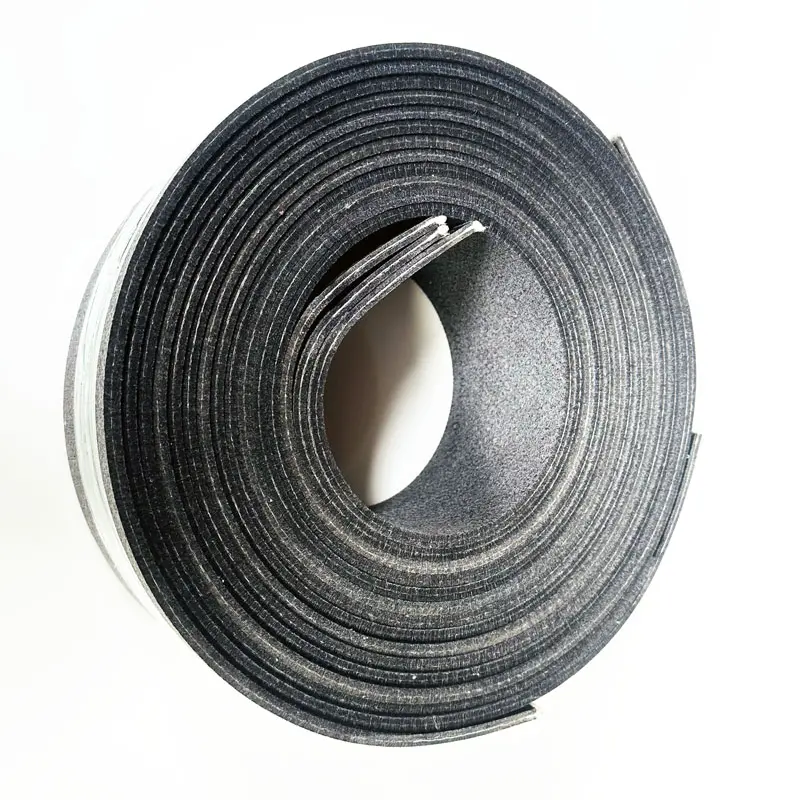
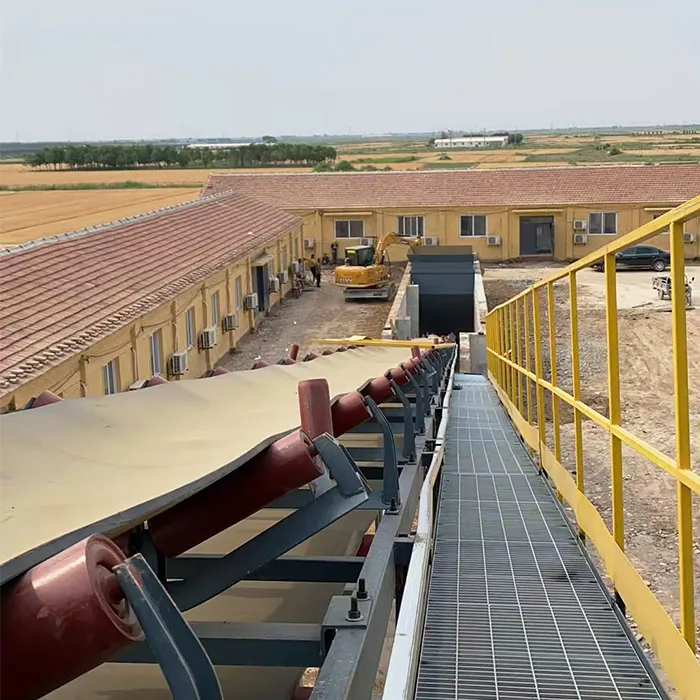
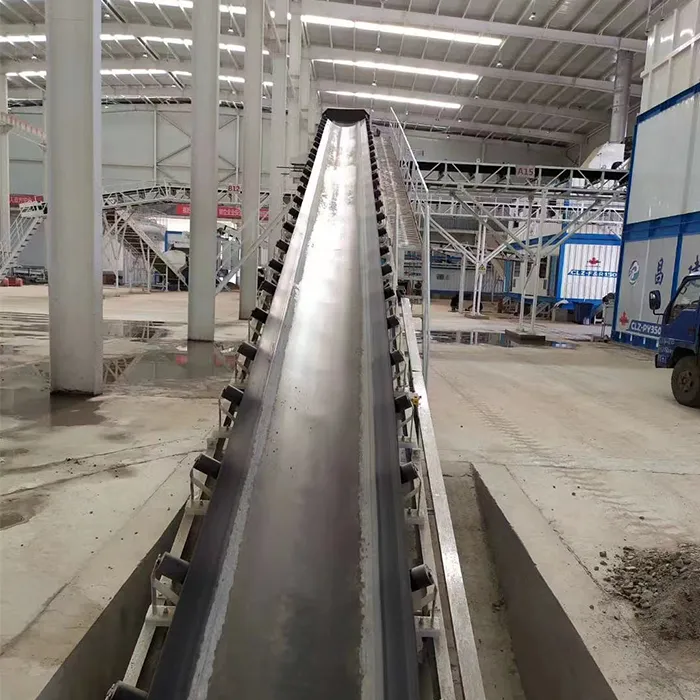
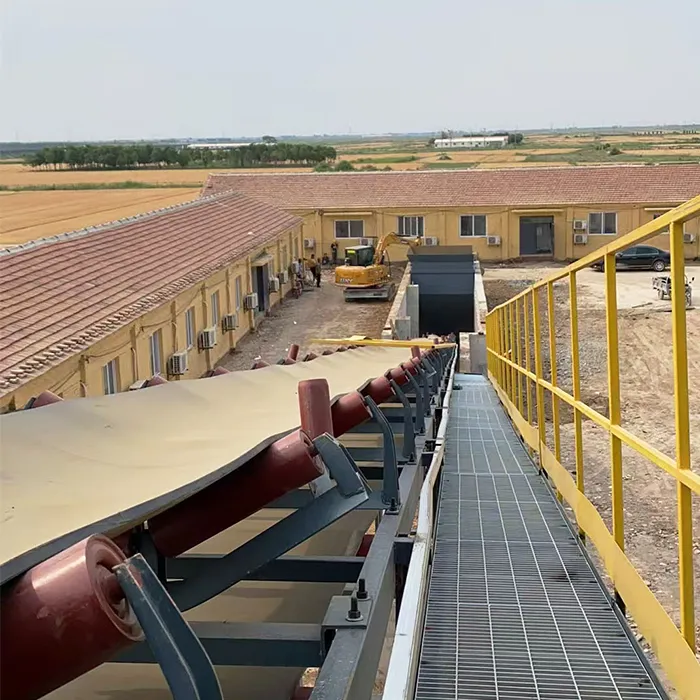
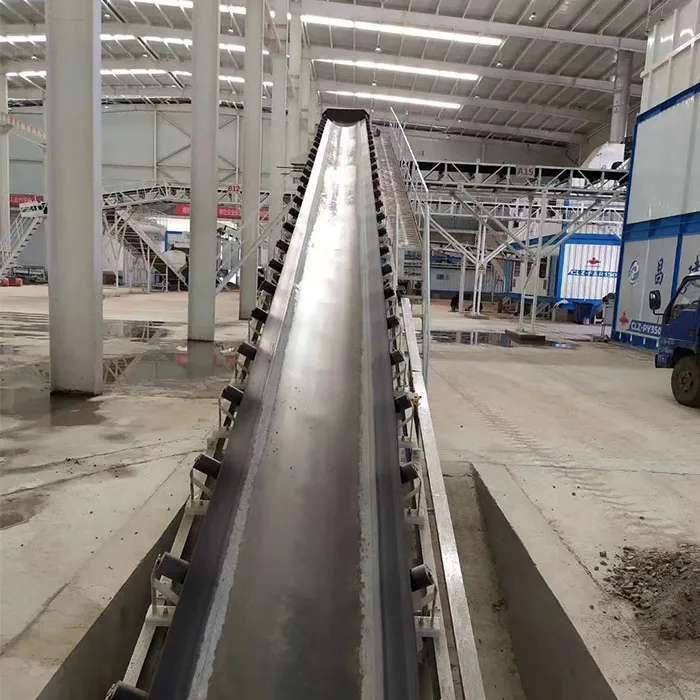
SHUNNAI Troughed Belt Conveyor is designed for continuous bulk material handling in mining, aggregate production, cement manufacturing, grain processing, biomass energy, and other industrial applications. Its U-shaped belt profile, formed by angled carrying idlers, helps increase the effective loading cross-section and keep loose materials centered during conveying.
U-Shaped Trough Gathers Bulk Materials
High Capacity, Low Spillage
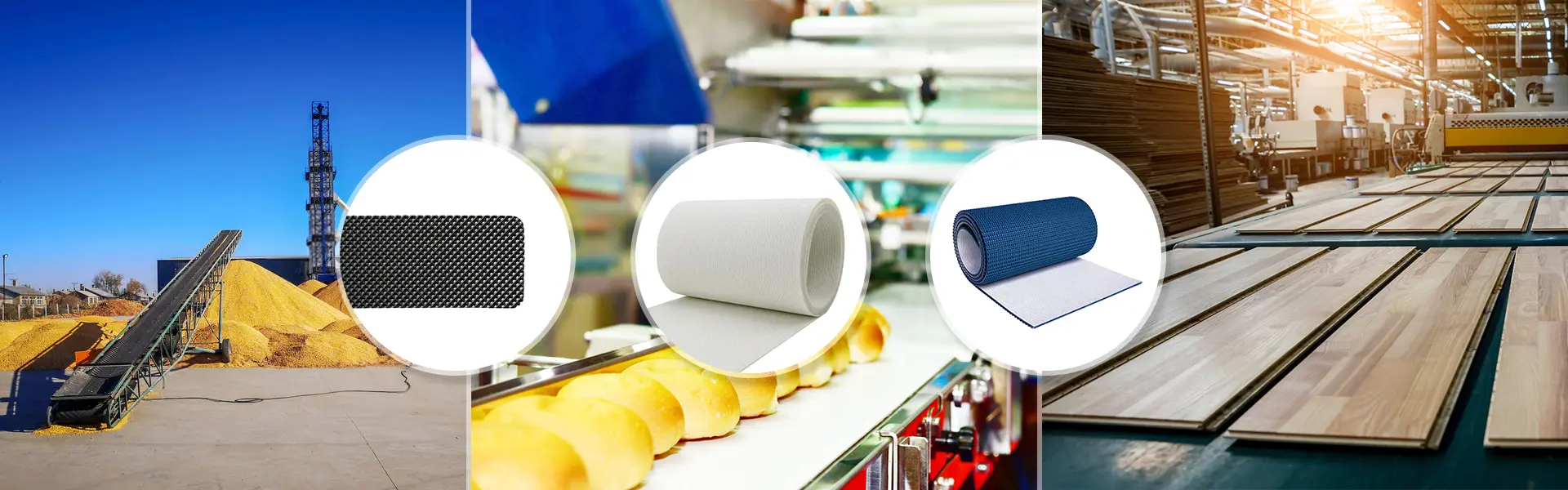
Continuous Transfer for Mining, Grain and Building Materials
High Capacity, Low Spillage
Continuous Transfer for Mining, Grain and Building Materials
Tianjin Shunnai Conveyor Belt Manufacturing Co., Ltd. has provided conveyor belts and supporting equipment for industries including mining, building materials, grain processing, logistics and manufacturing. Its equipment range includes troughed belt conveyors designed to move loose materials continuously between feeding, processing, storage and discharge points.
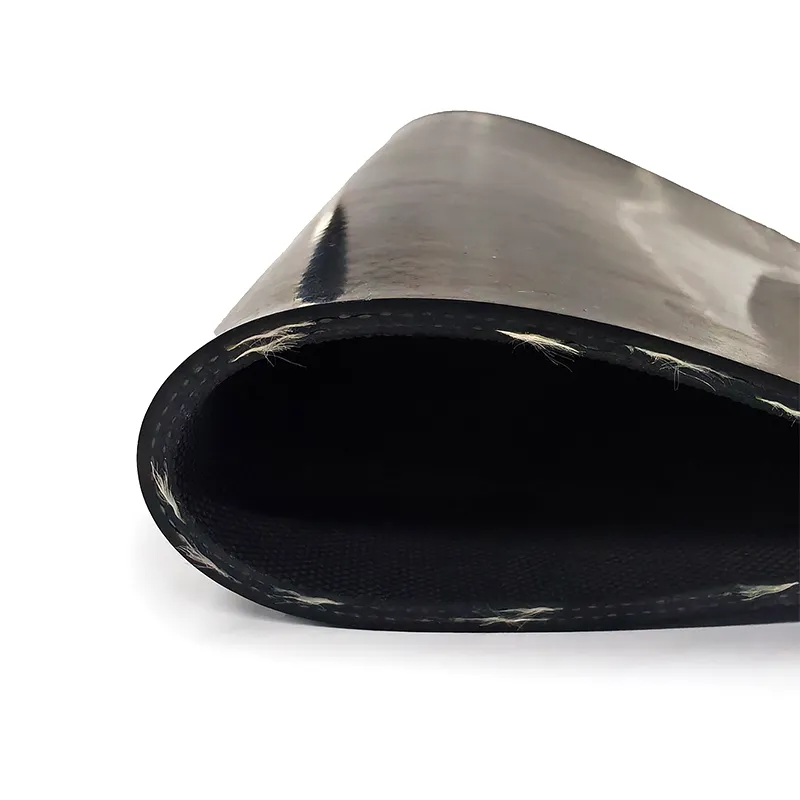
Unlike a flat belt, a troughed belt uses angled carrying idlers to form a U-shaped conveying surface. This helps keep bulk materials toward the center of the belt, providing a larger effective loading cross-section and helping reduce spillage during transport. SHUNNAI offers configurations with different belt widths, trough angles, belt materials and cleaning devices to suit material characteristics, conveying distances and site conditions.
How the Trough Profile Handles Bulk Materials
Loose materials such as crushed stone, coal, grain, cement clinker and wood chips can spread across a flat belt, particularly when the conveyor vibrates or changes elevation. A troughed carrying surface uses an angled idler arrangement to raise the belt edges and create a channel for the material.
This profile can increase the effective loading area compared with a flat belt of the same width. The actual throughput depends on belt width, speed, trough angle, material bulk density, particle size, moisture and loading conditions. The trough profile also helps keep the load more centralized, which can reduce side spillage when the system is correctly designed and aligned.
For buyers planning a new bulk handling line, the key question is not simply whether the belt can carry the material. It is whether the selected cross-section, speed and loading method can deliver the required throughput without excessive spillage, dust or maintenance.
Choose the Right Trough Angle
Trough angle affects the belt's carrying cross-section and how the material behaves during transport. SHUNNAI provides common 30°, 35° and 45° configurations, with selected deep-trough arrangements available for suitable applications. The final angle should be matched to the belt construction, idler geometry, material flow properties and operating conditions.
30° for general conveying
A 30° trough can be considered for general bulk material handling where a moderate trough profile meets the capacity and layout requirements. It may be suitable when the material flows predictably and the project does not require the largest possible loading cross-section.
35° for a balanced configuration
A 35° trough is a common option for general industrial conveying. It offers a balance between loading area and belt support for many bulk materials. Actual performance still depends on belt flexibility, material characteristics, loading conditions and the selected idler arrangement.
45° for greater material containment
A 45° trough provides a deeper profile that may help contain suitable bulk materials. Before selecting it, buyers should verify that the belt can form the required shape and that the idlers, belt carcass and loading conditions are compatible.
Deep-trough configurations for special needs
SHUNNAI can assess selected deep-trough configurations, including 65° idler arrangements, for special operating requirements. These should not be treated as a universal replacement for standard trough angles. Confirm belt compatibility, load stability, idler geometry and the complete conveying layout before specifying a deep trough.
Calculate Capacity Before Selecting Belt Width
Selecting a belt based only on the material name can lead to insufficient capacity or unnecessary equipment cost. The same belt width may handle different tonnages depending on material density, particle size, moisture content, belt speed and trough angle.
SHUNNAI offers standard belt widths including 500, 650, 800, 1000, 1200 and 1400 mm. These provide a starting point for selection, but the required width should be calculated from the target throughput and the material's bulk characteristics.
For example, crushed stone and ore may require a wear-resistant rubber belt and a configuration designed for heavy loading. Grain and feed may require a different surface and loading arrangement to limit product loss. Lightweight biomass materials can occupy a large volume relative to their weight, making the available cross-section and feed distribution especially important.
When requesting a quotation, provide the required capacity in tonnes per hour, material bulk density, typical particle size, moisture level and whether the feed arrives continuously or in batches. These details help the supplier assess the appropriate belt width, speed and trough angle.
Reduce Spillage Along the Conveyor Route
Material spillage can increase housekeeping requirements and contribute to belt mis-tracking, idler contamination and wear. A trough profile helps keep loose material within the carrying surface, but effective spill control also depends on the loading point, transfer chute, belt alignment and material flow.
For fine powders or dusty materials, buyers can consider compatible covers, skirt arrangements or other containment measures where appropriate. The enclosure should be designed around the material's dust characteristics, maintenance access and ventilation needs. A troughed belt alone does not make a conveying system dust-tight.
Evenly distributing material across the loading area helps prevent excessive loading on one side of the belt. The feed chute should direct material toward the center and should be designed to avoid abrupt impact or uneven accumulation. Correctly configured return idlers and belt tensioning also help maintain stable tracking during continuous operation.
Keep the Return Belt Clear
Residual material can adhere to the belt after discharge and return to the lower section of the conveyor. If it accumulates around pulleys or idlers, it may contribute to uneven running, belt wear and maintenance interruptions.
SHUNNAI can equip the system with spring cleaners near the head pulley and an additional cleaner for the return belt section. These devices help remove material remaining on the belt after discharge. Their effectiveness depends on the material's moisture, stickiness, particle size and the selected cleaner design.
Buyers handling wet fines, sticky clay, powder or other difficult-to-clean materials should describe the material condition during the design stage. Cleaner access, wear parts and routine inspection intervals should also be considered when estimating maintenance requirements.
Match Belt Construction to Material Conditions
Belt selection should account for abrasion, temperature, moisture, chemical exposure and the required service life. SHUNNAI can configure the conveying system with suitable belt types according to the application.
| Material or Operating Condition | Potential Belt Option | Selection Considerations |
|---|---|---|
| Ore, crushed stone and sand | Wear-resistant rubber belt | Particle size, impact loading, abrasiveness and cover thickness |
| Coal, clinker and industrial bulk materials | Rubber belt selected for the working environment | Temperature, dust, load and continuous operating hours |
| Grain and feed | Suitable rubber or light-duty belt, subject to application | Grain loss, moisture, cleaning and any food-contact requirements |
| Lightweight biomass | Belt selected for low-density, loose material | Material volume, particle shape, loading consistency and spillage |
| Selected chemical granules | Compatible chemical-resistant belt where required | Chemical compatibility, temperature and safety requirements |
Food-related applications require separate consideration of food-contact suitability and cleaning procedures. Where materials contact the belt directly, buyers should verify the relevant documentation for the specific belt and intended use instead of assuming that a standard industrial rubber belt is suitable.
Where This Conveyor Works Best
A troughed belt conveyor is most useful when a process requires continuous movement of loose or bulk materials. Its suitability depends on the material properties, the route and the required operating capacity.
Mining and aggregate production
Mines, quarries and crushing plants use troughed conveyors to transfer ore, coal, crushed stone and manufactured sand between processing stages. Belt abrasion resistance, loading impact, transfer chute design and idler maintenance are important considerations.
Cement and building materials
Cement plants, batching facilities and building-material manufacturers may use these systems to move limestone, clinker, clay and aggregates. Belt selection should reflect material temperature, abrasiveness, dust conditions and the distance between process stations.
Grain and feed handling
Grain depots and feed processing plants can use troughed conveyors for bulk grain transfer, storage operations and movement between processing stages. The trough helps keep loose particles on the belt, while loading speed and transfer height should be managed to reduce unnecessary grain damage and loss.
Power generation and biomass
Coal handling and biomass facilities may use these conveyors to transport coal, wood chips, rice husks and similar loose materials. Because bulk density and particle shape can vary substantially, the belt cross-section and feed arrangement should be selected according to the material volume and required throughput.
Ports and bulk chemical handling
Bulk terminals can integrate troughed conveyors with loading and unloading equipment for materials such as grain, coal and ore. Chemical and fertilizer facilities may also use them for compatible granular materials. Corrosive or reactive materials require a review of belt and component compatibility before equipment selection.
This conveyor type is generally intended for bulk material rather than individual finished products such as cartons, packages or discrete workpieces. For those products, a flat belt, roller conveyor or other suitable conveying system may provide more stable support.
Information Needed for a Reliable Quotation
A complete specification helps the supplier select the belt, drive and idler arrangement without relying on assumptions. Before requesting a quotation, prepare the following project details.
Material details: Material name, particle-size range, bulk density, moisture content, abrasiveness, temperature and any corrosive characteristics.
Conveying requirements: Required capacity in tonnes per hour, belt speed preference, horizontal conveying distance, lifting height, inclination and the number of transfer points.
Installation conditions: Available floor space, indoor or outdoor operation, ambient temperature, humidity, dust-control requirements and power supply.
Maintenance expectations: Required cleaning arrangement, access for idler replacement, preferred spare parts and expected operating schedule.
With these details, SHUNNAI can assess belt width, trough angle, belt construction, drive configuration, tensioning method and cleaning devices for the intended application.
Manufacturing Support from SHUNNAI
Tianjin Shunnai Conveyor Belt Manufacturing Co., Ltd. has specialized in conveyor belts and supporting equipment since 2007, serving a range of industrial material-handling applications. Its manufacturing scope includes light-duty and industrial conveyor belts and complete conveying equipment.
SHUNNAI holds ISO 9001 certification and has FDA-, MA- and CNAS-related credentials. These are company-level credentials and should not be interpreted as automatic certification of every conveyor configuration or belt material. Buyers can confirm the relevant certificate scope and material documentation during project review.
For each project, belt flexibility, trough geometry, idler arrangement, drive capacity and cleaning requirements need to work together. SHUNNAI can review the material parameters and installation conditions to help configure a troughed belt conveyor for continuous bulk handling, with the aim of balancing throughput, spillage control and maintenance access.
Frequently Asked Questions
Can this conveyor handle wet or sticky materials?
It may be suitable, depending on the material's moisture, adhesion and abrasiveness. Wet or sticky material can increase carryback and cleaning needs, so belt surface selection and cleaner configuration should be reviewed before ordering.
How do I choose between a 30°, 35° and 45° trough?
The choice depends on material flow, required capacity, belt construction and the conveying route. A 35° trough is a common general-purpose option, while 30° and 45° configurations may be considered for specific loading and containment requirements. Confirm the final selection with the conveyor supplier.
Can the conveyor be installed outdoors?
Outdoor use can be considered when the frame, belt, drive components and electrical equipment are suitable for local weather conditions. Tell the supplier about rain, sunlight, temperature extremes, wind exposure and any need for covers or drainage.
What causes material to spill from the belt?
Common contributing factors include uneven feeding, unsuitable belt width or speed, excessive loading, poor transfer chute design and belt mis-tracking. The trough profile helps contain material, but the entire loading and conveying arrangement must be assessed to address persistent spillage.
Can the system be designed for continuous operation?
The conveyor can be configured for the intended duty cycle, subject to correct sizing of the belt, drive, idlers and other components. Provide the expected operating hours, target capacity, material characteristics and maintenance requirements when requesting a design.
Request a Bulk Conveying Solution
Contact SHUNNAI to discuss your material-handling project. Share the material type, particle size, bulk density, required throughput, conveying distance, lifting height and site conditions. These details help the team assess a suitable belt width, trough angle, belt material and cleaning configuration for your application.
Send Inquiry
Contact Info
-
Address
No.129 Qingfeng Road, Jizhou District, Tianjin City, China
-
Tel
-
Email
If you have any inquiry about a quotation or cooperation, please feel free to email or use the following inquiry form. Our sales representative will contact you within 24 hours.
News Recommendations