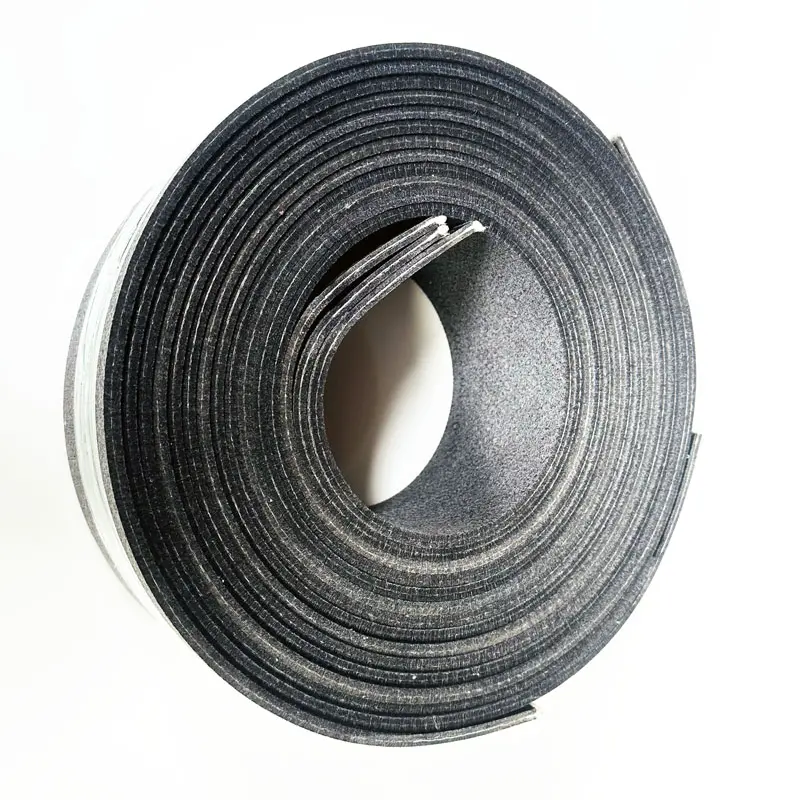
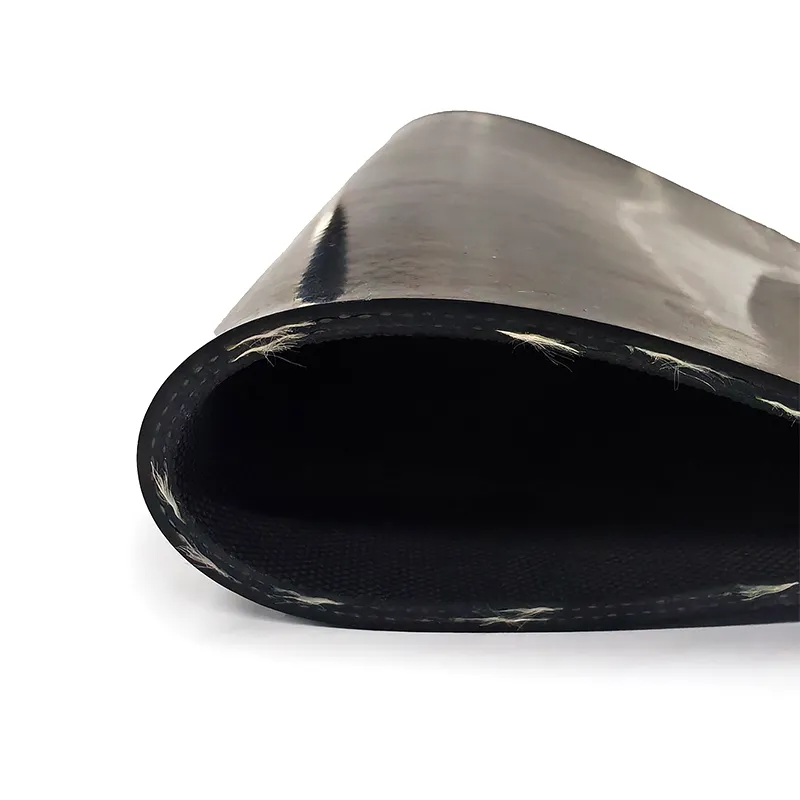
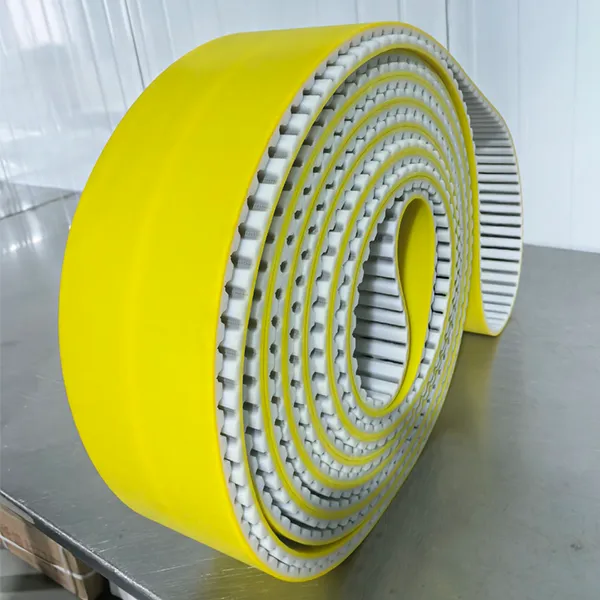
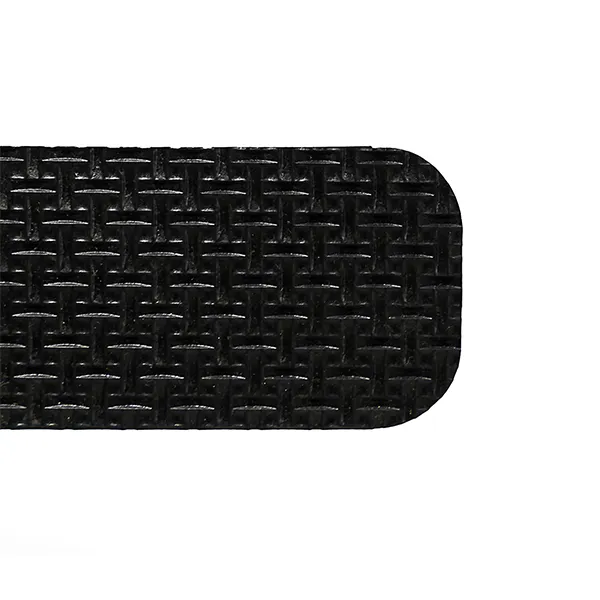
Glass Conveyor Belt
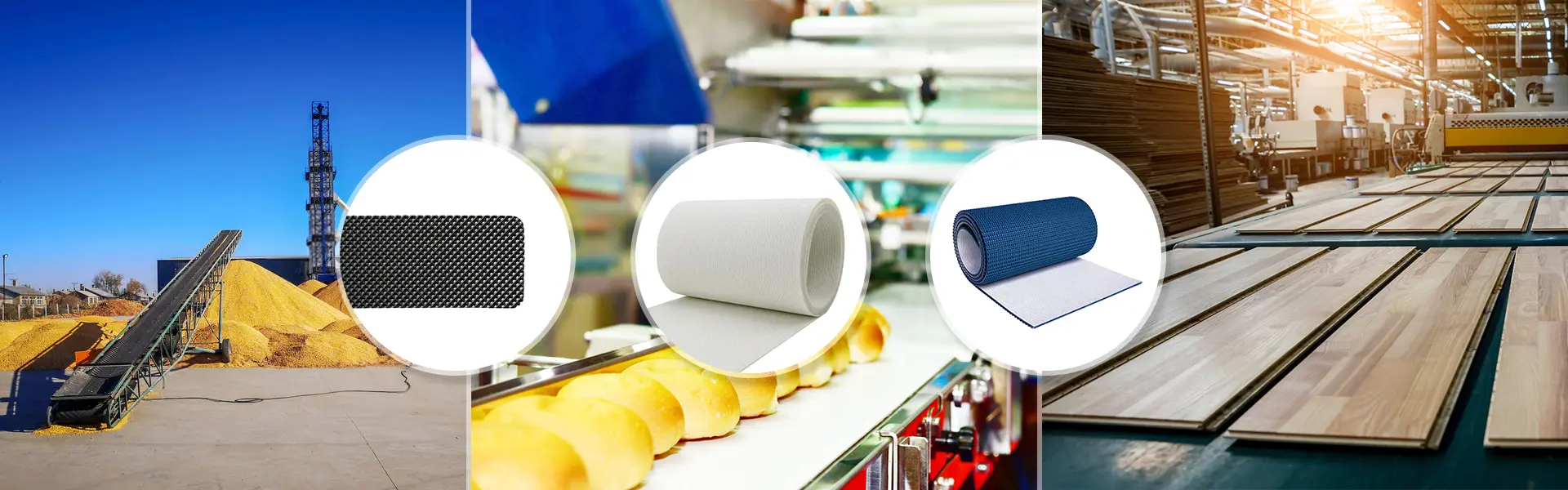
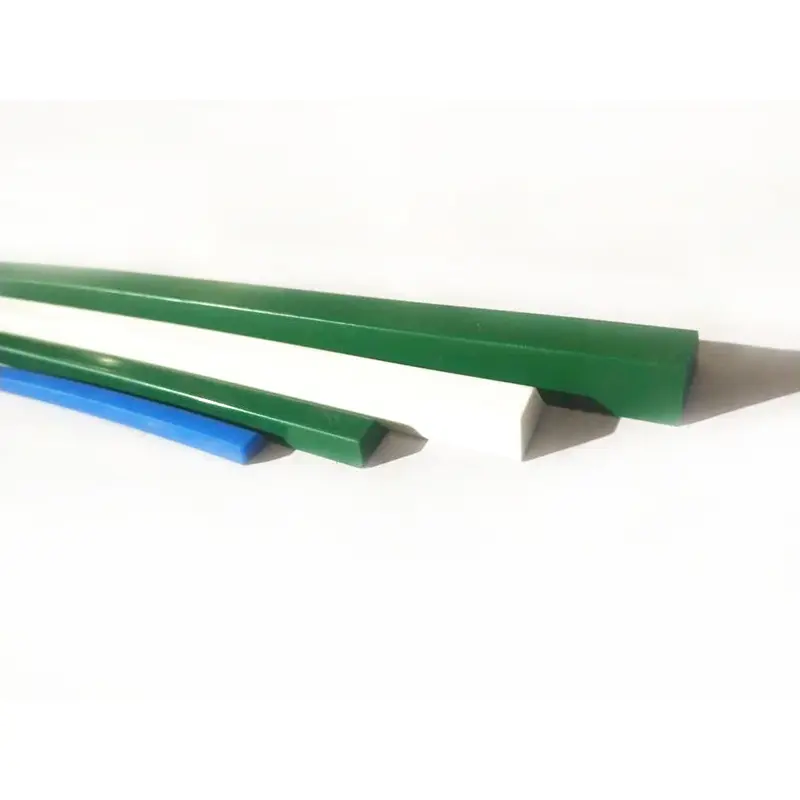
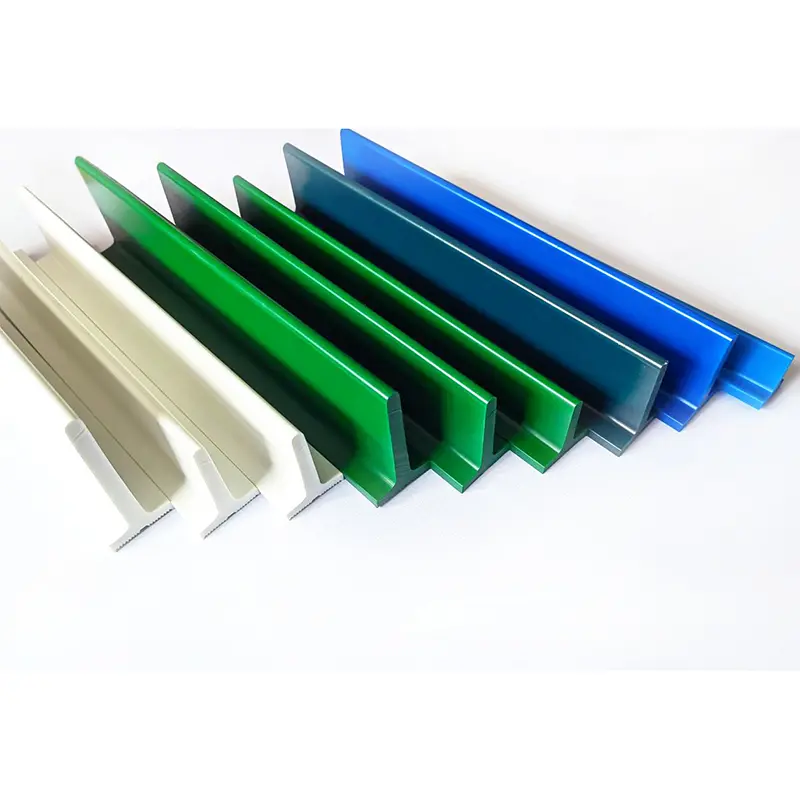
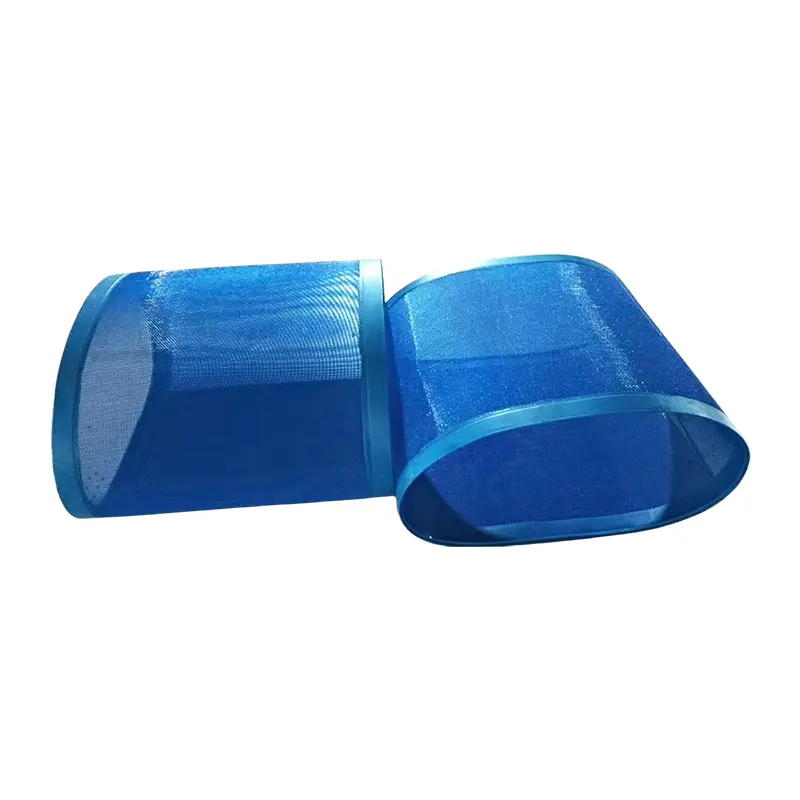
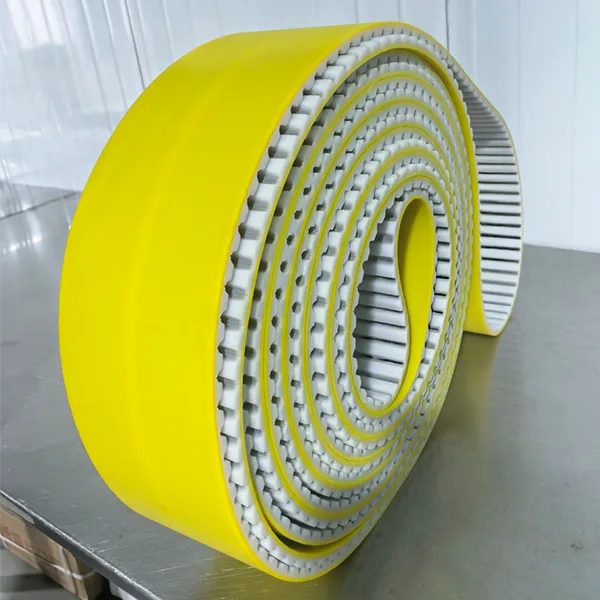
Buyers sourcing custom glass conveyor belts can choose from silicone, PU, PTFE, wool felt, and metal mesh options based on operating temperature, surface protection, cleanliness, and chemical exposure. With customized dimensions, splice configurations, and application-specific material selection, SHUNNAI helps glass processors identify suitable belts for their production equipment.
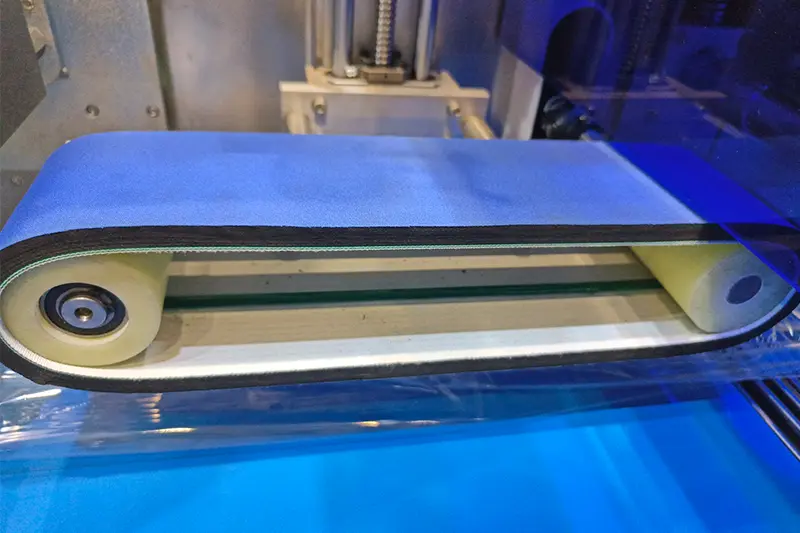
Zero Scratch
High Temperature Resistant and Anti-Static Treatment
Full Process Adaptation for Glass Deep Processing
High Temperature Resistant and Anti-Static Treatment
Full Process Adaptation for Glass Deep Processing
SHUNNAI is a professional manufacturer of Glass Conveyor Belt solutions for glass cutting, edging, coating, tempering, inspection, and packaging lines. Customized belt dimensions, surface structures, guide strips, and splice options are available depending on the application. SHUNNAI also provides relevant quality documentation for buyers to evaluate when sourcing conveyor belts for glass processing equipment.
What Can Cause Glass Surface Defects?
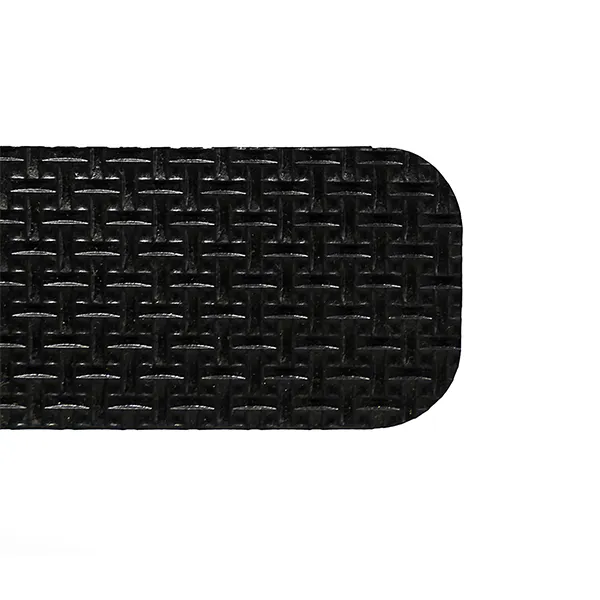
Glass may be hard, but its surface can still be damaged during conveying. Fine particles trapped between the glass and belt, uneven belt surfaces, projecting splice edges, and unstable movement can all contribute to scratches or positioning problems. Static electricity may also attract dust, which can affect subsequent coating, printing, inspection, or lamination processes. These problems are particularly important when handling thin electronic glass, photovoltaic glass, and glass products with demanding surface-finish requirements.
When choosing a Glass Conveyor Belt, buyers should investigate the source of the defect rather than focus only on belt material. Check whether scratches occur at the same position on each sheet, near the splice, or randomly across the surface. Repeated marks may indicate a belt joint or roller issue, while scattered fine scratches may point to trapped particles or contamination. Reviewing these patterns helps production teams identify whether they need a different belt surface, improved cleaning, more stable conveying, or equipment maintenance.
Match the Belt to Each Processing Stage
Different glass operations require different combinations of surface contact, temperature resistance, chemical compatibility, and positioning control. The following guide helps purchasing teams compare suitable starting points before confirming a specification with the equipment supplier.
| Processing stage | Typical requirement | Potential belt option |
|---|---|---|
| Cutting and edging | Gentle contact and stable glass positioning | Soft PU or silicone belt, with guide strips where needed |
| Coating and printing | Surface cleanliness and compatibility with process chemicals | PTFE or a suitably specified PU belt |
| Tempering and hot-glass transfer | Resistance to the actual operating temperature | High-temperature silicone or metal mesh belt, subject to process conditions |
| Annealing | Thermal stability and suitable air circulation | Temperature-rated metal mesh or specialty belt |
| Inspection and packaging | Stable running and a suitable contact surface | PU or another belt material matched to the inspection line |
| Photovoltaic and electronic glass | Strict cleanliness and control of static-related contamination | Clean-surface or anti-static belt, with suitability verified for the application |
The final material choice depends on glass weight, dimensions, line speed, roller layout, contact conditions, cleaning chemicals, and actual operating temperature. For example, a belt that performs well on a room-temperature inspection line may not be appropriate near a tempering furnace. Buyers should confirm the complete operating range rather than relying on a material name alone.
Seam Quality and Running Stability
The splice is an important inspection point because the joint passes repeatedly beneath the glass. A raised edge, uneven thickness, or poorly finished joint may create intermittent contact marks, vibration, or unstable transfer between conveyor sections. For applications with demanding surface-finish requirements, a properly manufactured endless belt or a suitable low-profile splice can help reduce joint-related disturbances.
Before ordering, confirm the required belt length and width, installed tension, minimum pulley diameter, direction of travel, and the available space for installation. The splice method must be compatible with the belt material and operating conditions. Guide strips, tracking guides, and vacuum holes should also be positioned according to the machine design rather than added without checking their effect on belt flexibility and contact with the glass.
Temperature, Static, and Chemical Compatibility
Belt selection should account for more than the temperature of the surrounding workshop. The relevant value is the actual temperature the belt experiences during operation, including the duration of heat exposure and any temperature changes along the line. Silicone, PTFE, PU, and metal mesh have different performance characteristics, so their suitability should be confirmed against the specific process conditions.
In coating and printing areas, cleaning agents and process liquids can affect belt life and surface condition. Buyers should provide the names or types of chemicals involved, along with their concentration and contact temperature, so compatibility can be evaluated. Where dust attraction is a concern, an anti-static option may be considered. Surface resistance and other electrical requirements should be specified and verified instead of assuming that every specialty belt provides the same anti-static performance.
Customer Feedback from Glass Plants
Electronic Glass Cover Plate Plant, Guangdong
“We make ultra-thin electronic glass, less than 1mm thick. We previously used ordinary PU belts, and the scratch rate could not be reduced. After switching to SHUNNAI’s soft silicone seamless belts, the surface is very fine, and the splice has no step. Scratches are significantly reduced. With ionizing air nozzles, static dust attraction is also controlled. Yield improved considerably.”
Photovoltaic Glass Company, Jiangsu
“Photovoltaic glass has extremely high cleanliness requirements, and the coating section contacts acid/alkali liquids. SHUNNAI recommended PTFE conveyor belts – corrosion-resistant, non-stick, and the surface does not shed powder. After more than half a year, the belt surface is still flat, with no scratches or contamination. Cleaning is also convenient, saving a lot of maintenance time.”
Architectural Glass Deep Processing Plant, Shandong
“Tempered glass comes out of the furnace at high temperature. Ordinary belts soften and stick easily. SHUNNAI’s high-temperature silicone belt runs stably in the residual heat section, does not stick to glass, and does not deform. For the cutting and edging section, we equipped PU belts with guide strips – accurate positioning, glass does not mis-track, and edge chipping is reduced.”
Pre-Order Specification Checklist
Providing complete operating information helps SHUNNAI evaluate the right Glass Conveyor Belt configuration and reduces the risk of ordering a belt that does not fit the production line.
| Information to provide | Why it matters |
|---|---|
| Glass type, size, and weight | Helps assess contact conditions and load requirements |
| Belt width, length, and thickness | Confirms dimensional compatibility with the conveyor |
| Operating temperature and exposure time | Supports material selection for heated sections |
| Line speed and pulley diameter | Helps evaluate flexibility and running stability |
| Splice type and installation method | Helps prevent joint interference and installation delays |
| Cleaning agents and chemical exposure | Supports compatibility checks for the belt surface |
| Static control and cleanliness requirements | Clarifies whether special surface or electrical properties are needed |
For replacement orders, buyers can also send photographs of the existing belt, machine drawings, or the original belt specifications. If the current belt is causing scratches, provide photographs of the defects and indicate where they appear on the glass. This information can help narrow down potential causes before a replacement is selected.
Quality Documents and Customization
SHUNNAI integrates material selection, belt processing, and application-focused customization for industrial conveyor requirements. Available options may include different belt materials, thicknesses, surface finishes, hardness levels, guide strips, vacuum structures, anti-static specifications, and splice configurations, depending on the product type.
SHUNNAI reports FDA, MA, CNAS, and ISO 9001-related qualifications or documentation. Because the scope and applicability of these items may differ, buyers should request the relevant certificates, test reports, and product-specific compliance documents for their intended application. Where a belt will contact regulated products or operate in a controlled production environment, confirm the exact requirements before placing an order.
Frequently Asked Questions
Can a conveyor belt completely eliminate glass scratches?
No belt alone can guarantee zero scratches under every operating condition. A suitable contact surface and well-finished splice can reduce belt-related risks, but dust, damaged rollers, incorrect tension, vibration, and handling methods must also be checked.
Is silicone or PU better for thin glass?
The choice depends on glass thickness, surface sensitivity, line speed, temperature, and the required positioning accuracy. Soft silicone may suit applications requiring gentle contact, while PU may be appropriate for stable conveying and positioning under specified conditions. Sample testing under actual operating conditions is recommended for sensitive products.
Which belt is suitable for a glass coating line?
A suitable PTFE or specially specified PU belt may be considered, depending on the coating chemicals, temperature, cleanliness requirements, and belt contact conditions. Confirm chemical compatibility and any required anti-static or low-contamination properties before finalizing the material.
How should buyers specify a belt for a high-temperature section?
Provide the normal and peak belt-contact temperatures, duration of exposure, line speed, glass transfer conditions, and conveyor layout. The supplier can then assess whether a temperature-rated silicone belt, metal mesh belt, or another suitable construction meets the application requirements.
What information is needed to replace an existing belt?
Provide the belt width, total length, thickness, splice type, pulley diameter, running direction, and any guide-strip or vacuum-hole details. Photos of the existing belt and conveyor layout can help confirm the configuration.
Can SHUNNAI customize belt dimensions and surface features?
Customization may be available for dimensions, material, surface finish, guide strips, vacuum structures, and splice methods, depending on the selected belt type. Send the machine specifications and application requirements for confirmation.
Contact SHUNNAI for Glass Conveying Requirements
If your production line is experiencing glass scratches, unstable transfer, heat-related belt problems, or dust contamination, SHUNNAI can help evaluate the operating conditions and identify suitable belt options. Share your glass specifications, conveyor dimensions, process temperature, line speed, and any existing belt problems to support a more accurate recommendation.
Contact Tianjin Shunnai Conveyor Belt Manufacturing Co., Ltd. to discuss material options, splice requirements, customization, and relevant product documentation for your glass processing line.
```
Send Inquiry
Contact Info
-
Address
No.129 Qingfeng Road, Jizhou District, Tianjin City, China
-
Tel
-
Email
If you have any inquiry about a quotation or cooperation, please feel free to email or use the following inquiry form. Our sales representative will contact you within 24 hours.
Related Products
News Recommendations