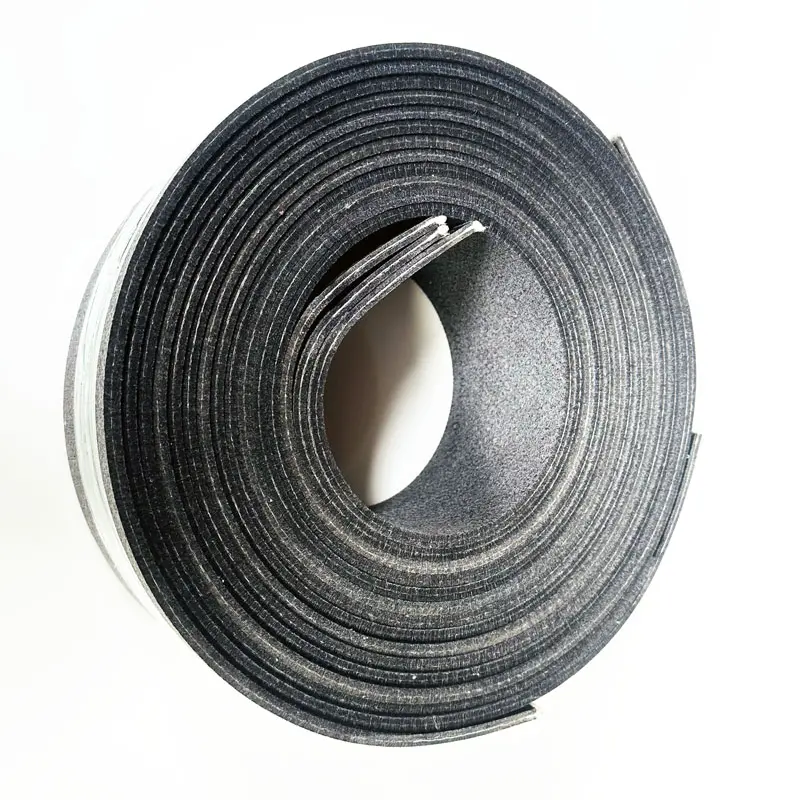
Wood Conveyor Belt
SHUNNAI is a professional China wood conveyor belt manufacturer providing customized PVC, PU and Teflon conveyor solutions for furniture production, panel processing, sanding lines, painting systems and timber handling applications. Manufactured under GB/T 19001-2016 / ISO 9001:2015 quality management standards and supported by FDA, MA and CNAS certification systems, SHUNNAI conveyor belts are designed for stable operation in demanding wood processing environments.
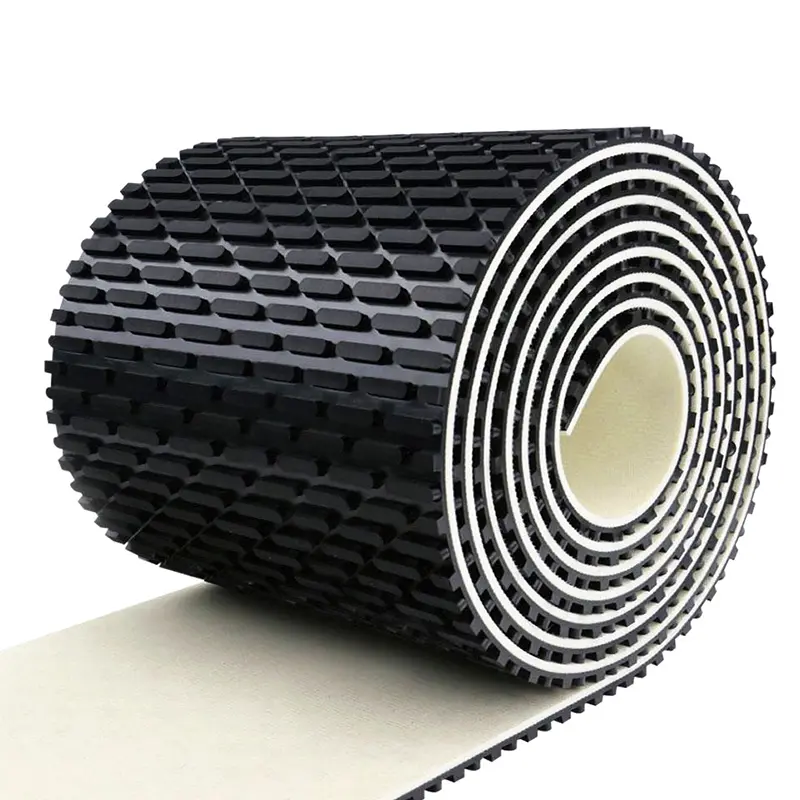
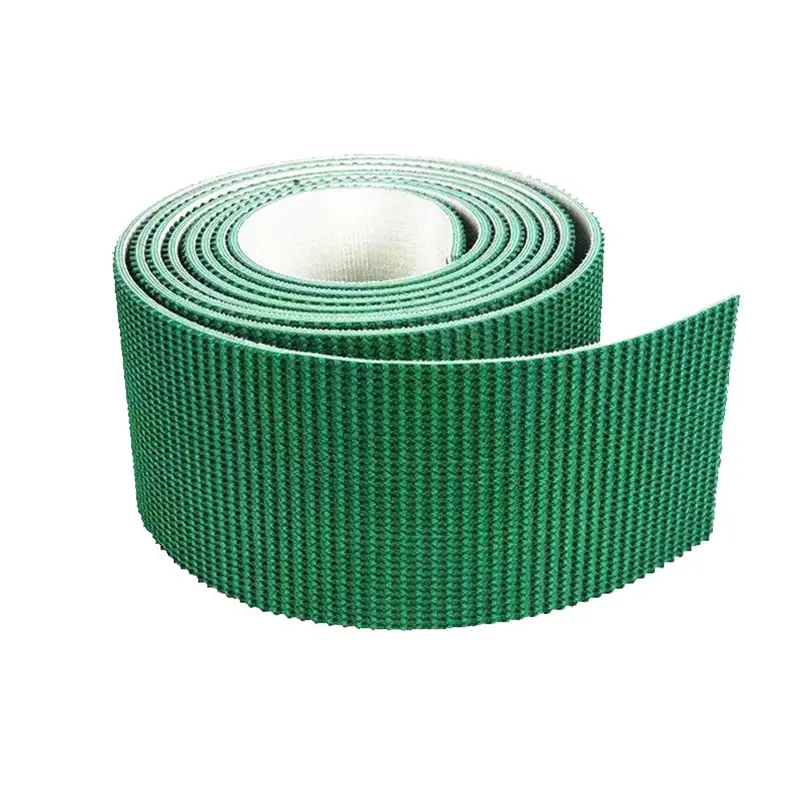
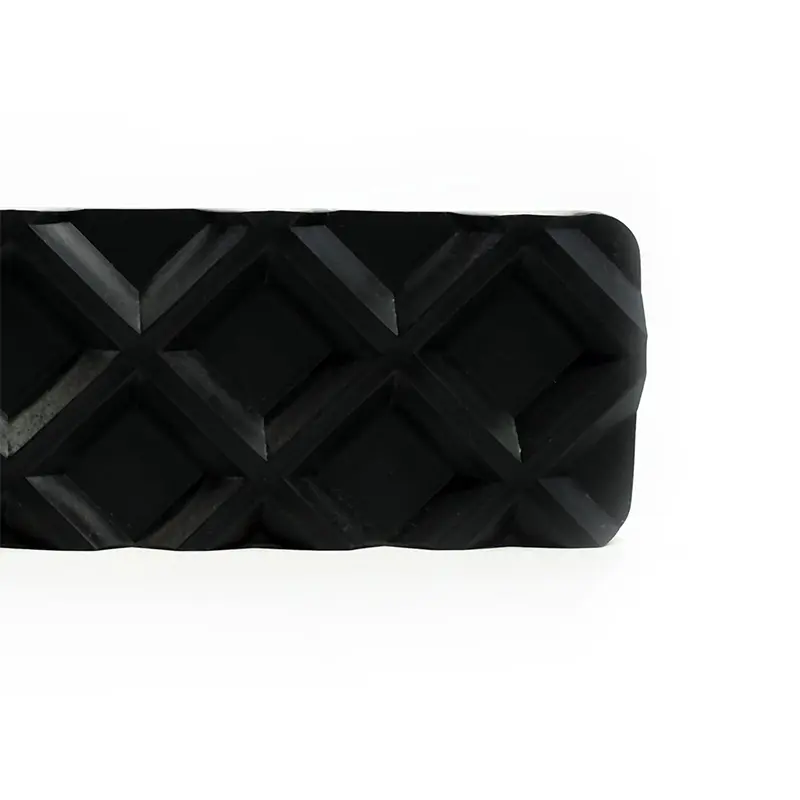
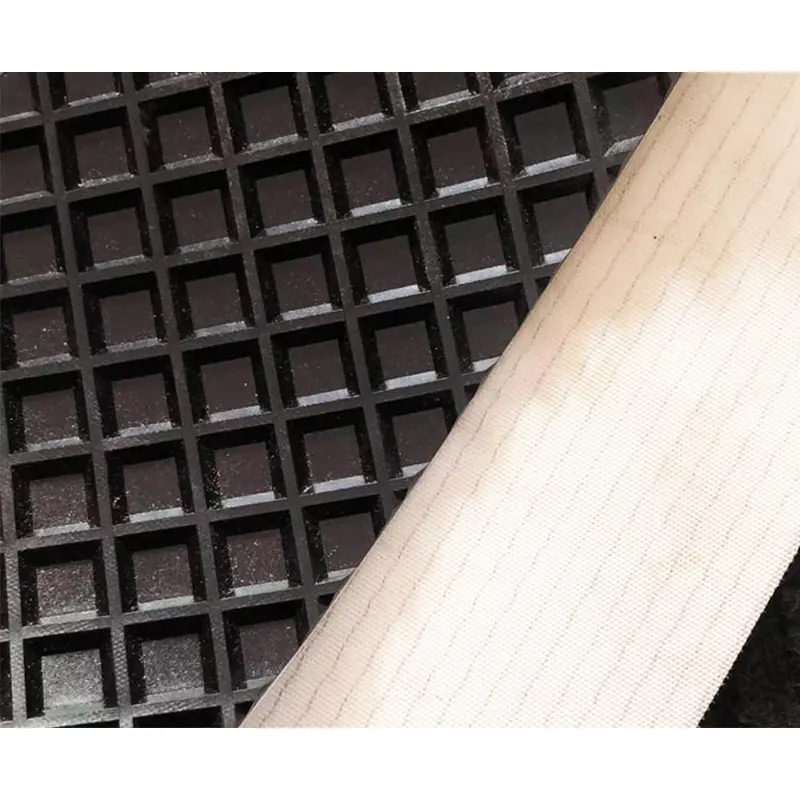
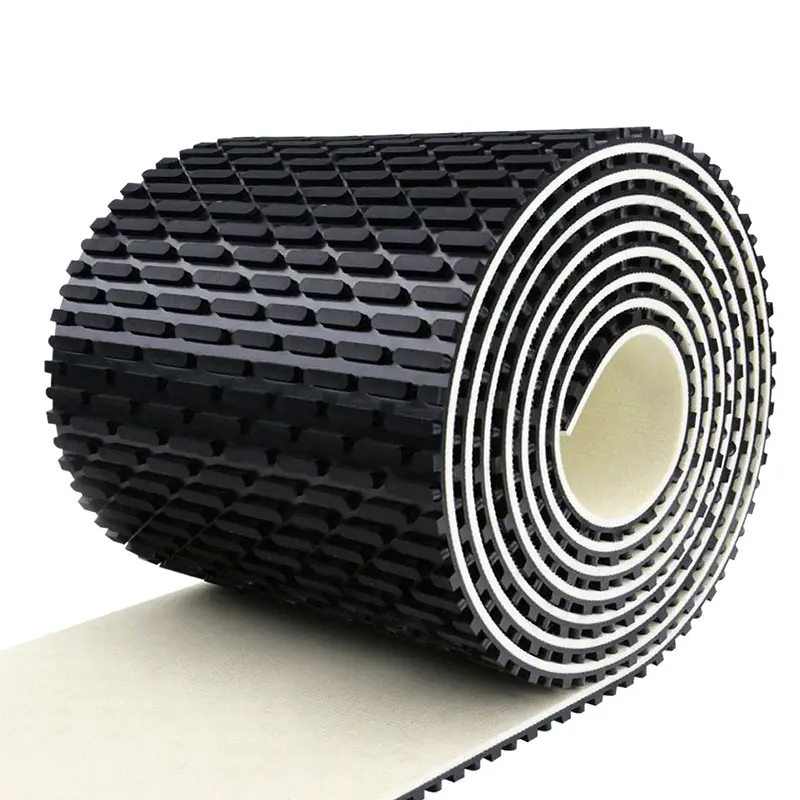
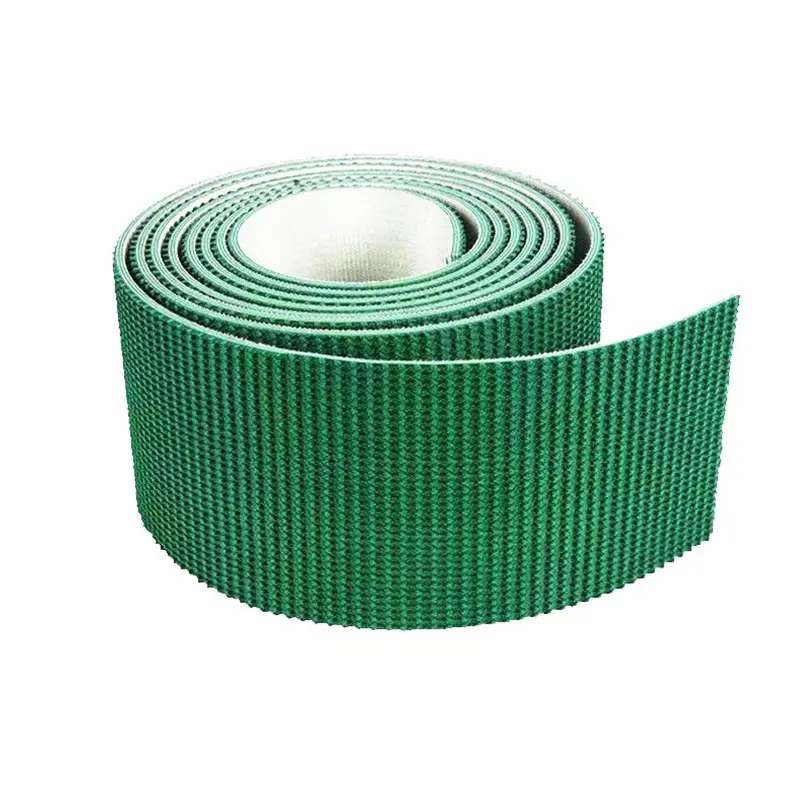
1.Multiple patterns for precise matching
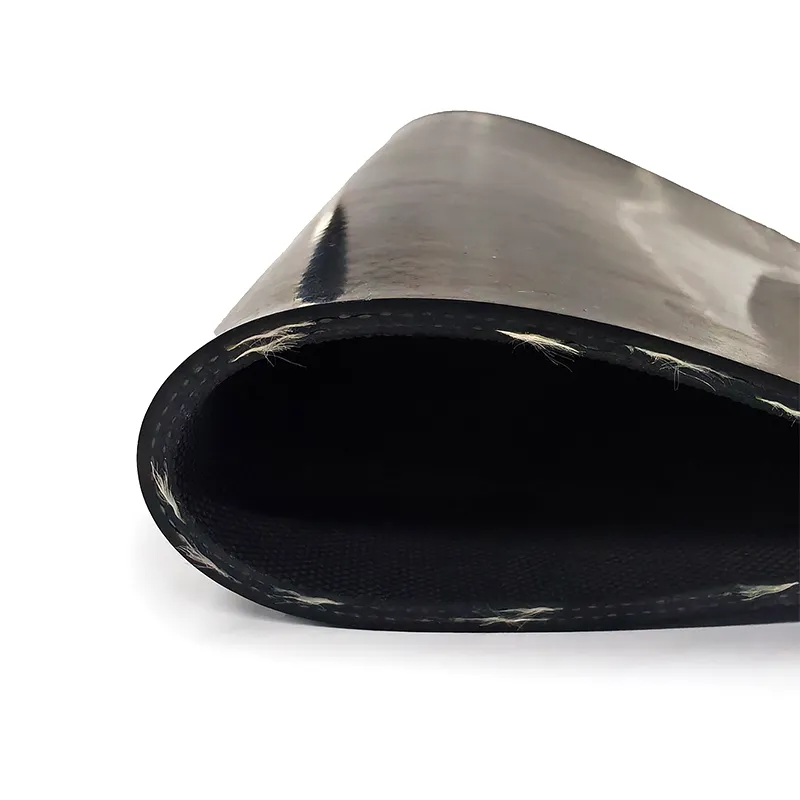
2.High-modulus fabric , never mis-tracks
3.Oil & solvent resistant
2.High-modulus fabric , never mis-tracks
3.Oil & solvent resistant
With years of experience in industrial belt manufacturing, SHUNNAI focuses on developing conveyor belts that meet the real requirements of wood processing environments, including heavy material transportation, continuous sanding operations, painting line conveying and automated production systems. Each Wood Conveyor Belt is manufactured under a strict quality management system certified according to GB/T 19001-2016 / ISO 9001:2015 standards, with professional testing supported by FDA, MA and CNAS certifications to ensure stable quality and consistent performance.
Unlike general-purpose conveyor belts, wood processing applications require more than simple material transportation. Factors such as wood dust accumulation, surface friction, solvent exposure, vibration, lateral stability and continuous operation directly influence production efficiency. SHUNNAI develops customized belt structures according to different processing conditions, helping customers reduce unexpected downtime and improve production reliability.
Designed Around Wood Processing Needs
Wood manufacturing includes multiple production stages, from raw log handling to final product packaging. Different stages create different requirements for conveyor systems. Heavy logs require strong tensile support, sanding operations require stable tracking and surface grip, while painting lines require resistance against chemicals and temperature changes.
SHUNNAI does not provide a single standard solution for all applications. Instead, we analyze factors such as conveying speed, material weight, machine structure, working environment and production frequency before recommending suitable belt materials, surface patterns and reinforcement structures.
For example, furniture panel production usually requires a balance between smooth transportation and sufficient friction. Sanding equipment needs a surface that can maintain stable feeding without excessive dust retention. Painting lines require materials that can withstand contact with solvents and maintain dimensional stability during long-term operation.
Material Selection and Manufacturing Control
The reliability of an industrial conveyor belt depends heavily on material selection and manufacturing consistency. SHUNNAI selects industrial-grade PVC, PU and Teflon materials according to different customer requirements, combined with high-strength polyester fabric layers to improve load-bearing capability and operational stability.
During production, every manufacturing stage is controlled through standardized procedures, including raw material inspection, fabric bonding, layer combination, vulcanization forming, surface treatment and final inspection. This complete production process allows SHUNNAI to maintain stable quality from individual samples to large-volume orders.
For international buyers, quality consistency is often more important than short-term price advantages. SHUNNAI's factory inspection system ensures that every supplied belt meets specified requirements before shipment, providing distributors, machinery manufacturers and end users with dependable supply support.
How to Select the Right Belt
Choosing the correct conveyor belt for wood processing depends on several practical factors. Buyers should consider the type of wood material, conveying weight, operating temperature, production speed and contact environment before making a decision.
For heavy-duty transportation such as logs and solid wood boards, reinforced structures with higher tensile strength are recommended. For sanding and finishing processes, surface patterns should be selected according to the required friction level and cleaning frequency. For painting and drying systems, chemical resistance and temperature stability become essential purchasing factors.
SHUNNAI provides technical support during the selection process, helping customers match belt specifications with their existing equipment. This approach reduces installation problems and improves the service life of conveying systems.
Applications Across Wood Manufacturing Lines
Wood processing factories usually operate through multiple connected production stages, and conveyor reliability directly affects the efficiency of the entire workflow. SHUNNAI conveyor solutions are widely used in log transportation, panel production, furniture manufacturing, wooden door processing, sanding systems, painting lines and finished product handling.
In raw material preparation areas, the conveyor system needs to handle heavy and irregular materials while maintaining stable movement. In panel and furniture production, accurate positioning and smooth transportation are essential to prevent production interruptions. During sanding and coating processes, the belt surface must maintain consistent contact with materials while resisting dust, particles and chemical exposure.
By understanding the requirements of each production stage, SHUNNAI develops suitable belt structures for different working conditions instead of applying one solution to every factory. This flexibility allows customers to achieve better compatibility with existing woodworking machinery and automated production systems.
Furniture Production Lines
Furniture factories often include cutting, edge processing, sanding, coating and assembly procedures. During continuous operation, conveyor belts are exposed to wood dust, panel edges and repeated loading cycles. SHUNNAI belts are designed for stable material positioning and continuous transportation, helping furniture manufacturers maintain consistent production efficiency.
Sanding Equipment
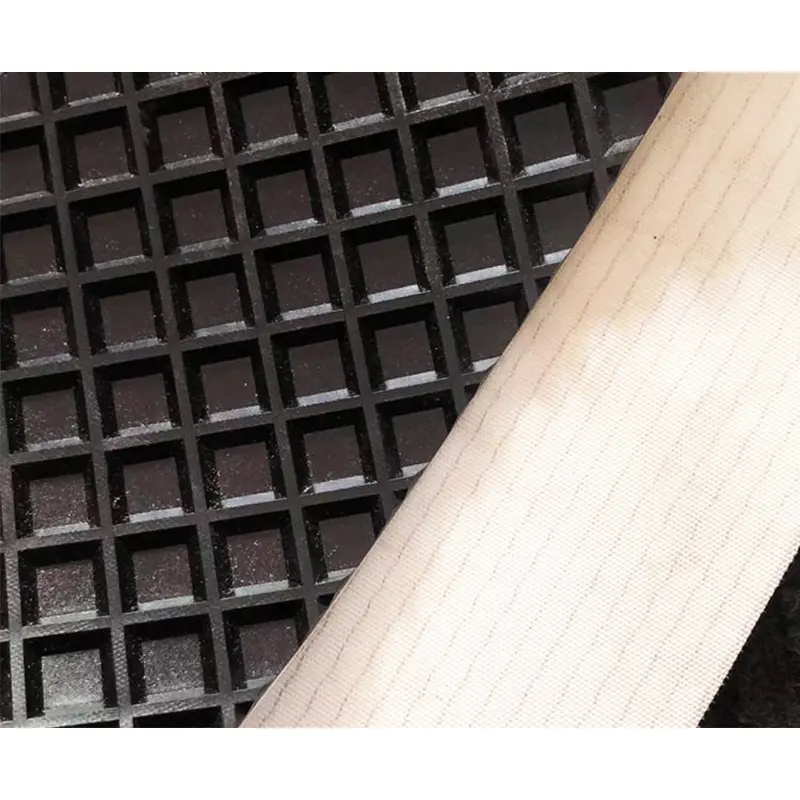
Sanding machines require accurate feeding control because even small belt deviations can affect surface finishing quality. The specially designed surface patterns available from SHUNNAI provide different friction levels for various sanding processes, helping reduce material movement and improving processing consistency.
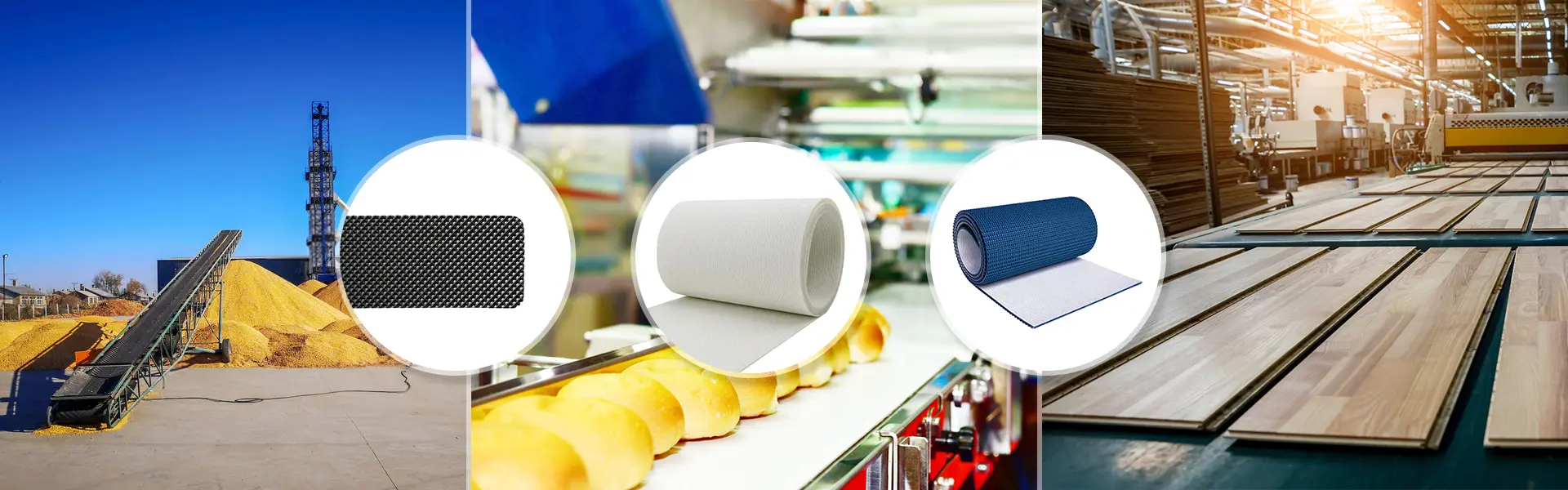
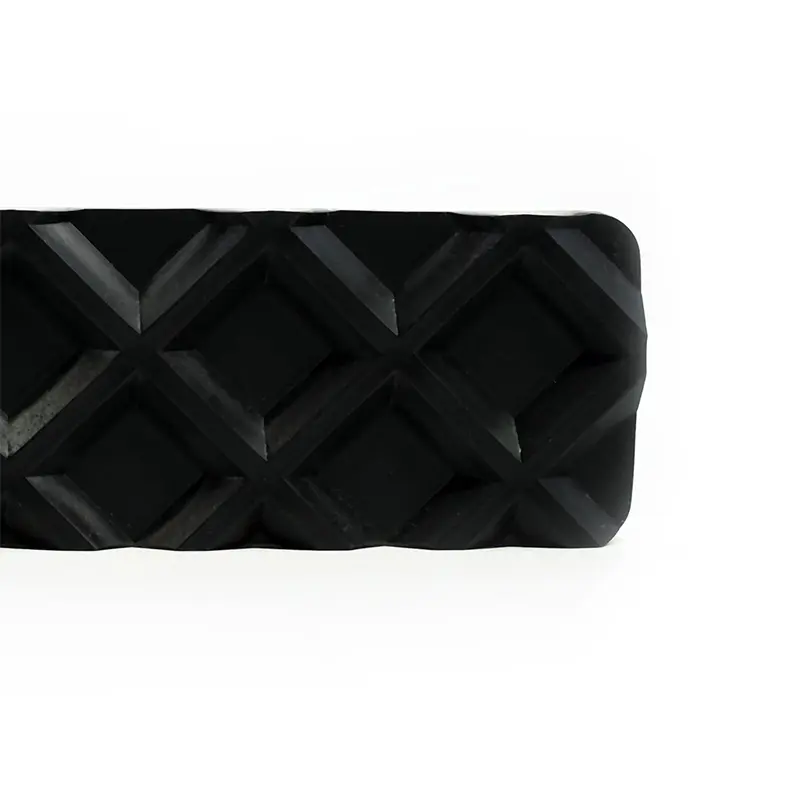
The diamond pattern is suitable for general panel transportation where stable grip is required. The herringbone pattern helps reduce dust accumulation through directional surface design, while the fine grain pattern is suitable for precision processing where surface protection is important.
Painting and Drying Systems
Painting lines create a challenging environment because conveyor belts may come into contact with solvents, paint mist and elevated temperatures. SHUNNAI selects suitable polymer materials for these applications to maintain belt stability during long-term operation.
The belt surface is designed to reduce paint adhesion and simplify cleaning work, helping factories reduce maintenance frequency and maintain a cleaner production environment.
Verified in Actual Production Conditions
Before being supplied to global customers, SHUNNAI conveyor belts undergo practical application verification based on real industrial working environments. The testing process focuses on the factors that directly influence factory operation, including wear durability, material transportation stability, chemical resistance and long-term running performance.
Furniture Factory Running Test
Test duration: 6 consecutive months
Test environments: Log transportation line, sawing workshop, sanding line, automatic painting line and assembly line, covering conditions with high dust, oil contamination, temperature fluctuation and humidity changes.
Average load condition: 525 kg/piece, simulating solid wood, engineered wood and veneered panel transportation.
The testing results showed that wood processing environments require more than basic conveying capability. Resistance to wood chip accumulation, stable feeding performance and long-term surface durability are critical factors affecting production efficiency.
Sanding Performance Evaluation
During continuous sanding machine operation, ordinary conveyor belts may experience surface wear, dust accumulation and reduced friction after repeated contact with wood particles. These problems can lead to unstable feeding and increased adjustment requirements.
SHUNNAI belts use optimized surface structures and reinforced fabric layers to maintain stable contact with materials. The wear-resistant surface layer provides longer service capability under continuous sanding conditions, while anti-static treatment helps reduce the attraction of fine wood dust.
The surface resistance can be controlled within 10⁶–10⁹Ω, helping improve cleanliness and reduce dust-related operation issues in automated production environments.
Chemical Resistance Testing
For furniture coating and wooden door painting applications, SHUNNAI performed chemical resistance simulations by exposing belt materials to xylene, thinner, hardener and other commonly used organic solvents.
Test condition: Continuous contact for 72 hours under simulated painting line conditions.
Test result: No swelling, softening or layer separation occurred. Coating hardness change was controlled within ≤5%, and the surface maintained easy-clean characteristics.
Additional heat resistance testing showed stable operation after 500 hours at 80°C without deformation, aging or cracking, demonstrating suitability for demanding production environments.
Production Comparison Data
|
Performance Indicator |
Ordinary PVC Belt |
SHUNNAI Wood Conveyor Belt |
|
Tracking deviation under full load |
±15–20mm |
±3mm |
|
Dust accumulation influence |
Frequent adjustment required |
Reduced adjustment frequency |
|
Splice structure |
Common mechanical connection |
Vulcanized splice with strength ≥90% of base belt |
|
Cleaning requirement |
Frequent cleaning needed |
Longer cleaning intervals |
Customer Application Feedback
Furniture Panel Sanding Application
"Our old sanding machine belt started slipping and mis-tracking within half a month – the sanded panels were uneven. After switching to the SHUNNAI belt with herringbone pattern, chip residue is gone. After two months, the surface is still excellent. Panel feeding is stable, and sanding quality improved significantly."
– Production Manager, a panel furniture factory in Guangdong
Wooden Door Painting Application
"Our painting line has solvent evaporation. Ordinary belts would swell and deform after a while. This SHUNNAI belt is solvent-resistant, non-stick, and wipes clean easily. It also withstands high-temperature baking – no problems after six months."
– Engineer, a wooden door manufacturer in Zhejiang
Log Transportation Application
"Logs are heavy and wet. Our previous belt often slipped and stretched. The SHUNNAI belt has strong grip, and the four-ply structure is very durable – no noticeable stretch after eight months, saving a lot of adjustment time."
– Worker, a wood processing plant in Heilongjiang
Quality Assurance and Certification
For international buyers, product consistency and supplier reliability are key factors when selecting an industrial conveyor belt manufacturer. SHUNNAI has established a complete quality management system covering material inspection, production control, performance verification and shipment inspection.
The company operates according to GB/T 19001-2016 / ISO 9001:2015 quality management standards, ensuring that every production process follows standardized procedures. In addition, SHUNNAI products are supported by FDA, MA and CNAS related certification systems, providing customers with reliable documentation support for different market requirements.
From incoming raw materials to finished belt inspection, SHUNNAI applies strict quality control procedures. Each belt is checked for dimensions, surface condition, bonding quality, structural stability and application requirements before delivery. This systematic approach helps distributors, equipment manufacturers and end users maintain stable supply chains.
Maintenance and Service Life Management
Proper maintenance plays an important role in maximizing conveyor belt service life. In wood processing environments, regular cleaning of wood chips, checking belt alignment and monitoring surface condition can effectively improve operational stability.
SHUNNAI provides technical guidance for installation, adjustment and daily maintenance according to different working conditions. Customers can select suitable belt structures based on production requirements, reducing unnecessary replacement costs caused by incorrect application.
For factories operating continuously, selecting a suitable conveyor belt at the beginning of the project can significantly reduce downtime, maintenance frequency and production interruptions.
Frequently Asked Questions
What types of wood processing equipment can use SHUNNAI belts?
SHUNNAI belts are suitable for various wood processing equipment, including log transportation systems, panel production lines, sanding machines, furniture manufacturing equipment, wooden door painting lines and packaging conveyors. Belt specifications can be customized according to machine structure and production requirements.
How do I choose the correct belt surface pattern?
The selection depends on the production process and material requirements. Diamond patterns are commonly used for general transportation requiring stable friction. Herringbone patterns are suitable for applications where dust removal and directional conveying are important. Fine grain surfaces are recommended for precision processing where a smoother contact surface is needed.
Can SHUNNAI provide customized conveyor belts?
Yes. SHUNNAI provides customized solutions based on belt width, length, thickness, fabric layers, surface pattern, color, connection method and operating environment. Customized production helps ensure better compatibility with existing woodworking machinery.
How does SHUNNAI control product quality?
SHUNNAI controls quality throughout the entire manufacturing process, including raw material selection, fabric processing, bonding, vulcanization molding and final inspection. Each batch is tested before shipment to ensure stable performance and consistent quality.
What information should buyers provide before ordering?
To recommend the most suitable conveyor belt, buyers should provide equipment type, belt size, material weight, working temperature, conveying speed, operating environment and current belt problems. These details help SHUNNAI engineers provide a more accurate solution.
Why Global Buyers Choose SHUNNAI
Choosing an industrial conveyor belt supplier is not only about purchasing a product, but also about building a reliable long-term supply relationship. SHUNNAI combines manufacturing capability, engineering experience and quality management to support customers from product selection to after-sales service.
As an experienced China wood conveyor belt manufacturer, SHUNNAI focuses on practical industrial solutions rather than short-term marketing promises. Through continuous improvement in materials, production technology and quality control, the company provides stable conveyor solutions for woodworking factories around the world.
Whether for furniture production, panel processing, sanding applications, painting systems or material transportation, SHUNNAI helps customers improve production stability with reliable conveyor belt solutions manufactured in its own factory.
Send Inquiry
Contact Info
-
Address
No.129 Qingfeng Road, Jizhou District, Tianjin City, China
-
Tel
-
Email
If you have any inquiry about a quotation or cooperation, please feel free to email or use the following inquiry form. Our sales representative will contact you within 24 hours.
Related Products
News Recommendations