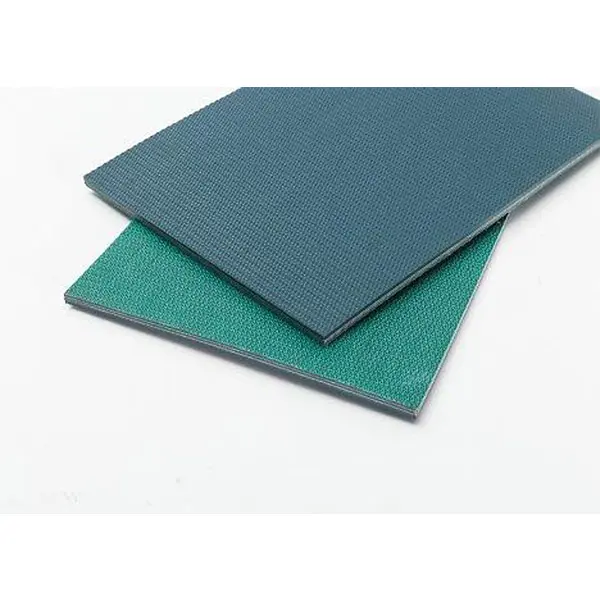
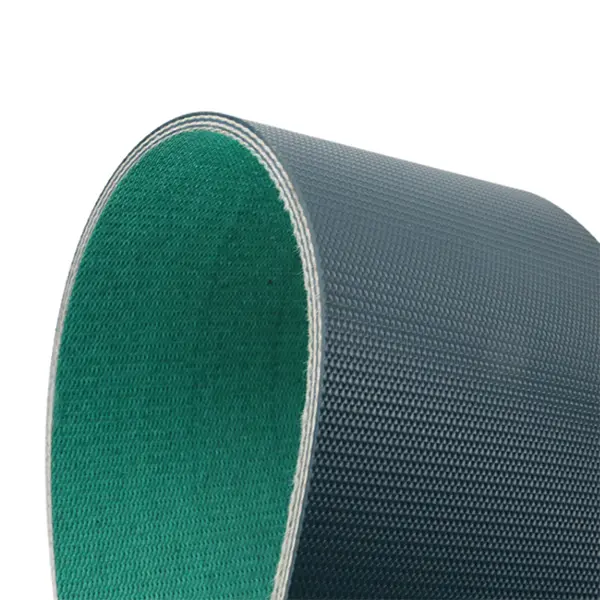
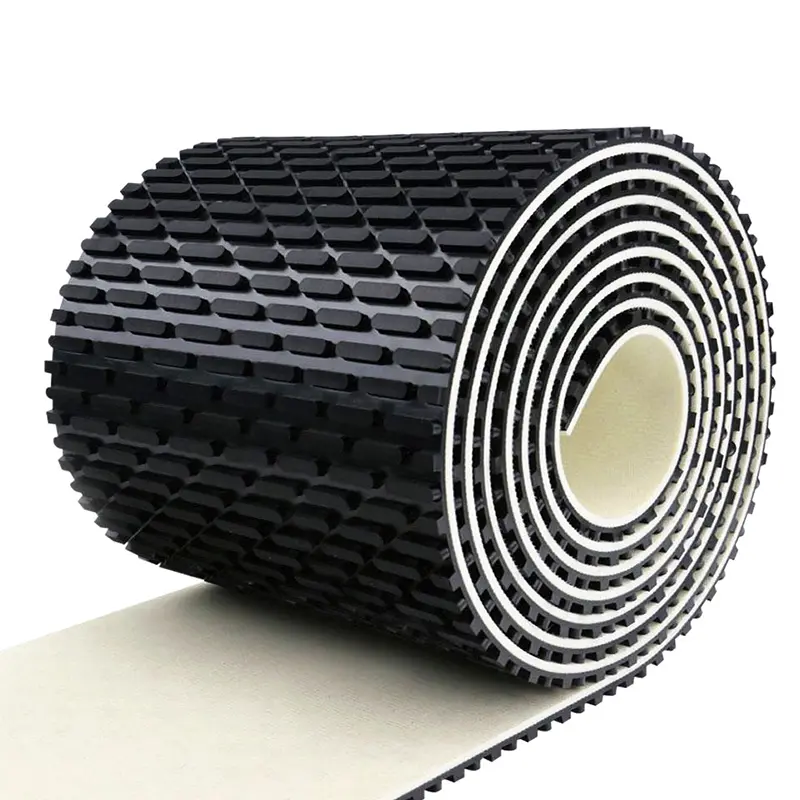
Stone Conveyor Belt
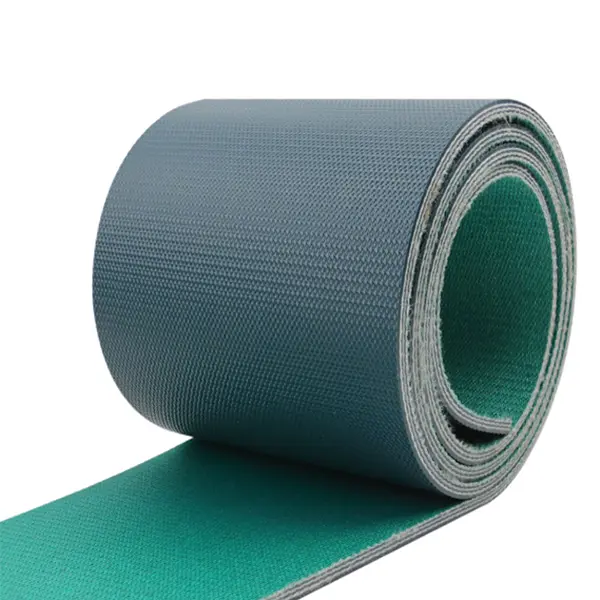
Stone processing environments are challenging for ordinary conveyor belts due to continuous exposure to water, stone powder, heavy loads and abrasive materials. SHUNNAI Stone Conveyor Belt is engineered for marble polishing, granite cutting, tile production and other hard material conveying applications, focusing on stable transportation, strong grip and long-term durability.
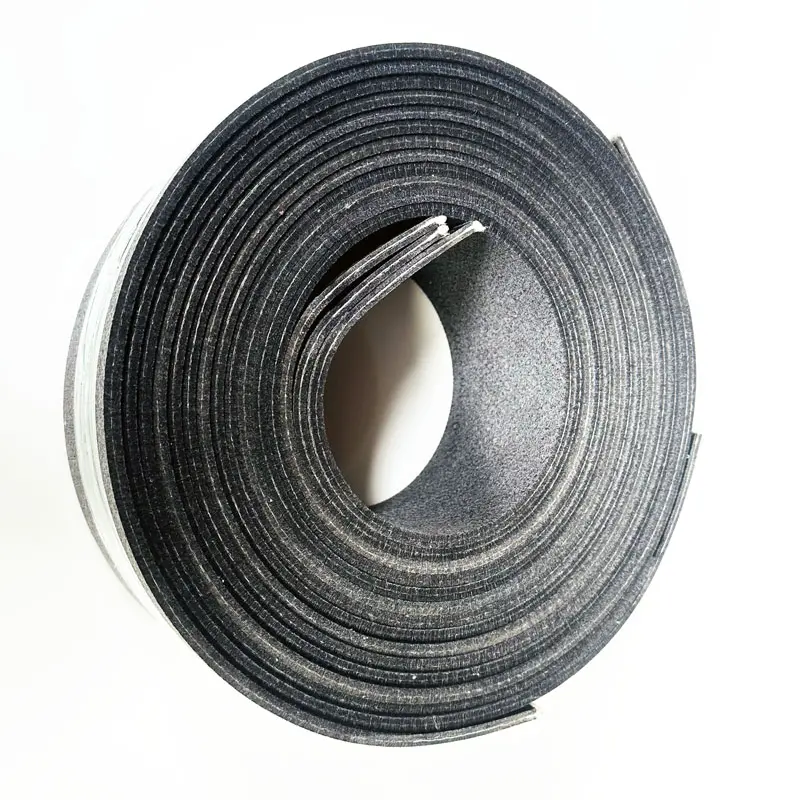
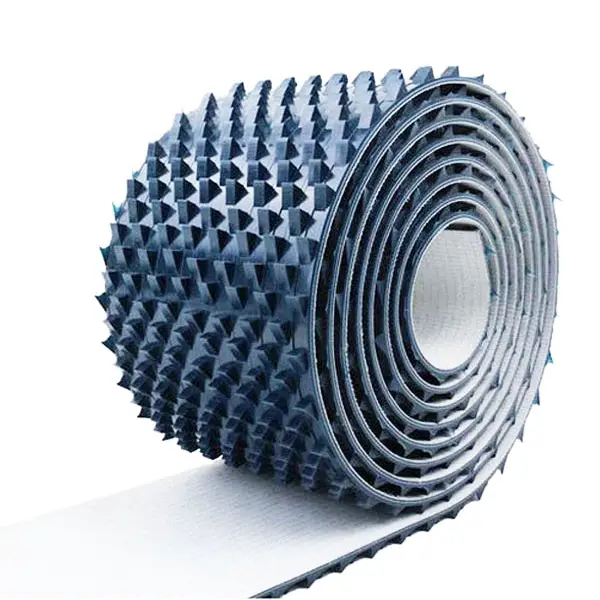
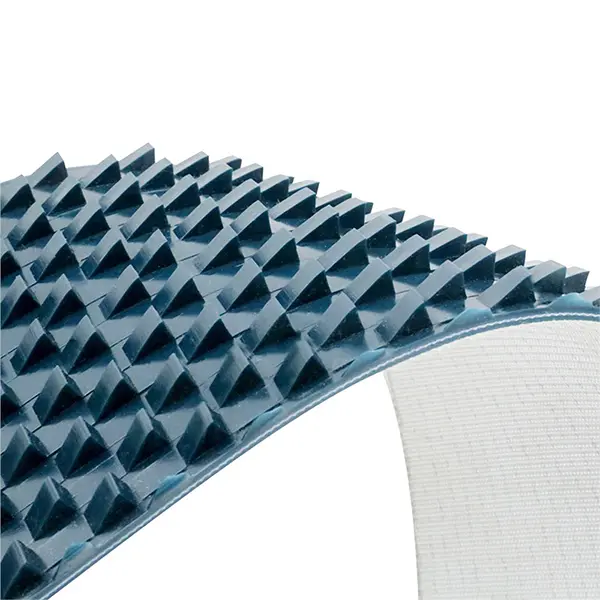
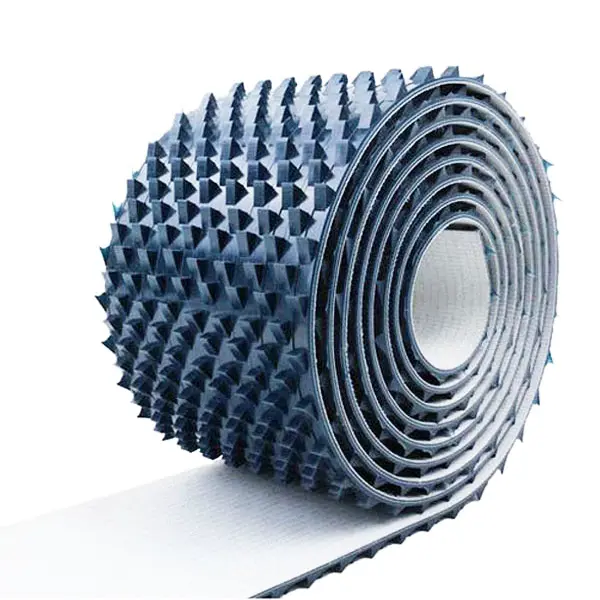
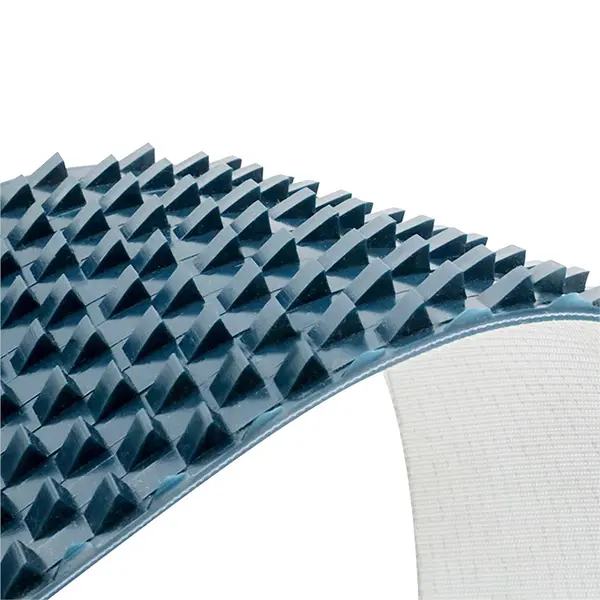
1.Bidirectional staggered tooth pattern for superior grip
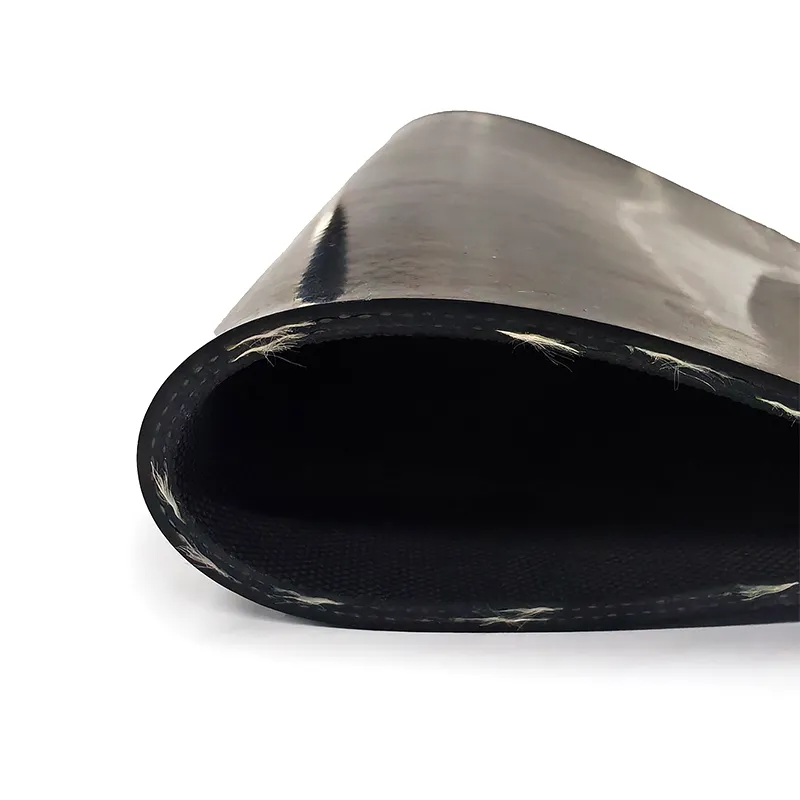
2.Reinforced structure, strong and durable
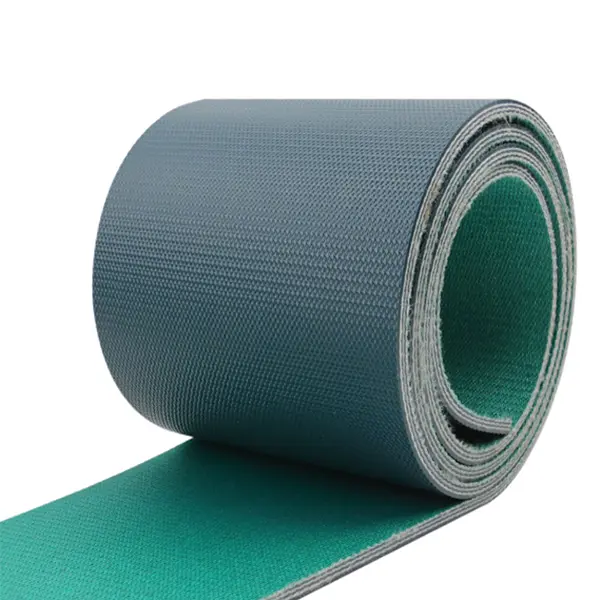
3.Water-resistant and built for harsh environments
2.Reinforced structure, strong and durable
3.Water-resistant and built for harsh environments
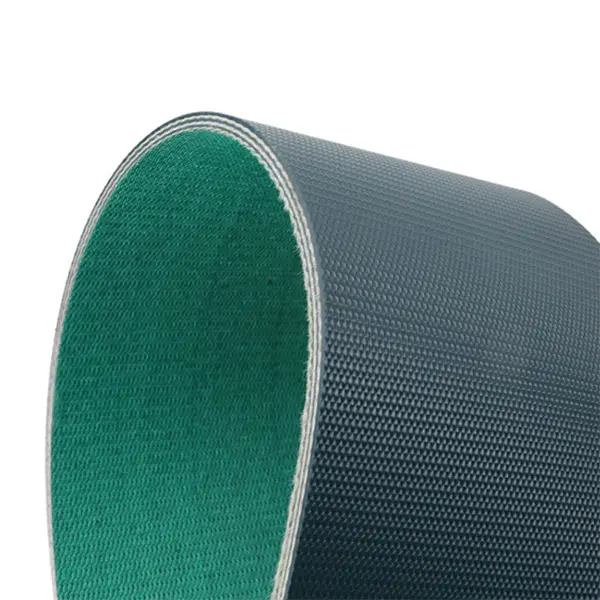
Stone Conveyor Belt from SHUNNAI is specially developed for stone processing lines requiring strong grip, wear resistance and stable operation in harsh environments. Through optimized PVC compounds, high-strength polyester reinforcement and special surface patterns, SHUNNAI provides reliable conveying solutions for marble, granite, tile, wood and other hard materials.
Instead of using standard industrial belts for every application, SHUNNAI evaluates working conditions including moisture, load weight, conveying speed and material characteristics to design suitable belt structures for different stone processing equipment.
Challenges in Stone Processing
Stone factories usually operate in environments with high humidity, heavy dust and continuous mechanical stress. The conveyor belt is not only responsible for transportation but also affects production efficiency, material safety and maintenance frequency.
Wet Environment Stability
Water cooling and polishing processes are common in stone production. Water mixed with stone powder can reduce friction between the belt and transported materials, causing stone slabs to shift or slide during conveying.
SHUNNAI designs surface patterns with enhanced friction capability to improve grip performance under wet conditions. The bidirectional staggered tooth structure helps maintain stable transportation even when water spray and slurry are present.
Heavy Material Support
Marble, granite and other stone materials create high impact loads during transportation. Repeated loading can cause ordinary belts to stretch, deform or lose tracking accuracy.
SHUNNAI uses multi-layer reinforcement structures combining industrial polyester fabric and durable PVC compounds. The reinforced carcass improves tensile strength and lateral stability, allowing the belt to maintain shape during long-term heavy-duty operation.
Stone Surface Protection
Finished stone products often require clean surfaces without scratches or impact marks. A rough or unsuitable belt surface may affect the appearance quality of polished stone slabs.
SHUNNAI provides different surface structures according to material requirements. The belt surface can be optimized for marble, granite, ceramic tiles and other products where stable conveying and surface protection are both important.
Performance in Wet Processing Lines
Wet grinding and polishing are among the most demanding applications in the stone industry. Conveyor belts must resist water exposure while maintaining friction performance and structural stability.
Anti-slip Structure
SHUNNAI adopts a bidirectional inverted triangular sawtooth pattern to improve contact force between belt and material. Compared with smooth surfaces, this structure provides stronger grip when transporting stone under wet conditions.
The special pattern design helps reduce material movement during inclined conveying and improves production consistency.
Water Resistance
Long-term exposure to cooling water may cause some belt materials to soften, swell or separate internally. SHUNNAI uses modified PVC formulations designed for wet processing environments.
Through water resistance testing, the belt maintains surface integrity without blistering, softening or edge delamination after continuous spray exposure.
Load Handling Capability
Stone materials are much heavier than many ordinary industrial products, requiring conveyor belts with sufficient tensile strength and structural support.
SHUNNAI stone belts use reinforced fabric layers to improve load carrying capability. The multi-layer structure helps distribute stress during transportation, reducing deformation and improving running stability.
For different equipment requirements, SHUNNAI can customize belt thickness, width, surface pattern and reinforcement structure according to customer production conditions.
Production Line Verification
Six-Month Stone Factory Test
To verify performance under real working conditions, SHUNNAI conducted continuous application testing in marble polishing workshops, granite cutting lines and tile production environments. The test covered high humidity, stone dust accumulation and heavy material transportation scenarios.
Test period: 6 consecutive months
Application environments: Marble polishing, granite cutting and ceramic tile conveying lines
Average conveying load: 15-30 kg/m²
The test results showed that stable friction performance, water resistance and lateral stability are key factors affecting stone production efficiency. These factors were used as important references during the design and manufacturing process of SHUNNAI belts.
Wear Resistance Test
Stone processing creates continuous abrasion because stone powder and sharp edges repeatedly contact the conveyor surface. A belt with insufficient wear resistance may quickly develop surface peeling, reducing production efficiency and increasing replacement frequency.
During grinding line testing, SHUNNAI belts maintained surface integrity after continuous operation. The reinforced wear layer and high-strength fabric structure reduced damage caused by repeated friction.
Compared with ordinary PVC belts, SHUNNAI designs the surface layer thickness and material formula according to stone processing conditions, helping extend service life in abrasive environments.
Tracking Stability Test
Belt deviation is a common problem in long stone conveying systems. When the belt moves sideways, stone slabs may shift, creating safety risks and affecting production rhythm.
SHUNNAI uses high-modulus polyester reinforcement layers to improve lateral rigidity. The stable structure reduces belt deformation and helps maintain alignment during continuous operation.
|
Performance Indicator |
Ordinary PVC Belt |
SHUNNAI Stone Conveyor Belt |
|
Tracking deviation (full load, 1 hour) |
±15mm |
±3mm |
|
Start-up slipping |
Common under wet conditions |
Stable operation |
|
Stone side-slip rate |
Around 12% |
Less than 1% |
|
Splice strength |
Prone to cracking |
Vulcanized splice strength ≥90% of base belt |
Application Experience
Marble Polishing Line
A marble processing plant in Fujian previously experienced frequent belt slipping during wet grinding operations. Operators needed to adjust the conveyor system several times every day because stone slabs moved during transportation.
After adopting SHUNNAI's solution with a high-friction surface structure, the production line maintained more stable conveying performance under water spray conditions. After more than six months of operation, the belt surface remained in good condition and maintenance frequency was reduced.
Granite Cutting Line
A granite processing company in Shandong required a belt capable of handling heavy stone materials and maintaining accurate tracking during angled conveying.
SHUNNAI customized the belt structure according to load requirements and equipment conditions. The reinforced carcass improved running stability, while the special surface design helped reduce material movement during transportation.
Tile Manufacturing Line
A ceramic tile manufacturer in Guangdong operated in a high humidity and high dust environment. Previous belts suffered from short service life and frequent splice problems.
After replacing the belt with SHUNNAI's water-resistant and wear-resistant solution, the production line achieved longer continuous operation with reduced maintenance requirements.
Product Specification Reference
|
Parameter |
Value |
|
Model |
C49-76/34 (Stone Application) |
|
Total Thickness |
11.5mm |
|
Cover Thickness |
6.5mm |
|
Surface Pattern |
Bidirectional staggered tooth pattern |
|
Surface Material |
Modified PVC compound |
|
Fabric Material |
High-strength polyester |
|
Coating Hardness |
Shore A 55 |
|
1% Elongation Tensile Strength |
50N/mm |
|
Weight |
8.0kg/m² |
|
Minimum Roller Diameter |
450mm |
|
Working Temperature |
-10℃ ~ 80℃ |
|
Suitable Materials |
Marble, granite, tile, wood, stone and other hard materials |
Manufacturing Control and Certifications
For stone processing applications, conveyor belt quality directly influences production efficiency and equipment maintenance costs. SHUNNAI controls every manufacturing stage from raw material selection to finished product inspection, ensuring consistent performance for industrial customers.
The production process includes fabric preparation, material compounding, layer bonding, vulcanization forming, surface treatment and final inspection. Each stage is managed according to standardized procedures to maintain stable belt structure and reliable operating performance.
SHUNNAI operates under the quality management system of GB/T 19001-2016 / ISO 9001:2015. Product inspection covers dimensional accuracy, tensile strength, surface quality, bonding performance and application-related testing according to customer requirements.
For international projects requiring additional compliance documents, SHUNNAI supports certification requirements including FDA, MA and CNAS-related verification according to specific application needs.
Customized Solutions for Different Stone Lines
Different stone processing equipment requires different belt structures. A polishing line focuses on stable transportation and surface protection, while cutting lines require stronger abrasion resistance and load support.
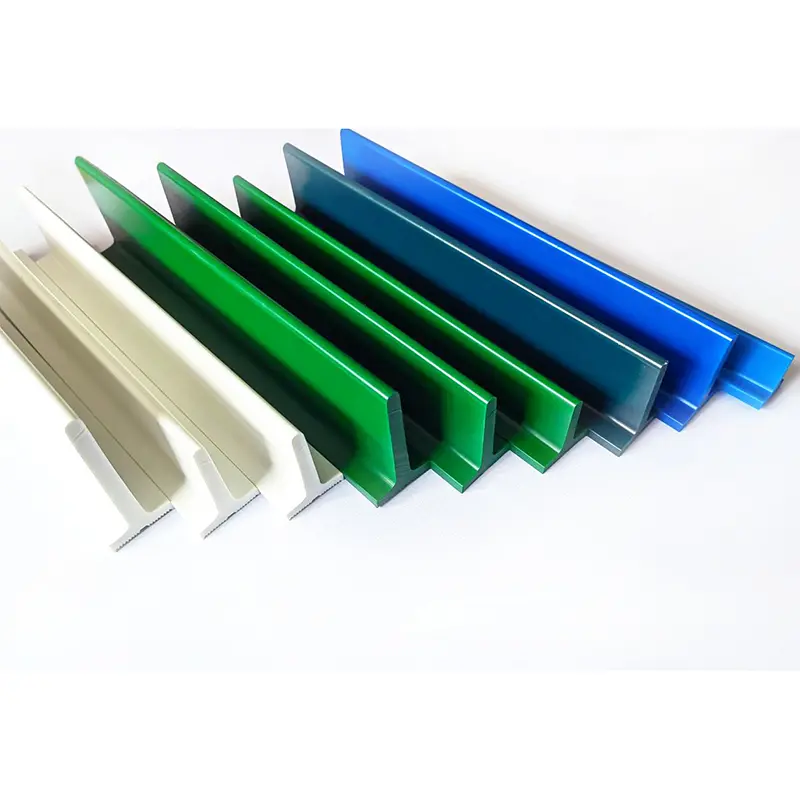
SHUNNAI provides customization services based on equipment drawings and production conditions. Customers can select suitable belt width, thickness, surface pattern, reinforcement layers, guide structures and endless connection methods.
For inclined conveying systems, special surface patterns can improve material holding capability. For heavy stone transportation, reinforced carcass structures provide additional tensile support. For wet environments, water-resistant compounds help maintain long-term stability.
Quality Inspection Before Delivery
Before shipment, every SHUNNAI belt passes a series of quality inspections to verify whether it meets production requirements.
Inspection items include belt dimension measurement, tensile strength verification, splice performance testing, surface condition inspection and simulated operating checks.
Through strict inspection procedures, SHUNNAI helps customers reduce installation problems and improve the reliability of their stone processing equipment.
Frequently Asked Questions
What problems can a stone conveyor belt solve in stone processing factories?
Stone production environments usually involve water, dust, heavy loads and abrasive materials. A suitable belt helps reduce slipping, tracking deviation, surface damage and frequent replacement problems during transportation.
How does SHUNNAI improve belt performance in wet stone processing?
SHUNNAI uses modified PVC materials and specially designed surface patterns to improve friction stability in wet conditions. The structure is developed for applications such as polishing, grinding and washing processes where water and stone powder are present.
Can SHUNNAI provide belts for marble and granite production lines?
Yes. SHUNNAI supplies customized conveying solutions for marble, granite, ceramic tile, artificial stone and other hard material processing applications. Belt structures can be adjusted according to material weight, equipment speed and working environment.
How long is the service life of SHUNNAI stone processing belts?
Service life depends on operating conditions including load, conveying speed, material abrasiveness, temperature and maintenance practices. SHUNNAI improves durability through suitable material selection, reinforced structures and application-specific design.
What information is needed for a customized belt quotation?
Customers can provide belt width, length, thickness, equipment model, working temperature, transported material, conveying speed and application environment. SHUNNAI engineers will evaluate the requirements and recommend a suitable structure.
What certifications does SHUNNAI provide?
SHUNNAI follows GB/T 19001-2016 / ISO 9001:2015 quality management standards and can support customers with FDA, MA and CNAS-related certification requirements according to project specifications.
A Reliable Partner for Stone Processing Conveying
Tianjin Shunnai Conveyor Belt Manufacturing Co., Ltd. focuses on developing industrial belt solutions for demanding production environments. With more than 20 years of experience in conveyor belt manufacturing, SHUNNAI combines material technology, production capability and practical application knowledge to support global customers.
From marble polishing workshops and granite cutting facilities to ceramic tile production lines, SHUNNAI understands that each production process has different requirements. Stable conveying performance depends not only on belt material but also on correct structural design and equipment matching.
With strict quality control, professional manufacturing processes and customized service capability, SHUNNAI provides dependable conveying solutions for stone processors seeking improved production stability, reduced maintenance frequency and longer operating life.
Choosing the right conveyor belt can help stone manufacturers maintain smoother production, protect valuable materials and reduce unexpected downtime. SHUNNAI continues to work with global industrial customers by delivering practical and reliable belt solutions.
Send Inquiry
Contact Info
-
Address
No.129 Qingfeng Road, Jizhou District, Tianjin City, China
-
Tel
-
Email
If you have any inquiry about a quotation or cooperation, please feel free to email or use the following inquiry form. Our sales representative will contact you within 24 hours.
Related Products
News Recommendations