





Horticultural Conveyor Belt
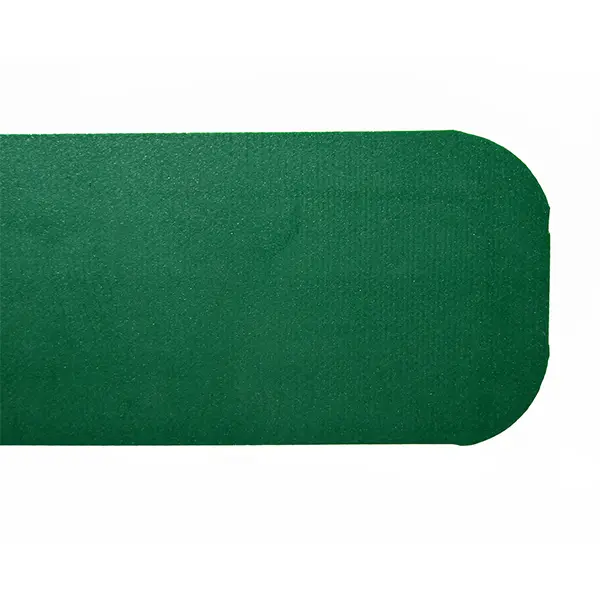
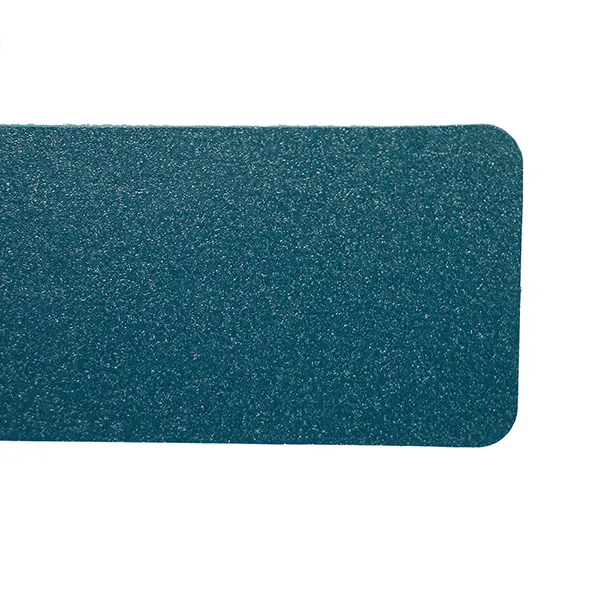
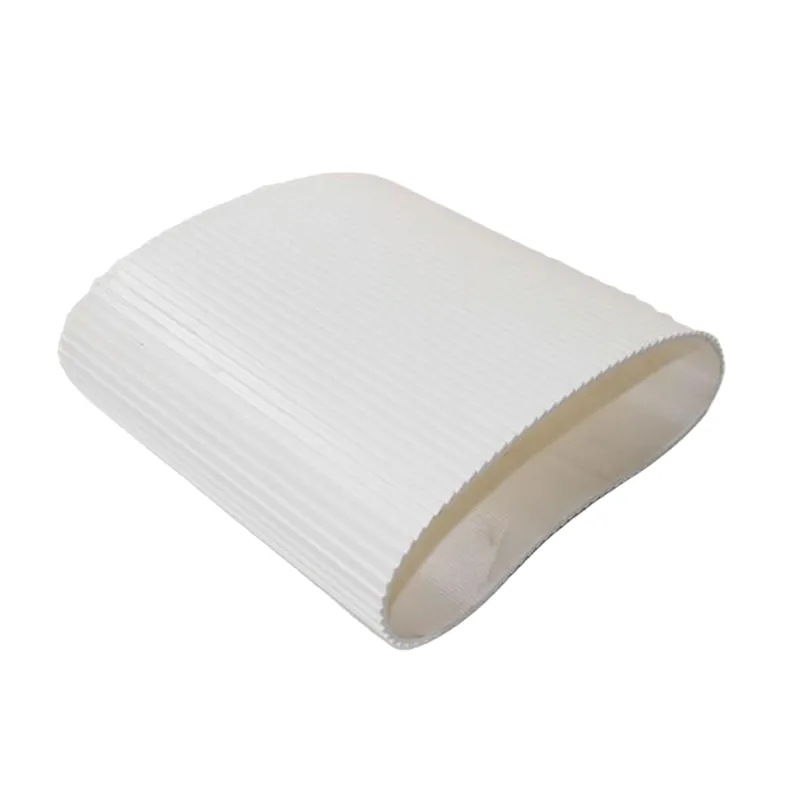
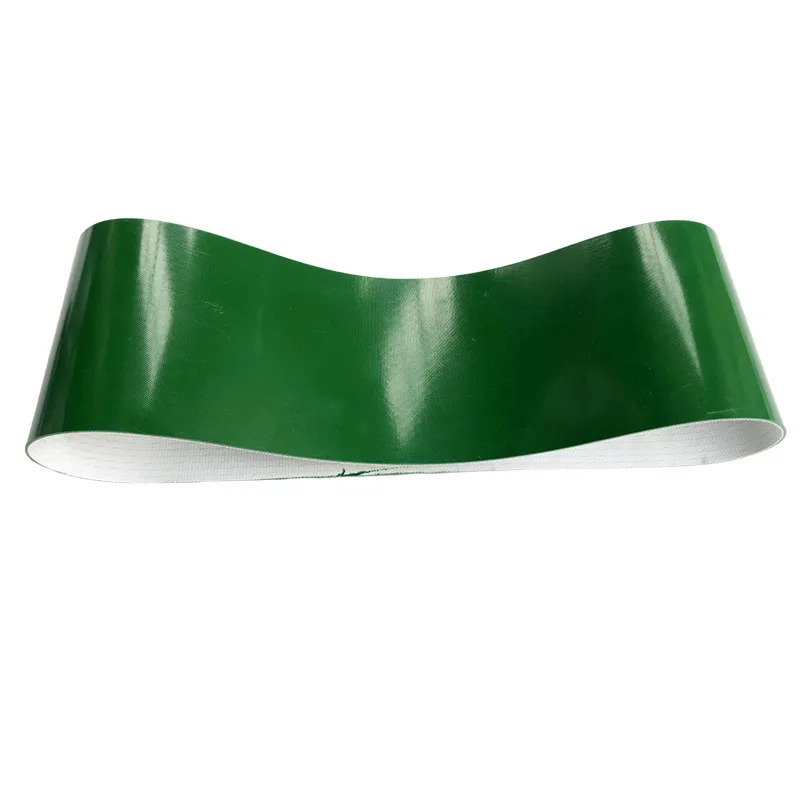
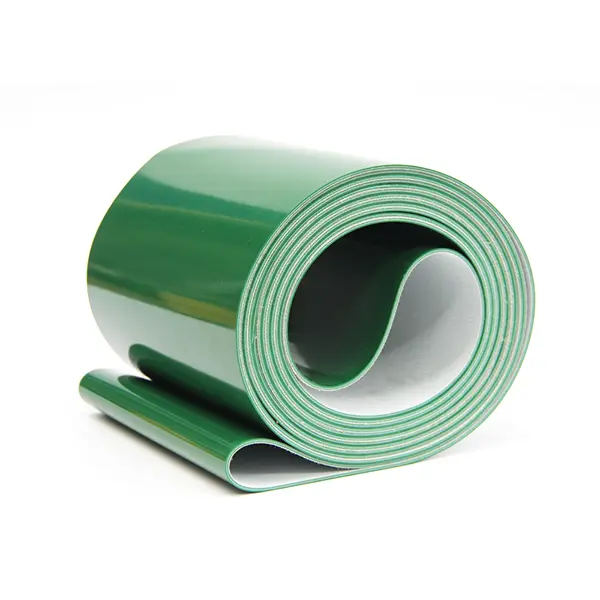
Tianjin Shunnai Conveyor Belt Manufacturing Co., Ltd. is an excellent China horticultural conveyor belt manufacturer. Its horticultural belt uses food‑grade flexible PU or eco‑friendly PVC covers, offering a smooth, matte, non‑reflective surface that prevents petal shedding, stem breakage and seed scratching. Waterproof, chemical‑resistant and easy to clean, it suits automatic seeders, seedling lines, flower color sorters and packing conveyors. With full in‑house customization, SHUNNAI provides low‑loss, high‑precision conveying for modern horticulture.
1.Ultra‑soft, zero damage
2.Matte solid color, high sorting accuracy
3.Waterproof, moisture‑resistant, chemical‑resistant:
2.Matte solid color, high sorting accuracy
3.Waterproof, moisture‑resistant, chemical‑resistant:
Designed for the unique requirements of horticultural production, the SHUNNAI horticultural conveyor belt provides reliable conveying solutions for seedlings, flowers, fruits, vegetables, planting trays and lightweight agricultural materials. Unlike standard industrial belts that focus mainly on load capacity, horticultural applications require more precise control of softness, cleanliness, positioning accuracy and material protection.
SHUNNAI develops belts using food-grade PU, environmentally friendly PVC and high-strength polyester reinforcement layers. The belt surface is optimized according to different horticultural processes, including seed placement, tray transportation, flower sorting, harvesting transfer, washing, grading and packaging. The contact surface is non-toxic, odorless and resistant to moisture, helping growers reduce contamination risks while improving automation efficiency.
Designed Around Plant Sensitivity and Production Accuracy
In horticultural automation, the biggest challenge is not only transporting materials from one point to another, but maintaining product quality throughout the entire conveying process. Fresh flowers can lose petals due to excessive friction, seedlings may suffer root damage from unstable movement, and fruits or vegetables can develop surface marks during repeated transfers.
SHUNNAI focuses on solving these production problems through material selection and belt structure optimization. The elastic PU surface provides gentle contact with delicate products, while the high-strength carcass maintains dimensional stability during continuous operation. This balance allows the belt to protect fragile materials while supporting long working hours in commercial horticultural facilities.
For automated planting systems, precise positioning is essential. Seed trays, nursery containers and flower baskets require consistent spacing and stable movement. The belt can be customized with different surface textures, guide strips and sidewalls to prevent sliding, improve positioning accuracy and reduce manual correction during production.
Applications Across Modern Horticultural Production
Modern horticultural enterprises increasingly rely on automated conveying systems to improve productivity and reduce labor dependency. SHUNNAI provides application-specific belt solutions for different stages of horticultural operations rather than a single universal belt design.
For greenhouse seedling production, the belt supports tray circulation, transplanting lines and planting equipment. The low-noise operation and stable tracking performance help maintain continuous workflow in enclosed growing environments.
For flower processing facilities, the belt surface can be customized with matte colors and low-reflection finishes to support optical inspection equipment. This helps reduce image interference during flower color recognition, grading and quality inspection.
For fruit and vegetable processing, the belt provides smooth transportation during washing, sorting, weighing and packaging. Water-resistant materials prevent swelling and deformation caused by frequent cleaning and humid working environments.
Seedling Conveying Requires Soft Contact and Accurate Positioning
Seedling production lines have strict requirements for belt flexibility and surface protection. Young plants are sensitive to vibration, impact and excessive pressure, especially during automated transplanting and tray movement.
SHUNNAI seedling conveying belts use elastic surface materials with controlled hardness to reduce impact during acceleration and stopping. The smooth belt surface prevents growing media from excessive accumulation, while optional fine-texture patterns provide additional friction without damaging roots or stems.
For automatic seeding equipment, ultra-thin PU belt structures can be supplied for lightweight and high-frequency operation. The low elongation polyester carcass maintains stable running length, helping equipment maintain accurate seed spacing and reducing repeated tension adjustment.
Flower Handling Needs Low Reflection and Gentle Transportation
Flower processing is one of the most demanding applications for conveyor systems because product appearance directly affects commercial value. Traditional glossy belts may create unwanted reflections when used with machine vision equipment, influencing image recognition results.
SHUNNAI flower processing belts can be produced with matte surface treatment and uniform background colors. The controlled surface appearance provides a more stable inspection environment for flower sorting machines while reducing visual interference.
The soft PU cover helps protect delicate petals during transportation. Roses, lilies, carnations and other fragile flowers can move smoothly through sorting and packing stations with reduced risk of scratching, tearing or petal loss.
Stable Transfer for Fruit and Vegetable Processing Lines
Fruit and vegetable handling requires a conveyor solution that combines gentle transportation with reliable production efficiency. Products such as tomatoes, peppers, cucumbers, leafy vegetables and berries are easily affected by impact, pressure and surface friction during sorting and packaging.
SHUNNAI horticultural conveyor belt is designed with a balanced structure combining flexibility and strength. The soft cover layer reduces direct impact on fresh produce, while the reinforced polyester carcass provides stable running under continuous operation. This helps reduce bruising, deformation and unnecessary product loss during automated conveying.
In washing and grading systems, the belt can be customized with waterproof materials and drainage-friendly structures. The surface maintains stable performance after repeated contact with water, cleaning agents and plant residues. This makes it suitable for vegetable washing lines, fruit inspection stations and automatic weighing systems.
Smart Greenhouse Conveyor System Compatibility
With the development of intelligent agriculture, greenhouse production increasingly requires compact, reliable and flexible conveying equipment. Conveyor belts used in these environments must adapt to limited space, frequent start-stop operation and changing humidity conditions.
SHUNNAI provides customized solutions for greenhouse circulation systems, including seedling tray transfer, planting module movement and harvesting collection. The belt can be manufactured with guide strips, sidewalls and special structures to maintain accurate movement on inclined or curved conveying routes.
The low elongation design helps maintain stable belt tracking during long-term operation. This reduces downtime caused by repeated adjustment and improves the automation level of greenhouse production lines.
Surface Design for Different Horticultural Materials
Different horticultural products have different requirements for belt surface performance. A smooth surface is preferred for flower inspection and delicate products, while textured surfaces provide better grip for inclined conveying and tray transportation.
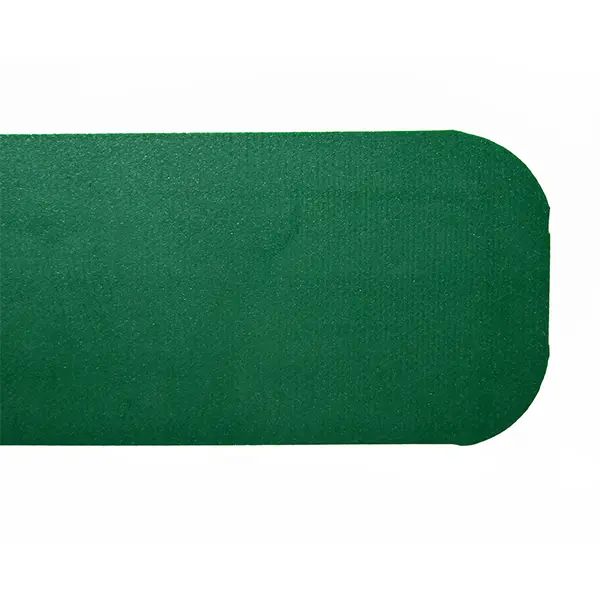
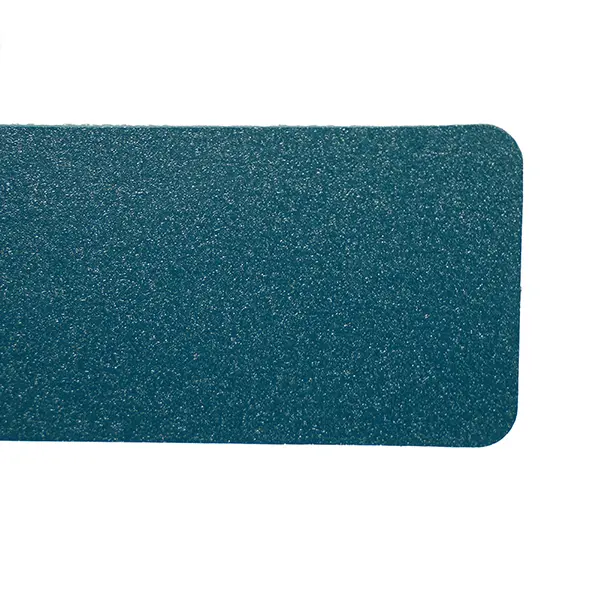
SHUNNAI offers multiple surface options according to equipment conditions and material characteristics. Smooth surfaces are suitable for optical sorting, packing and transfer applications where easy cleaning is required. Fine-line surfaces improve friction control for seedling trays and lightweight containers. Customized patterns can also be developed according to customer equipment drawings.
The surface structure is designed to avoid excessive material accumulation. Plant leaves, soil particles and moisture residue can be removed easily through normal cleaning procedures, reducing daily maintenance workload.
Performance in Humid and Chemical Environments
Horticultural production environments usually involve continuous exposure to water, fertilizer solutions, plant nutrients and cleaning chemicals. Ordinary conveyor belts may experience swelling, hardening or surface cracking after long-term exposure.
SHUNNAI uses hydrolysis-resistant PU and modified PVC materials to improve durability under humid conditions. The belt maintains stable dimensions without significant expansion caused by moisture absorption, ensuring accurate operation of automated equipment.
For greenhouse and processing environments requiring frequent sanitation, the belt surface supports regular water cleaning and disinfectant treatment. Optional chemical-resistant materials are available for applications involving fertilizer residues or mild chemical exposure.
Structure Options for Equipment Integration
Horticultural production equipment varies greatly between growers, processing factories and automation suppliers. SHUNNAI provides flexible belt structures instead of fixed standard designs to match different machines and production layouts.
Available customization includes belt width, thickness, surface pattern, guide strips, sidewalls, perforations and splice methods. Narrow belts can be produced for precision seed placement equipment, while wider belts are available for packing and sorting platforms.
For food and flower processing applications, seamless heat fusion splicing can be selected to create a smooth connection without metal fasteners or raised joints. For heavy-duty agricultural transfer applications, mechanical fasteners can also be provided for convenient replacement.
Quality Control from Material Selection to Finished Belt
SHUNNAI controls each production stage to ensure consistent conveyor belt performance. Raw materials are inspected before production, and finished belts are tested for thickness accuracy, tensile strength, surface condition and running stability.
For horticultural applications, additional inspection focuses on cleanliness, odor control, material safety and long-term durability. This helps ensure the belt does not introduce unwanted particles, abnormal smell or surface contamination during operation.
All products are manufactured under the GB/T 19001-2016 / ISO 9001:2015 quality management system. FDA-related material testing, MA testing support and CNAS laboratory reports are available according to customer requirements.
Customer Application Examples
Flower Sorting Application in Yunnan, China
A flower processing company using machine vision sorting equipment previously experienced unstable recognition caused by belt reflection. After replacing the original glossy belt with SHUNNAI customized matte surface belt, the background color became more consistent and visual inspection performance improved. The soft surface also reduced petal damage during transportation.
Seedling Tray Conveying Application in Shandong, China
A vegetable nursery operating automatic tray circulation equipment required a belt with stable tracking and low maintenance frequency. SHUNNAI supplied a customized PU belt with suitable thickness and reinforcement structure. After long-term operation, the belt maintained accurate positioning and reduced frequent tension adjustment.
Flower Distribution Center Application
A flower distribution facility required a replacement belt compatible with imported sorting equipment. SHUNNAI developed a customized seamless belt according to equipment dimensions, ensuring smooth installation and stable operation. The solution helped reduce replacement cost while maintaining required conveying performance.
Main Benefits for Horticultural Automation
SHUNNAI horticultural conveyor belt solutions provide advantages focused on real production challenges rather than only basic transportation.
The soft contact surface helps protect flowers, fruits, vegetables and seedlings from unnecessary damage. Stable reinforcement layers maintain accurate dimensions during continuous operation, supporting automated equipment that requires precise positioning.
The hygienic material structure reduces contamination risks in fresh produce and flower processing environments. Easy-clean surfaces help shorten maintenance time after daily production, while customized structures allow direct integration with existing conveyor systems.
From greenhouse planting to commercial packing, SHUNNAI develops belts according to actual working conditions, helping horticultural companies improve efficiency while maintaining product quality.
Material Selection and Manufacturing Standard
Material quality directly determines the service life and safety of conveyor belts used in horticultural environments. SHUNNAI selects suitable polymer materials according to different applications, including flower handling, seedling transportation, fruit and vegetable processing and greenhouse automation.
The belt cover can be produced with food-grade PU, environmentally friendly PVC or specially modified materials. PU provides excellent flexibility, wear resistance and smooth conveying performance, while PVC offers economical performance for general agricultural applications. For humid greenhouse environments, hydrolysis-resistant formulations are available to improve long-term stability.
The reinforcement layer uses high-strength polyester fabric with controlled elongation characteristics. This structure helps maintain belt dimensions during repeated start-stop operation and reduces tracking deviation caused by stretching.
SHUNNAI does not use unknown recycled materials in production. Each batch is inspected for material consistency, thickness tolerance, tensile performance and surface quality before shipment.
Technical Specifications
| Performance Item | Specification Range | Testing Method |
| Belt Material | Food-grade PU / PVC / Modified polymer materials | Material inspection |
| Belt Width | 50mm-2000mm or customized | Dimension measurement |
| Belt Thickness | 1.5mm-8mm according to application | Thickness test |
| Surface Hardness | Customized according to product protection requirement | Shore hardness test |
| Temperature Resistance | Customized according to working environment | Heat aging test |
| Splice Method | Seamless heat fusion / mechanical fastener | Joint inspection |
| Application Materials | Flowers, seedlings, fruits, vegetables, trays and agricultural products | Application verification |
Certification and Quality Assurance
SHUNNAI follows strict manufacturing procedures based on GB/T 19001-2016 / ISO 9001:2015 quality management requirements. Production processes include raw material inspection, manufacturing control, finished product inspection and traceability management.
According to different market requirements, SHUNNAI can provide FDA-related material reports, MA testing support and CNAS laboratory testing documents. These quality documents help customers verify material safety and product reliability for international horticultural projects.
Every batch of belts is checked before delivery, including appearance inspection, size verification, splice quality evaluation and running performance testing. This ensures stable installation and reliable operation after reaching the customer's production line.
Packing and Delivery Requirements
SHUNNAI carefully protects conveyor belts during transportation to avoid deformation, contamination and surface damage. Standard belts are rolled with protective materials and packed according to belt size and shipment requirements.
For customized endless belts, special attention is given to splice protection. The joint area is protected to prevent impact during loading and unloading. Small accessories such as guide strips, sidewalls and spare components are packed separately.
Before shipment, customers can confirm belt specifications, production details and packaging information to ensure smooth installation after arrival.
How to Select the Right Belt for Horticultural Equipment?
Choosing a suitable belt depends on the actual working environment rather than only the transported material. Customers should consider product sensitivity, equipment speed, cleaning requirements and operating conditions.
For delicate flowers and seedlings, a softer PU surface is usually preferred because it reduces impact and friction. For fruit and vegetable washing lines, waterproof and easy-clean materials are more important. For optical sorting equipment, matte surfaces with stable colors can help reduce reflection problems.
SHUNNAI engineers recommend suitable materials, thicknesses and structures according to equipment drawings, conveying speed, belt width, working temperature and cleaning method.
Frequently Asked Questions
What conveyor belt is commonly used for greenhouse automation?
Greenhouse automation usually requires lightweight, low-stretch and moisture-resistant belts. PU and modified PVC belts are commonly selected because they provide stable operation under humid conditions and can be customized with guide strips or sidewalls for tray transportation.
Can horticultural conveyor belts directly contact fruits, vegetables and plants?
Yes. SHUNNAI provides food-grade PU and PVC material options designed for applications requiring clean contact surfaces. The belt materials are selected to reduce odor, contamination and surface particle shedding during long-term operation.
What is the difference between PU and PVC belts for horticultural applications?
PU belts generally provide better flexibility, wear resistance and surface performance for delicate products and higher cleanliness requirements. PVC belts offer reliable performance and cost advantages for general conveying applications. SHUNNAI selects the appropriate material according to equipment conditions and customer requirements.
How can a conveyor belt protect flowers from damage?
Flower damage is usually caused by excessive pressure, vibration or rough surfaces. SHUNNAI uses elastic surface materials, controlled hardness and optimized textures to reduce friction during transportation, helping protect petals and maintain product appearance.
Can the belt be customized for imported sorting machines?
Yes. SHUNNAI supports customized production according to equipment drawings and operating requirements. Width, thickness, surface finish, splice method, guide structures and other parameters can be adjusted to match different machines.
How long is the service life of a horticultural conveyor belt?
Service life depends on operating conditions, material type, working hours, cleaning methods and maintenance practices. With suitable material selection and correct installation, SHUNNAI belts are designed for long-term stable operation and reduced replacement frequency.
Why Choose SHUNNAI Horticultural Conveyor Belt?
Horticultural production requires more than simple material transportation. The conveyor belt must protect product quality, support automation accuracy and maintain stable performance in changing environments.
Tianjin Shunnai Conveyor Belt Manufacturing Co., Ltd. combines polymer material technology, manufacturing experience and application understanding to provide customized conveying solutions for modern agriculture. From greenhouse seedling lines and flower sorting equipment to fruit and vegetable processing systems, SHUNNAI focuses on creating belts that match real production challenges.
With certified quality management, professional customization capability and strict production control, SHUNNAI helps horticultural companies improve efficiency while protecting the value of every flower, seedling and fresh product transported on the line.
Send Inquiry
Contact Info
-
Address
No.129 Qingfeng Road, Jizhou District, Tianjin City, China
-
Tel
-
Email
If you have any inquiry about a quotation or cooperation, please feel free to email or use the following inquiry form. Our sales representative will contact you within 24 hours.
News Recommendations



