Nut Conveyor Belt
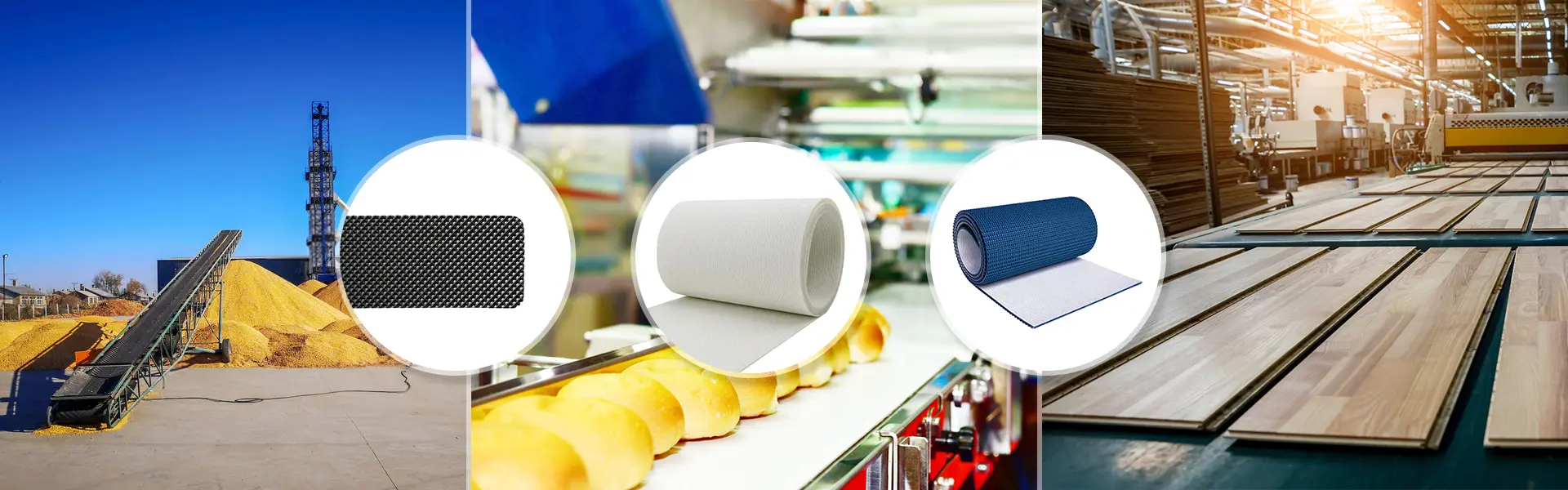
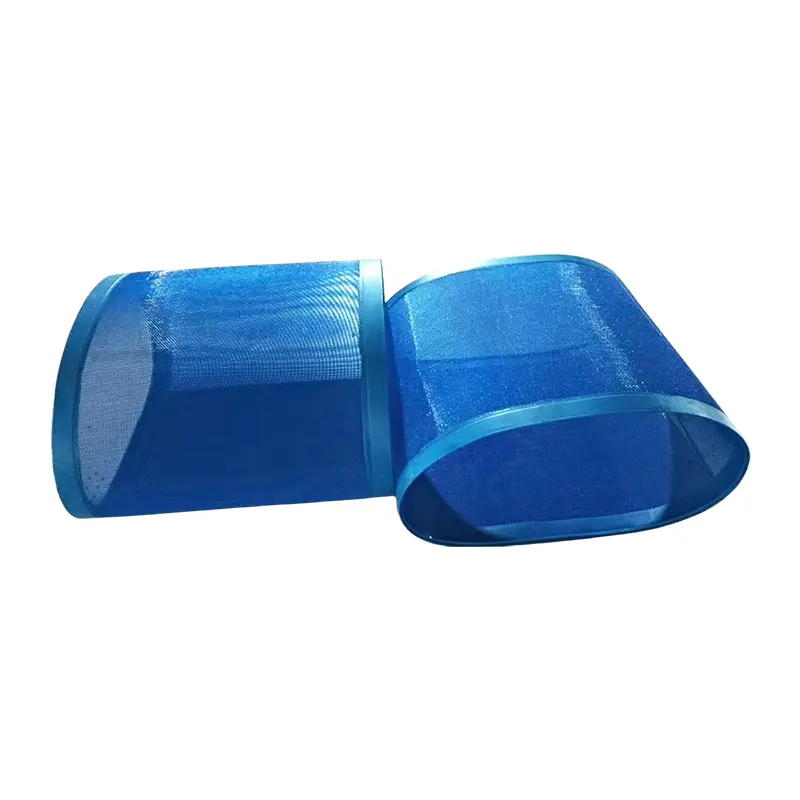
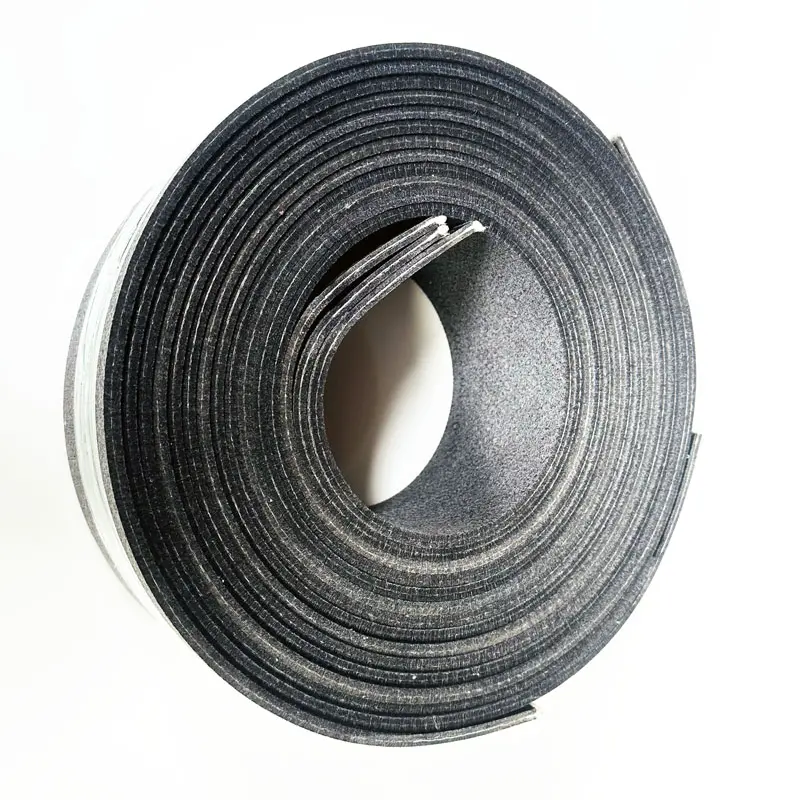
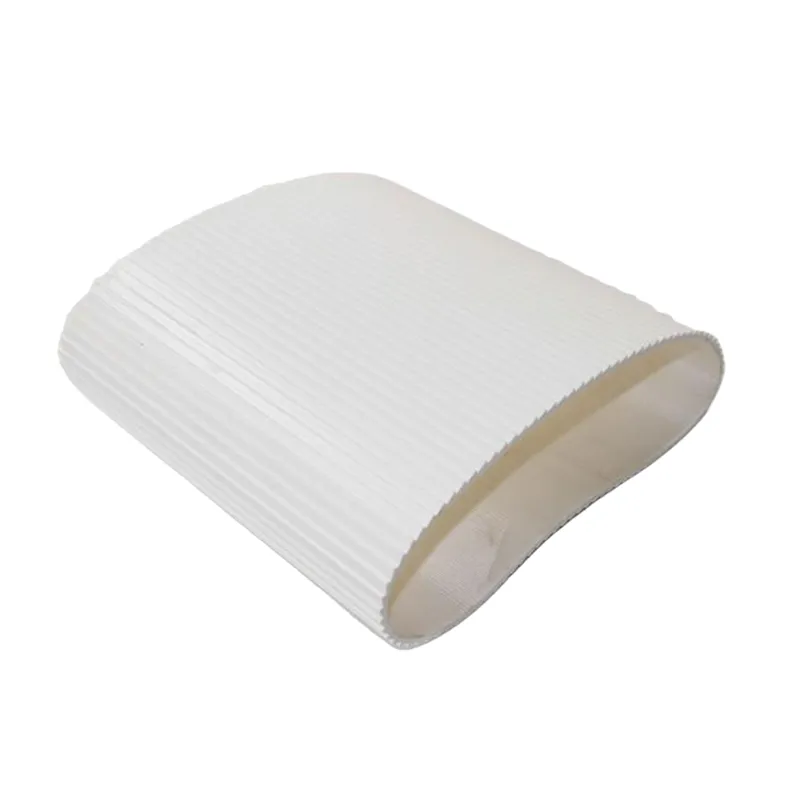
Tianjin Shunnai provides high-quality Nut Conveyor Belt solutions for peanut, almond, walnut, pistachio and other nut processing lines. Made with food-grade PU/PVC materials, SHUNNAI belts feature low contamination risk, gentle product handling, oil resistance, stable running and customized designs for sorting, roasting, cooling and packaging applications.
1.Cushioning, nut protection – reduces breakage
2.Precise positioning, anti‑roll, anti‑slip
3.Food‑grade, wear‑resistant, long life
2.Precise positioning, anti‑roll, anti‑slip
3.Food‑grade, wear‑resistant, long life
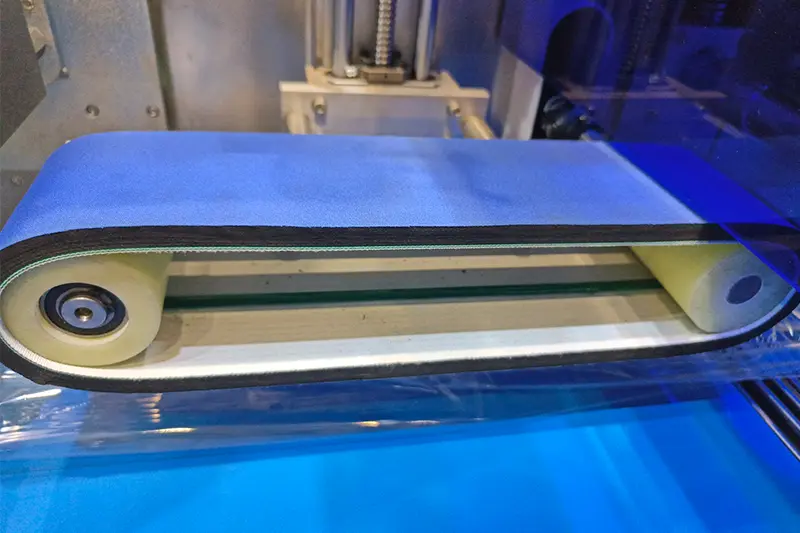
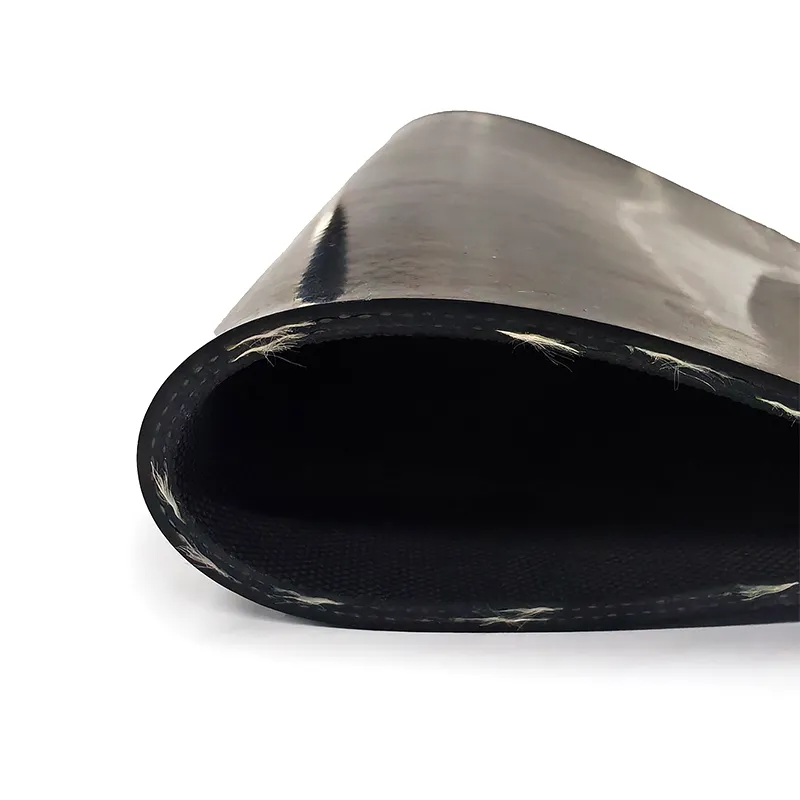
The Nut Conveyor Belt is specially designed for food processing environments where cleanliness, gentle handling and stable operation are critical. Using food-grade PU, PVC or thermoplastic materials combined with high-strength polyester carcass, SHUNNAI belts provide excellent resistance against oil, moisture and continuous production stress. The smooth belt surface reduces nut cracking, shell breakage and kernel damage during transportation, helping processors maintain higher product yield.
All food-contact materials comply with international hygiene requirements and can provide FDA-related material reports, MA inspection support and CNAS laboratory testing documents. With GB/T 19001-2016 / ISO 9001:2015 quality management system control, every production batch is inspected for dimensional accuracy, surface quality and performance stability before shipment.
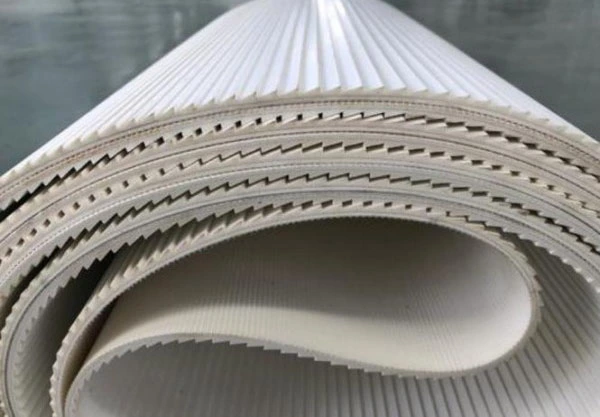
Designed for Different Nut Processing Stages
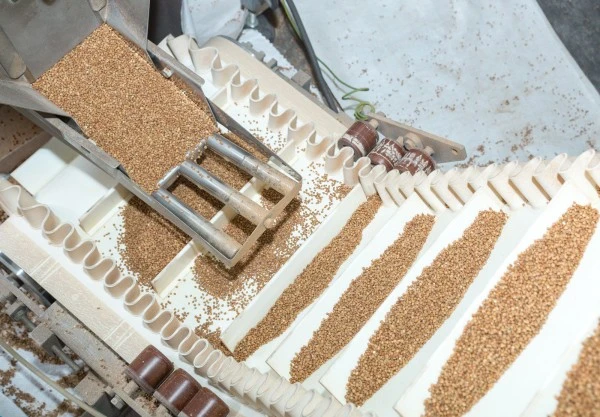
Nut processing lines usually include raw material feeding, cleaning, drying, roasting, cooling, shell separation, sorting, grading and packaging. Each stage has different requirements for belt material, surface structure and running stability.
Raw Nut Feeding and Transfer
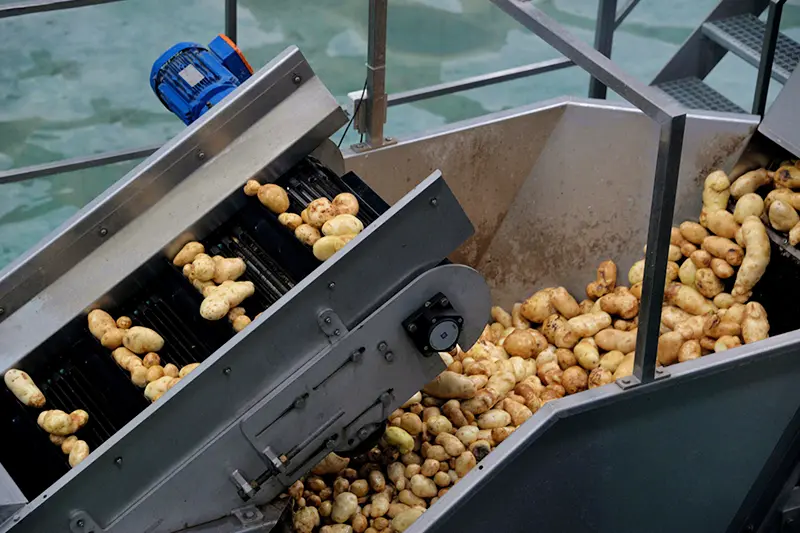
During initial feeding, nuts often contain shells, dust, soil particles or irregular shapes. SHUNNAI belts use wear-resistant surface materials that can withstand continuous impact from raw materials while maintaining stable conveying speed. The belt structure can be customized according to hopper height, feeding angle and equipment layout, reducing material accumulation at transfer points.
Roasting and Cooling Conveying
After roasting, nuts require controlled cooling before further processing or packaging. High-temperature resistant PU solutions are available for sections exposed to heat, while low-moisture absorption materials prevent belt deformation caused by temperature and humidity changes.
The stable running performance helps maintain consistent cooling time, preventing uneven product quality caused by belt speed fluctuation. For food manufacturers with continuous production lines, this reduces manual adjustment and improves process efficiency.
Food Safety and Clean Production Requirements
Low Contamination Risk Surface
Nut products are directly consumed after processing, making foreign matter control a key concern for buyers. Ordinary industrial belts may generate particles after long-term friction, creating potential contamination risks. SHUNNAI uses dense polymer cover materials with smooth surfaces to reduce powder shedding and material residue accumulation.
The non-toxic and odorless belt surface avoids affecting the natural flavor of nuts. It is suitable for processing environments requiring strict hygiene management, including nut roasting plants, snack manufacturers and export food factories.
Easy Cleaning and Maintenance
Nut processing often involves oil, fine powder and small particles that may remain on conveyor surfaces. SHUNNAI belts can be supplied with smooth, matte or customized texture surfaces according to cleaning requirements.
The surface design helps operators remove residues through dry cleaning, compressed air cleaning or approved washing methods. Reduced cleaning difficulty means shorter downtime between production batches and easier compliance with factory hygiene procedures.
Protection Against Nut Damage During Conveying
Reducing Shell Breakage and Kernel Loss
Nuts are fragile agricultural products. Excessive impact, hard belt surfaces or unstable running conditions may cause shell cracking and kernel damage, reducing final product value. SHUNNAI conveyor solutions focus on balancing belt strength and surface softness.
The elastic polymer cover absorbs minor impact during transportation, while the stable carcass structure prevents excessive stretching. This combination helps maintain smooth movement from sorting equipment to packaging stations.
Stable Conveying for Different Nut Sizes
Different nuts require different conveying conditions. Large walnuts, irregular almonds and small peanuts may need different belt thickness, surface pattern and guide structures.
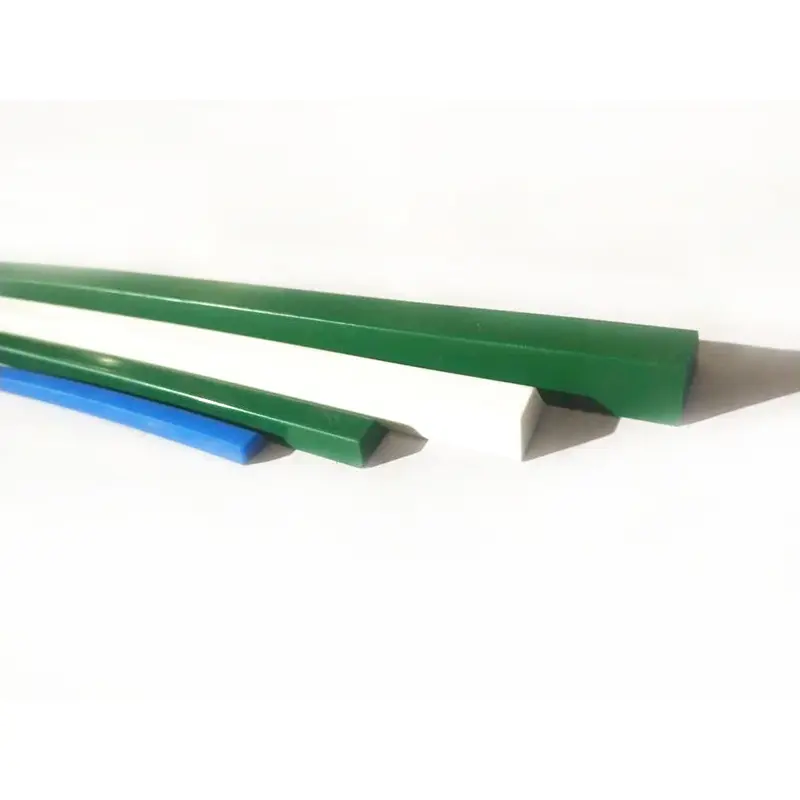
SHUNNAI supports customized solutions including belt thickness, width, surface pattern, guide strips and sidewalls, allowing manufacturers to match their existing processing equipment without major modification.
Application Areas in Nut Processing Lines
SHUNNAI Nut Conveyor Belt solutions are developed according to different processing requirements, from raw material receiving to final package transfer. Different belt structures can be selected according to product characteristics, production speed and sanitation requirements.
Sorting and Grading Equipment
Optical sorting and size grading machines require stable belt movement and consistent product positioning. SHUNNAI belts provide uniform thickness and accurate running performance, helping nuts pass through inspection areas at a constant speed.
For color sorting applications, special matte surface designs are available to reduce excessive reflection under camera lighting. This improves visual recognition conditions and supports stable operation of automated sorting equipment.
Packing and Weighing Lines
After grading, nuts are transported to weighing, filling and packaging stations. The conveyor belt needs to maintain accurate positioning while handling continuous product flow. SHUNNAI provides anti-slip surface options that prevent nut rolling and product accumulation during transfer.
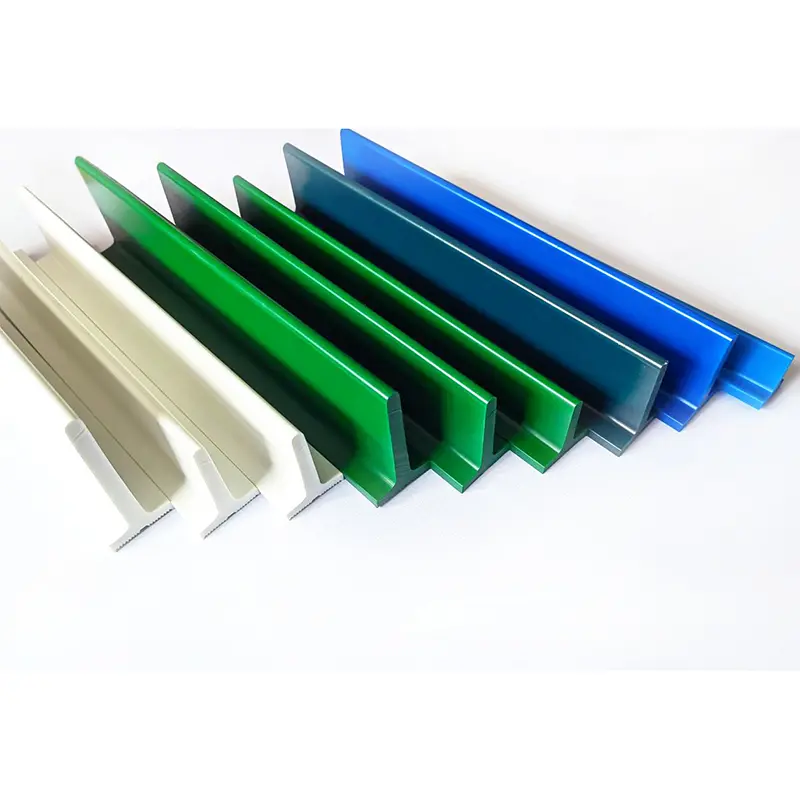
Sidewalls, guide strips and customized profiles can be added according to packaging equipment requirements, helping factories achieve smoother automatic feeding and reduce manual intervention.
Washing and Pre-Processing Sections
Some nut processing plants include washing, soaking or cleaning procedures before drying and roasting. For these humid environments, SHUNNAI offers hydrolysis-resistant belt materials with stable dimensional performance.
The belt surface maintains good resistance against water, mild cleaning agents and food processing conditions, reducing problems such as swelling, delamination or deformation caused by long-term moisture exposure.
Customization Options for Different Production Lines
Material Selection Based on Working Conditions
SHUNNAI selects belt materials according to processing temperature, cleaning method and product characteristics. Food-grade PU belts are suitable for applications requiring cleanliness and flexibility. PVC belts provide economical solutions for general conveying. Modified materials are available for higher temperature or special environments.
Surface Structure and Belt Design
The conveying surface can be customized with smooth finish, fine texture, anti-slip patterns or other structures according to production requirements. Smooth surfaces are suitable for sorting and packaging, while textured surfaces provide better control for inclined conveying.
For applications involving small nuts or unstable materials, SHUNNAI can supply belts with guide strips, sidewalls and cleats to improve conveying accuracy and prevent material falling.
Dimensions and Connection Methods
SHUNNAI supports customized belt width, length, thickness and endless connection according to customer equipment drawings. Seamless thermal splicing is available for applications requiring a smooth joint, while mechanical fasteners can be selected for quick replacement requirements.
Quality Control and Production Standards
Strict Material Inspection
To ensure food processing safety, SHUNNAI controls every stage from raw material selection to finished belt inspection. Incoming materials are checked for appearance, physical performance and processing compatibility before production.
Finished belts are inspected for thickness tolerance, joint quality, tensile performance and surface condition. Inspection records are maintained according to the GB/T 19001-2016 / ISO 9001:2015 quality management system.
Certification Support
SHUNNAI products can provide supporting documents including FDA-related material reports, MA testing support and CNAS laboratory testing reports according to customer project requirements.
These quality documents help food processors, equipment manufacturers and international distributors complete supplier evaluation and factory approval procedures more efficiently.
Core Advantages
Food-Grade Material Safety
SHUNNAI uses food-contact suitable materials with low odor and stable chemical performance. The dense surface structure reduces particle shedding and prevents unwanted contamination during long-term operation.
Gentle Product Handling
The balanced elasticity and surface design protect nuts from excessive impact during transportation. This helps reduce shell cracking, kernel damage and unnecessary product loss.
Stable Running Performance
High-strength polyester carcass provides dimensional stability and low elongation characteristics. The belt maintains accurate tracking during continuous operation, reducing frequent tension adjustment.
Oil and Moisture Resistance
Nut products naturally contain oils, which may affect ordinary conveyor materials over time. SHUNNAI selects suitable polymer formulations to improve resistance against oil penetration, moisture and daily cleaning processes.
Easy Integration with Existing Equipment
The belt can be customized to match roasting machines, cooling conveyors, sorting equipment, packing machines and automatic handling systems, providing a direct replacement solution for different production lines.
Technical Parameters and Production Capability
SHUNNAI Nut Conveyor Belt can be customized according to different nut processing equipment and production conditions. Standard specifications are designed for food processing conveyors, while customized sizes are available for OEM equipment manufacturers and processing factories.
Main Specification Range
Belt width: 100mm-2000mm, suitable for compact sorting machines, roasting conveyors, cooling lines and large-scale packaging systems.
Belt thickness: 1.5mm-10mm, selected according to conveying distance, material weight and equipment structure.
Operating temperature: Standard models are suitable for normal processing environments; heat-resistant versions are available for roasting and drying sections.
Belt surface: Smooth surface, fine texture surface, anti-slip surface and customized patterns are available.
Connection method: Endless thermal joint, finger splice and mechanical fastener options according to equipment requirements.
Compatible Nut Processing Equipment
SHUNNAI belts are suitable for nut cleaning machines, roasting machines, cooling conveyors, shelling equipment, sorting machines, weighing systems, packaging lines and warehouse transfer conveyors.
The belt design can be matched with automatic production lines from different manufacturers, helping factories upgrade existing conveying systems without replacing complete equipment.
Raw Materials and Manufacturing Control
Food-Grade Polymer Materials
The main belt cover materials include food-grade PU, PVC and specially modified thermoplastic materials. These materials provide smooth contact surfaces, stable mechanical performance and good resistance to moisture and oil commonly found in nut processing environments.
High Strength Reinforcement Layer
The internal polyester fabric carcass provides tensile strength and dimensional stability. It reduces belt elongation during long-term operation and keeps conveying accuracy for automatic production lines.
Precision Manufacturing Process
SHUNNAI applies controlled production procedures including material preparation, precision forming, surface treatment, joint processing and final inspection. Each finished belt is checked before delivery to ensure stable thickness, smooth running and reliable connection quality.
Maintenance and Cleaning Recommendations
Daily Cleaning
After production, operators should remove nut fragments, oil residue and powder accumulation according to factory sanitation procedures. Smooth belt surfaces reduce residue attachment and make routine cleaning easier.
Regular Inspection
Periodic inspection should focus on belt tracking, joint condition, surface wear and tension status. Early adjustment can prevent abnormal wear and extend service life.
Storage Before Installation
Unused belts should be stored in a dry indoor environment away from direct sunlight, chemical contamination and excessive bending pressure. Proper storage helps maintain material performance before installation.
Frequently Asked Questions
What type of belt is suitable for nut processing?
The suitable belt depends on the processing stage. Food-grade PU belts are commonly selected for sorting, packaging and areas requiring cleanliness. PVC belts are suitable for general conveying applications. Heat-resistant materials can be selected for roasting and drying sections.
Can the belt prevent nut breakage during transportation?
Yes. SHUNNAI designs the belt surface and elasticity according to nut characteristics. A properly selected surface hardness and structure can reduce excessive impact and friction, helping decrease shell cracking and kernel damage.
Is the belt safe for direct contact with food products?
SHUNNAI uses food-contact suitable materials and can provide FDA-related material documents, MA support and CNAS testing reports according to customer requirements. Customers can select the appropriate certification documents according to their market regulations.
Can the belt be customized for existing nut processing equipment?
Yes. SHUNNAI supports customized belt width, length, thickness, surface pattern, guide strips, sidewalls and connection methods based on equipment drawings or application conditions.
How should oil residue from nuts be handled?
Nuts naturally contain oil, which may accumulate on conveyor surfaces during continuous production. SHUNNAI selects suitable polymer materials and surface structures to improve oil resistance and simplify cleaning procedures.
What information is needed for quotation?
Customers can provide belt width, length, thickness, conveyor speed, conveying material type, working temperature, equipment model, joint requirement and application environment. SHUNNAI engineers will recommend the suitable belt structure and provide technical suggestions.
Why Choose SHUNNAI?
Nut processing requires more than simple material transportation. Belt performance directly affects product quality, production efficiency and food safety management. SHUNNAI focuses on developing conveying solutions based on real processing conditions, helping customers solve problems such as product damage, residue accumulation, belt deviation and frequent replacement.
With GB/T 19001-2016 / ISO 9001:2015 quality management system certification, FDA-related compliance support, MA and CNAS testing capabilities, SHUNNAI provides reliable conveyor belt solutions for global food processing enterprises.
From raw nut receiving to final packaging, SHUNNAI delivers stable, hygienic and customized conveying performance for modern nut processing factories.
Send Inquiry
Contact Info
-
Address
No.129 Qingfeng Road, Jizhou District, Tianjin City, China
-
Tel
-
Email
If you have any inquiry about a quotation or cooperation, please feel free to email or use the following inquiry form. Our sales representative will contact you within 24 hours.
News Recommendations