Perforated Conveyor Belt
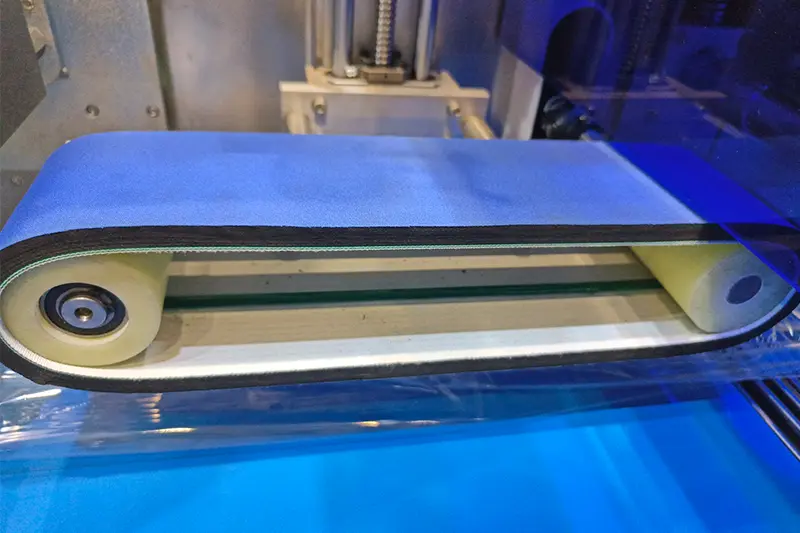
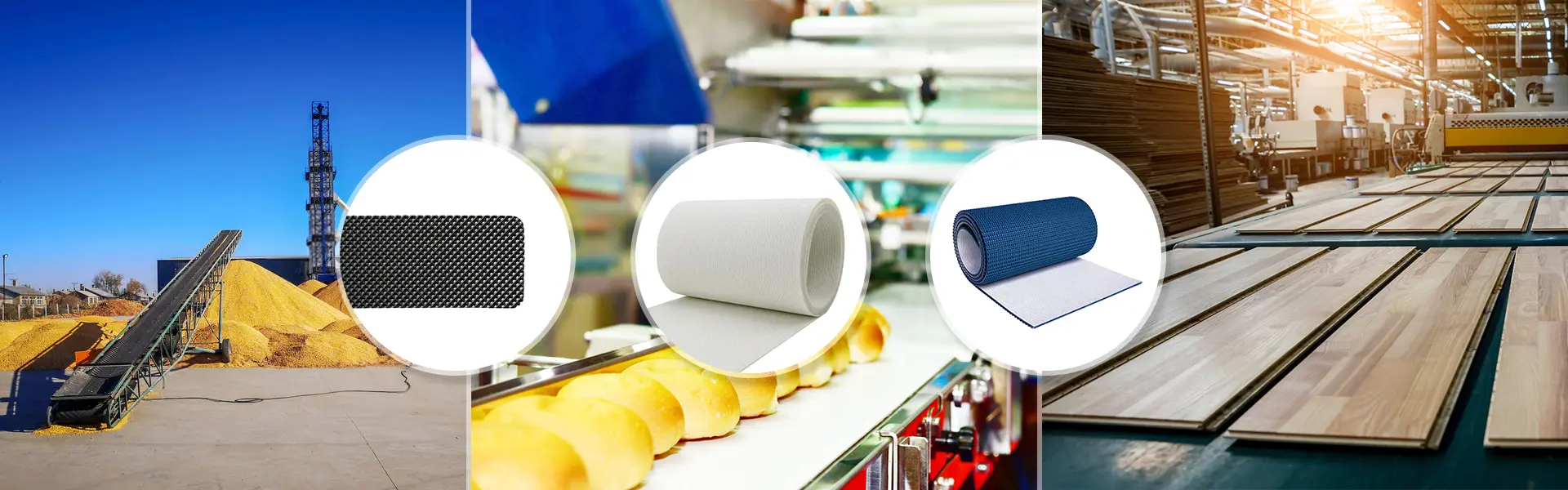
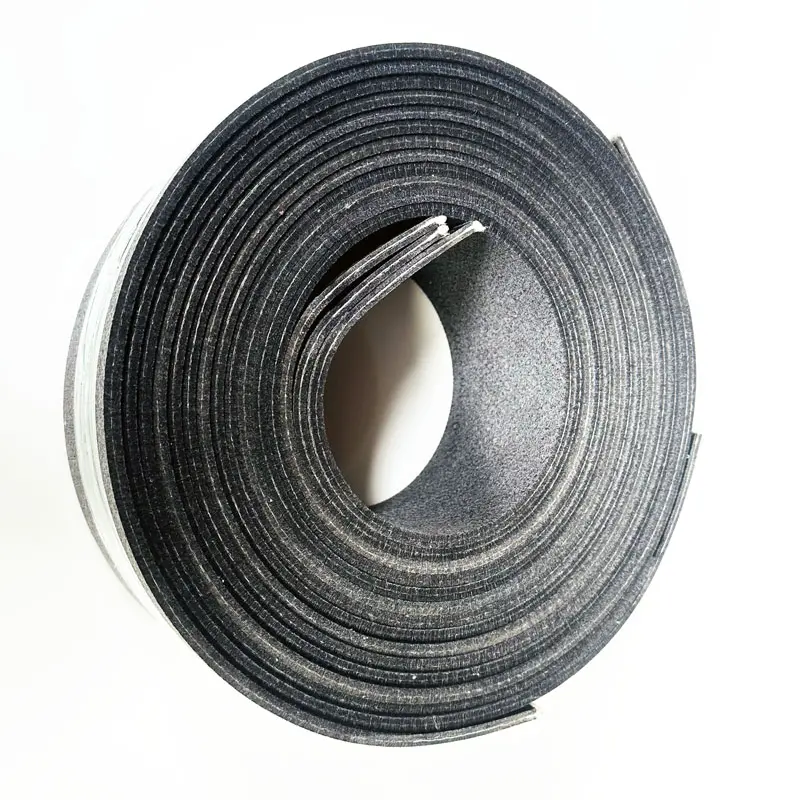
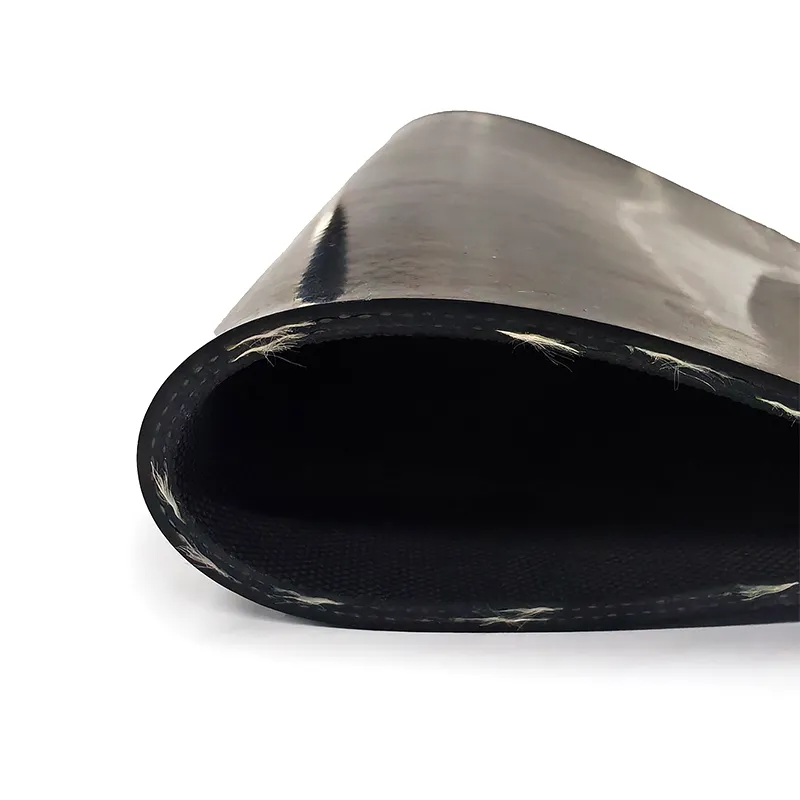
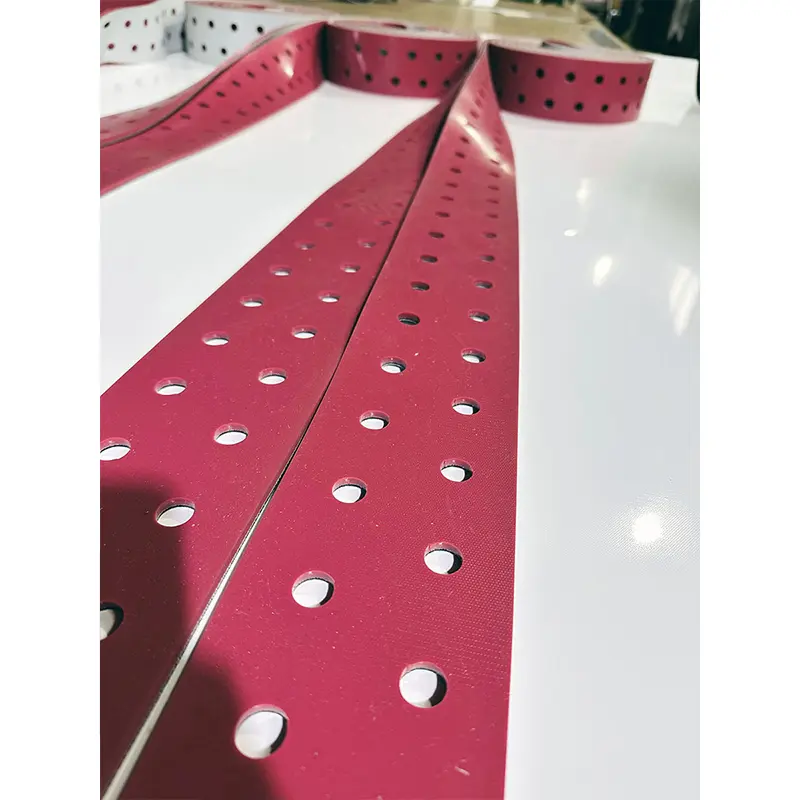
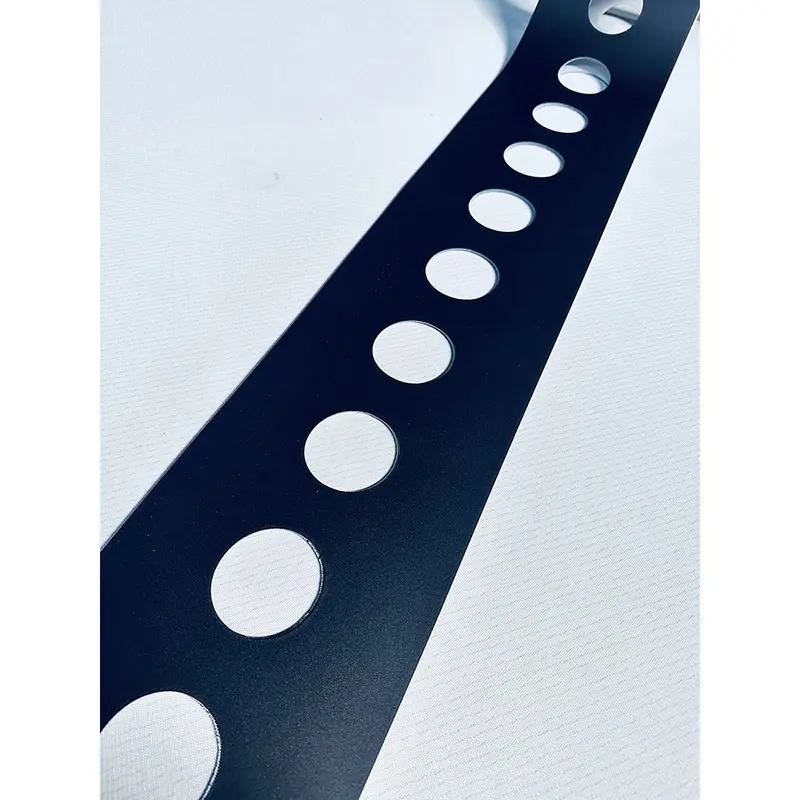
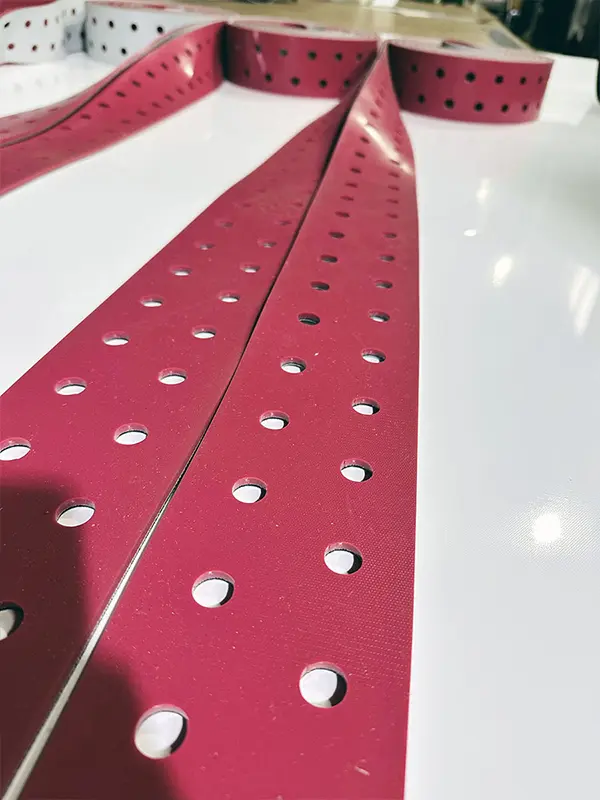
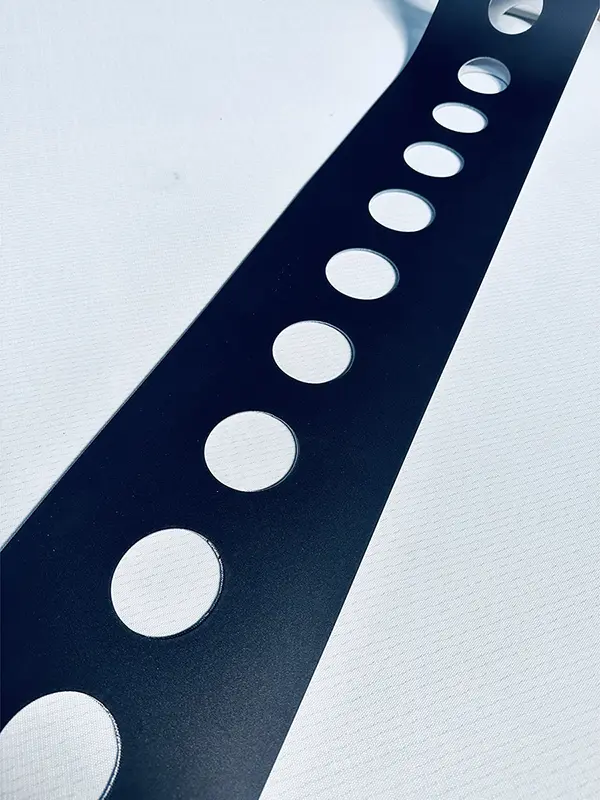
SHUNNAI Perforated Conveyor Belt is designed for conveying applications that require controlled airflow, liquid drainage or vacuum adsorption. Unlike ordinary belts with randomly punched holes, SHUNNAI develops perforation patterns according to material characteristics, conveyor speed, suction requirements and production conditions.
1.Function-oriented hole design
2.Compatible with multiple base materials
3.Uniform vacuum adsorption
2.Compatible with multiple base materials
3.Uniform vacuum adsorption
SHUNNAI Perforated Conveyor Belt is manufactured based on actual equipment requirements instead of simple hole drilling. The engineering team evaluates product weight, conveying speed, operating temperature and working environment before determining the suitable material, hole pattern and processing method.
Why Perforation Matters in Conveying
Improving Cooling and Air Circulation
During baking, drying and heat-sealing processes, products often retain heat and moisture after leaving processing equipment. A solid belt surface may block airflow from reaching the product bottom, reducing cooling efficiency.
With optimized perforation design, air can pass through the belt surface more effectively. This improves heat dissipation, accelerates drying and helps maintain product quality during high-speed production.
Supporting Liquid Removal
In food washing, seafood processing and dewatering applications, products often carry excess water after cleaning. Water accumulation on a solid belt can increase slipping risks and affect downstream processing.
SHUNNAI designs drainage holes according to liquid volume and product characteristics, allowing water to pass through quickly while maintaining stable product transportation.
Maintaining Product Position Through Vacuum
Lightweight or flexible products such as paper sheets, films, electronic components and solar cells may shift during high-speed conveying.
When combined with a vacuum chamber, evenly distributed micro holes create stable negative pressure. The product remains flat and accurately positioned without excessive suction force that could cause deformation.
Hole Design Determines Performance
Hole Size and Distribution Selection
Hole diameter, spacing and density directly influence airflow, drainage speed and vacuum uniformity. Small holes are generally suitable for precision adsorption applications, while larger openings are commonly selected for drainage requirements.
SHUNNAI engineers optimize the perforation layout according to the effective conveying area. Solid edge zones can be maintained to protect belt strength and ensure reliable connection at splice areas.
Different Hole Shapes for Different Processes
Round holes are widely used because of their balanced strength and airflow performance. Square, slot and customized hole shapes can also be produced according to specific requirements.
For example, slot holes may improve drainage efficiency in certain washing applications, while micro round holes are preferred for precision vacuum positioning.
Material Selection Based on Working Environment
PVC and PU for General Industrial Conveying
PVC and PU perforated belts are commonly selected for packaging, printing and light industrial applications. They provide smooth surfaces, dimensional stability and convenient maintenance.
PU materials are also available for food-related applications where wear resistance and hygiene requirements are important.
Silicone and PTFE for Special Conditions
For high-temperature, release-critical or chemical-resistant applications, silicone and PTFE materials provide additional performance advantages.
They are suitable for drying systems, heat processing equipment and production environments requiring low adhesion characteristics.
Vacuum System Matching
Balancing Suction and Belt Strength
A successful vacuum conveying system requires more than adding holes to a belt. Excessive perforation may weaken the belt structure, while insufficient holes may create uneven suction.
SHUNNAI evaluates hole density and working area to achieve effective adsorption while maintaining belt durability.
Protecting Splice Reliability
Splice areas experience high mechanical stress during operation. SHUNNAI can reserve non-perforated zones near joints to prevent stress concentration and maintain reliable connection strength.
Heat-welded and mechanical splice options are available according to equipment requirements.
Precision Manufacturing Process
Die Punching and Laser Processing
SHUNNAI uses precision punching and laser drilling methods to achieve consistent hole dimensions and smooth edges.
Proper hole finishing reduces burrs, prevents material scratching and minimizes residue accumulation during operation.
Quality Inspection Before Delivery
Each customized belt is inspected for hole accuracy, belt dimensions, splice quality and surface condition before shipment.
The production process follows GB/T 19001-2016/ISO 9001:2015 quality management requirements to ensure stable product consistency.
Industrial Applications
Food Processing Lines
Used for biscuit cooling, bread production, vegetable washing and food dehydration processes. Food-grade materials and drainage structures help maintain clean and efficient conveying.
Printing and Packaging Equipment
Applied in paper feeding, gluing machines and packaging systems where vacuum holding and accurate positioning are required.
Electronics and Photovoltaic Manufacturing
Suitable for PCB transport, chip handling and solar cell positioning applications requiring stable adsorption and precise movement.
Pharmaceutical and Automated Production
Smooth surfaces and customizable materials make SHUNNAI belts suitable for applications requiring cleanliness, repeatability and controlled material handling.
Customer Applications
Food Bakery Cooling Project
“Our cookies needed rapid cooling after baking. The solid belt left moisture on the bottom, making them soft after packaging. After switching to SHUNNAI perforated belt with dense small holes and fans underneath, cooling is much faster, cookies are crisp – complaints about moisture are gone.”
Printing and Packaging Production Line
“Paper kept mis-tracking on the gluer feeder, causing inaccurate glue application. SHUNNAI custom-made a suction perforated belt with 1.5mm holes – very uniform adsorption, paper held firmly, feed accuracy improved, and reject rate dropped by two-thirds. The splice was well made – no cracking despite perforations.”
Photovoltaic Manufacturing Line
“Cell conveying in the stringer requires extreme precision – a slight shift causes welding misalignment. SHUNNAI’s perforated belt with vacuum suction holds cells very stable – no movement at high speed. The small holes leave no marks on wafers. After nearly two years, the belt shows little wear.”
Customization Based on Production Requirements
Designed According to Equipment Conditions
Every production line has different requirements for conveying speed, product weight, suction force and working environment. SHUNNAI provides customized perforation solutions instead of standard fixed designs.
Customers can provide equipment drawings, existing belt samples or application details. The SHUNNAI engineering team will evaluate belt structure, hole arrangement and splice method before production.
Flexible Specification Options
SHUNNAI supports customization of belt width, length, thickness, hole diameter, hole spacing, hole shape and perforated area according to customer requirements.
Typical hole diameters range from 1mm to 20mm. The perforated area can cover the complete belt surface or only the effective working zone while keeping edges solid for improved strength.
Suitable Splicing Methods
Different applications require different joining solutions. SHUNNAI provides heat-welded splices and mechanical fasteners according to belt material, equipment structure and operating conditions.
Proper splice selection ensures smooth running, stable tracking and long-term service performance.
Performance Considerations During Selection
Avoiding Strength Loss After Perforation
One common concern with perforated belts is reduced tensile strength caused by excessive holes. SHUNNAI solves this issue through optimized hole distribution and reserved solid areas.
The engineering team calculates perforation density according to actual load requirements, ensuring airflow or suction performance without unnecessarily reducing belt durability.
Maintaining Stable Belt Operation
Uneven hole patterns or poor processing quality may influence belt running stability. SHUNNAI controls hole position accuracy and processing consistency to help maintain smooth operation on high-speed conveyor systems.
Combined with suitable belt tension adjustment and correct installation, the customized belt provides reliable conveying performance.
Maintenance and Service Life Management
Easy Cleaning Structure
The through-hole structure allows water, dust and small particles to pass through instead of accumulating on the belt surface. This helps reduce residue buildup and simplifies cleaning procedures.
For food and pharmaceutical applications, smooth material surfaces support regular sanitation processes and improve production hygiene.
Extending Belt Operating Life
Correct material selection, suitable hole design and proper maintenance directly affect belt service life.
SHUNNAI provides recommendations based on temperature, chemicals, moisture levels and product characteristics to help customers select the most suitable belt configuration.
Quality Certification and Production Control
Strict Manufacturing Management
Tianjin Shunnai Conveyor Belt Manufacturing Co., Ltd. integrates research, development, production and sales, with more than 15 years of experience in industrial belts and mesh belt manufacturing.
The company follows GB/T 19001-2016/ISO 9001:2015 quality management standards, controlling raw material selection, processing accuracy and final inspection procedures.
Certification Support for Different Industries
According to application requirements, SHUNNAI provides FDA, MA and CNAS certification support for customers in food processing, pharmaceutical and precision manufacturing industries.
These certifications help global customers meet industry-specific quality and compliance requirements.
Engineering Support from Design to Production
Starting from the Actual Conveying Challenge
A successful perforated conveyor solution begins with understanding the production process. Before manufacturing, SHUNNAI evaluates the actual application conditions, including conveyed material, belt speed, working temperature, airflow requirements, drainage volume and vacuum conditions.
This application-based approach helps avoid common problems such as insufficient suction, poor drainage efficiency, excessive hole density or reduced belt strength after perforation.
Integrated Design of Belt and Perforation Structure
The performance of a perforated belt depends on the cooperation between the base belt material, hole arrangement and conveyor system. SHUNNAI combines belt manufacturing experience with precision perforation technology to develop suitable solutions for different industries.
From selecting PVC, PU, silicone, PTFE or mesh materials to determining hole size, shape and distribution, every detail is considered according to the final working condition.
Reliable Production for OEM and Replacement Projects
Whether customers need replacement belts for existing equipment or customized belts for new conveyor systems, SHUNNAI provides flexible production support.
With in-house manufacturing capability, strict quality inspection and customized processing experience, SHUNNAI helps customers achieve stable belt performance and smooth equipment operation.
Continuous Improvement Through Quality Control
SHUNNAI applies GB/T 19001-2016/ISO 9001:2015 quality management procedures throughout production. Raw materials, perforation accuracy, splice strength and finished belt dimensions are carefully inspected before delivery.
Through continuous process improvement and technical communication with customers, SHUNNAI provides perforated belt solutions that meet the practical requirements of modern automated production lines.
FAQ
What is a Perforated Conveyor Belt used for?
A Perforated Conveyor Belt is used in applications where airflow, drainage or vacuum adsorption is required. Common applications include cooling lines, washing systems, drying equipment, printing machines, packaging systems and precision assembly lines.
How does a perforated belt improve conveyor performance?
The holes allow air, water or vacuum pressure to pass through the belt surface. Depending on the design, this can improve cooling efficiency, remove surface liquid or hold lightweight products firmly in position.
Can SHUNNAI customize the hole size and pattern?
Yes. SHUNNAI can customize hole diameter, spacing, shape and perforated area according to product characteristics, conveying speed and equipment requirements.
What materials are available for perforated conveyor belts?
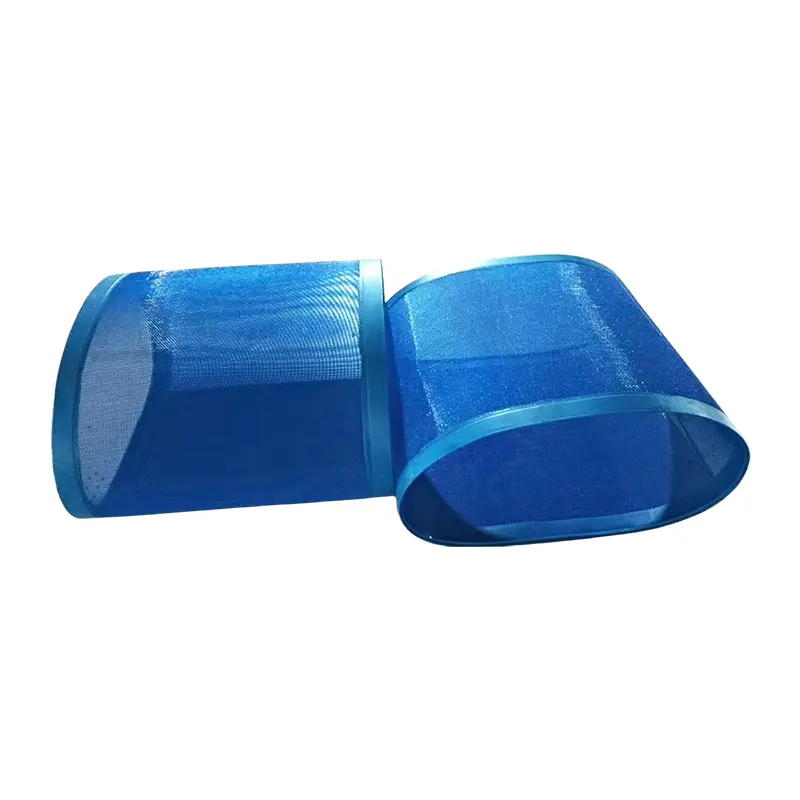
SHUNNAI provides perforated belts made from PVC, PU, silicone, PTFE and polyester mesh materials. The suitable material depends on factors such as temperature, chemical exposure, hygiene requirements and conveying conditions.
What hole size is suitable for vacuum adsorption?
Vacuum applications usually require smaller and evenly distributed holes to create stable suction. The exact hole size depends on product weight, vacuum pressure and contact area.
Can perforated belts be used in food processing?
Yes. SHUNNAI offers food-grade material options suitable for food processing applications such as baking cooling, vegetable washing and dehydration lines. FDA certification support is available according to customer requirements.
Will drilling holes reduce the strength of the conveyor belt?
A poorly designed perforation pattern may affect belt strength. SHUNNAI optimizes hole distribution and keeps necessary solid areas near edges and splice sections to maintain structural reliability.
What is the maximum hole diameter SHUNNAI can provide?
SHUNNAI supports customized hole diameters from approximately 1mm to 20mm. The final design depends on the required airflow, drainage performance and belt structure.
Can the belt work with vacuum suction boxes?
Yes. SHUNNAI can design perforation patterns according to vacuum chamber requirements. Proper coordination between hole distribution and suction system helps achieve more uniform adsorption.
How do I choose between PU, PVC, silicone and PTFE materials?
Material selection depends on operating conditions. PU is suitable for wear-resistant and food-related applications, PVC provides an economical industrial solution, silicone is suitable for heat-related applications, and PTFE is preferred for demanding high-temperature or release environments.
Does SHUNNAI provide samples before mass production?
Yes. SHUNNAI supports prototype development and sample confirmation. Customers can provide drawings or application information, and the engineering team can recommend a suitable perforation design before production.
Send Inquiry
Contact Info
-
Address
No.129 Qingfeng Road, Jizhou District, Tianjin City, China
-
Tel
-
Email
If you have any inquiry about a quotation or cooperation, please feel free to email or use the following inquiry form. Our sales representative will contact you within 24 hours.
Related Products
News Recommendations