Polyester TPEE Conveyor Belt
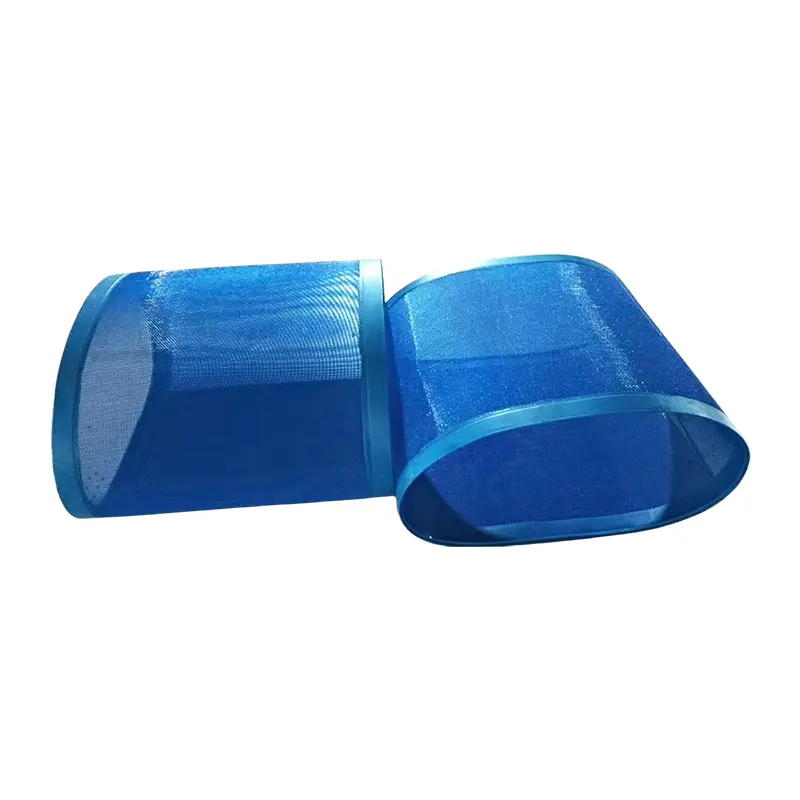
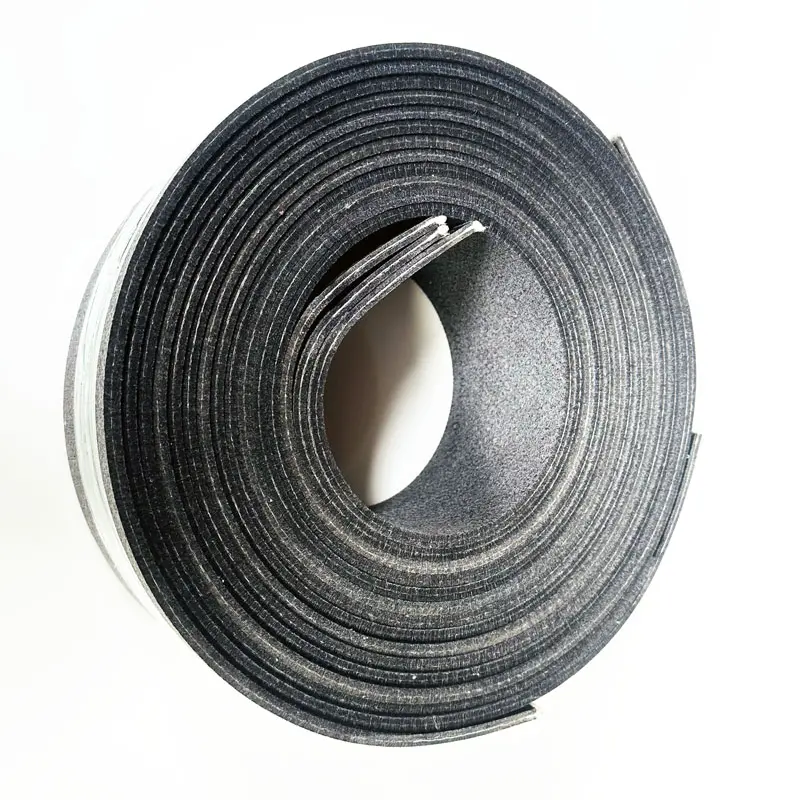
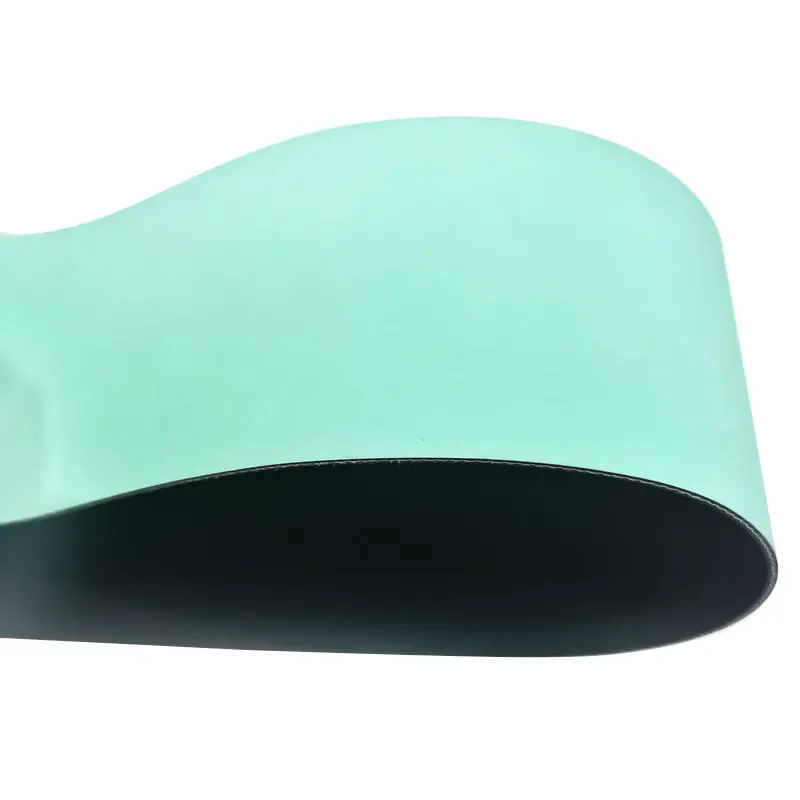
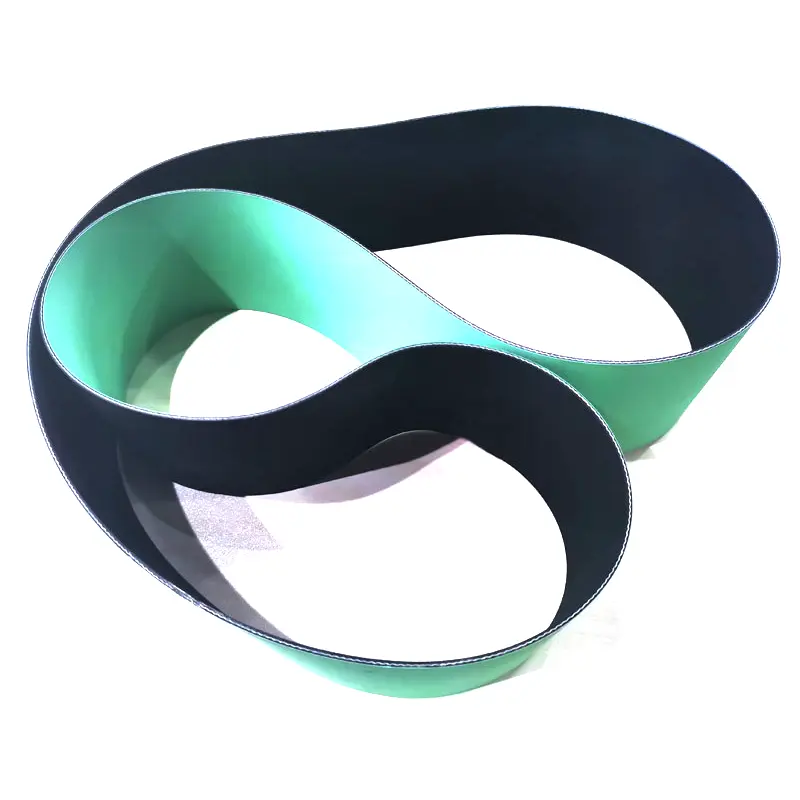
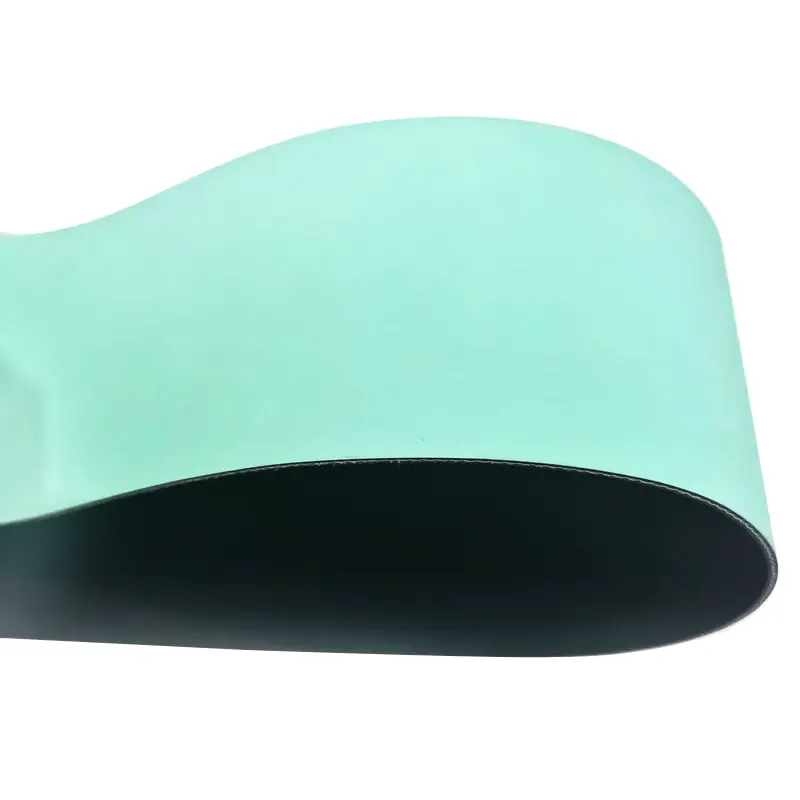
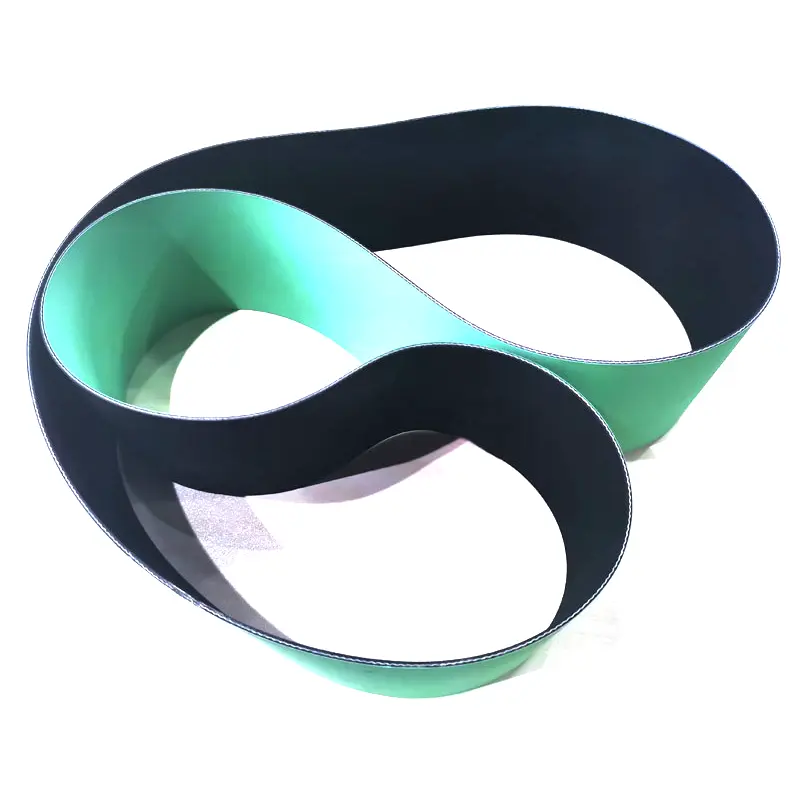
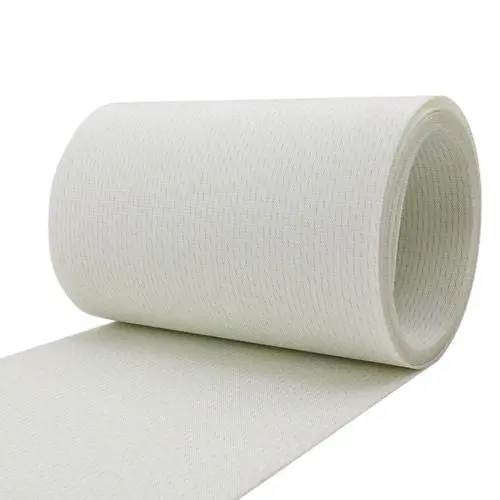
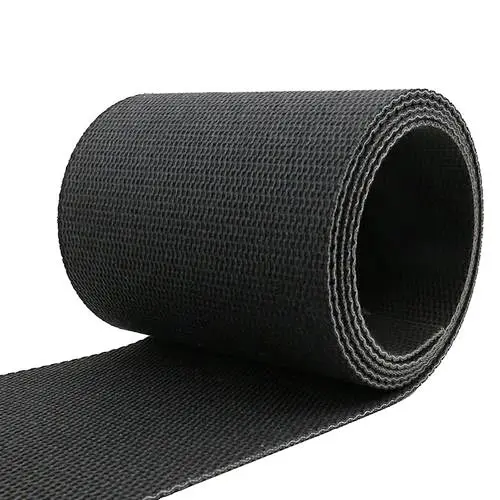
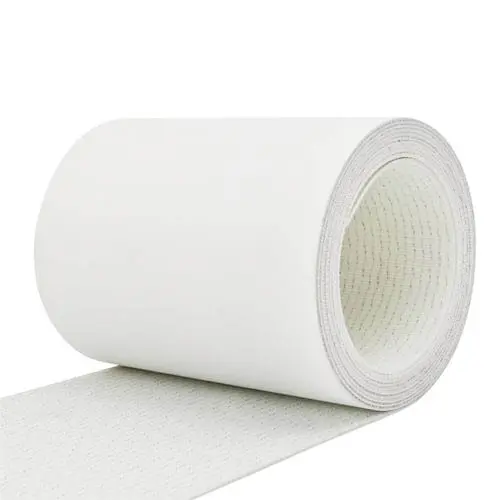
Tianjin Shunnai Conveyor Belt Manufacturing Co., Ltd. is an excellent China polyester TPEE conveyor belt manufacturer. Its TPEE conveyor belt combines the elasticity of rubber with the strength of engineering plastic, offering outstanding wear resistance, cut resistance, oil/chemical resistance, and a wide operating range from -30℃ to +130℃. FDA and EU food-contact compliant, SHUNNAI provides a long-lasting, cost-effective solution for food, cold chain, tobacco and automotive parts industries.
1.Oil Resistance
2.Chemical Resistance
3.Cut Resistance
2.Chemical Resistance
3.Cut Resistance
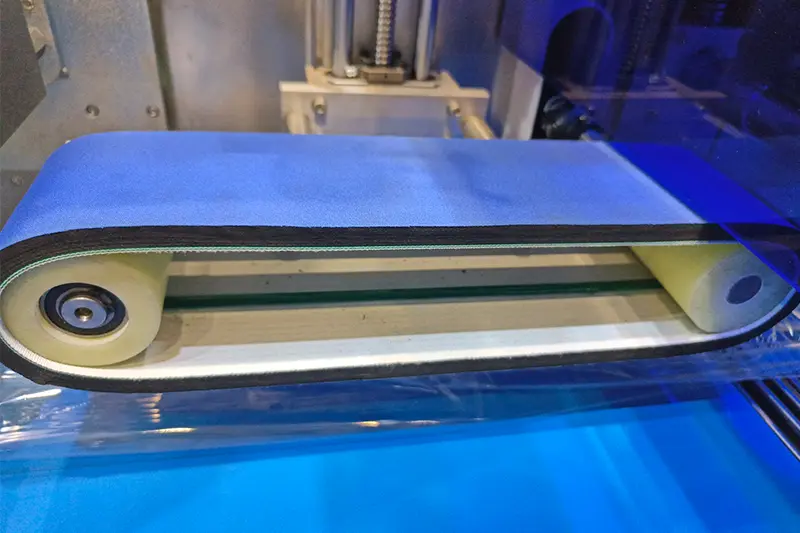
Tianjin Shunnai Conveyor Belt Manufacturing Co., Ltd. develops Polyester TPEE Conveyor Belt solutions based on thermoplastic polyester elastomer technology, combining the elasticity of rubber with the strength and stability of engineering plastics.
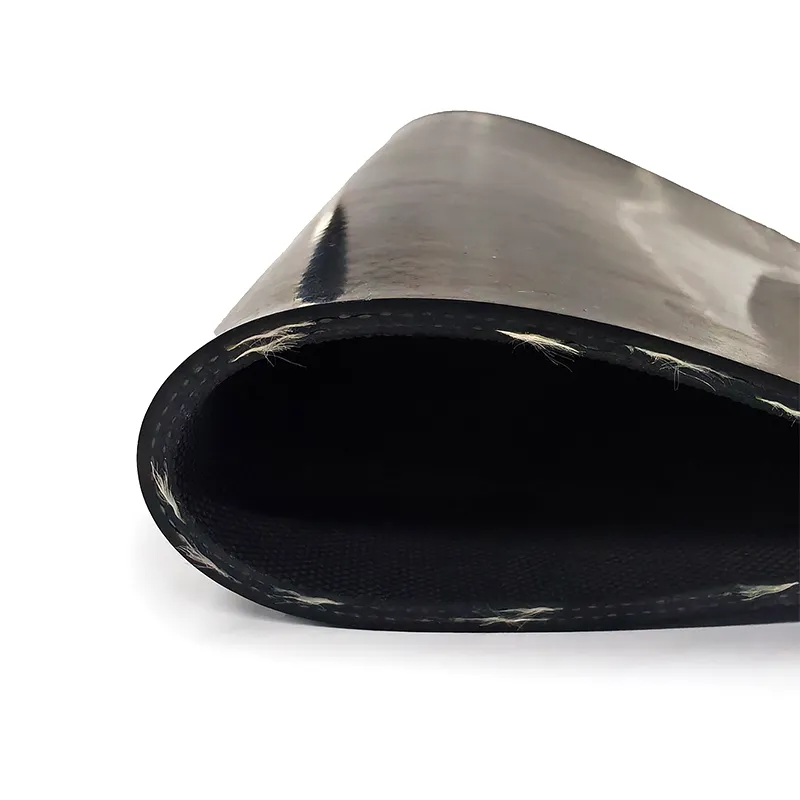
The SHUNNAI TPEE belt uses high-performance thermoplastic polyester elastomer combined with reinforced polyester fabric, creating a stable conveying structure that maintains accuracy under continuous operation. Unlike traditional flexible materials that depend on plasticizers for softness, TPEE achieves flexibility through molecular structure, providing better aging resistance and cleaner performance for food, pharmaceutical and precision manufacturing environments.
Material Structure Behind Stable Operation
TPEE belongs to a new generation of thermoplastic elastomers. Its molecular structure contains hard segments and soft segments, allowing the material to maintain strength while absorbing repeated mechanical stress.
During conveyor operation, belts continuously experience bending around rollers, acceleration, braking and tension changes. Ordinary belts may gradually suffer from permanent stretching, resulting in inaccurate tracking and frequent tension adjustment. The elastic recovery ability of TPEE allows SHUNNAI belts to quickly return to their original shape after deformation, maintaining stable dimensions during long-term operation.
Low Permanent Deformation
For automated production lines requiring precise positioning, belt elongation directly affects product alignment. The polyester reinforcement layer inside SHUNNAI TPEE belts provides strong dimensional support, reducing length changes caused by continuous loading and temperature fluctuation. This is especially valuable for packaging machines, sorting systems and precision conveying equipment.
Performance Under Repeated Cleaning
Food and pharmaceutical production lines require frequent washing and sanitation. Belt materials must not only resist water and chemicals but also maintain surface quality after thousands of cleaning cycles.
The dense surface structure of SHUNNAI TPEE prevents water absorption and reduces residue penetration. Unlike porous materials that may retain moisture or develop odor over time, TPEE provides a smoother conveying surface that is easier to clean. It withstands common alkaline cleaners and food processing environments, helping factories shorten cleaning time and improve hygiene control.
Suitable for High-Frequency Sanitation Lines
In meat processing, dairy packaging and frozen food production, conveyors often stop several times per day for washing. The stable chemical resistance of TPEE helps avoid surface swelling, cracking or premature aging caused by repeated cleaning operations.
Temperature Transition Capability
Many modern production lines combine multiple temperature zones, such as freezing, heating, cooling and packaging. Using different belt materials for each section increases inventory and maintenance complexity.
The SHUNNAI TPEE belt works reliably from approximately -30℃ to +130℃, allowing one belt solution to cover both cold-chain and warm processing conditions. In quick-freezing tunnels, the material remains flexible without becoming brittle. In baking and heat-sealing areas, it maintains shape without excessive softening or deformation.
Connecting Hot and Cold Processes
This wide working temperature range makes TPEE suitable for manufacturers looking to simplify spare parts management and reduce belt replacement caused by seasonal temperature changes.
Oil Contact and Wear Protection
Some conveying applications expose belts to grease, oil, sharp particles or mechanical impact. Selecting the wrong material can lead to swelling, surface damage or unexpected downtime.
SHUNNAI TPEE belts provide excellent resistance to animal oils, vegetable oils and many processing chemicals. In meat cutting, seafood processing and oily food packaging, the belt surface maintains stability without becoming soft or sticky.
The material also provides good abrasion resistance. When conveying parts with sharp edges, agricultural products or industrial components, the reinforced structure helps resist scratches and surface wear, extending service intervals.
Application Fields
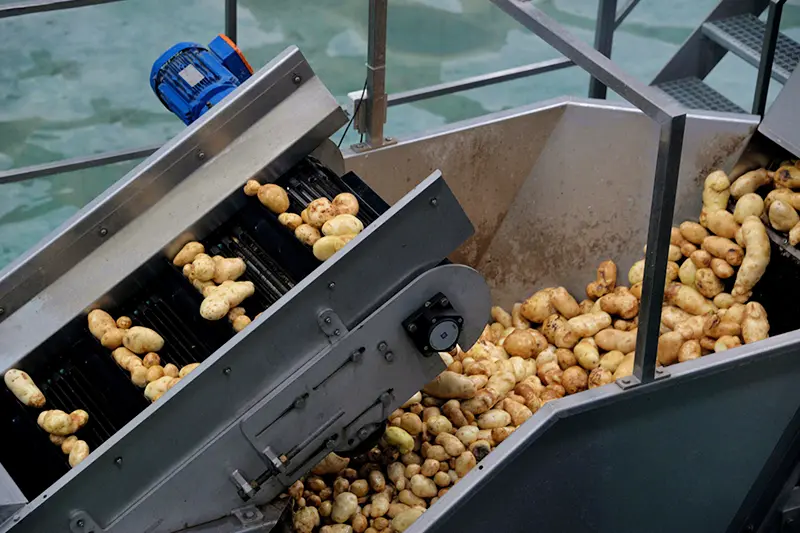
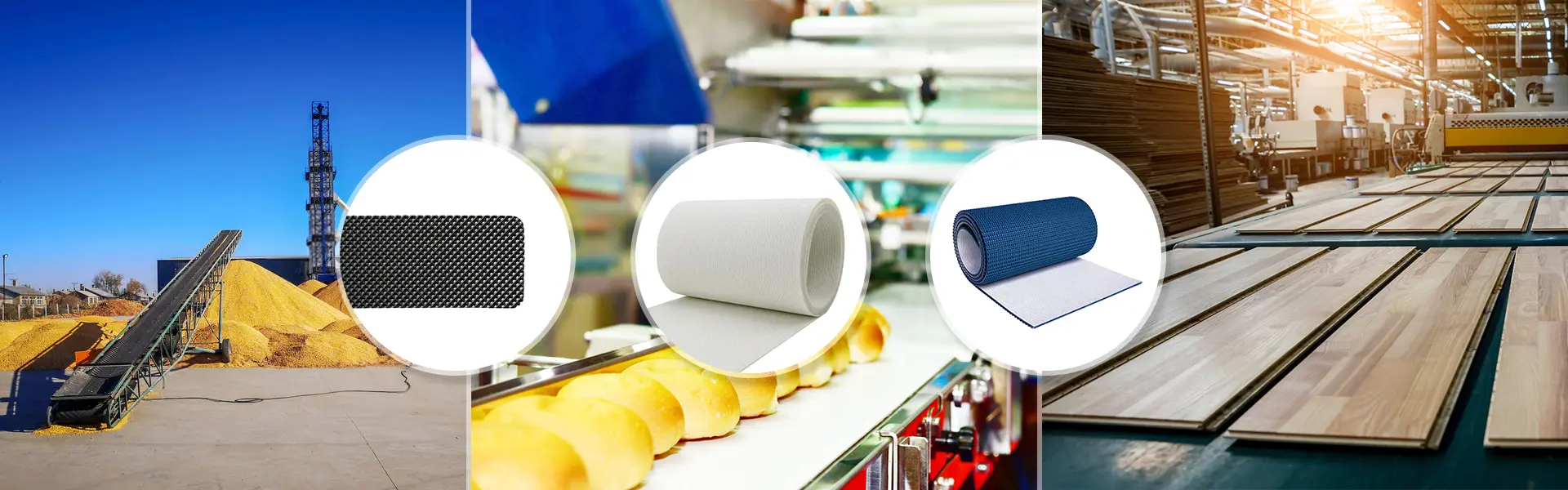
Food processing: Used for frozen food, bakery products, meat processing, dairy packaging and vegetable sorting. Food-contact certification and easy-clean surface meet strict hygiene requirements.
Cold chain logistics: Suitable for quick-freeze tunnels, refrigerated warehouses and frozen product transfer where flexibility at low temperature is required.
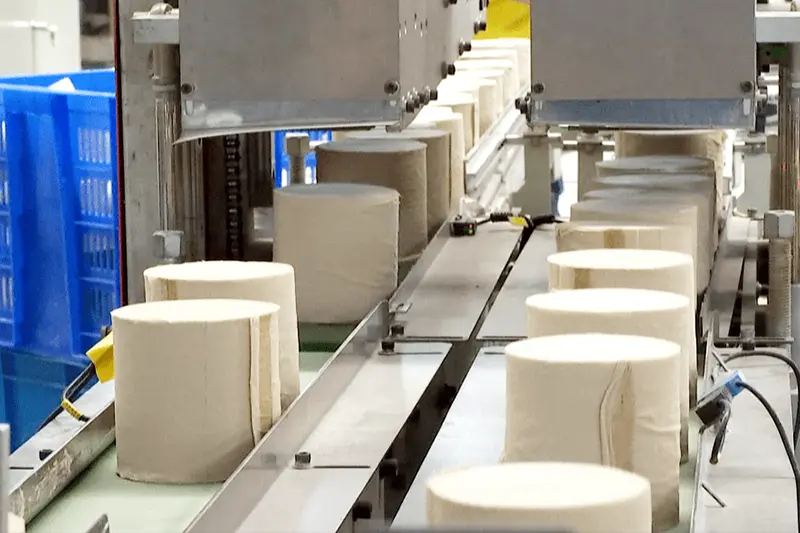
Tobacco manufacturing: Stable operation in cigarette sorting, tobacco conveying and packaging processes where low contamination and dimensional accuracy are important.
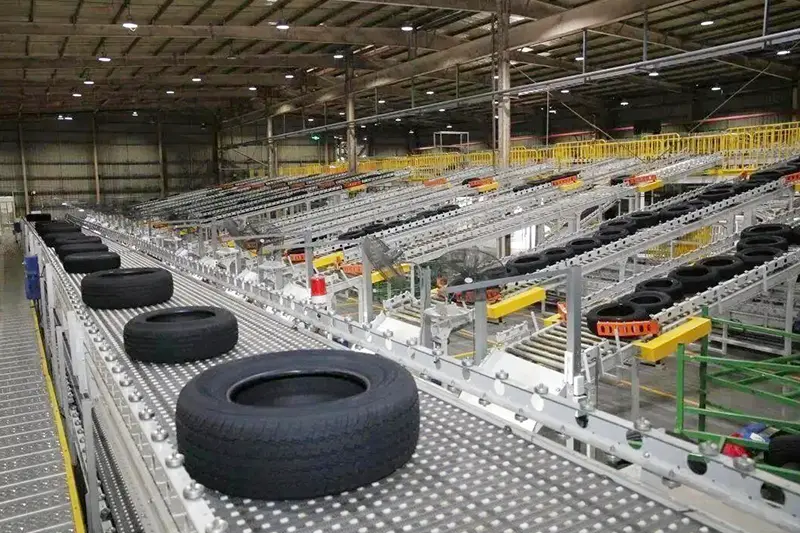
Automotive manufacturing: Suitable for component transportation, assembly lines and areas exposed to oil or mechanical wear.
Customized Matching For Equipment
Different machines require different belt structures. SHUNNAI provides customized solutions according to conveyor speed, material weight, working temperature and installation requirements.
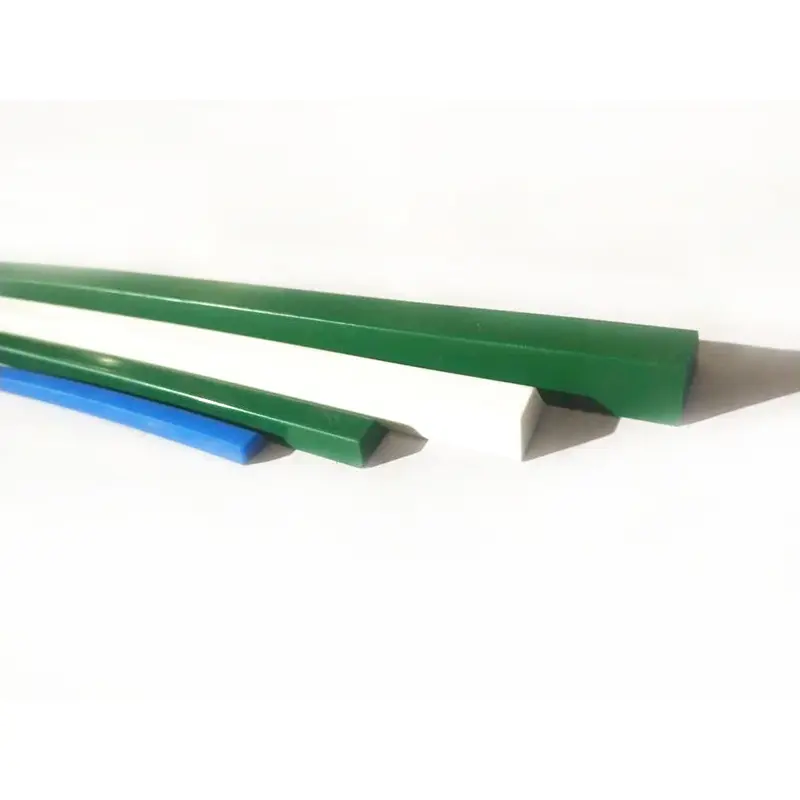
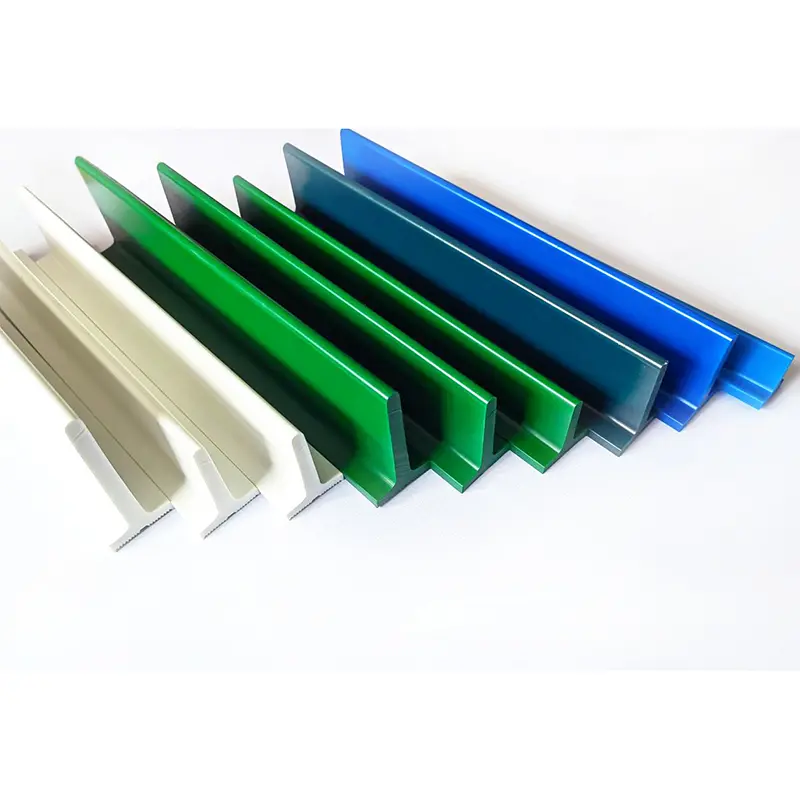
Available options include different thicknesses, widths, lengths, guide strips, perforations, surface patterns and splice methods. Thermal welding or mechanical joints can be selected according to operating conditions, ensuring smooth integration with existing equipment.
Real Application Feedback
1. A frozen food factory in China – Production Manager
“Our previous PU belt became hard and cracked during winter operation. After changing to SHUNNAI TPEE belt, the conveyor remained flexible in the freezing area and required much less adjustment.”
2. A food packaging company – Equipment Engineer
“The belt runs through frequent washing cycles every day. SHUNNAI TPEE maintains a smooth surface and does not show swelling or deformation after long-term use.”
3. An auto parts manufacturer – Maintenance Supervisor
“Under repeated start-stop operation, belt tracking remains stable. The lower elongation reduces maintenance work and improves equipment availability.”
Comparison With Other Conveyor Belt Materials
| Material | Main Features | Suitable Applications |
| TPEE | Wide temperature range, high elasticity recovery, oil resistance, low deformation | Food, cold chain, automation, precision conveying |
| PVC | Economical, suitable for normal temperature conveying | General packaging and light-duty transport |
| PU | Good abrasion resistance and food applications | Standard food and logistics conveying |
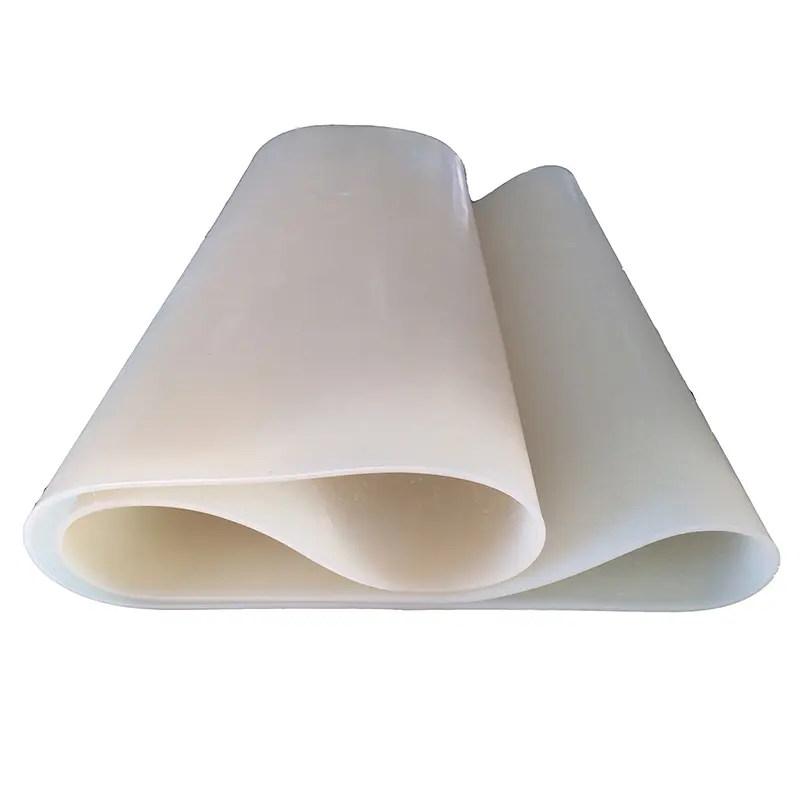
| Silicone | Excellent heat resistance and non-stick performance | High-temperature baking and sticky products |
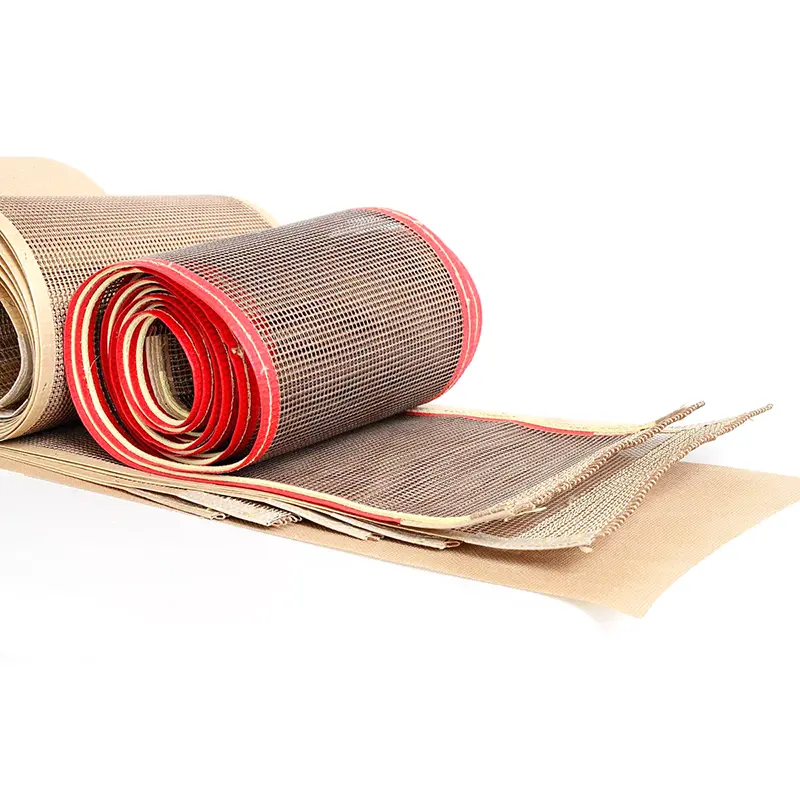
| PTFE | Extreme temperature resistance and chemical stability | Ovens, chemical and special environments |
Testing Process For Reliable Performance
Before shipment, SHUNNAI performs systematic testing on Polyester TPEE Conveyor Belt to ensure that every belt meets the requirements of actual production environments. Testing is not limited to appearance inspection but focuses on mechanical performance, dimensional stability, temperature resistance and long-term operating reliability.
Physical Performance Testing
Each batch is tested for tensile strength, elongation, thickness tolerance and joint strength. These tests verify whether the belt can maintain stable dimensions under continuous tension and prevent problems such as excessive stretching, tracking deviation and frequent tension adjustment during operation.
Temperature Resistance Test
SHUNNAI evaluates belt performance under different temperature conditions to confirm flexibility at low temperatures and structural stability under heat exposure. The test helps ensure that the belt remains functional in applications such as quick-freezing tunnels, refrigerated transportation and heated food processing lines.
Oil And Chemical Resistance Test
For applications involving meat processing, food oils, cleaning agents or industrial environments, SHUNNAI conducts resistance tests against common oils and chemical media. The purpose is to verify that the belt surface will not experience abnormal swelling, softening or cracking during long-term contact.
Fatigue And Running Stability Test
Because conveyor belts experience repeated bending and start-stop cycles during operation, SHUNNAI performs simulated running tests to evaluate fatigue resistance and tracking stability. This helps identify potential deformation issues before the belt is delivered to customers.
Food Contact And Safety Verification
For food processing applications, SHUNNAI uses compliant raw materials and provides FDA-related documentation according to customer requirements. Surface cleanliness, odor control and material safety are verified to support food production qualification processes.
Through strict testing procedures, SHUNNAI ensures that every Polyester TPEE Conveyor Belt delivers consistent performance from initial installation to long-term operation, helping customers reduce unexpected downtime and maintenance costs.
Quality Control And Certification
SHUNNAI controls every production stage from raw material inspection, belt forming, reinforcement bonding, dimensional testing and finished product inspection. Products are manufactured according to GB/T 19001-2016 / ISO 9001:2015 quality systems.
For food-related applications, SHUNNAI provides FDA compliant materials and supports MA and CNAS related testing documentation according to customer requirements, helping global customers complete supplier qualification procedures.
FAQ
What temperature range can TPEE conveyor belts handle?
SHUNNAI TPEE belts generally operate from about -30℃ to +130℃, making them suitable for both frozen and heated production environments.
Is TPEE suitable for food contact applications?
Yes. SHUNNAI provides FDA compliant TPEE belt materials for food processing and packaging applications.
What is the difference between TPEE and PU conveyor belts?
PU belts are widely used for general food and light-duty conveying. TPEE provides better temperature flexibility, fatigue resistance and dimensional stability for applications with frequent temperature changes or continuous operation.
Can SHUNNAI customize belt sizes and structures?
Yes. Width, thickness, length, guide strips, perforations, surface design and splice methods can be customized according to equipment requirements.
How can customers choose the correct TPEE belt?
Customers should provide working temperature, conveying material, cleaning method, belt speed and equipment dimensions. SHUNNAI engineers will recommend the suitable structure and specification.
Why SHUNNAI Polyester TPEE Conveyor Belt?
TPEE performance depends not only on material selection but also on reinforcement design, processing control and application experience. SHUNNAI combines specialty belt manufacturing experience with strict quality management to provide stable conveying solutions for demanding industries.
Through continuous improvement in material processing, structural design and application testing, SHUNNAI helps customers solve common problems such as belt aging, deformation, contamination and frequent replacement. For manufacturers requiring long-term stable operation, SHUNNAI provides a reliable TPEE conveying solution designed around real production conditions.
Send Inquiry
Contact Info
-
Address
No.129 Qingfeng Road, Jizhou District, Tianjin City, China
-
Tel
-
Email
If you have any inquiry about a quotation or cooperation, please feel free to email or use the following inquiry form. Our sales representative will contact you within 24 hours.
News Recommendations