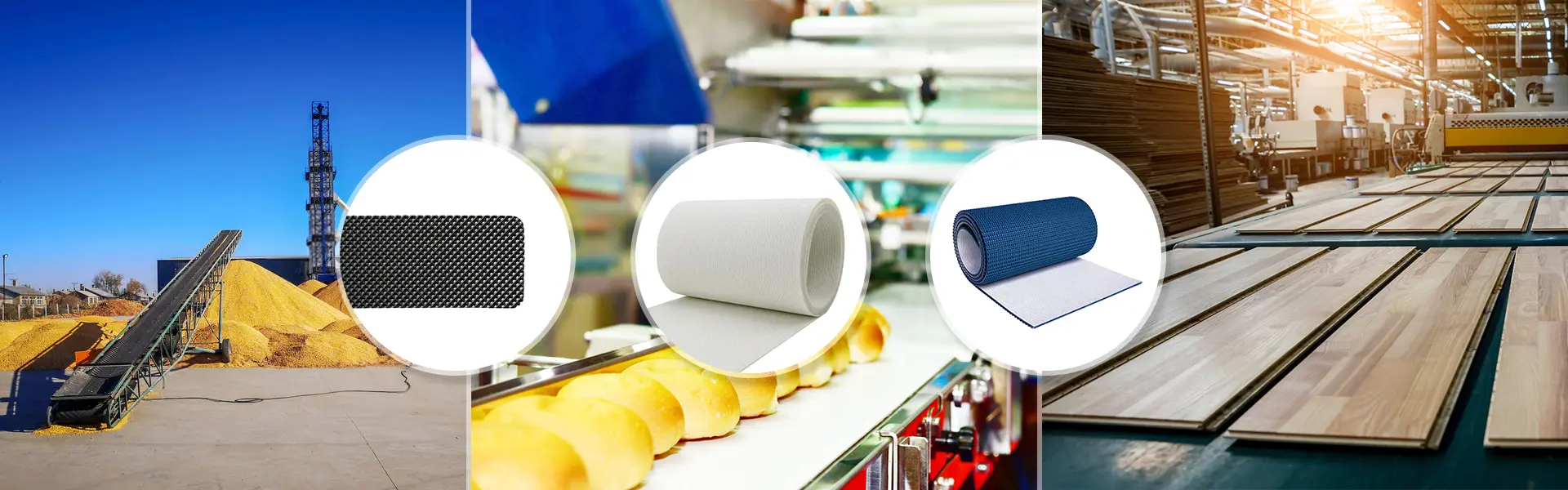
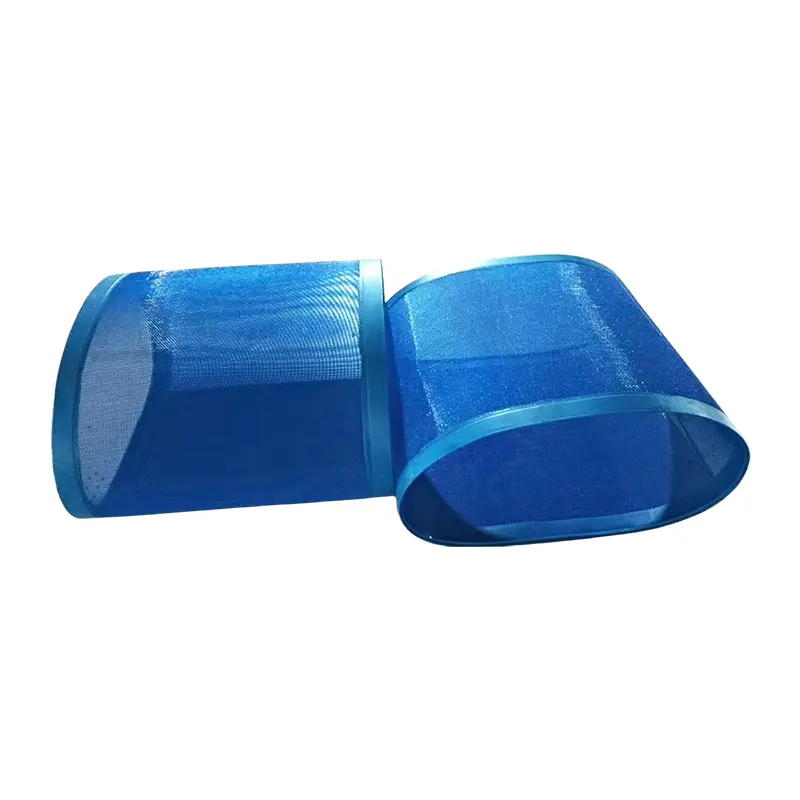
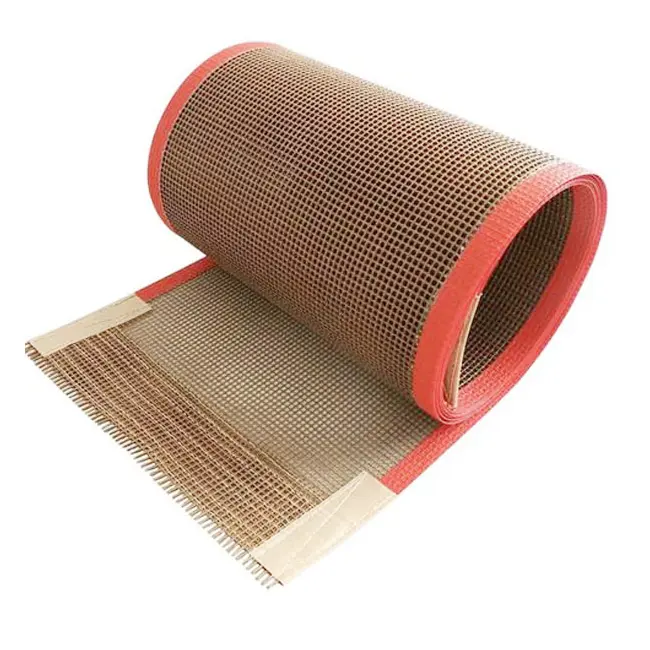
PTFE Conveyor Belt
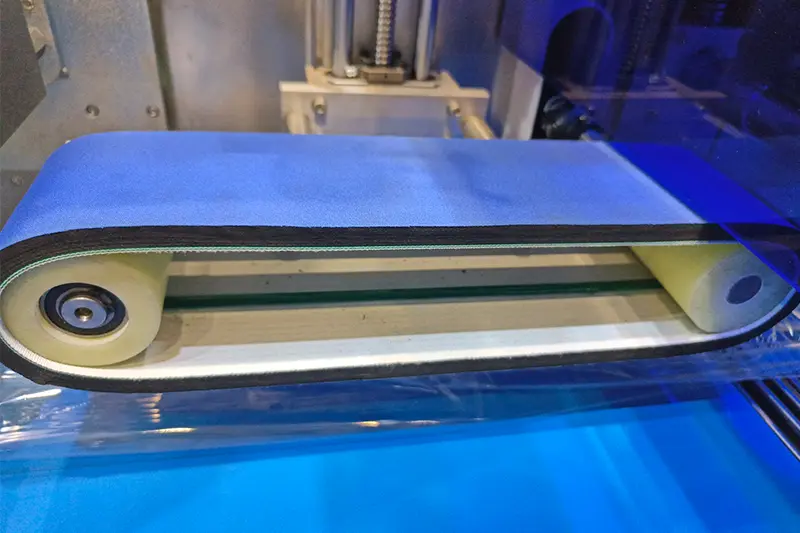
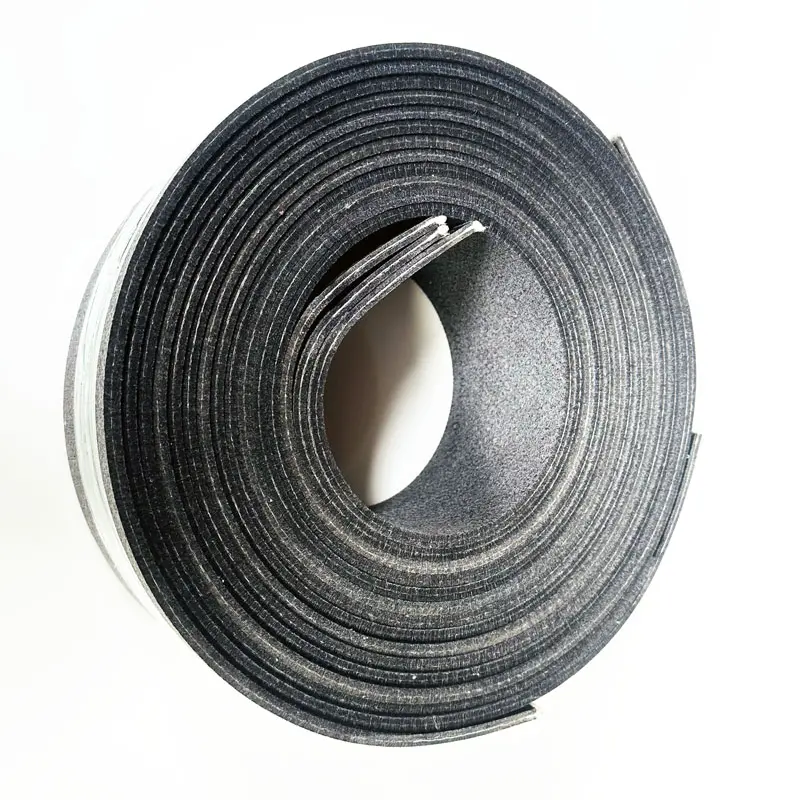
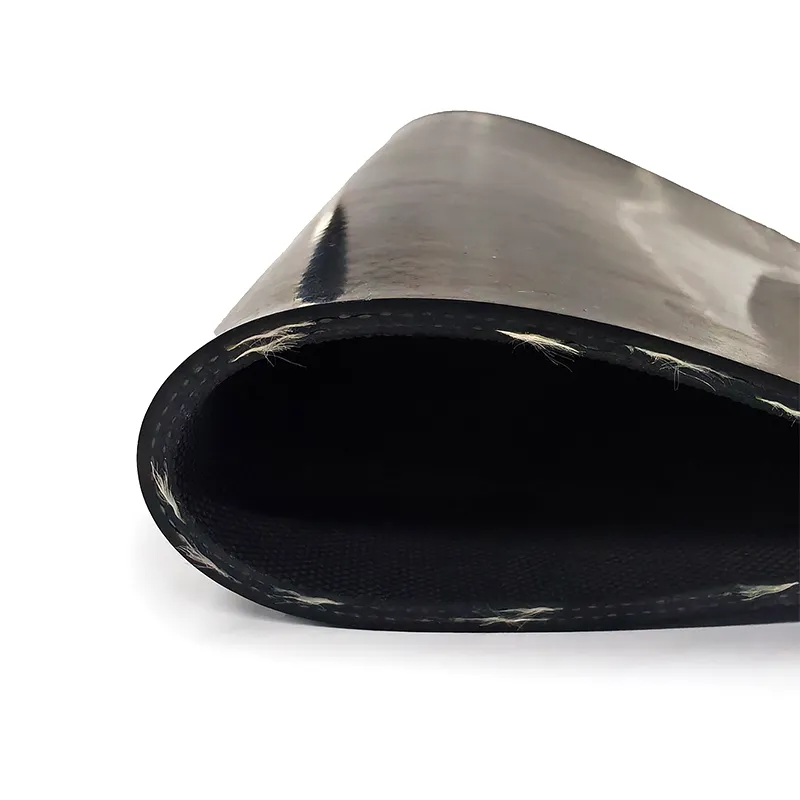
Tianjin Shunnai Conveyor Belt Manufacturing Co., Ltd. provides customized PTFE Conveyor Belt solutions for industries requiring extreme temperature resistance, clean conveying and stable operation. Based on high-strength fiberglass fabric and advanced PTFE coating technology, SHUNNAI belts deliver excellent non-stick performance, chemical resistance and dimensional stability from -70℃ to 260℃.
1.heat-resistant
2.PTFE non-stick
3.Resists strong acids, alkalis and organic solvents
2.PTFE non-stick
3.Resists strong acids, alkalis and organic solvents
Unlike ordinary conveyor belts designed for general transportation, SHUNNAI PTFE Conveyor Belts are developed for production environments where heat, adhesion, chemical exposure and precision operation become critical challenges. The belt uses high-strength fiberglass fabric as the supporting structure, combined with multiple PTFE resin coating processes, including impregnation, drying and high-temperature sintering, creating a stable composite surface.
This structure allows the belt to maintain smooth running, low elongation and reliable performance under continuous thermal cycling. SHUNNAI provides different mesh openings, thicknesses, widths and splice solutions according to equipment requirements, helping customers achieve cleaner, safer and more efficient conveying in high-temperature and special-process production lines.
Why Ordinary Belts Fail in Extreme Processes
Many production failures are not caused by insufficient belt strength but by choosing a material that does not match the working environment. PVC and PU belts may soften when exposed to continuous heat, rubber belts may age under chemical conditions, and adhesive materials may accumulate on conventional surfaces during repeated processing.
In applications such as oven baking, chemical drying, PCB manufacturing and photovoltaic production, the conveyor surface directly affects product quality and equipment stability.
Heat Expansion Control
High temperature does not only damage belt surfaces; it also changes belt dimensions. Excessive thermal expansion can cause tracking deviation, tension fluctuation and frequent adjustment. SHUNNAI uses fiberglass reinforcement with low thermal expansion characteristics, allowing the belt to maintain stable dimensions during repeated heating and cooling cycles.
This is especially important for long drying ovens and continuous heat-treatment equipment where shutdowns caused by belt adjustment can affect production efficiency.
Clean Surface Performance
In food baking, adhesive processing and chemical production, material residue on the belt surface increases cleaning frequency and may affect product consistency. The PTFE coating used by SHUNNAI provides a low-friction surface, reducing adhesion of syrup, resin, oil and other sticky substances.
The smooth surface also helps operators complete daily cleaning more efficiently while reducing production interruptions caused by contamination buildup.
Structure Selection According to Production Process
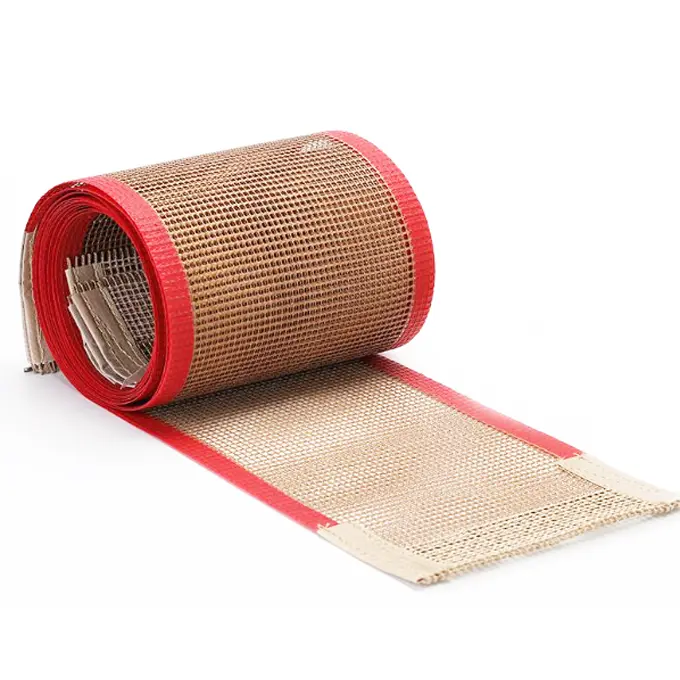
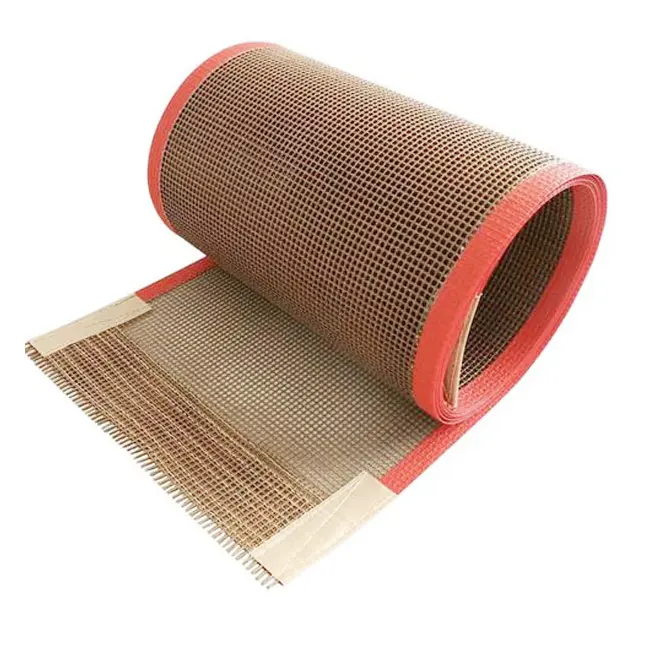
Mesh Structure for Air Circulation
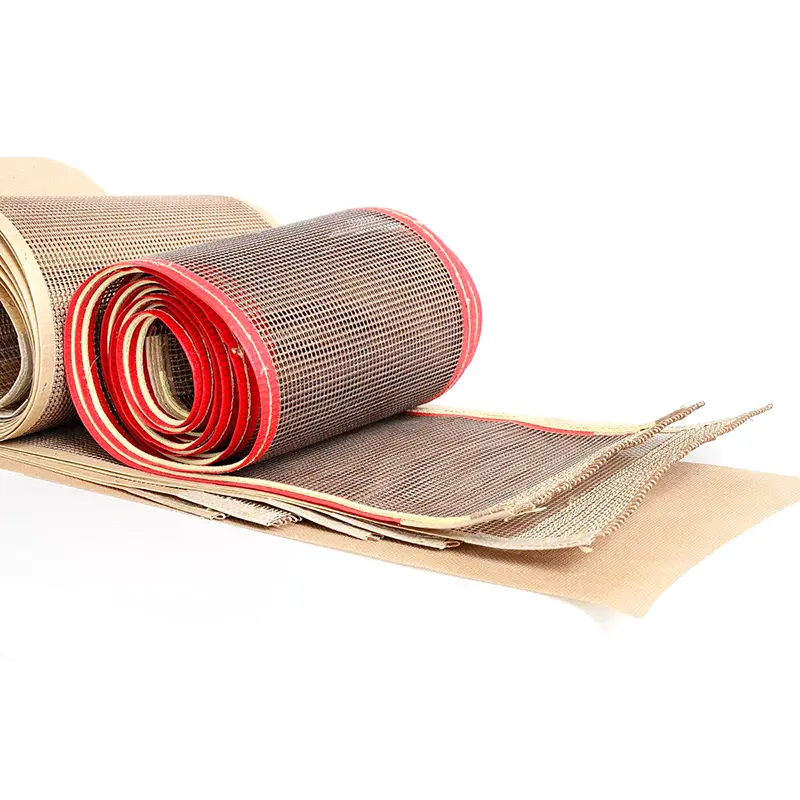
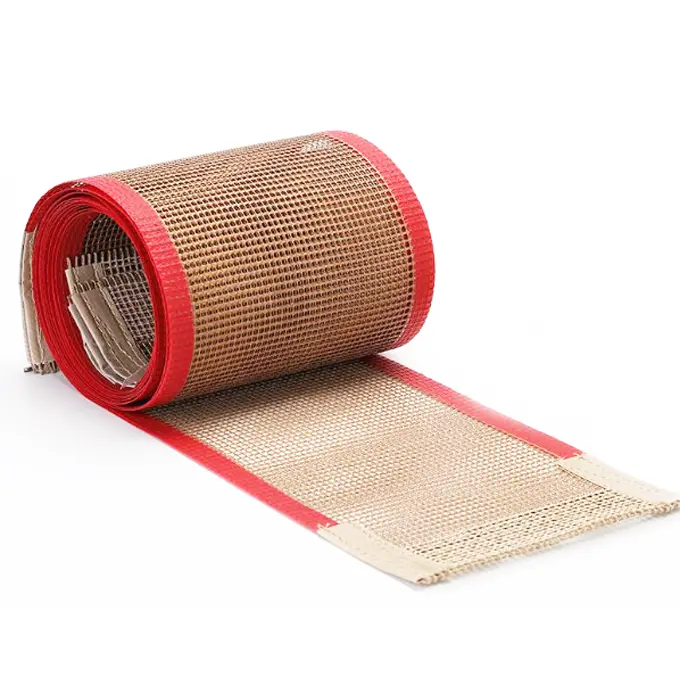
PTFE mesh belts are widely used in processes requiring airflow penetration. The open structure allows hot air to pass through the belt surface, improving heat transfer efficiency and reducing drying time. In tunnel ovens, textile drying machines and food dehydration systems, mesh opening size can be customized according to product size and airflow requirements.
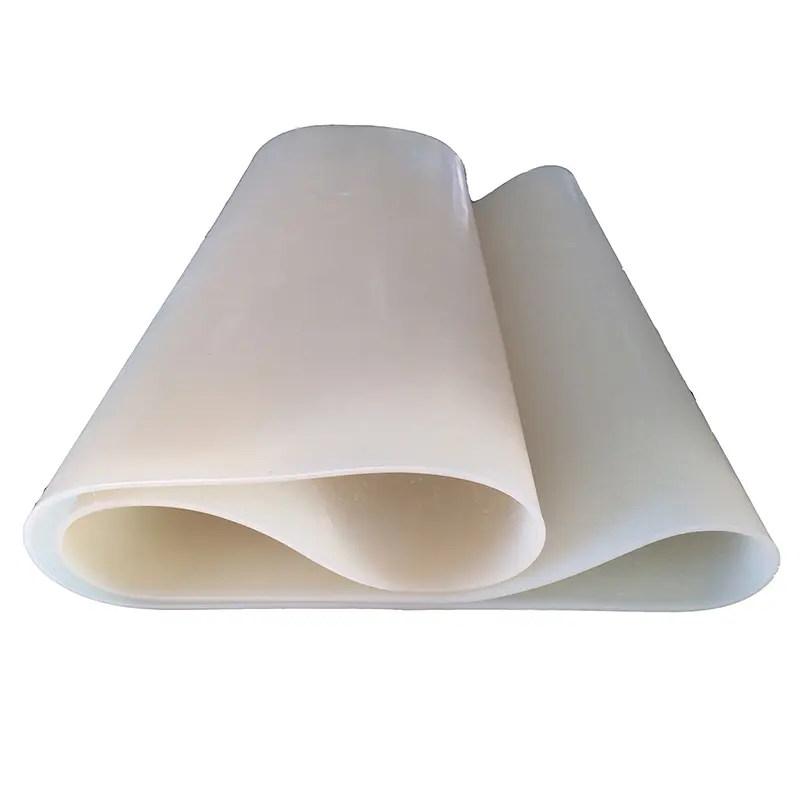
Solid Structure for Stable Support
Solid PTFE belts provide a continuous flat conveying surface and are suitable for applications requiring complete product support. They are commonly used in heat sealing, lamination, pressing and transfer processes where small parts or flexible materials need stable positioning without falling through openings.
Special Processing Options
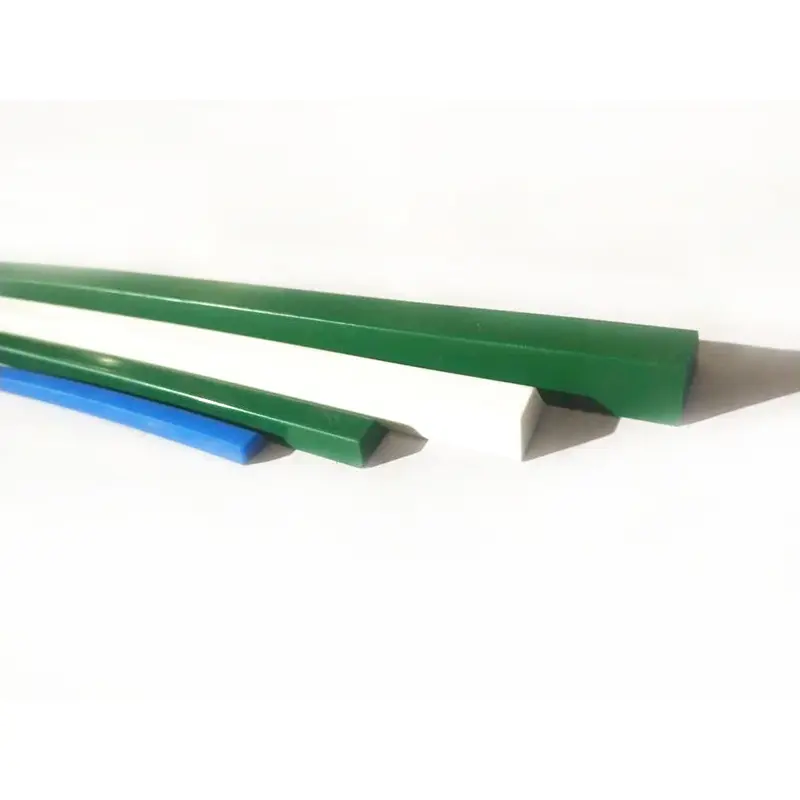
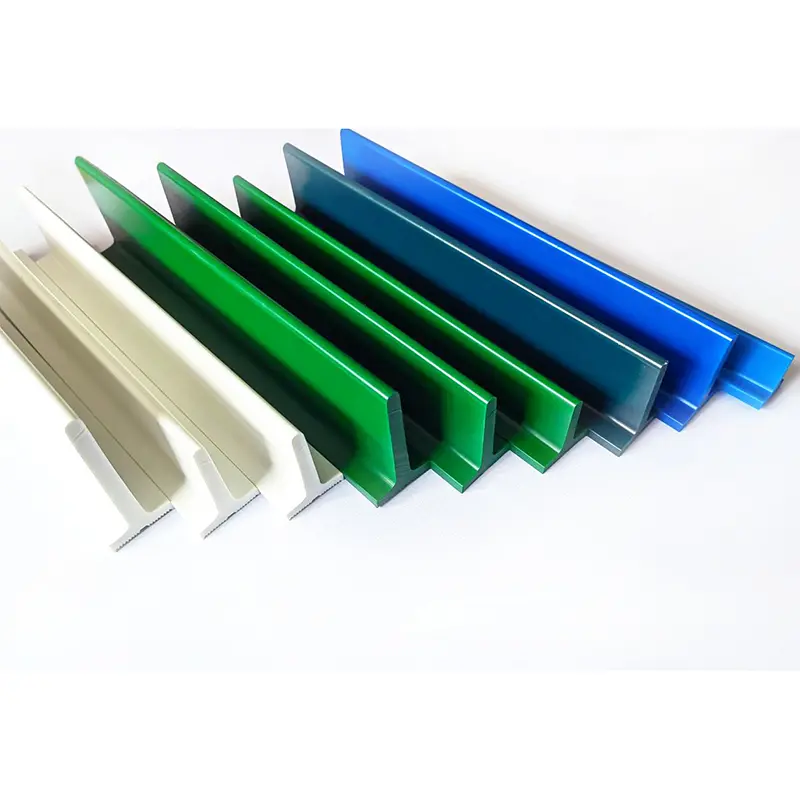
For industries with additional requirements, SHUNNAI supports customized processing including guide strips, edge reinforcement, perforation, anti-static modification and different splice designs. These options allow the belt to match existing equipment structures without major machine modification.
Material Compliance and Safety Requirements
For food processing and pharmaceutical-related applications, conveyor materials must meet strict safety requirements. SHUNNAI selects PTFE raw materials with stable chemical properties and provides FDA-compliant food contact solutions. The smooth coating surface does not easily absorb oil or moisture, reducing residue retention during production.
For electronic and photovoltaic industries, static control is also an important consideration. SHUNNAI offers black PTFE Conveyor Belts with anti-static modification, helping reduce static accumulation during precision component transportation and UV curing processes.
Typical Applications
Food Baking Lines
In biscuit, bread, pastry and chocolate production, sticking problems can damage product appearance and increase cleaning work. SHUNNAI PTFE belts provide a non-stick conveying surface while maintaining stable performance under continuous oven temperatures.
Electronics and Photovoltaic Production
PCB processing, silicon wafer transfer and photovoltaic module manufacturing require clean surfaces and accurate positioning. Anti-static PTFE belts help reduce contamination and static-related risks during precision transportation.
Chemical Processing Equipment
Chemical drying and processing lines often involve corrosive substances. PTFE coating provides resistance against many acids, alkalis and chemical media, helping maintain belt performance in harsh environments.
Printing and Packaging Equipment
UV curing machines, heat sealing systems and adhesive processing equipment require belts that can withstand heat while preventing material sticking. PTFE surfaces improve release performance and reduce maintenance frequency.
Installation and Maintenance Considerations
Correct Tension Adjustment
Over-tensioning may shorten belt life, while insufficient tension can cause tracking problems. SHUNNAI recommends adjusting tension according to belt width, operating temperature and equipment structure to maintain smooth running.
Proper Splice Selection
The splice area directly affects operating stability. SHUNNAI provides finger splice and heat-sealed endless splice options. For precision industries, seamless heat splicing creates a smoother surface without metal fasteners that could scratch products.
Avoiding Surface Damage
Although PTFE has excellent chemical resistance, sharp tools and improper installation may damage the coating. Regular inspection of rollers, tension systems and cleaning procedures helps extend service life.
Customer Applications
A Food Baking Group in Shandong
“On the mooncake oven outlet section, ordinary belts stuck and tore the crust. SHUNNAI PTFE mesh belt does not stick to the crust; hot air penetrates the mesh for even heating – no oil needed through the entire peak season, baking trays require no greasing – saving labor and materials.”
A PCB Circuit Board Manufacturer in Jiangsu
“On the developing line, high temperature plus chemical corrosion – PU belts deformed within a month. SHUNNAI black anti-static PTFE mesh belt resists strong acids/alkalis well, no static interference; after running over half a year, the coating is intact, visual inspection reflection is reduced, and the reject rate dropped.”
A Solar Module Manufacturer in Shenzhen
“After lamination, the panel exit temperature is high. The SHUNNAI PTFE belt has uniform thickness and minimal mis-tracking; with rubber-covered rollers, it runs smoothly. Half-cell modules have no hidden cracks, and the breakage rate has significantly decreased.”
PTFE Belt Compared with Other Conveyor Materials
| Material | Main Performance | Suitable Applications |
|---|---|---|
| PTFE Belt | High temperature resistance, non-stick, chemical resistance | Baking ovens, chemical lines, photovoltaic and electronic production |
| PU Belt | Good wear resistance, food compatibility, flexible operation | General food conveying and normal temperature applications |
| PVC Belt | Economical, suitable for light-duty conveying | Packaging, logistics and ordinary industrial transportation |
| Rubber Belt | High impact resistance and heavy load capacity | Mining, bulk material and heavy-duty conveying |
FAQ
What temperature can SHUNNAI PTFE belts withstand?
SHUNNAI PTFE Conveyor Belts can continuously operate from -70℃ to 260℃ depending on structure and application conditions. Actual working temperature selection should consider heating method, running speed and contact time.
Can PTFE belts be used for food processing?
Yes. SHUNNAI provides FDA-compliant PTFE conveyor solutions suitable for direct food contact applications including baking, drying and heat processing.
What is the difference between PTFE mesh belt and solid PTFE belt?
Mesh belts improve airflow and drying efficiency, while solid belts provide a flat supporting surface. Selection depends on whether the process requires ventilation or complete product support.
How long does a PTFE conveyor belt normally last?
Service life depends on temperature, load, chemical exposure and maintenance conditions. SHUNNAI evaluates working conditions before recommendation to ensure the belt matches the actual production environment.
Quality Assurance from Tianjin Shunnai
Tianjin Shunnai controls the complete production process from fiberglass selection, PTFE coating, sintering, cutting and splicing. The company operates according to GB/T 19001-2016/ISO 9001:2015 quality management requirements and cooperates with professional laboratories for FDA, MA and CNAS related testing support. Every customized order is inspected for coating quality, dimensional accuracy and splice reliability before shipment.
For industries facing high temperature, material adhesion, chemical corrosion or precision conveying challenges, SHUNNAI provides not only a conveyor belt but a complete material selection solution based on operating conditions. Through customized design and strict quality control, SHUNNAI helps customers achieve cleaner production, lower maintenance costs and more stable equipment operation.
Send Inquiry
Contact Info
-
Address
No.129 Qingfeng Road, Jizhou District, Tianjin City, China
-
Tel
-
Email
If you have any inquiry about a quotation or cooperation, please feel free to email or use the following inquiry form. Our sales representative will contact you within 24 hours.
News Recommendations