





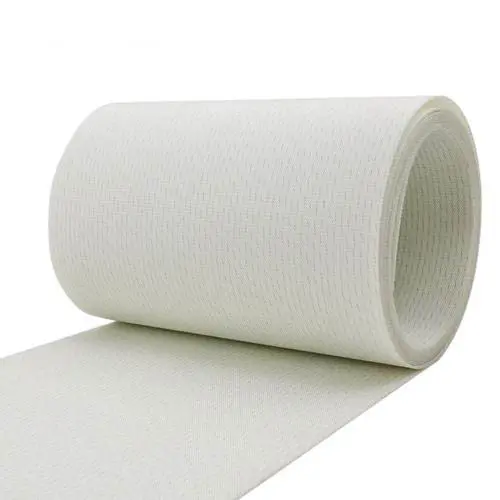
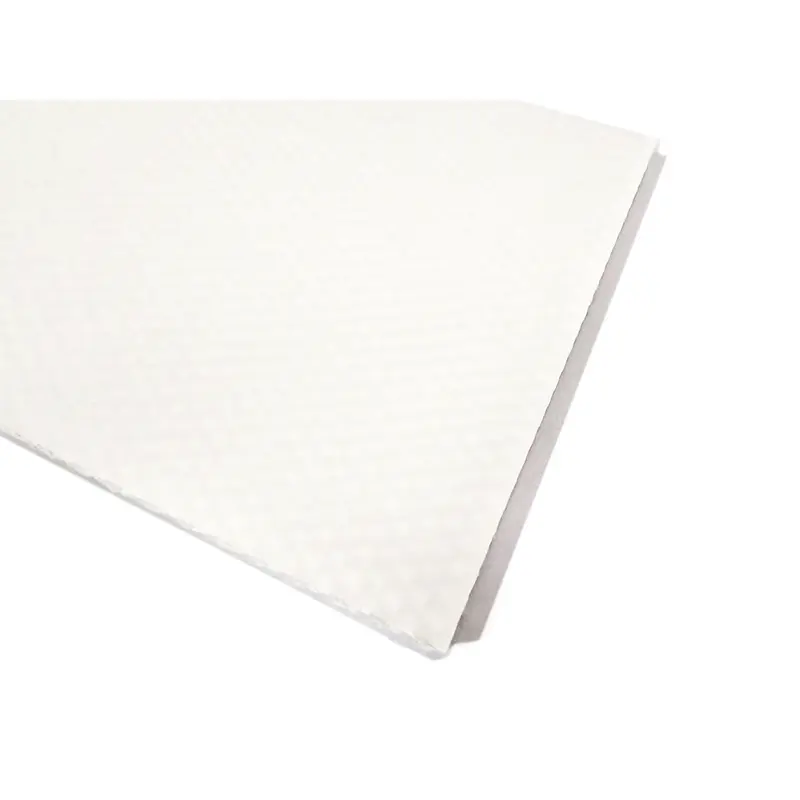
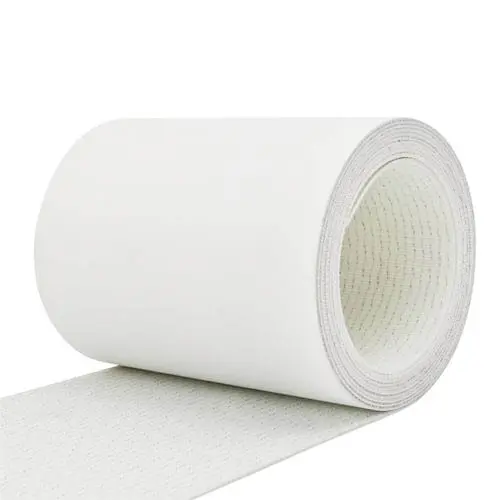
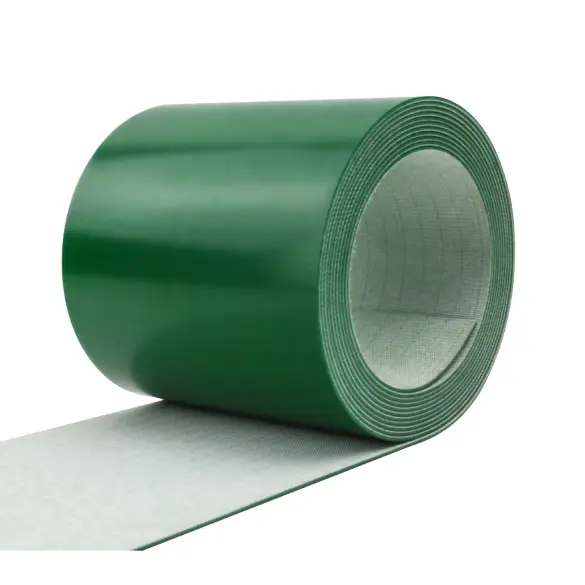
Polyolefin PE TPO Conveyor Belt
Designed for industries where cleanliness and material protection are critical, SHUNNAI Polyolefin PE TPO conveyor belts provide a reliable conveying option for cold chain, food processing, tobacco and pharmaceutical applications. The polyethylene surface offers low moisture absorption, excellent odor resistance and stable performance in low-temperature environments, while the reinforced polyester carcass ensures consistent running strength.
1.Food-grade safety certified for direct contact
2.High tensile strength with lightweight balance
3.Green & environmentally friendly – non-toxic combustion
2.High tensile strength with lightweight balance
3.Green & environmentally friendly – non-toxic combustion
SHUNNAI Polyolefin PE TPO conveyor belts are designed for industries requiring high cleanliness, low-temperature stability and safe material contact performance. Made with food-grade polyethylene cover material laminated onto a high-modulus polyester fabric carcass through high-temperature calendering, these belts provide excellent inter-ply adhesion strength without delamination risk.
Unlike general-purpose conveyor belts, SHUNNAI PE belts are developed for specific working conditions where material purity, hygiene control and environmental adaptability are critical. The polyethylene material provides low water absorption, chemical stability, excellent electrical insulation and resistance to odor absorption, making it suitable for frozen food, tobacco processing, pharmaceutical materials, bakery cooling and other sensitive conveying applications.
The smooth and dense belt surface helps reduce material residue, dust accumulation and cleaning difficulty. With customized structures including surface patterns, antibacterial modification, mold-proof treatment, sidewalls, guide strips and perforations, SHUNNAI provides flexible conveying solutions based on different production line requirements.
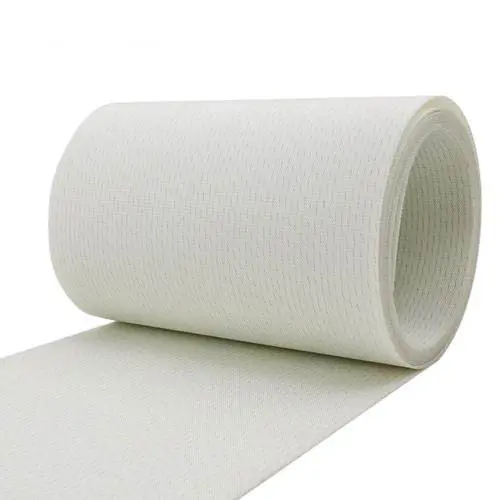
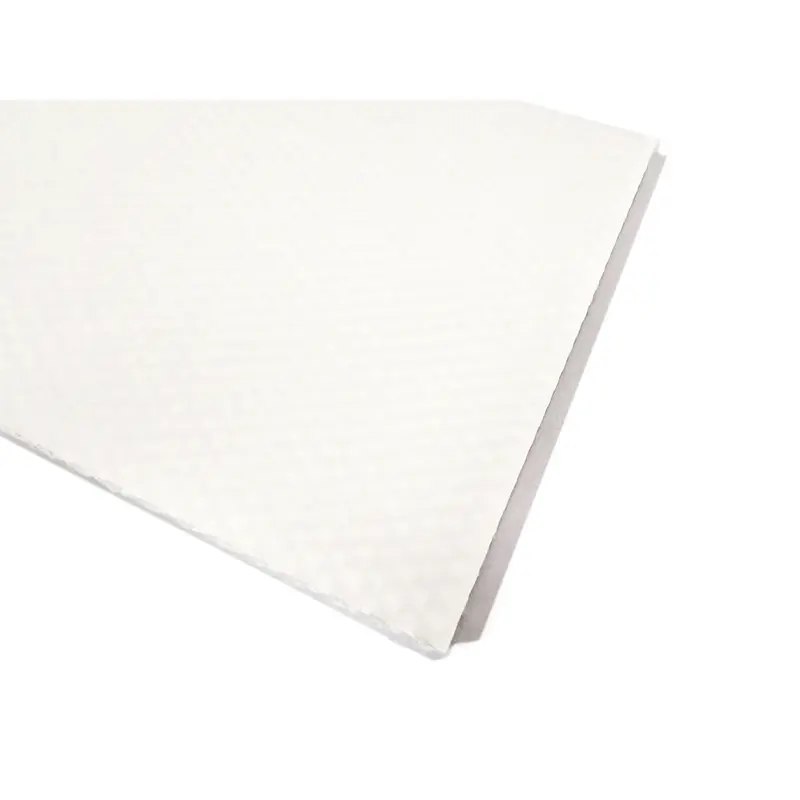
Material Characteristics
The material selection of a conveyor belt directly affects safety, durability and application performance. SHUNNAI uses food-grade polyethylene as the belt cover material, combined with a high-modulus polyester fabric carcass to achieve a balance between lightweight structure and mechanical strength.
Food-grade PE Structure
Polyethylene is odorless, non-toxic and chemically stable, with low water absorption and excellent electrical insulation properties. The material complies with FDA and GB4806 food contact safety standards, allowing direct contact with sensitive materials including food, tobacco and pharmaceutical products.
Compared with materials that may absorb odors or retain residues, the PE surface provides better cleanliness performance. Its dense structure reduces contamination risks and supports frequent cleaning processes in high-hygiene production environments.
Stable Layer Bonding
The SHUNNAI PE belt is manufactured through high-temperature calendering technology, allowing the cover layer and polyester carcass to achieve strong adhesion. The structure reduces the possibility of layer separation during continuous operation.
The high-modulus polyester reinforcement provides dimensional stability and helps maintain accurate belt tracking during long-distance conveying. This feature is especially suitable for light-load conveying systems requiring stable operation.
Performance in Special Conditions
Different industries have unique requirements for conveyor belt materials. SHUNNAI Polyolefin PE TPO conveyor belts are developed for applications where ordinary belt materials may not provide sufficient performance.
Cold Chain Operation
Low-temperature environments can cause some belt materials to harden, lose flexibility or develop cracks during long-term operation. PE material naturally maintains toughness in cold conditions, allowing SHUNNAI belts to remain flexible in quick-freeze tunnels, frozen food workshops and ice cream production lines.
The stable structure helps reduce deformation and maintains transmission performance in sub-zero environments, supporting continuous cold chain production.
Clean Material Conveying
For tobacco processing, pharmaceutical materials and photosensitive products, odor transfer, dust accumulation and material contamination are major concerns. PE material is chemically inert and does not easily absorb external odors, making it suitable for industries requiring high material purity.
The smooth surface reduces powder adhesion and static dust attraction, helping maintain cleaner conveying conditions for sensitive products.
Surface Design Options
Different products require different levels of friction and surface performance. SHUNNAI provides multiple surface designs to meet various conveying conditions, including flat conveying, inclined transportation and wet working environments.
Smooth Surface
Smooth PE surfaces are suitable for frozen food, powders, pharmaceuticals and other applications where easy cleaning and direct material contact are required. The non-abrasive surface helps reduce product damage and simplifies maintenance.
Patterned Surface
For inclined or slip-sensitive applications, SHUNNAI offers diamond, longitudinal stripe, herringbone and round dot patterns. These structures improve friction performance while reducing material sliding and accumulation.
Surface patterns can be selected according to product shape, conveying angle and production environment, helping customers achieve stable transportation performance.
Hygiene Enhancement
For food, pharmaceutical and other high-cleanliness industries, conveyor belt hygiene directly affects product safety and production efficiency. SHUNNAI Polyolefin PE TPO conveyor belts feature a smooth, dense surface structure that reduces residue accumulation and simplifies daily cleaning procedures.
Easy Cleaning Performance
The non-porous PE surface does not easily absorb oil, moisture or odors, making it suitable for production environments requiring frequent sanitation. High-pressure water cleaning and neutral cleaning agents can be used to maintain a clean conveying surface and reduce downtime caused by complex maintenance procedures.
For meat processing, dairy production and other bacteria-sensitive applications, SHUNNAI can provide antibacterial and mold-proof modifications to help inhibit microbial growth and support longer continuous production cycles.
Safe Material Contact
SHUNNAI PE belts are manufactured with food-grade polyethylene materials and comply with FDA and GB4806 food contact safety standards. The material is odorless, non-toxic and does not easily transfer taste or smell to conveyed products.
This makes them suitable for direct contact applications involving food, tobacco, pharmaceuticals and other sensitive materials where contamination control is important.
Application Validation
SHUNNAI Polyolefin PE TPO conveyor belts have been applied in multiple production environments where cleanliness, low-temperature performance and material stability are required. These applications demonstrate the advantages of PE materials in specific conveying conditions.
Frozen Food Conveying
In cold chain sorting rooms, frozen meat temporary storage areas and ice cream quick-freeze tunnels, SHUNNAI PE belts maintain flexibility under low-temperature and high-humidity conditions. The material does not become brittle or lose structural stability during long-term operation.
A large quick-frozen food factory in Northeast China replaced its existing belt with SHUNNAI PE on a fluidized quick-freeze tunnel. The new belt extended replacement intervals by more than six months due to improved low-temperature stability and durability.
Tobacco Processing Lines
Tobacco processing environments require strict control of odor transfer, dust generation and material contamination. Traditional belt materials may release particles or absorb odors after long-term operation, affecting product quality.
SHUNNAI food-grade PE belts provide an odor-neutral surface with low dust attraction characteristics. According to feedback from a major Chinese tobacco factory, replacing conventional belts with SHUNNAI PE belts reduced cleaning frequency and improved tobacco quality stability.
Bakery Cooling Systems
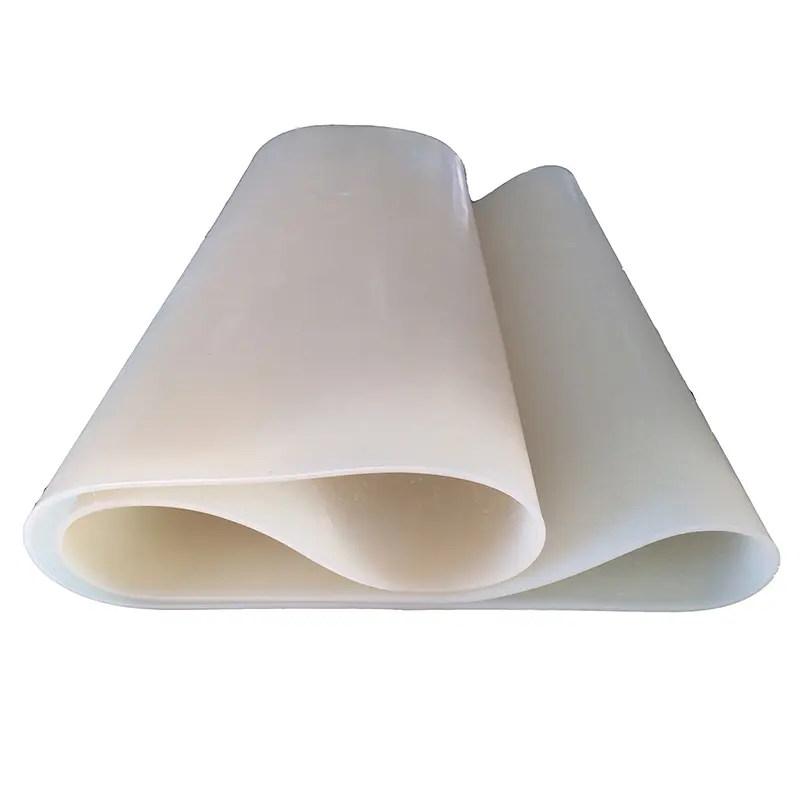
After baking, bread and biscuits require clean and stable cooling transportation. The white PE surface used by SHUNNAI does not absorb oil or grease and does not easily collect crumbs, helping maintain a cleaner conveying environment.
Combined with automatic crumb cleaning equipment, SHUNNAI PE belts can support continuous bakery production while reducing foreign matter risks and manual cleaning requirements.
Structural Customization
Different production lines require different belt structures, surface designs and installation methods. SHUNNAI provides customized Polyolefin PE TPO conveyor belt solutions based on equipment conditions and application requirements.
Pattern and Surface Options
According to product shape, conveying angle and environmental conditions, SHUNNAI provides smooth, diamond, longitudinal stripe, herringbone and round dot surface designs.
Smooth surfaces are suitable for frozen food, pharmaceutical materials and powder conveying where easy cleaning is required. Patterned surfaces improve friction performance for inclined conveying and reduce product sliding during transportation.
Additional Processing
SHUNNAI supports additional structural modifications including sidewalls, guide strips and perforations. These customized features help improve positioning accuracy, prevent material overflow and adapt belts to special conveyor equipment.
Splicing options include thermoplastic welding and mechanical fasteners. Both methods provide strong and flat connections, reducing gaps where materials may accumulate and improving overall belt operation stability.
Technical Support and Application Matching
Choosing a conveyor belt requires consideration of operating temperature, material characteristics, cleaning requirements and equipment structure. SHUNNAI provides technical support based on actual application conditions instead of only recommending standard specifications.
For cold chain food production, tobacco processing, pharmaceutical clean rooms and light-load conveying systems, SHUNNAI evaluates working environments and recommends suitable belt structures, surface patterns and functional modifications.
From standard production to customized development, SHUNNAI works with customers to optimize belt width, thickness, splice method and additional functions, helping each conveyor system achieve stable and efficient operation.
Core Advantages
SHUNNAI Polyolefin PE TPO conveyor belts combine food-grade safety, low-temperature toughness, chemical stability and lightweight structural performance for specialized conveying applications.
The polyethylene material maintains flexibility in cold environments, reducing the risk of hardening and cracking during frozen food and low-temperature production processes.
The smooth and dense surface reduces odor absorption, dust attraction and residue buildup, making the belt suitable for food, tobacco and pharmaceutical applications requiring high cleanliness.
The high-modulus polyester fabric carcass provides strength and dimensional stability while maintaining a lightweight structure, helping reduce drive energy consumption in light-duty conveying systems.
With resistance to weak acids, alkalis and moisture, SHUNNAI PE belts can operate reliably in wet or mildly corrosive working environments.
Through customized patterns, antibacterial treatment, mold-proof modification, sidewalls, guide strips and perforation processing, SHUNNAI provides flexible solutions for different production lines.
Frequently Asked Questions
What is a Polyolefin PE TPO conveyor belt used for?
Polyolefin PE TPO conveyor belts are mainly used in applications requiring high cleanliness, low-temperature stability and safe material contact performance, including frozen food, tobacco processing, pharmaceuticals, bakery cooling and light-load industrial conveying.
What are the advantages of PE material compared with PU or PVC?
PE material provides unique advantages in specific applications, including low-temperature toughness, odor resistance, low water absorption and excellent chemical stability. It is especially suitable for environments where cleanliness and material purity are important.
Are SHUNNAI PE belts suitable for food contact?
Yes. SHUNNAI PE belts use food-grade polyethylene materials and comply with FDA and GB4806 food contact safety standards, making them suitable for direct contact with food and other sensitive materials.
Can SHUNNAI customize belt structures?
Yes. SHUNNAI provides customized solutions including surface patterns, antibacterial and mold-proof modifications, sidewalls, guide strips, perforations and different splice methods according to customer equipment requirements.
Can PE belts work in low-temperature environments?
Yes. Polyethylene maintains good toughness at low temperatures. SHUNNAI PE belts are suitable for cold chain workshops, quick-freeze tunnels and frozen food production lines where maintaining flexibility is important.
Send Inquiry
Contact Info
-
Address
No.129 Qingfeng Road, Jizhou District, Tianjin City, China
-
Tel
-
Email
If you have any inquiry about a quotation or cooperation, please feel free to email or use the following inquiry form. Our sales representative will contact you within 24 hours.
News Recommendations



