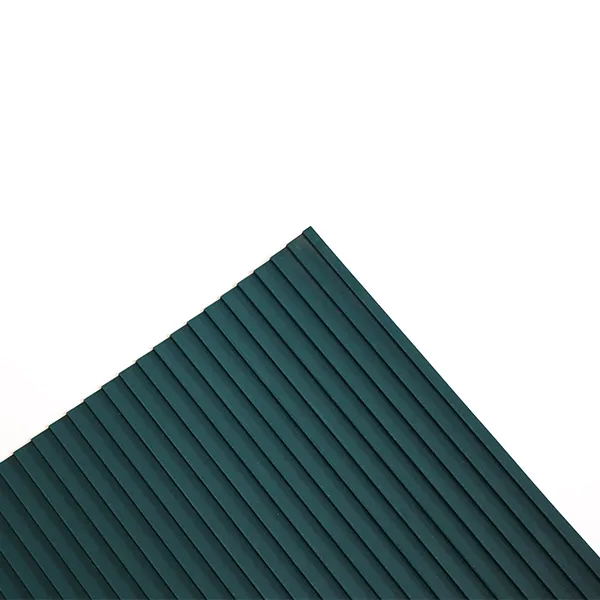
Carton Conveyor Belt
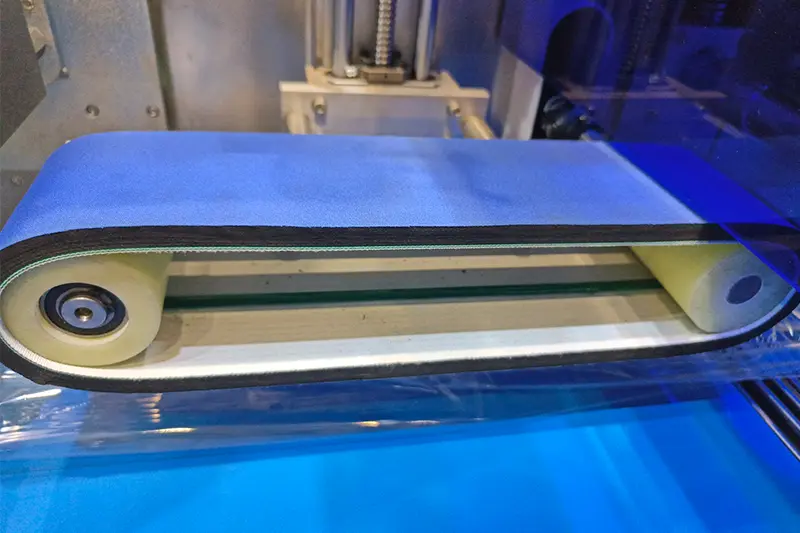
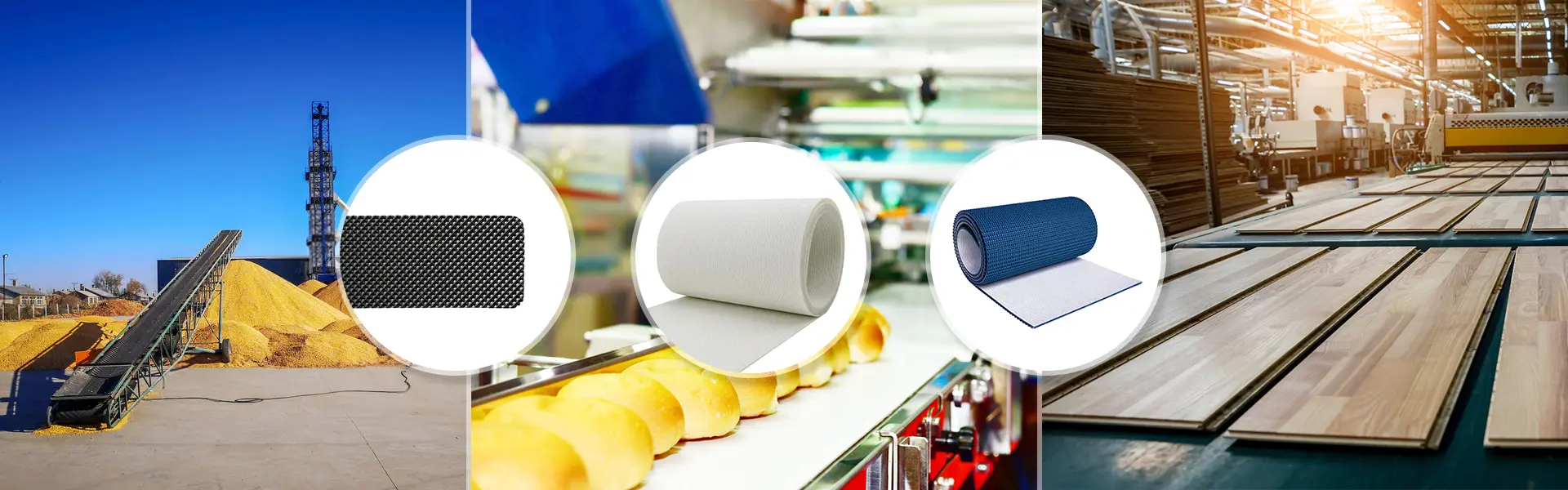
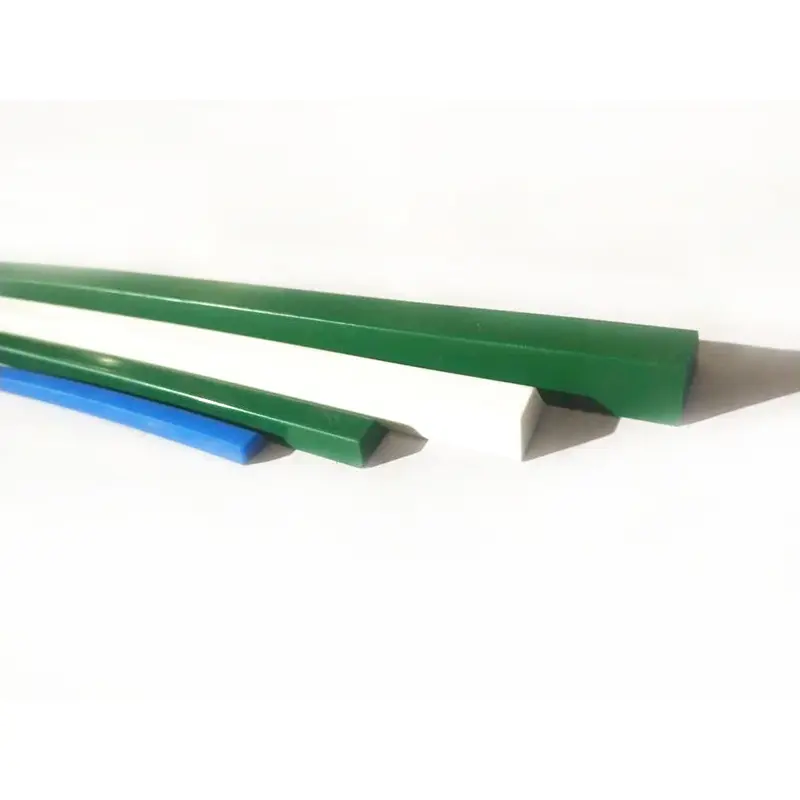
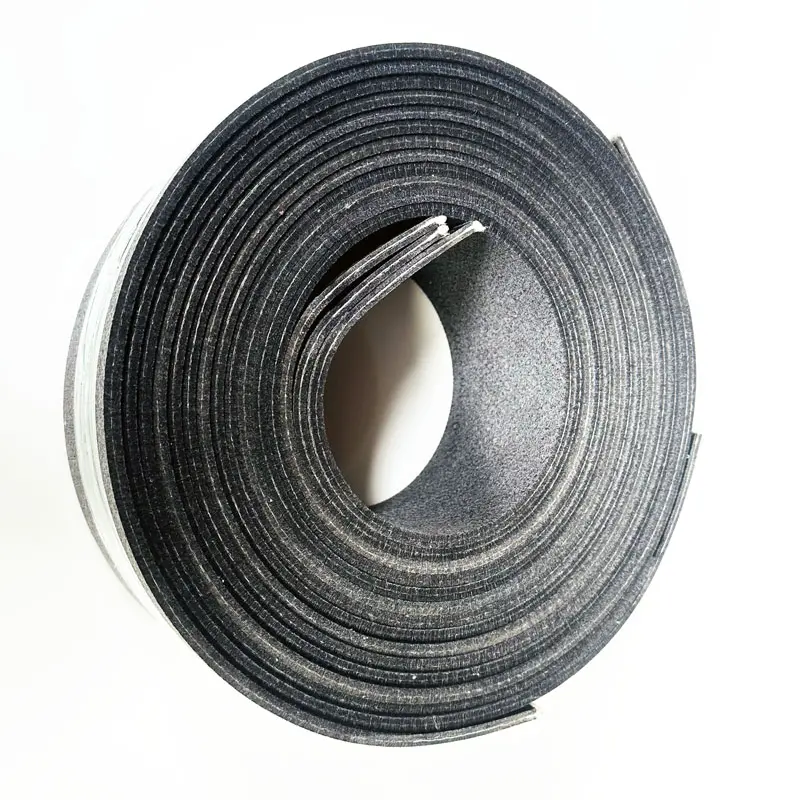
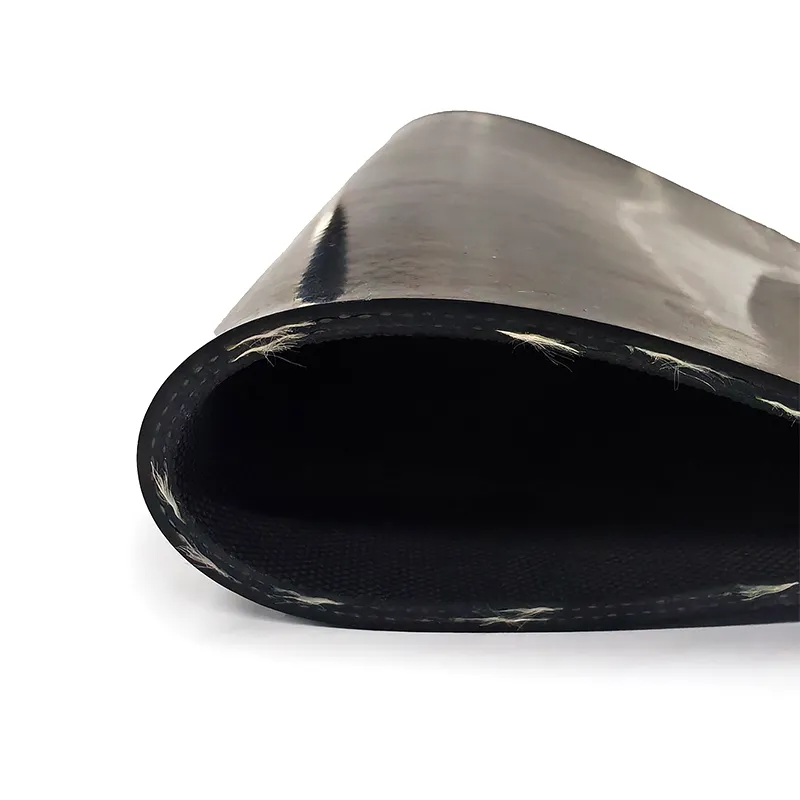
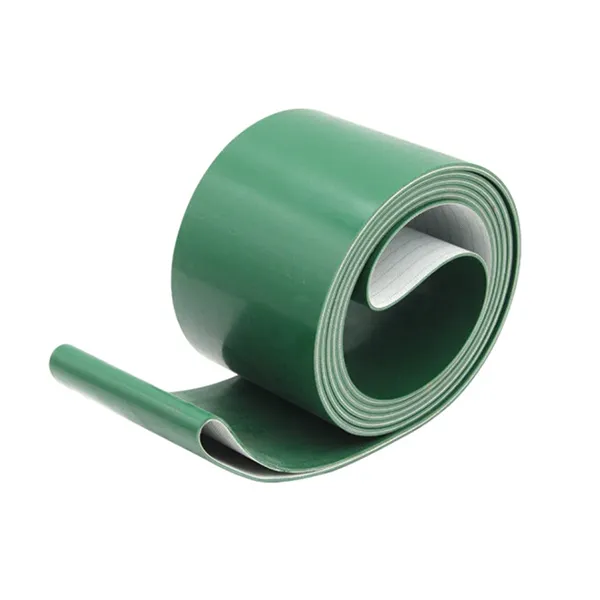
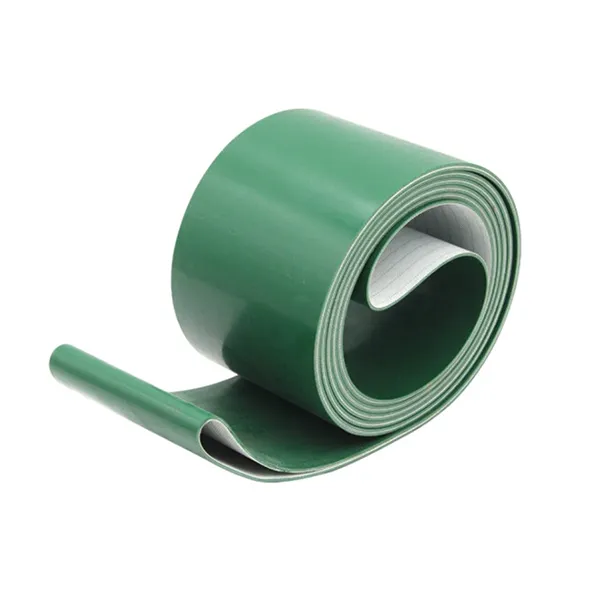
SHUNNAI is a China-based carton conveyor belt manufacturer and supplier providing customized conveying solutions for corrugated board production, carton converting, and packaging lines. Buyers can select high-temperature PU belts, PTFE belts, breathable mesh belts, EP polyester belts, and PVC belts according to process temperature, moisture removal, surface protection, and load requirements.
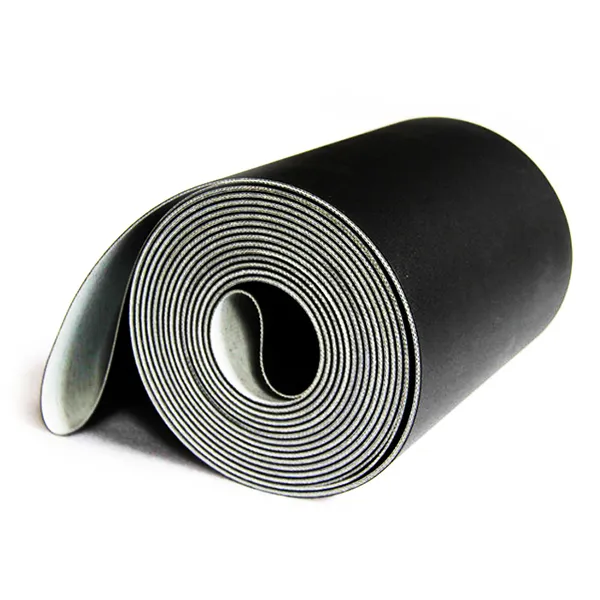
High Temperature Resistant
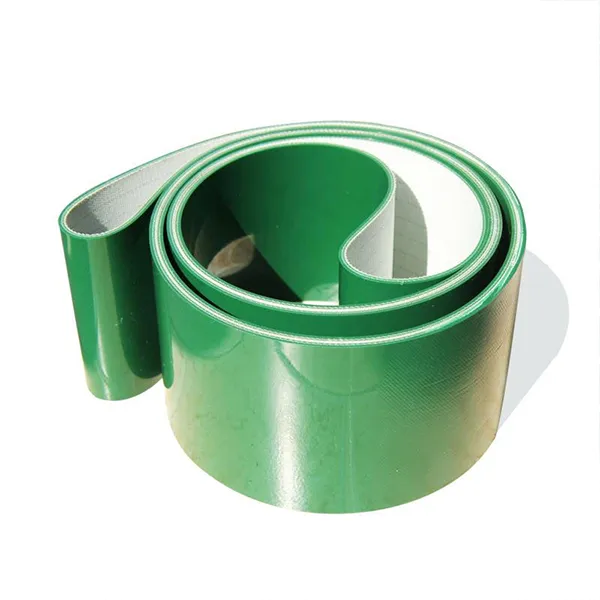
Anti-Compression Mark
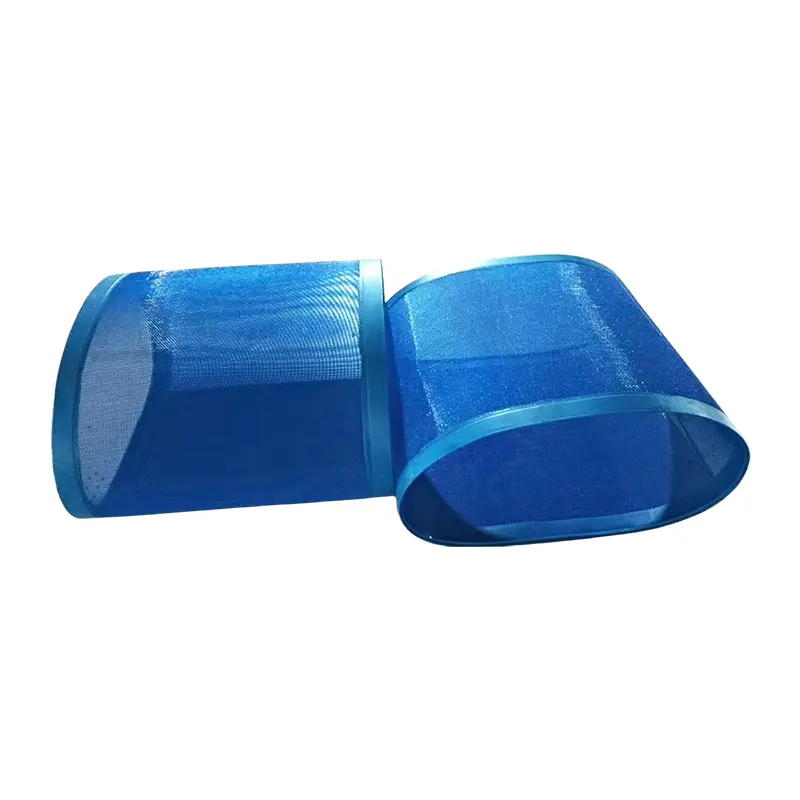
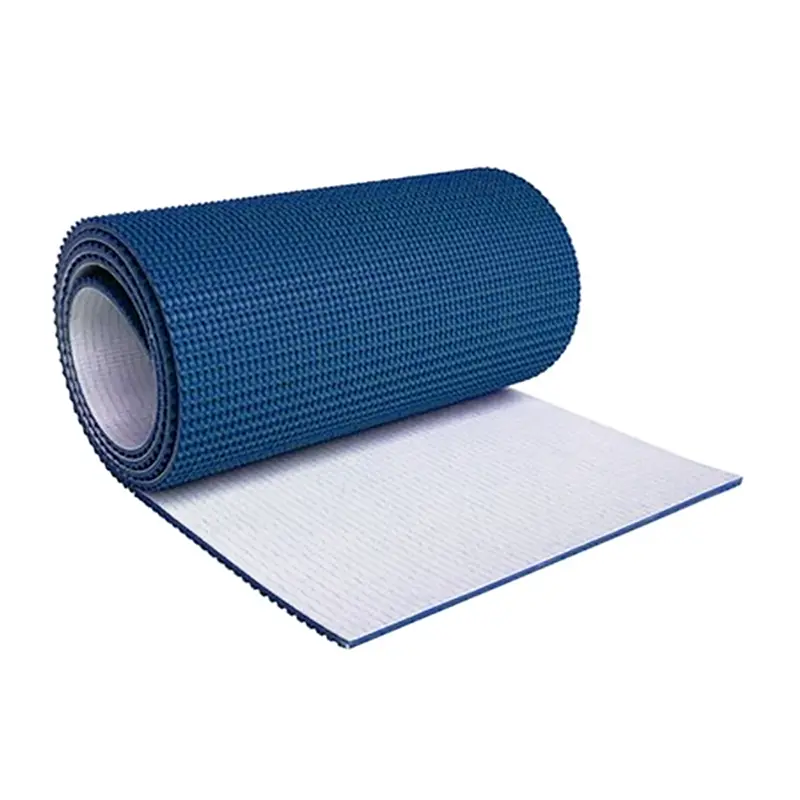
Breathable Steam Exhaust
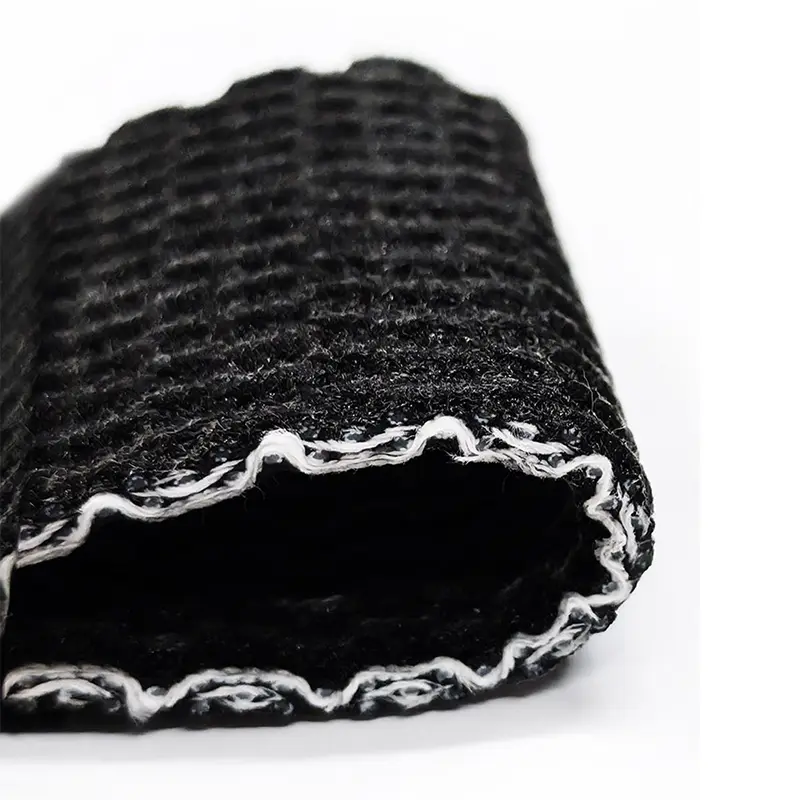
Non-Stick to Glue, Full Chain Adaptation for Corrugated Forming, Cutting and Stacking
Anti-Compression Mark
Breathable Steam Exhaust
Non-Stick to Glue, Full Chain Adaptation for Corrugated Forming, Cutting and Stacking
Tianjin Shunnai Conveyor Belt Manufacturing Co., Ltd. integrates R&D, design, production, and sales of industrial conveyor belts. Established in 2007 and based in Tianjin, China, SHUNNAI supplies PVC, PU, rubber, and specialty belts for a range of manufacturing applications. Its Carton Conveyor Belt product range serves corrugated board production lines, carton converting equipment, and finished packaging transfer systems.
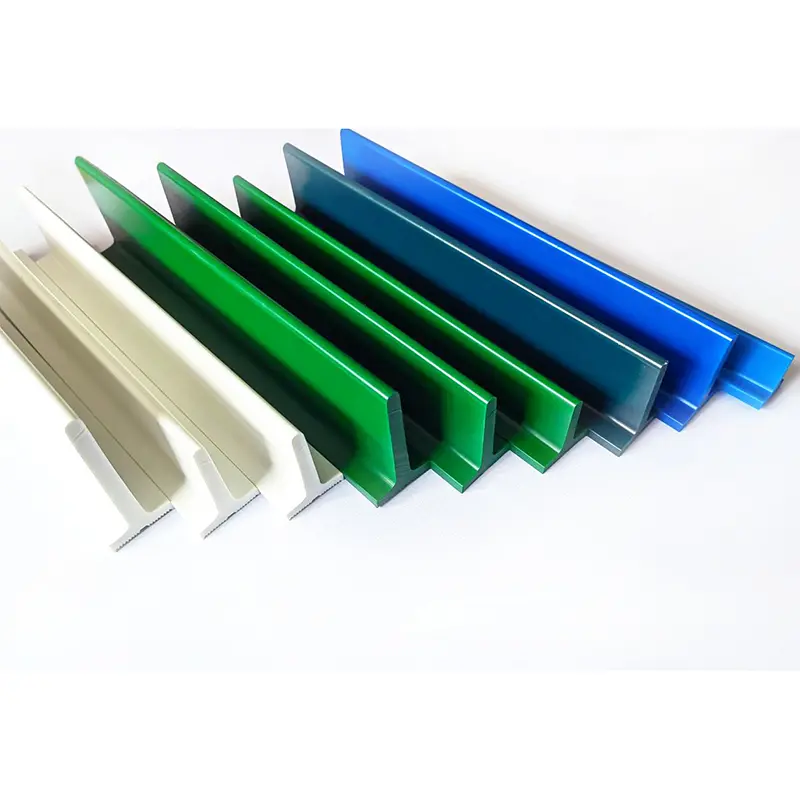
Available options include high-temperature PU belts, PTFE belts, breathable mesh belts, EP polyester belts, and PVC light-duty belts. Selection depends on the production stage, board structure, operating temperature, adhesive exposure, line speed, and conveying load. SHUNNAI can evaluate belt material, surface finish, dimensions, and splice requirements to help carton manufacturers address production issues and maintain stable material flow.
Prevent Board Defects During Conveying
Corrugated board changes as it moves through forming, bonding, drying, cooling, cutting, and stacking. Newly formed flutes can be vulnerable to excessive pressure, while glued board carries moisture that must be managed during heating and drying. Further along the line, unstable conveying can affect cutting dimensions, board alignment, and stack quality.
A suitable belt helps support the board without introducing unnecessary pressure, contamination, or movement. Common problems worth investigating include crushed flute tips, blistering, delamination, glue buildup, surface marks, belt tracking issues, and inaccurate cutting. These problems can have several causes, so belt selection should be considered alongside temperature settings, adhesive application, machine alignment, belt tension, and production speed.
Select Belts by Production Stage
A corrugated board line rarely has the same operating conditions from one end to the other. Choosing one belt construction for every section may create avoidable compromises. The following guide outlines common selection considerations for each stage.
| Production stage | Main requirement | Potential belt option |
|---|---|---|
| Single facer and flute forming | Flexible contact that helps avoid unnecessary pressure on the flutes | Suitable thin, flexible PU belt rated for the operating conditions |
| Double facer and drying | Temperature resistance and moisture management | Breathable mesh belt or a suitable PTFE belt construction |
| Cooling and board transfer | Stable movement and limited dimensional change | Flat PU belt or another construction matched to line conditions |
| Slitting and cutting transfer | Consistent feeding and dimensional stability | Low-elongation belt suitable for precision conveying |
| Sheet collection and stacking | Grip, wear resistance, and load capacity | Thickened PU or a suitable anti-slip belt |
| Finished carton transfer | Durability over the required conveying distance | EP polyester or PVC belt, selected according to load and layout |
The options above are starting points rather than universal specifications. Buyers should confirm the actual temperature at the belt surface, board weight and dimensions, belt speed, pulley diameter, adhesive exposure, and required conveying distance. For heated sections, the belt's continuous operating temperature and exposure duration matter more than a general material description alone.
Manage Moisture and Adhesive Buildup
During double facer operation, heat and moisture interact with the adhesive and corrugated board structure. If the process conditions are not properly controlled, the result may include blistering, delamination, or inconsistent bonding. Belt permeability can be one factor in moisture management, but it does not replace correct adhesive application, heating control, pressure settings, and production-line adjustment.
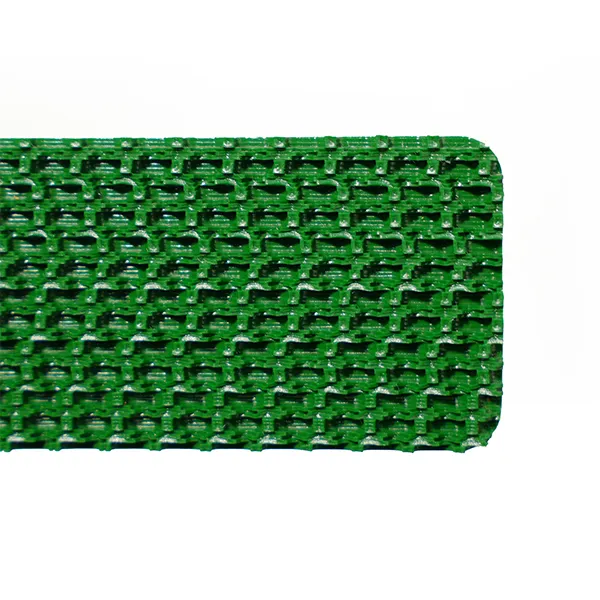
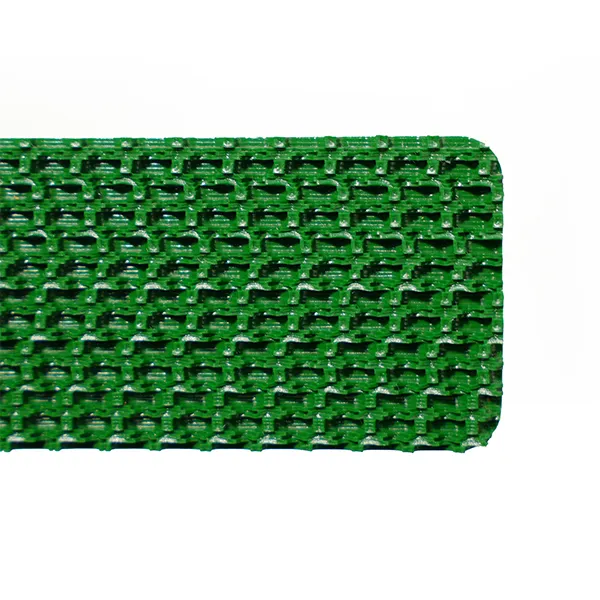
Breathable mesh belts may be considered where the equipment design requires moisture to pass through the conveying surface. The mesh structure, belt temperature rating, tension, and tracking characteristics should be compatible with the machine. In applications where adhesive buildup is a recurring concern, PTFE or a suitable high-temperature belt surface may be evaluated based on the adhesive formulation and cleaning method.
Before switching belt materials, inspect the board defects and the existing process settings. If blistering appears only in certain areas, review moisture distribution, heating uniformity, glue application, and belt contact. If adhesive accumulates on the belt, check its surface condition and the cleaning procedure. A targeted diagnosis is more useful than assuming that a different belt will solve every bonding issue.
Protect Flutes and Printed Surfaces
The Carton Conveyor Belt surface and splice can affect the condition of corrugated board during transfer. Uneven surfaces, raised joints, trapped debris, or excessive pressure may leave marks or damage flute tips. Printed cartons and boards destined for die-cutting may also require consistent support to reduce movement before the next operation.
For sensitive sections, buyers should evaluate surface flatness, belt thickness uniformity, splice profile, and the interaction between belt tension and board pressure. A seamless endless belt or a suitably finished splice may help reduce joint-related disturbances where compatible with the equipment. However, the appropriate joint depends on the belt material, operating temperature, pulley dimensions, and installation requirements.
If board marks repeatedly appear at regular intervals, compare their spacing with the belt circumference and roller positions. This can help determine whether the source is a belt joint, roller surface, or another rotating component. Also inspect for starch adhesive residue, paper dust, and damaged belt edges, as these can affect board contact and conveying stability.
Customer Feedback from Carton Plants
Corrugated Cardboard Plant, Guangdong
“Our double facer drying section originally used ordinary PU belts. The cardboard often blistered and delaminated, and the yield rate could not improve. After switching to SHUNNAI breathable mesh belts, water vapor is exhausted cleanly, and the blistering problem is basically gone. After more than half a year, the mesh is not clogged, temperature resistance is stable, and cardboard flatness has improved significantly.”
Color Printing Carton Plant, Zhejiang
“The printing and die-cutting section has high requirements for belt flatness. Previously, protruding splices often scratched the cardboard. SHUNNAI’s seamless endless PU belt has a very flat surface. Cardboard runs smoothly, registration is accurate, and the reject rate has dropped considerably. Temperature resistance is also sufficient – no deformation after the oven.”
Carton Packaging Company, Shandong
“The paper collection and stacking section handles heavy cardboard. The old belt often slipped and mis-tracked, and stacking was uneven. SHUNNAI recommended a thickened anti-slip PU belt with sufficient friction. Cardboard does not slip, and stacks are much neater. After nearly a year, surface wear is very light, and the splice has not cracked.”
Inspect the Line Before Replacing a Belt
Unplanned belt replacement can interrupt production and may not resolve the original problem if the underlying cause is elsewhere. Before ordering a replacement, maintenance teams should record the symptoms, inspect the equipment, and compare the current belt specification with the actual operating conditions.
| Inspection item | What to check |
|---|---|
| Belt surface | Look for wear, glue deposits, cuts, contamination, or uneven areas |
| Splice and belt edges | Check for raised joints, cracks, fraying, or edge damage |
| Tracking and tension | Check alignment, tension settings, roller condition, and uneven loading |
| Temperature exposure | Record actual operating temperature and duration of heat exposure |
| Board defects | Note whether marks, blisters, or crushed flutes occur in specific locations |
| Cleaning routine | Review paper dust removal, adhesive residue, and approved cleaning methods |
For recurring problems, record when the defect occurs, which section of the line is involved, and whether the issue changes with production speed or board grade. This information helps distinguish belt-related problems from issues involving adhesive application, heating, pressure, or machine alignment.
Confirm Specifications Before Ordering
Before purchasing a replacement or customized Carton Conveyor Belt, provide the supplier with enough information to confirm fit and performance requirements. Incomplete measurements or unclear operating conditions can lead to installation delays and unsuitable material selection.
| Information required | Why it matters |
|---|---|
| Production stage and machine model | Identifies the working conditions and equipment layout |
| Belt width, circumference, and thickness | Confirms dimensional compatibility |
| Operating temperature and exposure time | Helps assess thermal suitability |
| Board type, weight, and production speed | Supports load and conveying requirements |
| Pulley diameter and splice preference | Helps determine flexibility and joint compatibility |
| Adhesive type and cleaning procedure | Supports surface and chemical compatibility checks |
| Tracking, anti-static, or breathability requirements | Clarifies any special belt construction needs |
For replacement projects, photos of the existing belt, machine layout, splice, and damaged areas can help clarify the requirement. Where drawings or original belt specifications are available, include them with the inquiry. Custom dimensions and construction features should be confirmed before production.
Quality Documentation and Custom Options
SHUNNAI supplies conveyor belt options for different industrial conveying conditions and can evaluate material, thickness, surface finish, belt dimensions, and splice configuration according to the application. Depending on the selected product, options may include breathable structures, temperature-rated materials, anti-slip surfaces, and anti-static treatments.
SHUNNAI identifies FDA, MA, CNAS, and ISO 9001 among its certifications or quality-related credentials. These items have different scopes and should not be interpreted as blanket approval for every conveyor belt or application. Buyers should request the relevant certificates, test reports, and product-specific compliance documents when these are required for their intended use.
Frequently Asked Questions
Why does corrugated board blister even after changing the belt?
Blistering can result from moisture management, adhesive application, heating conditions, pressure settings, or belt permeability. Check the full bonding and drying process before concluding that the belt is the sole cause. A breathable belt may be appropriate for some equipment designs, but process settings must also be verified.
How do I choose a belt for a hot drying section?
Provide the actual belt operating temperature, duration of heat exposure, line speed, pulley dimensions, and cleaning conditions. The supplier can then evaluate a suitable temperature-rated construction, such as an appropriate PU, PTFE, or breathable mesh belt, according to the equipment design.
What causes repeated marks on corrugated board?
Possible causes include a raised splice, damaged rollers, glue buildup, paper dust, uneven belt surfaces, or excessive pressure. Compare the location and spacing of the marks with belt and roller positions to help identify the source.
Can one belt type be used across the entire corrugated board line?
It may be possible in selected applications, but the line's operating conditions can differ significantly between forming, drying, cutting, stacking, and transfer. A stage-by-stage assessment helps determine whether one construction is suitable or whether different sections need different belt materials.
What should I do if the belt keeps moving sideways?
Inspect pulley alignment, roller condition, belt tension, loading distribution, and the tracking mechanism. Check the belt edges for uneven wear or damage as well. Replacing the belt without correcting an alignment problem may not prevent tracking issues from returning.
Can SHUNNAI supply belts made to existing machine dimensions?
Customized dimensions may be available depending on the selected belt type and construction. Provide the belt width, circumference, thickness, splice details, pulley diameter, production stage, and operating conditions for review before placing an order.
Contact SHUNNAI for Carton Line Requirements
If your corrugated board or carton production line is experiencing blistering, delamination, flute damage, glue buildup, cutting deviations, or unstable stacking, SHUNNAI can review the operating conditions and help evaluate suitable belt options. Share your machine specifications, belt dimensions, operating temperature, board type, and the problem you are trying to resolve.
Contact Tianjin Shunnai Conveyor Belt Manufacturing Co., Ltd. for product details, customization options, relevant quality documentation, and a quotation tailored to your carton production equipment.
Send Inquiry
Contact Info
-
Address
No.129 Qingfeng Road, Jizhou District, Tianjin City, China
-
Tel
-
Email
If you have any inquiry about a quotation or cooperation, please feel free to email or use the following inquiry form. Our sales representative will contact you within 24 hours.
News Recommendations