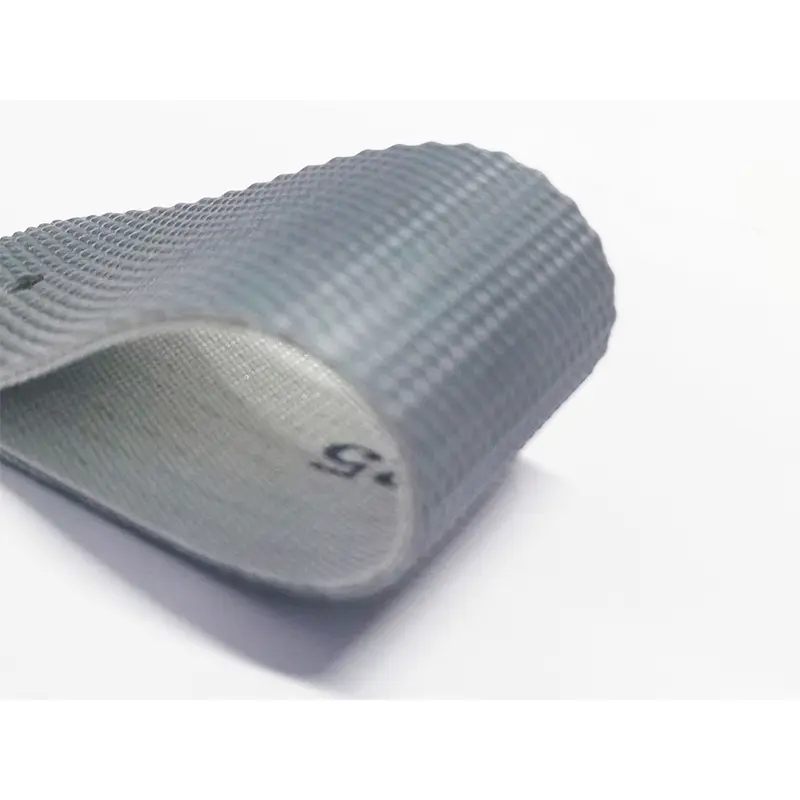
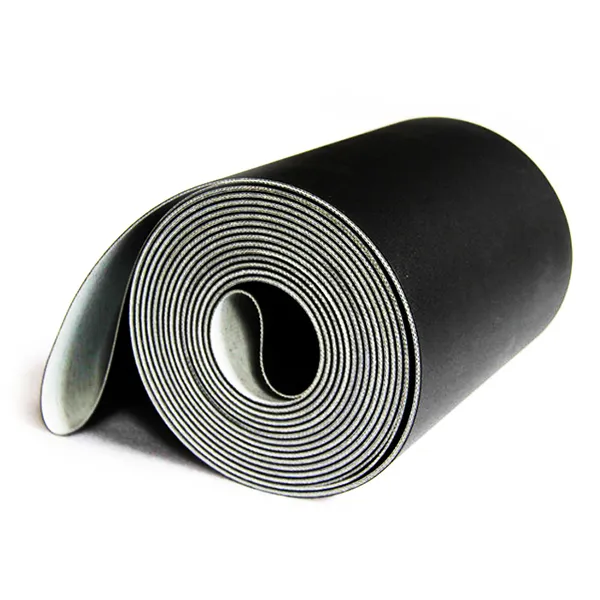
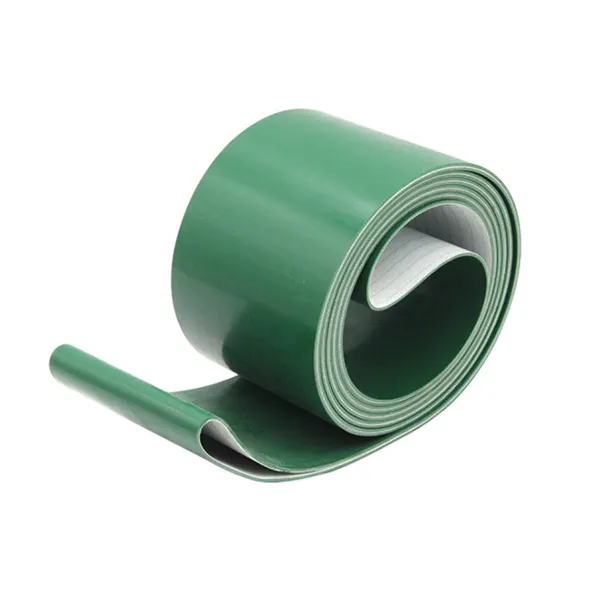
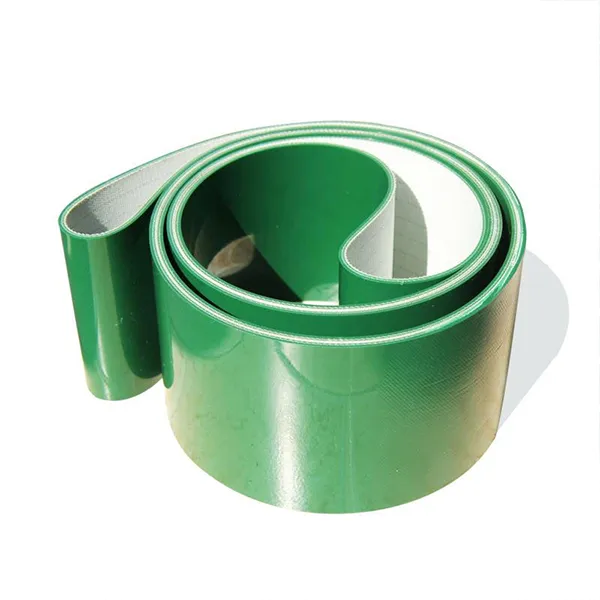
Packaging Machine Conveyor Belt
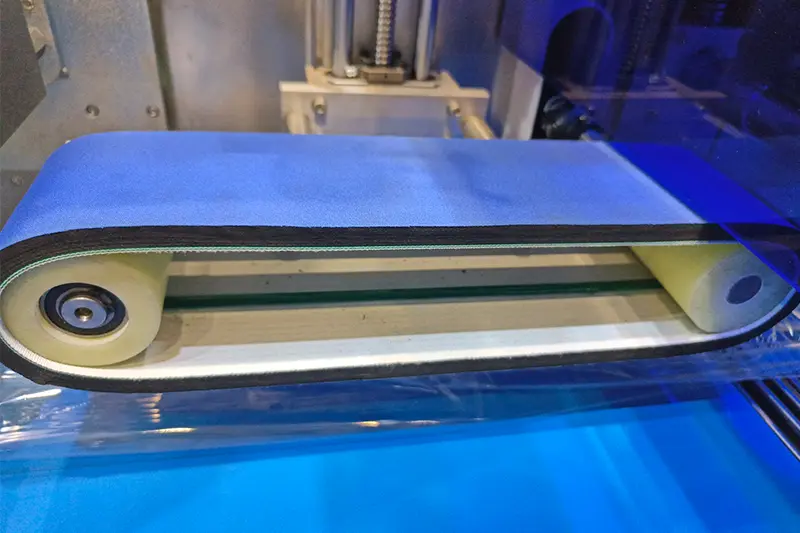
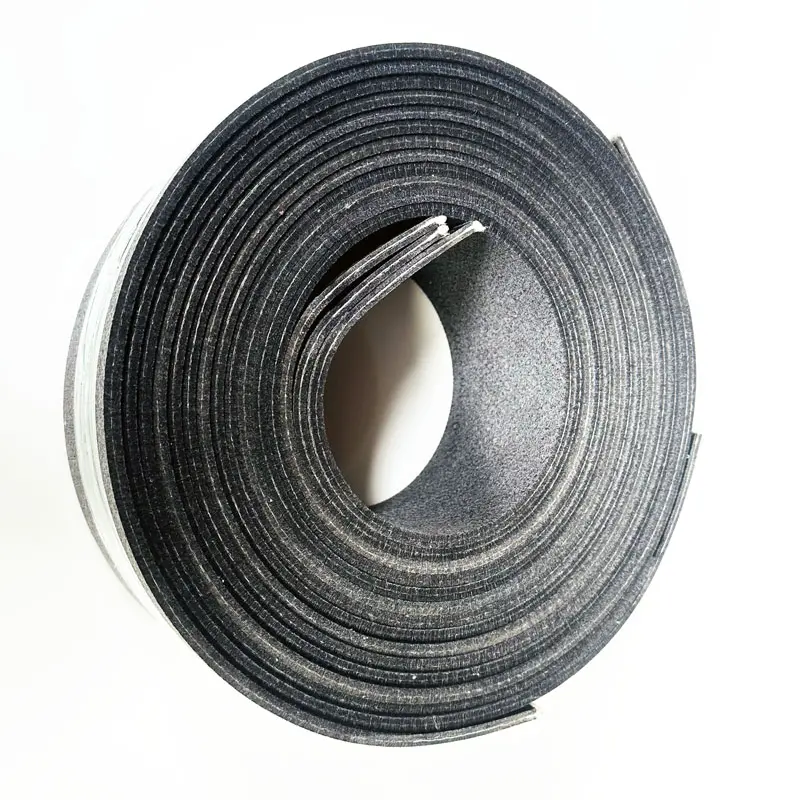
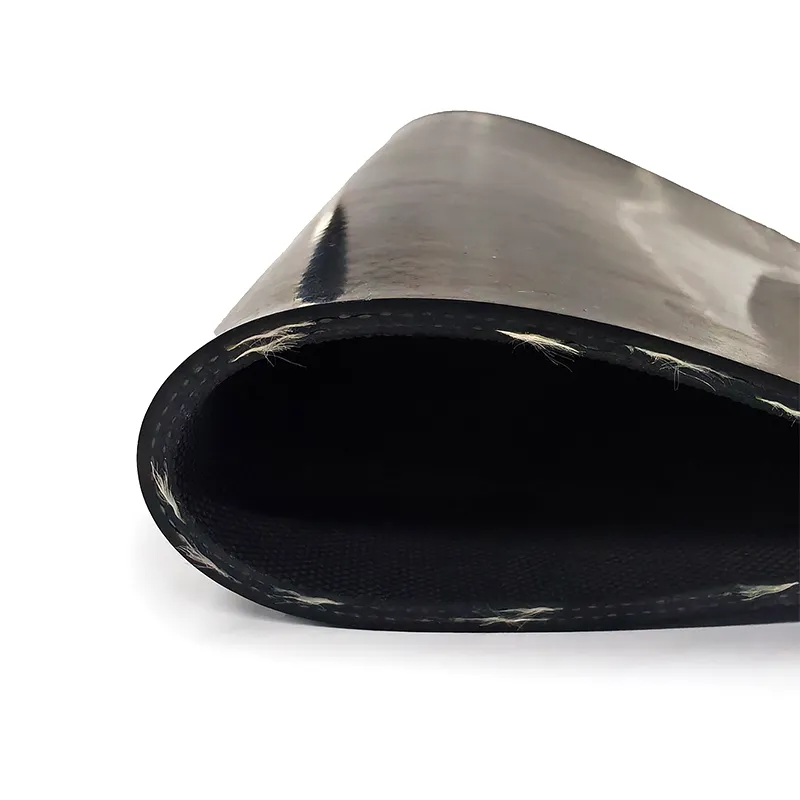
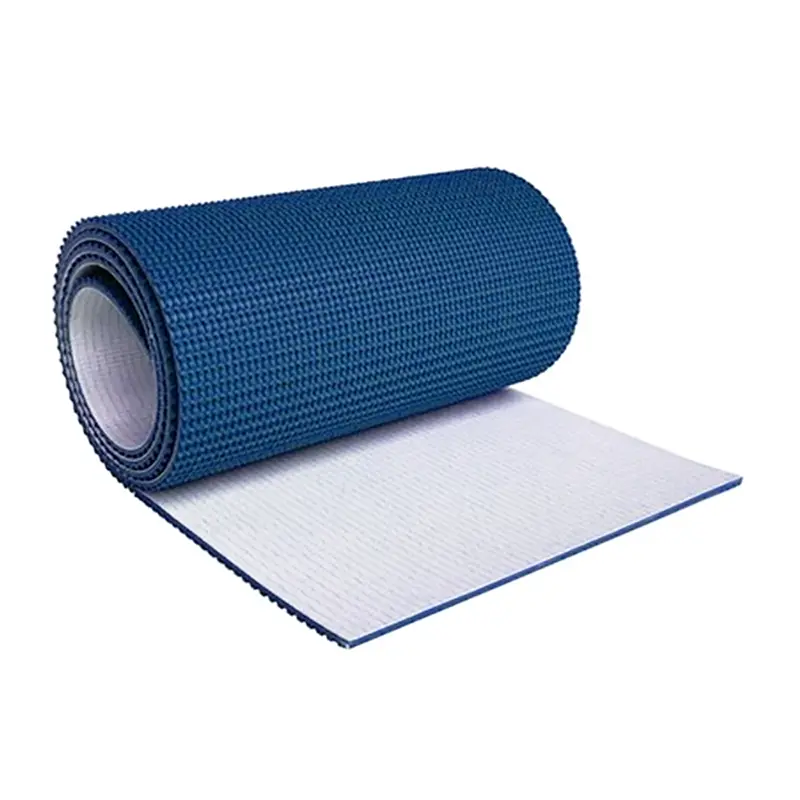
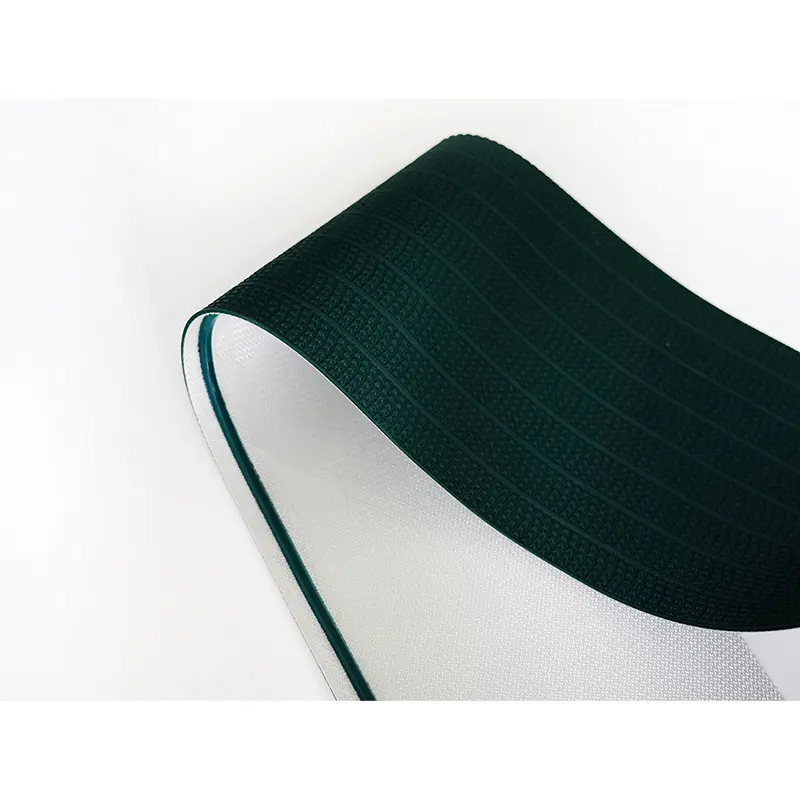
SHUNNAI is a professional China packaging machine conveyor belt manufacturer providing customized PVC, PU, silicone and PTFE conveyor solutions for food packaging, pharmaceutical, chemical, carton and automated production lines. With strict quality control from raw material selection to finished product inspection, SHUNNAI helps global customers improve packaging efficiency and reduce production downtime through reliable industrial conveying solutions.
1.Precise positioning, reduced waste
2.Multi-material adaptability, one machine multiple uses
3.High wear & tear resistance
2.Multi-material adaptability, one machine multiple uses
3.High wear & tear resistance
With more than 20 years of experience in industrial belt manufacturing, SHUNNAI focuses on solving common problems in modern packaging production, including inaccurate positioning, belt deviation, material slipping, frequent replacement and hygiene requirements. Our Packaging Machine Conveyor Belt solutions include PVC, PU, silicone, PTFE and customized industrial belt structures designed for different packaging equipment and operating environments.
SHUNNAI operates according to GB/T 19001-2016 / ISO 9001:2015 quality management standards and has professional certification support including FDA, MA and CNAS certification systems. From raw material inspection, fabric reinforcement, coating lamination to final cutting and testing, every production process is controlled to ensure stable quality for global customers.
Every belt undergoes strict inspection procedures including tensile strength testing, elongation measurement, surface friction evaluation, dimensional stability testing and anti-static performance verification. These quality controls allow SHUNNAI belts to operate reliably in high-speed, high-frequency and high-cleanliness packaging environments.
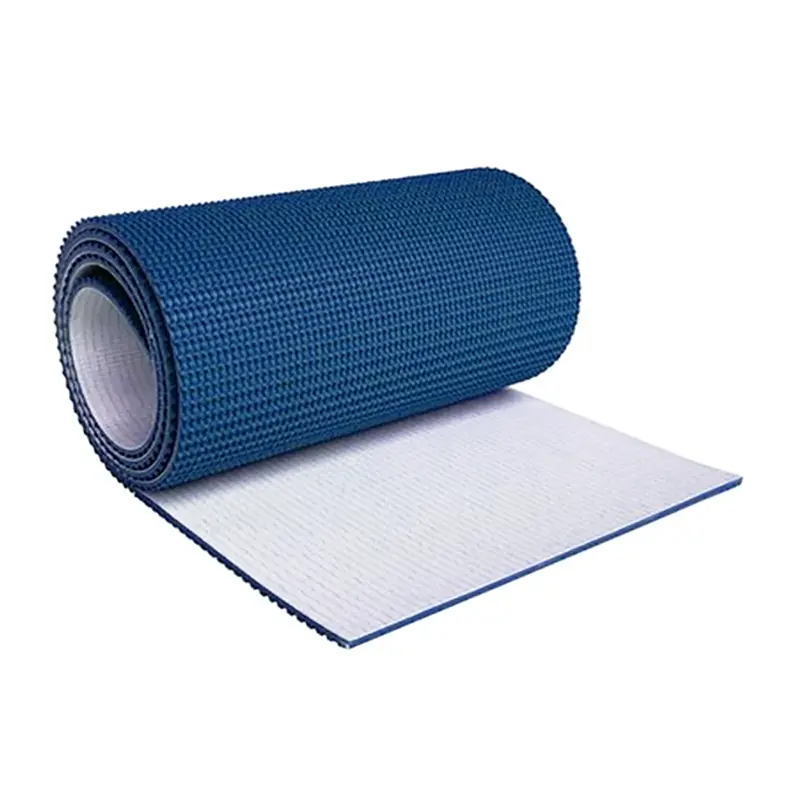
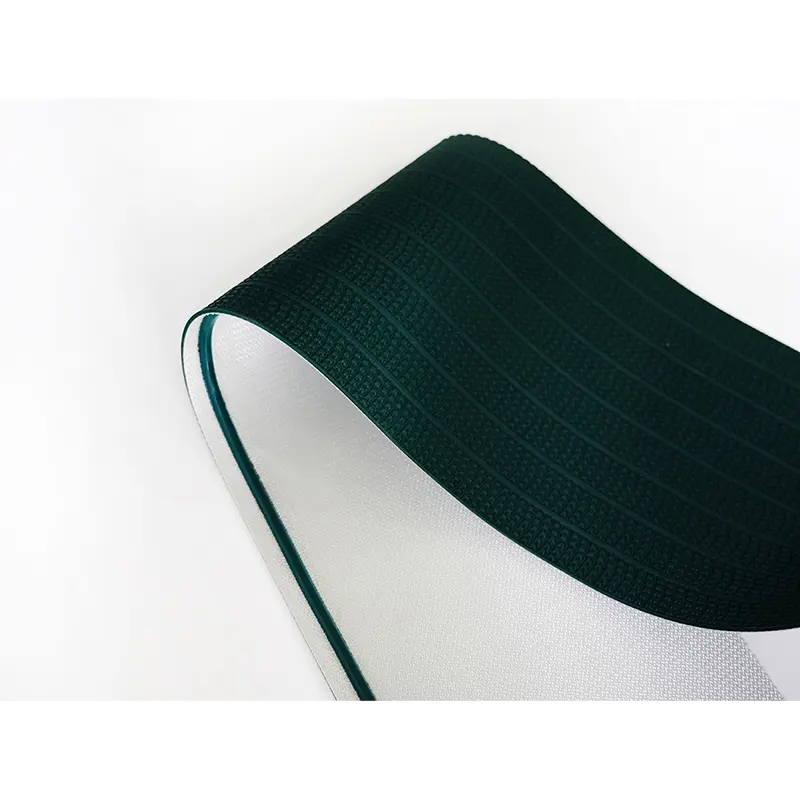
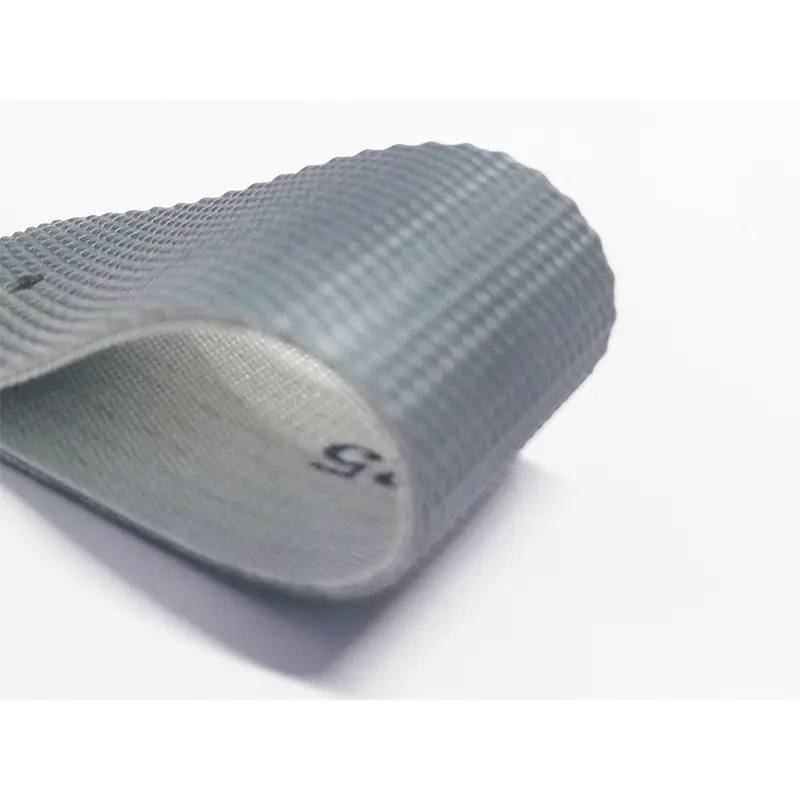
Matching Different Packaging Equipment
Packaging production lines include various machines with different conveying requirements. A belt that performs well on one machine may not be suitable for another application. SHUNNAI evaluates equipment structure, product characteristics, operating speed and production conditions before recommending the appropriate belt solution.
For horizontal pillow packaging machines, stable surface friction and accurate product feeding are essential because unstable conveying can cause packaging film deviation or sealing errors. For three-side seal packaging machines and labeling equipment, dimensional stability and precise running are more important to maintain consistent product positioning.
Automatic bag sewing machines require stronger wear resistance because bags may contain fertilizer, chemical materials or heavy industrial products. Carton forming and sealing equipment usually requires higher load capacity and excellent tracking stability to prevent carton accumulation and production interruption.
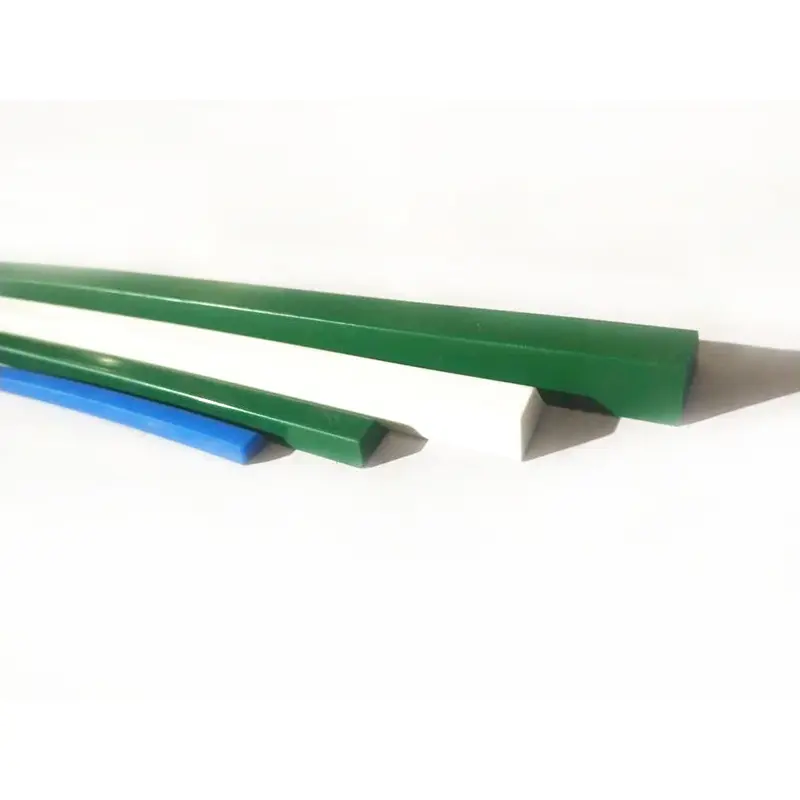
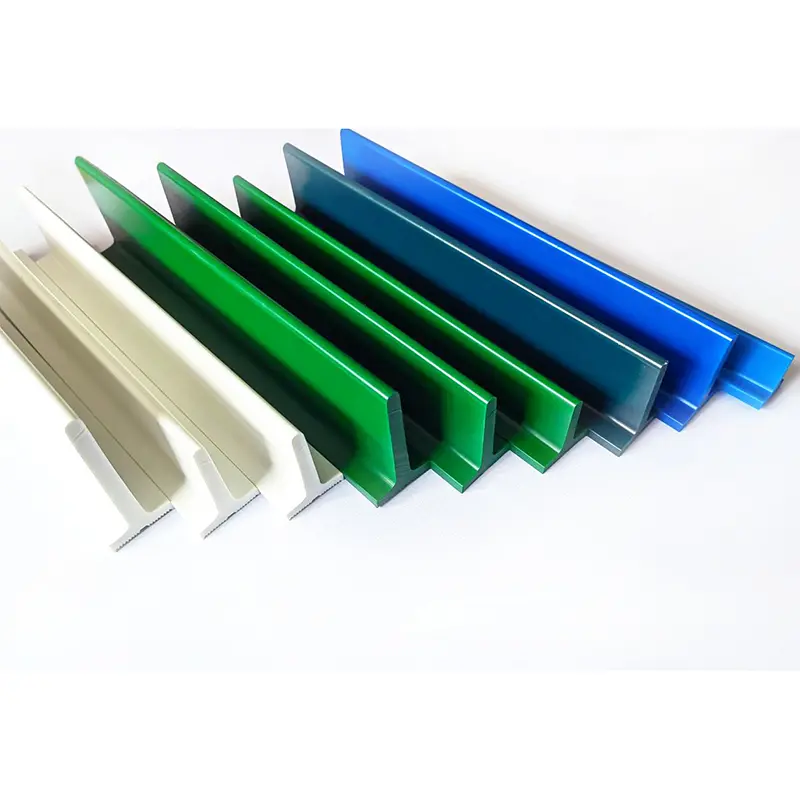
SHUNNAI provides customized belt structures according to different equipment requirements, including surface patterns, guide strips, sidewalls, perforations, timing profiles and special connection methods. This approach helps customers achieve better compatibility with existing packaging systems.
Improving Packaging Accuracy
In automated packaging production, conveying accuracy directly affects product appearance, sealing quality and production efficiency. Small positioning errors may lead to packaging waste, printing deviation or incorrect labeling.
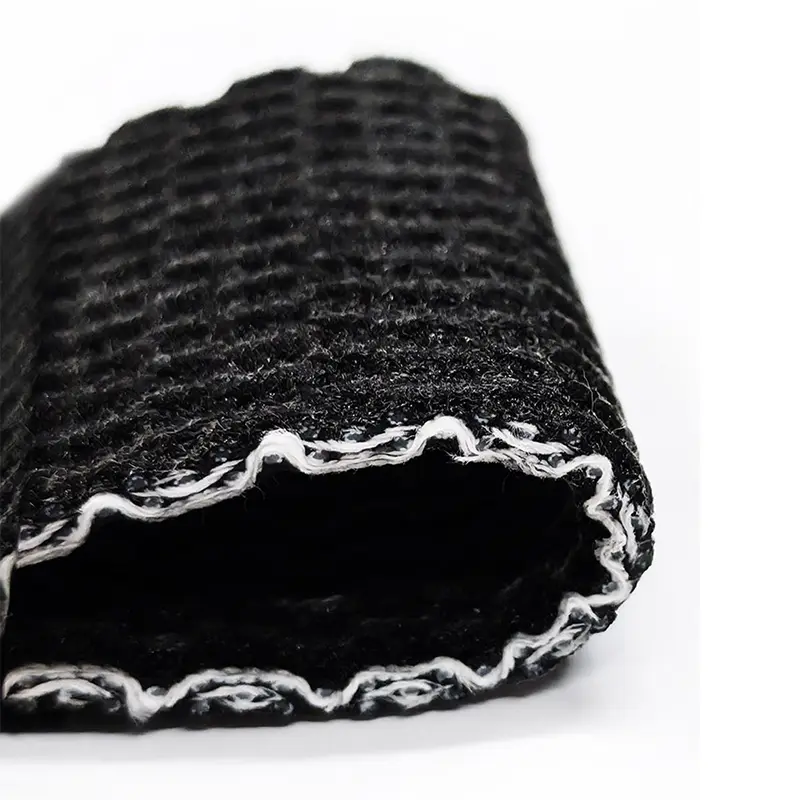
SHUNNAI improves conveying accuracy through material stability and manufacturing precision. High-modulus polyester fabric reinforcement reduces belt deformation during continuous operation, helping maintain consistent length and tension performance.
The low-stretch structure provides better synchronization with servo-driven packaging machines. For high-precision applications such as film printing and label positioning, PU timing belt structures can provide accurate power transmission and reduce slip caused by friction-only driving methods.
Optional guide strips, sidewalls, vacuum holes and positioning accessories are available for applications where products require additional control during transportation. These designs help prevent carton movement, bag shifting and lightweight product deviation.
Choosing Suitable Belt Materials
Different packaging industries create different demands on conveyor materials. Selecting the correct belt material is important for production efficiency, product safety and long-term operating costs.
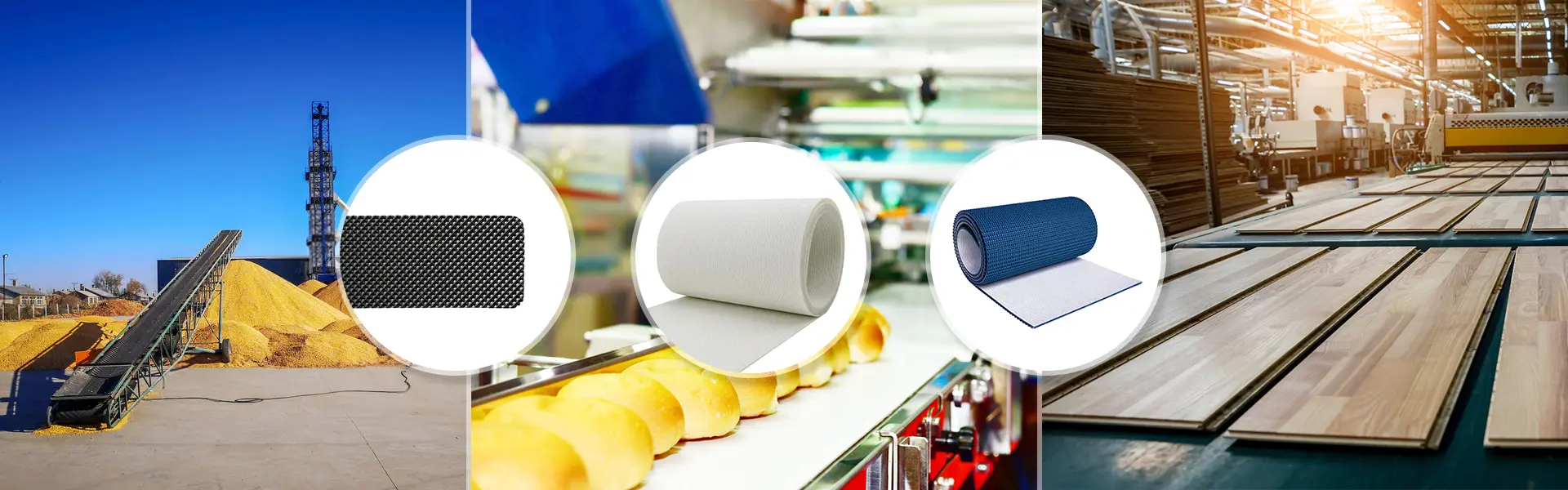
For food packaging applications such as biscuits, candy, meat and bakery products, PU, silicone and PTFE materials are commonly selected because of their clean surface, easy maintenance and resistance to oil contamination. These materials support hygienic production requirements and frequent cleaning processes.
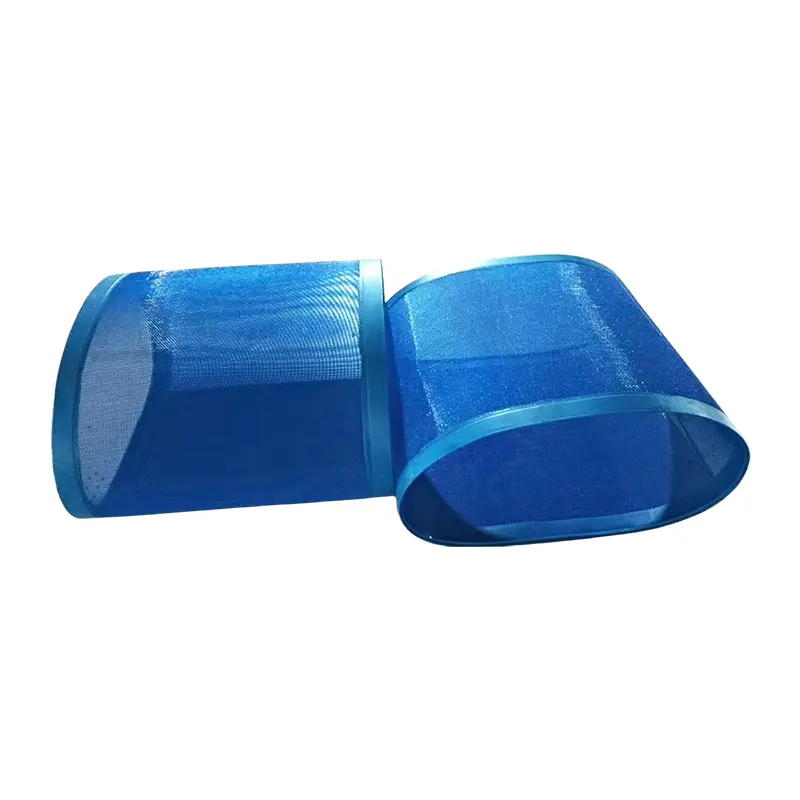
For high-temperature packaging environments, silicone and PTFE solutions provide stable operation under elevated temperatures and reduce problems caused by sticking or material adhesion.
For chemical packaging, fertilizer bags and industrial material handling, wear-resistant PVC and reinforced PU structures provide stronger resistance against dust, abrasion and heavy loads.
For carton packaging and printing applications, reinforced PVC belts and PU timing belts help maintain stable conveying under repeated start-stop operation and precise positioning requirements.
|
Packaging Application |
Recommended Material |
Main Consideration |
|
Food packaging |
PU / Silicone / PTFE |
Clean surface, oil resistance, easy washing |
|
High-temperature production |
Silicone / PTFE |
Heat stability and non-stick performance |
|
Chemical and bag sewing |
PU / PVC |
Wear resistance and dust protection |
|
Carton and box handling |
Reinforced PVC |
Load capacity and running stability |
Stable Operation in High-Speed Production
Modern packaging factories usually operate continuously with high production speed and frequent start-stop cycles. Under these conditions, belt deviation, surface wear and unstable friction can directly influence packaging efficiency. SHUNNAI focuses on improving running stability through optimized material structure, precise manufacturing processes and application-based testing.
During high-speed operation, belt tension changes and roller alignment are common reasons for conveying problems. SHUNNAI uses high-strength fabric reinforcement and controlled production processes to maintain dimensional stability, helping reduce adjustment frequency and unexpected downtime.
For automated packaging equipment requiring continuous operation, the connection method is also an important factor. SHUNNAI uses reliable vulcanized splicing technology, with splice strength reaching ≥90% of the base belt, helping maintain stable operation under repeated movement and heavy working conditions.
Factory Performance Verification
Before supplying global customers, SHUNNAI evaluates belt performance through practical industrial application tests. These tests focus on real production conditions instead of laboratory-only data, including cleaning frequency, load changes, operating speed and environmental exposure.
Food Packaging Production Test
Test period: 6 months
Application environment: Meat packaging line with grease exposure, daily cleaning and frequent operation.
Test results: The PU belt surface maintained stable structure without swelling or delamination. The friction coefficient remained within 0.5–0.6, with no abnormal odor or mold growth observed during continuous operation.
The test confirmed that suitable PU materials can help food manufacturers maintain cleaner conveying conditions and reduce belt replacement caused by oil and moisture exposure.
Fertilizer Bag Sewing Test
Test period: 8 months
Application environment: Automatic bag sewing line operating at 30–40 bags per minute, handling 25–50kg bags in a high-dust environment.
Test results: The reinforced PVC belt showed only slight surface wear without cracking or structural damage. Tracking deviation remained stable within ±2mm after long-term operation.
The result demonstrated that appropriate belt reinforcement can improve durability in industries where dust, abrasion and heavy loads are common.
Carton Packaging Continuous Running Test
Test period: 2,000 hours continuous operation
Application environment: Carton transportation with 15–30kg loads and frequent start-stop cycles.
Test results: Tensile strength remained above 45 N/mm under 1% elongation conditions. The splice structure remained stable, and no slipping occurred during repeated operation.
Tracking and Position Stability Test
Belt tracking accuracy is one of the most important factors for automated packaging systems. Poor tracking may cause product accumulation, incorrect labeling and packaging machine stoppage.
SHUNNAI conducted a 72-hour continuous high-speed running test at 40 m/min, simulating carton, food bag and granular material packaging applications.
|
Test Item |
Standard Conveyor Belt |
SHUNNAI Packaging Machine Conveyor Belt |
|
Tracking deviation |
≥±15mm |
≤±3mm |
|
Start-up slip |
Possible under high load |
No abnormal slip observed |
|
Splice strength |
Depends on connection method |
≥90% of base belt strength |
Real Application Feedback
Food Packaging Production Line
“We make cooked food packaging. Our old belt absorbed oil and water, started to smell within a week, and was difficult to clean. After switching to SHUNNAI PU belt, the smooth surface rinses clean easily. After six months, there is no odor, operation remains stable, and sealing position accuracy has improved.”
– A food company in Shandong
Fertilizer Bag Sewing Line
“Fertilizer materials create a dusty and corrosive environment. Ordinary belts cracked within two to three months. The SHUNNAI belt has been running for eight months, the splice remains intact, and there is almost no slipping, saving significant maintenance time.”
– A compound fertilizer plant in Hebei
Carton Packaging Equipment
“We handle many carton sizes, some weighing up to 30kg. The previous belt often moved sideways and caused carton jams. SHUNNAI’s belt with guide strips runs smoothly without tracking problems, and after more than half a year the surface wear is still very limited.”
– A packaging printing company in Zhejiang
Reducing Maintenance Frequency
In packaging production, the hidden cost of a Packaging Machine Conveyor Belt is often related to maintenance time rather than the initial purchase price. Frequent belt adjustment, cleaning difficulty and unexpected replacement can interrupt the entire production schedule.
SHUNNAI designs belts with consideration for long-term operation. Stable fabric reinforcement reduces stretching, suitable surface materials improve cleaning efficiency, and customized structures such as guide strips or timing profiles reduce alignment problems.
By selecting the correct belt structure according to the packaging process, customers can reduce production interruptions and achieve more predictable operating costs throughout the equipment lifecycle.
Customized Solutions for Different Lines
Every packaging factory has different requirements based on equipment design, product shape and production speed. SHUNNAI provides customized manufacturing services including belt width, length, thickness, surface pattern, fabric layers, guide structure and special processing requirements.
For equipment manufacturers, customized belt solutions help improve machine compatibility. For end users, proper belt selection helps solve practical problems such as product shifting, cleaning difficulties and frequent replacement.
Applications in Packaging Industries
SHUNNAI conveyor solutions are designed for a wide range of automated packaging environments. Different industries have different requirements for cleanliness, load capacity, chemical resistance and positioning accuracy, so the belt structure must match the actual production process.
Food and Beverage Packaging
Food packaging lines require conveyor belts with clean surfaces, stable operation and easy maintenance. SHUNNAI provides PU, silicone and PTFE belt options for products such as biscuits, candy, meat products, bakery items and other packaged foods. These materials are suitable for environments requiring frequent cleaning and resistance to oil contamination.
Pharmaceutical and Health Product Packaging
Pharmaceutical packaging equipment requires stable conveying accuracy and reliable material safety. SHUNNAI offers suitable PU and anti-static PVC solutions for applications such as blister packaging, carton handling and automated sorting systems where cleanliness and precise movement are important.
Chemical and Industrial Packaging
Chemical products, fertilizer bags and industrial materials often create harsh working environments with dust, abrasion and chemical exposure. Reinforced PVC and wear-resistant PU structures from SHUNNAI are designed for these applications, providing better durability under heavy-duty operation.
Carton and Printing Packaging
Carton forming machines, case sealers and printing-related packaging equipment require stable conveying and accurate positioning. SHUNNAI provides reinforced PVC belts and PU timing belt solutions to help maintain smooth transportation during frequent start-stop production.
Whether used for food packaging, industrial bag handling, carton transportation or automated labeling systems, SHUNNAI develops conveyor solutions based on actual production requirements rather than using a single standard design for all applications.
Quality Control and Certification
For international packaging equipment manufacturers and distributors, supplier quality consistency is an important consideration. SHUNNAI has established a complete quality management system covering material selection, production control, process inspection and final product verification.
The company follows GB/T 19001-2016 / ISO 9001:2015 quality management standards and provides certification support including FDA, MA and CNAS certification systems for customers with different market requirements.
During production, SHUNNAI performs inspections on raw materials, fabric reinforcement, coating bonding, belt dimensions, surface quality and mechanical performance. Finished products are tested before shipment to ensure stable specifications and reliable application performance.
This systematic quality control process allows SHUNNAI to provide consistent conveyor belt solutions for overseas distributors, machinery manufacturers and end users.
Purchasing Guide for Global Buyers
Selecting the correct conveyor belt requires more than confirming size and price. Buyers should consider the packaging machine model, conveying speed, product weight, working environment, cleaning requirements and expected service life.
Before quotation, customers can provide information including belt width, belt length, machine type, material characteristics, operating temperature and current production problems. SHUNNAI engineers will evaluate the application conditions and recommend suitable materials and structures.
For customers developing new packaging equipment, SHUNNAI can provide technical cooperation during the design stage to ensure better matching between the belt system and the machine structure.
Frequently Asked Questions
What materials are available for SHUNNAI packaging belts?
SHUNNAI provides PVC, PU, silicone, PTFE and customized composite belt materials. The suitable material depends on the application environment, including food contact requirements, temperature conditions, chemical exposure, load requirements and cleaning frequency.
Can SHUNNAI customize belts for different packaging machines?
Yes. SHUNNAI supports customized production according to machine requirements, including belt width, length, thickness, surface pattern, guide strips, sidewalls, perforations, timing profiles and connection methods.
How can I prevent belt deviation on packaging equipment?
Packaging Machine Conveyor Belt deviation can be influenced by installation accuracy, roller alignment, belt tension and operating conditions. SHUNNAI can provide suitable reinforcement structures, guide solutions and technical recommendations according to the equipment design.
Are SHUNNAI belts suitable for food packaging applications?
SHUNNAI provides PU, silicone and PTFE solutions for food packaging applications. These materials are selected according to production requirements such as cleaning frequency, oil resistance and hygiene standards. Customers can request related certification documents when required.
What information is needed for a quotation?
Customers are recommended to provide machine model, belt dimensions, application type, conveying speed, transported product weight and working environment information. These details help SHUNNAI provide a more accurate recommendation.
Send Inquiry
Contact Info
-
Address
No.129 Qingfeng Road, Jizhou District, Tianjin City, China
-
Tel
-
Email
If you have any inquiry about a quotation or cooperation, please feel free to email or use the following inquiry form. Our sales representative will contact you within 24 hours.
News Recommendations