Logistics Conveyor Belt
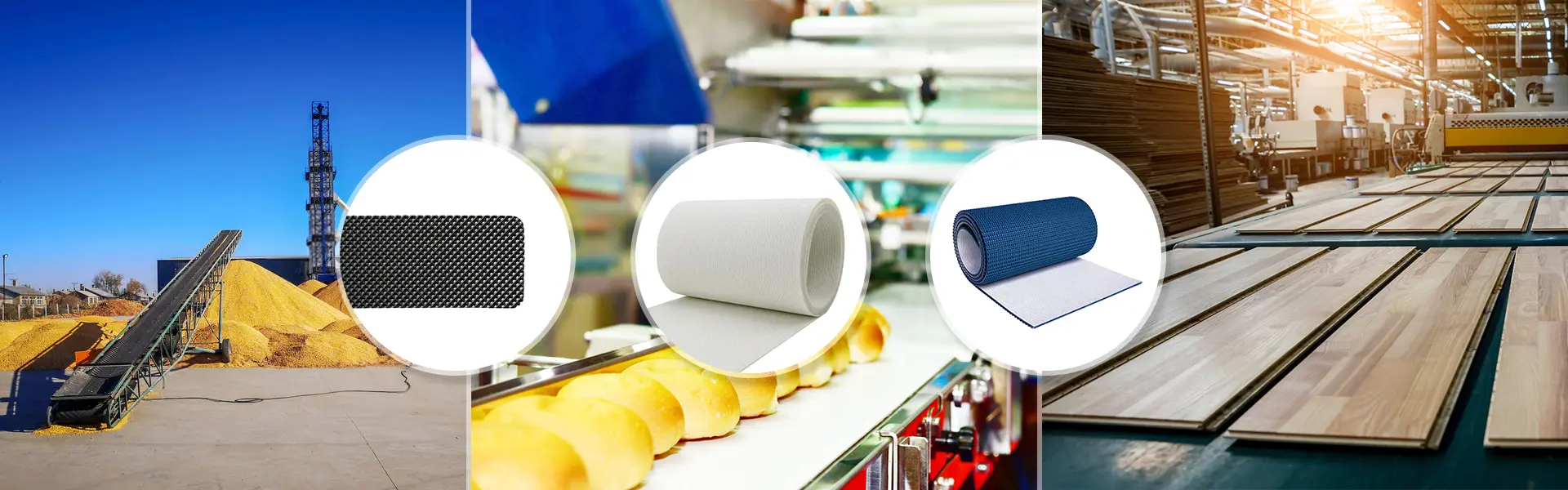
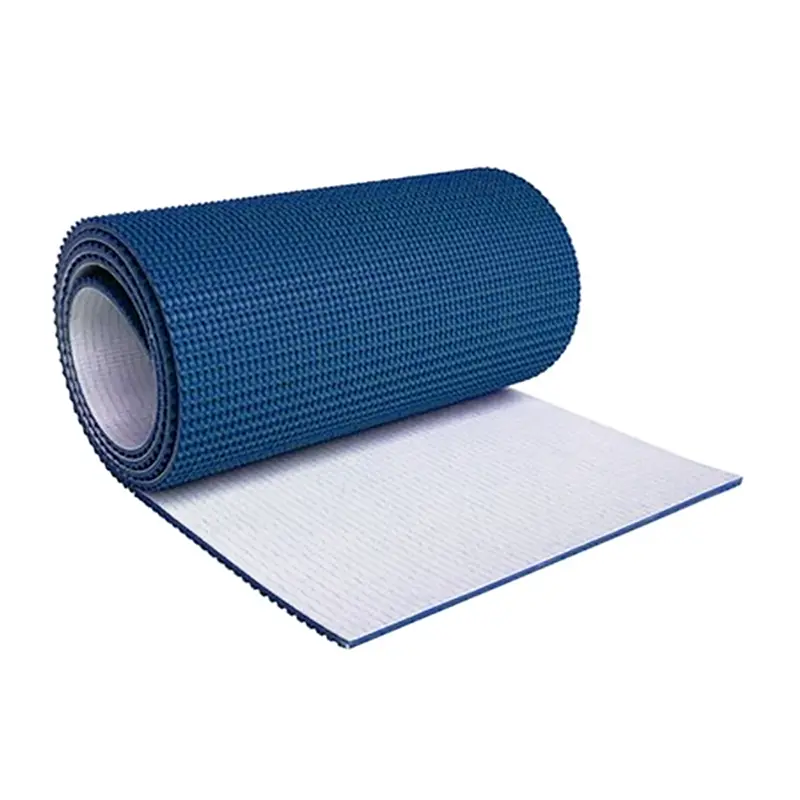
SHUNNAI supplies customized Logistics Conveyor Belt solutions for express sorting centers, e-commerce warehouses, parcel distribution hubs and loading docks. Buyers can choose PVK, PVC, PU or rubber constructions according to parcel weight, conveyor speed, roller diameter, operating environment and budget. SHUNNAI supports custom widths, thicknesses, surface patterns, guide strips and splice methods to help buyers match existing equipment and new conveyor projects.
Bending Fatigue Resistant, Scratch Resistant
Low Elongation, No Mis-Tracking
Full-Scenario Adaptation for Express Sorting and E-Commerce Warehousing
Low Elongation, No Mis-Tracking
Full-Scenario Adaptation for Express Sorting and E-Commerce Warehousing
Based in Tianjin, China, SHUNNAI manufactures PVC, PU, rubber, specialty and logistics sorting conveyor belts for material handling applications. Its Logistics Conveyor Belt range serves express delivery, e-commerce fulfillment, warehouse distribution and industrial logistics operations, where reliable conveying and consistent belt tracking are important to daily throughput.
For high-frequency parcel handling, the right belt must do more than move goods from one point to another. It should work with the conveyor's roller diameter, belt speed, parcel characteristics and routing layout. SHUNNAI helps buyers evaluate these factors before selecting a replacement belt or specifying a new system, with material options designed for different load levels and operating conditions.
Match the Belt to the Conveyor Layout
Warehouse and parcel-handling systems often combine straight conveyors, curves, inclines, transfer points and sorting equipment. A belt that works well on a straight section may not perform equally well around small pulleys or through a curved conveying path. Before choosing a replacement, buyers should confirm the conveyor type, roller or pulley diameter, belt width, running speed and required direction of travel.
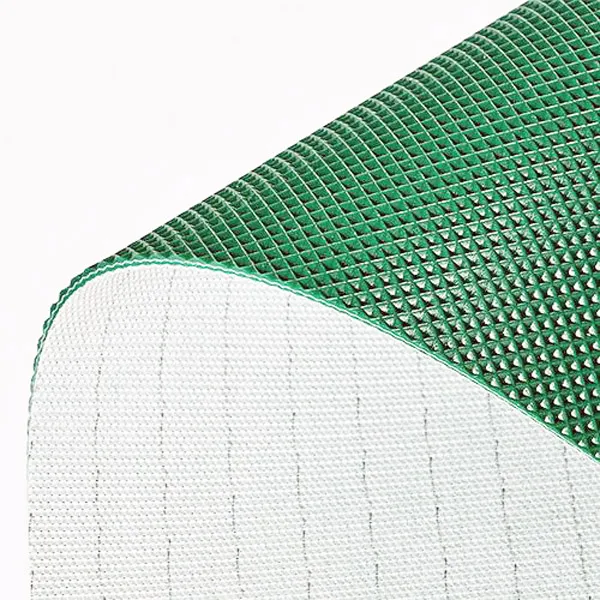
For curved sections, belt flexibility and compatibility with the conveyor design are especially important. Incline conveyors may require a patterned surface to improve parcel grip, while transfer areas may benefit from a suitable combination of belt conveyors and roller sections. SHUNNAI can assess these requirements and recommend a configuration based on the equipment layout rather than selecting a belt by material name alone.
Compare Four Belt Materials
Different logistics operations create different demands. The appropriate material depends on parcel weight, friction, operating speed, cleanliness requirements and the expected frequency of use.
PVK for Intensive Sorting
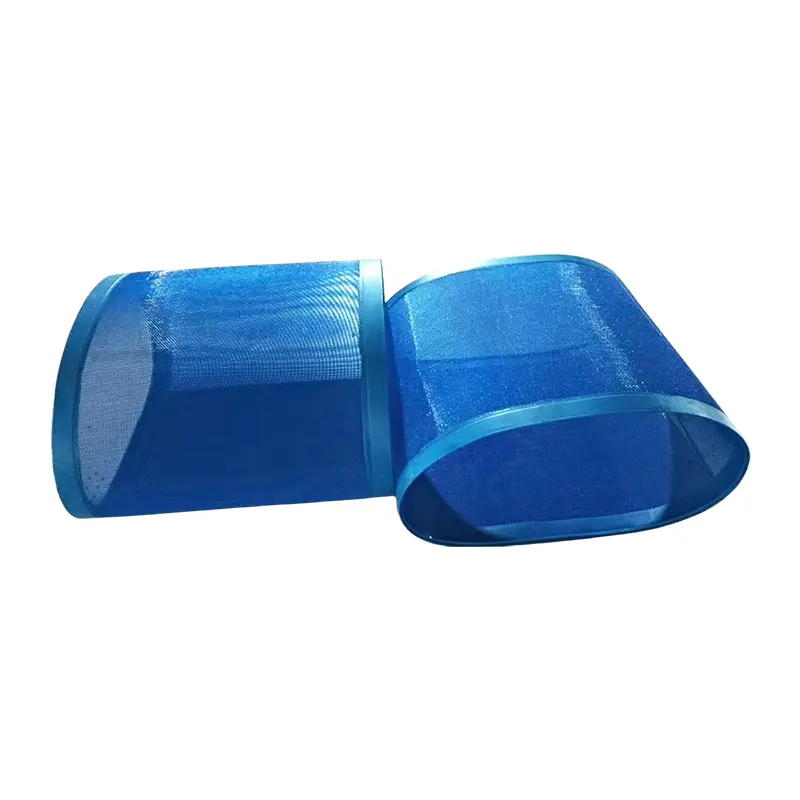
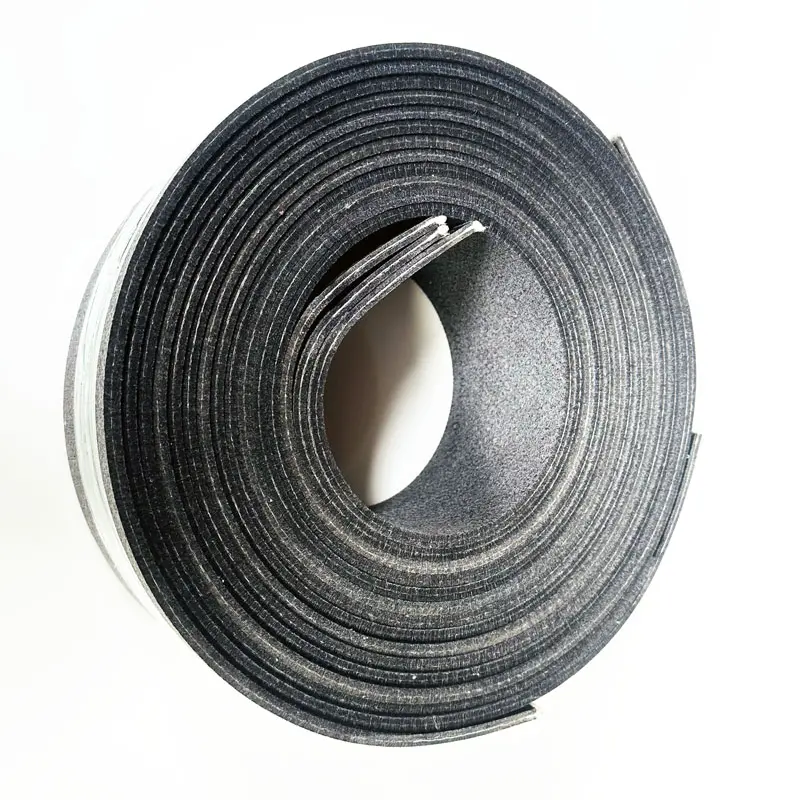
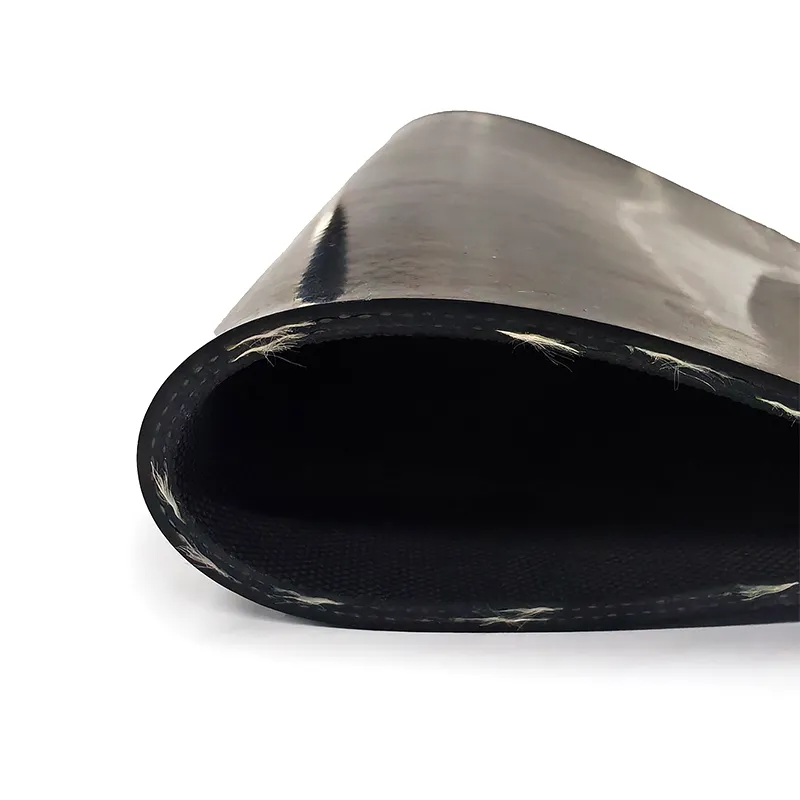
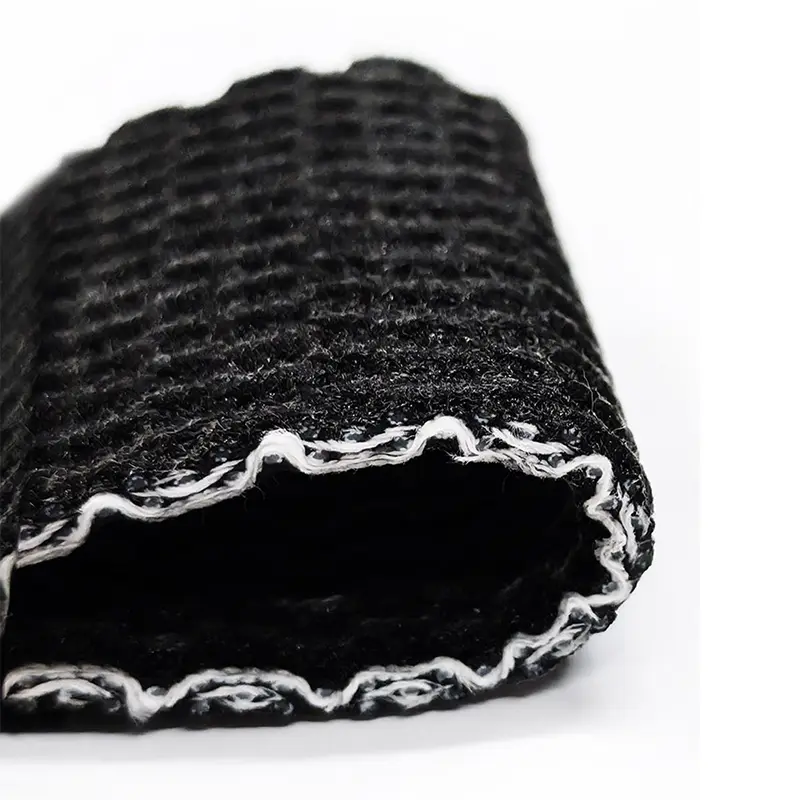
PVK belts use a solid-woven carcass with a wear-resistant impregnated surface. They are suitable for demanding parcel sorting applications where repeated contact, surface abrasion and frequent bending are concerns. Buyers operating large distribution centers or high-throughput sorting lines can consider PVK when durability is a priority. Actual service life depends on belt specifications, installation and operating conditions.
PVC for General Warehousing
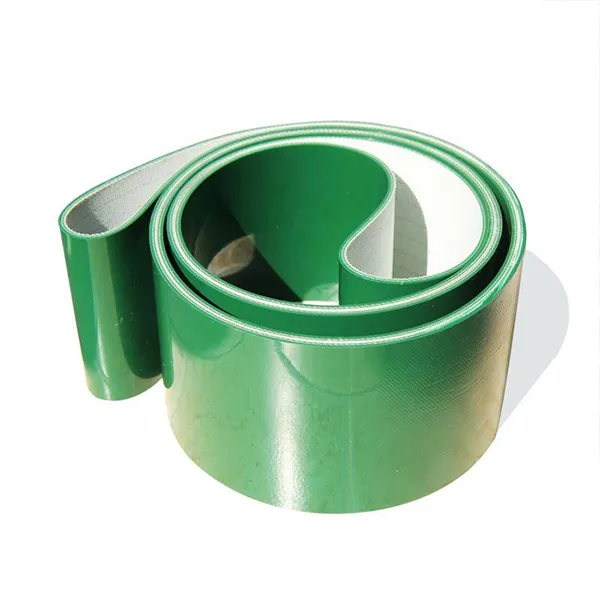
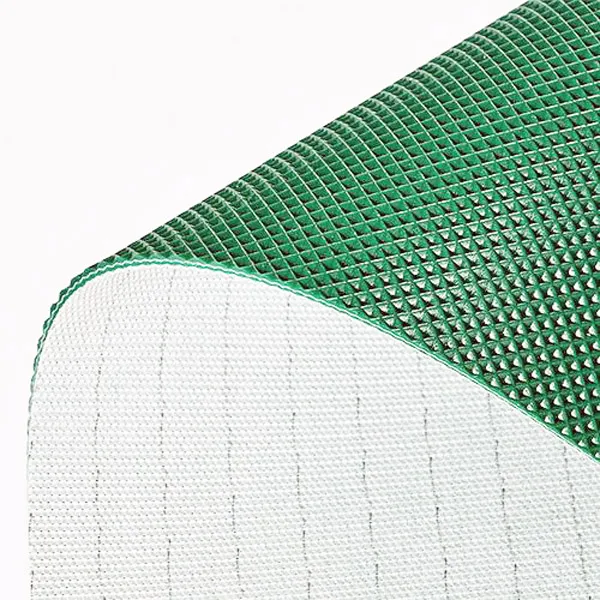
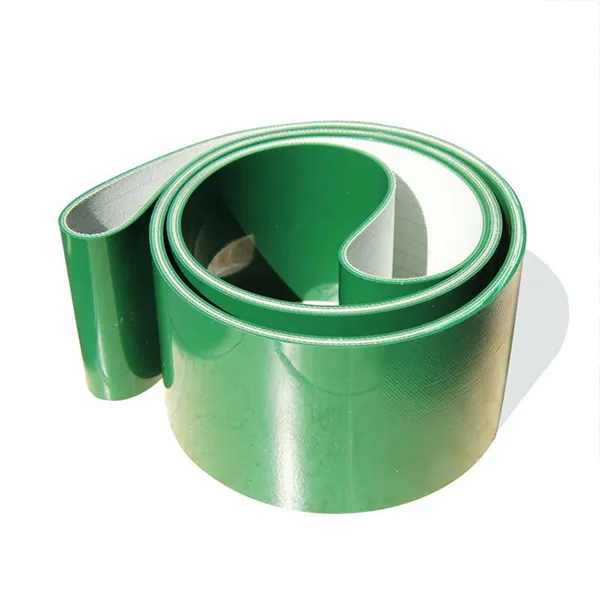
PVC belts are a practical option for many light-to-medium-duty conveying tasks in e-commerce warehouses and parcel handling areas. Their flat surface supports routine carton movement, and selected constructions can be supplied with patterned surfaces or antistatic properties where available and specified. PVC is often considered when buyers need a balance between everyday performance and purchase cost.
PU for Clean Handling
PU belts are worth considering for applications that require a smooth, cleanable conveying surface and stable handling of smaller items. They may be suitable for selected food logistics, pharmaceutical distribution and precision sorting operations, subject to the required material grade and applicable regulatory documentation. Buyers should confirm the specific belt's suitability for the intended environment before ordering.
Rubber for Heavier Loads
Rubber belts are suitable for certain heavy-duty logistics tasks, including pallet handling, loading docks and areas where goods may create higher impact or abrasion. Buyers should confirm the total load, impact conditions, pulley dimensions and conveyor drive capacity to ensure the belt construction is appropriate for the system.
Check These Operating Requirements
When comparing a logistics conveyor belt, buyers should look beyond the initial price. Several technical factors influence tracking stability, maintenance frequency and the risk of interruptions during sorting.
Bending flexibility: Frequent circulation around rollers and pulleys places repeated stress on the belt. Confirm that the selected construction is suitable for the system's pulley diameters and operating cycle.
Surface wear resistance: Carton edges, parcel straps and repeated sliding contact can gradually wear the belt surface. The required wear resistance depends on parcel materials, contact pressure and daily throughput.
Dimensional stability: Belt elongation affects tension, tracking and maintenance requirements. Ask the supplier for relevant elongation data and recommended tensioning conditions for the proposed specification.
Surface flatness and splice quality: An uneven surface or raised splice can disturb parcel movement at transfer points. A suitable splice method and proper installation help maintain a more consistent conveying surface.
Tracking performance: Belt wandering can cause edge wear, damage and unexpected stops. Correct belt dimensions, pulley alignment, tension and conveyor condition all contribute to stable tracking.
Static control: In environments where static electricity can affect dust attraction, parcel handling or electronic equipment, buyers should specify whether an antistatic belt is required and request supporting technical data.
Noise and temperature: Operating noise and temperature tolerance depend on the belt material, conveyor structure, load and surrounding conditions. Confirm the actual operating range before choosing a belt for specialized environments.
Customer Feedback from Logistics Sites
Equipment Supervisor Liu, an express distribution center in Zhejiang:
“Our cross-belt sorting line runs 24 hours non-stop. We originally used ordinary PVC belts, which fuzzed and delaminated within three months. After switching to SHUNNAI PVK conveyor belts, they have run for nearly a year with the surface still intact and no particle shedding. Sorting accuracy improved and parcel jamming decreased. Although the unit price is higher, the overall cost is actually lower.”
Section Chief Wang, equipment, an e-commerce warehouse in Guangdong:
“Small and medium sorting line, limited budget. SHUNNAI recommended PVC flat belts. The surface is flat, small parcels run smoothly, and scanning recognition rate is high. After more than half a year, no mis-tracking. The splice is heat-fused, flat with no protrusions, and no parcel jamming. Very satisfied with the cost-effectiveness.”
Site Manager Li, a logistics loading and unloading center in Shandong:
“The loading dock handles many heavy goods. Pallets and cartons move together, and belts are easily scratched. SHUNNAI’s rubber conveyor belt has strong load capacity and resists edge scraping. After nearly a year, no tearing. The splice is firm, and heavy impacts have not caused cracking. Maintenance is simple – just check tension regularly.”
Plan for Installation and Maintenance
Even a well-selected belt can experience premature wear if it is incorrectly installed or used with unsuitable conveyor settings. Before replacing a belt, inspect the system as well as the belt itself. This helps buyers distinguish between a material problem and a mechanical issue.
Before installation: Measure the existing belt width and length, check pulley and roller diameters, and inspect the conveyor frame for misalignment or damage. Confirm the required running direction and the type of splice needed for the equipment.
During commissioning: Check belt tracking at low speed before returning the line to normal operation. Adjust tension according to the equipment and belt supplier's instructions, and observe the belt at curves, transfer points and incline sections.
During routine operation: Inspect belt edges, surface wear, splice condition and tracking. Remove accumulated debris where appropriate, and investigate unusual noise, repeated belt drift or visible surface damage rather than relying on tension adjustments alone.
When failures repeat: Record the affected conveyor section, load conditions, operating speed and failure pattern. These details help the supplier determine whether a different belt material, splice method, surface pattern or conveyor adjustment is needed.
Confirm Specifications Before Ordering
Providing complete technical information helps reduce quotation delays and the risk of ordering a belt that does not fit the equipment. When requesting a customized logistics conveyor belt, buyers should prepare the following details whenever possible:
Equipment information: Conveyor type, equipment model or drawing, pulley and roller diameters, conveyor length, belt width and installation space.
Operating conditions: Parcel or product weight, typical dimensions, maximum load, conveying speed, daily operating hours and whether the line includes curves, inclines or transfer points.
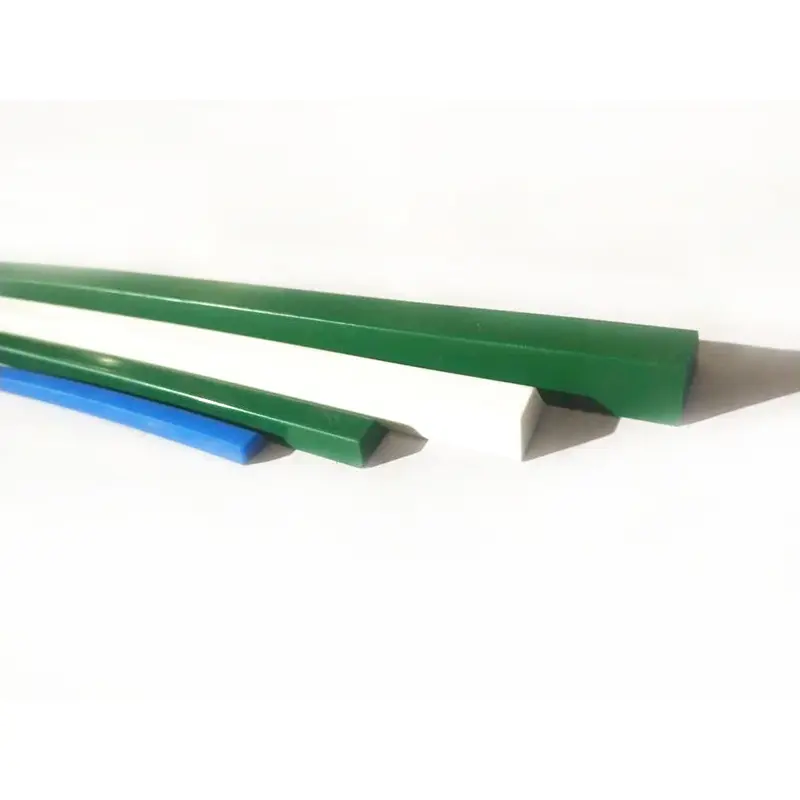
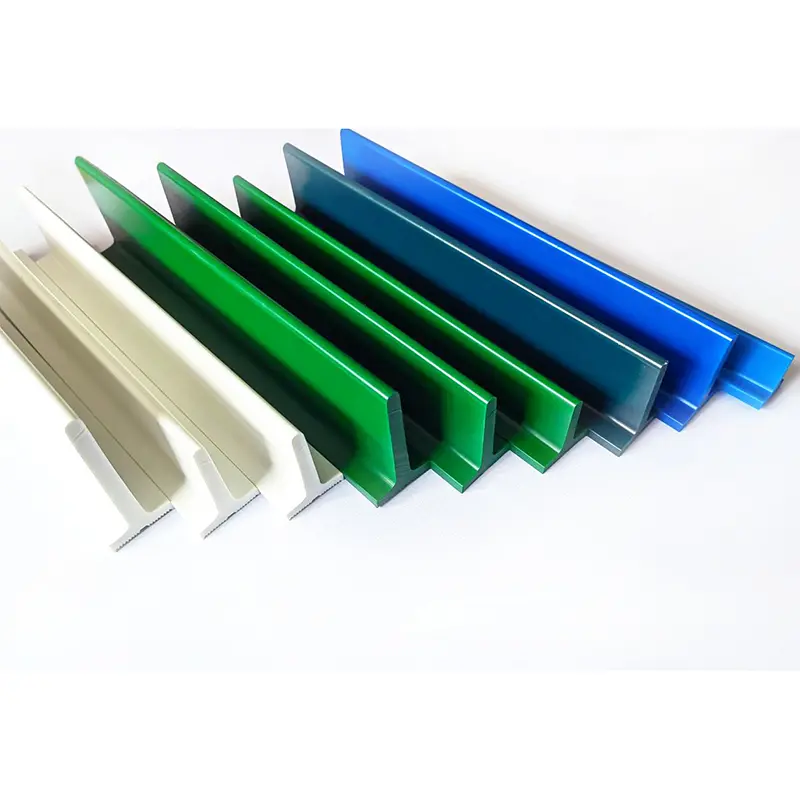
Belt requirements: Preferred material, thickness, surface pattern, color, antistatic requirements, guide strips, sidewalls and splice type.
Commercial requirements: Order quantity, destination market, packaging requirements, delivery schedule and any documentation needed for the intended application.
If the original belt is available, buyers can also provide clear photos of the belt surface, splice, markings and installation position. Where possible, include a drawing or sample so SHUNNAI can review the dimensions and application before confirming the specification.
Quality Documentation and Custom Options
SHUNNAI provides conveyor belt solutions for a range of industrial and logistics applications. The company identifies FDA, MA, CNAS and ISO 9001 among its certifications and quality credentials. Their scope and applicability may differ by product, facility or intended use, so buyers should request the relevant documentation and confirm that it covers the specific belt and destination-market requirements.
Customization may include belt width and thickness, surface pattern, color, guide strips, sidewalls and splice method, subject to the selected material and construction. Before mass production, buyers should confirm the approved dimensions, technical requirements, quantity and any inspection or documentation conditions. This is particularly important for replacement belts used on existing sorting equipment.
Frequently Asked Questions
Can one belt material be used throughout an entire sorting system?
Not always. Straight conveying, curved sections, incline transport and heavy-load transfer points may have different requirements. Selecting each belt according to its operating section can be more suitable than using one material across the entire system.
What information is needed to replace an existing belt?
Provide the belt width, length, thickness, material, splice type and relevant pulley dimensions. Equipment drawings, photos and details about the operating load and speed can help the supplier check compatibility before production.
Why does a belt keep moving toward one side?
Possible causes include pulley misalignment, uneven tension, frame distortion, uneven loading or belt damage. Check the conveyor system and installation conditions before assuming that the belt material itself is responsible.
Which belt is suitable for an incline conveyor?
The right choice depends on the incline angle, parcel weight, underside support and surface friction required. A patterned belt may improve grip in some applications, but the pattern and material should be selected according to actual conveying conditions.
Can a replacement belt improve scanning and parcel transfer?
A suitable belt with a stable surface and properly finished splice can help reduce bumps at transfer points. Scanning performance also depends on scanner setup, parcel spacing, lighting, conveyor alignment and system calibration, so belt replacement alone cannot guarantee a specific recognition rate.
Are antistatic belts necessary in warehouses?
That depends on the goods handled, electronic equipment, dust conditions and facility requirements. If static control is important, specify it when requesting a quotation and ask for technical data confirming the properties of the proposed belt.
Contact SHUNNAI for a Belt Recommendation
If you are sourcing a replacement belt or planning a new parcel handling line, SHUNNAI can help evaluate material options and customization requirements. Share your conveyor layout, belt dimensions, operating speed, load range and application details to receive a more relevant recommendation and quotation.
As a China-based manufacturer and supplier, SHUNNAI supports buyers looking for a logistics conveyor belt for express sorting, e-commerce warehousing, parcel distribution and loading operations. Contact our team with your specifications, drawings or sample details to discuss a suitable solution for your equipment.
Send Inquiry
Contact Info
-
Address
No.129 Qingfeng Road, Jizhou District, Tianjin City, China
-
Tel
-
Email
If you have any inquiry about a quotation or cooperation, please feel free to email or use the following inquiry form. Our sales representative will contact you within 24 hours.
News Recommendations