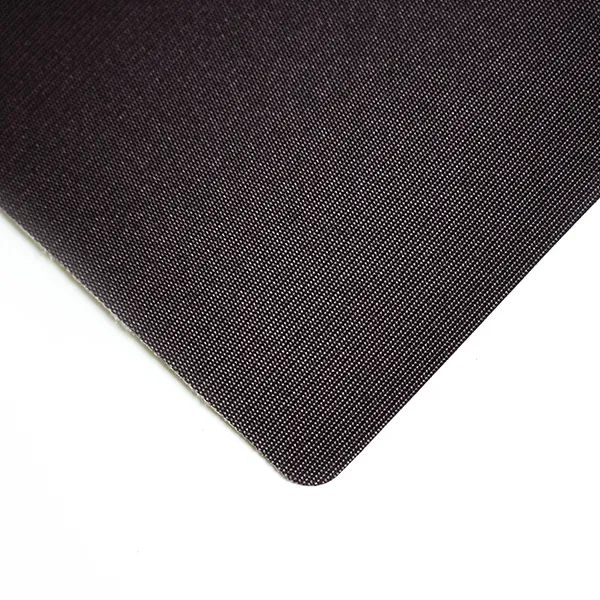
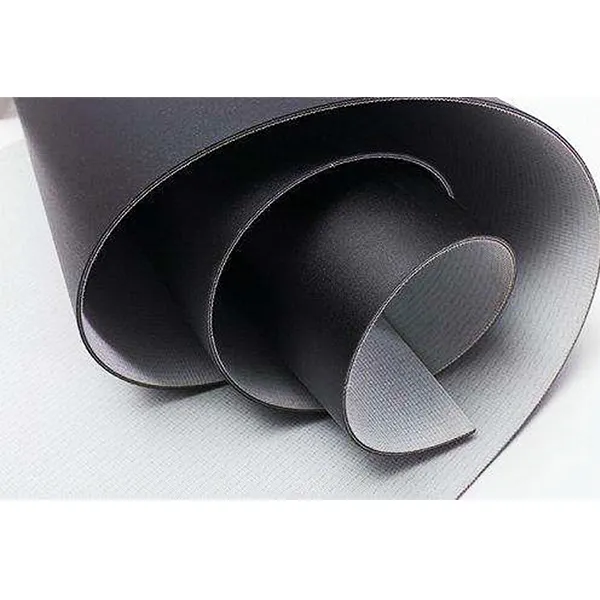
Labeler Conveyor Belt
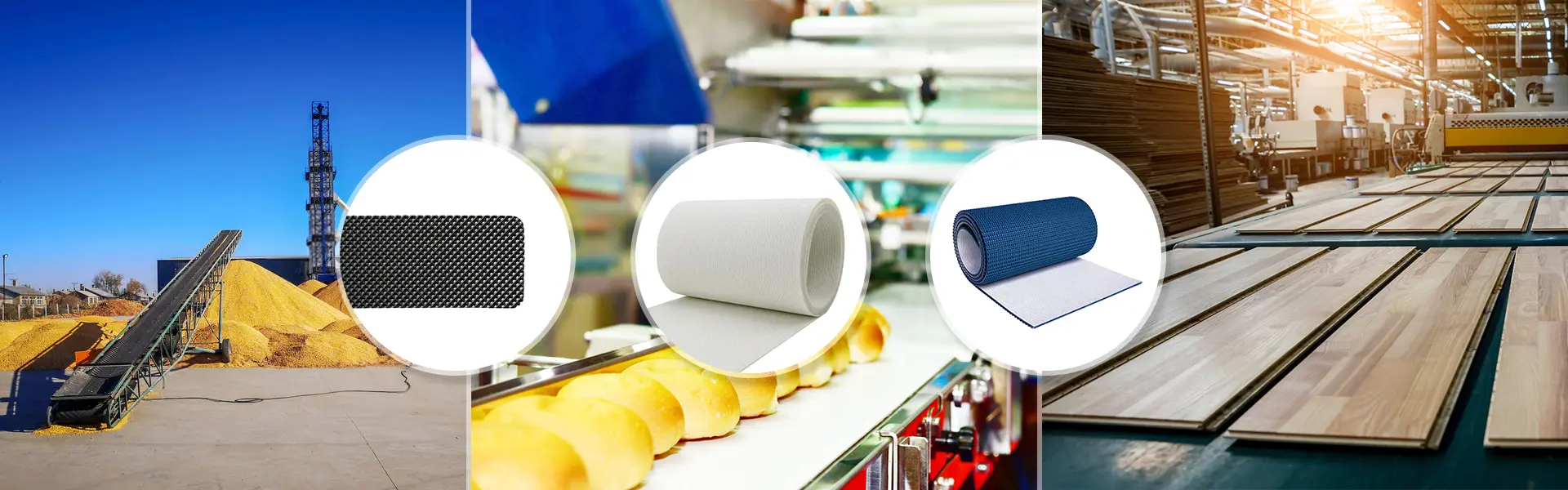
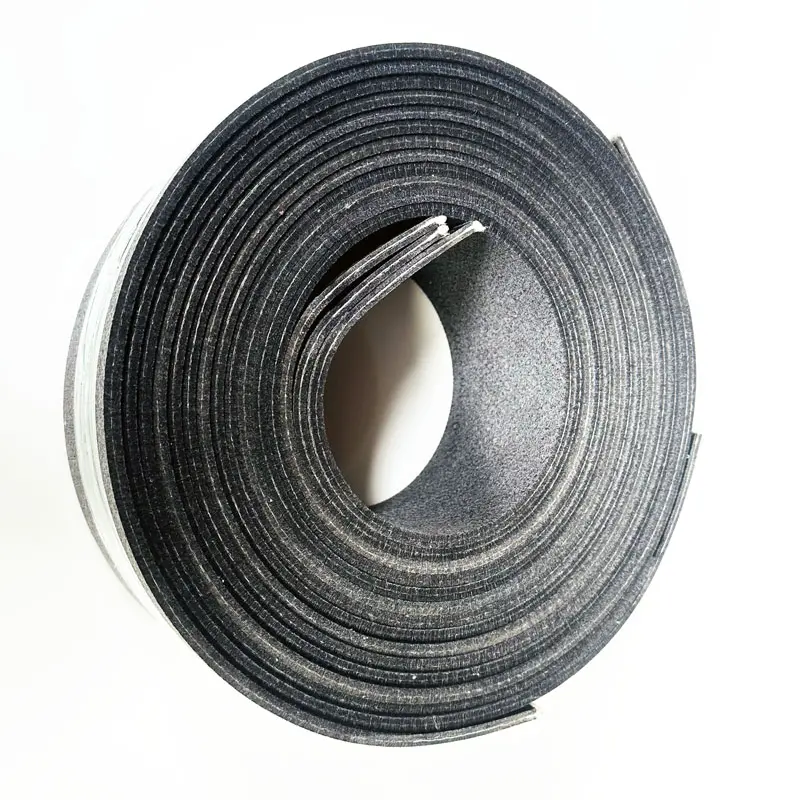
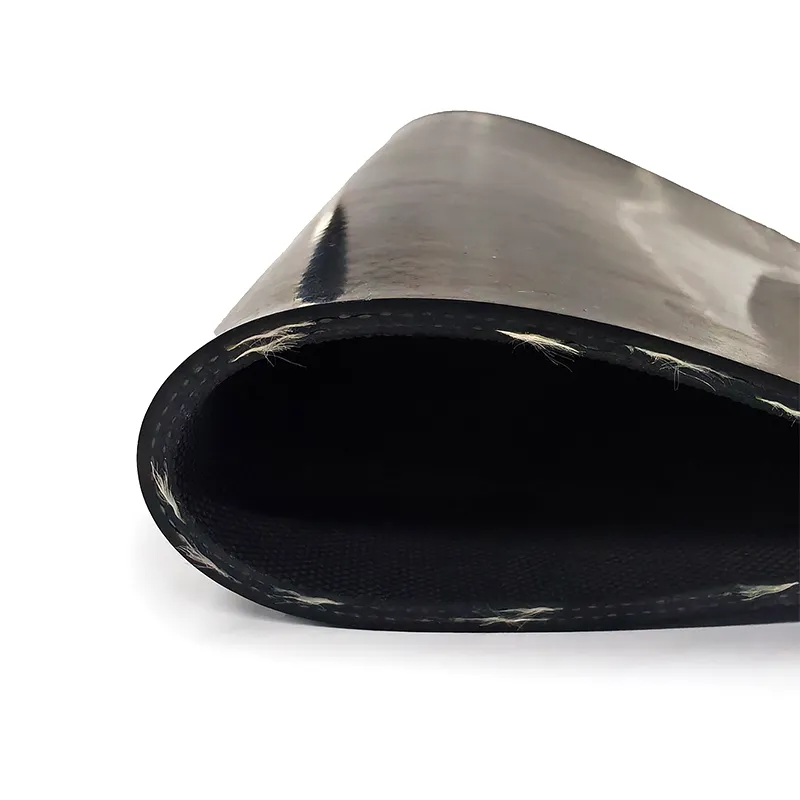
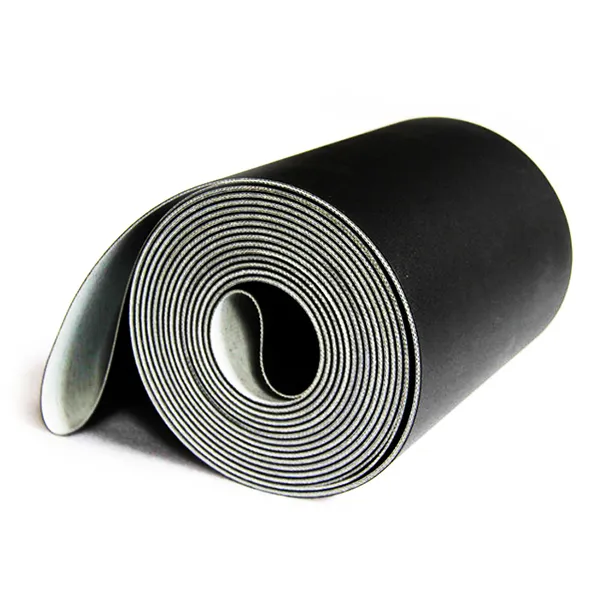
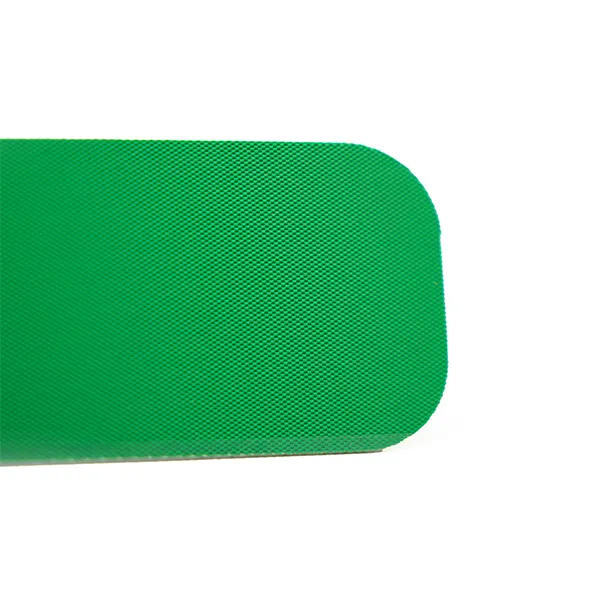
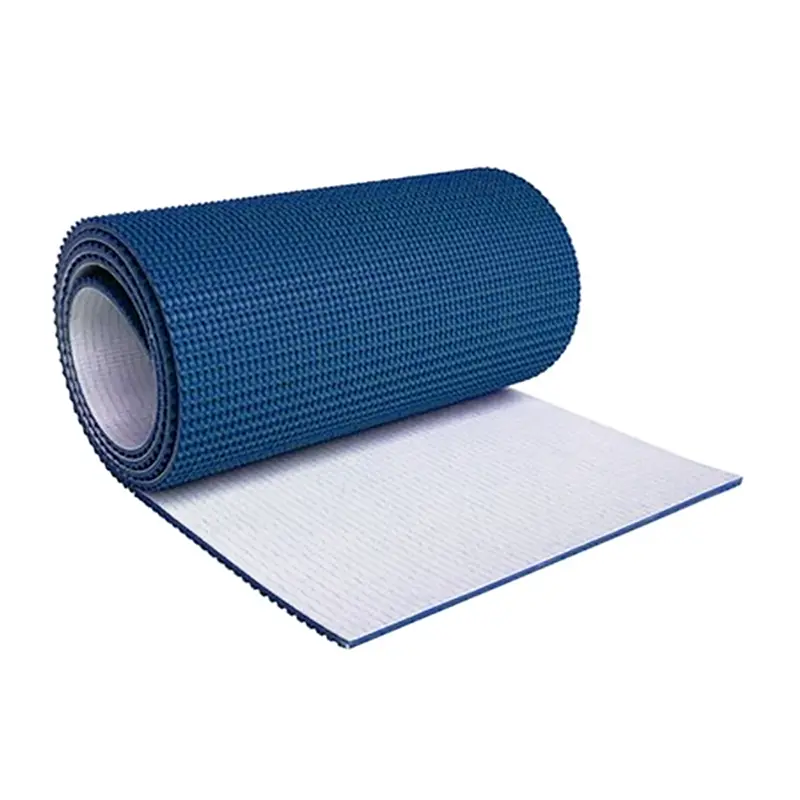
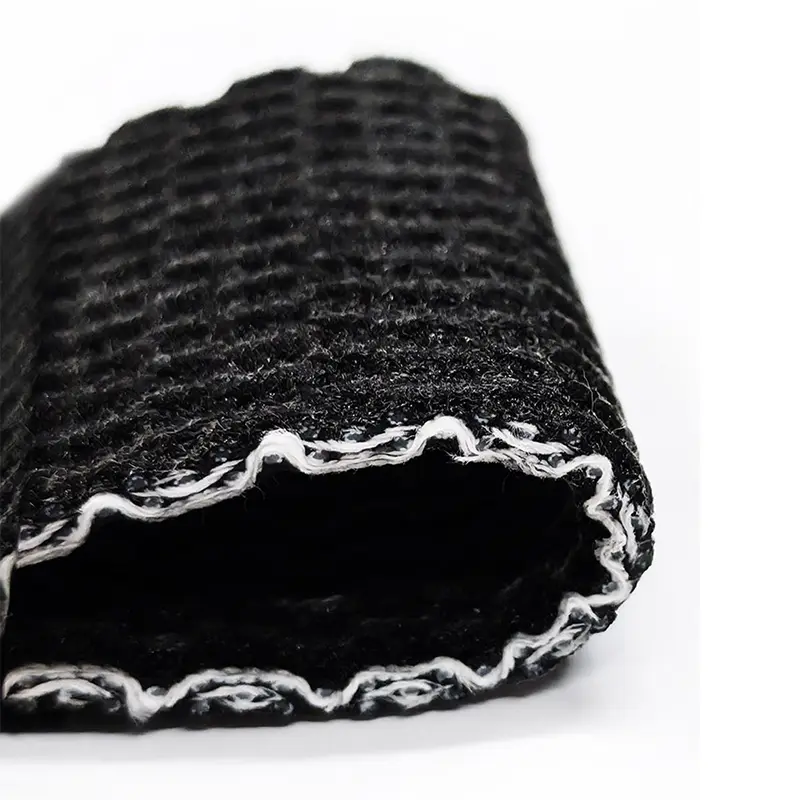
SHUNNAI is a China-based conveyor belt manufacturer offering customized solutions for automatic labeling machines. Buyers looking for a reliable labeler conveyor belt supplier can choose PVC, PU, vacuum perforated, foam-laminated, or anti-static options according to packaging type, machine speed, and production environment. Custom dimensions, surface textures, and splice configurations help meet the requirements of flat labeling, round bottle labeling, and horizontal labeling equipment.
Flat and Stable
Precise Positioning
Anti-Static and Non-Stick
Precise Positioning
Anti-Static and Non-Stick
Tianjin Shunnai Conveyor Belt Manufacturing Co., Ltd. integrates R&D, design, production, and sales of industrial conveyor belts. Established in 2007 and based in Tianjin, China, SHUNNAI supplies PVC, PU, rubber, and specialty belts for different production applications. Its Labeler Conveyor Belt range supports flat labeling machines, round bottle labelers, vacuum adsorption feeding systems, and horizontal labeling equipment.
Buyers can select belt materials and surface treatments according to package shape, friction requirements, conveying speed, and static control needs. Options include matte surfaces, grooves, perforations, foam layers, and anti-static modifications, subject to the selected belt construction. Custom belt dimensions and splice methods can also be evaluated against the machine design to support stable feeding and accurate label placement.
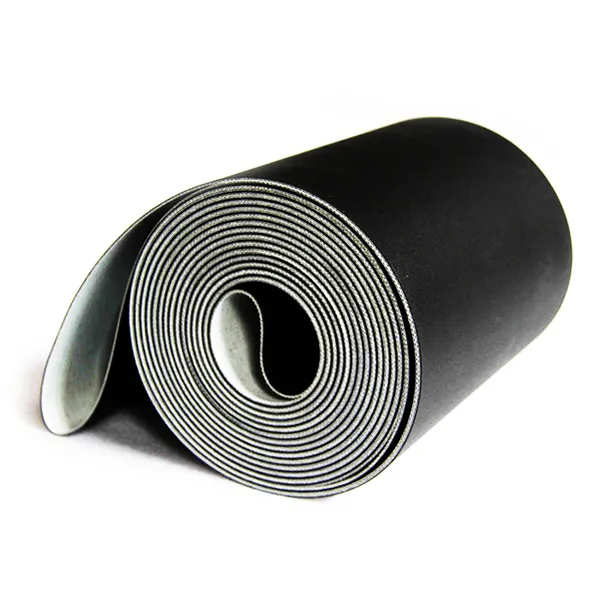
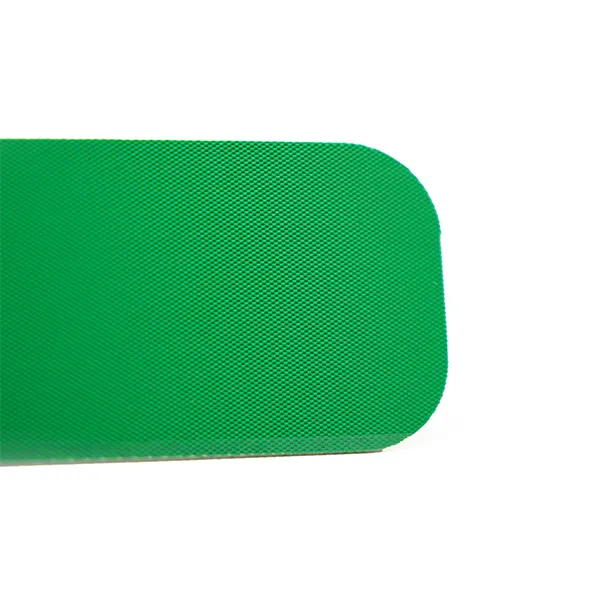
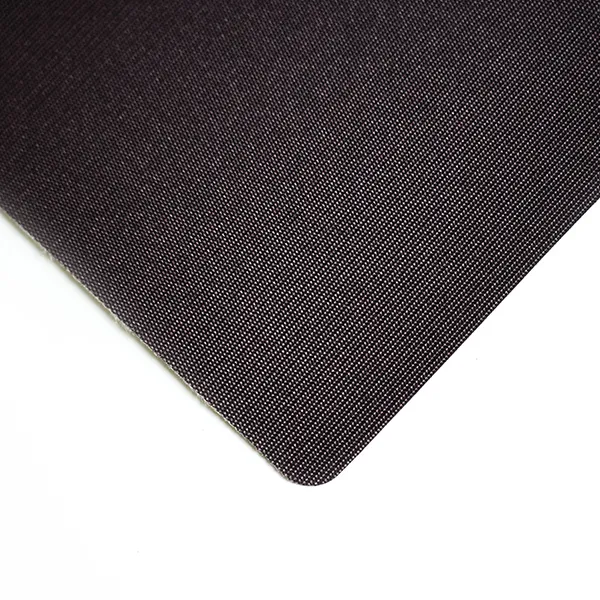
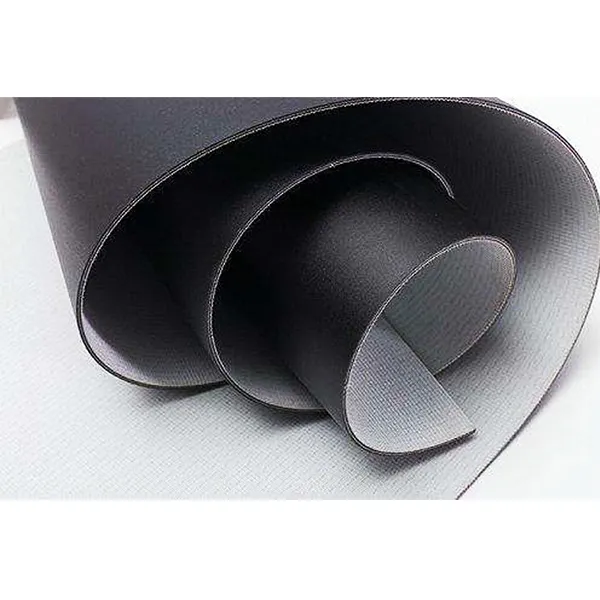
Keep Products Aligned at the Labeling Head
Label placement depends on more than the accuracy of the labeling unit. Products must reach the label applicator in a repeatable position and at a speed that matches the machine's operating cycle. Belt surface unevenness, lateral movement, excessive vibration, or inconsistent product spacing can cause labels to shift, wrinkle, or miss their intended position.
For flat cartons and packaging bags, a uniform belt surface helps maintain consistent support as products pass the labeling head. Round bottles may require a higher-grip surface and suitable side guides to reduce unwanted movement. Small packages and lightweight products need particular attention to transfer gaps and acceleration, since even slight movement can affect label placement. SHUNNAI recommends evaluating the belt together with the machine's guides, rollers, sensors, and product-handling method rather than treating it as an isolated component.
Choose a Surface for Each Package
The right surface should provide enough traction to move products consistently without creating unnecessary drag or damaging soft packaging. A smooth belt may suit rigid cartons, while a matte or textured surface can help improve grip for selected bottle and container applications. Soft foam layers may be considered where cushioning is required, provided the construction is compatible with the product, cleaning routine, and machine settings.
| Package or application | Possible belt configuration | Selection consideration |
|---|---|---|
| Flat cartons and boxes | PVC or PU with a suitable flat surface | Surface uniformity and consistent feeding |
| Round bottles and containers | PU or PVC with a selected grip texture | Traction, bottle stability, and guide compatibility |
| Thin paper and lightweight packaging | Perforated vacuum adsorption belt | Hole layout, suction level, and material porosity |
| Soft bags and flexible packs | Suitable matte surface or vacuum belt | Preventing slip, folding, and edge lifting |
| Plastic bottles and tubes | Anti-static belt where required | Static control and surface-resistance requirements |
| Bottle clamping and pressing sections | Foam-laminated or cushioned belt where compatible | Contact pressure and package appearance |
These configurations are starting points, not universal specifications. The best choice depends on package weight, bottom geometry, line speed, contact area, cleaning requirements, and the labeling machine's feeding mechanism. Where label positioning is sensitive, testing with the actual package is recommended before confirming a production order.
Vacuum Feeding for Thin Materials
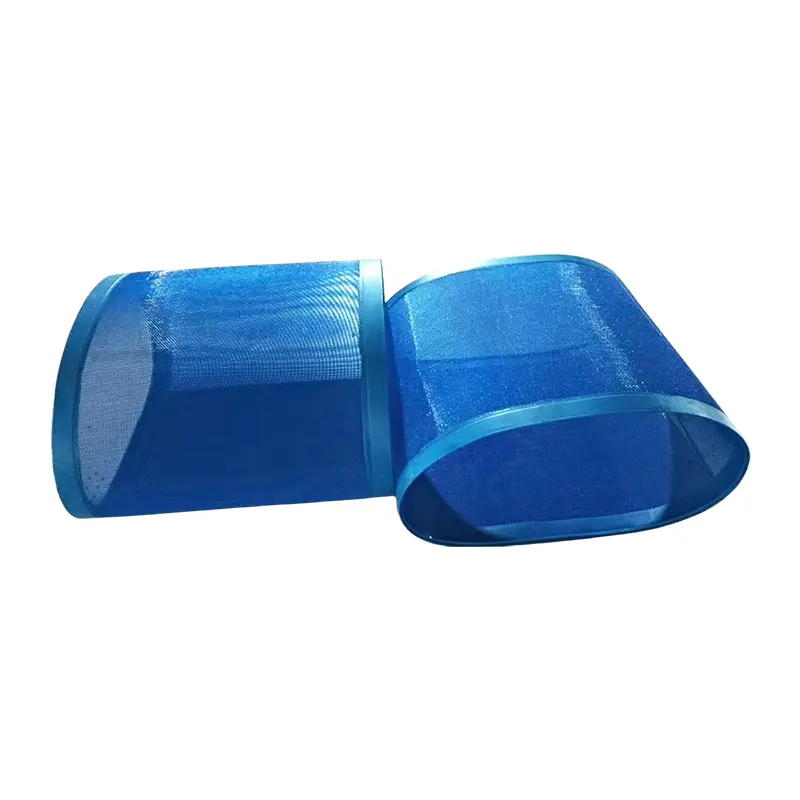
Paper sheets, lightweight cartons, and flexible packaging can lift at the edges or shift as they approach the labeling head. A perforated vacuum adsorption belt uses negative pressure to hold compatible materials against the conveying surface. When the vacuum system, hole pattern, and belt speed are properly matched, the material can remain more stable during feeding.
Before ordering a vacuum belt, confirm the existing vacuum table or chamber dimensions, required hole positions, suction-zone layout, belt thickness, and direction of travel. The porosity and stiffness of the conveyed material also matter: highly porous materials may require a different vacuum arrangement from non-porous packaging. Hole edges and surface condition should be suitable for the material being handled, especially when visible marks or damage are unacceptable.
A vacuum belt cannot correct every feeding problem. Leaks, blocked holes, uneven suction, incorrect belt tension, or poor transfer between machine sections may still cause displacement. If the current system has unstable feeding, provide the machine drawing and vacuum layout so the belt construction can be checked against the equipment.
Control Stretch, Tracking, and Splice Wear
Continuous labeling lines may run for long periods, so belt elongation and tracking stability can affect production consistency. Excessive stretch changes the effective belt circumference and may require repeated tension adjustments. Poor tracking can cause edge wear, contact with machine components, and inconsistent product movement.
When replacing a belt, verify its circumference, width, thickness, splice style, pulley diameter, and installation tension. The splice should be compatible with the selected material and sufficiently even for the machine's transfer conditions. A seamless or low-profile joint may be suitable for some applications, but the appropriate method depends on the belt construction, equipment design, and operating environment.
If a belt repeatedly moves to one side, check roller alignment, pulley condition, loading distribution, and the tracking system before assuming that the belt itself is the only cause. Regularly inspect the edges and splice for wear, and keep the belt and rollers free of adhesive residue or debris. These checks can help identify developing problems before they interrupt the labeling process.
Requirements Across Different Industries
Food and beverage packaging lines may prioritize cleanability and compatibility with the conveyed products. Pharmaceutical packaging environments may require controlled cleanliness and resistance to the approved cleaning agents used on site. Daily chemical and cosmetics lines often handle plastic bottles and tubes, where static electricity can interfere with product handling or label placement. Electronics and small-component labeling may place greater emphasis on dimensional stability, smooth movement, and accurate positioning.
The Labeler Conveyor Belt specification should reflect the actual process rather than relying on an industry label alone. Buyers should identify whether the belt directly contacts a product, what cleaning chemicals are used, whether static control is necessary, and whether there are documented food-contact or other compliance requirements. Any required material declarations, test reports, or certificates should be confirmed for the specific belt and intended use.
Customer Feedback from Packaging Lines
Beverage Filling Plant, Guangdong
“Our round bottle labeling line originally used ordinary PVC belts. Bottles kept slipping, and label positions drifted left and right. After switching to SHUNNAI anti-slip textured PU belts, bottles run very stably, and labeling accuracy improved. After more than half a year, the belt has not stretched, and frequent tension adjustment is no longer needed.”
Daily Chemical Company, Jiangsu
“Shampoo bottle labeling fears static the most – labels fly around and do not stick firmly. SHUNNAI recommended an anti-static conveyor belt with compliant surface resistance. Labels no longer float, and the labeling pass rate improved significantly. The belt surface is flat, and bottles pass the labeling head accurately.”
Pharmaceutical Packaging Plant, Shandong
“Medicine box labeling requires cleanliness, no debris. SHUNNAI’s food-grade PU belt does not shed particles and is easy to wipe, meeting our GMP workshop requirements. The vacuum adsorption version holds thin paper boxes very stably – no edge lifting, no displacement, labeling passes in one go.”
Check Machine Compatibility Before Ordering
A replacement belt should match the machine's mechanical dimensions and functional requirements. Before requesting a quotation for a Labeler Conveyor Belt, purchasing and maintenance teams can prepare the following information to reduce specification errors and installation delays.
| Details to confirm | Purpose |
|---|---|
| Labeling machine brand and model | Helps establish equipment compatibility |
| Belt width, circumference, and thickness | Confirms fit and replacement dimensions |
| Package type, size, and weight | Supports surface and feeding selection |
| Operating speed and working hours | Helps assess running and wear requirements |
| Pulley diameter and splice requirements | Supports joint and flexibility selection |
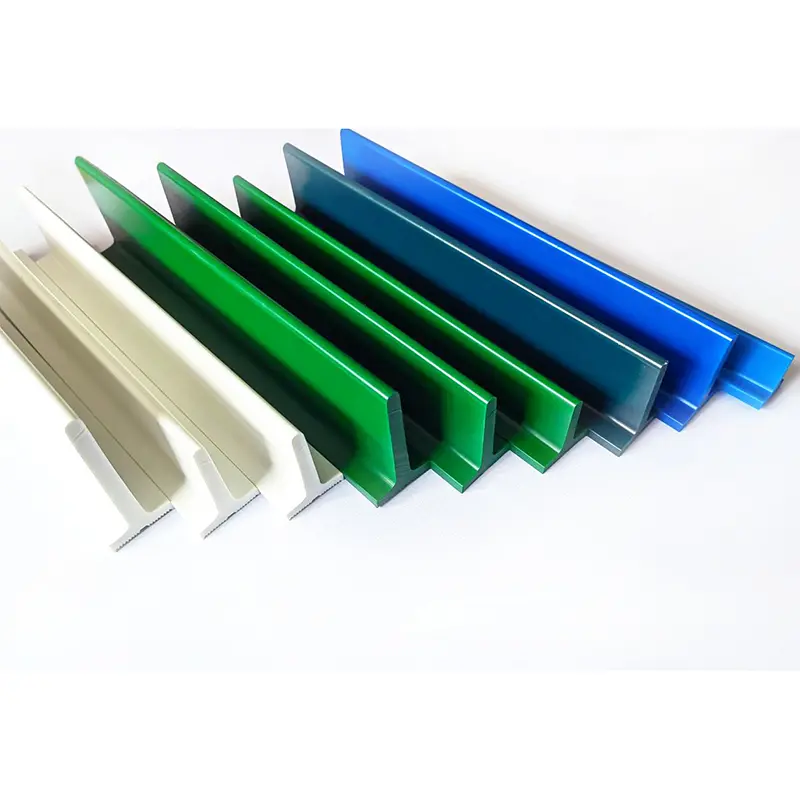
| Vacuum holes, guide strips, or foam layers | Identifies special construction requirements |
| Static control and cleaning requirements | Clarifies application-specific material needs |
If the original belt specification is unavailable, photographs of the installed belt, machine layout, splice, and underside can help. Measurements should be taken according to the machine manufacturer's instructions. For vacuum or anti-static applications, provide the existing hole layout or required electrical specifications wherever possible.
Customization and Quality Documentation
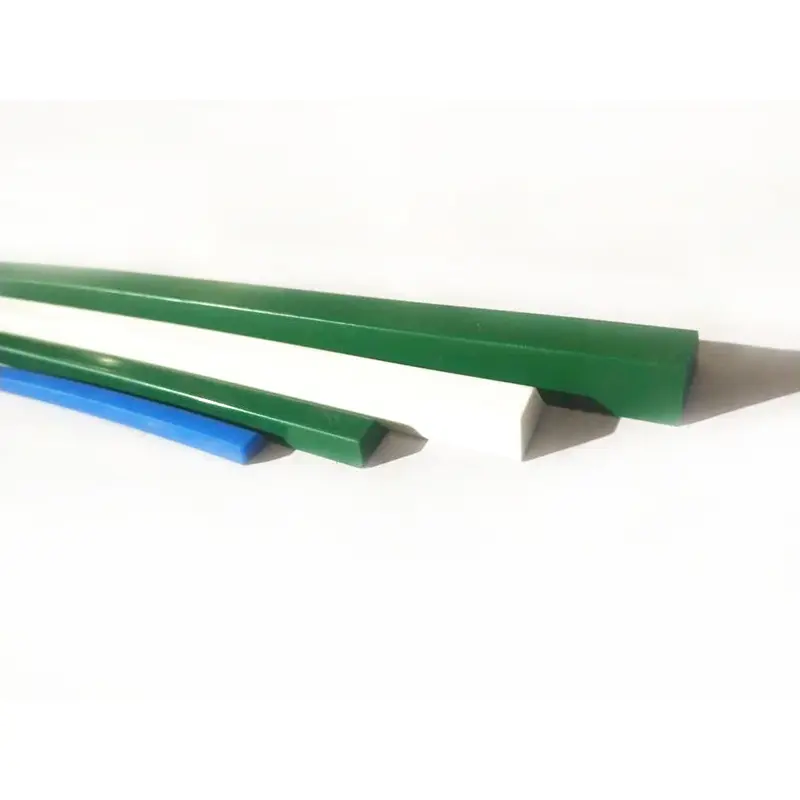
SHUNNAI offers industrial conveyor belt manufacturing and customization based on the selected material and application. Depending on the design, available options may include PVC or PU base materials, different surface finishes, perforations, foam layers, guide strips, anti-static properties, and suitable splice configurations. Final availability should be confirmed against the machine dimensions and intended operating conditions.
SHUNNAI identifies FDA, MA, CNAS, and ISO 9001 among its certifications or quality-related credentials. These items have different scopes and should not be interpreted as blanket approval for every belt type or application. Buyers should request the relevant documentation and verify its applicability to the selected product, especially where food-contact, pharmaceutical, or other regulated-use requirements apply.
Frequently Asked Questions
Can I use the same belt for round bottles and flat cartons?
Not always. Round bottles and flat cartons differ in their contact area, stability, and traction needs. A belt suitable for cartons may not provide enough grip for a bottle-labeling application. Confirm the package geometry, guides, and machine feeding method before selecting one belt for multiple products.
When should I choose a vacuum adsorption belt?
Consider vacuum adsorption when thin paper, lightweight cartons, or flexible materials lift at the edges or shift during feeding. The vacuum system must be compatible with the belt hole layout and the material's air permeability. Check suction performance and transfer conditions before deciding whether a vacuum belt is necessary.
Does an anti-static belt prevent labels from lifting or flying away?
It may help reduce static-related handling problems when static electricity is a contributing factor. However, label adhesion also depends on the label adhesive, packaging surface, humidity, and application settings. Confirm the required surface-resistance range and test the belt under actual production conditions.
How can I identify the cause of repeated belt tracking problems?
Inspect pulley alignment, roller condition, belt tension, loading distribution, and the tracking mechanism. Also check for uneven wear or a damaged splice. Correcting the underlying mechanical issue may be necessary even when a replacement belt is installed.
What should I provide if I do not know the belt material?
Send the machine model, belt measurements, photographs, package details, operating speed, and any visible wear or feeding problems. If available, include the original purchase specification or equipment manual. SHUNNAI can review the information and confirm which material and construction options are suitable.
Can I order a custom size for an older labeling machine?
Custom dimensions may be available depending on the belt type and construction. Provide the actual belt width, circumference, thickness, splice style, pulley dimensions, and any special features. Confirm the measurements before production to reduce the risk of installation problems.
Contact SHUNNAI for Belt Selection
If your labeling line experiences product slipping, inconsistent feeding, static-related handling problems, or frequent belt adjustments, SHUNNAI can help assess the application and review suitable belt configurations. Send the machine model, belt dimensions, package type, operating speed, and any special requirements for vacuum adsorption, anti-static performance, or cleaning.
Contact Tianjin Shunnai Conveyor Belt Manufacturing Co., Ltd. for product specifications, customization options, relevant quality documents, and a quotation based on your labeling equipment and production needs.
Send Inquiry
Contact Info
-
Address
No.129 Qingfeng Road, Jizhou District, Tianjin City, China
-
Tel
-
Email
If you have any inquiry about a quotation or cooperation, please feel free to email or use the following inquiry form. Our sales representative will contact you within 24 hours.
News Recommendations