

Food Processing Conveyor Belt
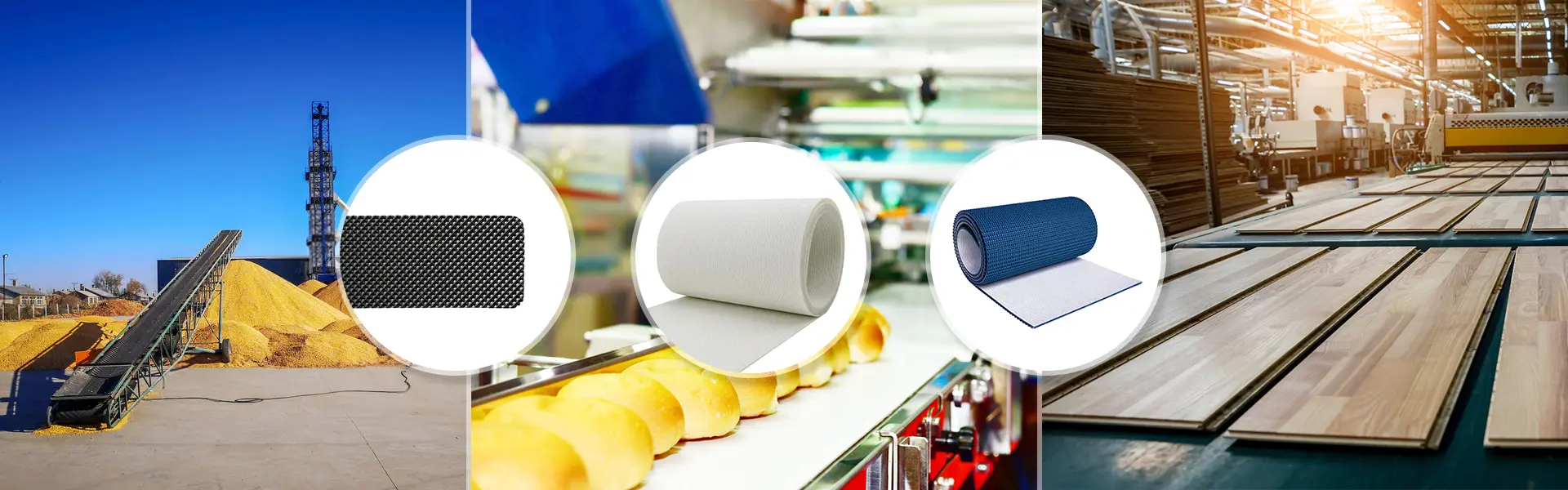
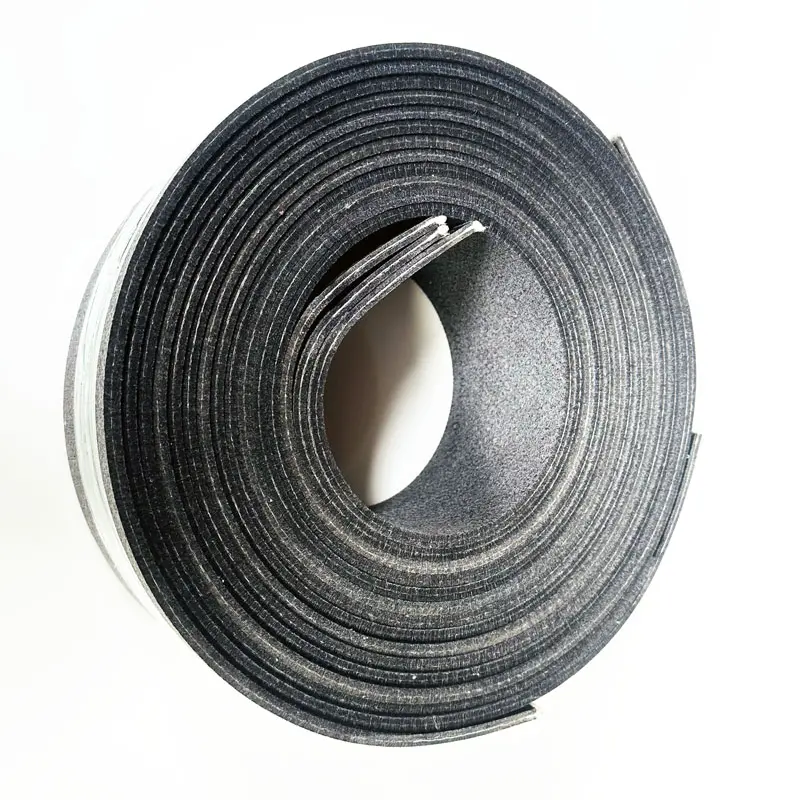
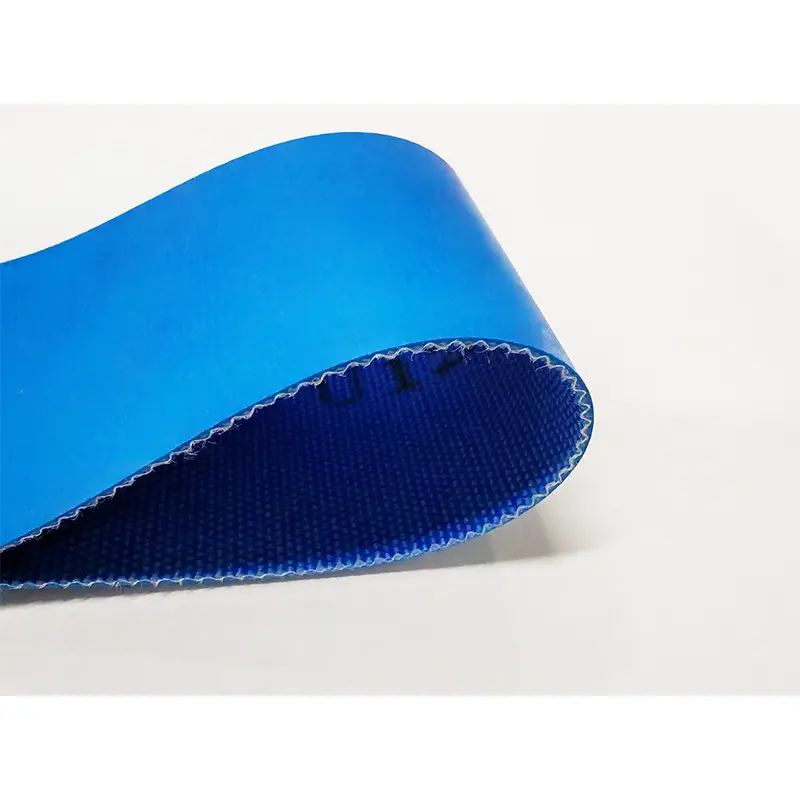
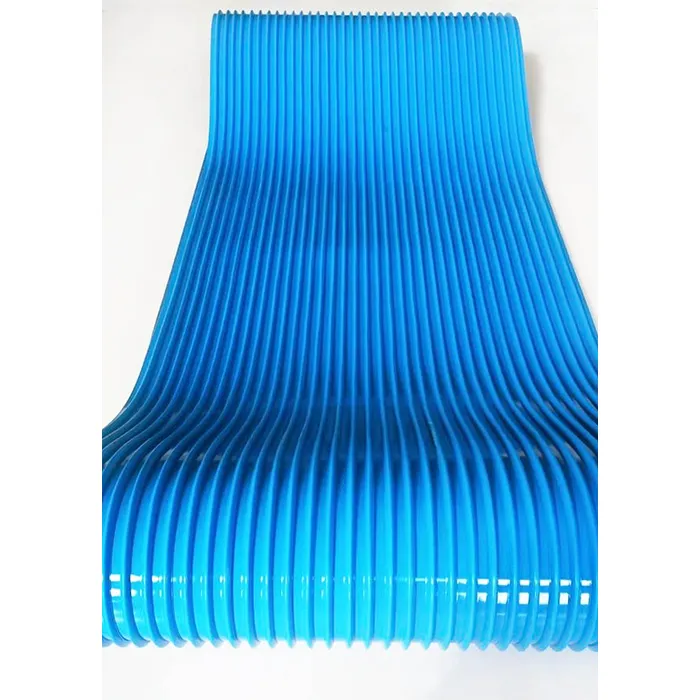
SHUNNAI Food Processing Conveyor Belt is designed for modern food production lines where hygiene, stability and continuous operation are equally important. According to different processing conditions, SHUNNAI provides solutions for baking, frying, meat processing, confectionery, dairy and frozen food applications, including oil-resistant belts, high-temperature non-stick belts and low-temperature flexible belts.
1.Full food‑grade certification
2.Oil‑resistant, no swelling
3.PTFE/silicone dual high‑temperature resistance
2.Oil‑resistant, no swelling
3.PTFE/silicone dual high‑temperature resistance
Food production requires more than simple material transportation. A conveyor belt directly contacting food must maintain hygiene, temperature stability, chemical resistance and continuous operation reliability throughout the production process. SHUNNAI develops professional food processing conveyor belts for bakery, meat processing, confectionery, frozen food, dairy and snack industries, focusing on reducing contamination risks, cleaning time and unexpected downtime.


Tianjin Shunnai Conveyor Belt Manufacturing Co., Ltd. specializes in the design and production of industrial conveyor solutions. With a production base in Tianjin and Xingtai Economic Development Zone, Hebei Province, SHUNNAI combines material technology with practical food manufacturing requirements. The company operates under GB/T 19001-2016 / ISO 9001:2015 quality management standards and provides food-contact belt solutions supported by FDA, MA and CNAS related certification requirements.
Food Safety Control
Food manufacturers pay close attention to hygiene risks because belt contamination may affect the entire production batch. SHUNNAI selects food-grade PU, silicone and PTFE materials that are designed for direct food contact applications. These materials are non-toxic, odorless and free from harmful additives that could affect food quality.
The surface structure is designed with low porosity and smooth finishing, reducing the possibility of food residue accumulation. For industries with strict hygiene requirements such as meat processing, dairy production and prepared foods, seamless belt processing helps eliminate gaps where bacteria and debris may remain.
Food Contact Material
PU belts are widely used for general food transportation because of their balanced wear resistance, flexibility and cleaning performance. They are suitable for bread, vegetables, meat products and snack production lines where frequent washing is required.
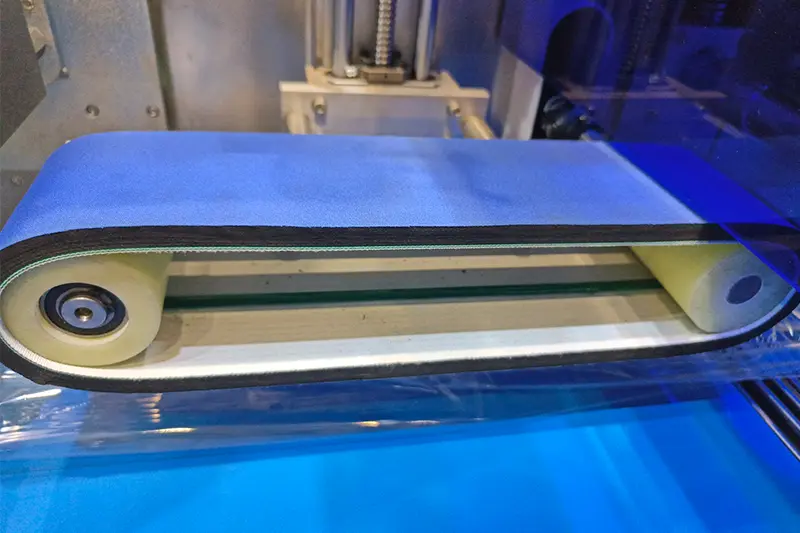
Silicone belts provide excellent release performance for sticky products such as candy, chocolate and baked goods. Their flexible structure helps protect product appearance during conveying.
PTFE-coated belts are designed for high-temperature processes. Their low surface energy prevents dough, sugar and grease from sticking, making them suitable for baking and continuous heating applications.
Production Line Requirements
Different food processing stages create different operating conditions. A belt used in a frying line faces oil exposure, while a baking conveyor requires heat resistance and a cooling line requires flexibility at low temperatures.
SHUNNAI studies actual production conditions before recommending materials and structures. Instead of using one standard belt for all applications, the company adjusts surface design, thickness and reinforcement according to food characteristics and equipment requirements.
High Oil Environment
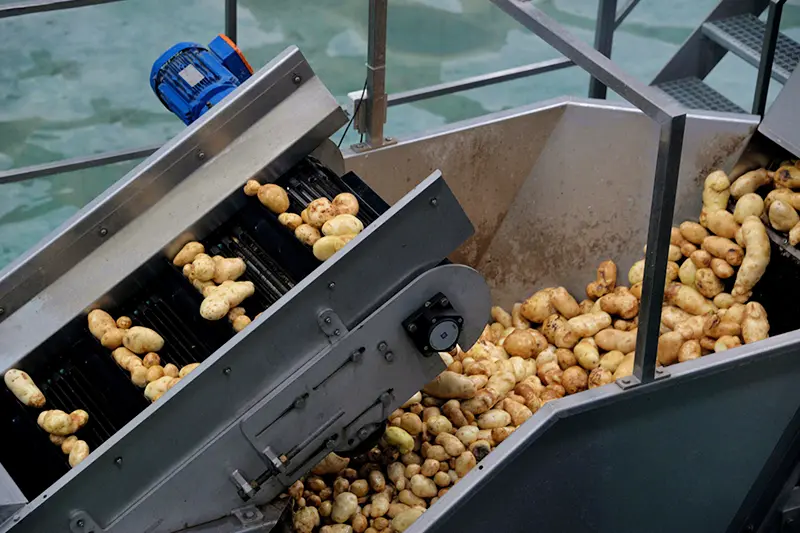
Fried snacks, potato chips, meat products and sauce processing lines expose belts to continuous oil contact. Ordinary materials may absorb oil, causing swelling, deformation and reduced service life.
SHUNNAI uses oil-resistant PU formulations to reduce oil penetration. The stable surface structure helps maintain conveying accuracy and simplifies daily cleaning operations.
High Temperature Process
Baking and cooking equipment creates continuous thermal stress. Materials without proper heat resistance may become brittle, deform or release unwanted odors.
PTFE and silicone solutions from SHUNNAI are designed for high-temperature applications. PTFE belts can operate continuously at elevated temperatures, while silicone belts maintain flexibility across wide temperature ranges.
Low Temperature Application
Frozen food production requires belts that remain flexible under cold conditions. Materials that become hard at low temperatures may create tracking problems or damage delicate products.
SHUNNAI provides low-temperature resistant belt solutions for frozen dumplings, ice cream, seafood and other cold-chain products, helping maintain smooth operation during temperature changes.
Belt Structure Design
The internal structure of a conveyor belt determines its stability during long-term production. Food factories often operate multiple shifts every day, which means the belt must maintain consistent tension, accurate tracking and reliable surface performance.
SHUNNAI designs different structures according to processing requirements, combining surface materials, reinforcement layers and customized accessories to achieve better compatibility with food production equipment.
Reinforced Fabric Layer
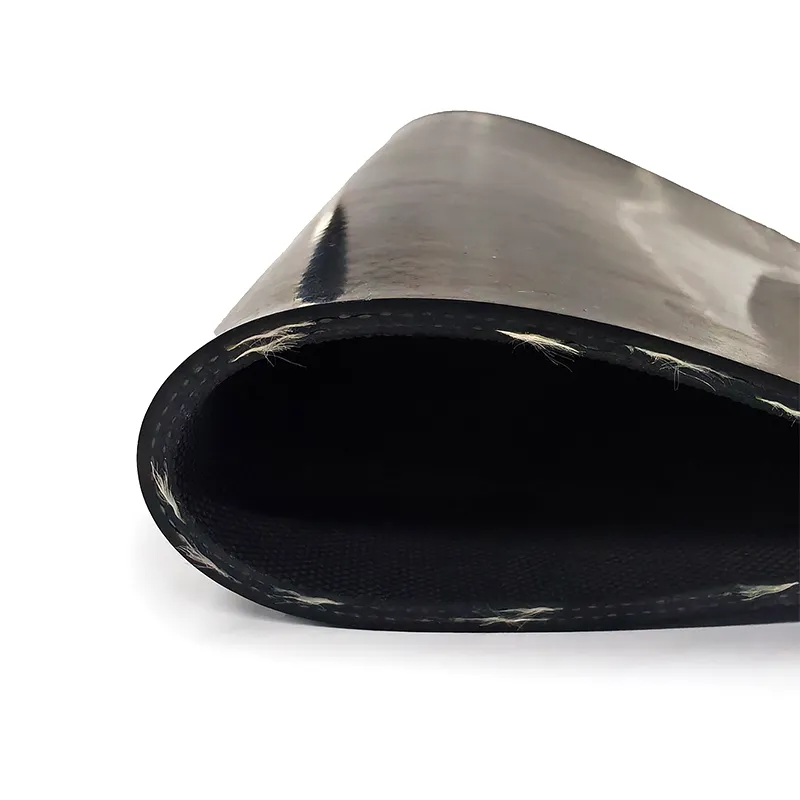
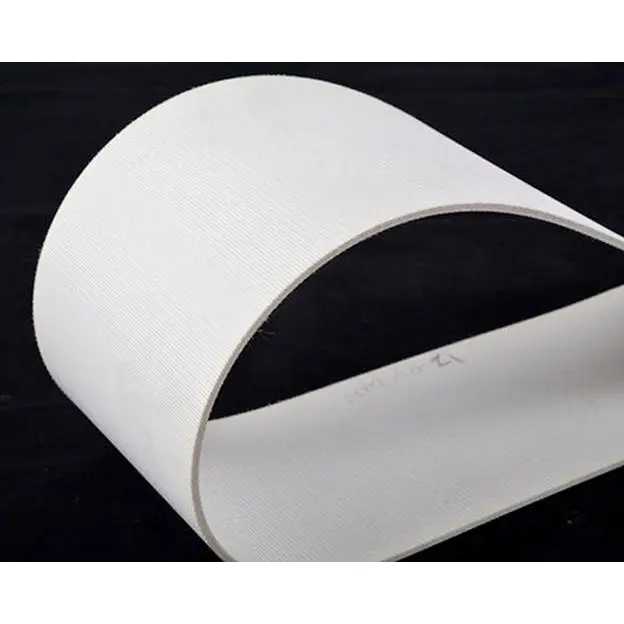
The internal polyester fabric layer provides tensile strength and dimensional stability. During continuous conveying, it helps reduce stretching and tracking deviation caused by repeated loading.
For high-speed production lines, SHUNNAI optimizes fabric arrangement and thickness according to conveyor length, roller diameter and working tension, ensuring smoother operation and longer service intervals.
Surface Pattern Selection
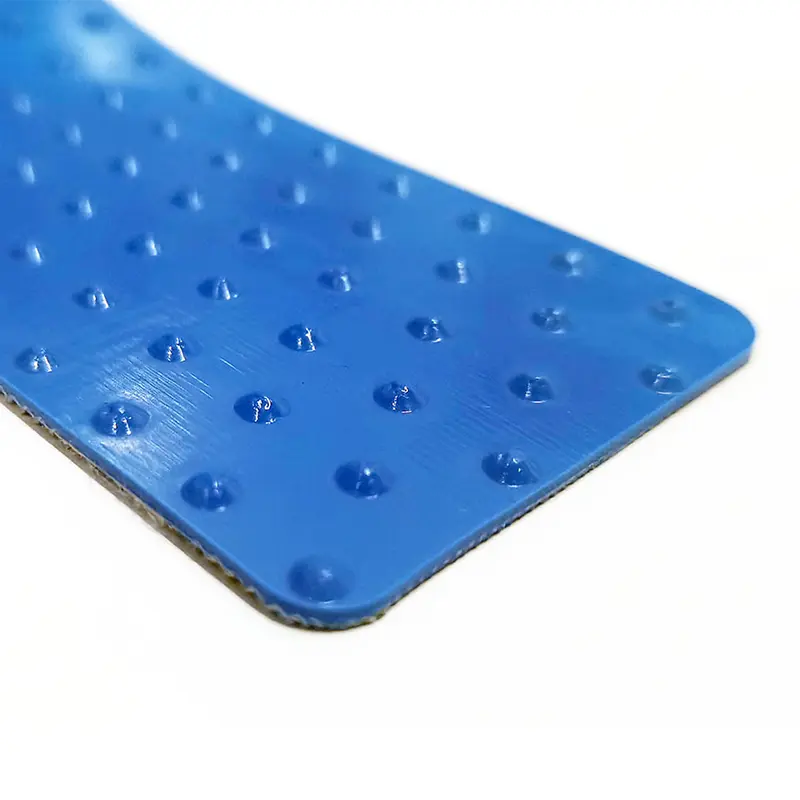
Food products have different requirements for friction and release performance. A completely smooth surface is suitable for dry products and easy cleaning, while textured surfaces provide additional grip for inclined conveying.
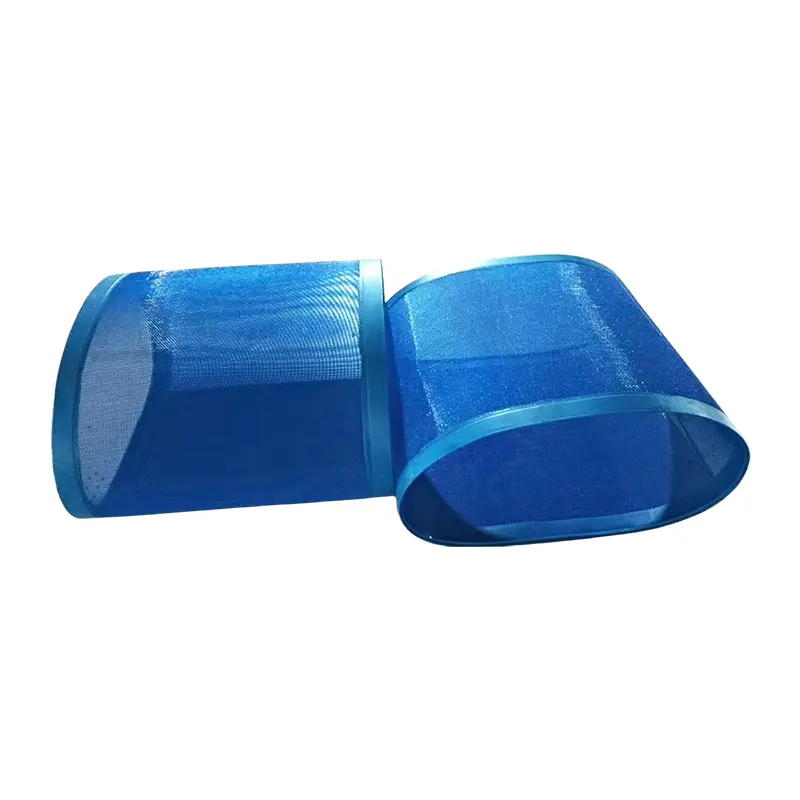
SHUNNAI offers different surface options including smooth finish, fine diamond pattern, mesh structure and customized textures. These designs help balance product protection, conveying stability and cleaning efficiency.
Endless Splice Processing
The belt joint area is often a critical point affecting food production reliability. Traditional mechanical fasteners may create gaps where food particles accumulate.
SHUNNAI applies heat-fusion endless processing technology to create smoother belt connections. The seamless structure improves hygiene performance and reduces vibration during operation.
Cleaning & Maintenance Management
In food manufacturing, cleaning efficiency directly affects production costs. A belt that is difficult to clean increases labor requirements and may create hygiene concerns.
SHUNNAI focuses on reducing maintenance workload through material selection and surface optimization. Smooth surfaces, chemical resistance and seamless construction help operators complete daily sanitation procedures more efficiently.
Chemical Resistance
Food production lines commonly use cleaning agents including alkaline solutions, disinfectants and high-pressure washing systems. Belt materials must maintain performance after repeated cleaning cycles.
PU, silicone and PTFE materials selected by SHUNNAI provide good resistance against commonly used food-grade cleaning chemicals. The belt surface remains stable without obvious cracking, peeling or deformation.
Reducing Residue Accumulation
Sticky materials such as chocolate, syrup, dough and cheese may create production problems if they remain on the belt surface.
The low-friction surface design of SHUNNAI belts helps reduce material adhesion. For applications with strict release requirements, silicone and PTFE options provide improved product separation and easier cleaning.
Application Matching Solutions
Different food industries require different belt characteristics. SHUNNAI provides customized solutions according to production process, product shape, temperature range and cleaning method.
Bakery Production
Bread, biscuits, cakes and pastries require smooth transportation without damaging appearance. During baking and cooling processes, belts need good release performance and temperature resistance.
SHUNNAI supplies silicone and PTFE belt solutions for oven discharge, cooling conveyors and packaging lines. The non-stick surface helps reduce product residue and improves production consistency.
Meat Processing
Meat processing environments involve moisture, oil, frequent cleaning and heavy product loads. The belt must provide durability while supporting strict hygiene requirements.
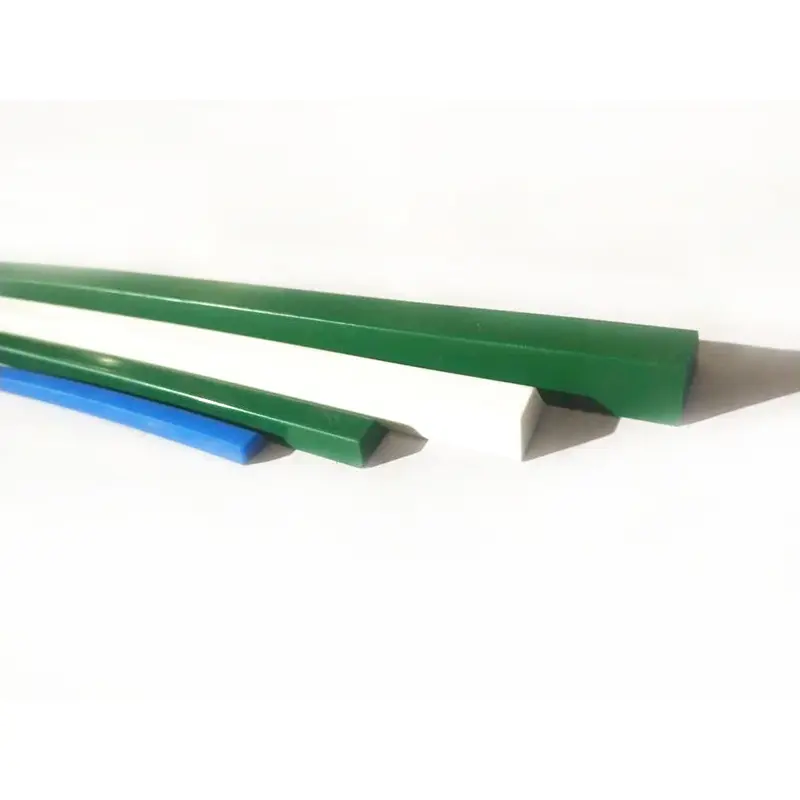
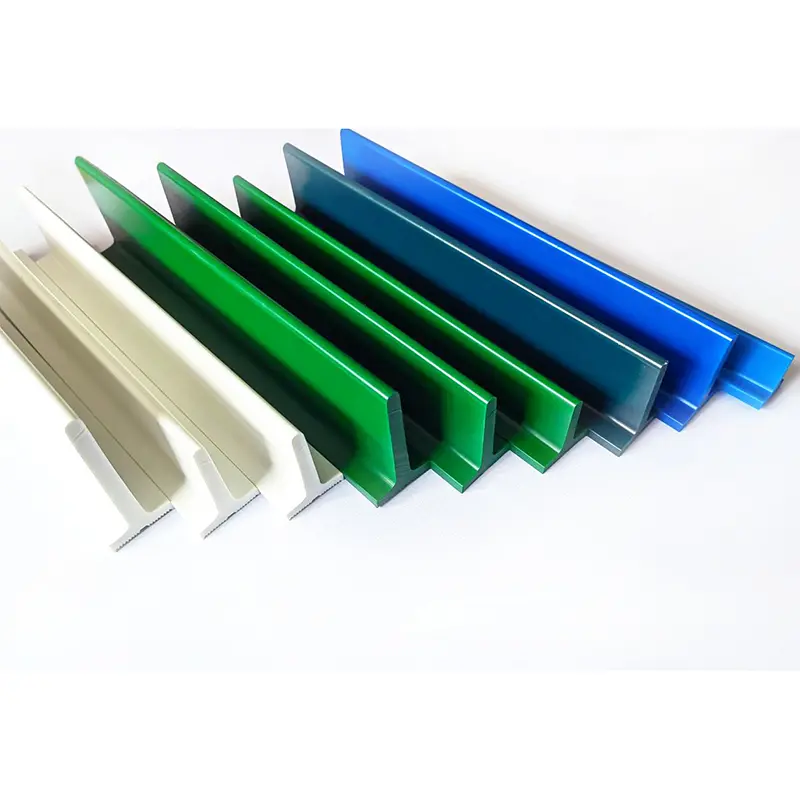
SHUNNAI PU belts feature wear-resistant surfaces and stable structures for meat cutting, sorting and transportation applications. Optional guide structures help maintain accurate product movement.
Confectionery Industry
Candy and chocolate production requires excellent release performance because sugar-based materials easily adhere to ordinary surfaces.
Silicone and PTFE belts from SHUNNAI help reduce sticking problems during cooling, forming and packaging processes, improving product appearance and reducing manual cleaning frequency.
Frozen Food Processing
Frozen products require belt materials that maintain flexibility under low temperatures while supporting continuous operation.
SHUNNAI develops low-temperature resistant solutions for frozen food production lines, helping maintain stable tracking and smooth conveying performance during cold-chain processing.
Production Verification Cases
Fried Snack Manufacturing Line
A large snack manufacturer previously experienced belt swelling and surface adhesion problems after long-term contact with oil during production.
After replacing the existing belt with SHUNNAI oil-resistant PU solution, the production team reported easier cleaning, more stable conveying and reduced belt replacement frequency during continuous operation.
Bakery Factory Application
A bakery production line required a belt solution that could withstand baking temperatures while preventing dough and sugar residue.
SHUNNAI recommended PTFE and silicone belt combinations according to different process sections. The improved release performance helped maintain product quality and simplified cleaning procedures.
Export Meat Processing Plant
A meat processing company needed a hygienic belt suitable for frequent washing and daily sanitation procedures.
SHUNNAI provided a food-grade PU endless belt with smooth surface finishing. The solution improved cleaning efficiency and maintained stable operation under demanding production conditions.
Certification & Quality Assurance
Food safety requires strict control from raw material selection to finished belt delivery. SHUNNAI follows GB/T 19001-2016 / ISO 9001:2015 quality management procedures and applies standardized inspection throughout the manufacturing process.
Each batch of food processing conveyor belt is inspected for material performance, dimensional accuracy, surface condition and joint strength. For applications requiring compliance verification, SHUNNAI provides support related to FDA, MA and CNAS certification requirements according to customer standards and market regulations.
Quality control covers raw material inspection, fabric reinforcement processing, coating production, endless splicing and final performance evaluation. This systematic approach helps ensure consistent belt performance for international food processing customers.
Technical Parameters
|
Parameter |
Specification |
|
Belt Material |
Food-grade PU / Silicone / PTFE (Teflon) |
|
Food Contact Standard |
FDA compliant, GB4806 related requirements |
|
Thickness Range |
1.0mm - 8.0mm (customized according to equipment) |
|
Surface Type |
Smooth, fine diamond, mesh, textured surface |
|
Temperature Range |
-60℃ to 260℃ depending on material selection |
|
Joint Method |
Heat fusion endless splice / finger splice |
|
Optional Functions |
Anti-static, oil resistant, high temperature resistant, sidewalls, guide strips, perforations |
|
Applications |
Bakery, meat processing, snacks, dairy, frozen food and prepared food production |
Customer Testimonials
Fried Food Production Manager
“Our previous belt absorbed oil after several months and became difficult to clean. After installing SHUNNAI food-grade PU belt, the surface remained smooth and maintenance time was reduced. The production line has become much more stable.”
Bakery Equipment Supervisor
“The biggest problem was sticky products after baking. SHUNNAI PTFE belt solved the release issue and reduced manual cleaning work. The belt surface remained stable after long-term high-temperature operation.”
Meat Processing Quality Engineer
“We needed a belt that could handle daily washing and heavy products. SHUNNAI provided a hygienic PU endless belt with good tracking performance. Cleaning is easier and the production line runs more reliably.”
Core Performance Benefits
SHUNNAI food-grade belts are developed around actual production requirements rather than only basic conveying functions. Material selection, surface structure and manufacturing technology work together to improve food processing efficiency.
The smooth and non-porous surface design helps reduce residue accumulation, while food-compatible materials support safer production environments. Different belt materials provide targeted solutions for oil, heat, cold temperature and sticky food applications.
Customized structures including guide strips, sidewalls, perforations and endless processing allow the belt to match different production equipment layouts. This flexibility helps food manufacturers achieve more stable conveying performance without unnecessary replacement of existing systems.
Food Production Reliability Assurance
In modern food manufacturing, food processing conveyor belt performance directly influences production continuity, hygiene management and product quality. A suitable belt solution needs to withstand daily cleaning, temperature changes, food contact requirements and continuous operating pressure.
SHUNNAI combines material engineering, manufacturing experience and application knowledge to develop food conveying solutions for different processing environments. From high-temperature baking lines to cold-chain food transportation, each belt is designed according to actual working conditions.
Through strict production control, customized technical support and continuous improvement of belt technology, SHUNNAI helps global food manufacturers build cleaner, safer and more efficient production lines with reliable conveyor solutions.
Frequently Asked Questions
What materials are available for food processing conveyor belts?
SHUNNAI provides PU, silicone and PTFE food-grade materials. PU is suitable for general food conveying and oil environments, silicone is suitable for sticky products and temperature changes, while PTFE is commonly used for high-temperature baking and release applications.
Are SHUNNAI belts suitable for direct food contact?
Yes. SHUNNAI selects food-grade materials designed for direct food contact applications and provides certification support according to customer requirements, including FDA related compliance documentation.
Can the belt be customized for existing food machines?
Yes. SHUNNAI can customize belt width, length, thickness, surface pattern, guide strips, sidewalls and splice methods according to equipment drawings and production requirements.
How should food conveyor belts be cleaned?
Cleaning methods depend on food type and production environment. SHUNNAI belts are designed to withstand common food-grade detergents and washing procedures, helping operators maintain hygienic production conditions.
Which belt is suitable for high-temperature baking lines?
PTFE and silicone belts are commonly selected for baking applications because they provide heat resistance and non-stick performance. The suitable choice depends on operating temperature, product characteristics and equipment structure.
Send Inquiry
Contact Info
-
Address
No.129 Qingfeng Road, Jizhou District, Tianjin City, China
-
Tel
-
Email
If you have any inquiry about a quotation or cooperation, please feel free to email or use the following inquiry form. Our sales representative will contact you within 24 hours.

News Recommendations