





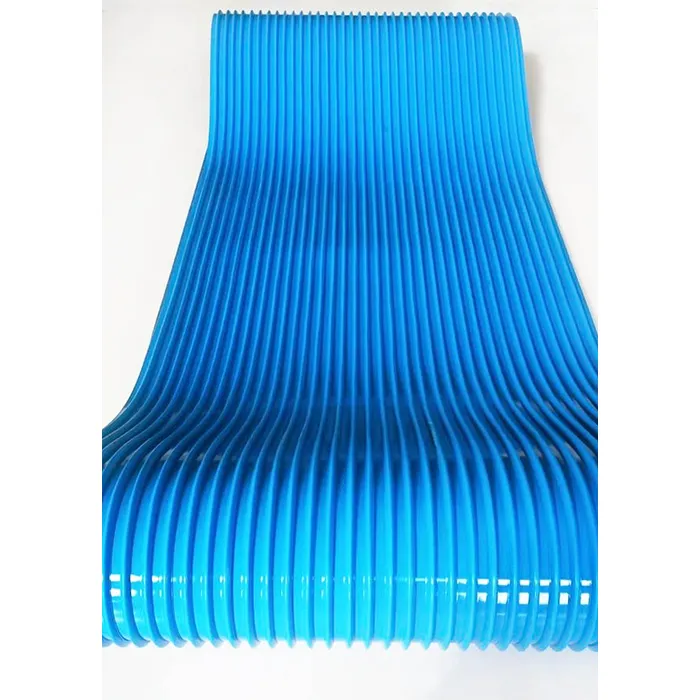
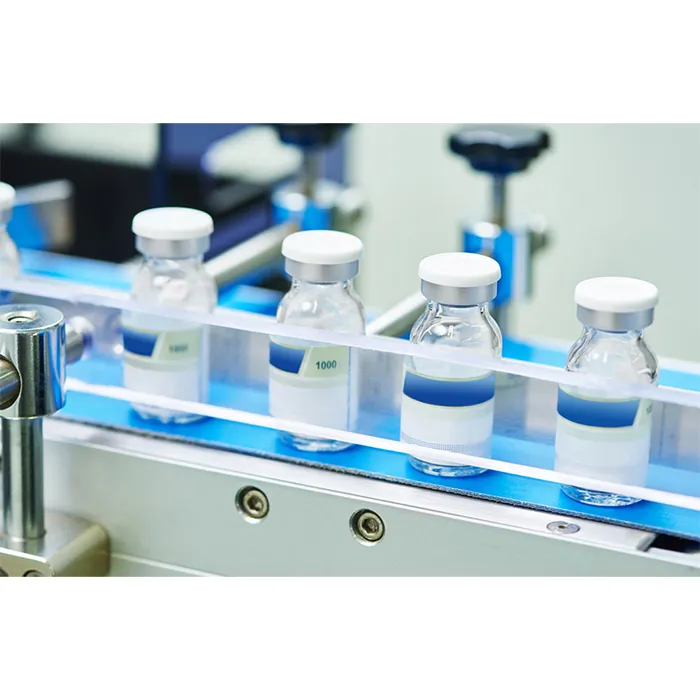
Pharmaceutical Factory Conveyor Belt
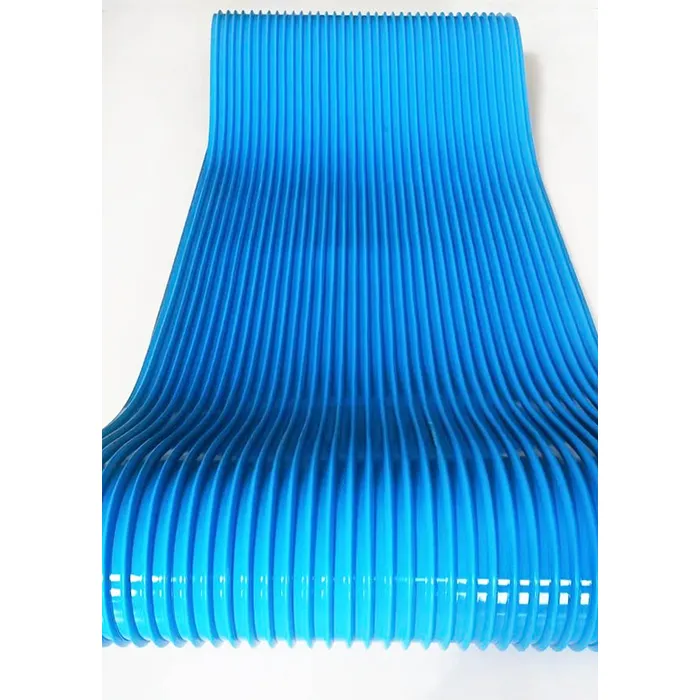
SHUNNAI supplies customized Pharmaceutical Factory Conveyor Belt, tablet and capsule handling, blister packaging, visual inspection and finished-product transfer. Available material options include PU, silicone, PTFE and stainless steel mesh, depending on the process and required operating conditions. Buyers can discuss belt dimensions, temperature range, cleaning procedures, surface requirements and documentation needs with our team to identify a suitable solution for their production line.
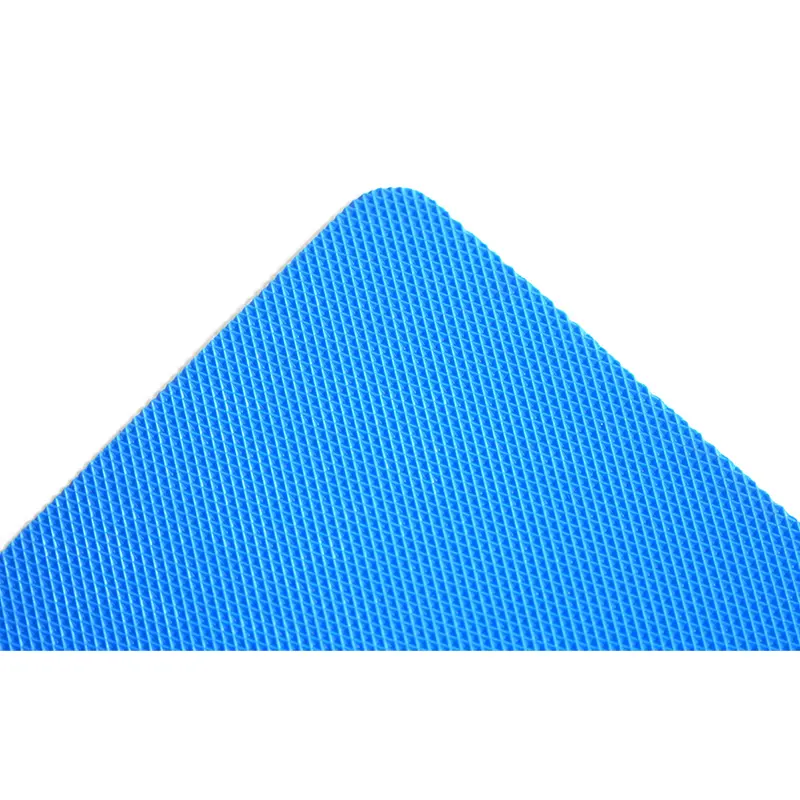
Dust-Free and Non-Migrating
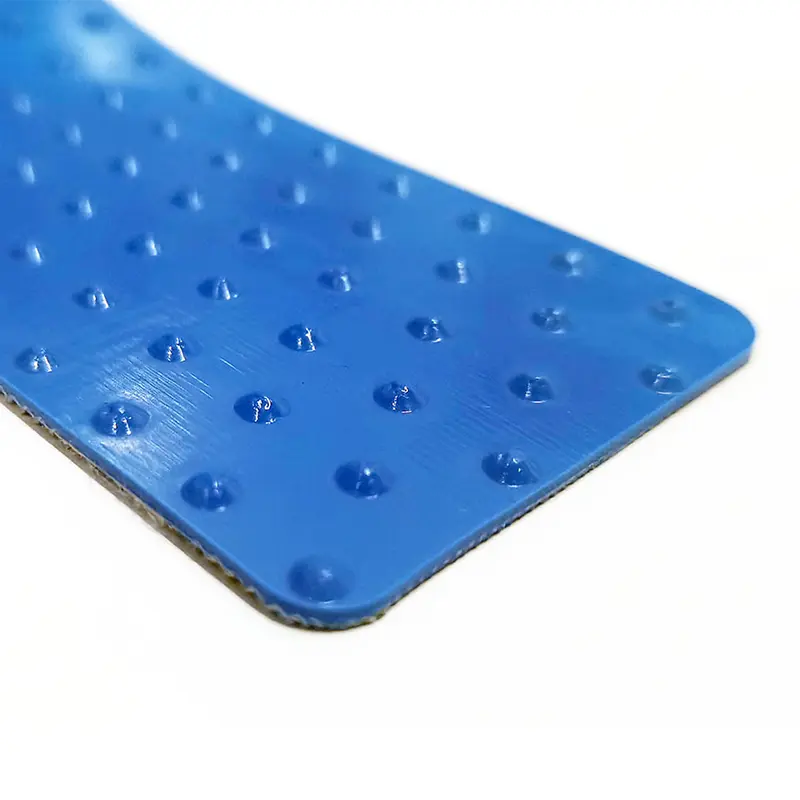
High-Temperature Sterilization Resistant
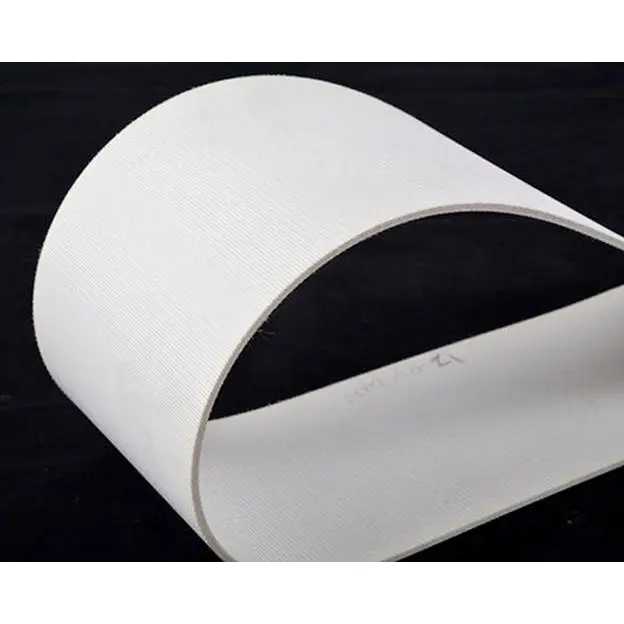
Dedicated for Light Transmission Inspection
High-Temperature Sterilization Resistant
Dedicated for Light Transmission Inspection
For pharmaceutical production environments, selecting the right belt requires a careful review of the product being handled, contact conditions, cleaning agents, operating temperature and equipment design. A pharmaceutical factory conveyor belt should be selected according to the actual process requirements rather than material names alone.
From material feeding and intermediate transfer to tablet inspection and package handling, SHUNNAI works with buyers to review application details and customization requirements. Depending on the selected construction, options may include smooth surfaces, heat-resistant materials, light-transmitting belts, antistatic properties and tracking guides. Product-specific technical documents should be confirmed before the belt is approved for use in a regulated manufacturing process.
Review Materials and Compliance
In pharmaceutical manufacturing, material selection affects more than belt durability. Buyers may need to evaluate chemical composition, potential extractables or leachables, particle generation, cleaning compatibility and the possibility of contact with ingredients or finished products. The level of documentation required depends on the application, the intended contact conditions and the manufacturer's quality procedures.
PU, silicone, PTFE and stainless steel mesh offer different properties. PU belts may be suitable for selected conveying and packaging operations; silicone may be considered where temperature flexibility or particular surface properties are required; PTFE is used in certain applications requiring a release surface or heat resistance; and stainless steel mesh can be appropriate for selected drying or processing systems. These materials are not interchangeable, and suitability must be assessed against actual process conditions.
Before purchasing a pharmaceutical factory conveyor belt, request the technical data sheet and any applicable material declarations, test reports or regulatory compliance documents. Confirm the exact belt grade, construction, intended use and limitations. A general material statement does not automatically demonstrate suitability for direct contact with every pharmaceutical ingredient or finished dosage form.
Choose by Production Stage
Powder and Granule Transfer
Powders and granules may create residue and dust-control challenges during transfer. Buyers should assess surface texture, particle retention, belt tracking, transfer gaps and the cleaning procedure used between production runs. The selected belt should be compatible with the conveyed material and the site's contamination-control requirements. Where product contact occurs, obtain the documentation required by the site's quality team before approval.
Tablet and Capsule Handling
Tablets and capsules can be damaged by unsuitable transfer heights, rough surfaces, excessive vibration or poorly aligned equipment. A stable belt surface and controlled conveying speed can help support gentle handling. For a pharmaceutical factory conveyor belt used near tablet presses or capsule filling equipment, check the belt dimensions, running speed, surface friction and transfer-point geometry to ensure compatibility with the production line.
Drying and Heat Exposure
Drying processes place specific demands on temperature resistance, dimensional stability and resistance to the surrounding environment. The required belt depends on the actual process temperature, exposure duration, airflow, cleaning chemicals and mechanical load. Silicone, PTFE or stainless steel mesh may be considered for selected applications, but buyers should verify the operating range and chemical compatibility of the exact construction instead of relying on a material's general reputation.
Inspection and Packaging
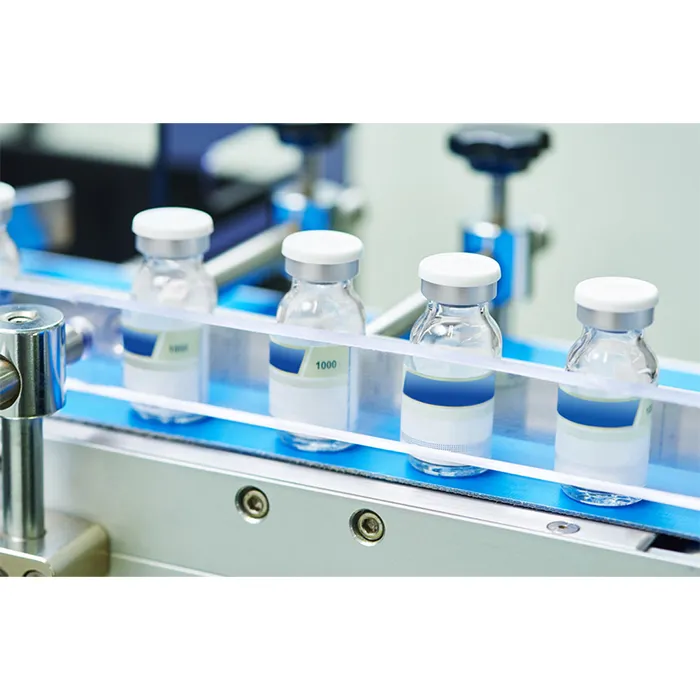
Inspection lines may require a belt that provides a consistent background for cameras or optical sensors. Light-transmitting constructions can be considered for certain inspection setups, while smooth and stable conveying can help reduce unwanted product movement. For blister packs and finished-product packages, check the belt's surface, color, reflectivity and compatibility with the inspection system. Detection accuracy also depends on camera configuration, lighting, software and line speed, not the belt alone.
Check Cleaning Requirements
Cleaning procedures should be considered before a belt is selected. The belt surface, splice, edges and any fitted guides can affect how easily residue is removed. Buyers should identify the cleaning agents, concentration, temperature, contact time and mechanical cleaning method used at the facility, then confirm that the proposed belt can tolerate these conditions.
Surface and joints: Ask whether the selected construction and splice design are suitable for the site's cleaning procedure. Smooth surfaces may help reduce residue retention, but cleanability must be assessed for the complete belt assembly rather than the top surface alone.
Cleaning chemicals: Confirm compatibility with detergents, disinfectants and other chemicals used in routine sanitation. A belt that tolerates water may not tolerate every chemical concentration or exposure duration.
Heat and steam: If hot-water cleaning or steam exposure is required, request the manufacturer's specified operating and cleaning limits. Continuous conveying temperature and short-term cleaning temperature may have different limits.
CIP and SIP procedures: Do not assume that a conveyor belt automatically supports clean-in-place (CIP) or steam-in-place (SIP) procedures. Confirm the complete belt construction, joint, accessories and equipment design are suitable for the actual validated process.
Changeover between products: For facilities handling multiple products, review how the belt is inspected and cleaned between batches. The site's quality team should determine the required cleaning verification or validation based on its procedures and risk assessment.
Customer Feedback
Quality Manager Zhou, a pharmaceutical company in Jiangsu:
“We make solid preparations. GMP audits have strict requirements for conveyor belt materials. SHUNNAI provided USP Class VI certification and FDA compliance statements, with complete material compliance documents. The audit passed on the first try. After more than half a year, the belt has not shed particles. Drug powder residue rinses clean, and cleaning validation data has remained stable.”
Section Chief Li, equipment, a capsule production plant in Guangdong:
“The capsule filling line originally used ordinary PU belts. Capsules often jammed or were scratched. SHUNNAI’s precision pharmaceutical belt has a very flat surface and just the right friction. Capsules run smoothly, and the breakage rate dropped significantly. The belt does not elongate, docking with the filling machine is very accurate, and after nearly a year, no mis-tracking.”
Production Manager Wang, a traditional Chinese medicine decoction pieces plant in Shandong:
“Our medicinal materials are dried at high temperatures. Ordinary belts age and shed residue easily. SHUNNAI’s medical silicone belt has good temperature resistance. After more than half a year of drying, the surface is still intact, with no debris mixed into the medicinal materials. Cleaning is also convenient – a water rinse cleans it, meeting our GMP workshop requirements.”
Prepare for Supplier Approval
Supplier qualification is an important part of pharmaceutical procurement. Before approving a new belt, purchasing, engineering and quality teams may need to review product specifications, material declarations, test reports, traceability information and change-control requirements. Preparing these details early can reduce delays during technical review and production-line qualification.
SHUNNAI identifies FDA, MA, CNAS and ISO 9001 among its certifications and quality credentials. These designations have different scopes and should not be treated as interchangeable product approvals. Buyers should request the applicable certificates, confirm their validity and scope, and determine whether the documentation meets the requirements of the intended market and manufacturing process.
For applications that require FDA-related material compliance or USP Class VI testing, verify the exact product grade and supporting documents. USP Class VI testing is not a blanket approval for pharmaceutical use, and FDA-related material compliance depends on the applicable regulation and conditions of use. Neither should be assumed for every belt simply because a material family is named in a product description.
Where the belt will be installed in a regulated production area, the buyer's quality team should decide what evidence is required before use. Depending on the application, this may include material identity, chemical compatibility, relevant test results, cleaning compatibility, traceability and inspection records.
Confirm Technical Details
To help SHUNNAI assess a suitable belt construction, buyers should provide as much of the following information as possible:
Process and product: The production stage, material being conveyed, whether direct product contact occurs, and any relevant contamination-control requirements.
Operating conditions: Normal and peak temperature, belt speed, load, operating hours, humidity and exposure to powders, liquids or steam.
Cleaning procedure: Cleaning agents, concentration, temperature, exposure time, rinsing method and any required cleaning verification or validation.
Equipment dimensions: Belt width and length, thickness, pulley diameter, conveyor layout, splice requirements, transfer points and tracking guides.
Special properties: Any required antistatic performance, light transmission, surface pattern, release properties, color or resistance to specific chemicals.
Documentation: Applicable material declarations, test reports, quality certificates, traceability information and destination-market requirements.
Providing the existing belt specification, equipment drawing or clear installation photos can help clarify replacement requirements. For a new line, the equipment manufacturer's drawings and process parameters are useful starting points for technical review.
Frequently Asked Questions
Does every belt need to be pharmaceutical grade?
Not necessarily. The requirement depends on the belt's location, whether it contacts product, the contamination risk and the facility's quality procedures. Belts in direct-contact applications may require more extensive material assessment and documentation than those used only for secondary packaging or external transport.
Can a belt with FDA-related documentation be used for any drug product?
No. The applicable regulation, material composition, contact conditions and intended use must be considered. Buyers should verify the specific belt's supporting documents and have their quality team determine whether they are adequate for the application.
What should be checked before using steam for cleaning?
Confirm the belt's temperature limits, exposure duration, chemical compatibility and the suitability of its splice and accessories. Also verify that the conveyor equipment and cleaning procedure are designed for the proposed steam conditions.
Can one belt be used for different pharmaceutical products?
That depends on the products, residue characteristics, cleaning procedure and the site's changeover requirements. The facility should assess cross-contamination risks and confirm whether cleaning verification or validation is needed before reusing the belt for another product.
What affects tablet or capsule damage during conveying?
Potential factors include transfer height, belt speed, surface condition, vibration, product orientation and equipment alignment. Review the entire conveying route before changing belt material, as mechanical adjustments may also be needed.
Can SHUNNAI customize a belt for a specific machine?
Customization may be available for dimensions, material, surface properties, splice design and selected accessories, depending on the construction. Provide the equipment model or drawing, operating conditions and required documentation so the proposed specification can be reviewed before ordering.
Contact SHUNNAI
If your pharmaceutical production line requires a replacement belt or a customized conveying solution, share your process stage, equipment dimensions, operating temperature, cleaning procedure and documentation requirements with SHUNNAI. Our team can review the application and discuss suitable material options based on the available technical information.
For a pharmaceutical factory conveyor belt quotation, please include the required quantity, belt dimensions, operating conditions and destination market. If your facility requires specific regulatory or material documentation, identify those requirements at the inquiry stage so their applicability can be checked before production.
Send Inquiry
Contact Info
-
Address
No.129 Qingfeng Road, Jizhou District, Tianjin City, China
-
Tel
-
Email
If you have any inquiry about a quotation or cooperation, please feel free to email or use the following inquiry form. Our sales representative will contact you within 24 hours.

News Recommendations



