





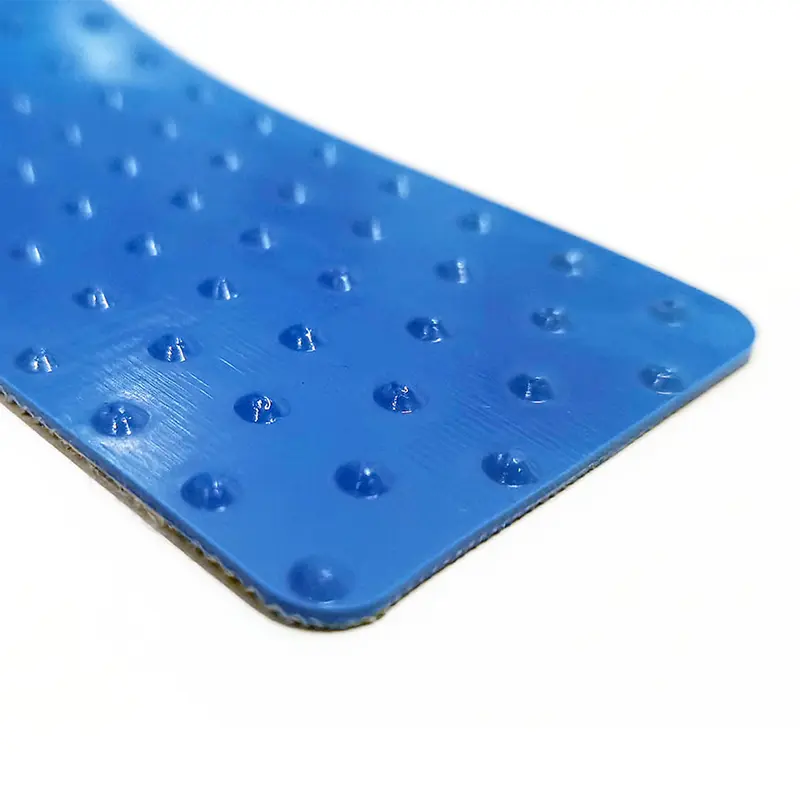
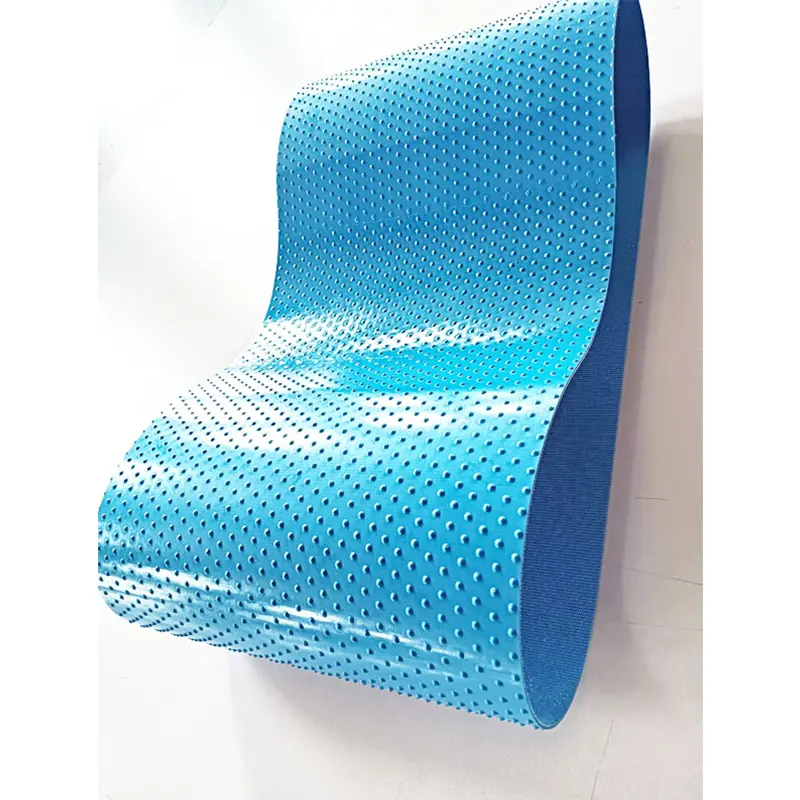
Fresh Food Conveyor Belt
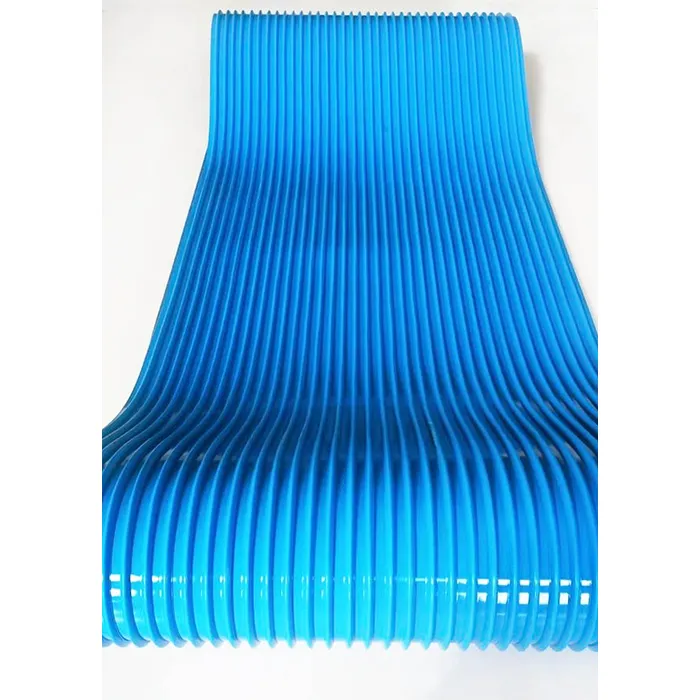
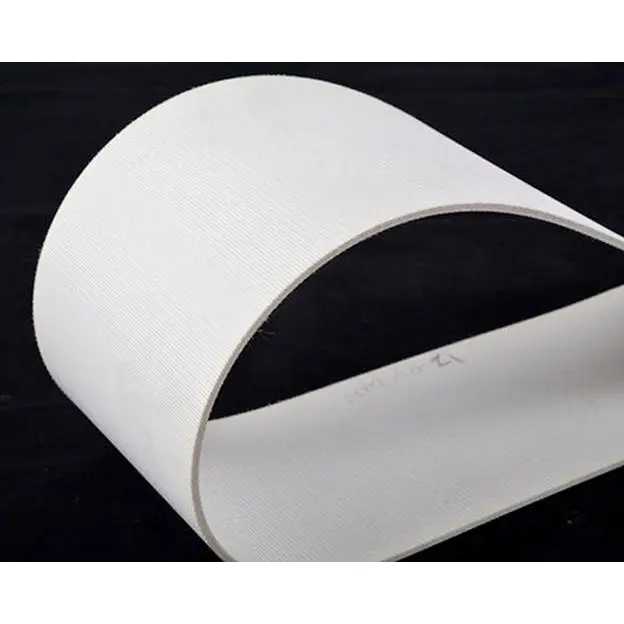
SHUNNAI Fresh Food Conveyor Belt is designed for seafood, meat, fruit, vegetable and cold-chain food processing applications where hygiene, durability and product protection are critical. Manufactured by Tianjin Shunnai Conveyor Belt Manufacturing Co., Ltd., the belts use FDA and food-grade certified PU, silicone and hydrolysis-resistant materials, combined with high-strength fabric structures to withstand moisture, salt, oil and low-temperature environments.
1.Full food‑grade certification
2.Water, salt & corrosion resistant
3.Easy‑clean, antimicrobial
2.Water, salt & corrosion resistant
3.Easy‑clean, antimicrobial
Tianjin Shunnai Conveyor Belt Manufacturing Co., Ltd. is a China fresh food conveyor belt manufacturer integrating R&D, design, production and sales, headquartered in Tianjin with more than 15 years of experience in food-grade conveyor belt manufacturing. SHUNNAI focuses on providing conveying solutions for seafood processing, meat production, fruit and vegetable handling, central kitchens and cold-chain distribution industries.
The company uses food-grade PU, silicone rubber and hydrolysis-resistant PVC materials combined with high-strength polyester fabric layers to ensure stable operation in wet, oily and low-temperature environments. Every belt undergoes strict inspection covering raw material verification, bonding strength, surface performance and food-contact safety.
Processing Environment Requirements
Fresh food production lines face more complex conditions than ordinary conveying applications. Seafood processing involves salt water and freezing environments, meat processing contains oil and biological residues, while fruit and vegetable handling requires gentle contact and frequent cleaning. A suitable conveyor belt must maintain mechanical stability while meeting hygiene requirements.
Seafood Processing Conditions
Seafood factories usually operate with continuous exposure to seawater, ice water and disinfectants. SHUNNAI uses hydrolysis-resistant PU materials to reduce aging caused by moisture penetration. The belt maintains flexibility at low temperatures and avoids cracking during repeated cold-chain operations.
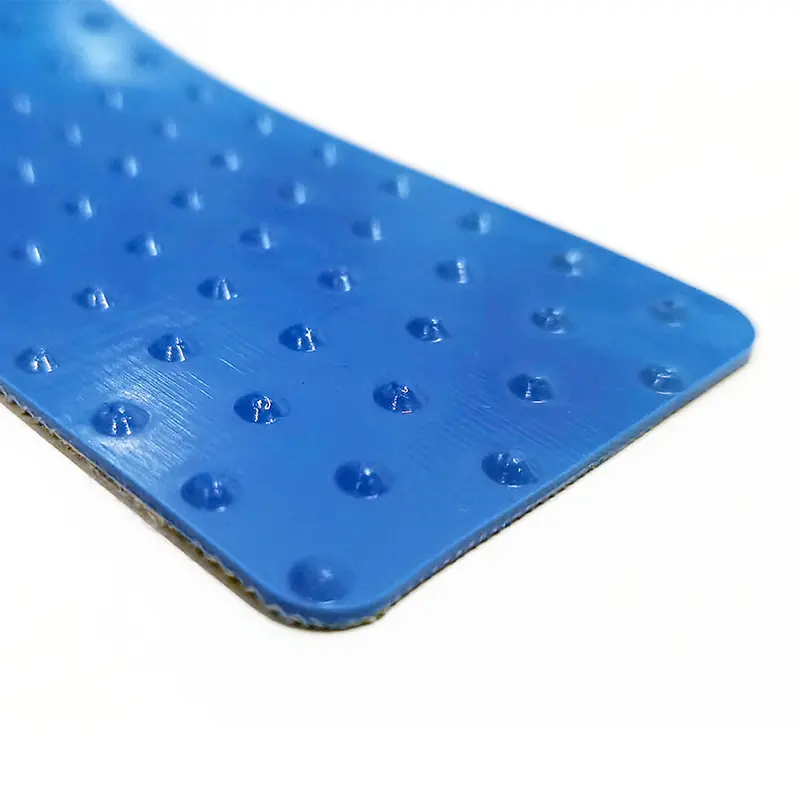
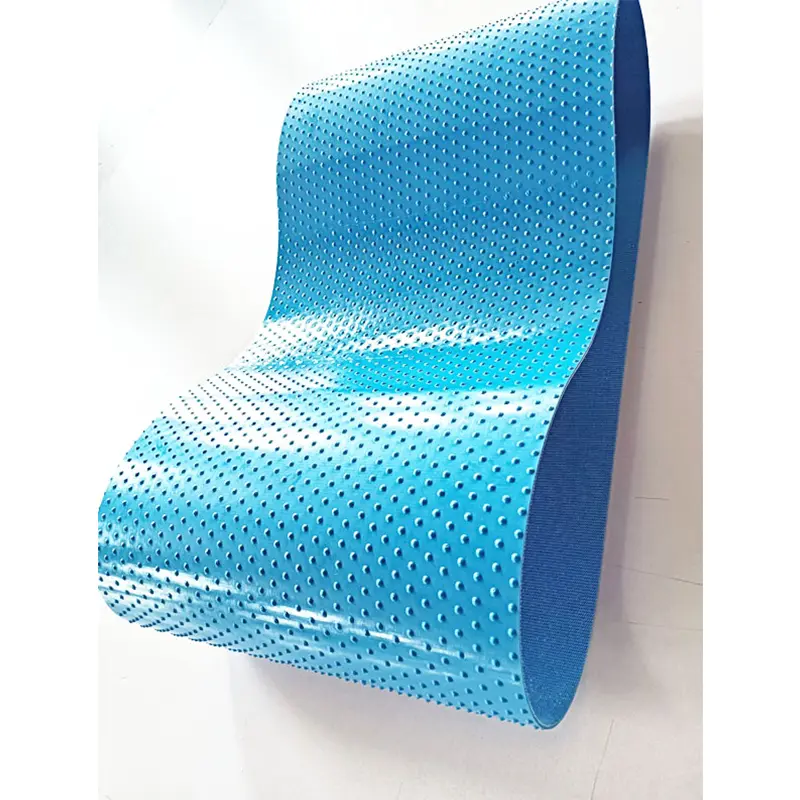
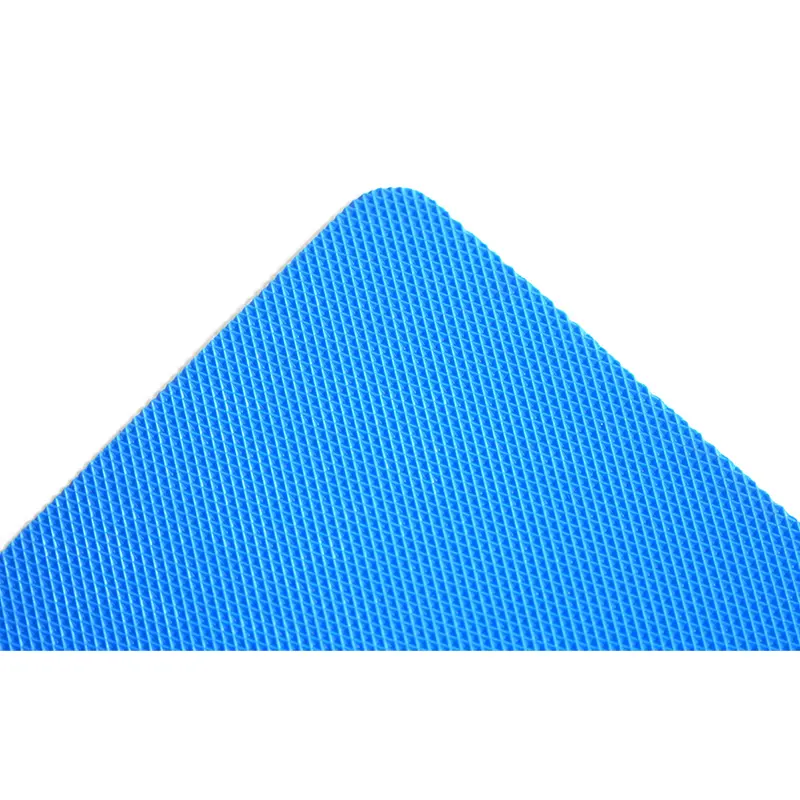
Fine surface patterns provide stable conveying performance for slippery products such as fish fillets and shrimp while reducing excessive friction that may damage the product surface.
Meat Production Conditions
During meat processing, fresh food conveyor belts frequently contact grease, meat juice and cleaning chemicals. Ordinary belts may absorb oil, become soft or create tracking problems after long-term use. SHUNNAI develops oil-resistant PU formulations to maintain surface stability and reduce residue adhesion.
For cutting and transportation areas, reinforced structures improve tear resistance and help the belt withstand accidental scratches from tools or sharp materials.
Fruit Handling Conditions
Fresh fruits require a balance between stable transportation and gentle handling. Hard surfaces may cause bruising, while insufficient friction may lead to rolling and product collisions. SHUNNAI provides smooth PU surfaces, soft-contact materials and customized side guides to reduce mechanical damage during sorting and packaging.
Material Structure
The internal structure of a conveyor belt directly affects service life and running stability. SHUNNAI selects different material combinations according to food processing environments instead of applying one standard belt for all applications.
PU Structure for Daily Food Processing
PU is widely used in fresh food conveying because of its balance between flexibility, wear resistance and cleaning performance. The dense surface structure prevents liquid penetration and reduces residue accumulation during continuous operation.
For meat, seafood and vegetable processing lines, PU belts provide sufficient tensile strength while maintaining smooth conveying performance. The material remains stable after repeated washing and disinfecting procedures, helping processors maintain consistent production efficiency.
Low Temperature Performance
Cold-chain processing requires conveyor belts that can withstand temperature changes without losing flexibility. SHUNNAI low-temperature PU solutions are designed for refrigerated workshops, seafood freezing areas and chilled food transportation.
During repeated movement between normal temperature and freezing environments, the belt structure maintains good flexibility and reduces the risk of cracking around rollers and joints.
Surface Design Selection
Different food products require different surface structures. SHUNNAI provides smooth surfaces, fine patterns and mesh structures according to conveying requirements.
Smooth surfaces are suitable for easy cleaning and delicate products. Fine patterns improve grip for wet or slippery materials. Mesh structures allow water drainage during washing processes and help shorten drying time after cleaning.
Cleaning and Maintenance
Food production lines require frequent cleaning to prevent contamination risks. The maintenance design of the belt directly influences daily operating costs and production continuity.
Seamless Surface Design
SHUNNAI food-grade belts support seamless processing methods that reduce gaps where food residue may accumulate. The smooth surface allows operators to complete routine cleaning more efficiently compared with traditional joint structures.
Chemical Resistance
During daily sanitation procedures, belts may contact cleaning agents including sodium hypochlorite and other food-grade disinfectants. SHUNNAI materials are selected for resistance against common cleaning environments, helping prevent surface aging, discoloration and performance reduction.
Reduced Downtime
Stable belt performance reduces frequent replacement and adjustment requirements. For food manufacturers operating multiple shifts, longer maintenance intervals help improve production planning and reduce unexpected interruptions.
Application Matching
SHUNNAI provides customized belt structures according to different food processing stages. Selection depends on product characteristics, temperature range, cleaning method and conveying speed.
|
Processing Area |
Recommended Belt Type |
Main Function |
|
Seafood Processing |
Low-temperature PU belt |
Salt resistance, flexible operation in chilled environments |
|
Meat Cutting Line |
Oil-resistant PU belt |
Reduces oil absorption and improves cleaning efficiency |
|
Fruit Sorting |
Smooth PU belt with soft guide structure |
Protects product appearance and reduces bruising |
|
Vegetable Washing |
Mesh or perforated belt |
Improves drainage and supports washing processes |
|
Cold-chain Packaging |
Flexible food-grade belt |
Maintains stability under low-temperature operation |
Real User Scenarios
1. Seafood Processing Plant
“We process cod fillets – the workshop is below freezing all year. Ordinary belts hardened and cracked within six months, and fish oil made the surface sticky. SHUNNAI’s PU belt has run for over a year at -30°C – still soft, hardly any salt-spray corrosion. A daily high-pressure rinse leaves it clean, and the ammonia smell is gone. This is the belt seafood lines need.”
– Equipment manager at a seafood processing plant in Dalian
2. Meat Processing Factory
“Our old rubber belt got sticky with meat residue within two days, absorbed oil and swelled, causing frequent mis-tracking. After switching to SHUNNAI oil-resistant PU, oil does not stick, meat does not slip. After nearly a year, the belt is still original – no splice loosening. Maintenance staff say it saves them a lot of work.”
– Plant manager at a meat processing plant in Henan
3. Fruit Distribution Center
“We grade over ten tons of apples daily. The old hard belt caused many bruises and high loss. SHUNNAI’s PU smooth belt is very slick and soft, with flexible sidewalls on curves – apples do not roll around. After six months, there are almost no new mechanical injuries, and customer complaints have dropped significantly.”
– Quality manager at a large fruit distribution center in Shandong
Production Reliability
For fresh food manufacturers, fresh food conveyor belt performance affects not only transportation efficiency but also product quality, sanitation control and production stability. SHUNNAI focuses on long-term operating reliability by controlling every production stage from raw material inspection to finished belt testing.
Quality Control Process
SHUNNAI applies a complete quality management system based on GB/T 19001-2016/ISO 9001:2015 requirements. Raw materials, fabric bonding, belt forming, surface treatment and finished products are inspected through standardized procedures.
Each batch is tested for tensile strength, bonding performance, surface condition and application suitability. Food-contact materials are verified according to FDA requirements, while laboratory testing capabilities support CNAS-related quality evaluation.
Customization Service
Different food processing equipment requires different belt specifications. SHUNNAI provides customized solutions including belt width, thickness, surface pattern, guide strips, sidewalls, perforation design and endless processing according to customer equipment drawings.
Whether for seafood freezing lines, meat cutting equipment, fruit grading machines or vegetable washing systems, the belt structure can be adjusted according to working conditions to improve conveying stability.
Core Advantages
1. Food contact safety control – SHUNNAI uses food-grade PU, silicone and PVC materials with FDA-related food contact certification requirements to support safe direct contact applications.
2. Stable performance in wet environments – Hydrolysis-resistant materials help maintain strength and surface quality during long-term exposure to water, cleaning procedures and humid workshops.
3. Cold-chain adaptability – Selected PU formulations maintain flexibility in low-temperature conditions, suitable for refrigerated seafood and fresh food transportation.
4. Product protection design – Different surface structures balance friction and softness, helping reduce slipping, bruising and unnecessary product damage.
5. Hygienic maintenance structure – Smooth surfaces and seamless processing options reduce residue accumulation and simplify daily cleaning work.
6. Factory-controlled production – Tianjin Shunnai manages material selection, manufacturing and inspection processes in-house to provide consistent belt quality.
Applicable Industries
Seafood processing plants require belts that can operate under salt water, ice water and low-temperature conditions. SHUNNAI provides flexible PU solutions for fish, shrimp, crab and other seafood conveying applications.
Meat processing factories use conveyor belts in cutting, trimming, sorting and packaging procedures. Oil-resistant structures help maintain stable operation in environments containing grease and organic residues.
Fruit and vegetable companies use SHUNNAI belts for washing, grading, inspection and packaging lines. Smooth and soft-contact designs help protect product appearance while maintaining conveying efficiency.
Central kitchens, prepared food factories and cold-chain distribution centers can select customized food-grade belts according to temperature requirements, cleaning methods and production processes.
Frequently Asked Questions
What materials are available for SHUNNAI fresh food belts?
SHUNNAI provides food-grade PU, silicone rubber and hydrolysis-resistant PVC options. The suitable material depends on the application environment, including temperature, moisture, oil exposure and cleaning requirements.
Can the belt be used in frozen food processing lines?
Yes. Certain SHUNNAI belt structures are designed for low-temperature environments. PU materials with cold-resistant formulations maintain flexibility during chilled and frozen food conveying.
How does SHUNNAI prevent contamination during food production?
The belts use dense, easy-clean surfaces and optional seamless processing to reduce residue accumulation areas. They are designed to work with regular food-grade cleaning and disinfection procedures.
Can the belt be customized for existing equipment?
Yes. SHUNNAI supports customization based on equipment drawings, including belt size, surface pattern, sidewalls, guide strips and special processing requirements.
What is the difference between a fresh food belt and an ordinary conveyor belt?
Fresh food applications require higher standards for hygiene, material safety, cleaning resistance and product protection. Ordinary industrial belts may not provide suitable performance when exposed to moisture, food residues or repeated sanitation processes.
Food Conveying Solutions from SHUNNAI
Tianjin Shunnai Conveyor Belt Manufacturing Co., Ltd. provides complete conveying solutions for modern food processing industries. Through food-grade material selection, strict quality management and customized belt structures, SHUNNAI helps customers improve production stability from raw material handling to final packaging.
With experience in seafood, meat, fruit, vegetable and cold-chain applications, SHUNNAI continues to develop conveyor belt solutions that support safer processing, easier maintenance and more efficient production operations.
Send Inquiry
Contact Info
-
Address
No.129 Qingfeng Road, Jizhou District, Tianjin City, China
-
Tel
-
Email
If you have any inquiry about a quotation or cooperation, please feel free to email or use the following inquiry form. Our sales representative will contact you within 24 hours.

News Recommendations



