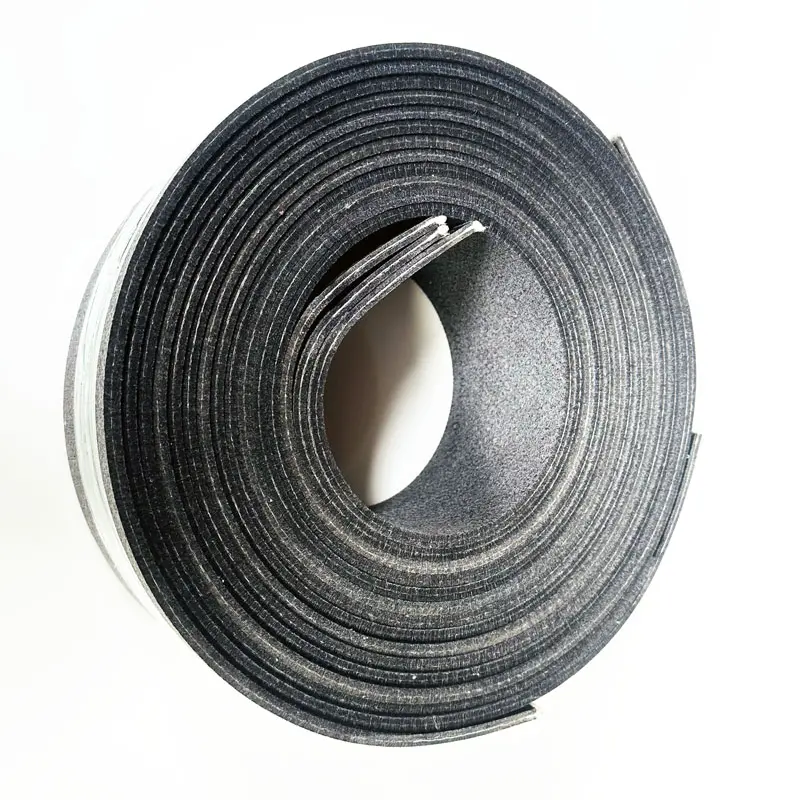
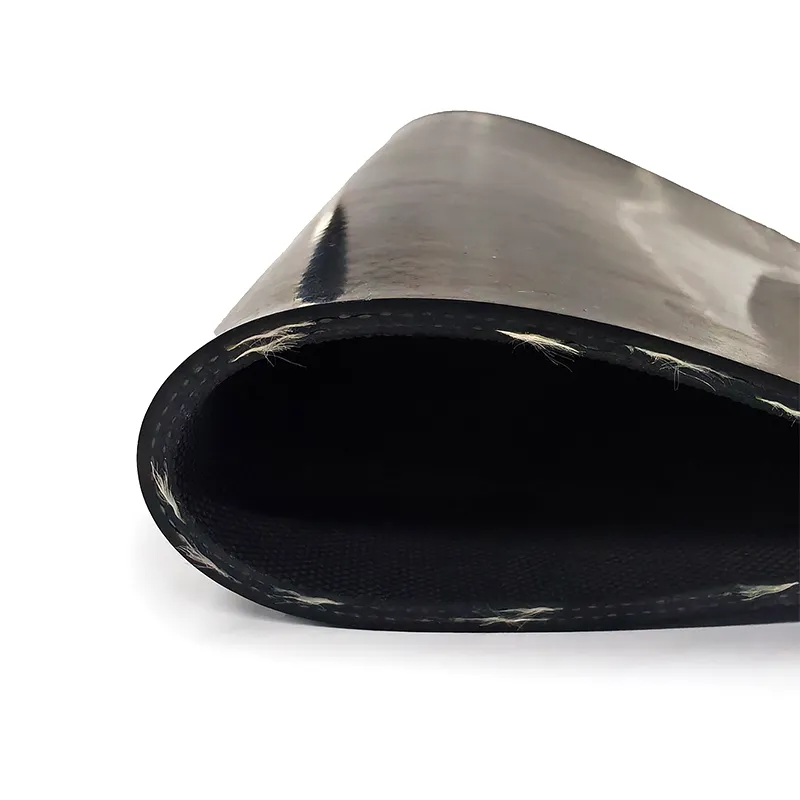
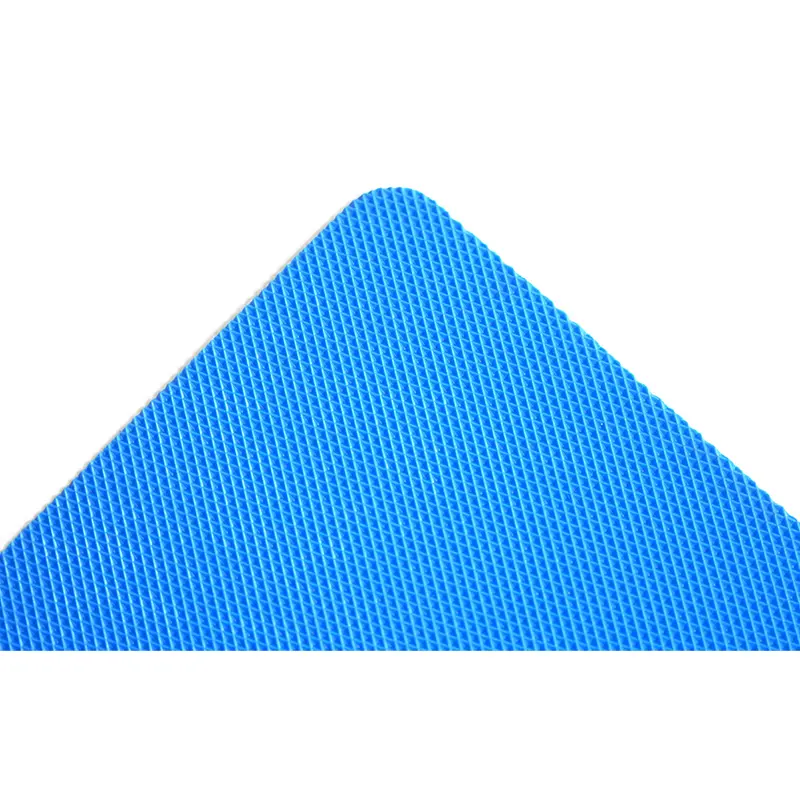
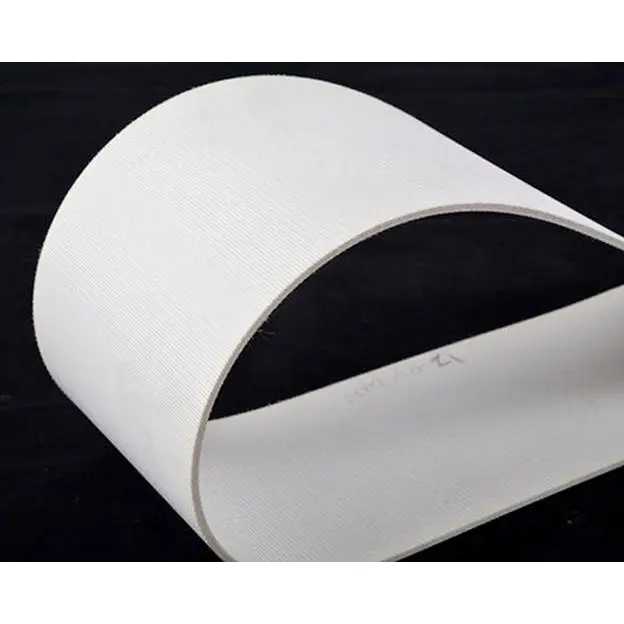
Fruit and Vegetable Conveyor Belt
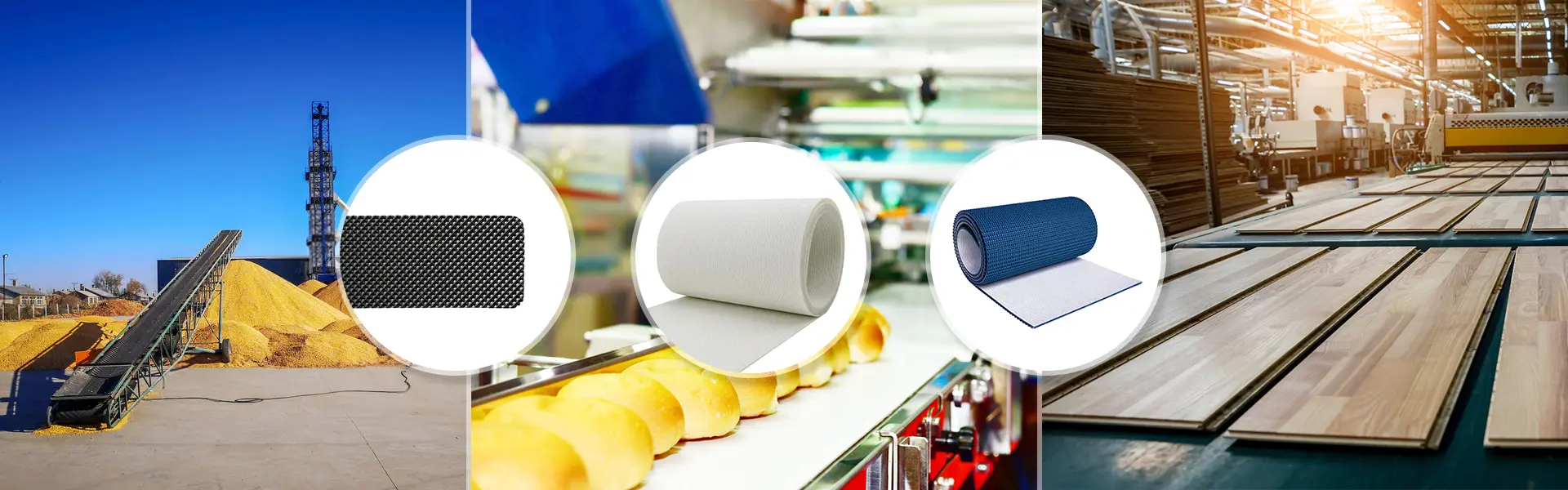
SHUNNAI Fruit and Vegetable Conveyor Belt is designed for modern fresh produce processing lines where hygiene, gentle handling and continuous operation are critical. Using food-grade PU, silicone, TPE, PVC and stainless steel mesh materials, SHUNNAI provides conveying solutions that protect delicate products while maintaining stable performance in wet, acidic and frequently cleaned environments.
1.Full food-grade certification
2.Extreme non-damage conveying
3.Corrosion and hydrolysis resistant
2.Extreme non-damage conveying
3.Corrosion and hydrolysis resistant
SHUNNAI Fruit and Vegetable Conveyor Belt is specially developed for washing, drying, sorting, grading, inspection and packaging lines of fresh produce. Different from ordinary industrial belts, fruit and vegetable conveying requires not only stable running performance but also gentle product handling, drainage efficiency and long-term resistance to water, fruit acids and cleaning chemicals.
Every belt undergoes food-contact safety inspection, hydrolysis resistance testing, surface cleanliness evaluation, anti-slip testing and drainage performance verification before delivery. Through precise material selection and structural customization, SHUNNAI helps food processors reduce product damage, improve sorting accuracy and maintain continuous production efficiency in demanding wet processing environments.
Reduce Produce Loss During Conveying
Fresh fruits and vegetables are highly sensitive to impact, friction and pressure. During automated processing, even small surface damage can reduce product value, especially for strawberries, blueberries, cherries and other delicate produce. Therefore, the conveying system must control contact force while maintaining accurate movement.
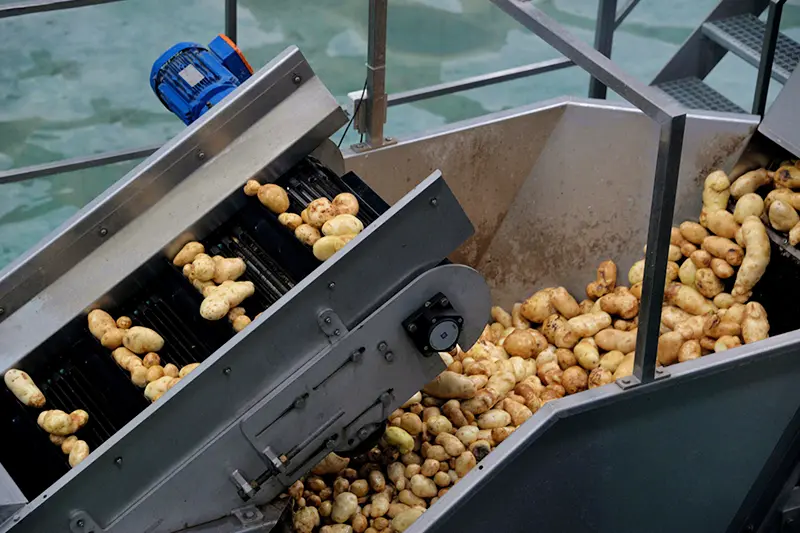
SHUNNAI designs the Fruit and Vegetable Conveyor Belt with food-grade flexible materials and optimized surface structures. PU and silicone materials provide controlled elasticity, absorbing impact when products transfer between different processing stages. The belt hardness can be adjusted according to product characteristics, allowing soft fruits to be transported without crushing while still maintaining sufficient support for heavier products such as apples, potatoes and carrots.
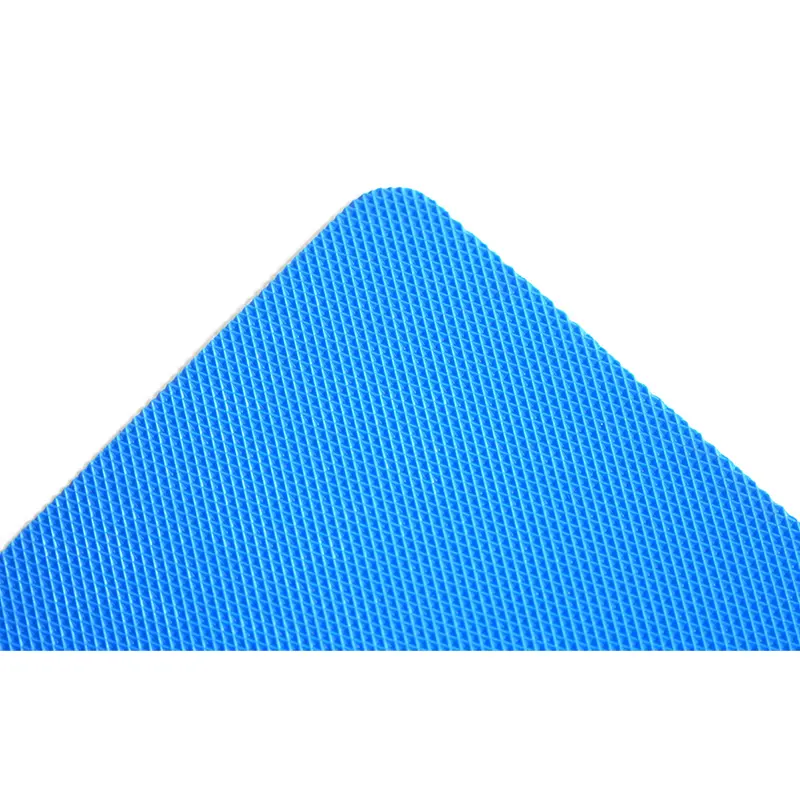
For inspection and sorting applications, SHUNNAI offers matte smooth surfaces that reduce light reflection and improve compatibility with optical sorting equipment. Light-textured surfaces increase friction without damaging the natural surface layer of fruits, helping maintain appearance quality during high-speed conveying.
Stable Performance in Wet Processing Lines
Fruit and vegetable processing environments usually involve continuous water spraying, soaking, disinfecting and drying cycles. These conditions create higher requirements for belt material stability. Ordinary belts may absorb water, soften, expand or develop surface cracks after long-term operation.
SHUNNAI selects hydrolysis-resistant PU, silicone and TPE materials according to different working conditions. The dense surface structure prevents juice, water and cleaning agents from penetrating into the belt body. Even when exposed to fruit acids such as citric acid and malic acid, the belt maintains stable dimensions and surface performance.
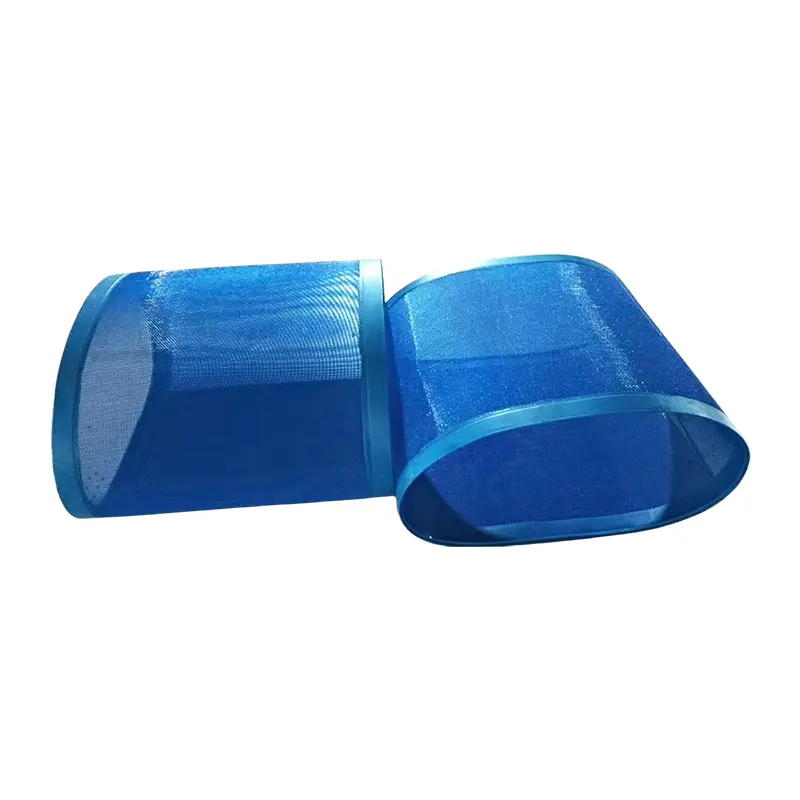
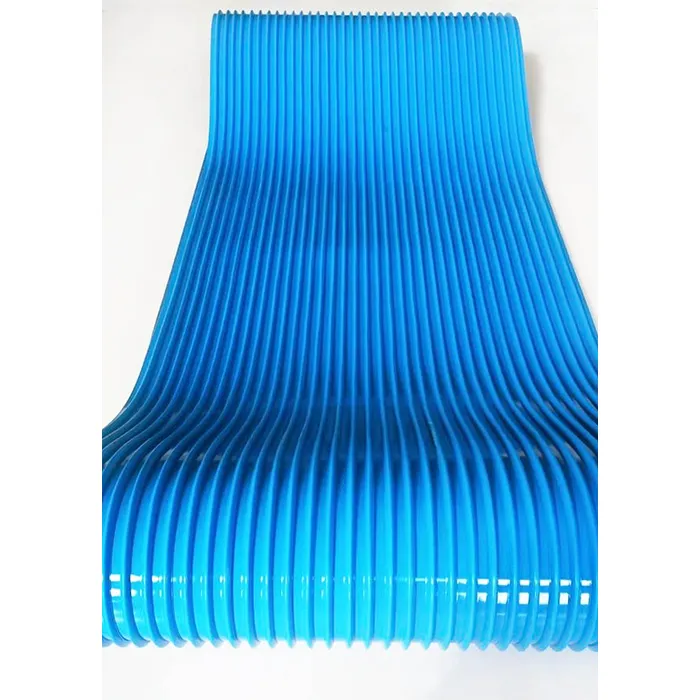
For washing and dewatering equipment, SHUNNAI provides perforated and mesh structures that allow water and impurities to pass through quickly. This design reduces water accumulation on the conveying surface, improves cleaning efficiency and helps maintain a cleaner processing environment.
Improve Sorting Accuracy on Automated Lines
Modern fruit and vegetable processing plants increasingly rely on automatic weighing, color recognition and quality inspection systems. During these processes, unstable belt movement, product rolling or surface reflection can directly affect detection accuracy and production efficiency.
SHUNNAI Fruit and Vegetable Conveyor Belt is designed according to the requirements of intelligent sorting equipment. The belt body uses high-dimensional stability fabric reinforcement or integrated polymer structures to reduce lateral deformation during continuous operation. This helps maintain consistent conveying speed and positioning accuracy, allowing inspection cameras and weighing systems to capture reliable product information.
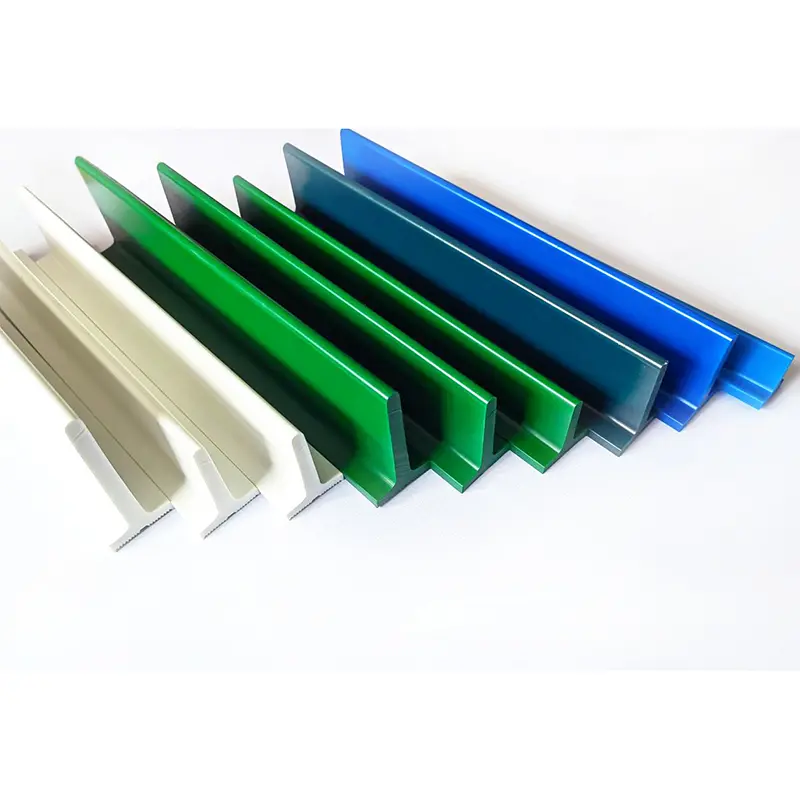
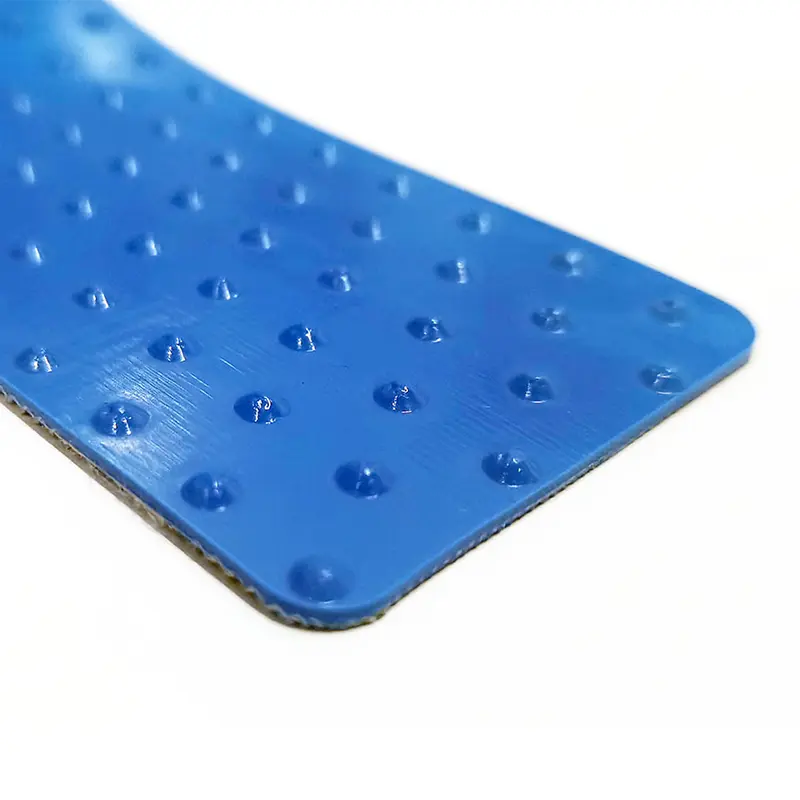
For optical sorting lines, SHUNNAI provides low-reflection matte surfaces that reduce interference caused by strong light reflection from wet fruit surfaces. For grading systems, customized surface patterns provide moderate friction, preventing round products from rolling or changing position before measurement. Flexible sidewalls and divider structures can also be added to maintain product spacing and improve automatic sorting efficiency.
Adapt to Seasonal Processing Changes
Fruit and vegetable production has strong seasonal characteristics. Processing plants may handle different products throughout the year, from soft berries in summer to frozen vegetables in winter. A single conveying system often needs to adapt to changing temperatures, moisture levels and product characteristics.
SHUNNAI develops different belt structures according to seasonal production requirements. Silicone belts maintain flexibility in low-temperature environments and are suitable for chilled or frozen product handling. PU belts provide balanced strength and flexibility for daily washing, sorting and packaging operations. TPE and special composite belts can be selected for applications requiring repeated temperature changes.
This material flexibility allows processors to reduce frequent belt replacement caused by seasonal environmental changes and maintain stable operation throughout the production cycle.
Cleaning Efficiency and Maintenance Control
In fresh produce processing, cleaning time directly affects production capacity. Traditional conveyor belts with fabric layers or uneven joints may collect fruit residue, water and microorganisms, increasing cleaning difficulty and maintenance frequency.
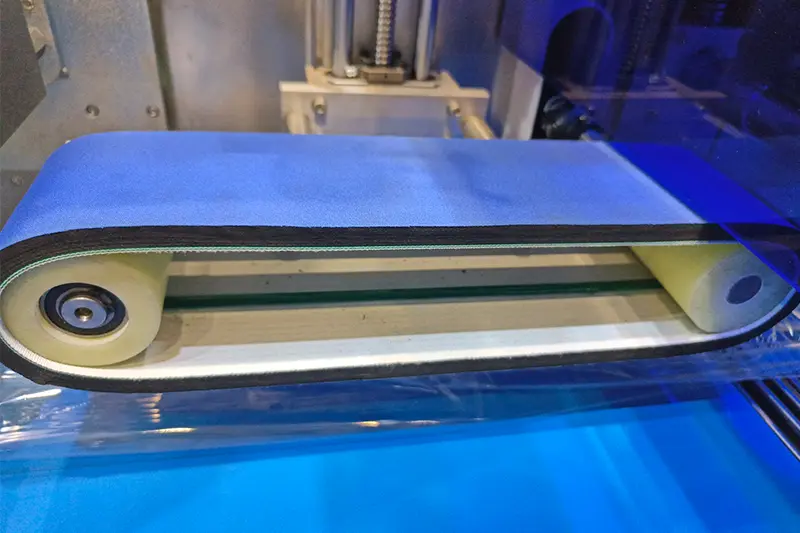
SHUNNAI Fruit and Vegetable Conveyor Belt adopts dense food-grade surface structures and supports seamless endless processing. The smooth belt surface reduces residue accumulation, while the jointless design eliminates raised areas that may damage products or collect contaminants.
The belt material is compatible with common food processing cleaning methods, including water flushing, alkaline cleaning agents and disinfectant treatment. For high-humidity washing lines, mesh and punched structures improve drainage performance, reducing standing water and shortening drying time after cleaning.
Performance Verification in Produce Lines
|
Test Item |
Test Condition |
Result |
|
Water resistance |
Continuous water immersion for 48 hours |
No swelling, no delamination, stable dimensions |
|
Fruit acid resistance |
Citric acid solution exposure for 72 hours |
No cracking, no discoloration, no material degradation |
|
Disinfection resistance |
Repeated sodium hypochlorite cleaning simulation |
Surface remains intact without corrosion |
|
Thermal adaptability |
Low temperature and hot water cycle testing |
Maintains flexibility without cracking |
|
Drainage performance |
Spray washing simulation |
Mesh structure improves drainage efficiency |


Real User Scenarios
1. Berry Sorting Line Supervisor
“Strawberries require extremely gentle handling. Our previous belt caused visible bruising during transfer. After using SHUNNAI’s seamless PU belt, the surface contact became much smoother, and the product damage rate decreased significantly. The matte surface also improved camera inspection stability.”
– A strawberry processing company in Liaoning
2. Apple Grading Workshop Manager
“Our apple grading line requires accurate positioning before weight sorting. SHUNNAI customized the belt surface and sidewall structure according to our equipment. The fruit no longer rolls randomly, and the sorting process is much more stable.”
– A fruit export enterprise in Shandong
3. Vegetable Washing Line Maintenance Engineer
“The previous solid belt retained too much water after washing. The SHUNNAI perforated belt drains quickly and is easier to clean after daily production. Maintenance time has been reduced, and the workshop stays cleaner.”
– A fresh vegetable processing plant in Hebei
Product Configuration Options
|
Parameter |
Specification Range |
|
Belt Material |
Food-grade PU, silicone, TPE, PVC, stainless steel mesh |
|
Applicable Temperature |
-40℃ to 200℃ (depending on material selection) |
|
Surface Structure |
Smooth, matte, fine texture, punched holes, mesh, customized pattern |
|
Thickness Range |
1.0mm–8.0mm (customizable according to equipment requirements) |
|
Processing Method |
Endless heat-fusion splice, mechanical joint, customized connection |
|
Optional Accessories |
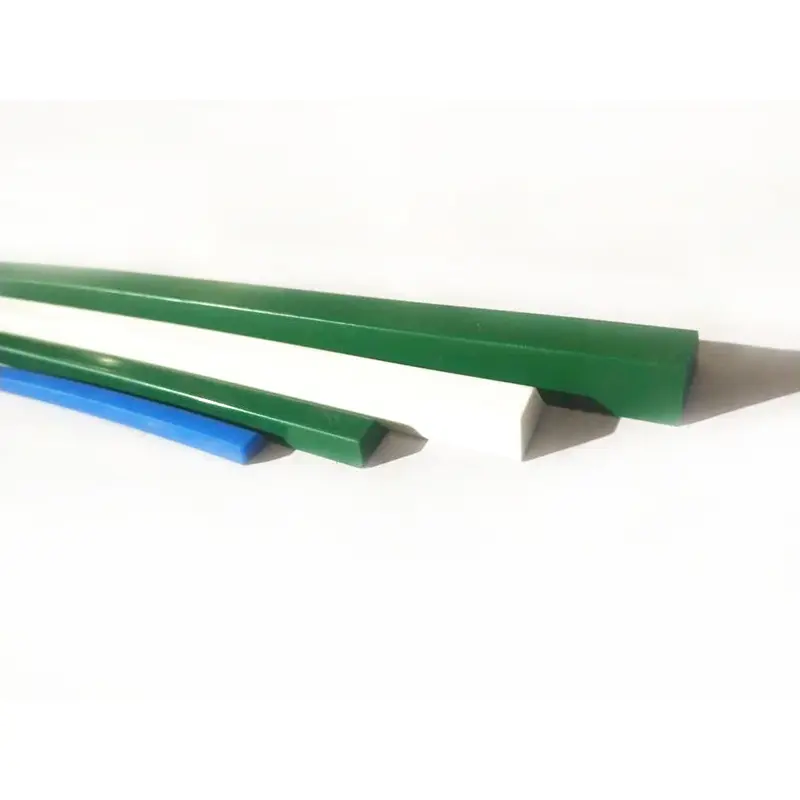
Sidewalls, guide strips, cleats, perforations and positioning structures |
|
Applicable Products |
Strawberries, blueberries, apples, citrus, potatoes, carrots, leafy vegetables and other fresh produce |
Production Efficiency Improvements
In fresh produce processing, the cost of downtime is often higher than the cost of replacing a conveyor belt. Belt selection directly influences cleaning frequency, sorting stability and daily production efficiency.
SHUNNAI Fruit and Vegetable Conveyor Belt focuses on reducing unnecessary interruptions during operation. Stable dimensional control minimizes repeated adjustment of tracking systems, while customized structures reduce product accumulation and manual intervention. For automatic washing, inspection and packaging equipment, SHUNNAI provides belt solutions designed around the actual production process rather than standard belt replacement.
Through precise manufacturing processes including fabric reinforcement, surface treatment, heat-fusion splicing and finished product inspection, each belt is prepared for long-term operation in demanding agricultural processing environments.
Customized Solutions for Different Produce
Different fruits and vegetables have different requirements for conveying speed, contact pressure and surface protection. SHUNNAI does not use one standard structure for all applications but adjusts materials and belt designs according to specific products and equipment.
For soft fruits such as strawberries, blueberries and cherries, seamless PU or silicone belts provide gentle support and reduce impact damage. For apples, oranges and pears requiring sorting and grading, matte surfaces and positioning structures help improve conveying stability. For leafy vegetables and root vegetables processed with large amounts of water, perforated or mesh belts improve drainage and maintain cleaner operation.
For automated production lines requiring integration with cameras, weighing systems or robotic packaging equipment, SHUNNAI can customize belt width, thickness, surface pattern, guide structure and connection method according to machine drawings.
Applicable Processing Stages
Fruit washing lines commonly use punched mesh belts or drainage structures to allow water flow through the belt surface while carrying produce smoothly. These designs help remove impurities and reduce excessive moisture retention after cleaning.
Inspection and sorting stations mainly require stable positioning and low-reflection surfaces. SHUNNAI provides matte PU belts and lightly textured structures to support optical recognition and automatic grading equipment.
Packaging and transfer sections require gentle conveying to protect appearance quality. Silicone and flexible PU belts provide cushioning performance, reducing collision between products during accumulation and transfer.
Cold storage and low-temperature processing environments require materials with good flexibility. SHUNNAI selects suitable polymer formulations to maintain bending performance and avoid cracking during repeated temperature changes.
Quality Control from Material to Delivery
Tianjin Shunnai Conveyor Belt Manufacturing Co., Ltd. follows a complete manufacturing control process covering incoming material inspection, food-grade material verification, production monitoring and finished belt testing. The company operates according to GB/T 19001-2016 / ISO 9001:2015 quality management requirements.
For food-related applications, SHUNNAI pays particular attention to material safety, surface cleanliness, splice reliability and long-term environmental resistance. Each production batch can be tested according to customer requirements, with technical support available for belt selection, installation guidance and application evaluation.
From fresh fruit sorting plants to vegetable washing and packaging facilities, SHUNNAI provides reliable conveying solutions that balance food safety, production stability and operating cost control.
Frequently Asked Questions
What materials are available for SHUNNAI fruit and vegetable conveyor belts?
SHUNNAI provides different food-grade materials according to processing requirements, including PU, silicone, TPE, PVC and stainless steel mesh. PU belts are commonly used for sorting, grading and packaging because of their balance between flexibility and durability. Silicone belts are suitable for applications requiring softer contact surfaces and temperature resistance, while mesh structures are often selected for washing and drainage processes.
Are SHUNNAI conveyor belts safe for direct contact with fruits and vegetables?
Yes. SHUNNAI fruit and vegetable conveyor belts are manufactured with food-grade materials designed for direct produce contact. The selected materials comply with FDA and GB food contact requirements, with controlled raw materials and production processes to avoid odor, harmful migration and contamination risks during food processing.
How does the belt protect delicate fruits from damage?
The belt surface and structure can be customized according to different produce characteristics. Soft PU or silicone materials provide cushioning during transportation, while seamless designs reduce surface impact points caused by traditional joints. For fragile products such as strawberries, blueberries and fresh-cut vegetables, SHUNNAI can provide smooth, matte or lightly textured surfaces to balance protection and stable conveying.
Can the conveyor belt work in wet washing environments?
Yes. Fruit and vegetable processing often involves continuous water spraying, cleaning agents and high humidity. SHUNNAI belts are designed with water-resistant materials and optional perforated or mesh structures to improve drainage efficiency. They maintain dimensional stability during long-term exposure to water and frequent cleaning operations.
Which conveyor belt is suitable for fruit washing and sorting lines?
The correct belt depends on the production process. For washing lines, punched mesh belts or drainage structures are recommended because they allow water and impurities to pass through quickly. For optical inspection and grading lines, matte smooth belts help reduce light reflection and improve camera recognition accuracy. For packaging and buffering areas, softer PU or silicone belts can provide better product protection.
How do SHUNNAI belts improve hygiene management in food factories?
SHUNNAI uses dense surface structures and seamless processing technology to reduce areas where fruit residue, juice and bacteria may accumulate. The belts are compatible with regular washing and disinfecting procedures, helping food processors maintain cleaner production environments and meet strict hygiene requirements such as GMP and HACCP management systems.
Can SHUNNAI customize conveyor belts for different fruit and vegetable machines?
Yes. SHUNNAI supports customized production according to equipment drawings and operating conditions. Custom options include belt width, length, thickness, surface pattern, perforation design, sidewalls, guide strips and special structures for washing machines, sorting machines, weighing graders and packaging systems.
How long is the service life of a SHUNNAI fruit and vegetable conveyor belt?
The service life depends on material selection, operating environment, cleaning frequency and load conditions. SHUNNAI improves durability through suitable material formulations, reinforced structures and strict quality inspection before shipment. Proper belt selection and regular maintenance can significantly extend operating time and reduce unexpected replacement.
What quality certifications does SHUNNAI have?
SHUNNAI operates under a quality management system certified to GB/T 19001-2016/ISO 9001:2015 standards. The company also provides products with FDA, MA and CNAS-related certification support according to customer requirements, ensuring reliable quality control from raw materials to finished conveyor belts.
Why choose SHUNNAI for fruit and vegetable processing applications?
SHUNNAI focuses on matching conveyor belt structures with actual food processing conditions. Instead of using one standard belt for all applications, SHUNNAI analyzes factors such as produce softness, moisture level, cleaning method, conveying speed and machine structure to provide suitable solutions for washing, sorting, inspection and packaging processes.
Send Inquiry
Contact Info
-
Address
No.129 Qingfeng Road, Jizhou District, Tianjin City, China
-
Tel
-
Email
If you have any inquiry about a quotation or cooperation, please feel free to email or use the following inquiry form. Our sales representative will contact you within 24 hours.

News Recommendations