





Car Assembly Conveyor Belt
SHUNNAI provides customized conveyor belts for automotive production lines, supporting vehicle stamping, body welding, paint workshops and automated assembly processes. The Car Assembly Conveyor Belts are engineered for heavy-load transportation, precise component positioning, high-temperature environments and chemical exposure areas. By selecting suitable materials and structures for different automotive stations, SHUNNAI delivers reliable conveying performance with excellent wear resistance, tracking stability and service life.
1.High load & impact resistance, aramid-reinforced tear resistance
2.Anti-static & solvent resistant – dual safety for painting lines
3.High-temperature & slag resistant – smooth operation in welding shops
2.Anti-static & solvent resistant – dual safety for painting lines
3.High-temperature & slag resistant – smooth operation in welding shops
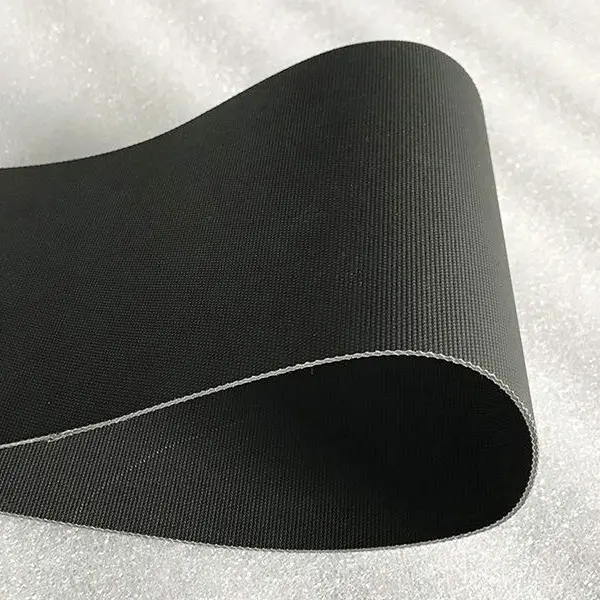
Car Assembly Conveyor Belt from SHUNNAI is developed for automotive manufacturing environments where load capacity, positioning accuracy, wear resistance and process compatibility are critical. Designed for stamping, welding, painting and final assembly operations, SHUNNAI belts help automotive manufacturers reduce downtime caused by belt stretching, tracking deviation, surface damage and unexpected replacement.
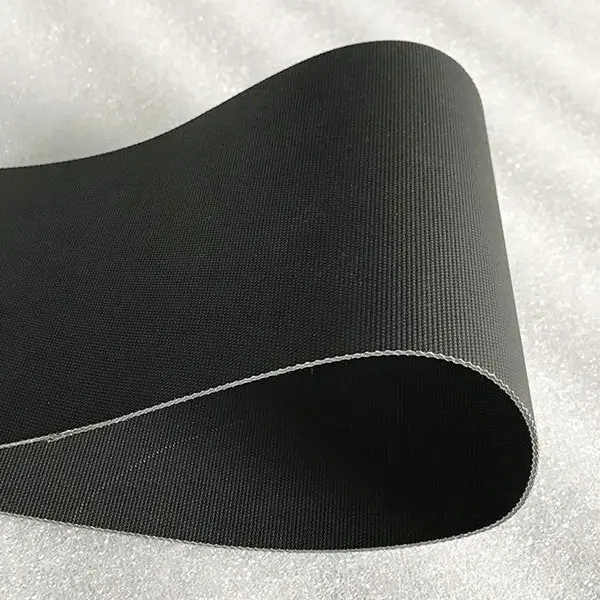
From heavy body panels to precision assembly components, SHUNNAI provides customized conveyor solutions using PU, rubber, silicone, aramid reinforcement and composite materials according to different production conditions.
Challenges in Automotive Production
Automotive factories require different conveying performance at each production stage. A belt suitable for stamping may not perform well in painting or final assembly areas. Selecting the wrong material can lead to premature wear, inaccurate positioning and increased maintenance costs.
Heavy Load Handling
Stamping workshops transport large metal components such as doors, hoods and body panels. These materials create continuous impact loads during feeding and transfer processes.
SHUNNAI uses high-strength polyester, aramid reinforcement and wear-resistant rubber compounds to improve tensile strength and impact resistance. The reinforced structure helps maintain belt stability under repeated loading conditions and reduces deformation during long-term operation.
Chemical and Heat Exposure
Painting and welding areas create special working environments where belts may encounter solvents, cleaning agents, welding sparks and radiant heat.
SHUNNAI develops oil-resistant PU belts, anti-static modified materials and high-temperature silicone solutions according to different stations. These materials help maintain mechanical performance while reducing risks caused by chemical swelling, surface aging or thermal damage.
Position Accuracy
Modern automotive assembly lines rely heavily on automation equipment. Small changes in belt length or tracking position may affect component alignment and production efficiency.
SHUNNAI provides dimensionally stable belt structures and precision timing belt solutions to support accurate positioning during engine installation, seat assembly, dashboard installation and other final assembly processes.
Selecting Belts by Production Station
Automotive manufacturing includes multiple production stages with different requirements. SHUNNAI evaluates each application according to load, temperature, chemical exposure and positioning accuracy before recommending the appropriate solution.
Stamping Line
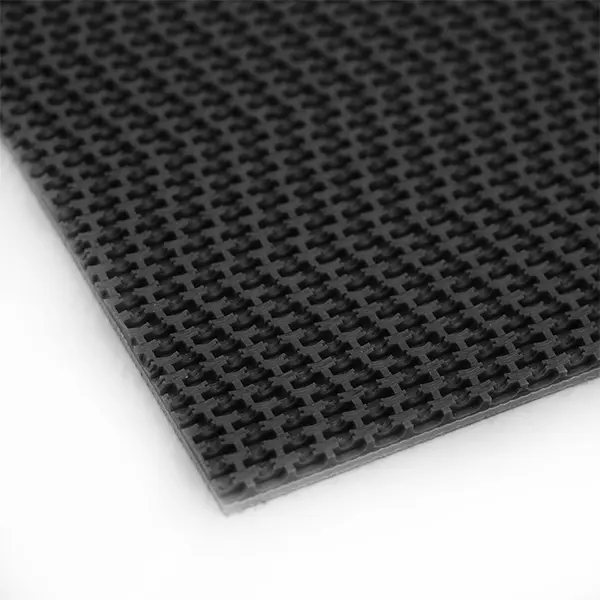
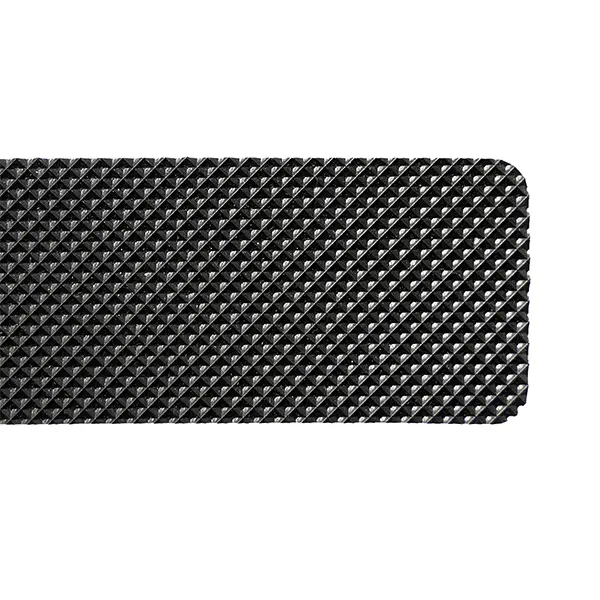
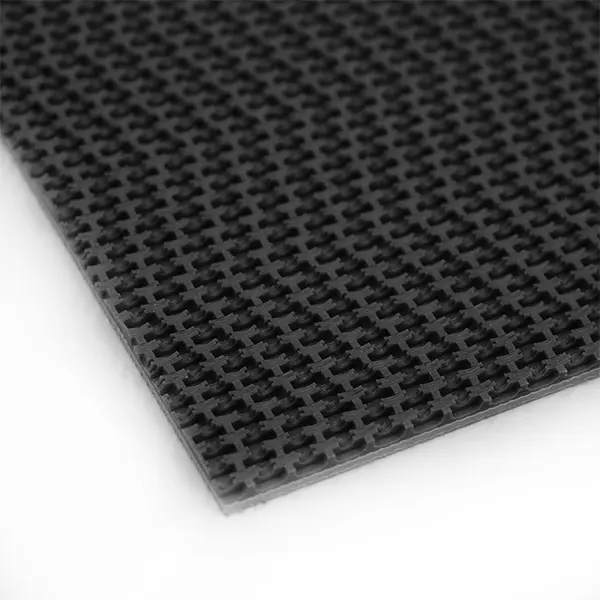
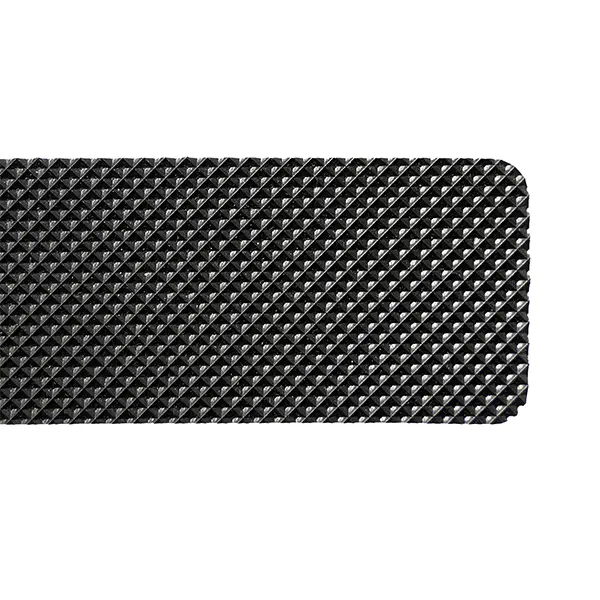
Stamping lines require strong impact resistance and reliable material support. SHUNNAI provides reinforced rubber belts and aramid carcass belts with textured surfaces to improve friction performance and prevent heavy metal parts from slipping during transportation.
Welding Line
Welding areas require resistance against sparks, heat and mechanical impact. Silicone composite belts and high-temperature resistant solutions are designed to maintain stable operation under demanding conditions.
Painting Line
Paint workshops require belts with chemical resistance and static control capability. SHUNNAI modified PU belts are designed to resist oil, solvents and cleaning chemicals while maintaining clean surface performance.
Final Assembly
Final assembly processes require precise movement and stable positioning. SHUNNAI timing belts and precision PU belts support automated systems where accurate synchronization is important.
Material Selection Based on Working Conditions
Different automotive applications require different material combinations. SHUNNAI focuses on matching belt construction with actual operating conditions instead of applying one standard solution for all production lines.
For heavy impact environments, reinforced rubber and aramid structures provide stronger load support. For painting areas, modified PU materials provide oil and solvent resistance. For high-temperature sections, silicone and PTFE-related solutions provide improved thermal stability.
This application-based selection approach helps automotive manufacturers balance performance requirements and operating costs.
Equipment Compatibility and Installation Support
Automotive production lines usually operate continuously for long periods, and conveyor belt replacement requires accurate compatibility with existing equipment. Incorrect dimensions, unsuitable tension or poor splice quality may cause installation delays and production interruptions.
SHUNNAI provides customized belt solutions according to equipment drawings, operating parameters and installation conditions. Engineers evaluate belt length, width, thickness, pulley diameter, running direction and load requirements before production to ensure better matching with customer equipment.
Customized Structure Design
Different automotive stations require different belt structures. SHUNNAI supports customized processing including guide strips, sidewalls, perforations, special surface patterns and endless belt designs.
For inclined conveying sections, guide structures can be added to prevent components from moving sideways. For precision assembly stations, timing structures can be customized to improve positioning accuracy. For heavy-duty transportation, reinforced carcasses and thicker belt structures are available.
Splice and Running Performance
The splice area is an important factor affecting conveyor reliability. Poor splicing may create uneven thickness, vibration or premature failure during continuous operation.
SHUNNAI applies professional hot vulcanization and heat fusion technologies according to different belt materials. The finished splice is tested to ensure smooth running performance and long service life during automotive production.
Production Verification Before Delivery
Automotive manufacturers require stable suppliers because unexpected conveyor failure can interrupt entire production lines. SHUNNAI has established inspection procedures covering raw materials, processing and finished belt performance.
Before shipment, each Car Assembly Conveyor Belt is checked through dimensional inspection, tensile strength testing, surface quality evaluation, splice strength verification and running simulation according to product requirements.
For special automotive applications, SHUNNAI also performs additional testing related to anti-static performance, temperature resistance, wear resistance and chemical compatibility to ensure the belt matches the working environment.
Quality Management and Certification
SHUNNAI operates according to GB/T 19001-2016 / ISO 9001:2015 quality management standards, controlling production processes from material selection to final inspection.
The company integrates R&D, design, manufacturing and quality management to provide reliable conveyor solutions for automotive factories, component suppliers and automation equipment manufacturers.
According to different customer industries and project requirements, SHUNNAI can support relevant testing and documentation requirements including FDA, MA and CNAS-related certification cooperation.
Performance Validation on Production Lines
An automotive stamping parts supplier in East China previously used ordinary industrial belts on an automated stamping line. After several months of operation, the belt developed edge delamination and elongation problems, causing frequent tracking adjustments and affecting production efficiency.
After analyzing the working conditions, SHUNNAI recommended a thick aramid-reinforced rubber belt with pre-vulcanized side guide structures. The solution was customized according to the existing equipment parameters, including pulley dimensions and running requirements.
After installation and commissioning, the Car Assembly Conveyor Belt operated continuously for more than one year with stable tensile performance, no obvious elongation and significantly reduced tracking problems. The automated stamping process achieved improved operational stability.
Customer Testimonials
Automotive Stamping Plant Application
An equipment supervisor from a large automotive stamping plant in Shandong shared:
“Door outer panels are fed by belts. Ordinary fabric belts became loose quickly, causing inaccurate stamping positioning and production problems. After switching to SHUNNAI’s thick tear-resistant rubber belt, replacement frequency was greatly reduced. With guide strips installed on the edges, the belt has maintained stable tracking during double-shift operation.”
Automotive Paint Line Application
A paint line manager from Jiangsu explained:
“Our previous belt softened and peeled after contact with solvents, and static-related concerns affected production safety. The anti-static oil-resistant PU belt recommended by SHUNNAI provides excellent solvent resistance. The surface remains clean, deformation is reduced after baking, and maintenance frequency has decreased.”
Application Testing and Material Selection
SHUNNAI selects belt structures according to different automotive production conditions instead of using one material for all applications.
For stamping and heavy-load transportation, reinforced rubber belts and aramid structures provide stronger impact resistance. For welding environments, silicone-based and high-temperature resistant solutions support continuous operation under heat exposure. For painting processes, anti-static and chemical-resistant PU materials help maintain stable performance. For final assembly, precision timing belts provide accurate synchronization with automated systems.
Frequently Asked Questions
What type of conveyor belt is suitable for automotive assembly lines?
The suitable belt depends on the production station. Heavy-duty rubber or aramid reinforced belts are commonly used for stamping applications, silicone or high-temperature belts are suitable for welding areas, and precision PU or timing belts are often selected for final assembly lines.
Can SHUNNAI customize belts according to automotive equipment drawings?
Yes. SHUNNAI provides customized manufacturing based on equipment drawings and technical requirements, including belt dimensions, guide strips, sidewalls, perforations, surface patterns and special structures.
How does SHUNNAI improve belt tracking stability?
SHUNNAI improves tracking performance through reinforced carcass design, dimensional control, precision processing and customized guide structures according to the application environment.
How are automotive conveyor belts tested before shipment?
SHUNNAI performs dimensional inspection, tensile strength testing, splice strength testing, surface quality inspection and application-related performance verification before delivery.
What information should buyers provide for quotation?
Customers should provide conveyor equipment information, belt size, operating temperature, conveying speed, load requirements, working environment and any special requirements such as oil resistance, anti-static performance or high-temperature resistance.
Why Choose SHUNNAI Automotive Conveying Solutions
Tianjin Shunnai Conveyor Belt Manufacturing Co., Ltd. combines material development, manufacturing experience and customized engineering capability to provide reliable solutions for automotive production environments.
From stamping workshops and welding sections to painting lines and final assembly stations, SHUNNAI focuses on solving practical production problems through suitable material selection, accurate processing and strict quality control.
With professional manufacturing capability, complete testing procedures and support for international quality requirements, SHUNNAI helps automotive manufacturers reduce maintenance costs, improve production stability and achieve reliable long-term conveying performance.
Choose SHUNNAI as your long-term conveyor belt partner for automotive manufacturing applications and receive a solution designed around your production requirements.
Send Inquiry
Contact Info
-
Address
No.129 Qingfeng Road, Jizhou District, Tianjin City, China
-
Tel
-
Email
If you have any inquiry about a quotation or cooperation, please feel free to email or use the following inquiry form. Our sales representative will contact you within 24 hours.
News Recommendations



