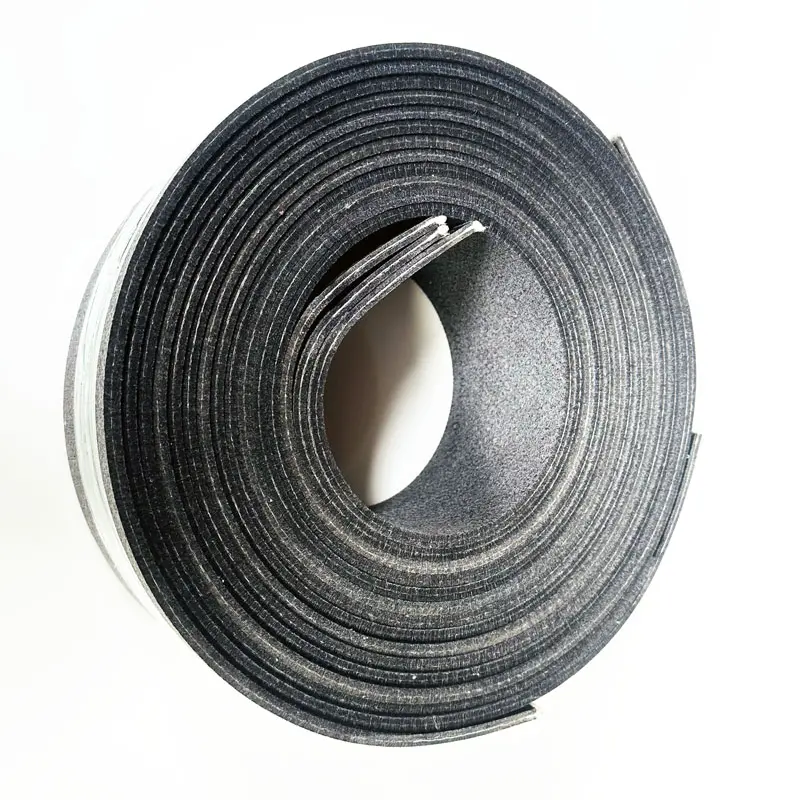
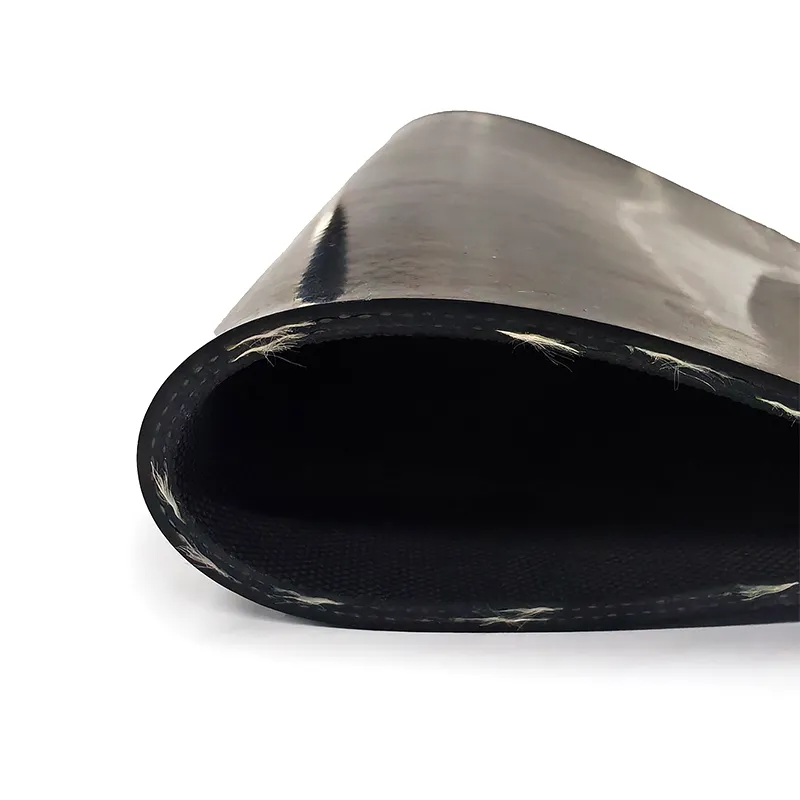
Textile Industry Conveyor Belt
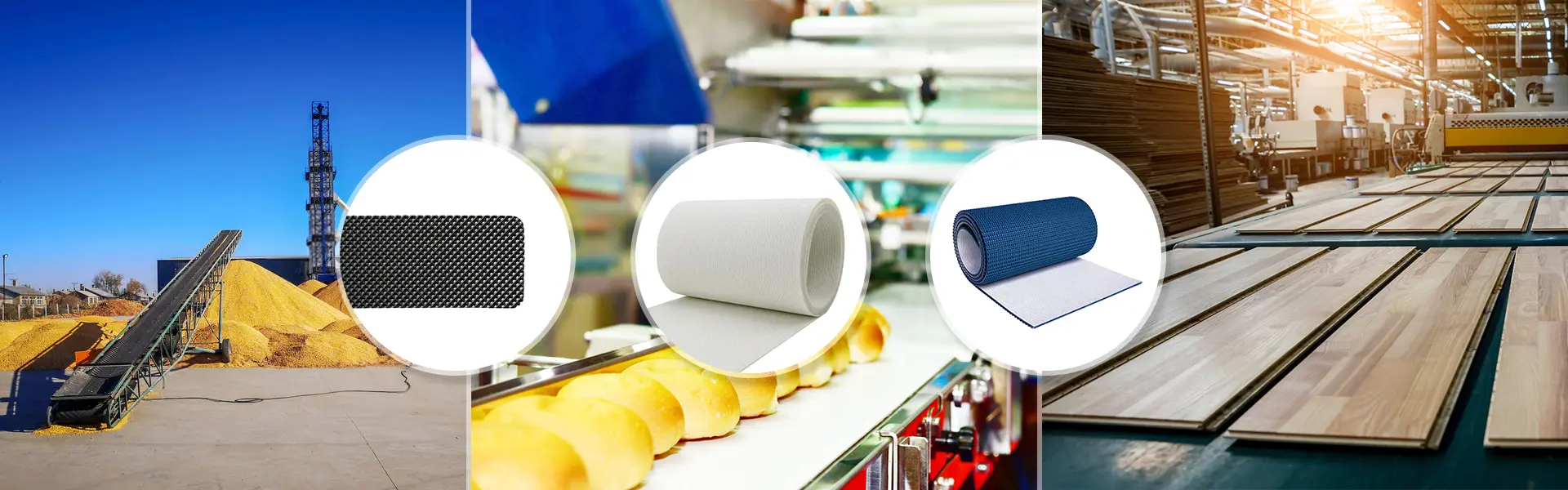
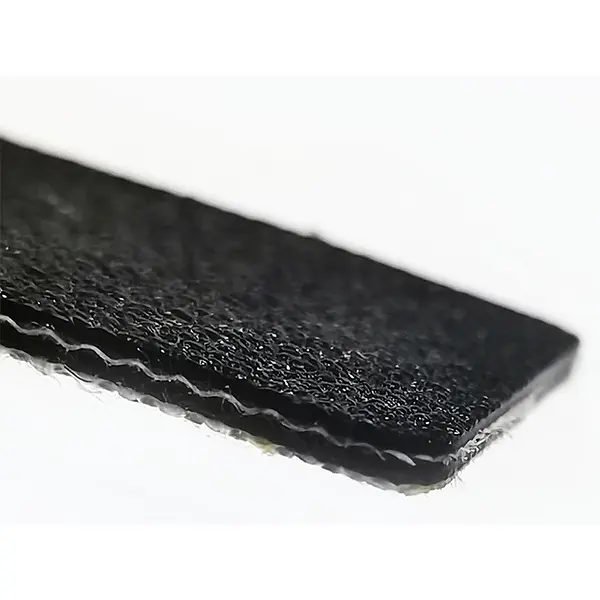
SHUNNAI provides customized conveyor belt solutions for modern textile manufacturing, including fabric inspection machines, screen printing equipment, garment ironing systems and footwear production lines. The Textile Industry Conveyor Belts are engineered to protect delicate fabrics through low-friction surfaces, stable tracking performance and suitable material selection.
1.Ultra-smooth surface – no damage, no snagging
2.Anti-static, clean – no dust attraction
3.Heat and solvent resistant – process compatible
2.Anti-static, clean – no dust attraction
3.Heat and solvent resistant – process compatible
Textile Industry Conveyor Belt from SHUNNAI is specially developed for textile processing environments where fabric protection, smooth transportation and process compatibility are critical. By combining PU, silicone, rubber and special composite materials, SHUNNAI provides customized belt solutions for fabric inspection machines, printing equipment, shoe production lines and garment finishing systems.
From silk and chiffon inspection to high-speed printing blanket applications, SHUNNAI focuses on reducing fabric defects caused by unsuitable conveying surfaces. The belts are designed with optimized surface structures, stable carcass materials and customized processing options to meet different textile machinery requirements.
Fabric Protection Comes First
Unlike ordinary industrial conveying applications, textile production directly contacts materials that may be sensitive to scratches, pressure marks and contamination. The main concern of textile manufacturers is not only whether a belt can transport materials, but whether it can maintain fabric quality throughout continuous operation.
Surface Contact Control
During fabric inspection and finishing processes, fabrics such as silk, lace and lightweight synthetic materials can easily be affected by rough surfaces. SHUNNAI textile belts use carefully processed PU and special coating technologies to provide smooth contact surfaces, helping reduce thread pulling, pilling and surface damage.
The optimized surface structure allows fabrics to move evenly across the conveyor without unnecessary friction, supporting stable inspection and processing quality.
Stable Fabric Positioning
Fabric deviation is a common concern in continuous textile equipment. During long-running processes such as inspection, printing and finishing, unstable belt tracking may cause fabric folding, inaccurate positioning or production defects.
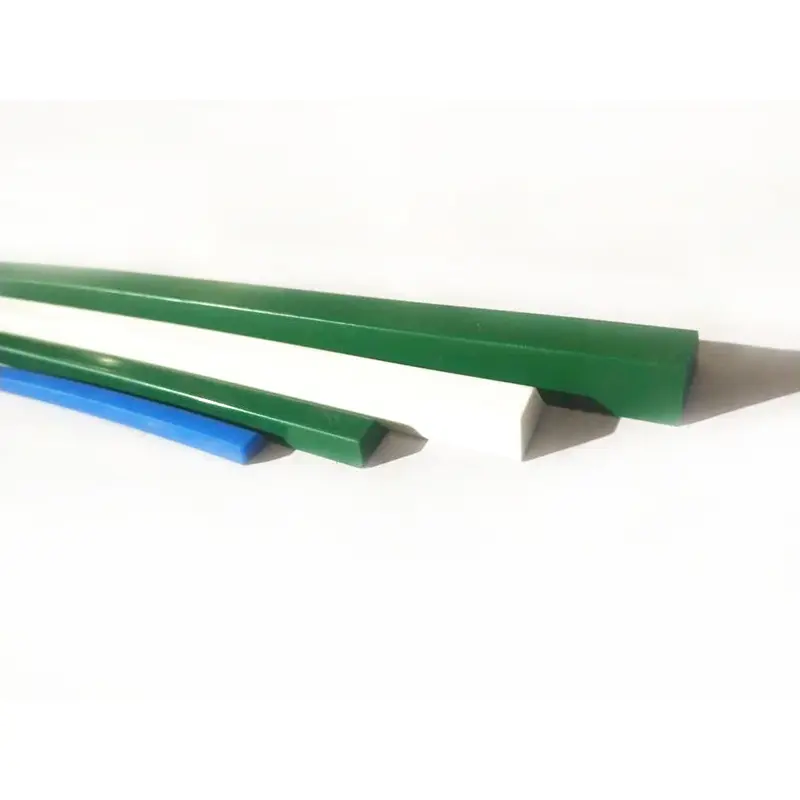
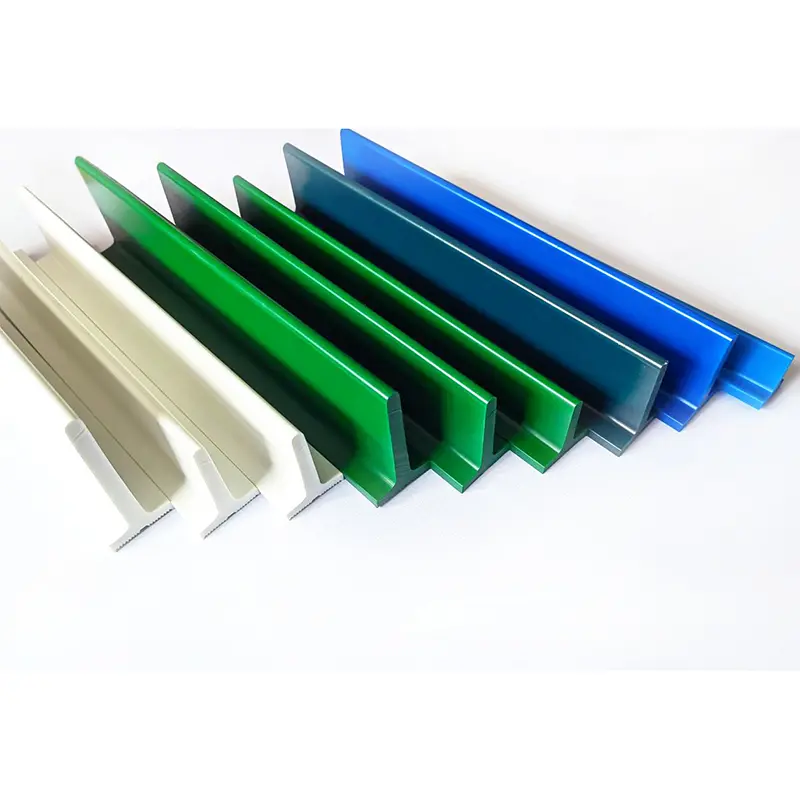
SHUNNAI designs Textile Industry Conveyor Belt carcasses with suitable fabric reinforcement structures and provides guide strips, V-guides and customized positioning solutions according to machine requirements, helping maintain consistent fabric movement.
Matching Different Textile Processes
Different textile applications require different belt structures. Selecting the correct belt according to the production process can significantly improve equipment performance and reduce maintenance frequency.
Fabric Inspection Lines
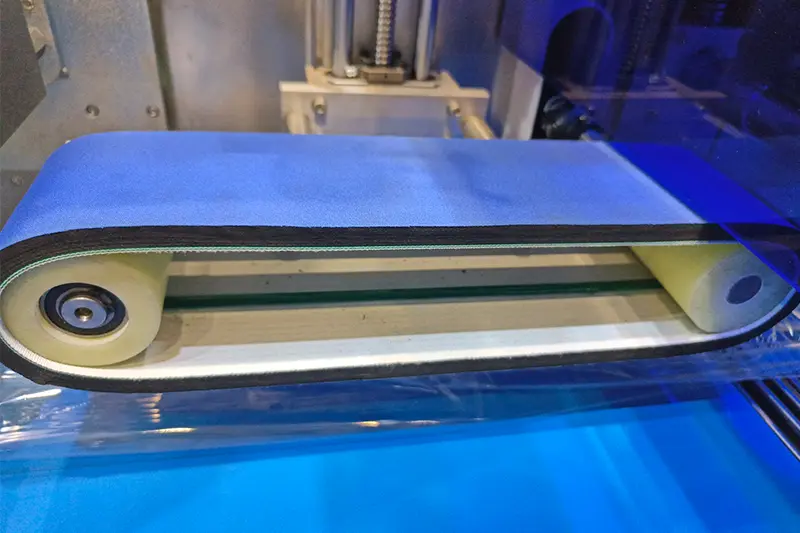
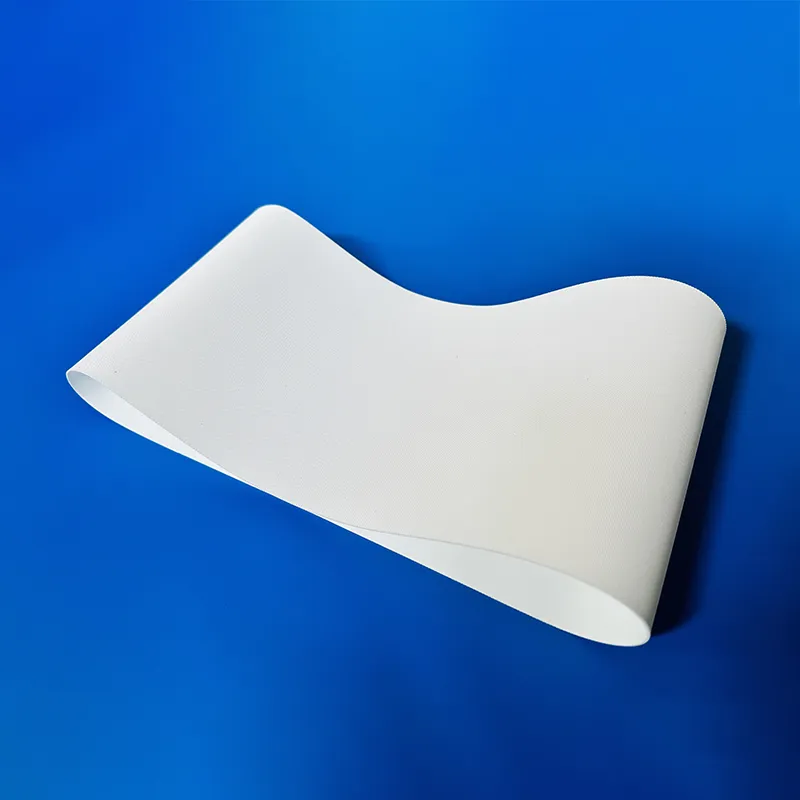
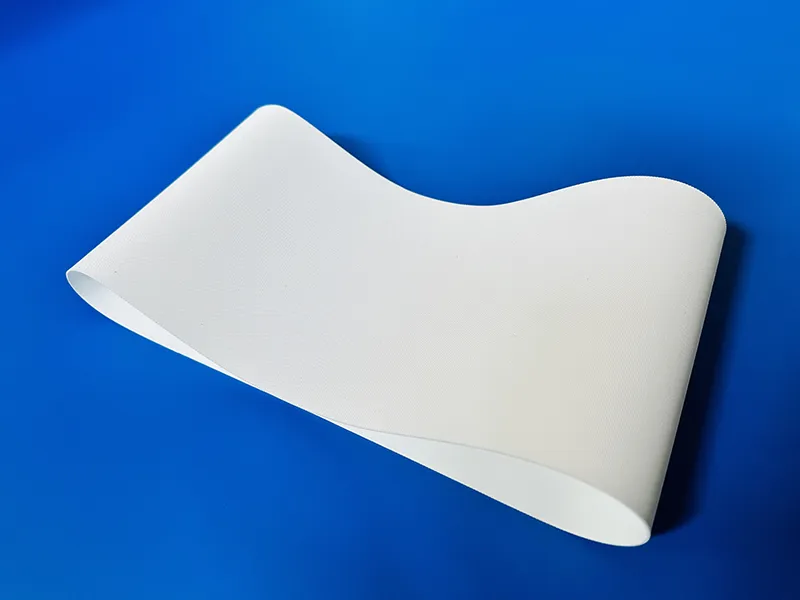
Fabric inspection equipment requires a belt surface that supports clear defect identification while protecting the fabric. SHUNNAI provides white and light-colored PU inspection belts with smooth surfaces and stable thickness control, helping inspection systems clearly identify weaving defects, color differences and surface problems.
Printing Equipment
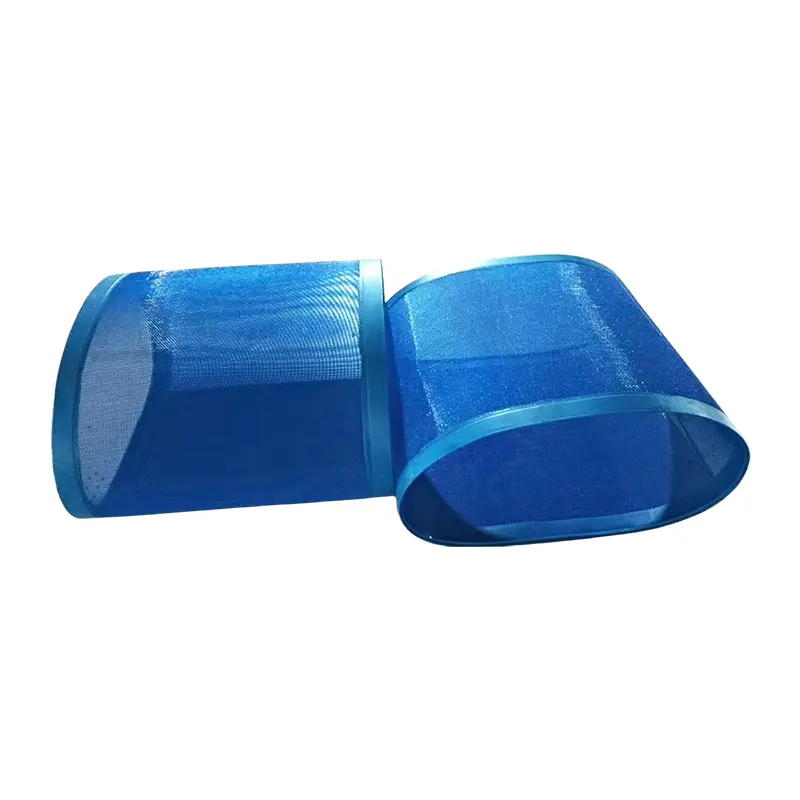
Printing machines require high dimensional stability because even small stretching changes may affect pattern alignment. SHUNNAI printing blankets use high-strength polyester or aramid carcasses with low elongation characteristics, helping maintain accurate registration during continuous printing operations.
Garment and Footwear Production
Garment and footwear factories involve different working conditions including adhesive processes, heating operations and clean production areas. SHUNNAI provides non-stick PU belts, high-temperature silicone belts and anti-static belts according to specific production requirements.
How Buyers Select the Right Belt
Before purchasing a textile conveyor belt, manufacturers usually need to evaluate several production conditions including fabric type, machine speed, working temperature, chemical exposure and required conveying accuracy.
For delicate fabrics, a softer and smoother surface is preferred to avoid damage. For printing applications, dimensional stability and chemical resistance are more important. For thermal processing, temperature resistance and non-stick performance become key selection factors.
SHUNNAI provides technical recommendations based on actual equipment conditions instead of supplying standardized products only, helping customers select a suitable solution for their production environment.
Customized Belt Solutions for Textile Equipment
Textile machinery varies significantly between factories, and standard conveyor belts cannot always meet different production requirements. SHUNNAI provides customized solutions based on equipment structure, production speed and fabric characteristics.
According to customer drawings and application conditions, SHUNNAI can customize belt width, circumference, thickness, surface texture, guide structures and special processing methods. This allows the belt to achieve better compatibility with imported and domestic textile equipment.
Printing Blanket Customization
Printing processes require stable transmission and accurate positioning. During continuous operation of flat screen and rotary screen printing machines, excessive belt stretching may cause pattern deviation and affect final product quality.
SHUNNAI printing blankets use high-strength polyester or aramid reinforcement layers with professional heat-setting processes to improve dimensional stability. The PU surface layer provides resistance against printing paste, solvents and repeated cleaning operations.
Optional locating holes, positioning marks and customized dimensions are available according to printing machine requirements, helping customers achieve more efficient equipment adjustment and operation.
Fabric Inspection Belt Customization
Fabric inspection machines require excellent surface smoothness and stable thickness because the belt directly supports quality inspection processes.
SHUNNAI provides customized inspection belts with different colors, thicknesses and surface structures according to inspection equipment requirements. The belt design helps maintain uniform fabric tension and provides better compatibility with lighting inspection systems.
Special Environment Solutions
Some textile production environments involve high temperatures, adhesive materials, chemicals or static-sensitive areas. SHUNNAI develops different material combinations according to these working conditions.
High-temperature silicone belts are suitable for heating and ironing processes. Non-stick PU belts help reduce adhesive accumulation in footwear production. Anti-static belts are available for clean production areas where dust control is important.
Quality Testing Before Delivery
For textile manufacturers, conveyor belt stability directly influences production efficiency and product quality. SHUNNAI has established a complete inspection process covering raw materials, production processing and finished product testing.
Each belt undergoes professional verification before shipment, including surface quality inspection, dimensional accuracy measurement, tensile strength testing, splice strength testing and running performance evaluation.
For anti-static textile belts, SHUNNAI performs surface resistance testing to confirm electrostatic control performance. For printing and precision applications, dimensional stability and elongation testing help ensure reliable long-term operation.
Certification and Manufacturing Standards
SHUNNAI follows strict quality management procedures based on GB/T 19001-2016 / ISO 9001:2015 standards. From material selection to final inspection, every production step is controlled according to standardized manufacturing requirements.
For customers in different industries and international markets, SHUNNAI can provide supporting testing documents and certification cooperation including FDA, MA and CNAS-related requirements according to project needs.
Through systematic quality control and professional manufacturing experience, SHUNNAI provides stable conveyor solutions for textile enterprises worldwide.
Real User Testimonials
Printing Production Line Application
An equipment manager from a large printing enterprise in Guangdong shared:
“We have two flat screen printers. The previous printing blanket stretched and mis-tracked in less than a year, causing pattern misalignment and high reject rates. After switching to SHUNNAI’s printing blanket, it has operated for 16 months with almost no dimensional change. Paste residue wipes off easily, and the seamless heat-fused splice solved previous joint problems.”
Silk Fabric Inspection Application
An inspection line leader from a silk fabric mill in Zhejiang explained:
“Silk fabric is extremely delicate. Our previous belt could pull threads when the surface became slightly rough. SHUNNAI’s inspection belt provides a much smoother surface, and after six months of operation, the belt remains in excellent condition. The translucent design also improves visibility during fabric inspection.”
Production Reliability Improvements
Textile manufacturers usually focus on reducing three major risks during production: fabric damage, equipment instability and unexpected maintenance.
SHUNNAI helps customers address these challenges through suitable material selection, customized structures and strict manufacturing control. Smooth surfaces help protect sensitive fabrics, stable carcasses support continuous operation, and customized processing improves compatibility with different textile machines.
Instead of providing only standard belt products, SHUNNAI studies each customer's production environment and develops practical conveying solutions according to actual requirements.
Frequently Asked Questions
What types of textile machines can use SHUNNAI conveyor belts?
SHUNNAI Textile Industry Conveyor Belts are suitable for fabric inspection machines, printing machines, garment processing equipment, footwear production lines, ironing systems and other textile-related conveying applications.
How does SHUNNAI prevent fabric damage during conveying?
SHUNNAI focuses on surface material selection and processing technology. Smooth PU coatings, suitable hardness control and optimized surface structures help reduce friction damage, snagging and fabric marking.
Can SHUNNAI manufacture belts according to equipment drawings?
Yes. SHUNNAI provides customized manufacturing according to customer drawings and technical requirements, including belt size, guide strips, sidewalls, perforations and special surface treatments.
What information is needed for quotation?
Customers are recommended to provide machine model, belt dimensions, working temperature, conveying speed, fabric type, production environment and any special requirements such as anti-static or chemical resistance.
How long is the service life of a textile conveyor belt?
Service life depends on application conditions including load, speed, temperature, material characteristics and maintenance. Selecting the correct belt structure according to the production process can significantly improve operating life.
Why Choose SHUNNAI Textile Conveying Solutions
Tianjin Shunnai Conveyor Belt Manufacturing Co., Ltd. has more than 15 years of experience in industrial belt manufacturing and provides customized solutions for textile enterprises worldwide.
From fabric inspection and printing applications to footwear and garment production, SHUNNAI focuses on solving practical production challenges through reliable materials, accurate processing and strict quality inspection.
With professional manufacturing capability, customized engineering support and complete quality management, SHUNNAI helps textile manufacturers reduce fabric defects, improve production stability and achieve more efficient conveying performance.
Choose SHUNNAI for a textile conveying partner that understands both conveyor technology and textile production requirements.
Send Inquiry
Contact Info
-
Address
No.129 Qingfeng Road, Jizhou District, Tianjin City, China
-
Tel
-
Email
If you have any inquiry about a quotation or cooperation, please feel free to email or use the following inquiry form. Our sales representative will contact you within 24 hours.
News Recommendations