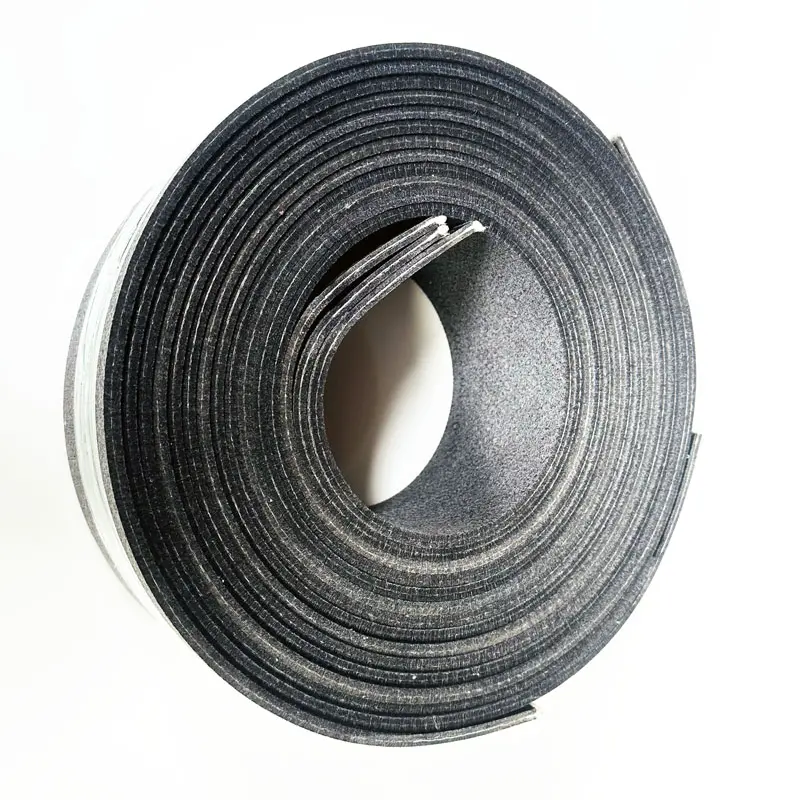
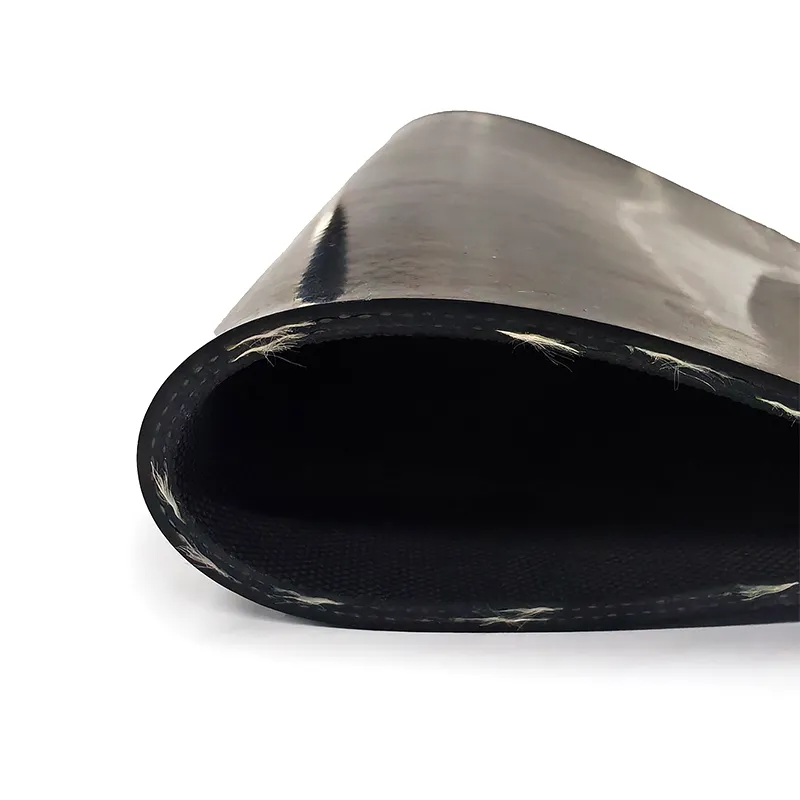
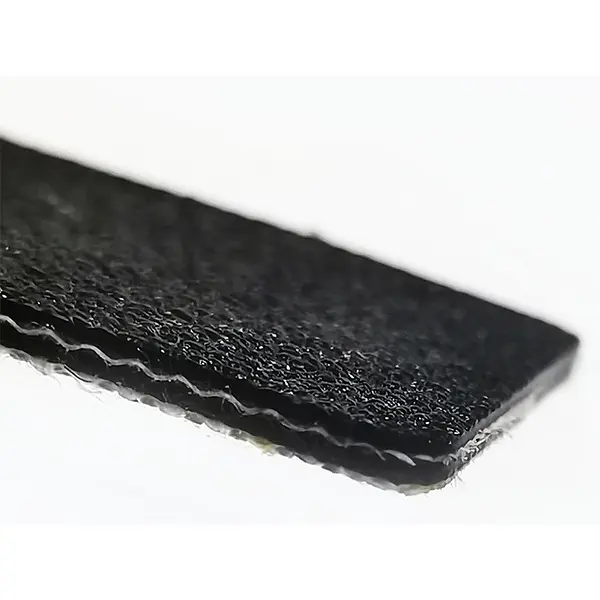
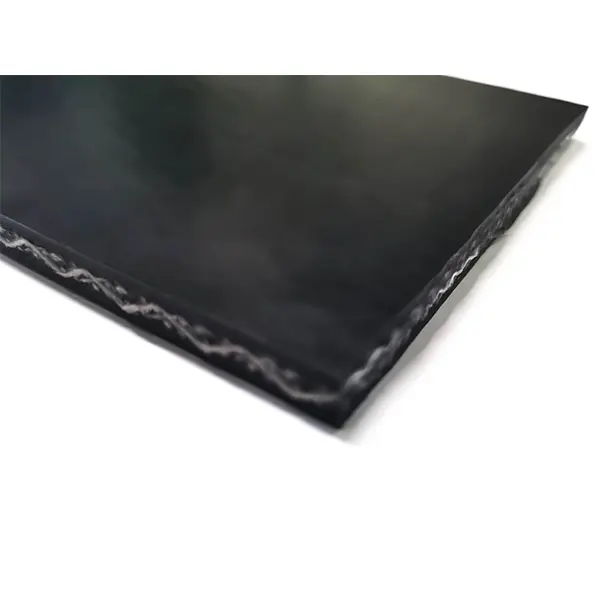
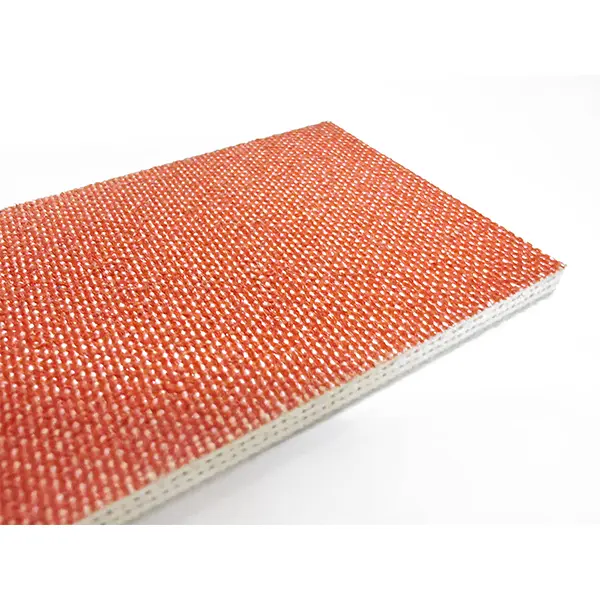
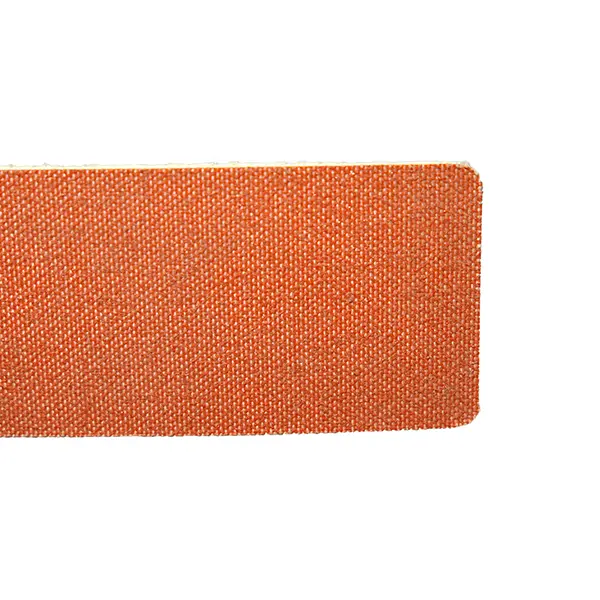
Metalworking Conveyor Belt
SHUNNAI Metalworking Conveyor Belt is developed for challenging applications such as steel coil handling, slitting, laser cutting and sheet metal transfer, where sharp edges, heavy loads, oil contamination and surface protection are critical concerns. With seamless structures, wear-resistant materials and customized surface designs, SHUNNAI belts help manufacturers reduce belt damage, prevent metal surface marks and maintain stable operation under demanding working conditions.
1.Seamless one‑piece – no splice failure
2.Cut‑resistant, wear‑resistant – handles metal burrs
3.Differentiated friction design
2.Cut‑resistant, wear‑resistant – handles metal burrs
3.Differentiated friction design
Metalworking Conveyor Belt from SHUNNAI is engineered for demanding metal manufacturing applications where wear resistance, surface protection and stable transmission are essential. By combining PU, rubber, felt, polyester and aramid reinforcement technologies, SHUNNAI develops customized belts for steel coils, stainless steel sheets, aluminum materials and precision metal processing equipment.
From high-speed coil winding systems to laser cutting tables and precision slitting lines, SHUNNAI focuses on providing conveying solutions that protect metal surfaces while maintaining reliable production performance.
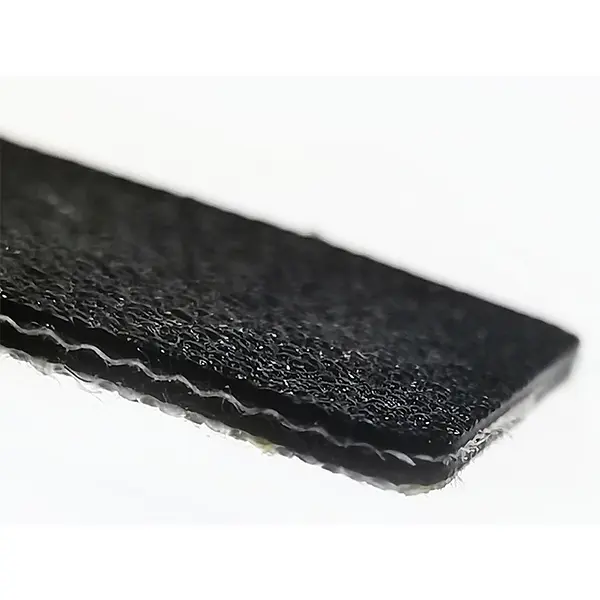
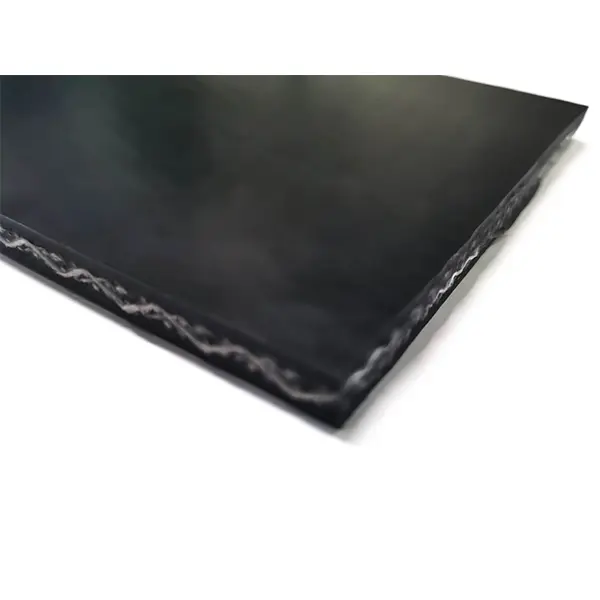
Challenges in Metal Processing
Metal fabrication requires different belt performance compared with ordinary industrial conveying. The transported materials may have sharp edges, high weight, hot surfaces or oil contamination, making material selection an important factor for production reliability.
Sharp Edge Protection
Steel sheets, aluminum plates and processed metal components often contain sharp edges or burrs after cutting and forming. Standard Metalworking Conveyor Belts may suffer from surface cutting, tearing or accelerated wear under repeated contact.
SHUNNAI uses wear-resistant PU covers, rubber compounds and reinforced carcass structures to improve resistance against mechanical abrasion. The belt surface can be customized according to different metal products, helping reduce damage caused by continuous friction.
Surface Quality Control
For stainless steel, coated sheets and aluminum products, surface appearance directly affects final product value. Traditional rough conveyor surfaces may leave marks, scratches or pressure impressions during transportation.
SHUNNAI provides smooth PU, leather-textured and soft composite surface options designed for applications requiring better surface protection. These structures help maintain metal sheet appearance during coil handling and finishing processes.
Oil and Lubricant Exposure
Rolling and machining operations often involve lubricants, coolants and processing oils. Some conventional belt materials may absorb oil, swell or lose mechanical strength after long-term exposure.
SHUNNAI develops oil-resistant PU and rubber formulations to improve resistance against industrial oils and chemical environments. For oily production lines, customized surface structures are available to maintain stable friction and running performance.
Applications Across Metal Processing Lines
Different metal processing stages require different belt structures. SHUNNAI evaluates the working conditions of each application and selects suitable materials according to load, speed, temperature and surface requirements.
Coil Handling Lines
Coil production requires stable winding and transportation performance. SHUNNAI reeler belts are designed with high-strength reinforcement layers and seamless structures to maintain uniform tension during high-speed operation.
The seamless construction reduces vibration caused by traditional joints and supports smoother coil movement, helping improve winding consistency.
Slitting Equipment
Slitting lines require accurate tension control and stable tracking. SHUNNAI tension belts use multi-layer structures combining surface grip, elastic layers and reinforced tensile materials.
The customized surface design provides suitable friction while protecting galvanized, coated and precision metal surfaces from unnecessary marks.
Laser Cutting Systems
Laser and plasma cutting applications expose belts to hot fragments and sharp metal scraps. SHUNNAI provides felt composite and high-temperature resistant solutions to absorb impact and improve cutting table durability.
Choosing the Right Belt Structure
Metal processing equipment operates under different mechanical conditions, so belt structure selection directly affects service life and production stability.
For heavy coil transportation, reinforced rubber and aramid structures provide stronger load support. For precision metal sheets, smooth PU and soft surface materials help protect appearance quality. For cutting applications, felt composite structures provide better protection against heat and sharp debris.
SHUNNAI engineers analyze equipment requirements before production to provide a suitable belt solution instead of applying a standard product for every application.
Seamless Running Performance
In metal processing equipment, belt joints are often the weakest point during continuous operation. Repeated tension changes, heavy loads and high-speed running may cause splice cracking, vibration or uneven transportation if the connection quality is insufficient.
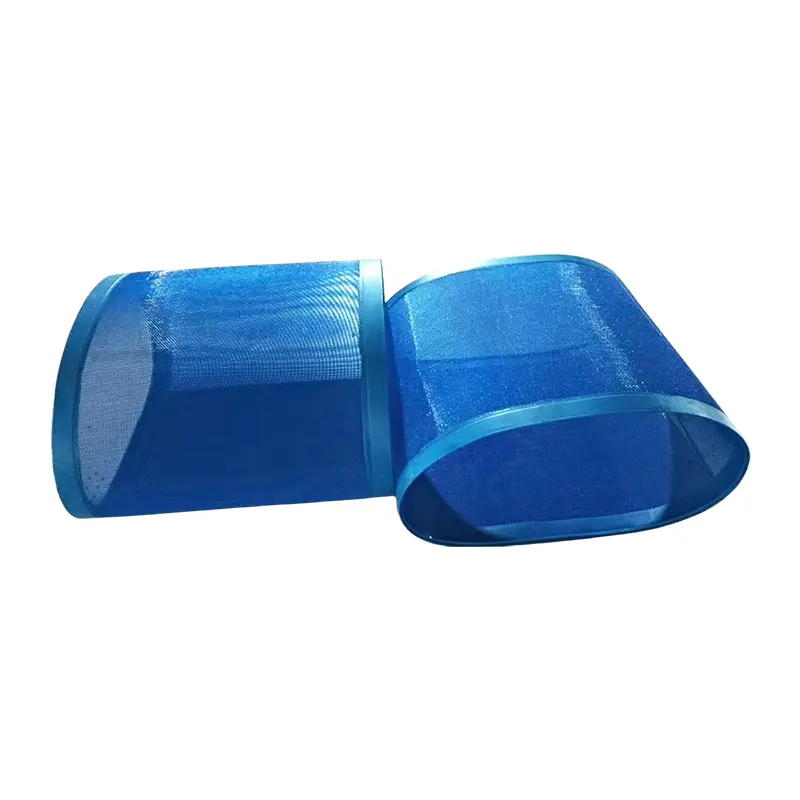
SHUNNAI focuses on seamless manufacturing technologies including heat fusion bonding and integrated vulcanization processes. The continuous belt structure improves tension consistency, reduces vibration during operation and helps prevent debris accumulation around traditional mechanical joints.
For high-precision applications such as stainless steel finishing, aluminum processing and coil handling, SHUNNAI can provide seamless belt solutions with controlled thickness tolerance and smooth running surfaces to support stable production.
Reeler and Tension Applications
Coil processing equipment requires belts that can maintain stable tension while protecting the surface quality of finished metal products. During rewinding and slitting operations, excessive friction or unstable pressure distribution may affect coil tightness and surface appearance.
Reeler Belt Solution
SHUNNAI reeler belts are developed for steel coil winding and guiding applications. The belt structure combines high-strength reinforcement layers with wear-resistant surface materials to maintain stable transmission under continuous tension changes.
Different surface options are available according to material requirements. Smooth PU surfaces are suitable for stainless steel and coated materials requiring scratch prevention. Textured surfaces provide additional grip for general steel processing. Oil-resistant perforated structures help maintain stable operation in lubricant environments.
Tension Belt Solution
During slitting and rewinding processes, tension belts need to provide controlled pressure while avoiding surface damage on galvanized and coated metal sheets.
SHUNNAI uses multi-layer composite structures combining soft surface materials, elastic layers and high-strength tensile fabrics. This design helps distribute pressure evenly, improve coil forming quality and reduce marks caused by uneven contact.
Cutting and Fabrication Applications
Metal cutting processes create unique challenges because belts may contact hot particles, sharp edges and machining debris. Selecting unsuitable materials can shorten belt life and affect equipment efficiency.
Laser Cutting Support
For laser and plasma cutting tables, SHUNNAI provides felt composite belts and high-temperature resistant solutions. The surface structure helps absorb impact from metal scraps while reducing direct damage to the belt body.
The fiber-based surface also helps reduce noise during operation and provides a stable support surface for different metal sheets.
Sheet Metal Transfer
For sheet metal transportation, surface protection is an important consideration. SHUNNAI develops soft-contact belt surfaces that balance conveying stability and material protection.
These solutions are suitable for stainless steel sheets, aluminum plates, coated panels and other products where surface appearance requirements are high.
Customized Manufacturing Process
Every metal processing line has different requirements regarding belt dimensions, running speed, load capacity and working environment. SHUNNAI provides customized production based on actual equipment conditions.
Customers can specify belt width, length, thickness, hardness, surface texture, hole patterns, guide structures and endless connection methods. The engineering team evaluates equipment parameters before manufacturing to improve installation compatibility.
Whether for narrow precision belts used in finishing equipment or wide heavy-duty belts used in coil handling systems, SHUNNAI develops solutions according to production requirements.
Performance Verification Before Shipment
For metal manufacturing customers, belt reliability directly affects production continuity. SHUNNAI has established inspection procedures covering material preparation, manufacturing accuracy and finished product performance.
Before delivery, belts are checked through dimensional measurement, tensile strength testing, splice strength verification, surface quality inspection and operational simulation according to application requirements.
For special working conditions, additional verification can be performed including oil resistance evaluation, wear testing, temperature resistance inspection and surface friction testing.
Quality Standards and Certifications
SHUNNAI follows GB/T 19001-2016 / ISO 9001:2015 quality management standards throughout product development and manufacturing. Each production stage is controlled through standardized procedures to ensure consistent product performance.
With professional testing capability and manufacturing experience, SHUNNAI supports international customers with quality documents and certification cooperation including FDA, MA and CNAS-related requirements according to project needs.
Through strict quality control and continuous improvement, SHUNNAI provides reliable conveying solutions for steel processing plants, metal fabrication factories and industrial equipment manufacturers.
Customer Testimonials
Cold Rolling Production Application
An equipment manager from a cold-rolled steel company in Hebei shared:
“Our 18-high mill exit belt failed at the splice several times every year, and each shutdown affected production schedules. After replacing it with SHUNNAI seamless reeler belts, we have operated continuously for two years without replacement. Coil edge quality has improved and the finishing line now uses SHUNNAI belts.”
Precision Slitting Application
A tension operator from a precision slitting plant in Guangdong explained:
“We process galvanized sheets with strict surface requirements. The previous tension belt created marks after surface wear. SHUNNAI customized a seamless belt with fine-grain PU and an elastic reinforcement layer. After hundreds of thousands of meters of operation, the surface remains clean and coil telescoping has been significantly reduced.”
Laser Cutting Application
A production supervisor from a laser cutting center in Jiangsu said:
“The previous felt belt became hard and damaged after several months. SHUNNAI’s high-temperature felt belt has operated for nearly one year. The surface remains stable, metal scraps do not easily damage the belt, and sheet transportation is smoother.”
Frequently Asked Questions
What industries use SHUNNAI metal processing belts?
SHUNNAI solutions are widely used in steel processing, stainless steel finishing, aluminum production, coil handling, slitting lines, laser cutting systems and other metal fabrication applications where stable conveying and surface protection are required.
How does SHUNNAI protect metal surfaces during transportation?
SHUNNAI selects suitable surface materials according to different metal products. Smooth PU, fine-grain surfaces and soft composite layers can reduce friction marks and pressure damage when transporting stainless steel, coated sheets and aluminum materials.
Can SHUNNAI customize belts for existing metal processing equipment?
Yes. SHUNNAI provides customized manufacturing according to equipment drawings and operating conditions. Belt width, length, thickness, hardness, surface structure, guide design and endless connection methods can be adjusted according to customer requirements.
What causes Metalworking Conveyor Belts to fail in metal processing applications?
Common failure reasons include sharp metal edge cutting, excessive abrasion, oil absorption, incorrect belt structure selection, splice damage and unstable tracking. SHUNNAI analyzes the working environment first and selects suitable materials to improve operating reliability.
What information should buyers provide before ordering?
Customers are recommended to provide equipment model, belt dimensions, working temperature, conveying speed, transported material type, surface requirements and operating environment information. These details help SHUNNAI engineers recommend a suitable belt structure.
How does SHUNNAI ensure product quality?
SHUNNAI follows GB/T 19001-2016 / ISO 9001:2015 quality management procedures and performs inspection during production and before shipment. Testing includes dimensional accuracy, tensile strength, splice performance and application-related verification according to different requirements.
Reliable Conveying Support for Metal Manufacturing
Tianjin Shunnai Conveyor Belt Manufacturing Co., Ltd. focuses on developing specialized belt solutions for demanding industrial applications. With more than 15 years of manufacturing experience, SHUNNAI integrates material development, production technology and application knowledge to support customers in metal processing industries.
From coil winding and slitting to laser cutting and precision sheet transportation, SHUNNAI understands that different metal production processes require different belt structures. Instead of providing a standard product for every application, the company evaluates load conditions, surface requirements, operating environment and equipment compatibility before manufacturing.
With professional production capability, strict quality control based on GB/T 19001-2016 / ISO 9001:2015 standards and support for FDA, MA and CNAS-related certification requirements, SHUNNAI delivers dependable conveying solutions for global metal processing customers.
Choosing the right belt structure can help reduce unexpected downtime, protect valuable metal surfaces and improve production efficiency. SHUNNAI is committed to becoming a reliable long-term partner for steel mills, metal fabrication factories and industrial equipment manufacturers.
Send Inquiry
Contact Info
-
Address
No.129 Qingfeng Road, Jizhou District, Tianjin City, China
-
Tel
-
Email
If you have any inquiry about a quotation or cooperation, please feel free to email or use the following inquiry form. Our sales representative will contact you within 24 hours.
News Recommendations